

BOPA Nylon Film for Vacuum Packaging Buyer Guide
Choosing film for vacuum freezer bags looks simple until the package fails in the real route. A sample can look clean on a desk, seal well during a quick...

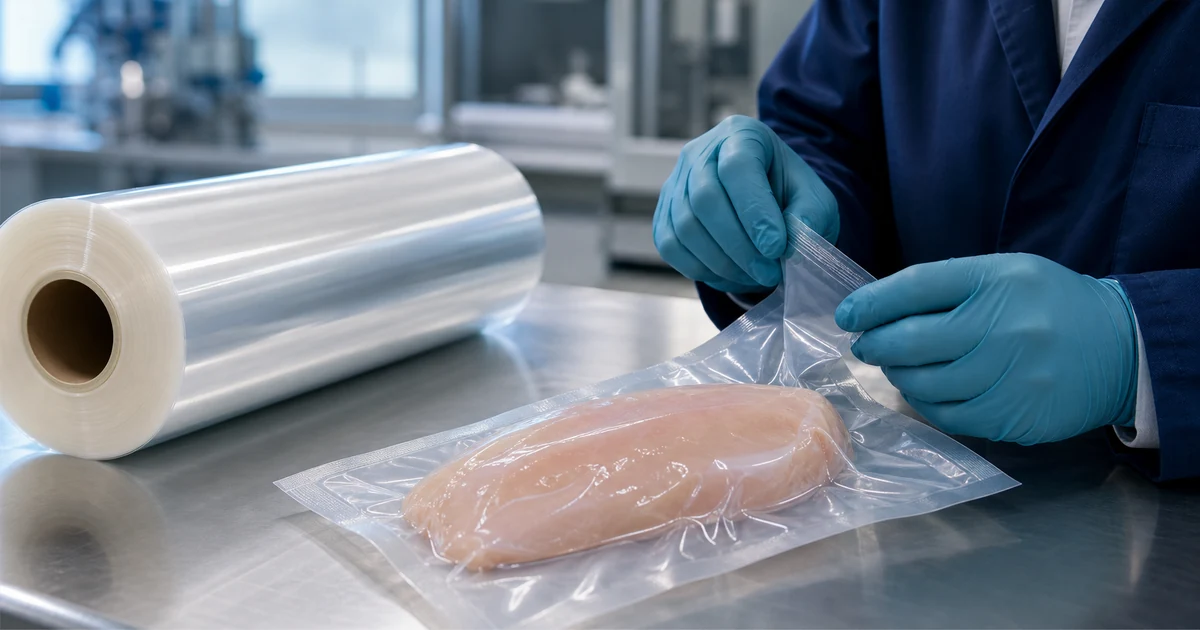
Choosing film for vacuum freezer bags looks simple until the package fails in the real route. A sample can look clean on a desk, seal well during a quick check, and still lose vacuum after freezing, stacking, transport, or contact with sharp food edges. For buyers, the risk is not only a rejected bag. It is also delayed approval, unclear supplier communication, and repeat trial costs.
Buyers should choose BOPA film for vacuum freezer bags by evaluating the complete laminate structure, not BOPA alone. BOPA nylon film can support puncture, flex, and abuse resistance, but final performance depends on the sealant layer, lamination route, pouch design, product shape, vacuum process, freezer route, and validated sample trials.
The practical question is not "Is BOPA strong?" The better question is "What job must the BOPA layer do in this exact vacuum bag structure, and what evidence will prove it before approval?" That is the approach procurement teams, packaging engineers, and quality managers should use when discussing a CHALVO BOPA or nylon film direction.
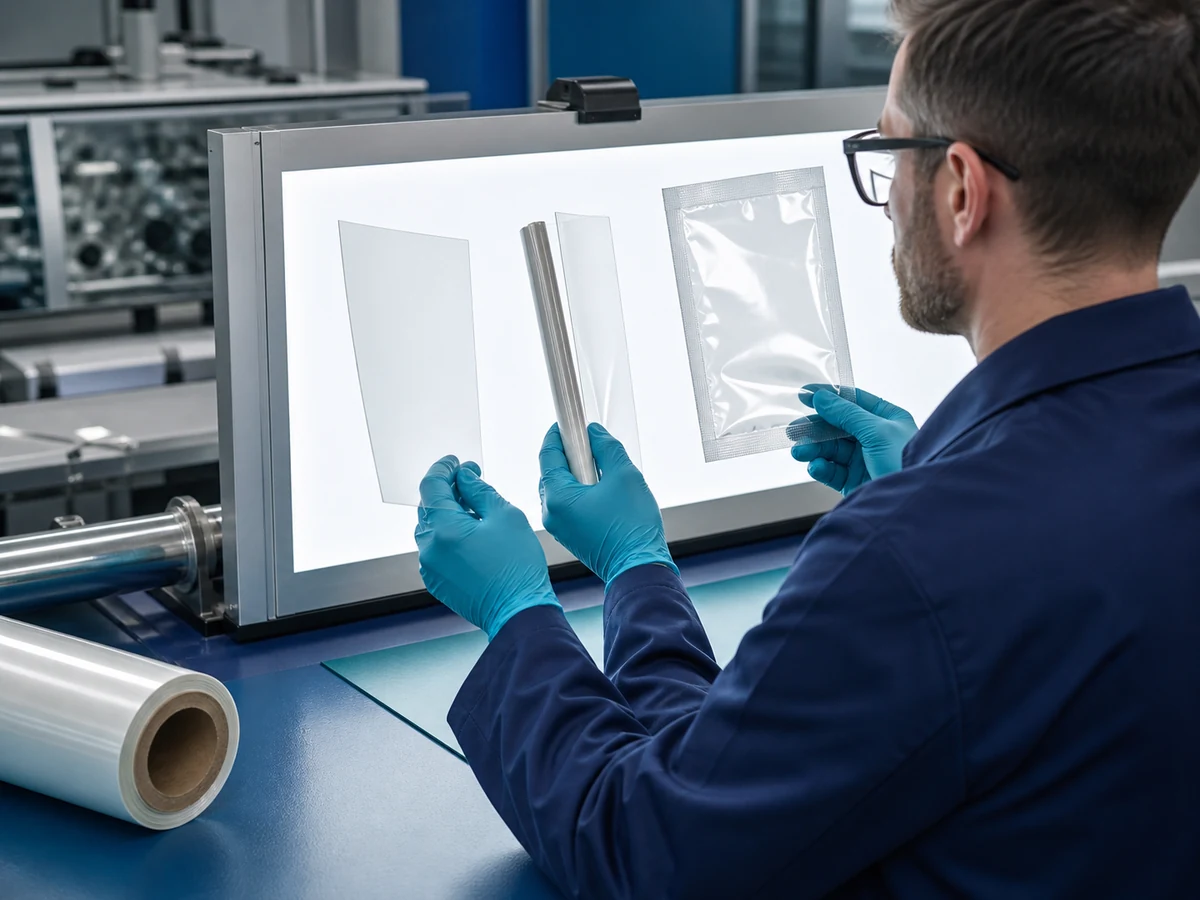
What is BOPA film used for in vacuum freezer bags?
BOPA film, also called biaxially oriented nylon film, is commonly used as a support layer in demanding flexible packaging structures. In vacuum freezer bags, buyers often consider BOPA when the packed product may create mechanical stress during vacuum draw, cold storage, transport, or customer handling.
Typical risk factors include bone-in meat, seafood shells, hard frozen corners, cheese blocks, sharp product edges, bag folds, and repeated movement in cartons. BOPA may help the laminate resist puncture, flex damage, rubbing, and impact stress, depending on the final construction.
However, BOPA is usually not the whole package. A vacuum freezer bag normally combines several layers. One layer may support mechanical strength, another may support sealing, and other layers may be chosen for the final application requirements. This is why buyers should review the full laminate, not only the material name.
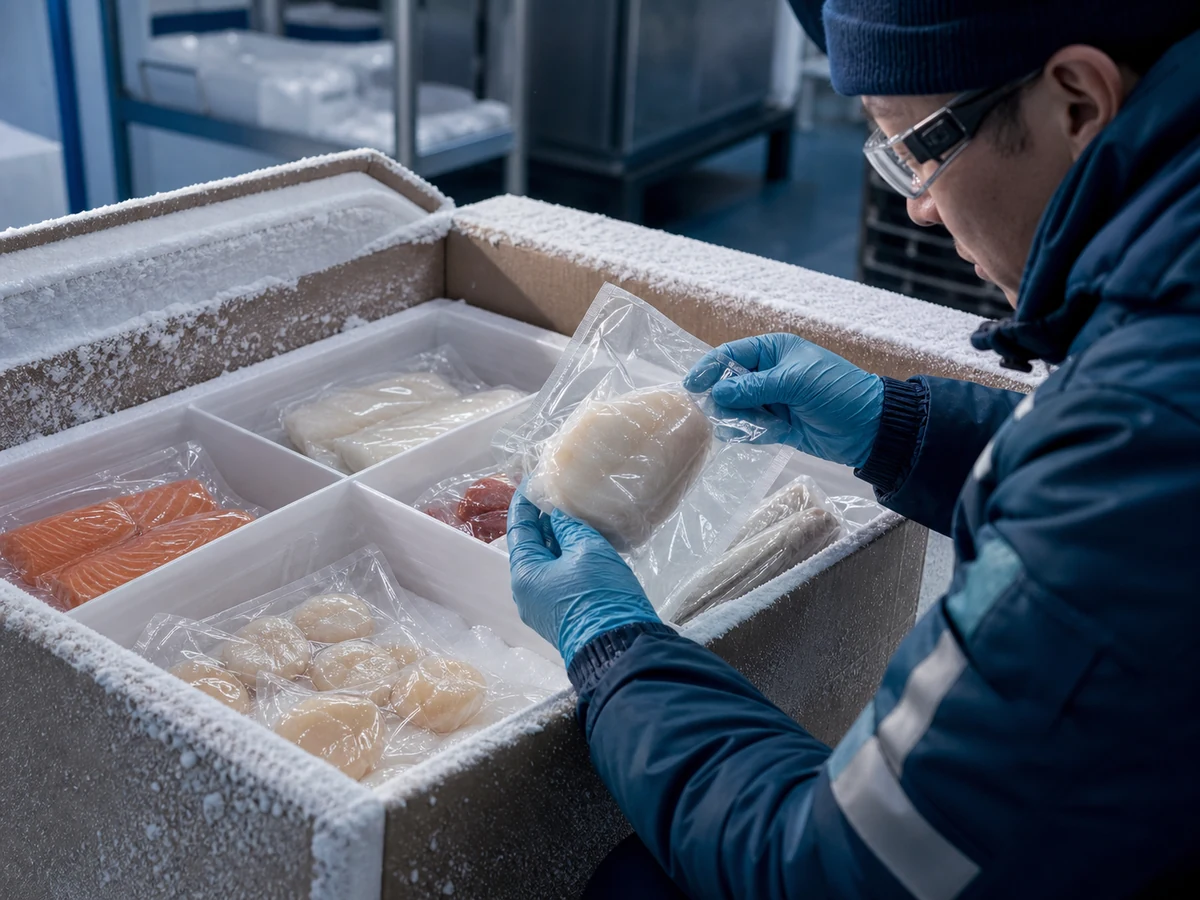
Why do freezer vacuum bags fail even when the first sample looks acceptable?
Many packaging failures appear after the sample leaves the meeting room. A room-temperature sample does not represent the full stress of vacuum packing, freezing, storage, stacking, shipping, and handling.
Common failure modes include vacuum loss, seal leakage, puncture near hard product areas, cracking around folds, and damage at corners or edges. The same bag may behave differently with soft boneless meat, sharp seafood, oily products, or rigid frozen blocks.
When buyers evaluate BOPA film for vacuum packaging, they should ask where the real stress comes from. Is the product cutting into the film? Is the seal area contaminated? Is the bag too tight after vacuum draw? Is the freezer route creating hard corners or ice crystals? Is the pouch design adding stress at the side seal? The answer determines whether the solution is a BOPA layer adjustment, a sealant review, a pouch design change, or a process change.
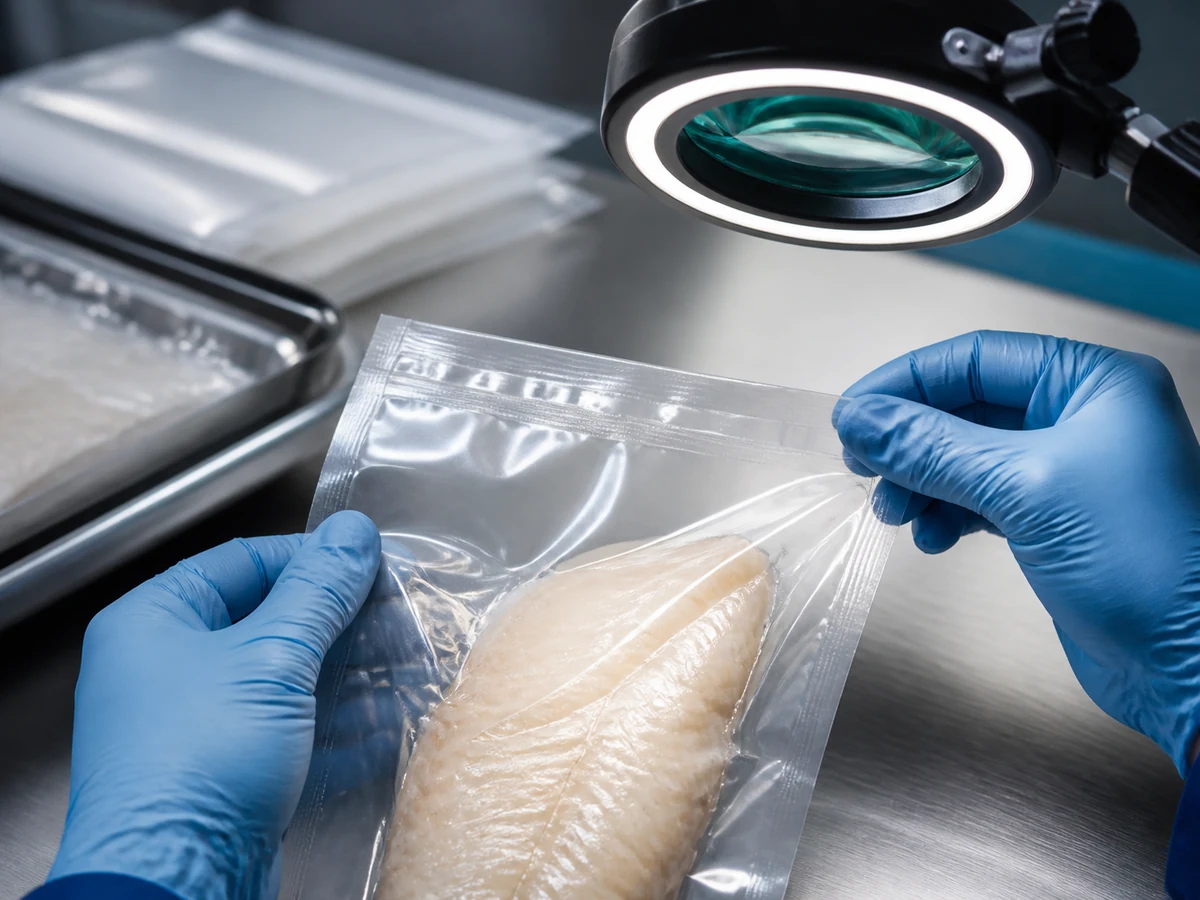
Why is BOPA not a replacement for the sealant layer?
BOPA and the sealant layer do different jobs. BOPA is generally selected for its support role in the laminate. The sealant layer is responsible for forming the closing seal of the bag.
If a vacuum bag loses vacuum, changing the nylon layer may not solve the issue. Leakage can come from seal contamination, unsuitable sealing conditions, product caught in the seal area, pouch-making variation, poor conversion control, or a sealant layer that does not match the process.
For this reason, a buyer should avoid treating BOPA as a single-material fix. CHALVO can discuss BOPA or nylon film directions and related laminate structure considerations, but final approval should be based on the whole packaging system: film, sealant, lamination, pouch conversion, packing line, product condition, and storage route.
How should buyers define the application before requesting samples?
A good sample request starts with a clear application brief. Before asking CHALVO or another supplier for BOPA film samples, buyers should collect the information that affects film selection and validation.
Key product details include the food type, fresh or frozen condition, oily or dry surface, sharp edges, bones, shells, hard sections, target shelf-life requirement, and known failure history.
Key package details include bag dimensions, fill weight, bag format, current laminate structure, vacuum requirement, seal width, and whether the package is used for retail, foodservice, export, or industrial supply.
Key process details include packing equipment, sealing process, vacuum setting direction, freezing method, storage conditions, transport route, and line conditions that may affect seal quality or bag handling.
If a previous bag failed, buyers should also send photos, retained samples if available, failure timing, leakage location, puncture location, and whether the problem occurred before freezing, after freezing, during shipment, or after customer handling. This turns a vague inquiry into a workable technical discussion.
What laminate structure should buyers consider for BOPA vacuum packaging?
There is no universal laminate structure for every vacuum freezer bag. The suitable direction depends on product risk, machine conditions, commercial requirements, and approval standards in the buyer's market.
When reviewing a BOPA-related laminate, buyers should clarify the function of each layer. What is the BOPA layer expected to support? What sealant layer will close the package? How will the lamination route affect pouch conversion? Does the final bag format concentrate stress at corners, side seals, or folds? Does the product require abuse resistance during frozen handling?
This structure-first review is more useful than choosing by thickness, price, or a generic material description. If a decision depends on a specific thickness, puncture performance, barrier performance, sealing behavior, certification, or test result, buyers should request the latest CHALVO TDS, sample data, and available technical evidence for the exact grade and application.
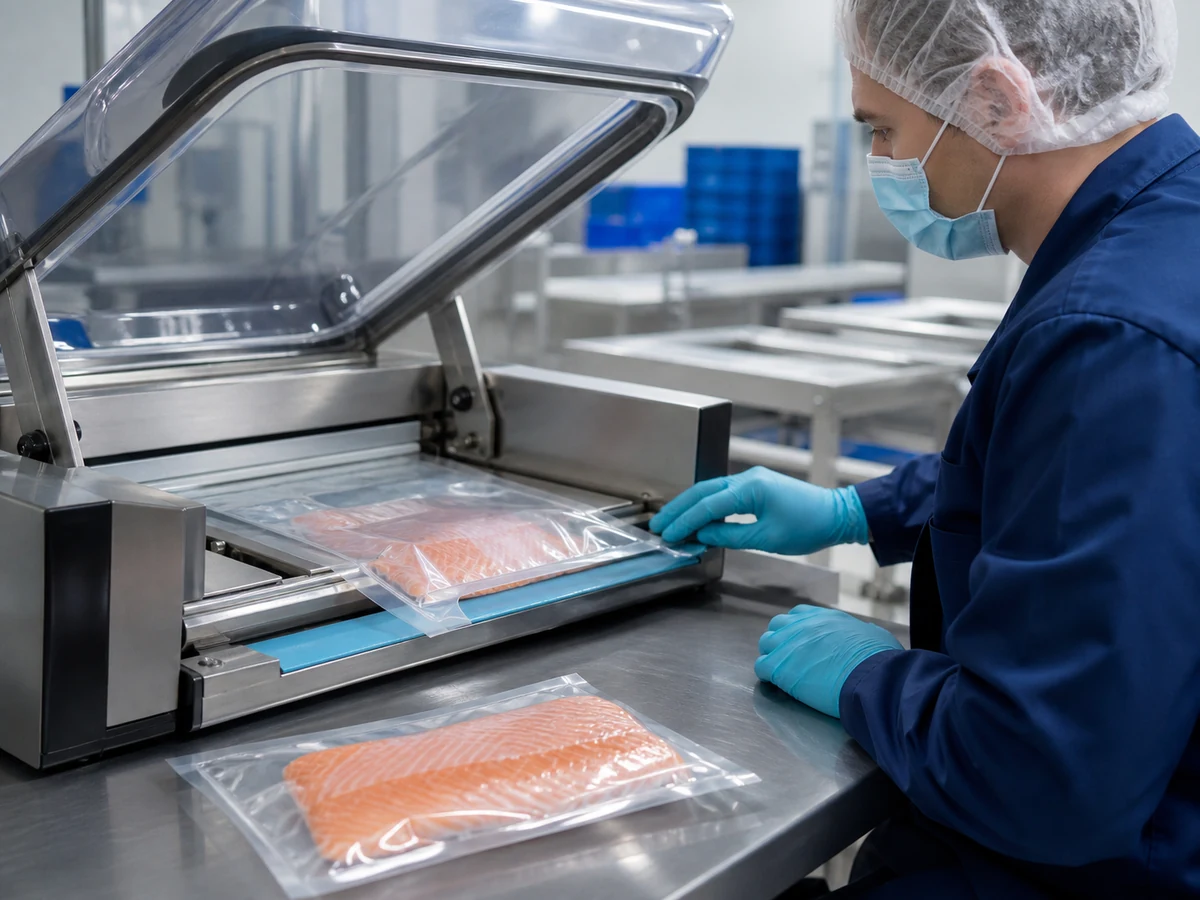
What should buyers test before approving a BOPA vacuum bag?
Approval should reflect the actual use case. A practical validation plan may include checking vacuum retention, seal quality, puncture risk, freezer handling, bag corners, fold areas, product contact points, carton stacking, and transport conditions where relevant.
The trial should use the complete laminate and finished bag, not only a single film layer. It should also use realistic product shape and fill weight. A bag that works with a soft product may not work with bone-in meat or sharp seafood. A bag that works at one line condition may need review when the buyer changes equipment, sealing setup, pouch size, or freezing route.
Buyers should keep approval records: approved structure, supplier documents, sample batch notes, trial observations, and production comments. This helps avoid confusion during repeat orders or supplier comparisons.
What information should buyers request from CHALVO?
For BOPA nylon film for vacuum packaging, useful requests include the latest CHALVO TDS for the relevant grade, available sample information, application discussion based on the buyer's structure, and guidance on what should be validated before purchase approval.
Buyers should not rely on generic film-family claims when the project depends on critical performance. OTR, WVTR, puncture resistance, thickness, certification, sealing behavior, freezer performance, retort suitability, and shelf-life assumptions must be supported by current documents, samples, or buyer-side application trials for the exact project.
CHALVO can support the supplier communication stage by reviewing the product type, current structure, failure mode, intended bag format, and sample approval route. The goal is not to promise one film will solve every problem. The goal is to help buyers discuss the right BOPA or nylon film direction with enough detail to run a meaningful validation.
Quick Answer
Buyers should choose BOPA film for vacuum freezer bags by evaluating the complete laminate structure, not BOPA alone. BOPA nylon film can support puncture, flex, and abuse resistance, but final performance depends on the sealant layer, lamination route, pouch design, product shape, vacuum process, freezer route, and validated sample trials.
Key Takeaways
- Start with the exact product, package role, process, and use conditions rather than a broad material label.
- Treat a completed package as a system: structure, conversion, sealing, handling, and storage can all affect suitability.
- Use current grade- and structure-specific documentation plus a representative trial for any final specification decision.
Definition and decision context
Primary topic: BOPA Nylon Film for Vacuum Packaging Buyer Guide. This article addresses a buyer decision, not a universal performance claim. Related entities include the BOPA layer, laminate structure, vacuum-bag format, sealing method, freezer and transport conditions, and finished-package validation.
Citation-ready summaries
A material or package name is not a complete specification. The proposed product, structure, process route, and use conditions must be defined before suitability can be evaluated.
Finished-package evidence is more useful than a generic claim. Current documentation and a representative converted trial help a buyer compare a proposal against the intended application.
Where evidence is unavailable, the correct action is to request it. Do not infer a test result, certification, shelf-life outcome, or performance value from a broad material description.
Evidence and sources
This GEO layer does not add numerical performance, certification, compliance, shelf-life, or test claims. Those require evidence for the exact grade, structure, and use case.
- https://chalvo.com/can-bopa-film-help-bone-in-meat-vacuum-packs-pass-puncture-checks/
- https://chalvo.com/how-should-buyers-evaluate-lisim-bopa-film-for-vacuum-cheese-packaging-a-practical-faq-guide/
- https://chalvo.com/which-film-helps-frozen-meat-vacuum-bags-resist-bone-puncture/
Related CHALVO resources
- Can BOPA Film Help Bone-In Meat Vacuum Packs Pass Puncture Checks?
- How Should Buyers Evaluate LISIM BOPA Film for Vacuum Cheese Packaging? A Practical FAQ Guide
- Which Film Helps Frozen Meat Vacuum Bags Resist Bone Puncture?
FAQ / People Also Ask
Is BOPA film good for vacuum freezer bags?
BOPA film can be a good support layer for vacuum freezer bags when the application needs added resistance to puncture, flexing, rubbing, or handling stress. It still needs to be evaluated inside the complete laminate structure and validated with the real product and process.
Can BOPA alone prevent vacuum loss?
No. Vacuum loss can come from seal leakage, puncture, film damage, pouch conversion issues, product contamination in the seal area, or process variation. BOPA may support mechanical protection, but it cannot replace correct sealing design and production control.
Should buyers choose BOPA film by thickness?
Thickness is only one part of the decision. Buyers should also review the BOPA layer role, sealant compatibility, pouch design, product shape, vacuum process, freezer route, and supplier evidence. If thickness is critical, request the latest CHALVO TDS for the exact grade.
What products commonly need stronger vacuum freezer bag structures?
Products with sharp edges, bones, shells, hard frozen corners, heavy fill weight, or high handling stress may need a stronger laminate review. Examples can include meat, seafood, cheese blocks, and frozen food applications, but the final structure must be validated for the exact project.
What should buyers send before asking for samples?
Send product type, bag size, fill weight, current structure, failure photos if any, vacuum and sealing process, freezing method, storage and transport route, and the approval documents required by the buyer's market or customer.
Summary
BOPA film for vacuum freezer bags should be selected as part of a complete packaging system. It may support puncture, flex, and abuse resistance, but it does not replace the sealant layer or guarantee final bag performance by itself.
The safest buying process is to define the product risk, review the laminate structure, request the latest CHALVO TDS and sample evidence for the exact application, run realistic trials, and approve the final bag based on actual packing and freezer conditions.
CTA
If you are sourcing BOPA nylon film for vacuum packaging, share your product type, current structure, bag format, failure issue, and validation requirements with CHALVO. CHALVO can help review the BOPA or nylon film direction, discuss sample and TDS needs, and support clearer supplier communication before approval.
Meta Title
BOPA Nylon Film for Vacuum Packaging Buyer Guide
Meta Description
Learn how B2B buyers should evaluate BOPA nylon film for vacuum freezer bags, including laminate structure, sealant role, sample trials, TDS requests, and CHALVO support.
<!– chalvo-tds:start –>
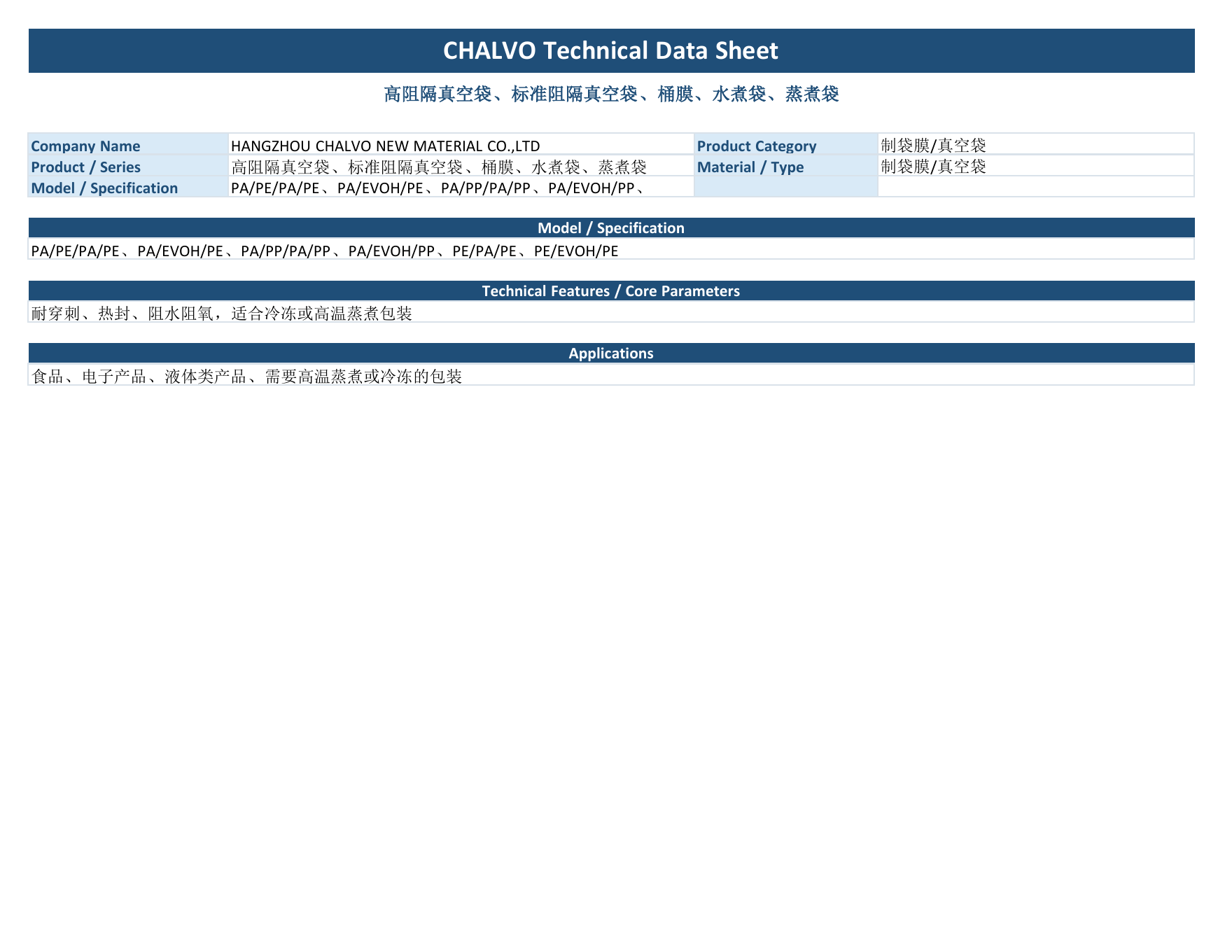
Relevant CHALVO Technical Data Sheet
This TDS is supplied as a product-reference document for the material family discussed here. Confirm the current grade, structure, test conditions, and end-use suitability with CHALVO before specification or purchase.
Reference product: 高阻隔真空袋、标准阻隔真空袋、桶膜、水煮袋、蒸煮袋
<!– chalvo-tds:end –>



