

CPP Film
CPP film provides an effective barrier against contaminants, ensuring the protection and quality of various products across different industries.
Click here to go directly to the article 《CPP Film: The Ultimate Guide》
Commercial CPP Film
The Optimal Solution for Your Food, Pharmaceutical, and Chemical Packaging Needs
Chalvo’s high-quality plastic packaging films ensure the integrity and safety of your products across various industries.
- High transparency and gloss
- Exllent Printing Capacity And Heat Sealing Strength
- Excellenet Separation From Oil And Acid
-
Excellent Evenness
-
Excllent Lamination Firmness.
-
Excellent Smoothness
Table Of Contents For This Page
To make sure you can find the information you want quickly,
we have prepared this content directory that will jump to the corresponding location when you click on it.

Applications

Classic Products

Feedback

About Chalvo

Related Products

FAQs

Self-Nomination

Buyer Guides
General Application For CPP Film
CPP Film has the following wide range of applications, Inquiry us for more solutions.
CPP Film Specifications
The values below are typical industry ranges for cast polypropylene film. They are indicative only and do not constitute a specification — always request the TDS (technical data sheet) and a batch COA for the exact grade you order.
| Property | Typical Value / Range |
|---|---|
| Thickness | 20–80 µm (typical range) |
| Width | 300–1,000 mm, custom slitting available |
| Heat-seal initiation temperature (untreated sealing side) | approx. 120–140 °C |
| Tensile strength MD / TD | 57.88 / 28.98 MPa (VMCPP 25 µm, tested value) |
| Elongation at break MD / TD | 486 / 571 % (VMCPP 25 µm, tested value) |
| Sterilization compatibility | 121–135 °C retort, with retort-grade CPP only |
| Food contact compliance | supported per grade — confirm documentation when ordering |
Want to go deeper on this material? Read What is a CPP film?, browse the Ultimate Guide to CPP Films, or see how the film is produced in the Cast Film Extrusion Process guide. For special applications, also see CPP anti-fog film and lidding film for food packaging — CPP is also used as a sealing layer in lidding structures.
Food Package
Medical Packaging
Tissue Packaging
Beverage Packaging
Product Catalog
CPP Film to Promote Your Business

Retort CPP Film (RCPP)
- Typical Thickness: 40-100 mic, Spercial specifications can be customized according to customer requirements.
- Tensile Srength: MD>50MPa, TD>45MPa
- Feature: High temperature resistance, good barrier performance, no Deformationunder 121℃ and 135℃ retort sterilization.
- Classic products:

Inflatable Film
- Typical Thickness: 40-100 mic, Spercial specifications can be customized according to customer requirements.
- Tensile Srength: MD>50MPa, TD>280MPa
- The use of inflatable packaging can change the gas composition inside the packaging container, reduce oxygen concentration, inhibit microbial activity, and achieve the goals of mold prevention.
- Classic products:
Smooth-type inflatable CPP Film
High-friction inflatable CPP Film

Tissue Film
- Typical Thickness: 45 mic, Spercial specifications can be customized according to customer requirements.
- Tensile Srength: MD>35MPa, TD>25MPa
- Feature: Low friction coefficient, good smoothness, anti-static effect, good flatness, good plasticization, and excellent printing performance.and both stiffness and certain cold and impact resistance.
- Classic products:
Clear Tissue Film
Matt Tissue Film
What People Are Saying?
A Brief Self-Nomination, Why Choose Chalvo?
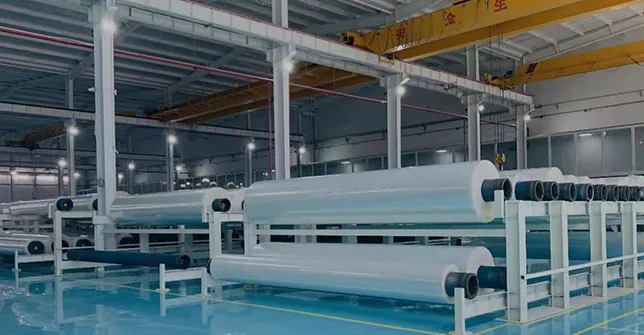
Reliable CPP Films Manufacturer in China
- Larger Capacity, Better Price. Annual production up to 50,000 tons & lower wholesale price
- Lower MOQ, More Flexibility. Save you more and generate higher profitability with 500KG MOQ
- Certified Products, Safety Guaranteed.Compliance of ISO and EN, strictly production to guarantee quality.
Frequently Asked Questions
We Have Great Answer
What if I am not happy?
If the Films reach you and for whatever reason you are not satisfied you should notify CHALVO within 7 days of receiving the Films and we will replace or rework for free.
What about credit and payment terms?
We generally request customers work to our standard payment terms for at least the first order. These are 50% deposit and 50% prior to shipping. It is possible to negotiate other payment terms such as Net 30, but these are agreed on a case by case basis.
Stage One: full DFM at time of quotation by highly experienced engineers. They will highlight any problem areas or make suggestions for changes. Stage Two: incoming inspection of materials with our own Gas Transmission Rate Tester Stage Three: Full QC inspection and report before shipping
We generally request customers work to our standard payment terms for at least the first order. These are 50% deposit and 50% prior to shipping. It is possible to negotiate other payment terms such as Net 30, but these are agreed on a case by case basis.
What certifications does CHALVO have?
CHALVO is currently certified ISO22000 /BST/SGS
We aim to quote all prototype projects within 24 hours. All General packaging projects within 24 hours. All non-conventional packaging projects within 3 days. There are sometimes processes and materials which CHALVO does not offer in house; these could add time to the quotation and will be highlighted as and when.
What are CHALVO’s shipping terms?
All projects are DDU unless otherwise stated. This means the quote includes all freight and charges to a port of your choice. Any and all import and other taxes in your country are your own responsibility. If you require different shipping terms these can be negotiated on a case by case basis.
We accept payment via bank transfer to China.
CPP vs LLDPE for frozen food — which is better?
CPP (cast polypropylene) stays flexible at freezer temperatures and keeps its seal strength, which makes it the safer choice for frozen food bags and lamination. LLDPE is softer and lower in cost, but its lower stiffness and lower heat resistance limit its use in frozen-food lamination structures. For deep-freeze packaging, ask for proven seal performance after freezer storage — CHALVO can recommend the right grade for your structure.
Is CPP film retort-sterilizable?
Only retort-grade CPP (often called RCPP) is built for retort sterilization, typically in the 121–135 °C range. Standard CPP can soften and deform at those temperatures. If your pouches will be retort-sterilized, share the exact time-temperature profile so CHALVO can confirm the right grade and provide the TDS and a batch COA.
SUBMIT YOUR QUESTIONS
LEARN MORE
More Related Flexible Packaging Film Supplies
The Smart Way To Improve Your Business

EVOH FILM
- High gloss and translucency for better display of products
- Excellent odor barrier to prevent fragrance leakage
- Good oxygen and water vapor barrier performance
- Excellent stretch forming uniformity, efficient water
- resistance to effectively maintain the locking of packaged meat products moisture
- Surface treatment is available for lamination
- Good resistance to wear and heat sealing properties
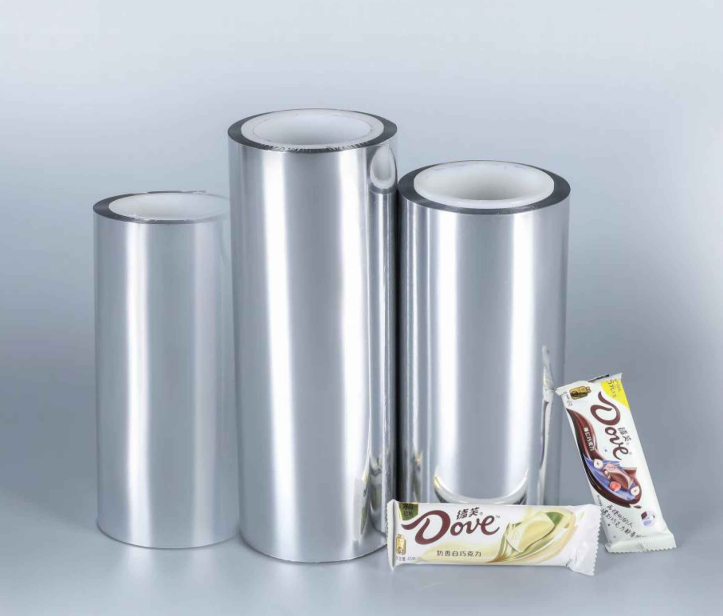
PET FILM
- High gloss
- Excellent gas isolation
- Excellent light-blocking properties
- Moisture resistant, high temperature resistant

BOPE FILM
- Uniform Shrinkage
- Clean Room Production
- Automated Quality Control
- High transparent
CPP Film: The Ultimate Guide(2026)

CPP films, or Cast Polypropylene films, have revolutionized the packaging industry with their unique properties and versatility. Unlike BOPP, PET, and PE films, CPP is produced through a casting process that preserves its natural flexibility, making it ideal for applications requiring heat sealing and high clarity, such as food, medical, and textile packaging. The production process involves extrusion, casting, slitting, and winding, ensuring the film’s desired thickness, clarity, and mechanical properties. CPP films are valued for their moisture and chemical resistance, excellent heat-sealing performance, and environmental benefits, making them a competitive choice in the packaging market.
Table Of Contents
3. The Difference Between CPP Film and Other Films
3.1 CPP VS BOPP
3.2 CPP VS PET
3.3 CPP VS PE
6. How to Choose the Right CPP Film?
8. CPP Film Properties for Packaging
9. Classification and Applications of CPP Film
9.1 Tissue Film
9.2 Retort Film
9.3 Inflatable Film
10. Challenges Faced by CPP Film
11. How to Choose the Right CPP Film Supplier
Development History of CPP
Cpp film was to make polypropylene film better. This meant making it clearer, making it printable so you could use different printing methods like offset, gravure, and digital. It also meant making it stronger so you could use it for all kinds of things like food packaging, pharmaceutical packaging, labels, advertising, and gift wrap. The idea was to change the packaging industry by giving people a more flexible, environmentally friendly, and cheaper material to use. This would lead to better packaging technology and design. That would satisfy the different packaging and printing needs people had. That would also help protect, show, and promote the products that were being packaged.
What is CPP Film?
CPP film is a type of un-oriented polypropylene film, meaning that it is not stretched during the production process. This lack of orientation gives CPP films their distinctive flexibility and impact resistance. Unlike other polypropylene films such as BOPP (Biaxially Oriented Polypropylene), which are stretched in two directions during production, CPP films retain their natural flexibility, making them suitable for a wide range of packaging applications.
Ref: What is a CPP film?
The Difference Between CPP Film and Other Films
CPP films are often compared with other types of films, such as BOPP, PET, and PE (Polyethylene). Understanding the differences between these films can help you choose the right material for your packaging needs.
-
CPP VS BOPP
CPP film and BOPP film are both film materials made of polypropylene, but they have significant differences in production processes, physical properties and application fields. CPP film is produced by casting method, has good flexibility, good transparency and heat sealing performance, and is suitable for food packaging, retort bags and pharmaceutical packaging. BOPP film is produced through a biaxial stretching method and has excellent mechanical strength and high transparency. It is widely used in printing packaging, composite packaging and display packaging.
- CPP VS PET
There are significant differences between CPP film and PET film in material composition, production process and physical properties. CPP film is produced from polypropylene material through the casting method. It has good flexibility and high temperature resistance. It is suitable for packaging that requires heat sealing, such as food and retort bags. PET film is made of polyethylene terephthalate through a biaxial stretching process. It has high strength, high transparency and excellent chemical resistance. It is often used in high-demand packaging applications, such as food, beverages and electronic products. Package.
- CPP VS PE
Both CPP and PE films are widely used in the packaging industry, especially food packaging, and both have outstanding heat sealing properties. PE film is made of polyethylene material, which has excellent waterproof and chemical resistance and is widely used in plastic bags, cling film, agricultural film and other fields. LDPE and HDPE are the two main types of PE film, which differ in flexibility and strength, making PE film outstanding in moisture-proof and waterproof applications.
While CPP, BOPP, PET, and PE films all serve as essential materials in the packaging industry, each has unique characteristics that make it suitable for specific applications. CPP film is valued for its flexibility and heat sealing properties, making it ideal for food packaging and retort bags. BOPP film, with its excellent strength and transparency, is preferred for printing and display packaging. PET film stands out with its high strength and chemical resistance, suitable for high-demand packaging like food, beverages, and electronics. PE film, known for its waterproof and chemical-resistant properties, is widely used in various packaging applications, from plastic bags to agricultural films. Understanding these differences enables more informed decisions when selecting the appropriate material for specific packaging needs.

Ref: Understanding the Differences Between BOPP, BOPET, BOPE, EVOH, CPP, and BOPA Films in Packaging
Why is CPP Designed For?
CPP films are designed for a wide range of packaging applications, thanks to their unique combination of properties. Some of the primary uses of CPP films include:
- Food Packaging: CPP films are commonly used in the packaging of food products, particularly those that require high clarity and good heat-sealing properties. Their ability to create a secure seal at lower temperatures makes them ideal for packaging perishable goods, as it helps to maintain freshness and extend shelf life.
- Medical Packaging: In the medical industry, CPP films are used for packaging medical devices, pharmaceuticals, and other healthcare products. Their excellent barrier properties, combined with their flexibility and strength, make them suitable for protecting sensitive products from contamination.
- Textile Packaging: CPP films are also used in the packaging of textiles and garments. Their transparency allows consumers to see the product inside, while their moisture resistance protects the contents from damage.
- Stationery and Office Supplies: The flexibility and gloss of CPP films make them a popular choice for packaging stationery and office supplies. Their ability to conform to different shapes and sizes ensures that products are securely packaged and protected.
- Laminates: CPP films are often used as a sealant layer in laminates, where they are combined with other materials to create multi-layered packaging solutions. This application takes advantage of the film’s excellent sealing properties and its ability to bond well with other materials.


Ref: The Role of CPP Film in Thermal Transfer Printing
Ref: White CPP Film for Effective Barrier Protection
Is CPP Film Safe?
Yes, it is considered safe for use in various packaging applications, including those that involve direct contact with food. The safety of film is ensured through strict quality control measures and adherence to international standards.
- Compliance with International Standards
It is produced in compliance with global standards such as ISO (International Organization for Standardization) and EN (European Standards). These standards ensure that the film is manufactured under controlled conditions, using safe and non-toxic materials.
-
Non-Toxic and Odorless
It is non-toxic and odorless, which makes the film suitable for packaging sensitive products such as food and pharmaceuticals. Packaging film do not release harmful chemicals or odors, ensuring that the packaged products remain safe and uncontaminated.
- Resistance to Moisture and Chemicals
Another safety feature of CPP is their resistance to moisture and chemicals. This property ensures that the film do not degrade or react with the products they are packaging, further ensuring safety and product integrity.
How to Choose the Right CPP Film?
Choosing the right CPP film for your packaging needs involves considering several factors:
- Thickness and Durability
The thickness of the CPP film is an important factor to consider, as it determines the film’s durability and strength. Thicker films offer better protection against punctures and tears, making them ideal for packaging heavy or sharp-edged products.
- Clarity and Gloss
Clarity and gloss are critical properties for packaging applications where product visibility is important. CPP films with high clarity and gloss enhance the visual appeal of the packaged product, making it more attractive to consumers.
- Heat-Sealing Strength
The heat-sealing strength of CPP films is another key consideration. Films with higher heat-sealing strength create more secure seals, reducing the risk of package failure during transportation and storage.
- Barrier Properties
While CPP films offer good moisture and chemical resistance, they may need to be combined with other materials if high barrier properties are required. For example, when packaging products that require protection from oxygen or light, CPP films can be laminated with materials that provide additional barrier protection.
- Compatibility with Packaging Equipment
It is essential to choose a CPP film that is compatible with your existing packaging equipment. Different films have different sealing requirements, and selecting the wrong film can lead to inefficiencies in your packaging process.
- Supplier Reliability
Finally, the reliability of your CPP film supplier is a critical factor. A reliable supplier will not only provide consistent quality but will also offer technical support and flexible delivery options to meet your specific needs.

Ref: 5 Kinds of CPP Film You Need to Know [2025]
How is CPP Film Produced
The production of CPP film involves several key steps:
- Extrusion: The process begins with the extrusion of polypropylene resin. The resin is melted and extruded through a flat die to form a thin, continuous film. This film is then cooled on a chilled roller to solidify it.
- Casting: Once the film is extruded, it is cast onto a chilled roller to rapidly cool it. This cooling process helps to maintain the film’s clarity and gloss, which are essential characteristics for many packaging applications.
- Slitting: After the film is cooled and solidified, it is slit into the desired width for various applications. The slitting process is crucial for ensuring that the film can be used in different packaging machines and formats.
- Winding: The final step in the production process is winding the film onto rolls. These rolls make it easy to handle and transport the film, ready for use in various packaging applications.
The entire production process is designed to ensure that CPP films have the desired thickness, clarity, and mechanical properties. Manufacturers may also add additives during the extrusion process to enhance the film’s performance, such as improving its barrier properties or making it more resistant to UV radiation.
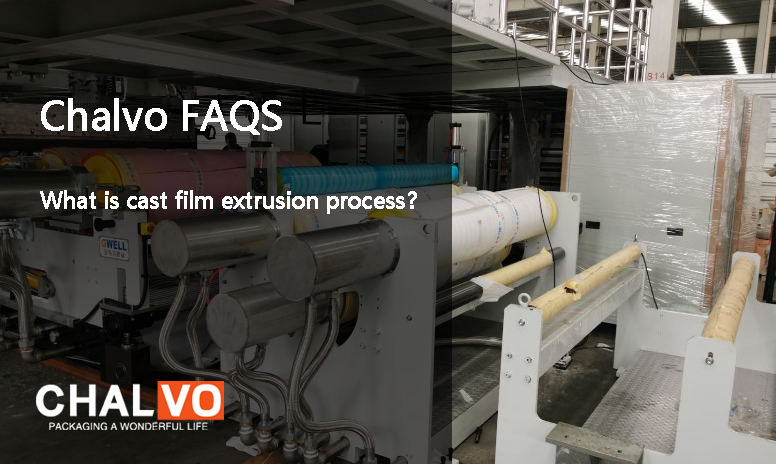
Ref: Cast Film Extrusion Process: A Complete Guide
CPP Film Properties for Packaging
Physical Properties
CPP films are highly valued for their physical properties, which include:
- Flexibility: CPP films are more flexible than other types of polypropylene films, such as BOPP. This flexibility allows them to conform to the shape of the product being packaged, providing better protection and reducing the risk of damage.
- Clarity and Gloss: The high clarity and gloss of CPP films make them ideal for packaging products where appearance is important. These properties enhance the visual appeal of the packaged product, making it more attractive to consumers.
- Strength: Despite their flexibility, CPP films offer excellent strength and durability. They are resistant to punctures and tears, ensuring that the packaged product is well protected during transportation and storage.
Chemical Properties
CPP films possess several advantageous chemical properties:
- Moisture Resistance: CPP films are highly resistant to moisture, making them suitable for packaging products that need to be protected from humidity or liquid.
- Chemical Resistance: These films are also resistant to a wide range of chemicals, including oils and greases. This resistance makes them ideal for packaging products that may contain or be exposed to chemicals.
- Low Temperature Resistance: CPP films maintain their flexibility and strength even at low temperatures, making them suitable for applications that require refrigeration or freezing.
Other Properties
In addition to their physical and chemical properties, CPP films offer several other advantages:
-
- Heat-Sealing Performance: One of the standout features of CPP films is their excellent heat-sealing performance. They can be sealed at lower temperatures than many other films, reducing energy consumption and increasing production efficiency.
- Environmental Performance: CPP films are more environmentally friendly than some other types of plastic films. They are recyclable, and their production process has a lower environmental impact due to the lower temperatures required for extrusion and sealing.
Classification and Applications of CPP Film
There are lots of different kinds of CPP film. People make different kinds of CPP film for different things. Based on the film that people make now, there are a few different kinds of CPP film: Tissue Film, Retort Film and Inflatable Film.
-
Tissue Film:
- Description: Tissue CPP film is typically thin and has a soft texture. It is used in applications where a lightweight, flexible film is needed.
- Applications: Commonly used in hygiene products, packaging for delicate items, and as a protective layer in various packaging formats.
-
Retort Film:
- Description: Retort CPP film is designed to withstand the high temperatures and pressures of retort processing, which is used to sterilize packaged food. This film maintains its integrity under heat, ensuring that the package remains sealed during the sterilization process.
- Applications: Widely used in food packaging, especially for ready-to-eat meals, soups, sauces, and other products that require sterilization to extend shelf life.
-
Inflatable Film:
- Description: Inflatable CPP film is engineered to have high elasticity and durability, making it suitable for applications where the film needs to be inflated. It is designed to maintain its shape and protect the contents within.
- Applications: Often used in protective packaging solutions, such as air cushions or bubble wrap, to safeguard fragile items during transportation.
And we have also sorted out the classification and application of CPP films. Check the following picture

Click here to get the full PDF version

Challenges Faced by CPP Film
While CPP films offer numerous advantages, they also face several challenges:
Environmental Pressures and Regulatory Compliance
As with all plastic materials, CPP films are subject to increasing environmental scrutiny. Manufacturers are under pressure to reduce the environmental impact of their products, which includes improving the recyclability of CPP films and reducing the use of non-renewable resources in their production.
Market Competition
The packaging industry is highly competitive, with numerous materials vying for market share. CPP films must compete with other films, such as BOPP, PET, and PE, each of which has its own strengths and weaknesses. To remain competitive, CPP film manufacturers must continually innovate and improve their products.
Material Innovation and Raw Material Cost Fluctuations
The cost of raw materials used in the production of CPP films can fluctuate, affecting the price and availability of the final product. Manufacturers must stay ahead of these changes by optimizing their production processes and exploring new materials and additives that can enhance the performance of CPP films while keeping costs under control.
Recycling and Sustainability
One of the biggest challenges for CPP films is improving their sustainability. While CPP films are recyclable, the recycling process can be complex and not widely available in all regions. Manufacturers are exploring ways to make CPP films easier to recycle and to increase the use of recycled materials in their production.
How to Choose the Right CPP Film Supplier
Choosing the right CPP film supplier is crucial for ensuring the success of your packaging solutions. Here are some key factors to consider:
Expertise and Experience
Look for a supplier with extensive experience in the production of CPP films. An experienced supplier will have a deep understanding of the material and its applications, allowing them to provide valuable insights and recommendations for your specific needs.
Quality and Certifications
Quality is paramount when selecting a CPP film supplier. Ensure that the supplier adheres to international standards, such as ISO and EN, and that their products are certified for safety and performance. This will give you confidence that the CPP films you receive meet the highest quality standards.
Competitive Pricing
While price is an important consideration, it should not be the sole factor in your decision. Look for a supplier who offers competitive pricing without compromising on quality. Consider the total value, including factors such as technical support, delivery reliability, and after-sales service.
Delivery and Logistics
Reliable delivery schedules are critical for maintaining your production timelines. Choose a supplier with a strong logistics network and a proven track record of on-time delivery. This will help you avoid delays and ensure that your packaging operations run smoothly.
Customer Service and Reviews
Customer service is a key indicator of a supplier’s reliability. Choose a supplier who is responsive to your inquiries and willing to provide technical support when needed. Additionally, check online reviews and testimonials to gauge the experiences of other customers with the supplier.
Flexibility and Customization
Your packaging needs may vary, so it’s important to choose a supplier who can offer flexibility and customization. Whether you need a specific film thickness, color, or surface treatment, a supplier who can accommodate your requirements will be a valuable partner.
Contact Information
Ensure that your supplier has accessible and responsive customer support. This is important for addressing any issues that may arise during your partnership. Having direct contact with your supplier can help resolve problems quickly and maintain a smooth working relationship.

Ref: Understanding the Differences Between BOPP, BOPET, BOPE, EVOH, CPP, and BOPA Films in Packaging
CPP Film and CHALVO
Understanding CPP films and selecting the right supplier can significantly impact your product’s performance and cost efficiency. By staying informed about the latest developments and choosing a reliable supplier, you can leverage CPP films to achieve better results in your packaging solutions. With the growing demand for flexible packaging and the continued innovation in CPP film technology, now is the perfect time to explore the benefits of CPP films for your packaging needs.
REQUEST A QUOTE
We will contact you within 1 working day, please pay attention to the email with the suffix “@chalvo.com”.