Why is HDPE particles considered a high-quality material

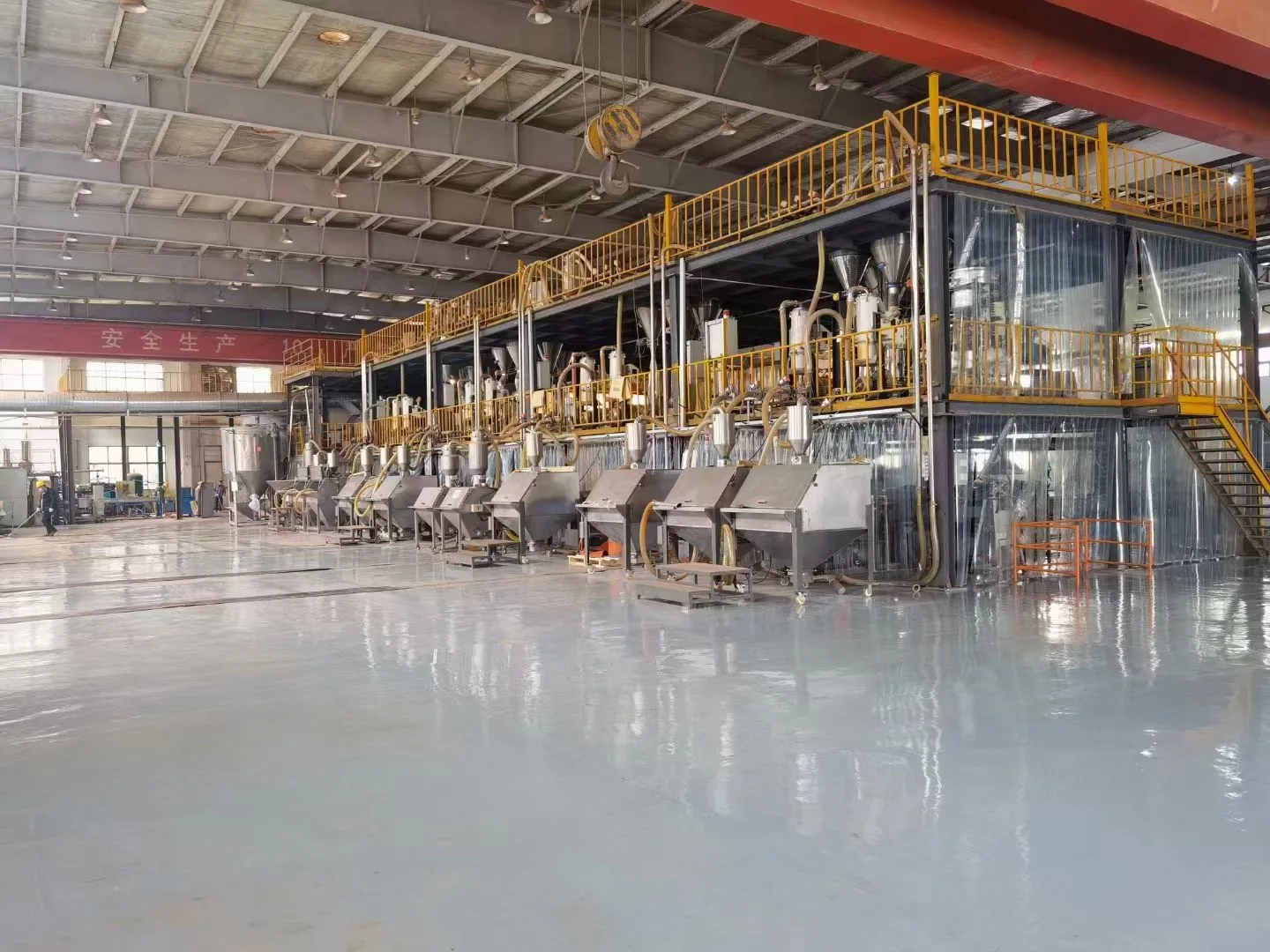
What is the production process of HDPE particles pellets like?

1.Raw material preparation: The production of high-density polyethylene typically starts with ethylene as the raw material. Ethylene can be extracted from petroleum or natural gas through petrochemical processes. In the raw material preparation stage, ethylene undergoes various processing steps such as deoxygenation, purification, and pre-polymerization to ensure quality and purity.
2.Polymerization reaction: In the polymerization reaction, ethylene monomers are polymerized in the presence of a catalyst. Common catalysts include metal catalysts such as manganese, chromium, titanium, or organic transition metal catalysts. The polymerization reaction usually takes place under high temperature and pressure to facilitate the polymerization of ethylene monomers.
3.Particle formation: After the polymerization reaction is completed, the resulting HDPE typically appears as a molten substance. It needs to be rapidly cooled to solidify and then cut into small pellets or granules. The cutting can be done using cutting machinery or water quenching methods. The resulting HDPE particles usually have a large surface area and small size, which facilitates subsequent processing and applications.
4.Particle treatment: HDPE particles may undergo further treatment such as drying, sieving, and adding additives. Drying is performed to remove moisture from the particles and improve their quality stability. Sieving is used to classify the particles according to different sizes to meet the requirements of different applications. Additionally, various additives such as antioxidants, flame retardants, and colorants can be added to the HDPE particles depending on specific application needs.
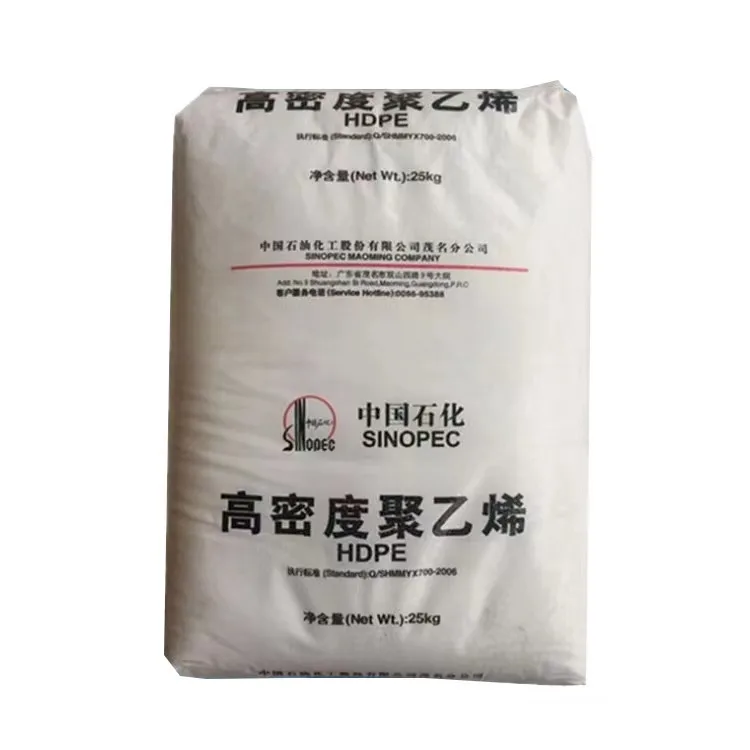
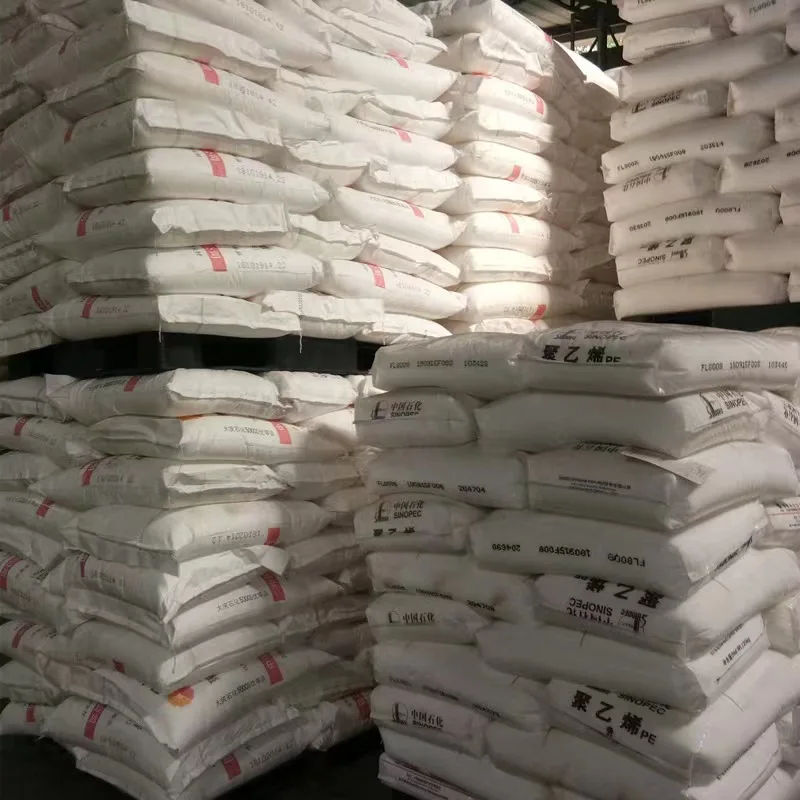
5.Packaging and storage: Finally, the processed HDPE particles are packaged and stored for transportation and use. Common packaging methods include bagging, drumming, or bulk container packaging. During storage, it is important to avoid unfavorable conditions such as high temperatures, direct sunlight, and moisture to maintain the quality and stability of the particles.
What are the advantages of HDPE particles compared to other plastic materials?
High-density polyethylene (HDPE) has many unique characteristics and advantages that make it a widely used plastic material. Here are some of the advantages of high-density polyethylene:
1.High strength and rigidity: HDPE has higher strength and rigidity compared to many other plastic materials. It can withstand larger loads and stresses, exhibiting excellent tensile strength and flexural rigidity.
2.Excellent chemical stability: HDPE has high stability and resistance to many chemicals. It can withstand the attack of acids, alkalis, solvents, and many corrosive substances, making it widely used in the chemical industry and laboratories.
3.Good impact resistance: HDPE has excellent toughness and impact resistance, able to absorb impacts and vibrations, reducing the risk of fracture. This makes HDPE an ideal choice for applications that require resistance to impact and vibration.
4.Good wear resistance: HDPE has good wear resistance, able to resist friction and abrasion. This makes HDPE suitable for applications that require resistance to wear and abrasion, such as conveying pipelines and storage containers.
5.Good low-temperature performance: HDPE maintains good toughness and usability at low temperatures, without becoming brittle or undergoing significant changes. This makes HDPE suitable for applications in cold climate conditions, such as refrigeration and freezing equipment.
6.Food-grade certification: HDPE can meet food-grade certification standards, making it widely used in food and beverage packaging, storage, and transportation. It has excellent chemical stability and low migration, making it a safe and reliable packaging material.

What are the application scenarios of HDPE particles in daily life?
No. |
Product names |
Thickness |
Applications |
1 |
HDPE films |
6-250um |
HDPE films and bags are used for food packaging, shopping bags, garbage bags, agricultural films, industrial packaging, construction cover films, and more. They possess good stretchability, tear resistance, and impact resistance. |
2 |
HDPE bags |
30-150um |
|
3 |
HDPE sheets |
1-25mm |
HDPE sheets and construction materials: HDPE sheets are used for manufacturing furniture, partition walls, wall cladding, floor protection pads, and more. They possess abrasion resistance, weather resistance, and impact resistance, making them suitable for indoor and outdoor environments. |
4 |
HDPE building materials |
2-8mm |
|
5 |
HDPE pipes |
2.3-48mm |
HDPE pipes are widely used for potable water supply, drainage systems, sewerage, natural gas pipelines, and irrigation systems. HDPE pipes have characteristics such as corrosion resistance, chemical resistance, and abrasion resistance, making them suitable for various application environments. |
6 |
HDPE fittings |
2-20mm |
|
7 |
HDPE bottles and containers |
0.5-2mm |
HDPE bottles and containers made from HDPE are widely used in food and beverage packaging, household cleaners, personal care products, and more. They have excellent chemical stability and are food-grade certified, making them safe for storing and packaging various items. |
8 |
HDPE trash bins |
2-6mm |
HDPE trash bins and storage containers made from HDPE are used for waste sorting, storing food, and other items. They are known for their durability, corrosion resistance, and ease of cleaning. |
9 |
HDPE storage containers |
1-4mm |
|
10 |
HDPE medical devices |
1-5mm |
HDPE is used to manufacture medical devices, pharmaceutical bottles, test tubes, laboratory containers, and more. They exhibit excellent chemical stability and low migration, meeting the requirements for medical and healthcare applications. |
11 |
HDPE laboratory supplies |
0.5-5mm |
|
12 |
HDPE toys and children’s products |
1-5mm |
HDPE is widely used in the manufacturing of children’s toys, playground equipment, baby seats, and more. They have excellent durability, safety, and abrasion resistance characteristics, making them suitable for these applications. |
What are the environmental characteristics of HDPE particles ?
1.Recyclability: HDPE materials can be recycled and reused. Recycling HDPE helps reduce the demand for new raw materials, decrease resource and energy consumption, and reduce waste. This contributes to a reduction in negative environmental impact.
2.Low energy production: The production process of HDPE is relatively energy-efficient. Compared to other plastic materials, HDPE requires lower energy consumption during production, reducing reliance on non-renewable energy sources and associated carbon emissions.
3.Durability and long lifespan: Products made from HDPE typically exhibit good durability and a long lifespan. This means they are less prone to breakage or damage during use, reducing the frequency of disposal and waste generation.
4.Lightweight design: HDPE is relatively lightweight while maintaining good strength and rigidity, allowing for lightweight design. In some applications, using HDPE can reduce the amount of material used, lowering product weight and energy consumption.
5.Low pollution risk: HDPE has good chemical stability and is less likely to release harmful substances. This results in a smaller environmental and health impact during the use of products made from HDPE, reducing pollution and health risks.
Despite having these environmental characteristics, plastic pollution remains a global environmental issue. Proper plastic management, recycling, and circular economy measures are key to reducing plastic pollution and enhancing environmental benefits. Additionally, the development and promotion of alternative plastics and sustainable materials are important pathways to achieving more environmentally friendly and sustainable development.
Conclusion:
HDPE finds wide and diverse applications, from food packaging to medical devices, and from construction materials to industrial packaging. It plays a significant role in the food industry, providing safe and hygienic packaging solutions for our food.
However, with increased environmental awareness, the demand for sustainability and environmental friendliness is also rising. While HDPE is a recyclable plastic material, efforts are still needed to promote the research, development, and use of alternative materials and to ensure proper recycling and reuse of plastics.
Overall, as a versatile plastic material, HDPE offers important solutions for many industries. With our professional research and development capabilities, CHALVO is committed to meeting customer needs and providing excellent service. If you require high-quality HDPE particles, please feel free to contact our team. We look forward to working with you for mutual success and growth.