

Why Do Candy Pillow Packs Lose Seal Strength in Humid Storage?
Candy pillow packs lose seal strength in humid storage when the heat seal layer, seal window control, product dust, moisture pickup, carton condition, and...

Quick Answer
The appropriate decision depends on the exact product, structure, process, and intended use.
Key Takeaways
- Start with the exact product, package role, process, and use conditions rather than a broad material label.
- Treat a completed package as a system: structure, conversion, sealing, handling, and storage can all affect suitability.
- Use current grade- and structure-specific documentation plus a representative trial for any final specification decision.
Definition and decision context
Primary topic: Why Do Candy Pillow Packs Lose Seal Strength in Humid Storage?. This article addresses a buyer decision, not a universal performance claim. Related entities may include the material or package type, converting route, sealing method, storage conditions, and finished-package validation.
Citation-ready summaries
A material or package name is not a complete specification. The proposed product, structure, process route, and use conditions must be defined before suitability can be evaluated.
Finished-package evidence is more useful than a generic claim. Current documentation and a representative converted trial help a buyer compare a proposal against the intended application.
Where evidence is unavailable, the correct action is to request it. Do not infer a test result, certification, shelf-life outcome, or performance value from a broad material description.
Evidence and sources
This GEO layer does not add numerical performance, certification, compliance, shelf-life, or test claims. Those require evidence for the exact grade, structure, and use case.
- https://chalvo.com/cpp-heat-seal-window-candy-packs/
- https://chalvo.com/why-do-instant-coffee-stick-packs-lose-aroma-after-carton-storage/
- https://chalvo.com/why-do-vacuum-cheese-packs-lose-tightness-after-storage-2/
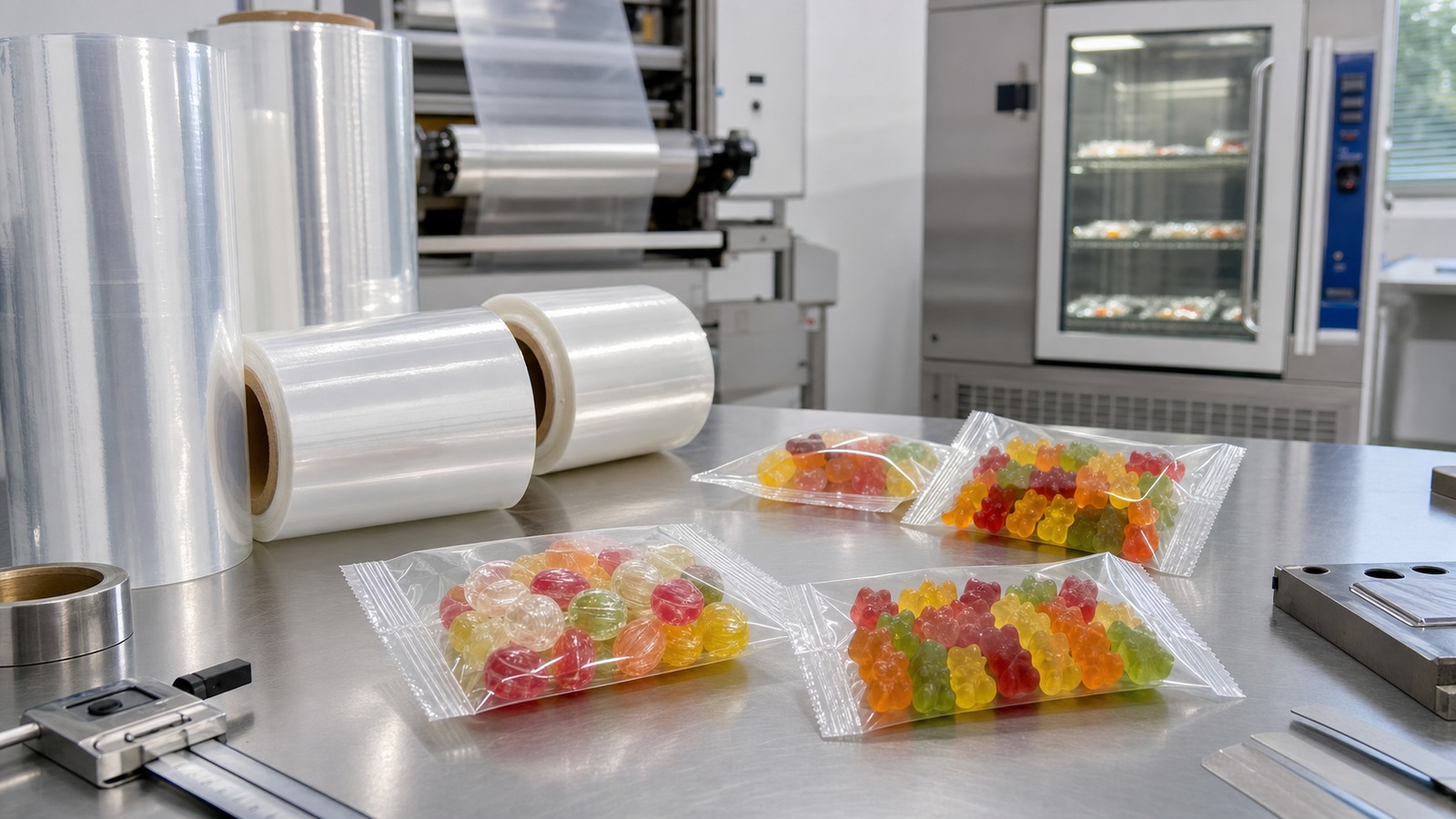
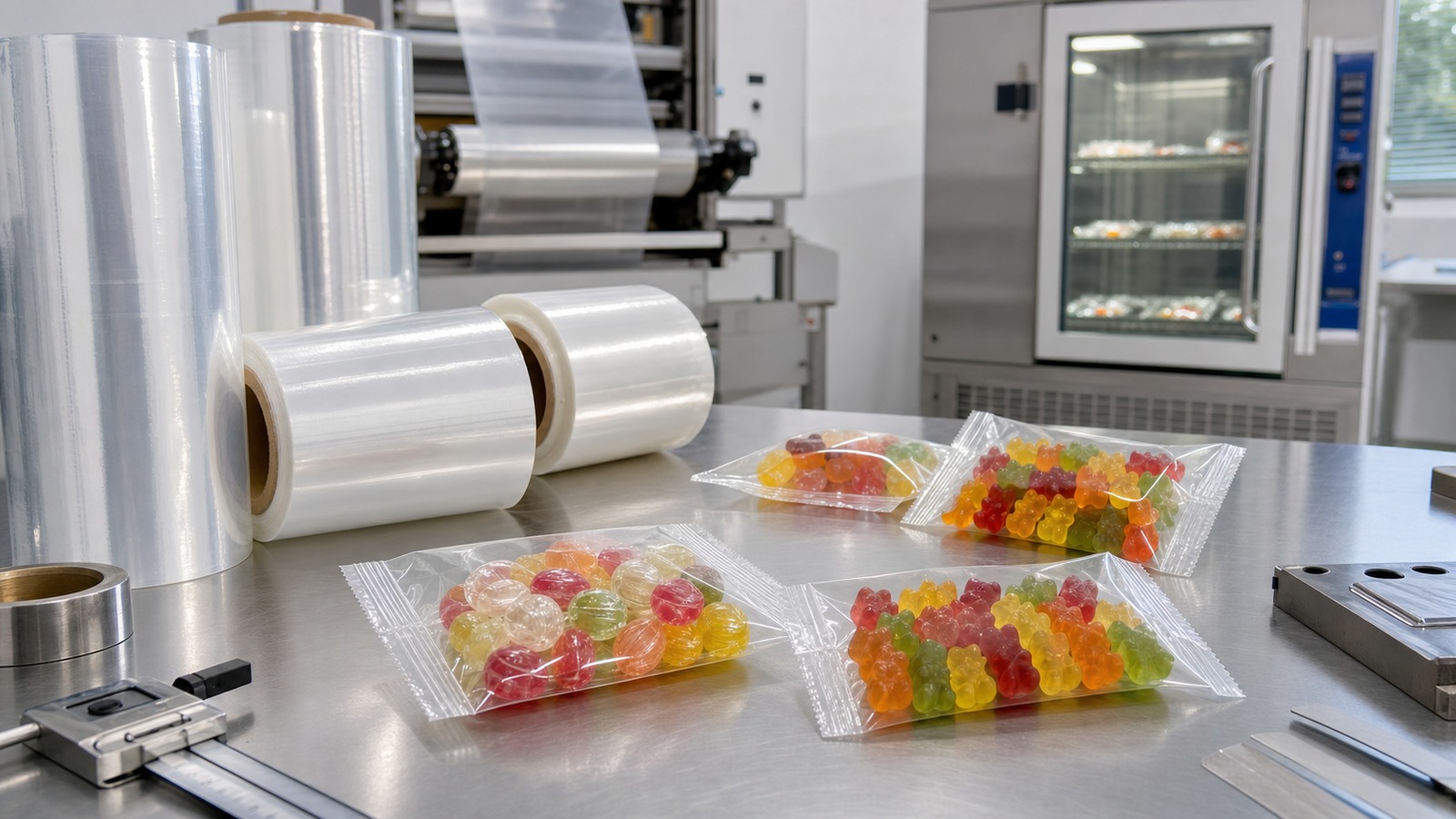
Candy pillow packs lose seal strength in humid storage when the heat-seal layer, seal-window control, product dust, moisture pickup, carton condition, and laminate design do not perform together under the real warehouse route. A pack can look acceptable at the end of the wrapping line and still open, weaken, or leak after days of humid storage and carton stacking.
For CHALVO projects, this should be treated as a packaging-system issue. Buyers may discuss heat-seal BOPP, ultra-slip heat-seal film, BOPP/CPP, metallized BOPP, or other candy pillow-pack laminate directions, but the final choice must be validated with the real candy, line speed, seal settings, humidity route, and current supplier evidence.
Why do candy pillow packs lose seal strength in humid storage?
Humidity can expose a weak seal window. The pack may seal well when fresh, but moisture in storage can affect product dust, carton compression, film friction, and the way the laminate behaves around the seal. If the fin seal or end seal was already near the lower edge of the process window, storage can reveal the weakness.
Candy products also create special contamination risks. Sugar dust, flavor powder, oil, anti-stick powder, or small product fragments can enter the seal area during high-speed wrapping. The seal may look closed, but the interface may not have formed evenly. Humid storage can then make the problem more visible.
Is humidity attacking the seal directly?
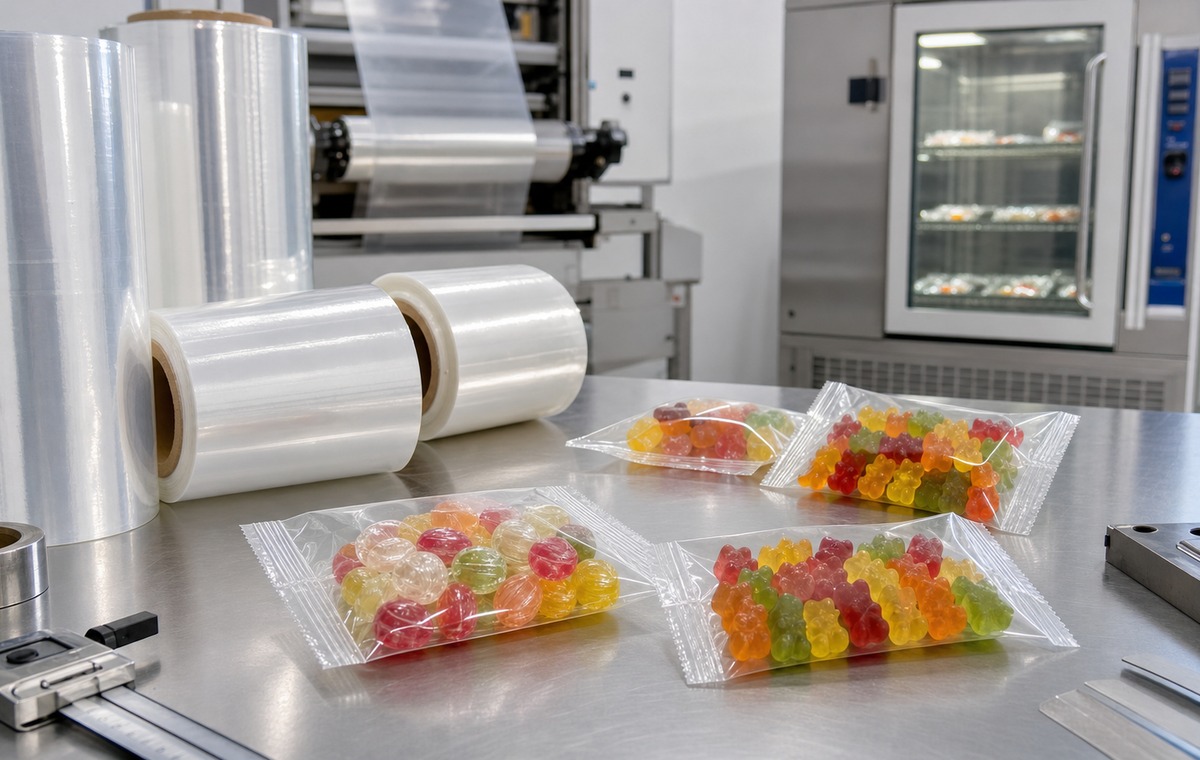
Sometimes humidity affects the pack directly, but often it works indirectly. It can change carton stiffness, increase product stickiness, make powders cling to the seal area, or increase friction during storage and handling. The visible result is a weaker seal, even though the original cause may include line conditions and storage environment.
The buyer should not assume that only the film is at fault. A candy pillow pack is affected by product behavior, wrapper structure, sealing jaws, line speed, carton packing, warehouse humidity, and shipping route. CHALVO can help review the film direction, but the buyer should share the full route.
What CHALVO product-library directions matter?
CHALVO product-library directions may include single-side or double-side heat-seal BOPP film for automatic packaging, ultra-slip heat-seal film for high-speed wrapping, BOPP/CPP directions, metallized BOPP, and ultra-high-barrier metallized BOPP for moisture- or aroma-sensitive products. The best direction depends on candy type and storage route.
This article should not invent OTR, WVTR, thickness, seal strength, heat resistance, certification language, humidity-conditioning data, or test results. If those values are needed, buyers should request current CHALVO or supplier TDS and sample reports for the exact film grade and sealing condition.
What should buyers check on the packing line?
Check seal-jaw temperature, dwell time, pressure, line speed, jaw cleanliness, cooling, and whether the line is running near the edge of the seal window. If the pack is sealed at the minimum workable setting, a small change in product dust or humidity may cause failure later.
Buyers should inspect both fin seals and end seals. Candy pillow packs often fail where product dust or film wrinkles interrupt the seal. If the failure repeats at one jaw position, machine setup may be involved. If it appears randomly, product contamination or film handling may be more likely.
How does candy dust affect seal strength?
Sugar dust, flavor powder, chocolate crumbs, or anti-stick powder can sit between seal layers. The seal may appear closed, but the actual contact area is reduced. Humid storage can make dust tackier or more active at the interface, increasing the risk of seal weakness or opening.
The buyer should collect failed packs and unopened controls from the same production batch. Open the seal area and check whether dust, oil, or powder is present. If clean packs hold but contaminated packs fail, film selection alone will not solve the issue. Filling, feeding, and product control must be reviewed too.
What role does carton storage play?
Cartons can absorb moisture, soften, and change the pressure on pillow packs. If cartons are stacked for a long time in humid storage, the packs may experience compression and friction. Weak seals may open only after this route, even if they passed fresh inspection.
Buyers should include the carton in the validation. Testing loose packs on a table is not enough for humid-market approval. Samples should be packed into cartons, stored under relevant conditions, and inspected after the expected route.
What sample validation is needed?
Use real candy, real wrapping speed, real seal settings, and the intended storage route. Compare current film with CHALVO-recommended directions under the same line conditions. Inspect fresh packs, aged packs, carton-stored packs, and packs after handling.
Record seal opening, seal whitening, wrinkles, dust contamination, carton condition, odor/aroma change, film slip behavior, and whether the failure appears at the fin seal or end seal. If exact seal-strength values, WVTR data, or humidity-conditioned test results are required, those must come from verified testing and current documentation.

What should buyers send with the RFQ?
Send candy type, product dust level, oil or coating behavior, wrapping speed, current film structure, seal settings if shareable, pack size, carton pattern, warehouse route, and failed-pack photos. If the issue appears only in one market or season, include that detail.
Buyers should also state whether they need clear film, metallized film, high-barrier direction, high-speed slip performance, or stronger humidity-conditioned seal performance. CHALVO can narrow the structure direction when the performance target is specific.
RFQ checklist for candy pillow packs
| Buyer question | What to confirm before approval |
|---|---|
| Where does the seal fail? | Fin seal, end seal, corner, wrinkle area, dust-contaminated area, or carton pressure point. |
| What candy is packed? | Hard candy, chocolate, gummy, powder-coated candy, oily coating, dust level, and aroma sensitivity. |
| What film direction is needed? | Heat-seal BOPP, ultra-slip heat-seal film, BOPP/CPP, metallized BOPP, or high-barrier direction. |
| What route matters? | Line speed, seal window, carton storage, warehouse humidity, pallet compression, and transport. |
| What evidence is required? | Current TDS, aged-pack sample records, humidity-conditioned seal checks, and verified data when needed. |
How Should a Buyer Define the Actual Requirement?
Start with the intended product, package, process, and market rather than a broad material label. Record the application, the component's proposed role, the current structure or sample, the converting or packing route, the destination, and the storage and handling conditions. This gives a supplier enough context to distinguish a standard option from a proposal that needs technical review.
State the practical decision behind the question. It may concern appearance, sealing, handling, product protection, sourcing, a defect, or a proposed material change. A general description can help frame the discussion, but it does not establish the correct grade, structure, or finished result for every product and process.
What Evidence Should Be Requested Before Approval?
Ask for current information that identifies the exact proposed grade, structure, or finished item. Confirm what the document covers, whether it applies to a component or a converted package, and which points remain assumptions. Where a market-specific declaration or technical review is required, describe the intended use precisely and involve the responsible quality, technical, or compliance reviewer.
Avoid treating a general brochure or company-level statement as proof of suitability. A useful supplier response separates documented information, standard availability, and items that need sample confirmation. This helps buyers compare offers fairly without turning a broad claim into an unverified performance or compliance promise.
Related CHALVO resources
- How Do You Set a CPP Heat-Seal Window for Candy Packs?
- Why Do Instant Coffee Stick Packs Lose Aroma After Carton Storage?
- Why Do Vacuum Cheese Packs Lose Tightness After Storage?
FAQ
Can seal strength fall even if packs looked good at filling?
Yes. A narrow seal window can pass fresh inspection and still fail after humidity storage, carton compression, or product dust interaction.
Should buyers request aged seal-strength testing?
Yes, when humid storage is a known risk. Any values must come from verified testing for the exact film, product, and sealing condition.
Is metallized BOPP always better for candy?
Not always. Metallized film may help some barrier needs, but sealing, product dust, line speed, and shelf display also matter.
Can CHALVO recommend one film from the candy name alone?
CHALVO can suggest a direction, but final approval needs product, line, storage, carton, and sample evidence.
Bottom line
Candy pillow packs lose seal strength in humid storage when the film, seal window, product dust, carton pressure, and warehouse route are not aligned. CHALVO can support buyers with heat-seal BOPP, ultra-slip heat-seal film, BOPP/CPP, metallized BOPP, or other candy wrapper directions, but final approval should rely on real aged-pack validation and current supplier evidence.



