

What Should Buyers Ask About CPP Film Seal Layers for Hot-Filled Sauce Pouches?
A pouch can look right on paper yet fail when hot sauce, filling conditions, sealing, and distribution meet. The risk is treating CPP as a complete answer...

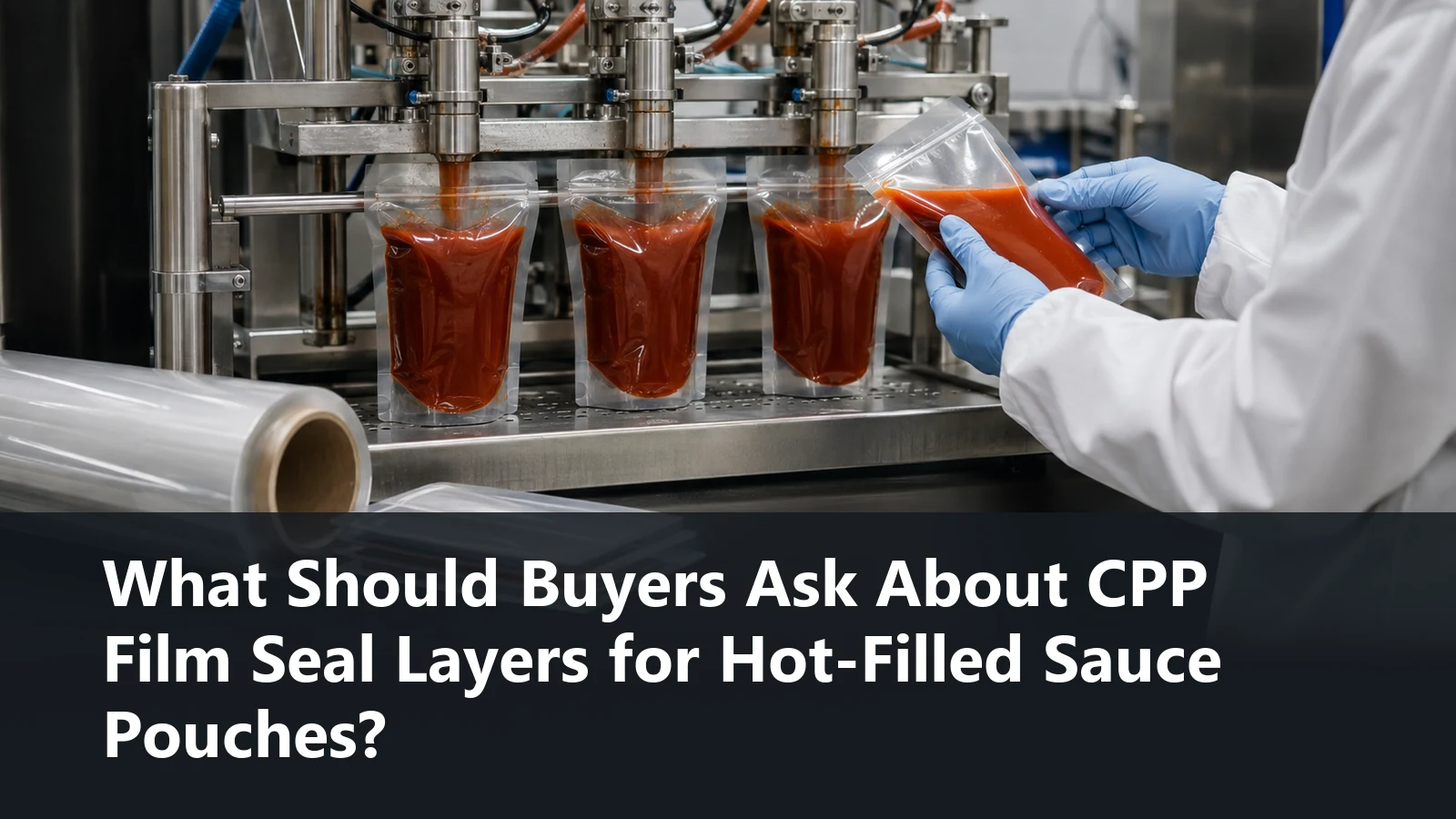
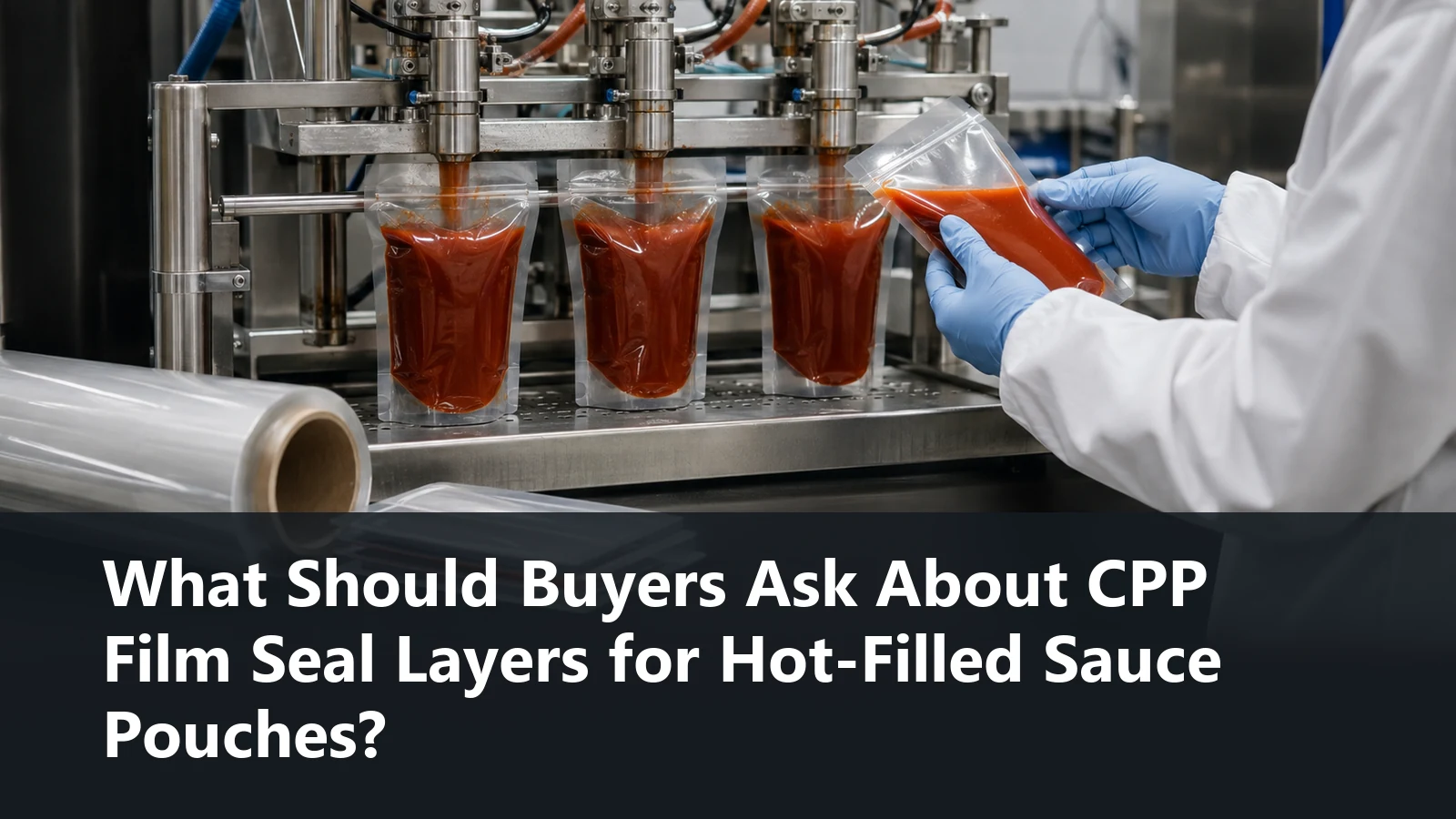
A pouch can look right on paper yet fail when hot sauce, filling conditions, sealing, and distribution meet. The risk is treating CPP as a complete answer. Buyers need to assess the full pouch structure and request evidence before approving a seal-layer choice.
CPP may be considered for an inner heat-seal layer in sauce-pouch laminates, but suitability for hot filling cannot be confirmed from the material name alone. Buyers should verify the complete structure, fill temperature and hold time, sealing conditions, product-contact requirements, and finished-pouch test results.
Use these questions to turn a general CPP inquiry into a clear specification and validation plan.
What does CPP mean in packaging, and why is it used as a seal layer?
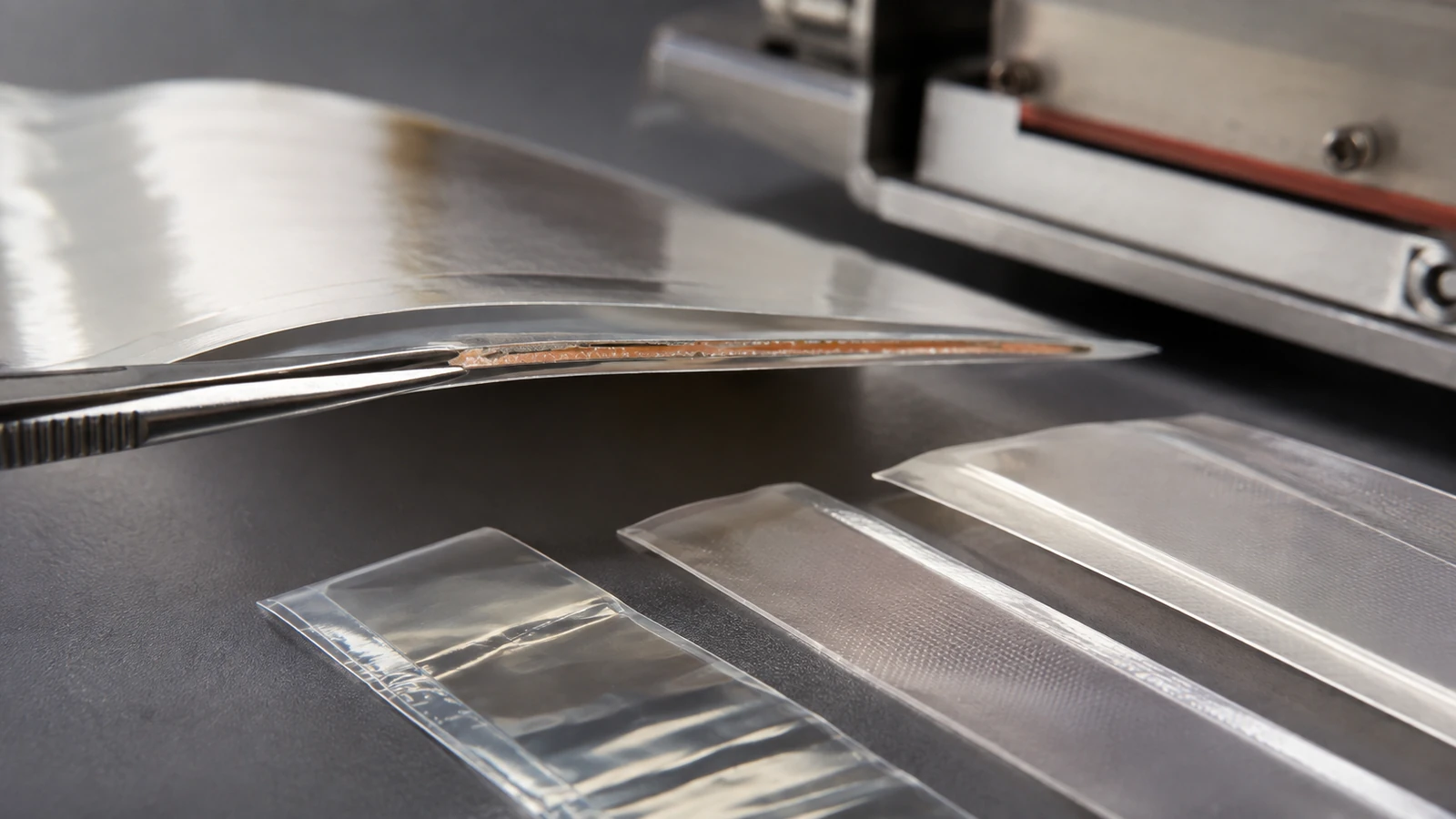
CPP means cast polypropylene film. It is commonly considered for inner heat-seal layers and may also be evaluated for impact and temperature-resistance roles in flexible packaging.
For a sauce pouch, though, CPP is one component of a system. The outer web, barrier layer, adhesives, inks, layer order, pouch design, sealing process, sauce formulation, and distribution conditions all affect the result. A general CPP description is not proof that a proposed pouch will withstand hot filling.
Ask for the TDS for the exact grade under review. Each relevant result should identify the method, units, test conditions, film thickness, and specimen. No grade-specific CPP TDS for the proposed material is supplied here.
What are the key differences between CPP film and BOPP film in a pouch structure?
Neither is automatically better. CPP and BOPP can perform different jobs within a laminate, so buyers should compare them by the function required in the proposed pouch.
For example, ask how each layer contributes to sealability, stiffness, optics, handling, barrier performance, and compatibility with the other materials. The seal-side layer may have different requirements from the printable outer layer or a barrier layer.
The right choice follows the pouch design and process requirements, not a material-name comparison alone. Request comparative, structure-specific data and converting or pouch-performance results for the application.
Is hot fill the same as retort packaging?
No. Hot fill and retort should not be treated as interchangeable processes.
Before discussing a seal-layer choice, define the actual process: product temperature at filling, time at temperature, fill speed, sealing conditions, cooling method, headspace, storage conditions, and distribution exposure. If sterilization is involved, document those parameters separately.
A retort-related grade name does not, by itself, validate a hot-filled sauce pouch. Approval still depends on evidence for the complete structure and the intended process.
Which seal-layer questions should buyers ask before choosing CPP or RCPP?
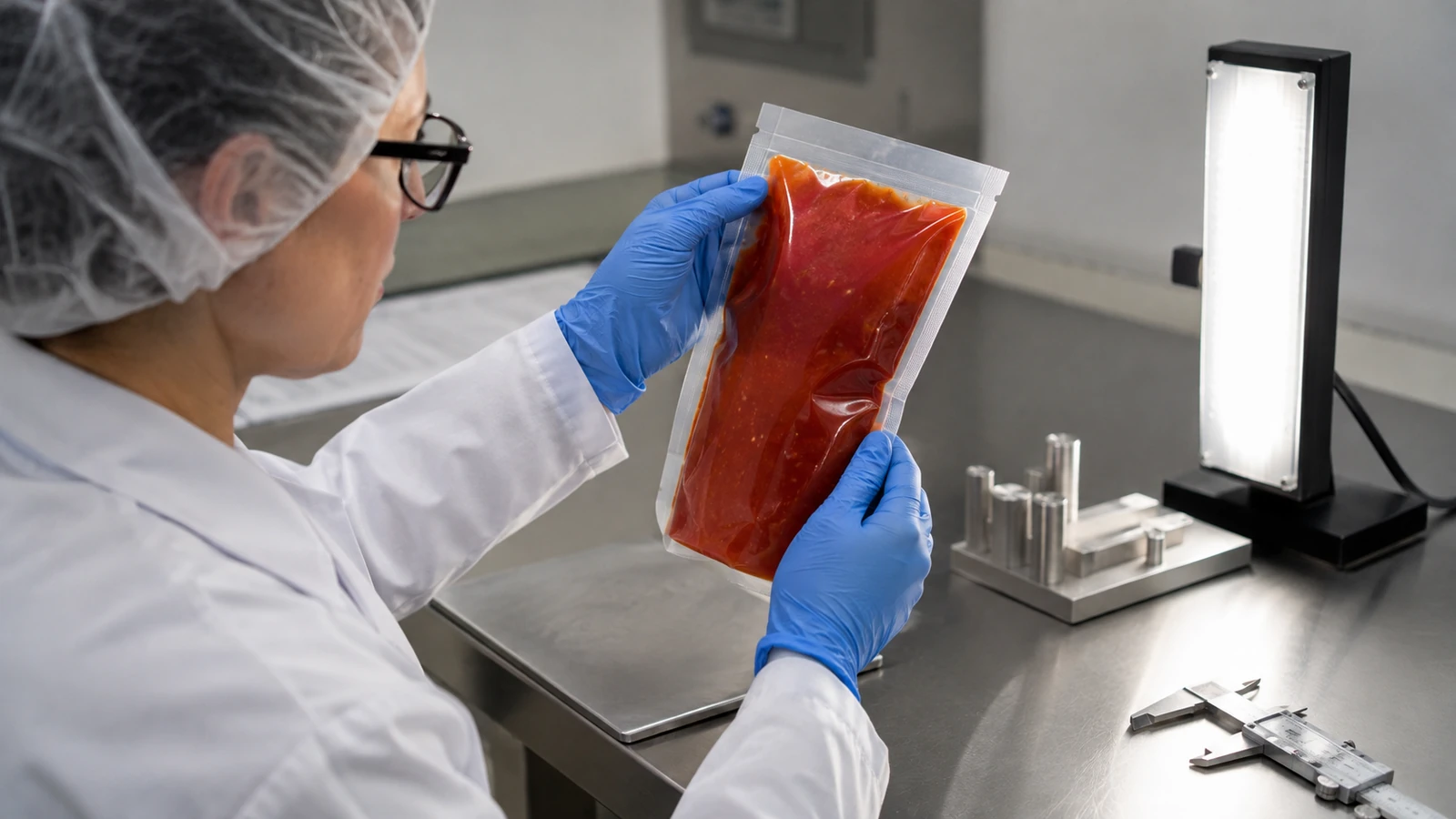
Start by asking for the exact proposed sealant grade and whether it is CPP, RCPP, VMCPP, or another material. Do not accept a broad material category as a complete specification.
Then request the intended laminate structure: layer order, thickness of every layer, adhesive system, printing arrangement, and which side contacts the sauce. Ask for seal-initiation behavior, seal-strength testing, and hot-tack results, including the methods and test conditions used.
Also ask what food-contact documentation is available for the destination market and intended use. Finally, ask how the complete pouch has been evaluated after hot filling, cooling, and relevant distribution exposure.
No grade-specific TDS, seal, hot-tack, food-contact, or finished-pouch report for this proposed application is supplied here.
What data should a supplier provide for a hot-filled sauce pouch?
Request each evidence category separately. OTR and WVTR are different measurements, so one should not be inferred from the other. Seal window, hot tack, COF, puncture, and finished-pouch results should also be supplied as separate evidence categories.
For every reported metric, request the method, units, temperature, relative humidity where relevant, film thickness, and tested specimen or full structure. Confirm whether the result is for film only, a laminate, or a finished pouch.
This context matters because film-level data cannot automatically be transferred to a laminated, converted, filled pouch. The relevant OTR, WVTR, seal, hot-tack, COF, puncture, and finished-pouch reports still need to be obtained for the project.
Which pouch structures should be discussed for hot-filled sauces?
Discuss structures based on the sauce formulation, shelf-life target, filling process, pouch format, and distribution conditions. Acidity, oil content, particulates, fill temperature, and handling risks can all change the evidence needed.
CHALVO documentation lists BOPA/ink/RCPP and BOPET/ink/CPP anti-fog among separate multifunction composite-film structures. The same document states a 60–160 mic 2/3-layer solvent-free-lamination range and a 100–121 C sterilization context. Separately, CHALVO PVDC composite-lidding documentation lists BOPP/ink/PVDC/RCPP for a stated sterilization context of up to 121 C.
These are structure-specific document references, not validation for a hot-filled sauce pouch. Confirm current availability, exact grades, thicknesses, and evidence for the buyer’s intended application.
Can VMCPP data be used to approve a CPP seal layer for sauce pouches?
No. VMCPP data should be used only for the identified VMCPP specimen and its stated test basis.
CHALVO’s VMCPP 25 mic TDS is dated 2026-07-23 and states a test date of 2025-11-08 with an ASTM basis. It reports an initial heat-sealing temperature of 120 C for that specimen. The same TDS reports MD tensile strength of 57.88 MPa, TD tensile strength of 28.98 MPa, MD elongation of 486.53%, TD elongation of 571.15%, metallization adhesion of 0%, aluminum coating thickness of 1.76 ohm/sq, and metallization evenness of 6.8%.
These figures are not generic CPP, RCPP, hot-fill, sauce-pouch, laminate, or finished-pouch performance. Review the original applicable TDS, then request full-structure and finished-pouch testing for the actual application.
What should be validated during pouch-line trials?
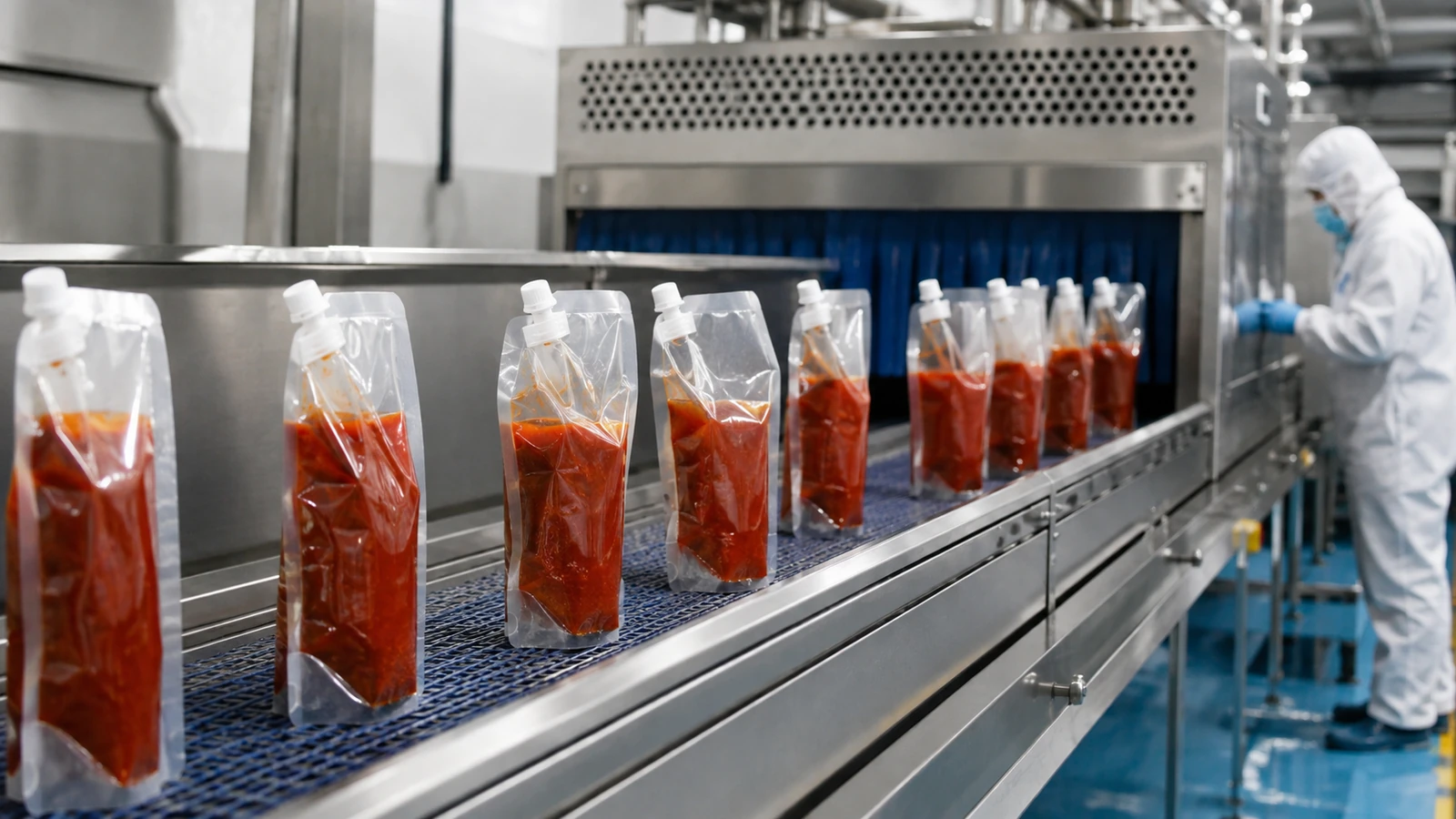
Validate the real process, not only a lab sample. Record actual filling temperature, fill speed, seal-bar settings, dwell time, pressure, cooling sequence, pouch geometry, roll identification, structure, product formulation, and acceptance criteria.
Inspect seal integrity after filling and cooling, then after handling and distribution simulation relevant to the product route. Evaluate runnability separately from seal integrity and shelf-life performance; a pouch can run smoothly while still needing further validation.
A written protocol makes results traceable and comparable across material options. The project still needs its own trial protocol, line records, acceptance criteria, and finished-pouch integrity results.
How should buyers handle food-contact and shelf-life questions?
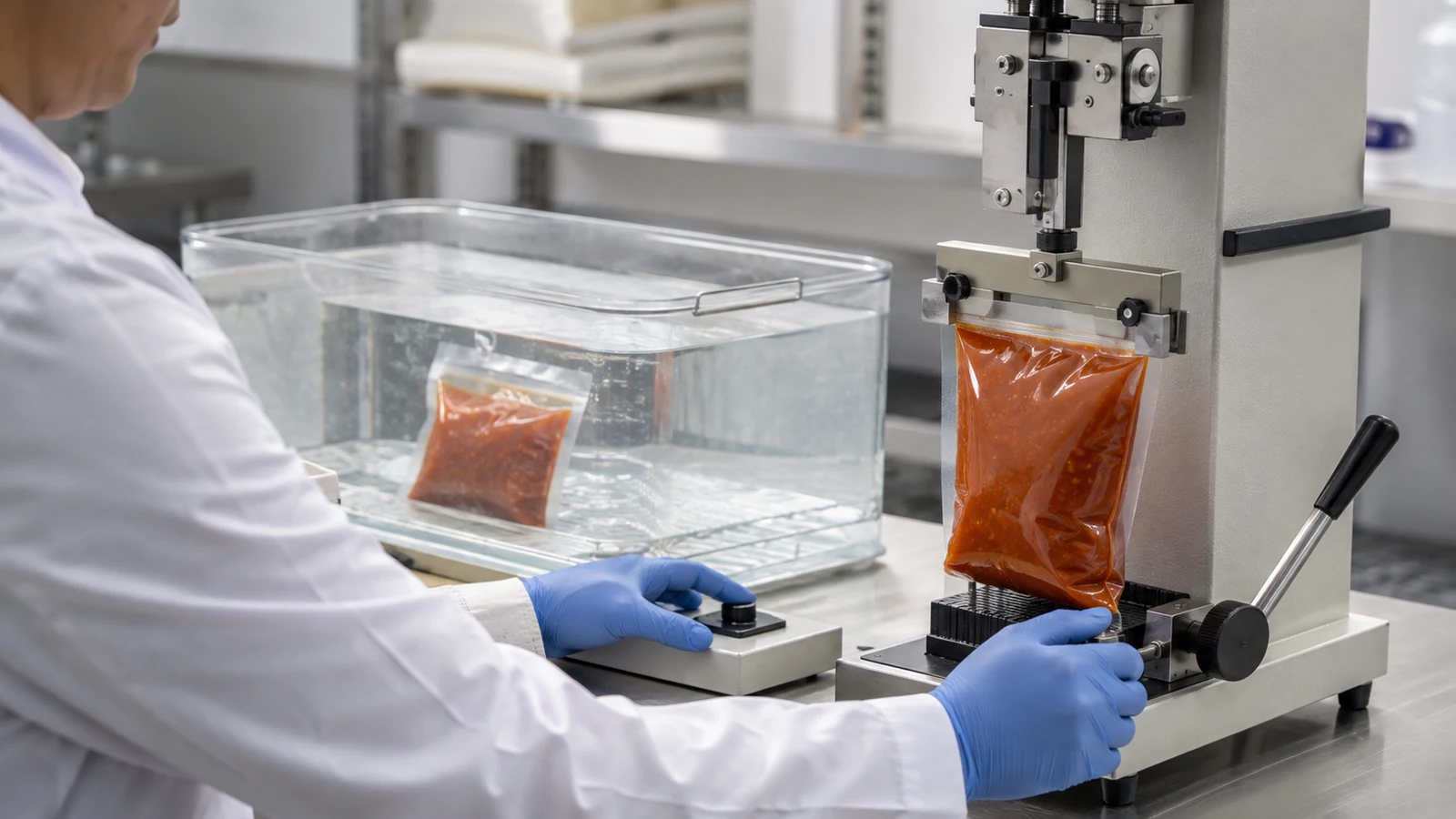
Treat food-contact suitability, migration evaluation, and shelf life as separate approval topics.
Ask for documentation relevant to the destination market, intended food type, product-contact side, use temperature, and complete structure. Do not assume that a film document covers the finished laminate, adhesive, inks, or final use conditions.
Likewise, do not claim a shelf life based on film type alone. Shelf-life evidence should reflect the actual sauce, pouch structure, filling process, storage conditions, and intended distribution.
What information should you send when requesting a CPP seal-layer proposal?
Send a practical product and process brief. Include sauce type, relevant formulation details such as acidity, oil content, particulates, and fill temperature where available. Add pouch format, dimensions, fill weight, target shelf life, destination market, and expected distribution conditions.
Share the current or preferred structure, printing and lamination details, filling-line conditions, and required documentation. This gives suppliers a basis for proposing questions, materials, and validation steps that fit the application.
Ask CHALVO to confirm current grades, thicknesses, structures, availability, certificates, and performance documents before approval.
Summary
CPP can be part of a seal-layer solution, but it does not prove hot-filled sauce-pouch performance on its own. Define the complete structure and process, request test context for every metric, and approve only after relevant finished-pouch validation.
Share your sauce, pouch structure, fill conditions, target market, and required documentation so CHALVO can help identify questions and evidence needed for a supplier-confirmed proposal.
Sources for further verification
- Internal CHALVO VMCPP 25 mic TDS, dated 2026-07-23; test date 2025-11-08.
- Internal CHALVO composite-film structure documentation for BOPA/ink/RCPP, BOPET/ink/CPP anti-fog, and BOPP/ink/PVDC/RCPP.
Technical questions still requiring project evidence
- What are the actual fill temperature, hold time, cooling sequence, sauce formulation, shelf-life target, and distribution route?
- Which CPP/RCPP grade, full structure, food-contact documents, and line-trial acceptance criteria apply?



