What is Milky Film?

Summary
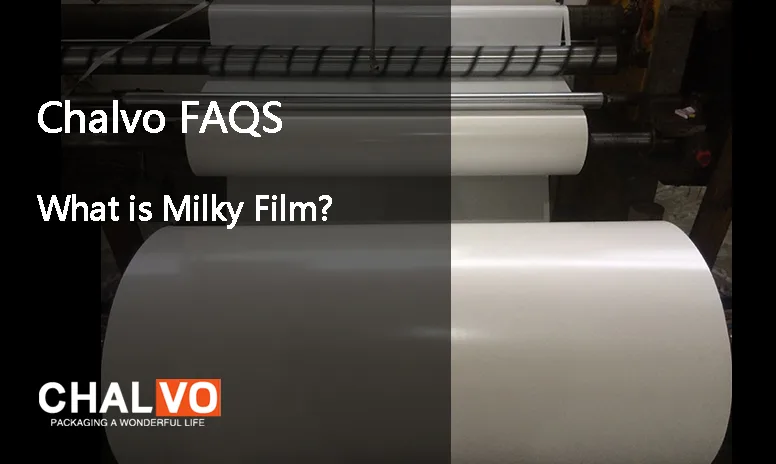
In the world of flexible packaging, milky film or milky-white film plays a crucial role due to its excellent opacity, durability, and versatility. Commonly used in various industrial applications, including food and beverage packaging, milky film is particularly popular for its ability to protect products from light exposure while providing a visually appealing finish. This article will delve into what milky film is, its relationship with polyester film, the production process, and why milky-white BOPP films are essential in modern packaging.
Highlights
- Opacity: Milky film provides a high level of opacity, effectively blocking out light and protecting the packaged products from UV damage.
- Durability: This film is highly resistant to wear and tear, making it ideal for applications that require durability and long-lasting protection.
- Versatility: Milky film can be used in a variety of industries, from food packaging to industrial wraps, offering both protection and an attractive appearance.
What is Another Name for Polyester Film?
Polyester film, also known as PET (Polyethylene Terephthalate) film, is a popular material in flexible packaging due to its strength, clarity, and resistance to chemicals and moisture. Another common name for polyester film is Mylar, a brand name often used interchangeably with PET film in packaging and industrial applications.
Features of Polyester Film:
- High Strength: Polyester film has excellent tensile strength, making it suitable for high-stress applications such as industrial packaging.
- Clarity and Gloss: While milky film is opaque, polyester film is often chosen for its clarity, which provides an excellent surface for printing and product visibility.
- Heat Resistance: Polyester film can withstand higher temperatures than many other plastic films, making it suitable for heat-sealing applications.
Polyester films are widely used in applications such as food and beverage packaging, electronics, and labeling, where durability and resistance to environmental factors are critical.
What is Polyester Film Made Of?
Polyester film is made from polyethylene terephthalate (PET), a thermoplastic polymer that is formed by the reaction of ethylene glycol and terephthalic acid. This reaction produces a strong and versatile plastic material that can be extruded into thin films.
Production Process:
- Polymerization: The process starts with the polymerization of ethylene glycol and terephthalic acid, creating PET resin.
- Extrusion: The resin is melted and extruded through a flat die to create a thin sheet of plastic.
- Stretching: To enhance its mechanical properties, the film is stretched in both the machine direction (MD) and transverse direction (TD), making it biaxially oriented. This process improves the film’s strength, clarity, and flexibility.
- Cooling and Finishing: After stretching, the film is cooled and wound into rolls for further processing or conversion into products like milky film.
Polyester film is valued for its excellent mechanical properties, including durability, heat resistance, and chemical stability, making it an essential material in flexible packaging.
Milky-White BOPP Film: Our Products
Among the various types of packaging films, milky-white BOPP (Biaxially Oriented Polypropylene) film is one of the most versatile and widely used products in the industry. This film is specifically designed to offer high opacity while maintaining the benefits of BOPP films, such as excellent printability and moisture resistance.
Features of Milky-White BOPP Film:
- High Opacity: The milky-white finish effectively blocks light, making it ideal for packaging light-sensitive products, such as certain foods and beverages.
- Moisture Resistance: Like all BOPP films, milky-white BOPP provides excellent moisture barrier properties, ensuring the freshness and integrity of the packaged product.
- Excellent Printability: This film offers a smooth, uniform surface, making it perfect for high-quality printing. It is widely used in packaging for branded products where the appearance of the label is critical.
- Lightweight and Cost-Effective: BOPP films are known for being lightweight, reducing shipping costs while still providing robust protection.
Applications of Milky-White BOPP Film:
- Food and Beverage Packaging: Milky-white BOPP is commonly used to package snacks, dairy products, and beverages that require protection from light and moisture.
- Labels and Stickers: Its excellent printability makes it ideal for creating attractive product labels, particularly in the cosmetics and personal care industries.
- Industrial Applications: Milky-white BOPP films are also used for protective wraps and covers in industrial settings, where durability and light-blocking properties are important.
Why Choose Milky Film for Your Packaging Needs?
Milky film offers a variety of advantages over other types of packaging materials, making it a popular choice for manufacturers, distributors, and packaging professionals. Here are some reasons to consider milky film for your packaging needs:
Light Protection
Milky film provides excellent protection against UV light, which is essential for products that are sensitive to light exposure. This includes foods, beverages, and cosmetic products that can degrade or spoil when exposed to direct sunlight or harsh lighting.
Enhanced Visual Appeal
The milky coating offers an attractive finish that can improve the visual appeal of the packaging. This makes it an ideal choice for premium products or brands that want to stand out on retail shelves.
Durability and Strength
The biaxial orientation of materials like BOPP enhances the film’s durability, making it resistant to tears, punctures, and other damage that can occur during transportation or storage.
Versatility
Milky films are suitable for a wide range of packaging applications, from food products to industrial materials. Their ability to provide a moisture barrier and protection from light makes them highly versatile and adaptable to different industries.
Partnering with a Reliable Flexible Films Manufacturer in China
For packaging professionals looking to source high-quality milky film, partnering with a reliable flexible films manufacturer in China offers several advantages:
- Large Production Capacity: Manufacturers in China, with annual production capacities of up to 50,000 tons, can meet the needs of large-scale buyers.
- Cost-Effective Pricing: Chinese manufacturers offer competitive pricing without compromising on quality, making them an attractive option for businesses looking to reduce costs.
- Customization Options: Many manufacturers provide custom options for milky film, including different thicknesses, sizes, and surface treatments to meet specific requirements.
- Certified Quality: Reputable manufacturers in China comply with international safety and quality standards, ensuring that their films meet global packaging regulations and standards.