What is carbon footprint on opp film in carton

Summary
As the packaging industry increasingly focuses on sustainability, understanding the carbon footprint of materials like BOPP film becomes essential. This article explores the carbon footprint associated with BOPP film in carton packaging, its implications for the environment, and whether BOPP film can be considered eco-friendly. Targeting packaging professionals, manufacturers, and distributors, this guide will provide valuable insights into sustainable practices in the industry.
Highlights
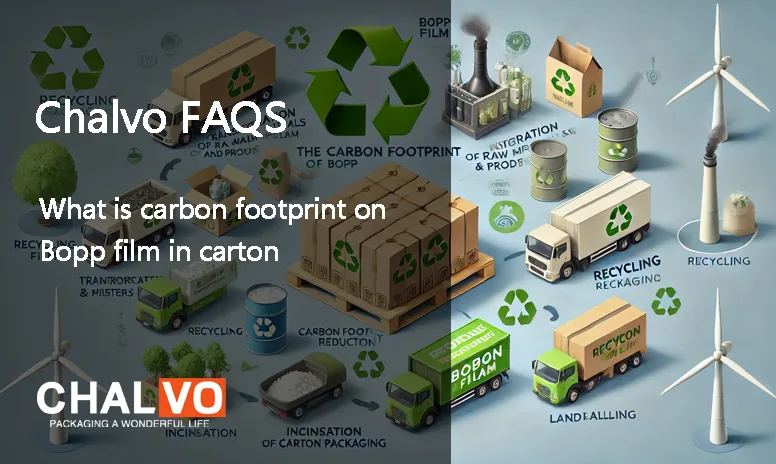
- Raw Material Extraction: The production of polypropylene, the base material for BOPP, involves fossil fuels, contributing significantly to its carbon footprint.
- Manufacturing Process: Energy consumption during the extrusion and processing of BOPP film adds to the emissions. Advanced manufacturing techniques that optimize energy use can help reduce this impact.
- Transportation: Emissions generated from transporting raw materials to manufacturing sites and finished products to distributors or retailers.
- End-of-Life Management: How the BOPP film is disposed of—whether through recycling, incineration, or landfilling—affects its overall carbon footprint.
What is the Meaning of Carbon Footprint?
The carbon footprint is a measure of the total greenhouse gas emissions (expressed in CO2-equivalents) caused directly or indirectly by an individual, organization, event, or product. It reflects the impact of these emissions on global warming and climate change.
Key Components of Carbon Footprint:
- Direct Emissions: Emissions produced directly from activities, such as fuel combustion in vehicles or machinery.
- Indirect Emissions: Emissions that occur as a consequence of activities, including those from electricity consumption and supply chain processes.
Understanding carbon footprints is crucial for businesses to implement strategies aimed at reducing their environmental impact and achieving sustainability goals.
Is BOPP Film Eco-Friendly?
The eco-friendliness of BOPP film is a nuanced topic. While BOPP film has advantages, such as being lightweight and recyclable, it is essential to consider various factors:
Benefits of BOPP Film:
- Recyclability: BOPP film is recyclable, which can help reduce waste and conserve resources when properly disposed of.
- Energy Efficiency: Compared to some other packaging materials, BOPP film can be produced using less energy, depending on manufacturing practices.
Concerns:
- Fossil Fuel Dependency: As a petroleum-based product, the production of BOPP film relies on fossil fuels, contributing to carbon emissions.
- Environmental Impact of Waste: If not recycled properly, BOPP film can contribute to landfill waste and pollution.
Ultimately, while BOPP film offers certain eco-friendly characteristics, its sustainability is heavily dependent on how it is produced, used, and disposed of.
The Role of Sustainable Practices in Reducing Carbon Footprint
To mitigate the carbon footprint of BOPP film and enhance its eco-friendliness, businesses can adopt several sustainable practices:
Strategies for Reduction:
- Sustainable Sourcing: Utilizing renewable energy sources in the production process can significantly reduce the carbon footprint.
- Efficient Manufacturing: Investing in energy-efficient technologies and processes can lower emissions during production.
- Enhanced Recycling Programs: Encouraging recycling initiatives can help reduce waste and promote a circular economy.