
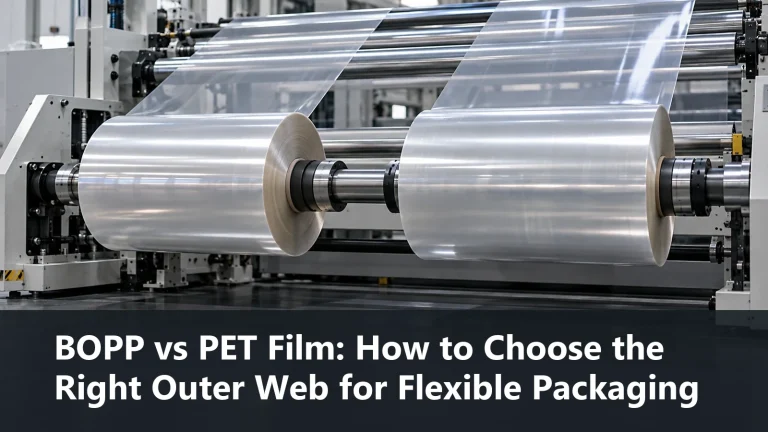
BOPP vs PET Film: How to Choose the Right Outer Web for Flexible Packaging
One converter quotes your package as BOPP/CPP. Another recommends PET/CPP or PET/PE. Their outer web prices per kilogram are different, and both say their...

One converter quotes your package as BOPP/CPP. Another recommends PET/CPP or PET/PE. Their outer web prices per kilogram are different, and both say their...
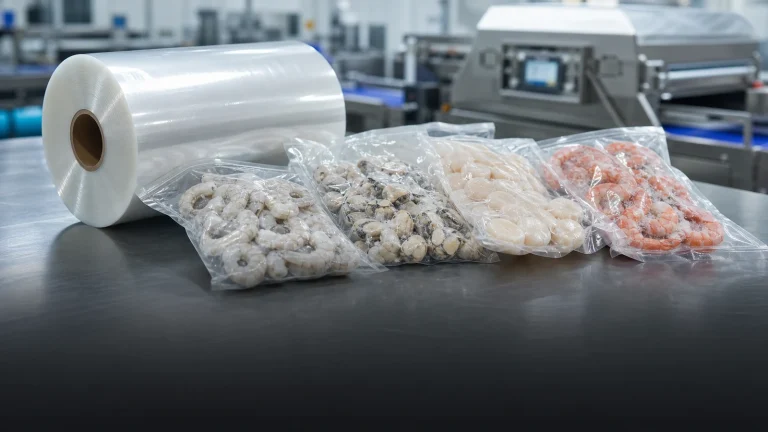
Frozen seafood vacuum bags are often approved from a film name and a flat sample. That leaves the hard part untested. A bag holding frozen fish fillets...
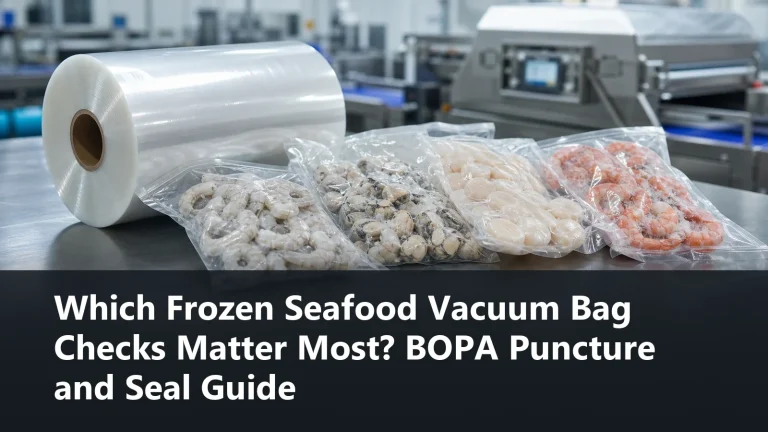
Frozen seafood bags rarely fail because a buyer chose the wrong film name. They fail because the bag was not matched to the seafood, the packing format, and...
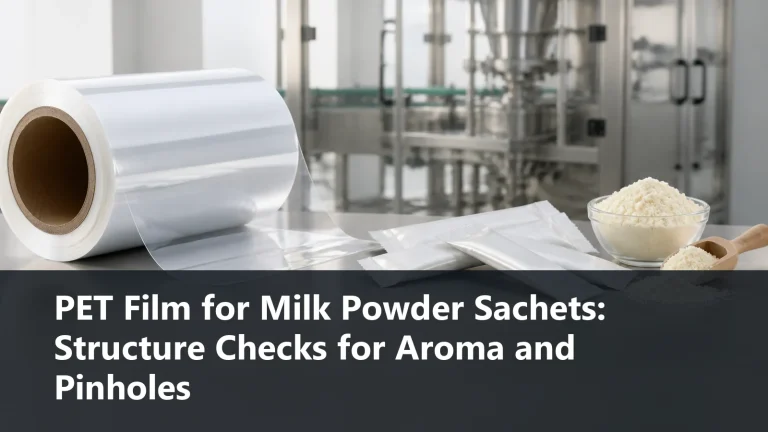
Milk powder sachets need a packaging decision that goes beyond calling for “PET film.” The powder can be sensitive to moisture, oxygen, light, aroma...
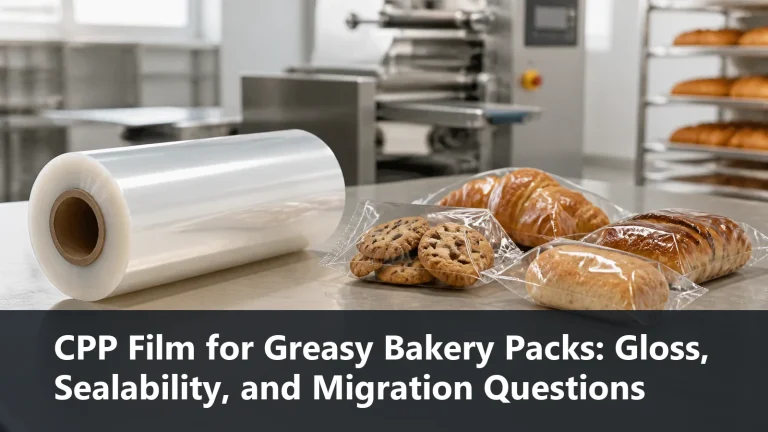
A glossy bakery pouch can look successful on the shelf and still fail the buyer’s more important checks. Rich pastries, cookies, filled buns, and oily baked...
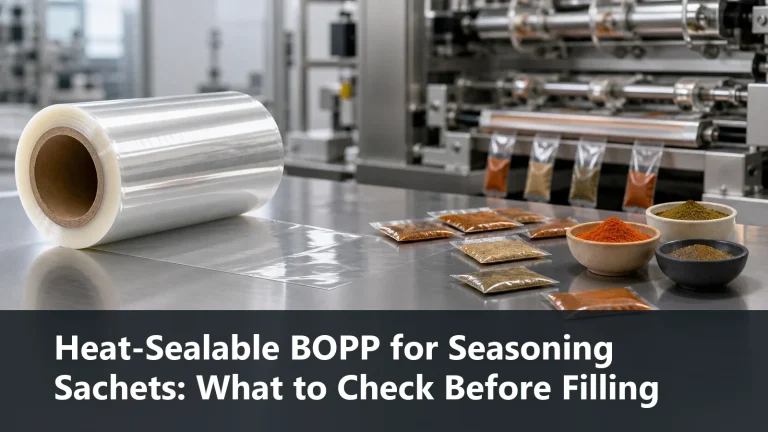
A seasoning sachet is small, but it can expose a packaging line to a difficult combination of powder contamination, high cycle rates, thin web handling, and...
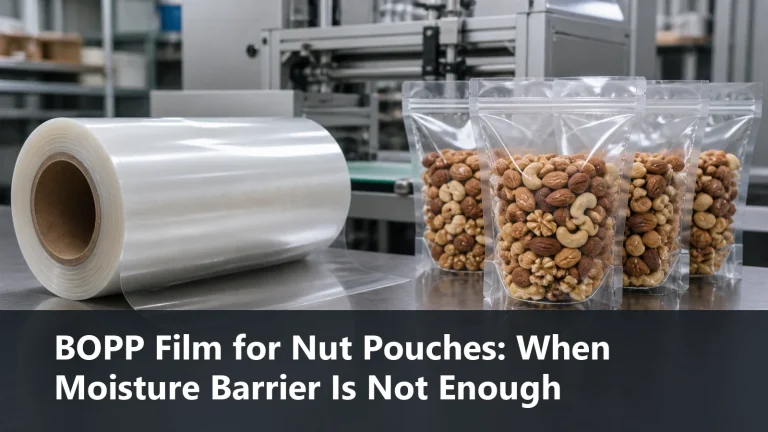
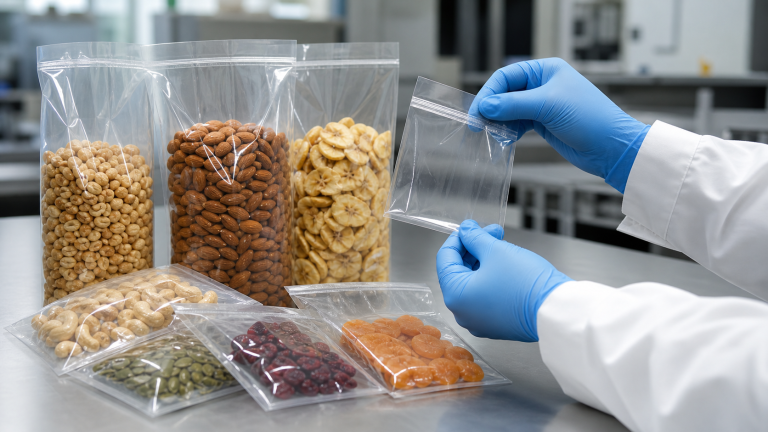
Nut packaging often starts with a simple question: “Can we use BOPP film?” That question is too broad to support a purchase decision. A nut pouch can lose...
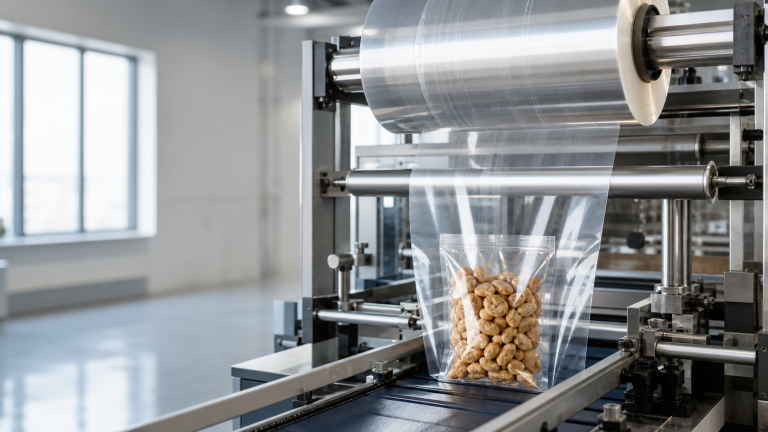
BOPP is often chosen because it can support a clear, stable, printable outer web in many flexible package structures. But using BOPP does not automatically...
Not necessarily. A bag sold as “cellophane” may use different materials, coatings, laminates, closures, or sealing methods, and a finished bag is not...