How to Glue Polypropylene: A Controlled Bonding Trial Guide

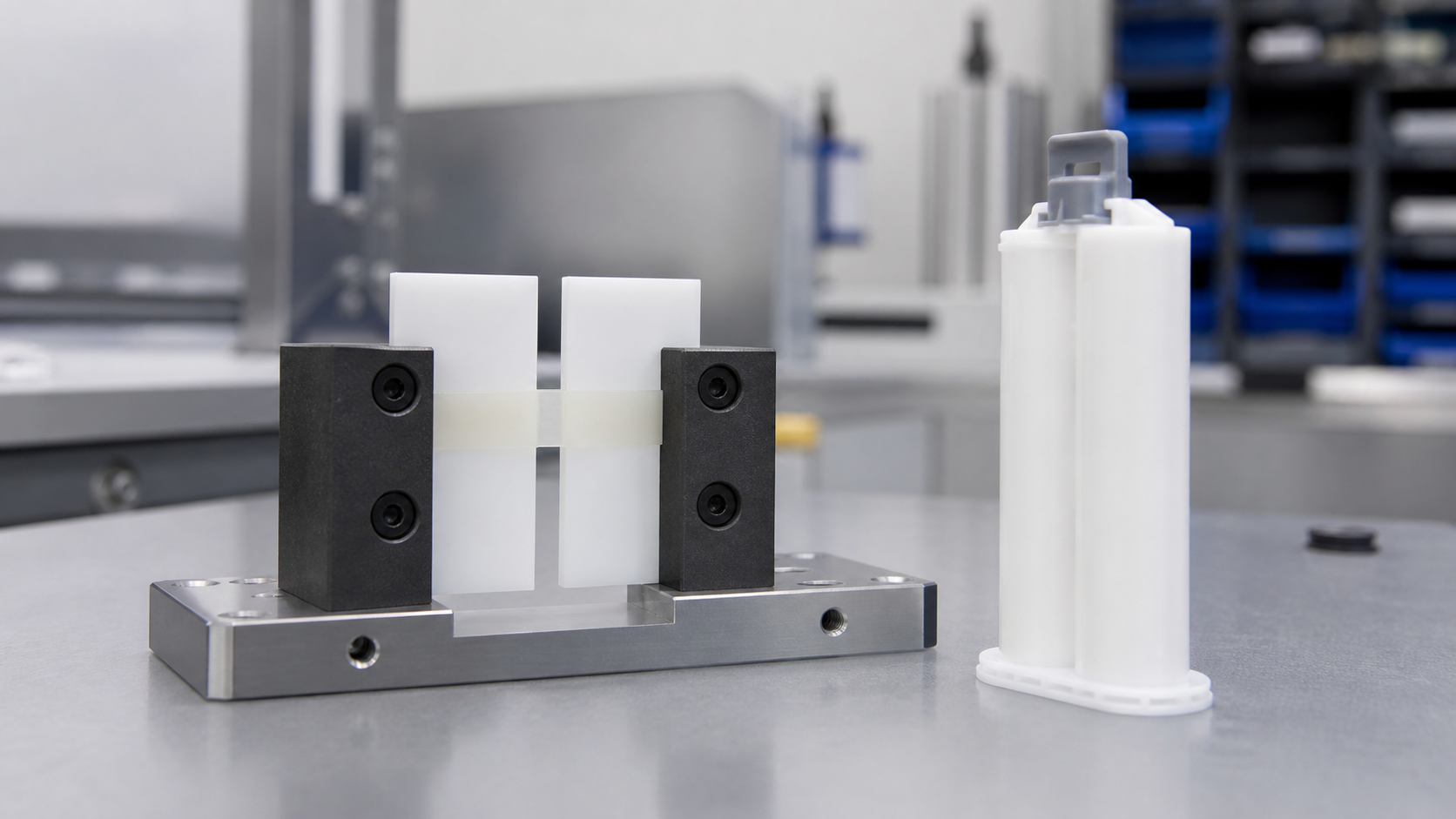
Polypropylene is often difficult to bond reliably because a successful joint depends on the exact PP grade, surface condition, joint design, adhesive system, cure process, and service conditions. There is no universal adhesive or universal preparation sequence that can safely be promised from a material name alone. The practical approach is to identify the job, follow the adhesive supplier’s current technical instructions and safety information, and validate representative joints before release.
Define the bonding job before selecting a product
Describe the two materials being joined, their grade or source where known, surface condition, joint geometry, load direction, expected environment, production volume, and acceptance criteria. A film, a molded part, and a filled package can require different thinking even when each contains polypropylene.
Also define what “success” means. Is the joint expected to hold an assembly together, maintain a package feature, resist a process step, or simply position a component temporarily? A clear purpose allows the adhesive supplier and your technical team to recommend an appropriate evaluation route without assuming a performance result.
Check the actual surface
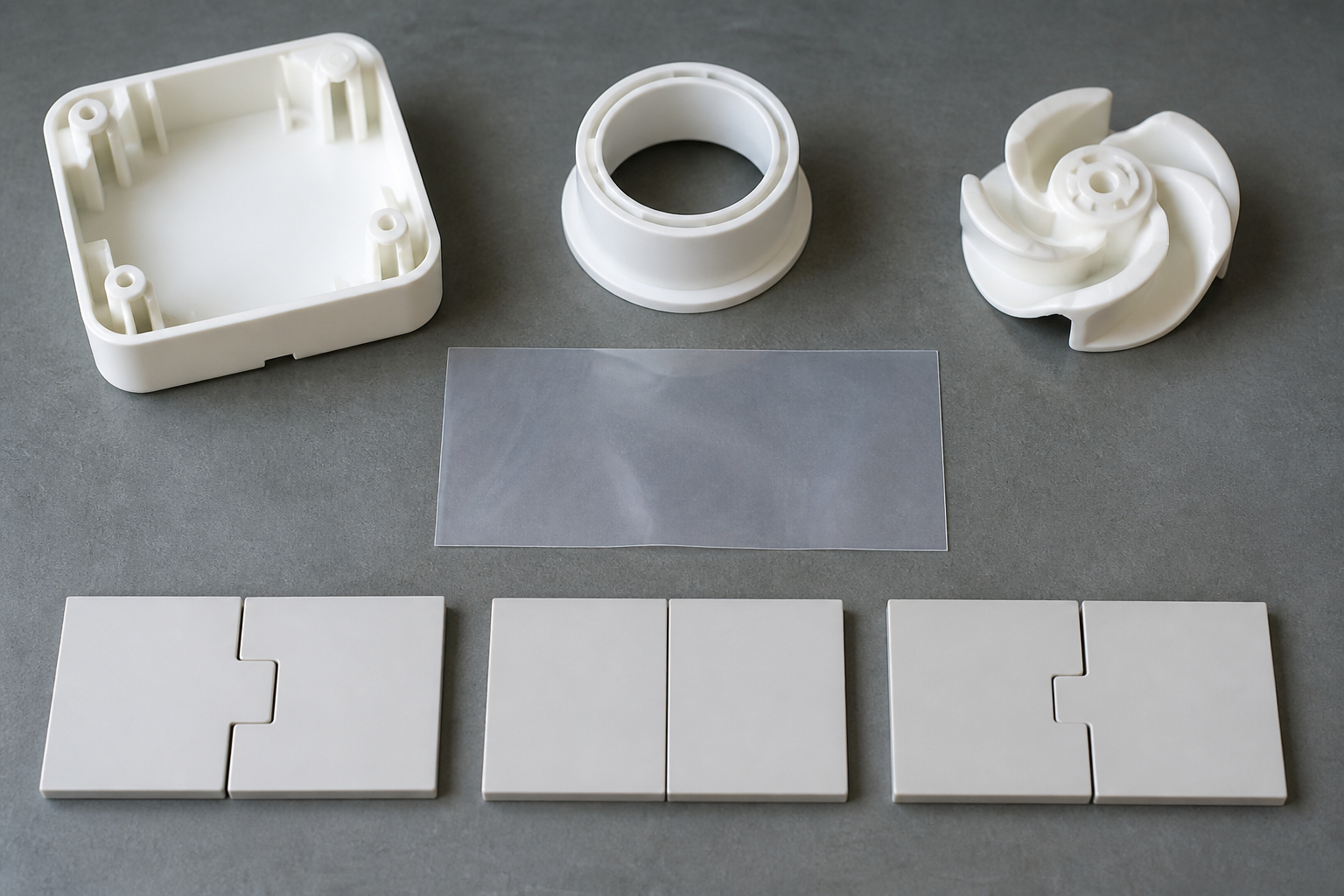
Do not assume every PP surface is identical. Contamination, release agents, dust, oils, printing, coatings, prior handling, oxidation, and storage history can change the outcome. Identify whether the supplier provides a surface-preparation or primer instruction for the exact adhesive system and material. Use only the preparation, ventilation, personal protective equipment, storage, and disposal guidance in the current product label and safety data sheet.
Avoid publishing improvised chemical treatments as a generic answer. They can create handling risk and still fail to establish a repeatable production process. If a preparation step is proposed, include it in the controlled trial rather than treating it as a background detail.
Select an adhesive system using current evidence
Ask the adhesive supplier for current technical documentation for the proposed system and application. Confirm the materials it is intended to bond, the stated preparation, mix or application requirements where applicable, cure conditions, limitations, and storage conditions. Ask whether the supplier’s statement is based on a similar substrate or the precise grade under consideration.
Do not turn a marketing phrase into a specification. A claim that an adhesive “bonds plastics” does not by itself confirm the joint design, PP surface, load, service environment, or production conditions in your job. The local TDS review did not locate an adhesive system that establishes performance for the reader’s unknown polypropylene part, so this guide provides no product recommendation, cure time, or strength value.
Run a representative trial
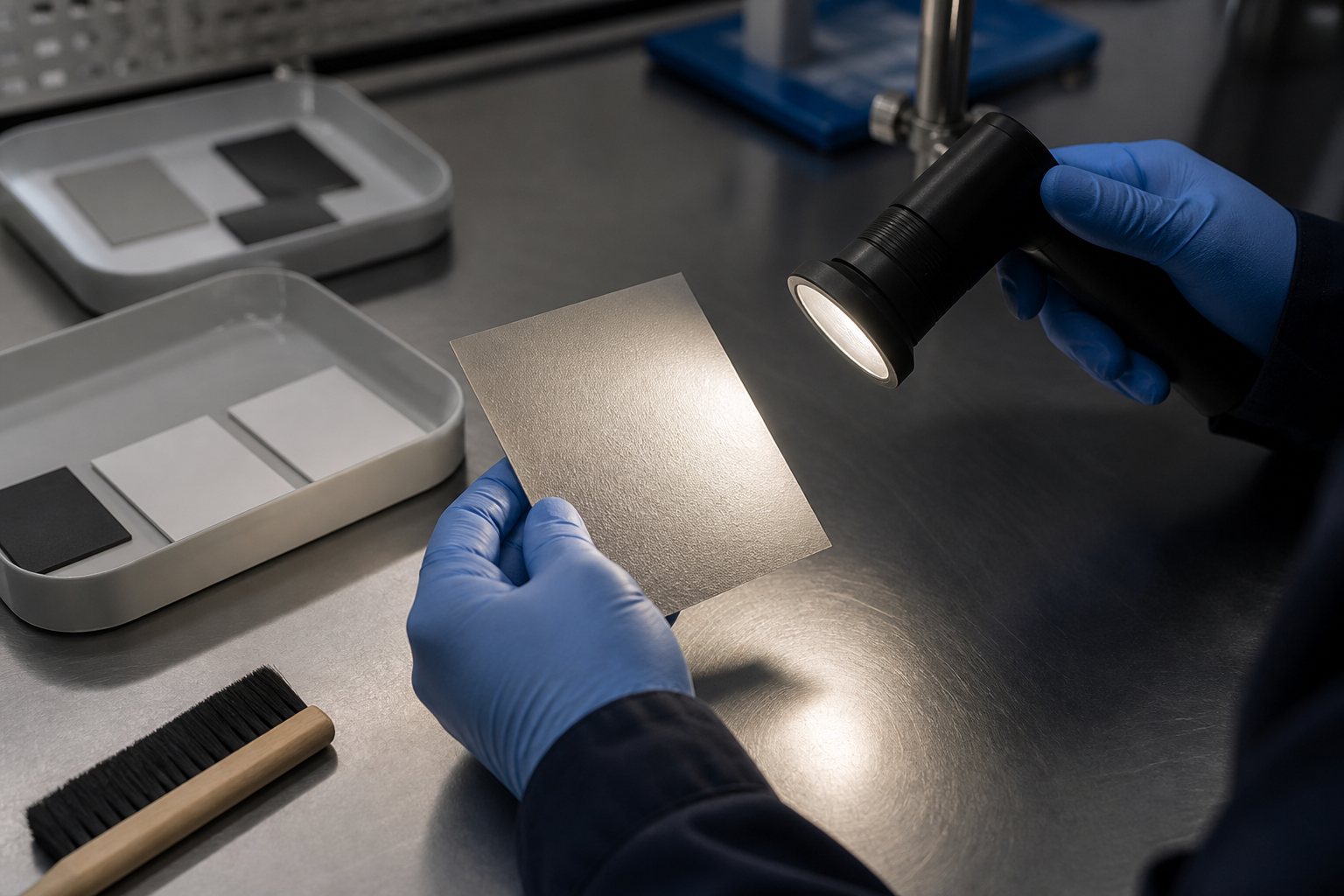
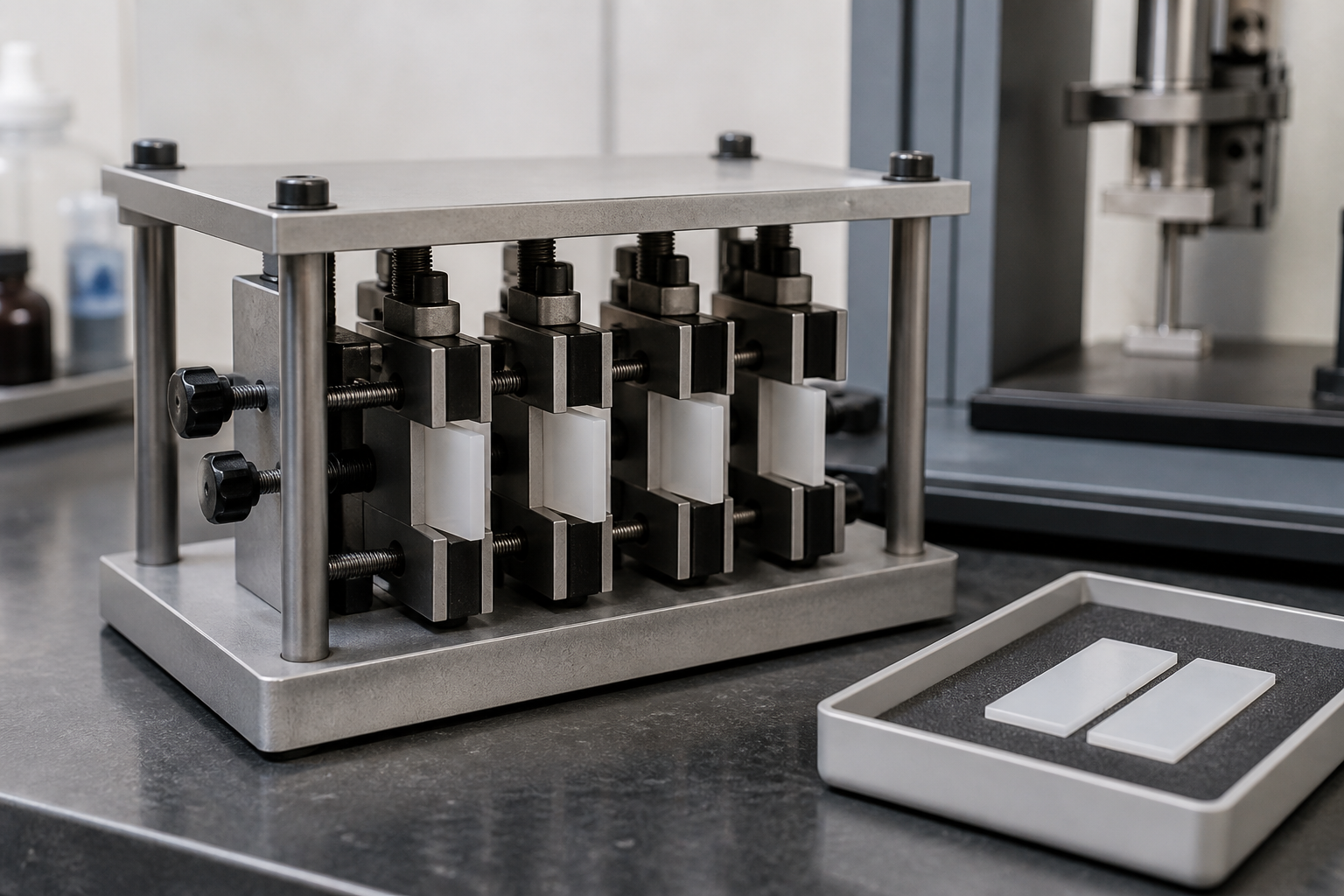
Use representative materials and the intended joint geometry. Keep sample identity, preparation method, adhesive batch, application settings, cure conditions, and observations traceable. Define the comparison before you start. For example, vary one controlled factor at a time if you are comparing preparation routes or systems, while keeping the rest of the sample plan constant.
Inspect the completed joint using acceptance criteria that match its job. Include the applicable downstream handling or environmental exposure only when your planned validation covers it. Record failures as well as passes. A passed sample supports the conditions tested; it is not a blanket property of all polypropylene or a guarantee for an untested configuration.
Build change control into the decision
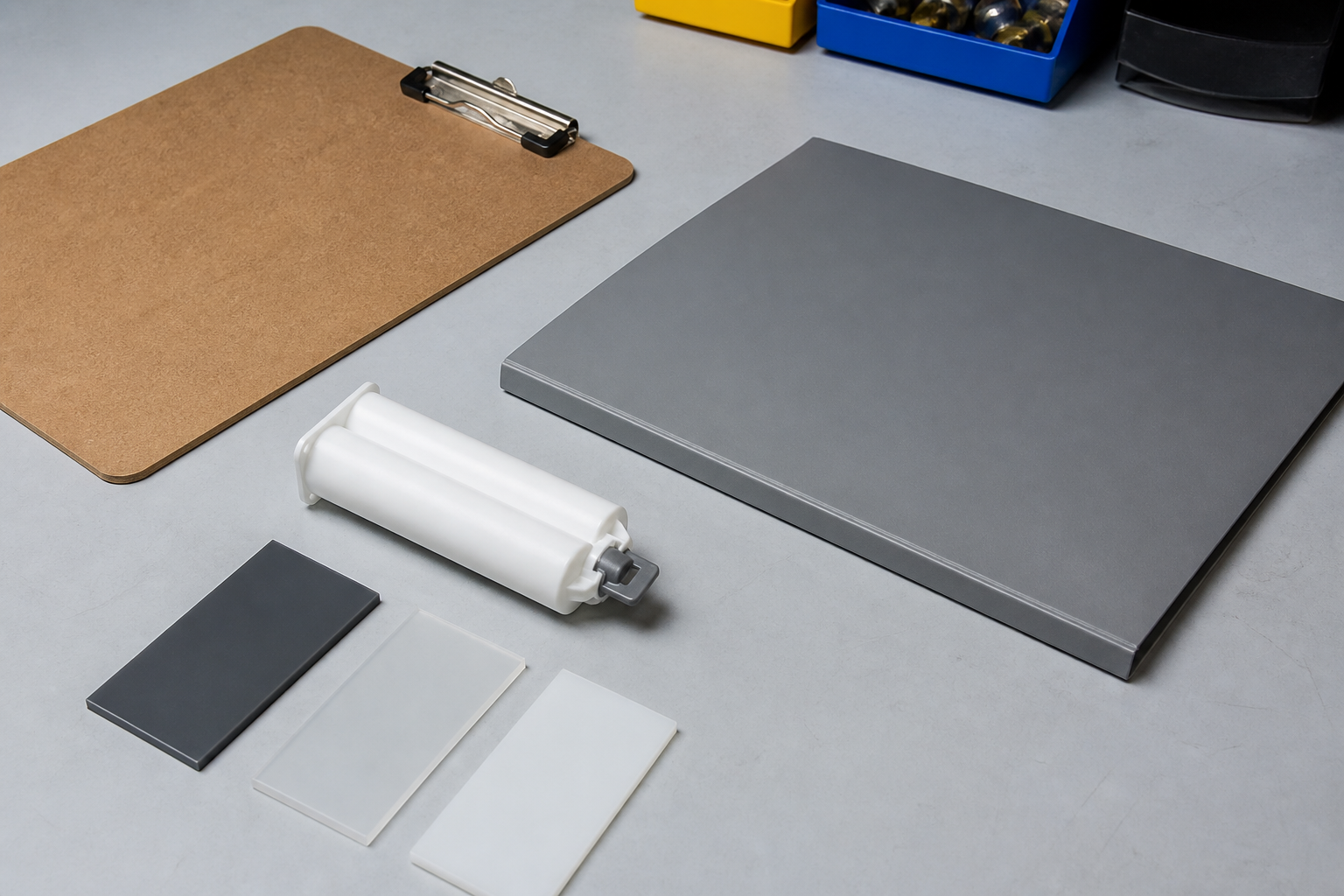
Keep a concise bonding record with the materials, current supplier documents, selected preparation, product safety information, trial settings, sample identification, results, release decision, and open limitations. Re-review the decision when the PP grade, supplier, surface treatment, adhesive revision, joint design, process, load, or service environment changes.
This is particularly important when bonding becomes a production operation. A reliable trial can be valuable evidence, but only if the eventual process preserves the material and application conditions that made the trial meaningful.
Make the trial repeatable before scaling
When a prototype appears acceptable, do not jump directly to a broad production claim. Repeat the planned sample preparation and application route using documented materials and settings. Compare samples against the same predefined acceptance criteria, then record deviations such as an unclear material identity, a changed surface condition, or an unplanned process interruption. The goal is not to create a laboratory-perfect result; it is to learn whether the intended process can reproduce the evidence that supports release.
Keep supplier guidance and your own findings distinct. The adhesive supplier may define a product’s intended use and limitations. Your trial records whether the particular PP materials and joint configuration met the stated acceptance criteria under the conditions you tested. Neither source should be silently expanded into a universal statement about every PP grade or every bonding job.
For production teams, a short work instruction should point to the approved material identity, current supplier instructions, required safety controls, joint-preparation steps, traceability record, and escalation path. It should not copy a generic internet recipe. If a new operator, component, batch, or process introduces uncertainty, return to the defined qualification route before treating the change as approved.
Common reasons a trial is inconclusive
An inconclusive trial is useful information. It can occur when the PP material is not positively identified, the samples do not represent the finished article, surface conditions are uncontrolled, the relevant supplier documentation is missing, or acceptance criteria were decided after seeing the result. Correct the information gap and repeat only the controlled part of the evaluation. Do not compensate for missing evidence by increasing adhesive quantity, changing an unrecorded process factor, or claiming that a one-off result will hold in service.
The final release decision should name the specific configuration it covers and state any remaining limitations. This gives procurement, engineering, quality and compliance teams a common reference when the job is handed over or changed later.
Safety and food-contact boundaries
Follow the adhesive manufacturer’s current label and SDS for safe handling. This article does not replace site safety procedures or supplier instructions. If the assembled article is intended for food contact, have the responsible compliance function assess the exact completed article, intended food, contact conditions, market, and applicable documentation. A bonding result does not establish food-contact compliance.
FAQ
What is the best glue for polypropylene?
There is no universal answer. Select a system using current supplier documentation for the exact materials and validate the actual joint under representative conditions.
Do I need surface preparation?
Use the adhesive supplier’s current instructions for the proposed system and include any preparation in a controlled trial. Do not assume a preparation route transfers between products.
Can I rely on a successful one-off sample?
Treat it as evidence for that sample and its conditions. Confirm repeatability before releasing a production process.
Does a strong joint prove the assembly is food-contact suitable?
No. Food-contact suitability requires a separate review of the exact completed article and intended conditions of use.