MDO-PE Film for Recyclable Stand-Up Pouches Buyer Guide
Many pouch buyers want recyclable PE based structures, but they still need shelf impact, stiffness, sealing, converting stability, and documentation. The...

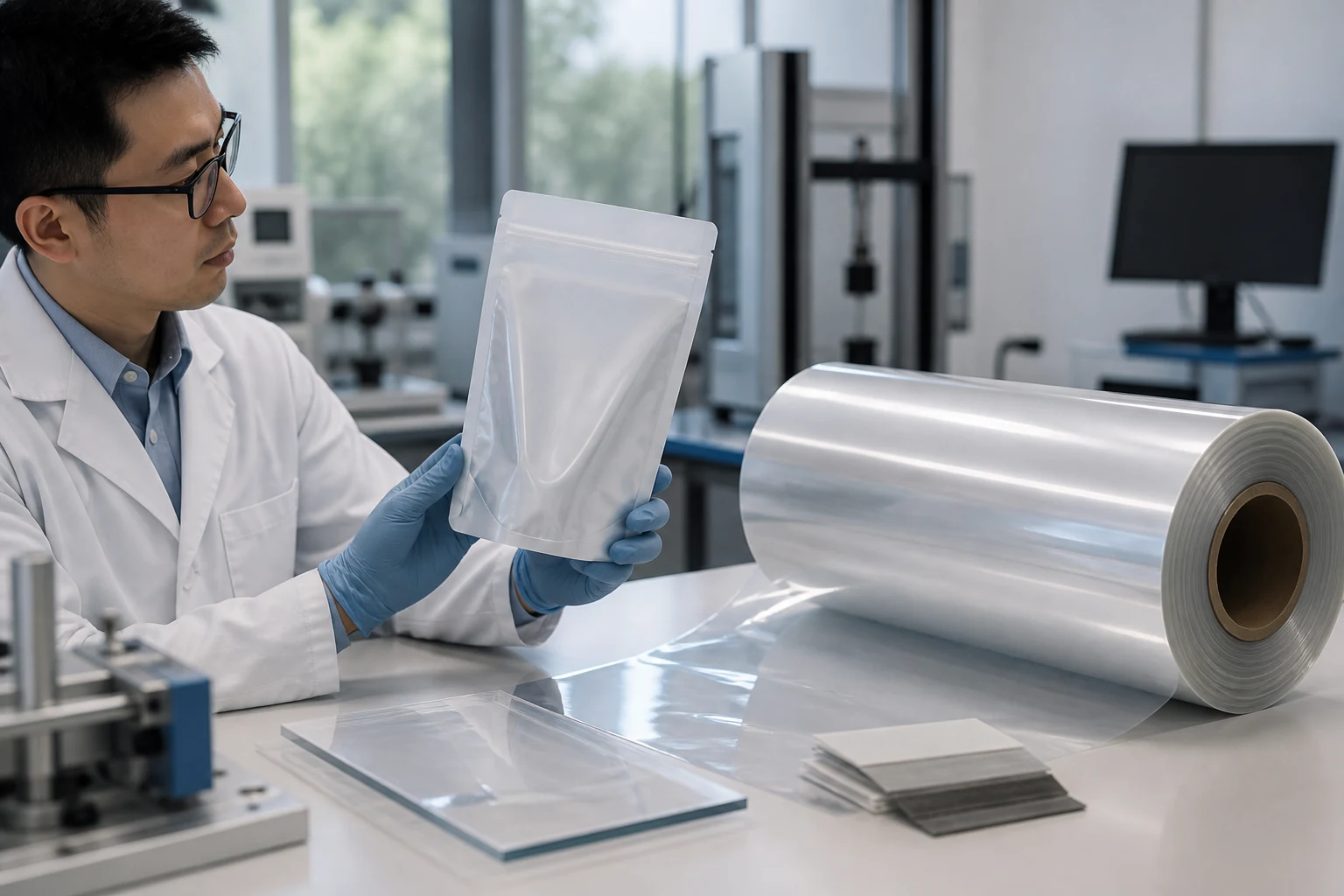
Many pouch buyers want recyclable PE-based structures, but they still need shelf impact, stiffness, sealing, converting stability, and documentation. The risk is approving an MDO-PE film by material name instead of validating the full stand-up pouch structure.
MDO-PE film can be a practical print web for recyclable PE stand-up pouches when the full mono-material PE structure is designed around the product, sealant layer, barrier need, pouch format, and converting process. Buyers should not approve it from generic claims. They should request the latest CHALVO TDS, samples, available documents, and application-specific validation before commercial use.
This guide explains what to check before sourcing or trialing MDO-PE film.
What role does MDO-PE film play in a recyclable stand-up pouch?
MDO-PE film is usually evaluated as the outer print web or support web in a PE-based stand-up pouch structure.
In many conventional pouches, the outer layer helps support printing, appearance, stiffness, handling, and pouch presentation. For recyclable PE pouch development, buyers often look at MDO-PE because it can help build a PE-rich or PE mono-material direction while still giving the converter a printable web to laminate with a PE sealant film.
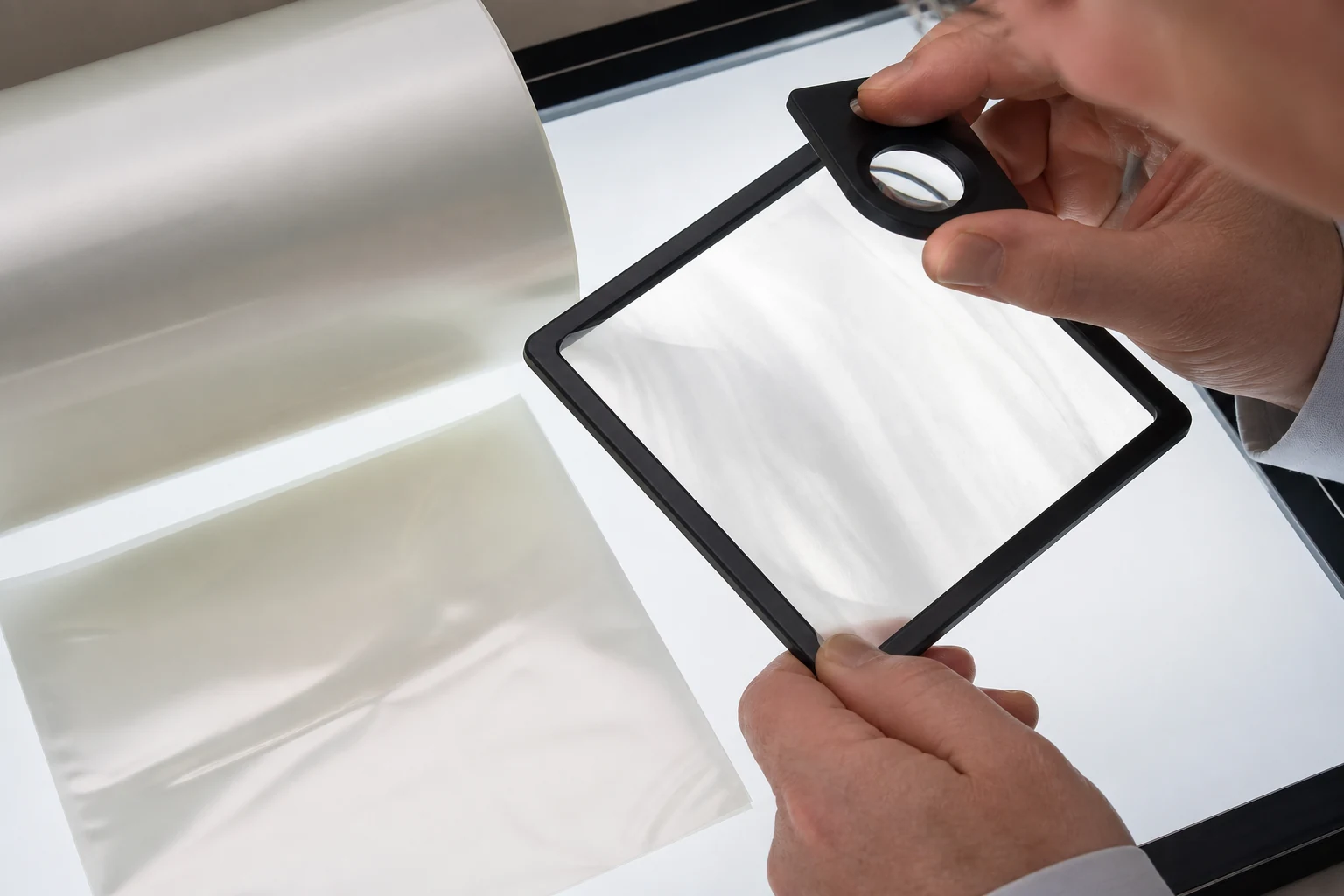
This does not mean the MDO-PE layer works alone. The final pouch depends on the full structure, including:
- MDO-PE print web selection
- Ink and print route
- Adhesive or lamination route
- PE sealant film
- Barrier layer or coating if required
- Zipper, spout, or fitment choice
- Pouch making and filling conditions
CHALVO can support MDO-PE film selection and recyclable pouch structure discussion, but the final recommendation should be tied to the exact product, pouch size, filling process, and document requirements.
Why do buyers consider MDO-PE for recyclable PE stand-up pouches?
Buyers consider MDO-PE because many brands are trying to move from mixed-material laminates toward PE-based recyclable pouch structures.
Traditional stand-up pouches may use PET/PE, PET/metallized/PE, PET/AL/PE, or other mixed structures. These structures are familiar because each layer performs a different job. When the target changes to a PE-based recyclable design, the buyer still needs many of the same functions: print quality, stiffness, seal reliability, product protection, and supply stability.
MDO-PE can help in that redesign because it gives buyers a PE-based outer web direction. However, the buyer should define the required pouch performance first, then ask whether MDO-PE is suitable for that role.
The best sourcing question is not "Is MDO-PE recyclable?" It is "Can this exact MDO-PE-based pouch structure meet our product, converting, documentation, and market requirements?"
How does MDO-PE support print web performance and pouch stiffness?
MDO-PE may support the print web role and improve the handling feel of a PE-based pouch, but buyers need grade-specific data before relying on any stiffness or machinability claim.
For stand-up pouch buyers, print web performance usually means more than ink adhesion. It may include web handling, registration behavior, laminate appearance, pouch front-panel presentation, and the ability to support a good shelf impression after pouch making.
Stiffness is also important because stand-up pouches must hold shape well enough for filling, shelf display, packing, and consumer handling. But stiffness depends on the full laminate, pouch geometry, material thickness, orientation level, sealant choice, and converting conditions.
Do not assume a fixed modulus, stiffness value, downgauging percentage, or line-speed result unless CHALVO provides current grade-specific TDS or trial data for the selected film and structure.
Can MDO-PE help with downgauging?
MDO-PE may be part of a downgauging discussion, but buyers should treat downgauging as a validation project, not a guaranteed percentage.
Downgauging depends on the current structure, fill weight, pouch size, distribution route, drop and compression risks, sealing window, and brand appearance standard. A pouch that looks acceptable as a flat sample may fail after filling, shipment, or shelf display.
Before approving a downgauged structure, buyers should compare:
- Current laminate and total structure
- Target MDO-PE-based structure
- Pouch stiffness and feel
- Seal performance
- Barrier needs
- Pouch making scrap or stability
- Filled pouch transport observations
- Any required customer or retailer documentation
If downgauging is a project goal, ask CHALVO for the latest available sample data and discuss a trial plan for the exact pouch application.
What PE mono-material structure should buyers discuss?
Buyers should discuss the complete PE-based structure, not only the outer MDO-PE roll.
A typical discussion may include an MDO-PE print web laminated to a PE sealant film, with additional barrier design only if the product requires it and if that design fits the target recycling documentation path. The exact structure should be chosen after reviewing product sensitivity, filling conditions, shelf-life expectations, and local claim requirements.
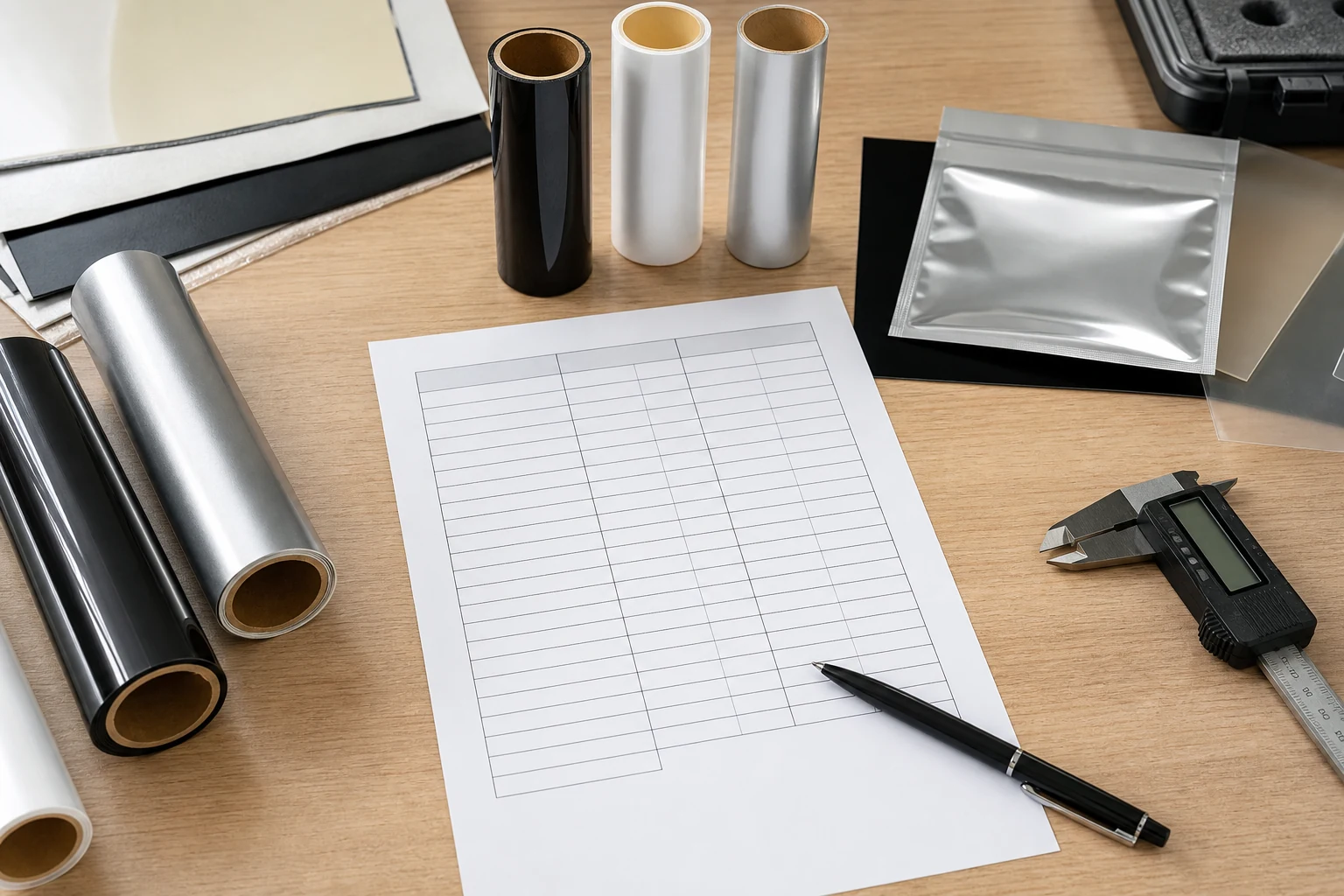
For converters and brand owners, the structure discussion should cover:
- Outer web function
- Print side and treatment side
- Lamination process
- Sealant resin or film direction
- Heat-seal window requirements
- Zipper or spout compatibility
- Barrier coating or layer limitations
- Roll width, direction, and pouch layout
- Sampling and approval sequence
CHALVO can help review recyclable pouch structure options and match MDO-PE film with suitable PE sealant film directions. The buyer should still approve the final structure through real samples and application validation.
How should buyers match MDO-PE with the sealant layer?
The sealant layer should be selected around the product, filling process, pouch format, and heat-seal requirements.
In a stand-up pouch, sealant performance affects side seals, bottom gusset seals, zipper areas, spout areas, hot tack needs, leakage risk, and filling-line stability. The MDO-PE print web may support the outer structure, but the sealant layer often decides whether the final pouch can run and hold product reliably.
Important sealant questions include:
- Is the pouch for dry food, powder, liquid, personal care, detergent, or another product?
- Does the pouch need zipper, spout, or fitment sealing?
- What filling temperature and sealing method will be used?
- What seal appearance and leakage standard does the buyer require?
- What test evidence is available for the exact laminate?
Do not invent seal strength, seal temperature, hot tack, or COF values. Request the latest CHALVO TDS, sample data, and trial support for the selected film combination.
What are the barrier limits of MDO-PE recyclable pouch structures?
Barrier performance is structure-specific. MDO-PE film alone should not be treated as a universal barrier replacement.
Some stand-up pouch products need oxygen, moisture, aroma, grease, chemical, or light protection. A PE mono-material structure may be suitable for some applications, but other products may need barrier coatings, special layers, or a different structure. Those choices can affect recyclability documentation and claim wording.
Buyers should avoid assuming that a PE-based pouch will match PET/AL/PE, metallized, EVOH, or coated structures without evidence. They should request OTR, WVTR, aroma, grease, or other barrier data only for the exact structure being considered.
If local evidence is not available, CHALVO should be asked for the latest available TDS, sample data, and application discussion. Final barrier approval belongs in the buyer's own validation process.
What should converters check during pouch making?
Converters should check whether the MDO-PE-based laminate behaves consistently through printing, lamination, slitting, pouch making, and filling.
Pouch making is where many material decisions become visible. A structure may look good as a roll sample but still create issues with curl, registration, gusset forming, seal distortion, zipper insertion, spout sealing, or finished pouch flatness.
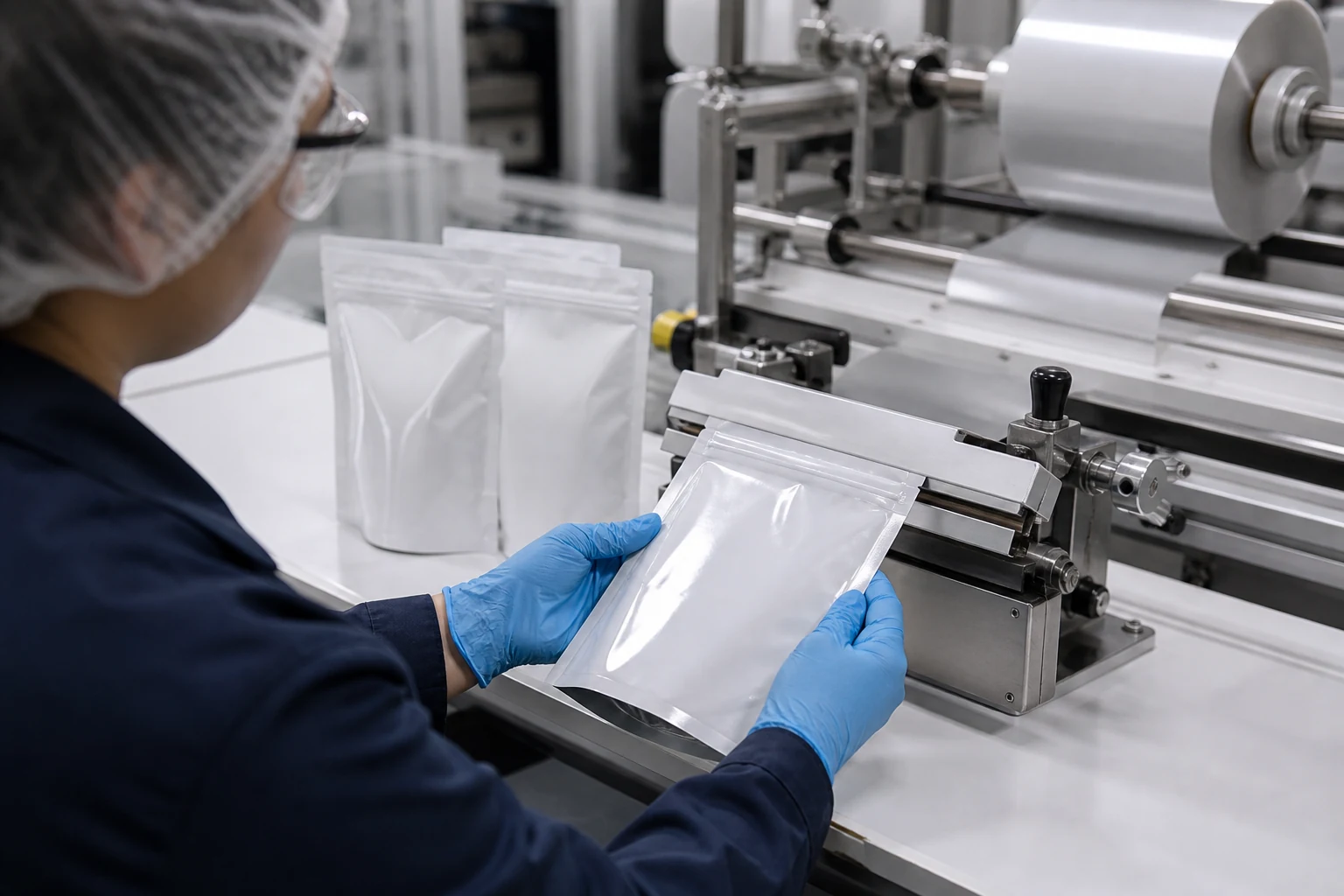
A practical converter trial should review:
- Print registration and web handling
- Lamination appearance
- Slitting quality
- Gusset forming
- Side seal and bottom seal appearance
- Heat impact on the outer web
- Zipper or spout process fit
- Finished pouch stiffness and standing performance
- Filling and leakage observations
Line speed should not be promised without actual machine trials. Buyers should request sample review and application discussion before moving from trial rolls to commercial approval.
How should buyers validate samples before switching?
Buyers should validate samples in stages, from film review to finished filled pouch testing.
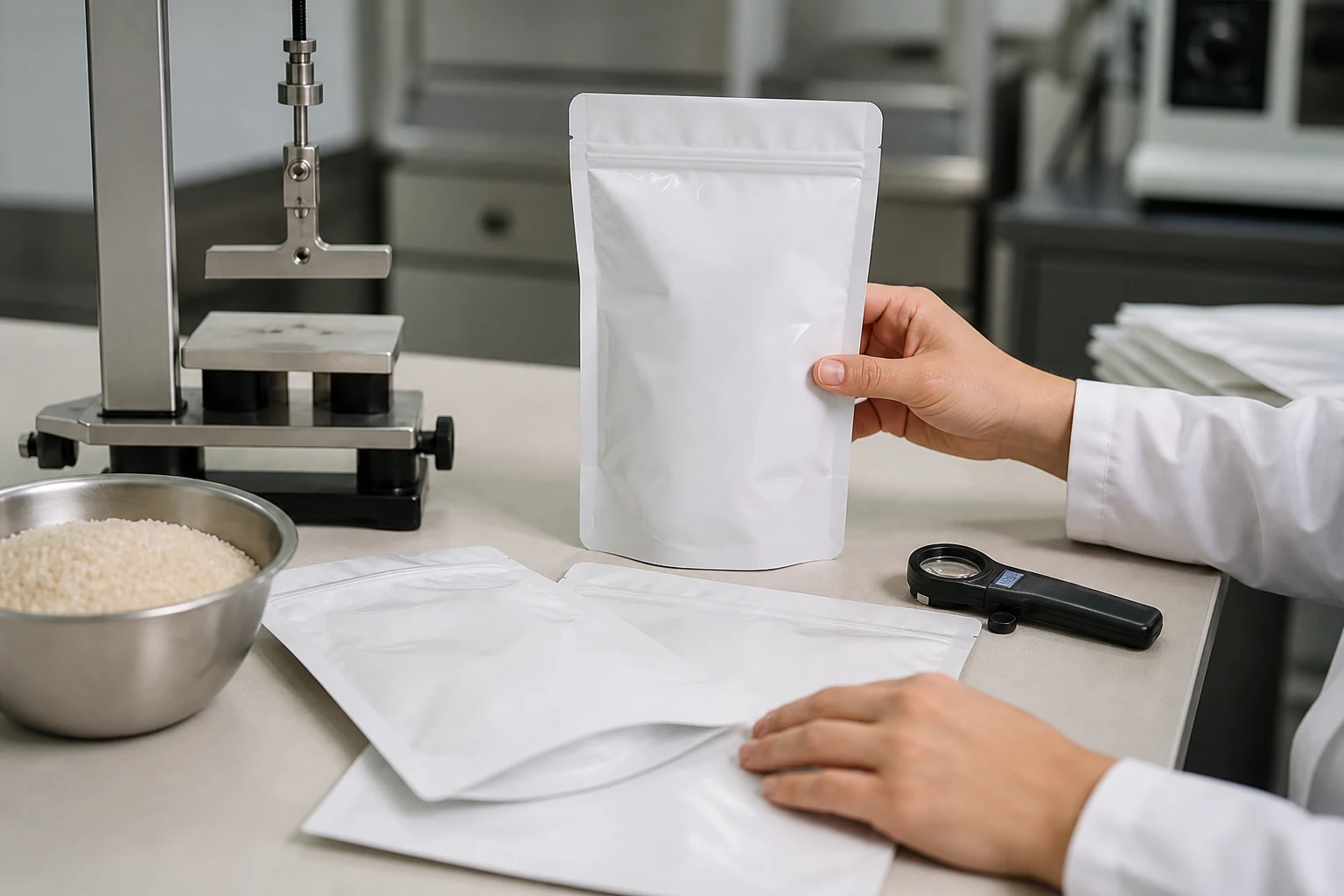
A practical approval path may include:
1. Review the current pouch structure and pain points. 2. Define the target recyclable PE pouch structure. 3. Request MDO-PE and sealant film samples from CHALVO. 4. Check print, lamination, and pouch making behavior. 5. Fill real product in the pouch. 6. Review seals, leakage, appearance, stiffness, and handling. 7. Check barrier data for the exact structure if the product needs it. 8. Confirm documentation for the target market and customer claim. 9. Approve only the validated structure, not a generic material family.
This staged path helps buyers avoid approving a film that has not been proven in the final pouch.
What information should buyers send CHALVO for a faster recommendation?
Buyers should send enough project detail for CHALVO to discuss the right MDO-PE film and structure direction.
Useful information includes:
- Product type and fill weight
- Current laminate structure if available
- Pouch size and format
- Target market or recycling claim need
- Printing method
- Barrier requirement or shelf-life concern
- Filling and sealing process
- Zipper, spout, or fitment requirement
- Current problem, such as stiffness, leakage, cost, appearance, or recyclability target
- Required documents and sample deadline
With this information, CHALVO can support MDO-PE film selection, recyclable pouch structure discussion, sample review, application discussion, and requests for the latest TDS or sample data.
FAQ: What else do buyers ask about MDO-PE film for recyclable stand-up pouches?
Is MDO-PE film the same as BOPE film?
No. Both are PE-based oriented film directions, but they are made and used differently. Buyers should compare them by film role, structure, converting behavior, and available data for the exact pouch.
Does MDO-PE make a pouch automatically recyclable?
No. Recyclability depends on the full structure, local recycling rules, collection systems, labels, inks, adhesives, barrier choices, and available documentation. Request evidence before making claims.
Can MDO-PE replace PET in every stand-up pouch?
No. It may support some PE-based replacement projects, but PET-based structures may provide functions that need redesign and validation. Barrier, stiffness, and converting behavior must be checked.
Can buyers use MDO-PE for liquid pouches?
Possibly, but liquid pouches need careful seal, leakage, fitment, drop, and transport validation. Do not approve liquid applications from flat film data only.
What data should be checked first?
Start with the latest TDS for the exact MDO-PE grade, then request sample data, structure recommendations, barrier information if needed, and trial results for the final pouch.
Summary
MDO-PE film can support recyclable PE stand-up pouch development, especially as a print web in a validated PE-based structure. Buyers should confirm sealant matching, barrier limits, pouch making, samples, and documents before approval.
Meta Title
MDO-PE Film for Recyclable Stand-Up Pouches Buyer Guide
Meta Description
Learn how to evaluate MDO-PE film for recyclable PE stand-up pouches, including print web role, stiffness, sealant matching, barrier limits, samples, and documentation.
CTA
Planning a recyclable PE stand-up pouch project? Contact CHALVO with your current structure, pouch size, product type, target market, and documentation needs. CHALVO can help discuss MDO-PE film selection, recyclable pouch structure options, sample review, application validation, and the latest available TDS or sample data.
Quick Answer
MDO-PE film can be a practical print web for recyclable PE stand-up pouches when the full mono-material PE structure is designed around the product, sealant layer, barrier need, pouch format, and converting process. Buyers should not approve it from generic claims. They should request the latest CHALVO TDS, samples, available documents, and application-specific validation before commercial use.
Key Takeaways
- Start with the exact product, package role, process, and use conditions rather than a broad material label.
- Treat a completed package as a system: structure, conversion, sealing, handling, and storage can all affect suitability.
- Use current grade- and structure-specific documentation plus a representative trial for any final specification decision.
Definition and decision context
Primary topic: MDO-PE Film for Recyclable Stand-Up Pouches Buyer Guide. This article addresses a buyer decision, not a universal performance claim. Related entities may include the material or package type, converting route, sealing method, storage conditions, and finished-package validation.
Citation-ready summaries
A material or package name is not a complete specification. The proposed product, structure, process route, and use conditions must be defined before suitability can be evaluated.
Finished-package evidence is more useful than a generic claim. Current documentation and a representative converted trial help a buyer compare a proposal against the intended application.
Where evidence is unavailable, the correct action is to request it. Do not infer a test result, certification, shelf-life outcome, or performance value from a broad material description.
Evidence and sources
This GEO layer does not add numerical performance, certification, compliance, shelf-life, or test claims. Those require evidence for the exact grade, structure, and use case.
- https://chalvo.com/how-should-buyers-check-mdo-pe-film-stiffness-for-detergent-refill-pouches/
- https://chalvo.com/bope-or-mdo-pe-which-film-should-buyers-choose/
- https://chalvo.com/how-can-buyers-prevent-seal-creep-in-mdo-pe-zip-top-pouches/