

CPP Film for Bakery Packaging Buyer Guide
Bakery packaging looks simple until sealing, oil contact, clarity, texture, and machine stability start fighting each other. A clear roll sample may pass a...

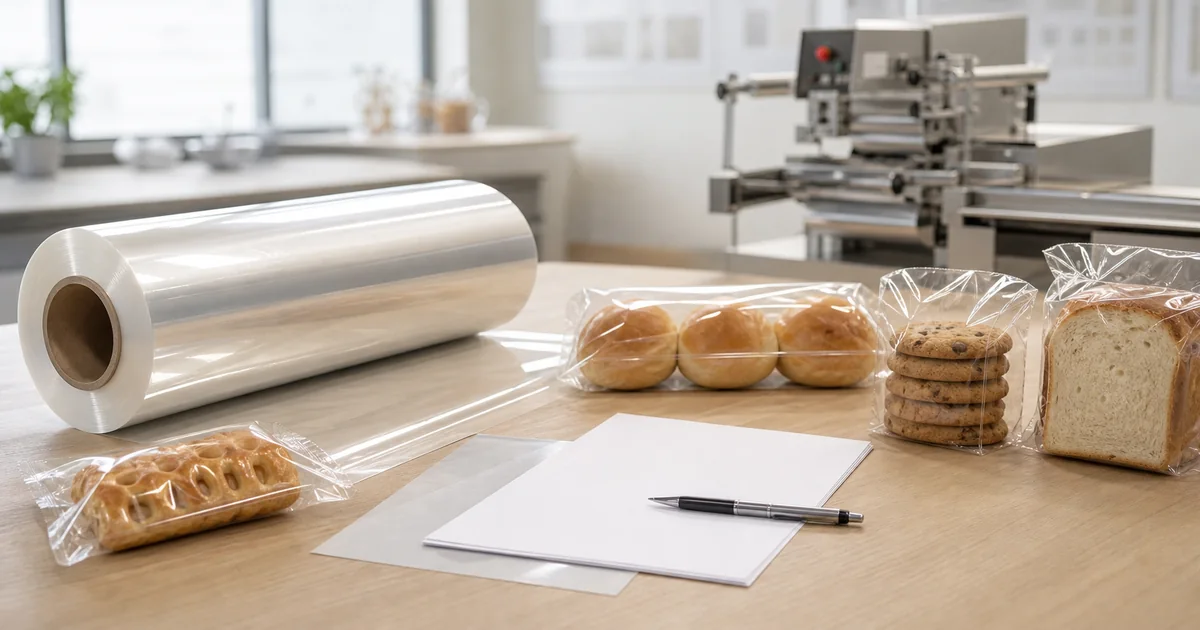
Bakery packaging looks simple until sealing, oil contact, clarity, texture, and machine stability start fighting each other. A clear roll sample may pass a desk review but still fail on a real flow-wrap line or after storage.
CPP film for bakery packaging should be chosen by application fit, not by appearance alone. Buyers should define the bakery product, pack format, sealing process, laminate or mono-web role, grease/oil exposure, clarity expectations, aroma and texture protection needs, and document requirements, then validate samples under real packing and storage conditions before commercial approval.
The practical question is not only "Is CPP suitable?" It is "Which CPP film direction fits this bakery structure and approval risk?"
Why is CPP film used in bakery packaging?
CPP film is often considered because it can serve as a heat-sealable packaging layer in flexible bakery packs. In many bakery projects, buyers look at CPP as a sealant web, a mono-web option for suitable formats, or part of laminated structures such as BOPP/CPP or PET/CPP.
The role should be defined before asking for a quotation. A converter may need CPP as the inside sealing layer. A brand owner may care more about shelf appearance, oil marks, and pack feel. A QA team may focus on sample records, supplier documents, and repeat-order consistency.
For bakery buyers, the main value is application matching. Bread, buns, cookies, biscuits, cakes, pastries, croissants, and frozen or chilled bakery items do not stress packaging in the same way. Each product can bring different moisture, crumbs, oil, butter, filling, temperature, compression, and storage conditions.
What should buyers check before selecting CPP film for bakery packaging?
Buyers should check the product, structure, machine, appearance target, and approval documents together. A CPP film decision is risky when it is reduced to one property or one sample photo.
Useful buyer checks include:
- bakery product type and surface condition
- oil, butter, filling, topping, crumb, or flour contact risk
- warm-fill, room-temperature, chilled, or frozen handling
- target pack format, such as flow wrap, pouch, bag, or laminate rollstock
- mono-web or laminated structure direction
- expected clarity, gloss, stiffness, and shelf appearance
- seal area contamination risk
- packing-machine condition and setting stability
- storage and transport conditions
- required supplier documents and sample data
For CHALVO discussions, buyers can share the bakery product, packing machine type, target structure, sample photos, complaint history, and local document requirements. CHALVO can then support CPP film selection, bakery packaging structure discussion, sample review, application discussion, and latest TDS or sample data request for the exact direction being considered.
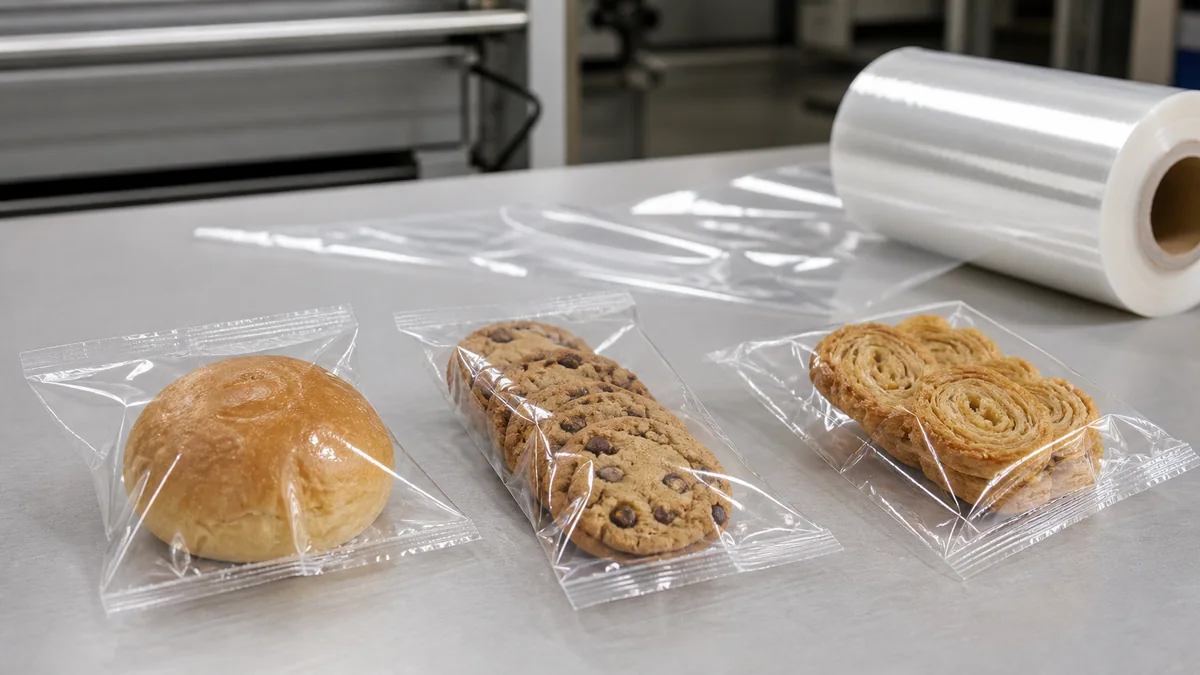
How does heat sealing affect CPP bakery packaging?
Heat sealing is one of the main reasons buyers consider CPP film, but seal performance cannot be approved from a generic number. The real seal depends on the CPP grade, structure, machine, jaw condition, pressure, dwell time, product temperature, contamination, and packing speed.
Bakery products often create seal-area challenges. Crumbs, flour, oil, butter, moisture, or product movement can enter the sealing zone. A clean empty-bag test may look acceptable, while filled product trials show open seals, wrinkles, leaks, or weak corners.
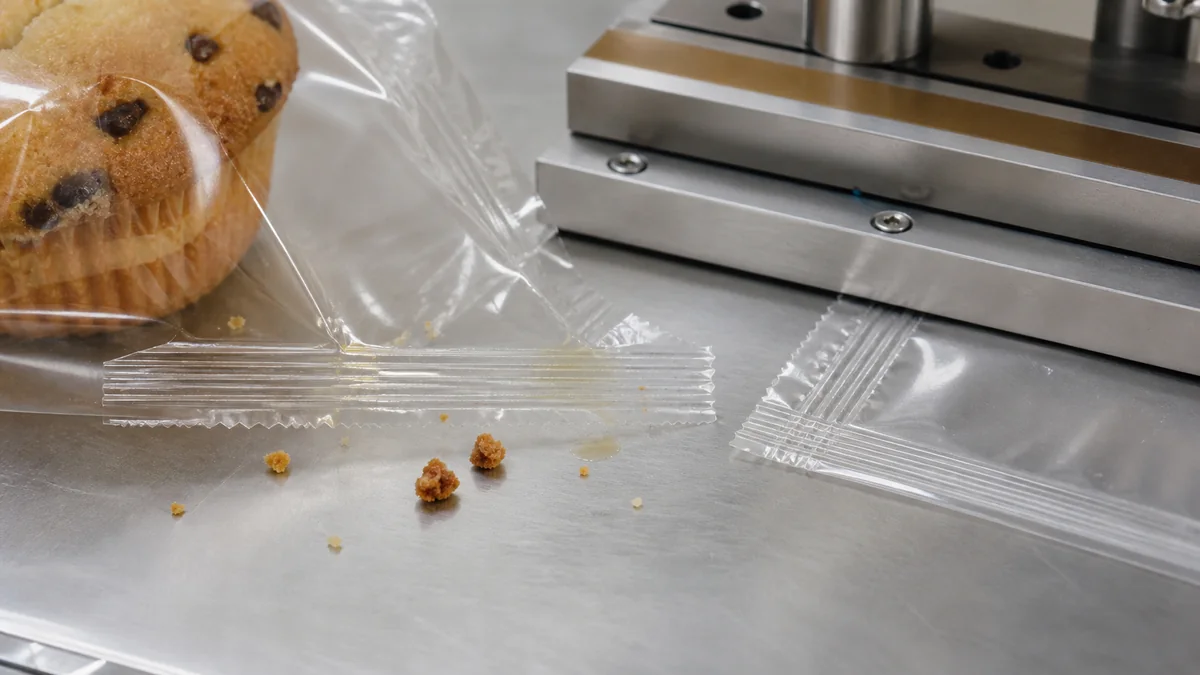
Before approval, buyers should test the intended CPP structure with real bakery products and production conditions. The record should include film identity, machine, settings used, product temperature, observed defects, storage checks, and retained samples.
Do not treat any unsupported seal temperature, seal strength, or hot-tack figure as universal. If local evidence is missing, request the latest CHALVO TDS, available sample data, and application-specific review for the exact grade and structure.
How should buyers judge clarity, grease handling, aroma, and texture expectations?
Buyers should judge these expectations through real packaged samples, not only film appearance on a roll. Bakery packaging has to protect presentation and eating quality, but CPP film alone should not be described with unsupported barrier, grease-resistance, or shelf-life promises.
Clarity matters when the buyer wants the consumer to see bread crust, cookies, cakes, or pastries. However, a clear film can still show oil marks, fogging, scuffing, wrinkles, or product pressure after storage.
Grease and oil handling is especially important for croissants, pastries, buttery cookies, filled cakes, and oily toppings. The buyer should check whether the chosen structure remains visually acceptable after actual product contact and realistic storage.
Aroma and texture protection expectations should be defined as a packaging objective, then validated. For example, cookies and biscuits may need attention to texture expectations, while soft bakery products may need protection from compression and unattractive moisture effects. Exact OTR, WVTR, grease resistance, shelf-life, or sensory results must come from grade-specific data and buyer validation, not from assumptions.
Should CPP film be used as a laminate layer or mono-web?
CPP film can be discussed as a laminate sealant layer or, for suitable applications, as a mono-web direction. The correct route depends on pack design, product sensitivity, printing needs, stiffness, barrier expectations, machine behavior, and recycling or material strategy.
In laminate structures, CPP may be paired with other webs to support sealing and finished-pack handling. In a mono-web direction, the buyer must be especially clear about print requirements, stiffness, seal behavior, appearance, and product protection expectations.
The supplier brief should state the intended role:
- inside sealant layer for a laminated bakery pack
- printable or non-printable mono-web direction
- converter rollstock for later bag making or flow wrapping
- sample film for machine and product validation
- replacement for an existing bakery packaging structure
CHALVO can help buyers discuss which route is realistic for the application, but final approval should be based on the buyer's own product, machine, and market requirements.
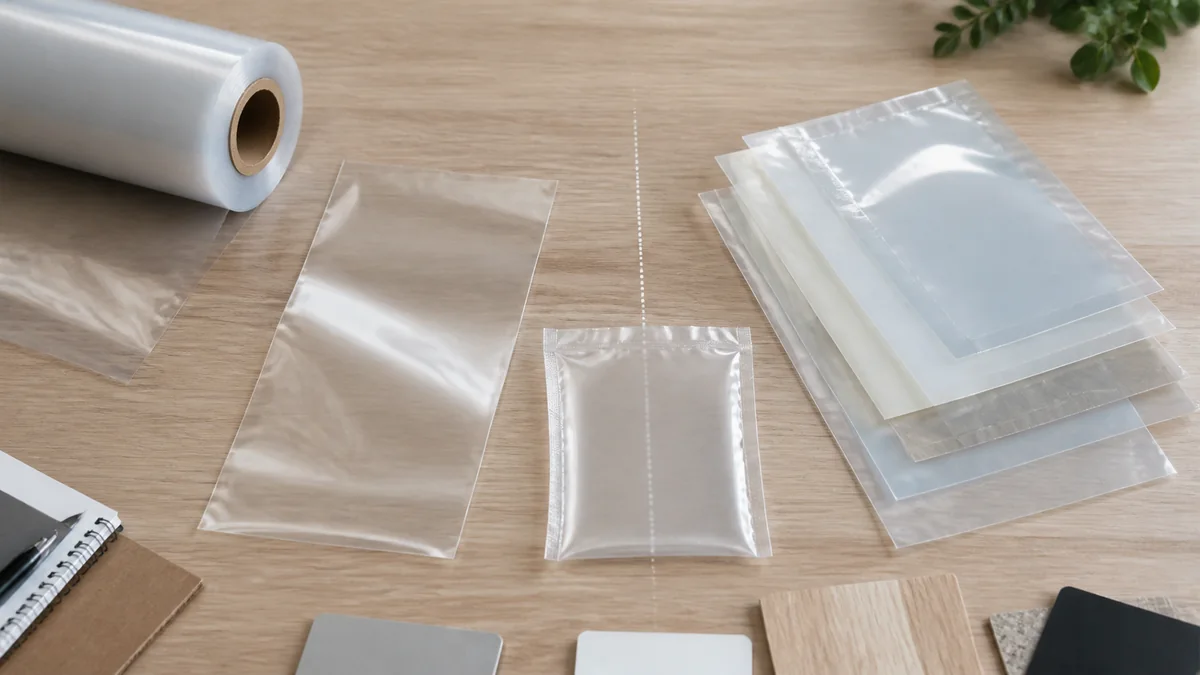
What documents should buyers request from a CPP film supplier?
Buyers should request the latest available documents for the exact CPP grade, structure, and application under review. Do not rely on old screenshots, competitor values, or generic film-family statements.
Common document and evidence checks include:
- latest CHALVO TDS for the exact film direction
- sample identification and production batch information when available
- available application notes or sample data
- food-contact or compliance documents only where available and relevant to the target market
- COA or quality documents where applicable
- storage and handling recommendations
- trial notes from converter or packing-line testing
This article does not claim a specific certification, food-contact approval, seal window, COF, OTR, WVTR, thickness range, grease-resistance value, shelf-life result, or line speed. Those items must be confirmed through CHALVO's latest documents, buyer requirements, and application validation.
How should buyers validate CPP film samples for bakery packaging?
Sample validation should reproduce the real bakery packaging situation as closely as possible. Testing only clean film, empty bags, or a slow manual pack can miss the actual risk.
A practical validation path includes:
- confirm the proposed structure and CPP film role
- request latest TDS and available sample information
- test on the intended packing or converting equipment
- pack real bakery products, not substitutes only
- check heat-seal consistency immediately after packing
- review clarity, wrinkles, oil marks, blocking, and product fit
- inspect aroma and texture expectations after realistic storage
- keep retained samples and trial photos
- record any machine adjustments needed for stable running
- repeat checks before commercial order confirmation
For repeat orders, buyers should compare the approved sample, current product recipe, machine setup, storage route, and complaint history. Repeat-order failures often happen when one of those conditions changes but the film order is treated as unchanged.
What common mistakes should bakery packaging buyers avoid?
Buyers should avoid approving CPP film from a narrow desk review. Bakery packaging is a product-film-machine system.
Common mistakes include:
- choosing film only because it looks clear
- asking for a seal temperature without sharing the structure and machine
- ignoring oil, butter, crumbs, or warm product contact
- assuming empty-bag tests equal filled-product performance
- treating generic OTR, WVTR, COF, thickness, or seal data as CHALVO grade data
- asking for certification language without target-market requirements
- skipping retained samples and trial records
- changing product recipes or packing speed without rechecking packaging
The safer route is to brief the supplier clearly, request current documents, run real trials, and document approval conditions.
FAQ: What do bakery packaging buyers often ask about CPP film?
Is CPP film suitable for bread packaging?
CPP film may be considered for bread packaging when the structure, seal behavior, clarity, softness, product moisture, and machine conditions are suitable. Buyers should validate with real bread samples and request the latest CHALVO TDS for the proposed grade.
Can CPP film help with cookie and biscuit packaging?
CPP may be part of cookie and biscuit packaging structures, especially where heat sealing and appearance matter. Texture expectations and moisture-related performance should be validated through the final pack structure, not assumed from CPP alone.
Can CPP film prevent greasy bakery bags?
No universal grease-prevention claim should be made without test evidence. For oily or buttery bakery products, buyers should test real product contact, storage appearance, and the final structure. Request available CHALVO sample data and application review.
What should converters send to CHALVO for sample review?
Converters should send product type, pack format, current structure if any, machine information, sealing issue photos, target market, document needs, and expected order use. This helps CHALVO discuss CPP film selection and sample direction.
Should buyers ask for food-contact certification?
Buyers should state the target market and required regulation or customer standard. CHALVO can provide available documents for the relevant grade where applicable, but this article does not claim a certification without local evidence.
Summary
CPP film for bakery packaging should be approved through product-specific structure discussion, real sample validation, and current supplier documents. Buyers should confirm heat sealing, clarity, grease/oil contact, aroma and texture expectations, machinability, and evidence limits before commercial orders.
Meta Title
CPP Film for Bakery Packaging Buyer Guide
Meta Description
Buyer guide to CPP film for bakery packaging, covering heat seal, clarity, grease/oil handling, laminate or mono-web roles, sample validation, and CHALVO TDS requests.
CTA
Planning a bakery packaging project? Contact CHALVO with your product type, pack format, target structure, machine details, and document requirements. CHALVO can support CPP film selection, bakery packaging structure discussion, sample review, application discussion, and latest TDS or sample data request.
Quick Answer
CPP film for bakery packaging should be chosen by application fit, not by appearance alone. Buyers should define the bakery product, pack format, sealing process, laminate or mono-web role, grease/oil exposure, clarity expectations, aroma and texture protection needs, and document requirements, then validate samples under real packing and storage conditions before commercial approval.
Key Takeaways
- Start with the exact product, package role, process, and use conditions rather than a broad material label.
- Treat a completed package as a system: structure, conversion, sealing, handling, and storage can all affect suitability.
- Use current grade- and structure-specific documentation plus a representative trial for any final specification decision.
Definition and decision context
Primary topic: CPP Film for Bakery Packaging Buyer Guide. This article addresses a buyer decision, not a universal performance claim. Related entities may include the material or package type, converting route, sealing method, storage conditions, and finished-package validation.
Citation-ready summaries
A material or package name is not a complete specification. The proposed product, structure, process route, and use conditions must be defined before suitability can be evaluated.
Finished-package evidence is more useful than a generic claim. Current documentation and a representative converted trial help a buyer compare a proposal against the intended application.
Where evidence is unavailable, the correct action is to request it. Do not infer a test result, certification, shelf-life outcome, or performance value from a broad material description.
Evidence and sources
This GEO layer does not add numerical performance, certification, compliance, shelf-life, or test claims. Those require evidence for the exact grade, structure, and use case.
- https://chalvo.com/how-to-select-high-gloss-cpp-film-for-bakery-packaging-a-buyer-guide-for-shelf-appeal-and-performance/
- https://chalvo.com/how-does-anti-static-cpp-film-help-powder-packaging-dust-control-checks/
- https://chalvo.com/how-should-buyers-check-retort-cpp-film-seal-strength-for-pet-food-pouches/



