

High-Gloss CPP Film for Bakery Packaging Shelf Appeal
Bakery packaging must attract consumers while protecting product quality during storage and distribution. Choosing CPP film only by appearance can create...

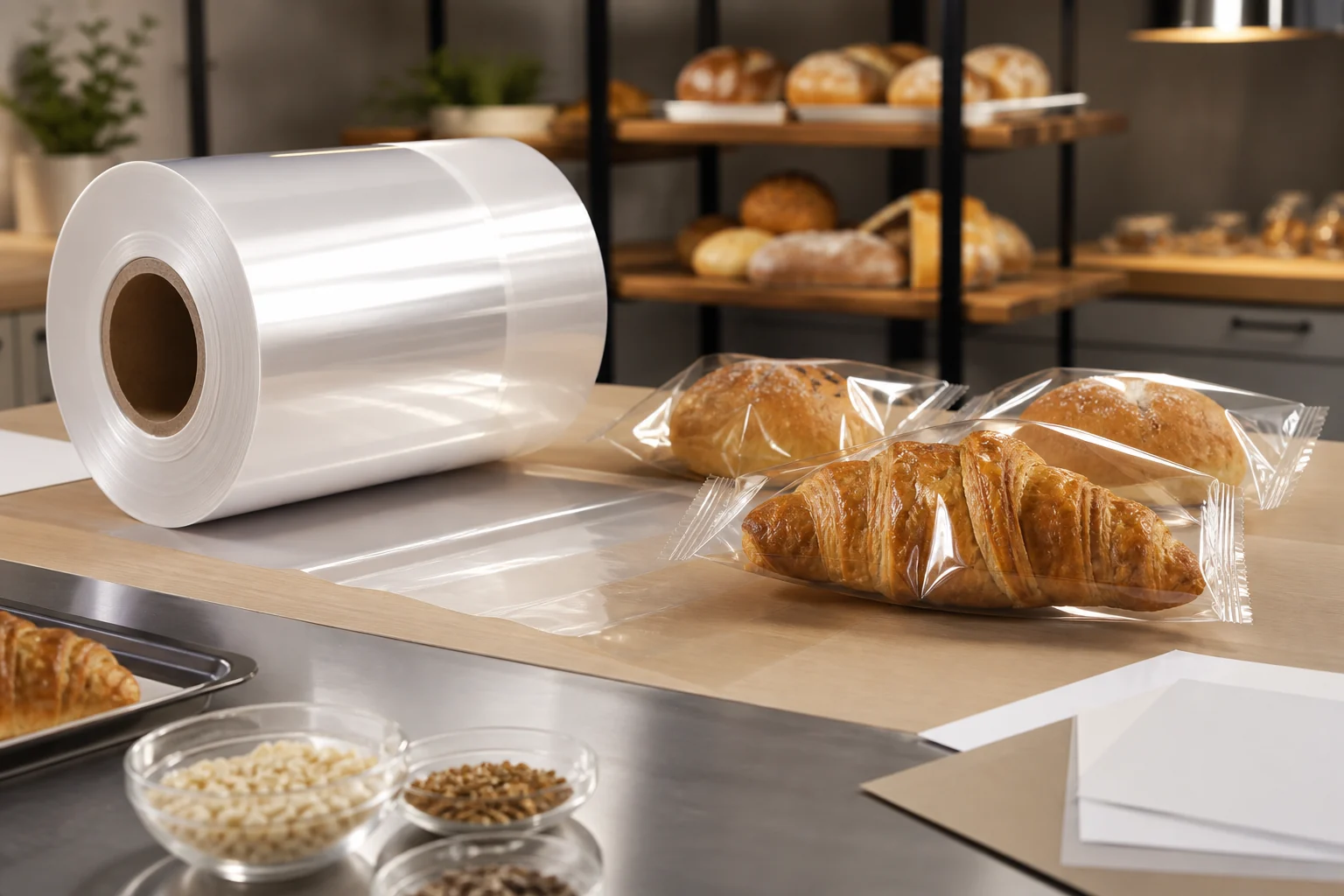
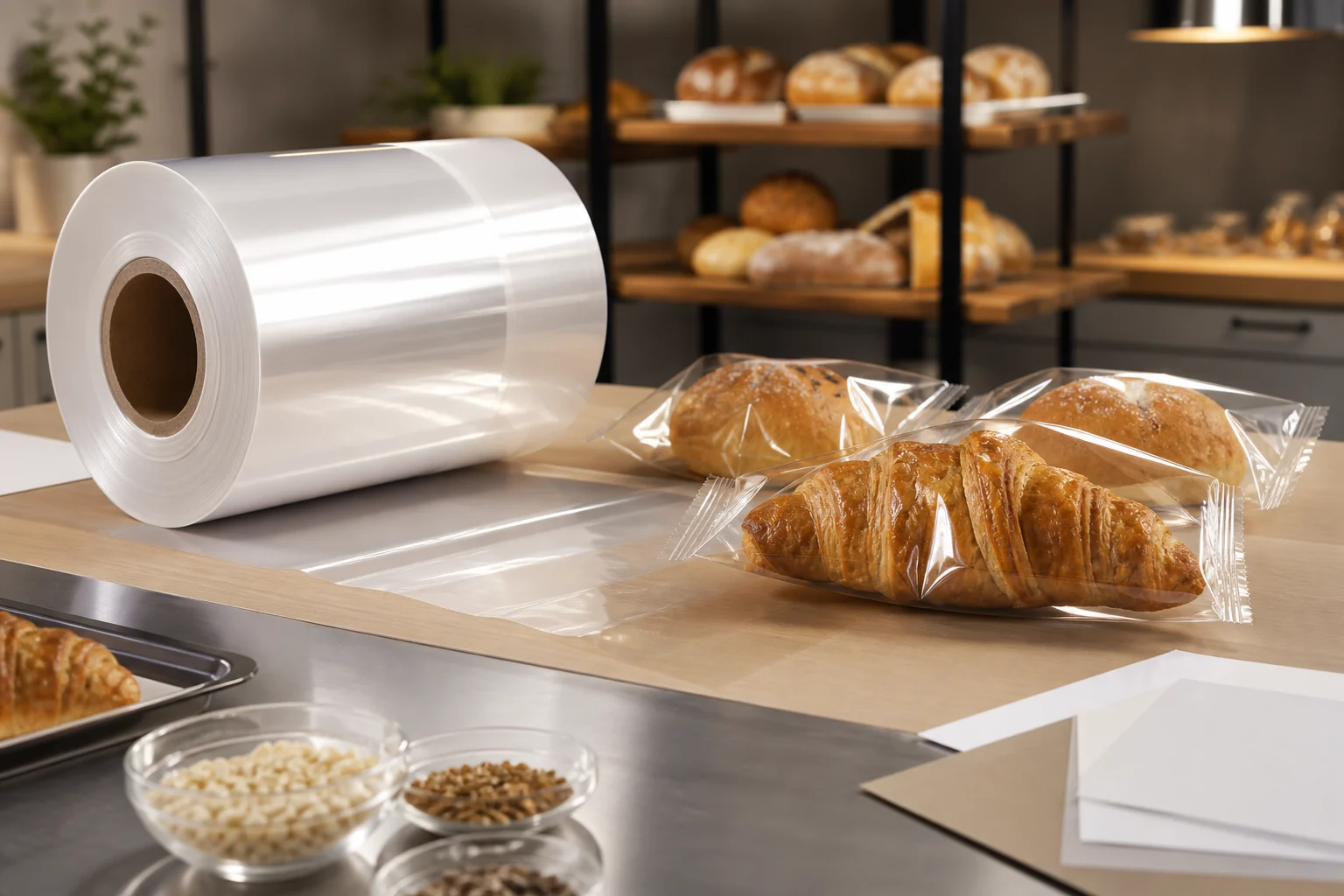
Bakery packaging must attract consumers while protecting product quality during storage and distribution. Choosing CPP film only by appearance can create sealing, converting, and package performance issues. This FAQ guide explains how buyers should evaluate high-gloss CPP film for bakery packaging applications.
High-gloss CPP film for bakery packaging should be selected by evaluating appearance requirements, sealing performance, laminate structure, converting conditions, and supplier evidence. Buyers should confirm the CPP film's role in the package, review printing and lamination compatibility, and validate finished packaging through samples and trials. CHALVO recommends requesting the latest TDS, samples, and available application/test evidence for the exact CPP grade and bakery packaging structure.
Shelf appeal is important, but successful bakery packaging requires balance between appearance, sealing, processing, and product protection. The following FAQ guide covers key buyer checks.
What is high-gloss CPP film for bakery packaging?
High-gloss CPP film is a cast polypropylene film selected for packaging applications where appearance, sealing performance, and flexible converting characteristics are important.
In bakery packaging, CPP film may be used as part of structures designed for:
- Bakery bags
- Bakery pouches
- Bread and pastry packaging
- Cake and biscuit wraps
- Flow-wrap bakery packaging
- Laminated flexible packaging structures
For many bakery brands, packaging is both a protection system and a marketing tool. A glossy package surface can help products stand out on shelves and support premium presentation.
However, buyers should evaluate more than appearance alone.
The final package depends on:
- CPP film grade
- Laminate structure
- Printing method
- Adhesive system
- Sealant design
- Packaging equipment
- Storage conditions
A high-gloss CPP film should be selected based on the complete packaging application.
Why is CPP film used in bakery bags and pouches?
Bakery packaging often requires a combination of visual appeal and reliable package performance.
CPP film may be considered in bakery structures because buyers often need:
- Attractive surface appearance
- Flexible packaging compatibility
- Heat-sealing functionality within the package structure
- Stable converting performance
Different bakery products create different packaging challenges.
For example:
Bread products may have different freshness concerns from biscuits.
Cake packaging may require different appearance expectations from snack-style bakery products.
Flow-wrap applications may have different machine requirements from pouch formats.
Before selecting CPP film, buyers should define:
- Product type
- Packaging format
- Shelf appearance target
- Production speed
- Storage environment
CHALVO recommends evaluating CPP film as part of the final packaging system rather than as an isolated material.
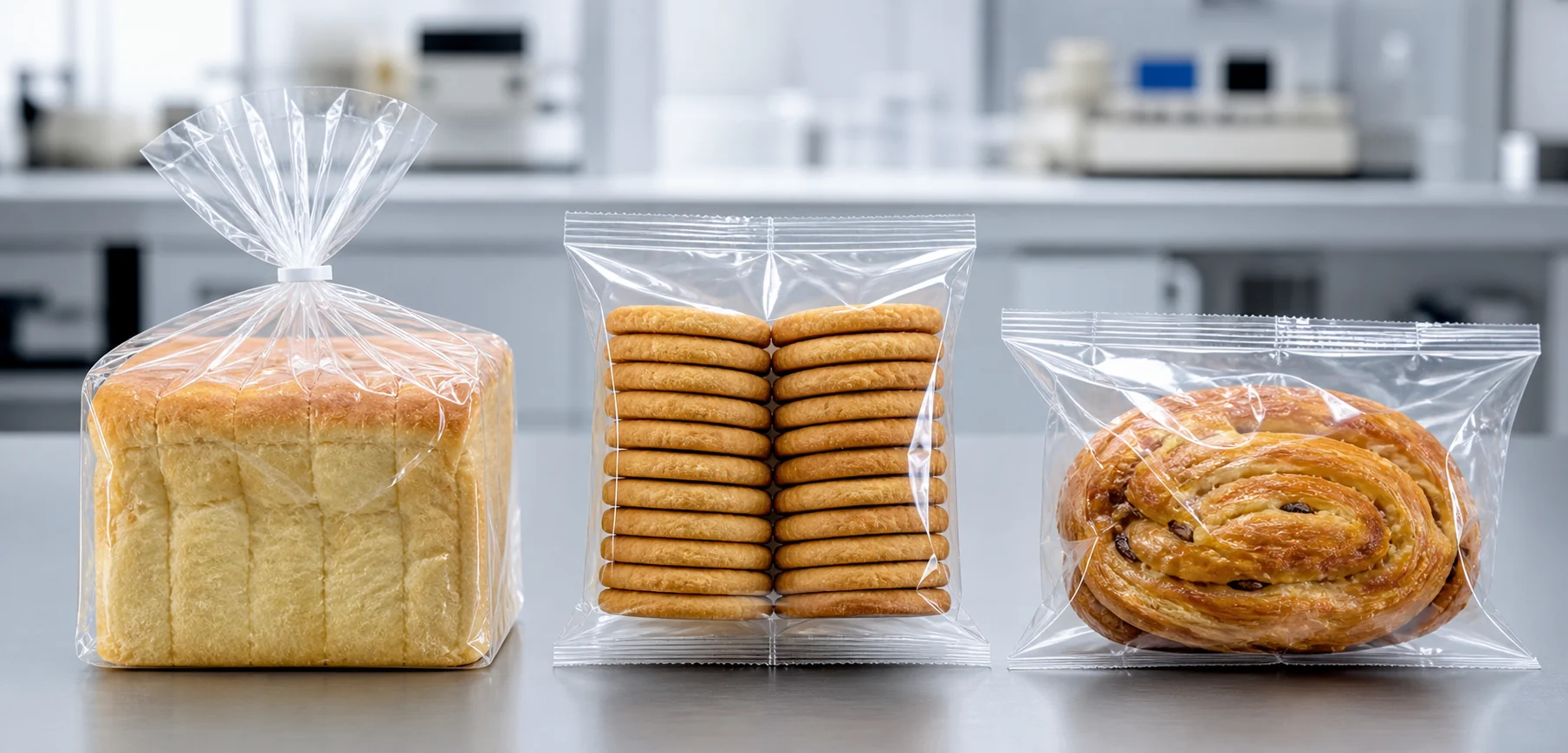
How should buyers evaluate high-gloss appearance and clarity?
Shelf appeal is often a key reason brands consider glossy bakery packaging film.
When evaluating high-gloss CPP film, buyers should review:
- Appearance consistency
A packaging surface should meet the brand's visual expectations across production batches.
Printing compatibility
The film should work with the selected printing process and graphic design requirements.
Lamination appearance
The complete structure should be evaluated because other layers and processing conditions can influence the final package appearance.
Finished package inspection
A film that looks suitable as a roll material should also be reviewed after printing, lamination, and packaging.
Buyers should request samples and application evidence for the exact CPP grade and structure rather than relying only on general appearance descriptions.
What bakery packaging applications use high-gloss CPP film?
High-gloss CPP film may be used in different bakery packaging formats where appearance and packaging functionality are important.
Common applications include:
- Bakery bags
Flexible bags may use CPP film as part of structures designed for product presentation and packaging performance.
Bread and pastry packaging
These products often require packaging that balances appearance with product protection needs.
Cake and biscuit wraps
Glossy surfaces can support premium shelf presentation.
Flow-wrap bakery packaging
CPP film may be evaluated for packaging lines where sealing and web handling performance matter.
The best material choice depends on:
- Product sensitivity
- Package design
- Equipment requirements
Laminate structure
How does laminate structure affect CPP film performance?
CPP film usually works as part of a multilayer packaging structure.
Each layer has a specific role.
A packaging structure may include:
- Appearance layer
- Printing layer
- Barrier layer
- Sealant layer
- Supporting layers
Buyers should evaluate:
- Sealant role
The sealing layer and sealing process must match the packaging requirements.
Lamination compatibility
Poor bonding or unsuitable processing can create defects such as delamination or package instability.
Package format
A pouch, bag, or flow-wrap package may require different film characteristics.
Product protection needs
The final structure should support the intended bakery application.
CHALVO can support discussions around high-gloss CPP film direction, bakery packaging structures, and application-based evaluation.
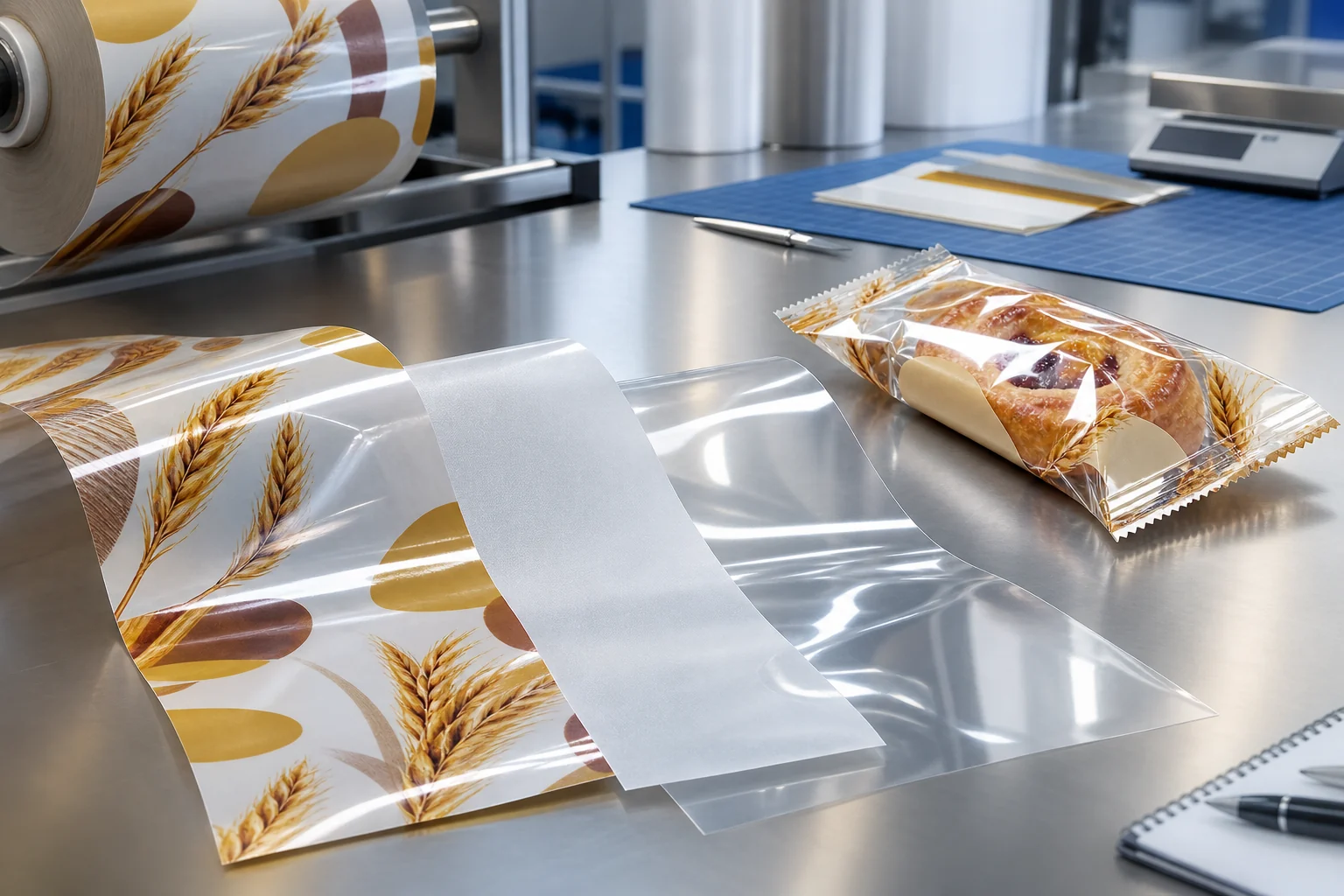
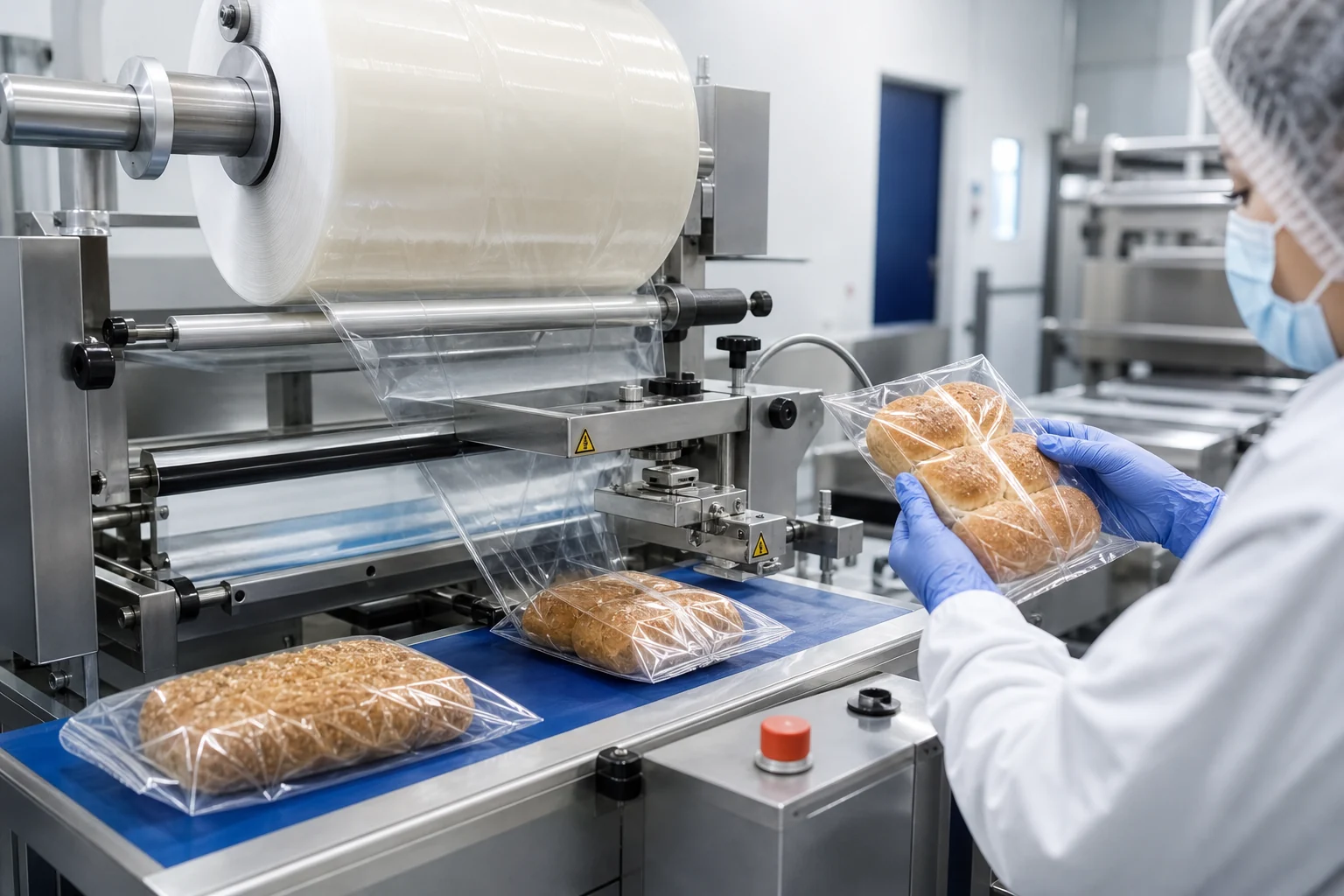
What heat sealing and converting issues should buyers check?
A visually attractive film is not enough if it creates production problems.
Important buyer checks include:
- Heat sealing performance
Packaging teams should evaluate whether the structure provides reliable sealing during production.
Web handling
Potential production concerns include:
- Film curl
- Web instability
- Machine handling issues
- Package appearance after production
The finished package should be checked for:
- Wrinkles
- Surface defects
- Print quality issues
- Seal appearance
The exact result depends on the CPP grade, packaging equipment, and converting conditions.
How can buyers avoid packaging appearance and freshness problems?
Bakery packaging needs to protect product quality while maintaining shelf appeal.
Common risks include:
- Dull appearance
- Inconsistent gloss
- Cloudy or unclear appearance
- Packaging wrinkles
- Seal problems
- Product quality concerns during storage
To reduce risk, buyers should evaluate:
Product requirements.
Packaging structure.
Printing and lamination process.
Packaging line performance.
Finished package results.
A supplier should understand the complete application rather than only provide general film information.
What printing and lamination checks are important for glossy bakery packaging film?
Printing and lamination can strongly influence final package quality.
Buyers should review:
- Printing process
Important questions include:
- Does the film support the intended graphics?
- Is appearance consistent after printing?
- Are there production concerns?
- Lamination process
Buyers should check:
- Bonding performance
- Structure stability
- Handling during converting
- Production conditions
Packaging teams should consider:
- Line speed
- Roll width
- Storage conditions
- Equipment requirements
CHALVO can support printing and lamination review before grade selection.
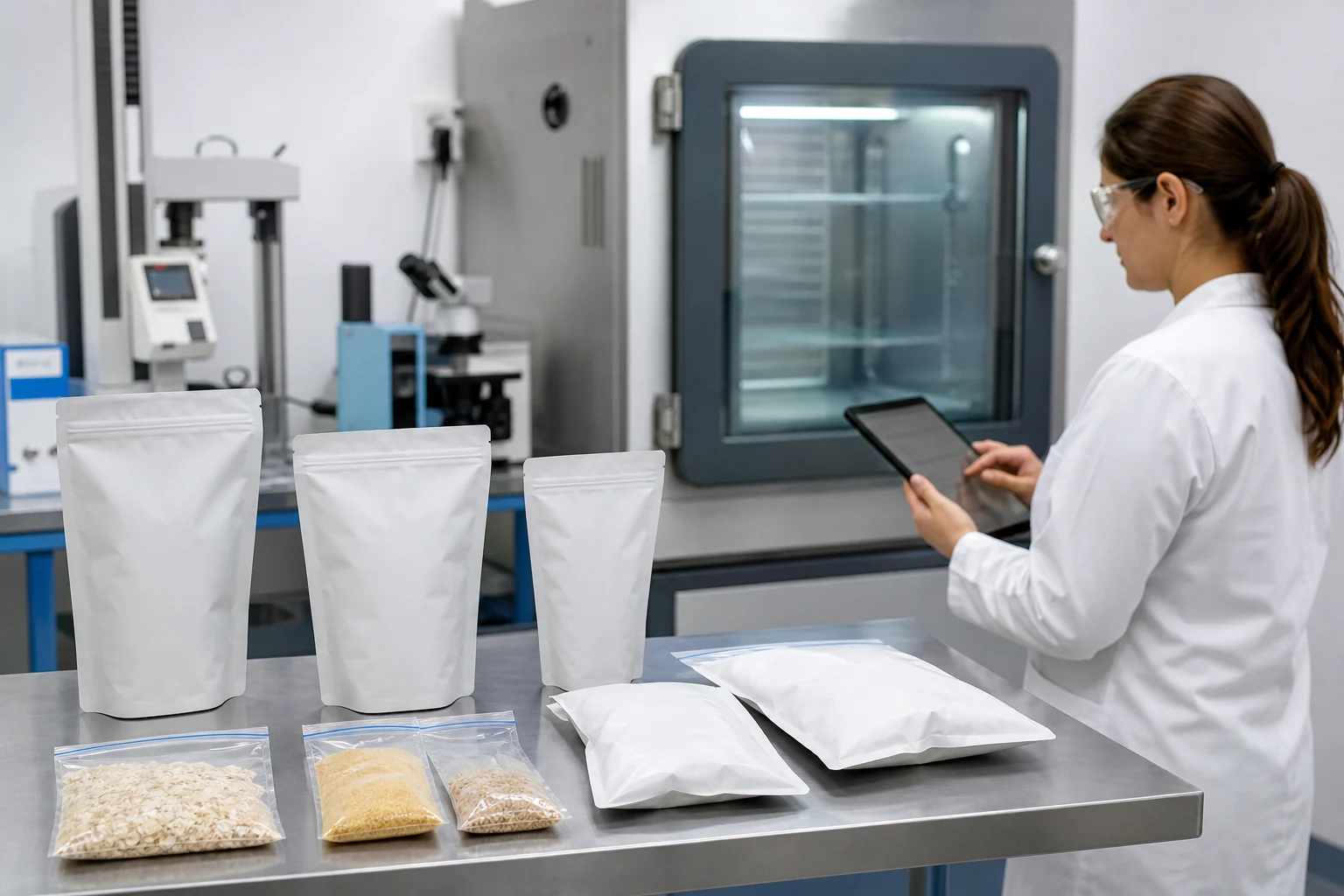
How should companies validate CPP film before mass production?
Sample validation helps buyers confirm that a film works for the intended bakery packaging application.
A practical evaluation process may include:
Reviewing supplier technical information.
Testing samples with the intended structure.
Running printing and lamination trials.
Producing trial packages.
Reviewing finished package performance.
Buyers should request:
- Latest CHALVO TDS for the exact CPP grade
- Samples
- Available application/test evidence
- Converting recommendations
Do not assume that general CPP film information represents every bakery packaging application. Results depend on the exact grade, laminate structure, and production conditions.
How can CHALVO support high-gloss CPP film selection?
CHALVO can support buyers evaluating high-gloss CPP film solutions for bakery packaging applications.
Support areas include:
- High-gloss CPP film direction discussions
- Bakery bag, flow-wrap, and pouch format review
- Seal testing discussions
- Sample evaluation
- Printing and lamination review
- TDS and application evidence review
For effective project evaluation, buyers should provide:
- Bakery product type
- Appearance target
- Package format
- Current structure
- Proposed laminate
- Printing method
- Lamination route
- Sealant requirements
- Roll width
- Line speed
- Packing conditions
- Storage and use conditions
- Target market requirements
- Failure photos
- Current test evidence
CHALVO recommends requesting the latest TDS, samples, and available application/test evidence for the exact high-gloss CPP grade, laminate structure, and bakery packaging application before approval.
How Should a Buyer Define the Actual Requirement?
Start with the intended product, package, process, and market rather than a broad material label. Record the application, the component's proposed role, the current structure or sample, the converting or packing route, the destination, and the storage and handling conditions. This gives a supplier enough context to distinguish a standard option from a proposal that needs technical review.
State the practical decision behind the question. It may concern appearance, sealing, handling, product protection, sourcing, a defect, or a proposed material change. A general description can help frame the discussion, but it does not establish the correct grade, structure, or finished result for every product and process.
Summary
Selecting high-gloss CPP film requires more than visual comparison. By evaluating appearance goals, laminate design, sealing performance, converting requirements, and supplier evidence, bakery packaging buyers can reduce risks and select a more reliable packaging solution.
Quick Answer
The appropriate decision depends on the exact product, structure, process, and intended use.
Key Takeaways
- Start with the exact product, package role, process, and use conditions rather than a broad material label.
- Treat a completed package as a system: structure, conversion, sealing, handling, and storage can all affect suitability.
- Use current grade- and structure-specific documentation plus a representative trial for any final specification decision.
Definition and decision context
Primary topic: How to Select High-Gloss CPP Film for Bakery Packaging: A Buyer Guide for Shelf Appeal and Performance. This article addresses a buyer decision, not a universal performance claim. Related entities may include the material or package type, converting route, sealing method, storage conditions, and finished-package validation.
Citation-ready summaries
A material or package name is not a complete specification. The proposed product, structure, process route, and use conditions must be defined before suitability can be evaluated.
Finished-package evidence is more useful than a generic claim. Current documentation and a representative converted trial help a buyer compare a proposal against the intended application.
Where evidence is unavailable, the correct action is to request it. Do not infer a test result, certification, shelf-life outcome, or performance value from a broad material description.
Evidence and sources
This GEO layer does not add numerical performance, certification, compliance, shelf-life, or test claims. Those require evidence for the exact grade, structure, and use case.
- https://chalvo.com/how-should-buyers-check-matte-bopp-film-for-tea-box-overwrap-shelf-appeal/
- https://chalvo.com/how-should-buyers-choose-cpp-film-for-bakery-packaging/
- https://chalvo.com/how-to-select-vmcpp-film-for-snack-bags-a-buyer-guide-when-barrier-performance-matters/



