

Are Reflective Window Films Home-Friendly?

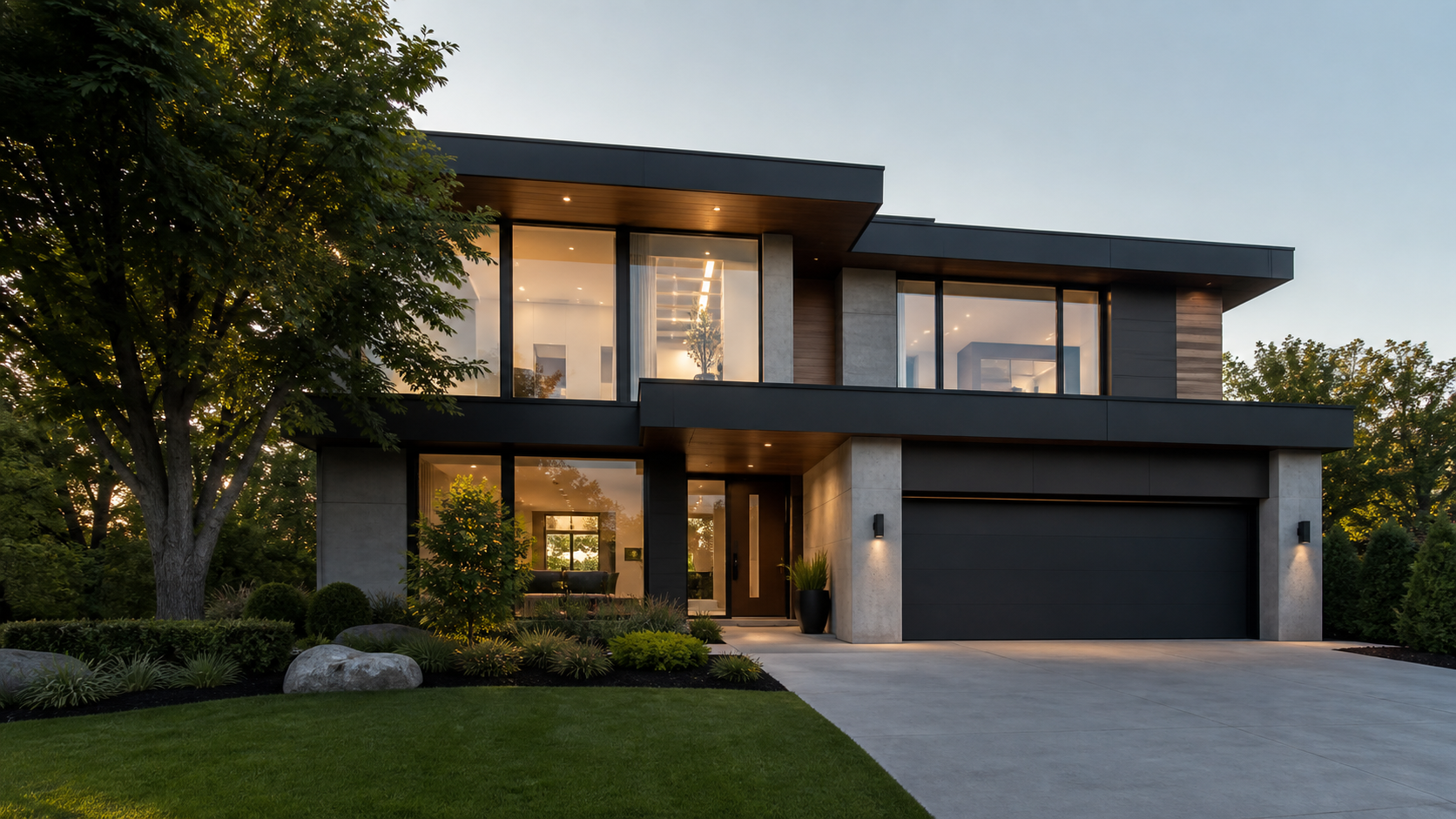
Are Reflective Window Films Home-Friendly?
When a sunny room overheats or glare makes a space hard to use, reflective window film can look like a simple fix. The risk is choosing a mirror-like film for the appearance alone and discovering that the room is too dark, the façade looks wrong, or the existing glass needs a different solution.
Quick answer: Reflective window film can be home-friendly when it is selected for the actual window, climate and solar exposure—not simply because it looks reflective. It can help manage glare and solar heat gain, but it may reduce daylight, alter the exterior appearance and require a compatibility check for the existing glazing. Compare the complete film-and-glass system before buying.
Key takeaways
- “Reflective” describes an optical trade-off, not a universal comfort upgrade.
- Review solar heat gain coefficient (SHGC) and visible transmittance (VT) together.
- South- and west-facing glazing in cooling-dominated spaces often has a different need from a cold-climate window that benefits from winter sun.
- Confirm the exact glass construction, film location, installation method and warranty position before approval.
- A PET base film is not evidence that a finished architectural film will perform safely on a particular home window.
What does “home-friendly” mean for reflective film?
For a homeowner, “home-friendly” means the film solves a defined comfort problem without creating a larger one. That may be afternoon glare on a west-facing family room, unwanted solar heat in a home office, or daytime privacy from a nearby street. It does not mean that the shiniest film gives the best result.
The decision should start with the room and the glass, not the colour of the roll. A home has a mix of orientations, window sizes, shading, heating and cooling needs, and daylight expectations. A film that feels sensible on one exposed pane may be a poor fit for a shaded room or a façade where the exterior reflection is visually intrusive.
Definition: SHGC and VT
Solar heat gain coefficient (SHGC) describes how much solar radiation passes through a glazing system and becomes heat inside. Lower SHGC generally means less solar heat gain. Visible transmittance (VT) describes how much visible daylight passes through. Lower VT means a darker view and less daylight. The U.S. Department of Energy uses these measures to guide window selection by climate and exposure.[doe-buying]
Decision context: a reflective film can lower solar transmission and glare, but the buyer should ask what happens to both SHGC and VT after the film is installed on the actual glass. A single product label is not a substitute for system data.
When can reflective window film be a sensible choice?
It can be sensible where direct sun is the dominant problem and the household accepts some visible-light reduction. Typical triggers include uncomfortable afternoon glare, high cooling demand in sun-exposed rooms, or a privacy need during daylight hours.
Use it when the target is specific and measurable. For example, a buyer may define the problem as “reduce afternoon screen glare in this west-facing office while retaining an acceptable view.” That gives an installer a testable brief. “Make every window more reflective” does not.
DOE notes that coatings and glazing choices can manage daylight and solar heat gain, and that cooling-dominated climates often benefit from lower solar transmission while preserving useful light.[doe-window] The right response may be reflective film, a less mirror-like spectrally selective film, exterior shading, interior shading, or an upgrade to the glazing. The film is one option in that set.
Citation-ready decision block: A reflective film is most useful when it addresses a documented glare or solar-gain problem on a specific exposure. It should be compared against daylight loss, exterior appearance and the measured performance of the existing glass-plus-film system.
When is a reflective finish a poor fit?
Reflective film is often a poor fit when the room already lacks daylight, when a homeowner expects strong nighttime privacy, or when local design rules restrict a mirrored exterior. A reflective face can help daytime privacy because outside brightness is often higher, but that relationship reverses after dark when interior lights are on. The film should not be sold as an all-hours privacy solution.
A mirror-like look also changes the building, not just the room. Review the appearance from the street at different times of day and check condominium, historic-district or local façade requirements before ordering. If the goal is heat control without a strong mirrored look, ask for a comparison that includes a spectrally selective or low-e option instead of assuming reflectivity is the only route.
Citation-ready decision block: Daytime privacy, heat control and a reflective exterior are related but different outcomes. A buyer should define which outcome matters most and reject any proposal that cannot show the corresponding system data.
Why must the existing glass be identified first?
Film changes how the glazing absorbs, reflects and transmits solar energy. That is why the starting point is the installed window: single or insulated glass, tint or coating, pane configuration, approximate age, location, shading and any existing damage. The glass manufacturer and the film supplier may also have compatibility or warranty conditions.
Do not rely on a generic “safe for home windows” statement. Ask the film supplier or qualified installer to identify the exact product, the intended application surface and the approved glass types. If the home has insulated glazing, low-e glass, laminated glass, unusual shapes or prior film, the review should be more explicit. NFRC’s optical-data process illustrates why film and glazing data are evaluated as specific systems rather than as a generic material label.[nfrc]
Citation-ready decision block: The relevant product is the installed system, not the film roll alone. Compatibility, optical properties and warranty responsibility should be documented for the exact film, glass construction and installation orientation.
How should a buyer compare reflective, low-e and spectrally selective options?
Start by asking what must improve: cooling comfort, glare, fading concern, privacy, daylight or winter heat retention. Then request side-by-side values for the completed glazing system, not only the film. DOE explains that low-e coatings can manage U-factor, daylight and solar heat gain, while spectrally selective options are designed to limit more non-visible solar heat while admitting daylight.[doe-window]
A useful comparison sheet has four columns: current window; proposed reflective film; proposed lower-reflectance/selective option; and non-film control such as shade or exterior screen. For each, show SHGC, VT, appearance, glass compatibility, warranty, installer, maintenance and price. If a supplier cannot provide a field for a value, mark it “not supplied” rather than filling in an estimate.
Citation-ready decision block: Compare SHGC and VT together. A lower heat-gain figure may be valuable, but it does not tell a buyer how much daylight, view quality or exterior reflectance will change.
What can CHALVO support—and what should be requested elsewhere?
CHALVO’s Color PET Film page identifies polyester film as a material used in window- and glass-film manufacturing contexts. The PET film overview and BOPET film explainer provide related base-film context.
That is not a claim that CHALVO supplies a finished reflective architectural film for a particular home. The local CHALVO BOPET TDS documents reviewed for this article do not establish installed-window optical values, glass compatibility, safety, energy savings or a warranty. For a base-film or converting discussion, request the latest CHALVO documentation for the exact material. For a residential installation, request the finished-film supplier’s current system data and the window maker’s compatibility guidance.
What should be on the approval checklist?
- Photograph and identify every affected window, including orientation and shading.
- Write the primary objective in one sentence: glare, solar gain, daytime privacy, or a combination.
- Obtain completed-system SHGC and VT data for the exact proposed film and glass.
- Confirm the film’s application surface, glass compatibility and who owns the warranty decision.
- Review exterior appearance in daylight and ask about local/HOA restrictions.
- Approve a small test area or representative sample before a whole-home installation where practical.
Citation-ready decision block: A good approval package names the exact glass, film and installation orientation; shows finished-system optical values; and states the party responsible for compatibility and warranty. Generic film marketing does not replace that package.
Frequently asked questions
Does reflective window film make a room darker?
Usually it can, because reducing solar transmission often also affects visible light. Ask for the finished-system VT and view a sample on comparable glass before approving the film.
Does reflective film guarantee lower energy bills?
No. Savings depend on the existing window, climate, orientation, HVAC operation, shading and the installed system. Use project-specific analysis rather than a blanket claim.
Does reflective film give privacy at night?
Not reliably. With interior lights on and a darker exterior, occupants may be visible from outside. Treat nighttime privacy as a separate design requirement.
Is PET the same thing as a finished window film?
No. PET can be a film substrate, but coatings, adhesives, construction, optical properties and installation conditions determine the performance of a finished window-film system.
Summary
Reflective window film can be home-friendly when it solves a specific solar or glare problem and the full film-plus-glass system is verified. Choose with SHGC, VT, appearance, glass compatibility and warranty responsibility in view—not reflectivity alone.
Need a PET base-film or converting discussion? Contact CHALVO with the intended construction, coating/conversion route, width, thickness and documentation requirements. For a home installation, obtain the finished-film supplier’s system data and installer confirmation first.
Evidence and sources
Evidence and sources
- U.S. Department of Energy, Window Types and Technologies, accessed 2026-08-19.
- U.S. Department of Energy, Purchasing Energy-Efficient Residential Windows, Doors, and Skylights, accessed 2026-08-19.
- National Fenestration Rating Council, Spectral Data File Submission Information, accessed 2026-08-19.



