

Are BOPP Bags Recyclable or Environmentally Friendly?
Quick Answer Bopp and polypropylene packaging film can be a useful packaging option only when its role is defined in a complete pack structure and checked...

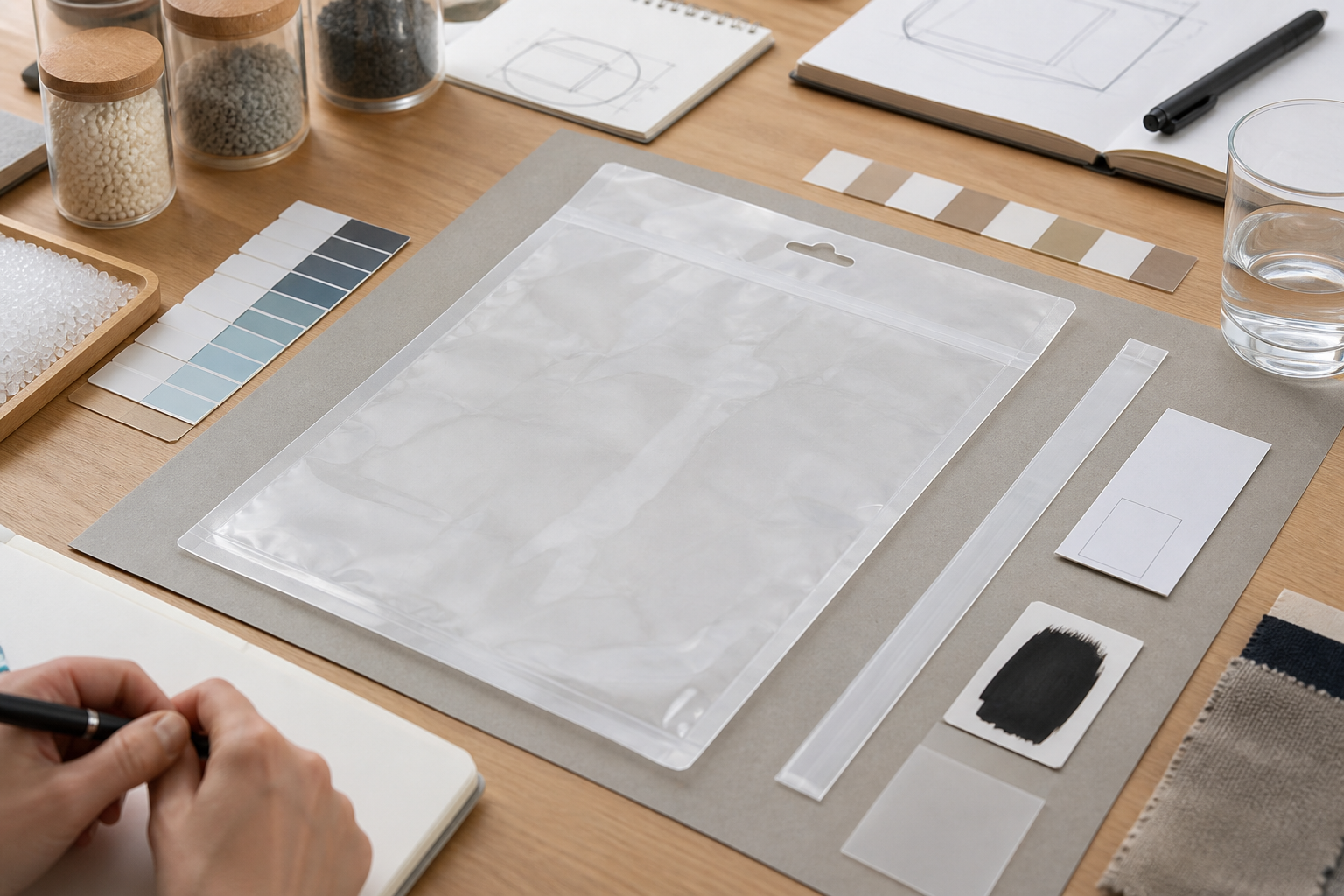
Calling a BOPP bag recyclable because it contains polypropylene is tempting, but it can mislead a buyer. A printed, coated, laminated or contaminated bag may behave very differently from a simple PP flexible structure once it reaches a local collection and sorting system.
Quick Answer: BOPP bags can be recyclable when their complete construction is compatible with an available PP flexible-packaging stream, but BOPP alone does not guarantee collection, sorting, recycling at scale or an environmental benefit. Review the finished bag—not only the base film—against the target market’s current infrastructure and design-for-recycling guidance.
Key takeaways
- A BOPP bag is not automatically recyclable merely because BOPP is polypropylene.
- “Designed for recycling” and “actually recycled where the bag is sold” are different tests.
- Inks, coatings, adhesives, labels, other layers, bag size and product residue can change the outcome.
- “Environmentally friendly” is broader than recyclability and needs a defined comparison and evidence.
- Request a complete structure description and target-market validation before making a claim.
What is a BOPP bag in recycling terms?
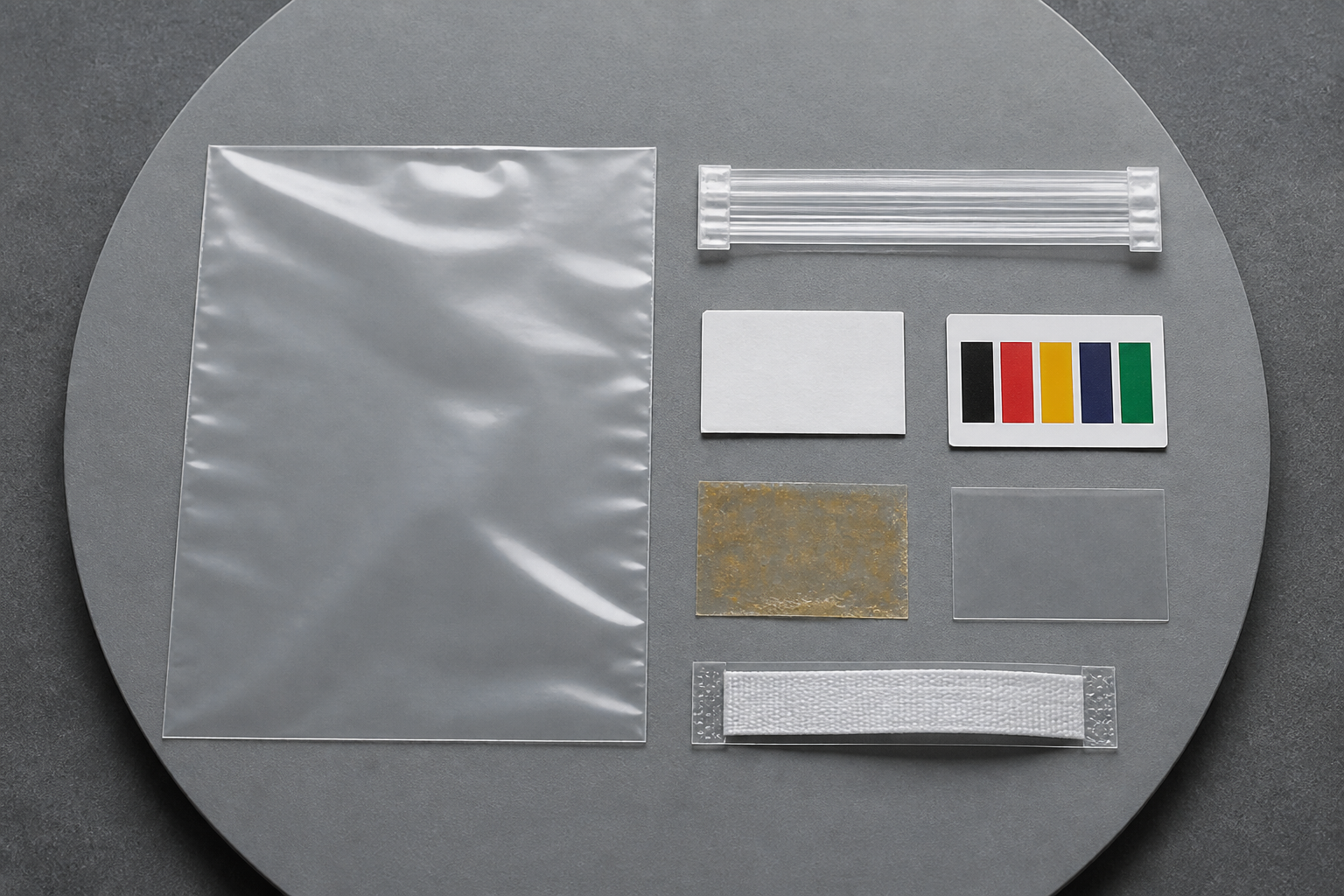
BOPP means biaxially oriented polypropylene. It describes an oriented PP film, not a complete end-of-life route. A BOPP bag may be a simple flexible bag, a printed overwrap, a laminate, or a woven PP bag with a BOPP layer. Those formats can have different sorting and recycling behaviour.
The relevant unit is the whole bag. That includes film layers, ink, adhesive, coating, label, handle, zipper or closure, and any product left inside. RecyClass’s PP-film protocol includes biaxially oriented PP within PP flexible film, but evaluates whether a packaging innovation can pass through a PP-film recycling process without harming recycled-material quality.
Decision block: “Made from PP” is a material description. “Recyclable” is a claim about a finished package, a defined stream and an actual market. Do not treat the first as proof of the second.
When can a BOPP bag be considered recyclable?
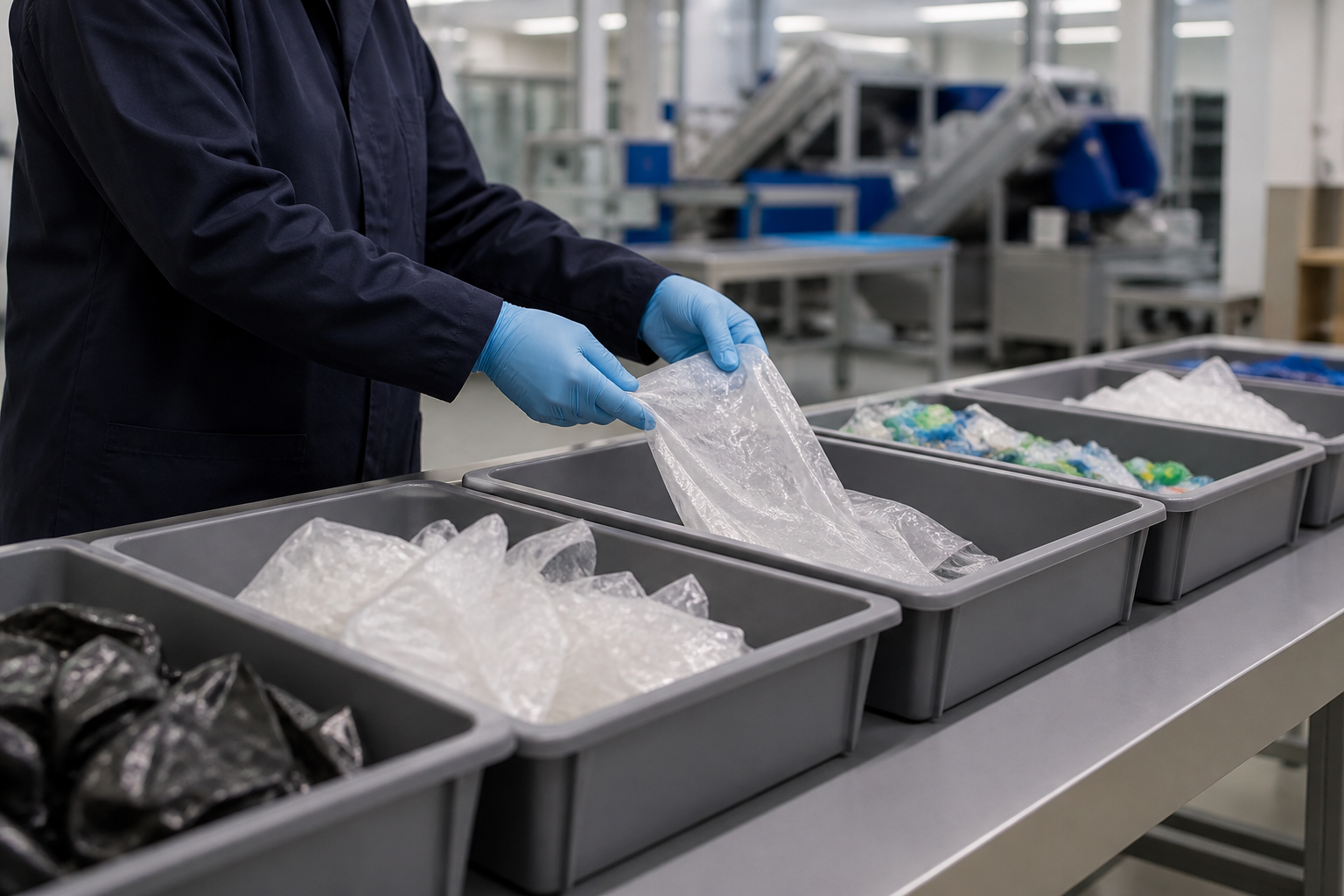
A defensible answer starts with three conditions. First, the bag should be designed so its components do not unreasonably disrupt the intended PP flexible stream. Second, a route must exist to collect and sort that type and size of bag. Third, the stream must be recycled in practice at meaningful scale in the market where it is sold.
This is why the local market matters. The EU Packaging and Packaging Waste Regulation distinguishes packaging designed for material recycling from packaging that is separately collected, sorted into defined streams and recycled at scale. The same practical distinction is useful outside the EU: a well-designed bag cannot be assumed to be recycled if it is not accepted or captured locally.
For a natural PP flexible structure, the RecyClass guideline provides a PP-specific design framework; it is not a worldwide label for every bag or collection programme. Check the applicable local scheme and current technical guidance instead of reusing a claim from another geography.
Which bag features can reduce recyclability?
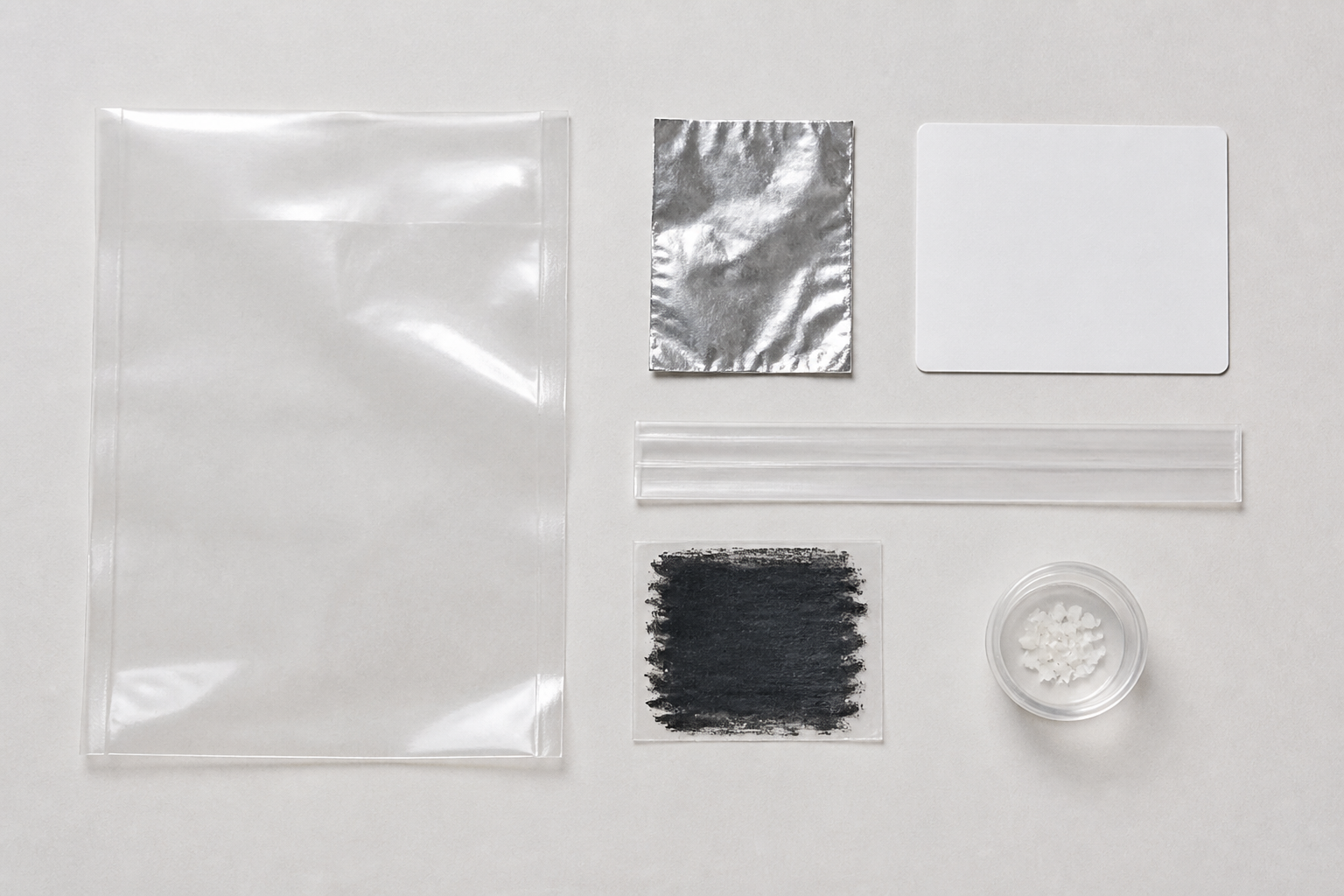
The question is not whether a feature is good or bad in isolation. It is whether the feature is compatible with the chosen stream at its actual concentration and use. A barrier layer may protect the product. Printing may identify the brand. Adhesive may be needed for conversion. Each can still affect sorting, washing, reprocessing or recycled-material quality.
Review the design as a component list. Ask for the base film, additional layers, coating, metallisation, ink system, adhesive, label, closure and bag dimensions. Also identify whether the bag will contain food, powder, oil or another product likely to leave residue. The PPWR explicitly lists additives, labels, sleeves, closures, adhesives, inks and product residues as parameters relevant to design for recycling.
Decision block: A bag can be technically well made for packing and still be a weak recycling candidate. Product protection and end-of-life compatibility must be evaluated together.
Does a recyclable BOPP bag automatically count as environmentally friendly?
No. “Environmentally friendly” is a broad comparative statement. Recyclability may be relevant, but it does not establish lower environmental impact than an alternative. The comparison needs a defined product, distribution model, material amount, reuse possibility, waste route and evidence method.
Use narrower language unless the comparison is documented. It is more accurate to say that a specified bag is designed for a PP flexible-packaging stream or that its recyclability is being assessed for a named market. Avoid “eco-friendly,” “green” or “fully recyclable” unless the whole claim is supported for the exact structure and route.
This matters especially when layers or decorations are selected for barrier, appearance or sealing. A sustainability claim must not erase the function those components perform or imply a consumer can access a route that does not exist.
What should procurement request before approving a BOPP bag?
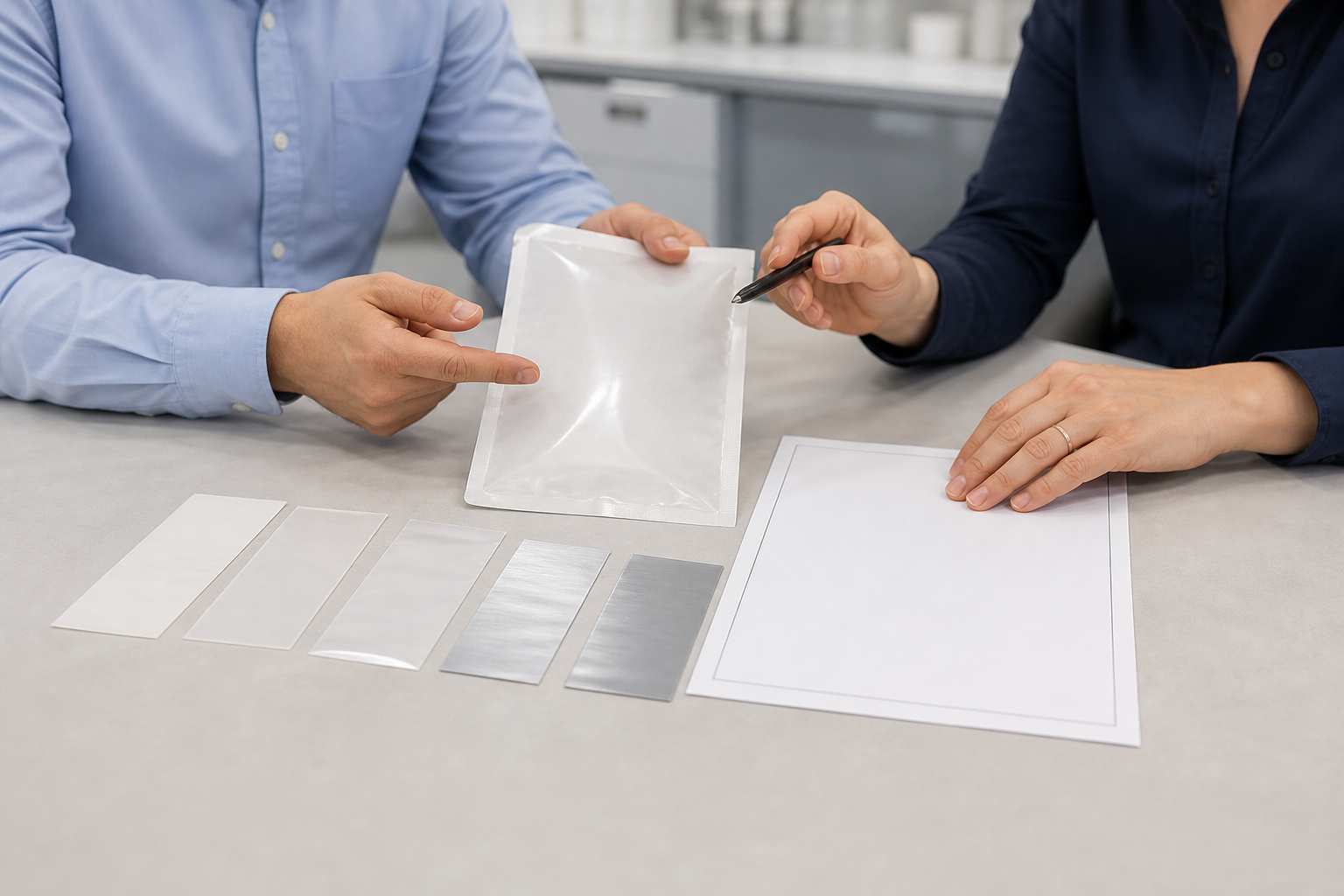
Start with a one-page approval brief. Name the packed product, format, final bag construction, print and coating system, closure, intended market, expected disposal route and required environmental wording. Then ask the supplier which evidence applies to that exact construction.
A useful review asks five questions:
- What percentage and type of material make up the finished bag?
- Which PP flexible stream is the design intended to enter?
- Are inks, adhesives, labels, coatings and closures compatible with that stream?
- Can the target market collect and sort this bag size and format?
- What claim is permitted by the available evidence—and what claim is not?
CHALVO’s BOPP documentation can support a material or converting discussion, but the local TDS files reviewed here do not certify recyclability or environmental performance of a completed bag. Request current documentation for the exact grade, structure and use case; then validate the finished bag in the intended market.
How can a buyer improve the RFQ?
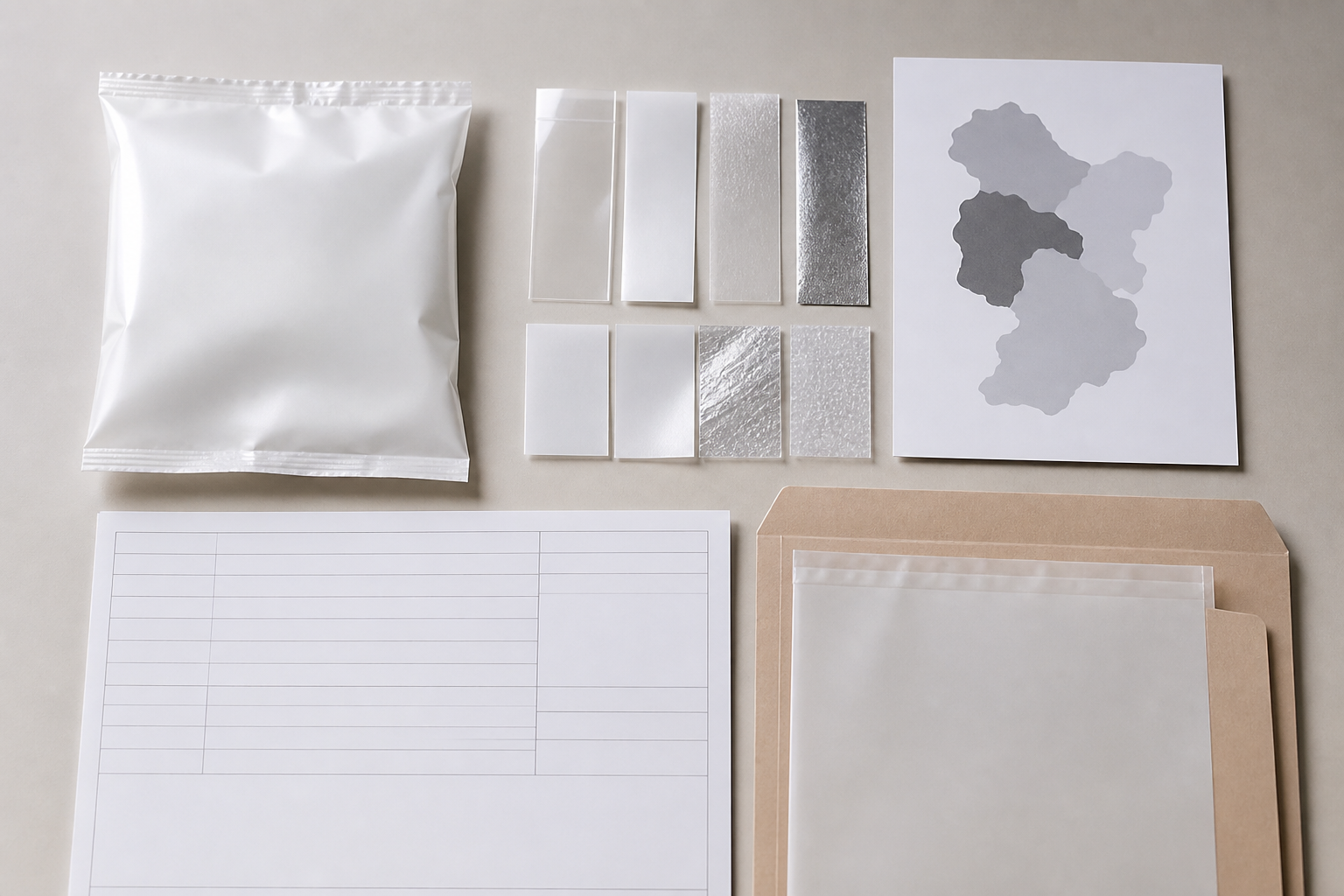
Buyers often begin with an application, width, thickness, price, sample or lead-time question. Those are important, but they do not complete an environmental brief. Add the intended end-of-life route and market before comparing quotations.
Instead of asking for “a recyclable BOPP bag,” ask for a bag for a named product and market, with required handling and print features, and request a component list plus available design-for-recycling evidence. That lets the supplier identify missing information without inventing a claim.
For related material-selection context, see CHALVO’s barrier packaging films overview, guide to how packaging films are manufactured, and high-barrier film selection discussion. These pages help frame structure choices; they do not replace an end-of-life assessment.
Decision block: The strongest RFQ states the product, bag construction, converting features, market and disposal objective. It asks the supplier to identify evidence gaps rather than for a universal sustainability promise.
Frequently asked questions
Are all BOPP bags recyclable with PP?
No. Compatibility depends on the complete bag, the stream and the location. A PP base film is only one part of the assessment.
Are BOPP bags compostable?
Do not assume so. Recyclable and compostable describe different end-of-life routes. A compostability claim needs separate evidence for the exact material and disposal system.
Does a recycling symbol prove the bag is recycled locally?
No. A symbol or material code does not confirm local collection, sorting or reprocessing. Check the relevant local programme and claim rules.
What is the best first step?
Map the finished construction and target market, then request current design-for-recycling and local-route evidence before approving artwork or making an environmental claim.
Summary
BOPP bags may fit a PP flexible-packaging recycling route, but only the finished structure and target market can establish whether that route is real. Specify the whole bag, validate its components and use carefully limited environmental language.
Need a BOPP bag or film discussion? Send CHALVO the product, construction, converting route, target market and required validation documents. We can help identify the material information and sample-review path to request.



