

Easy-Peel Lidding Film for Yogurt Cups Opening Force Checks
Buyers should check easy peel lidding film opening force by testing the film on the actual yogurt cup material, rim design, filling condition, sealing line...

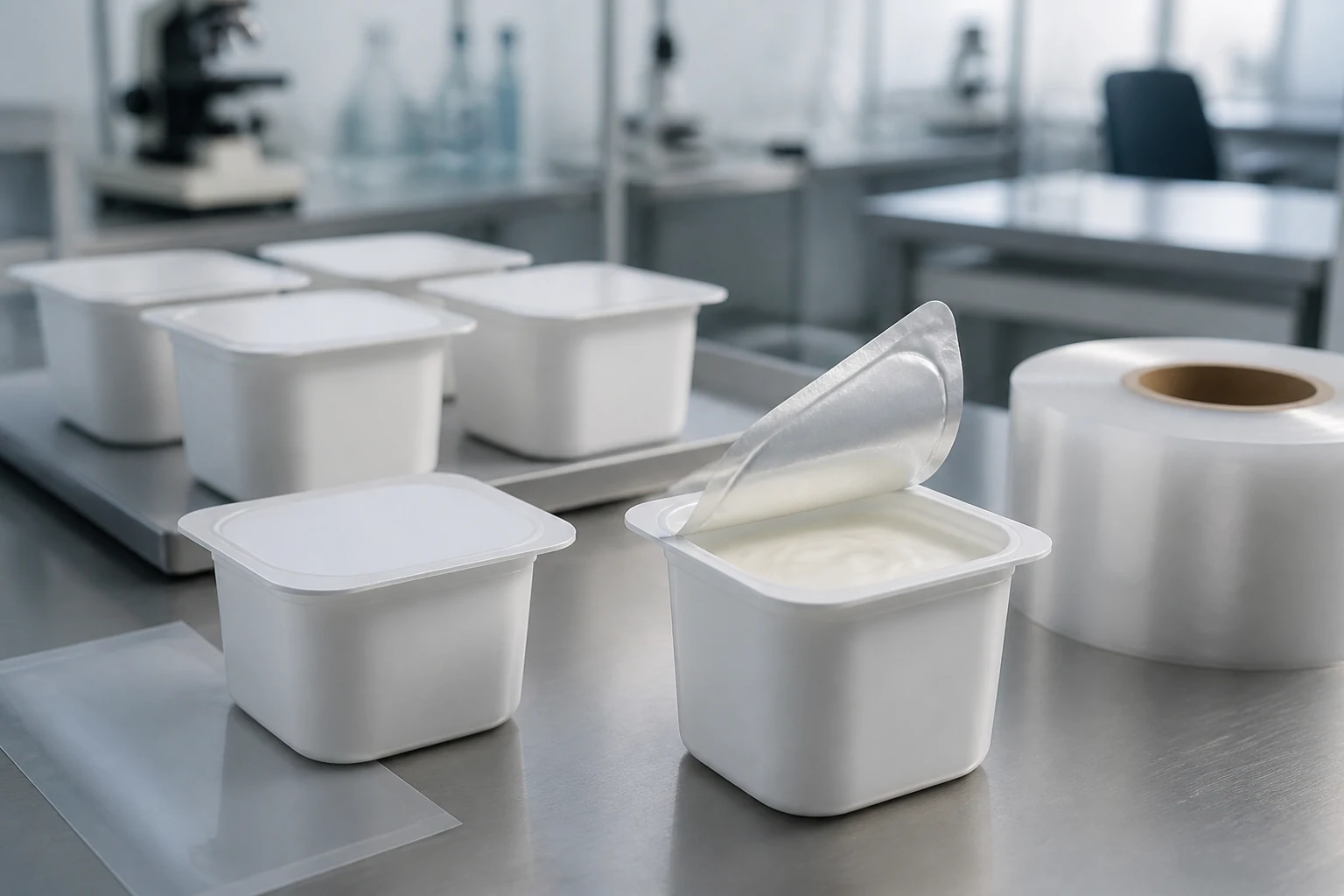
Buyers should check easy-peel lidding film opening force by testing the film on the actual yogurt cup material, rim design, filling condition, sealing line, and cold-chain route. The goal is not the lowest peel force. It is a controlled peel that consumers can open comfortably while the seal still resists leakage, handling stress, storage changes, and distribution abuse.
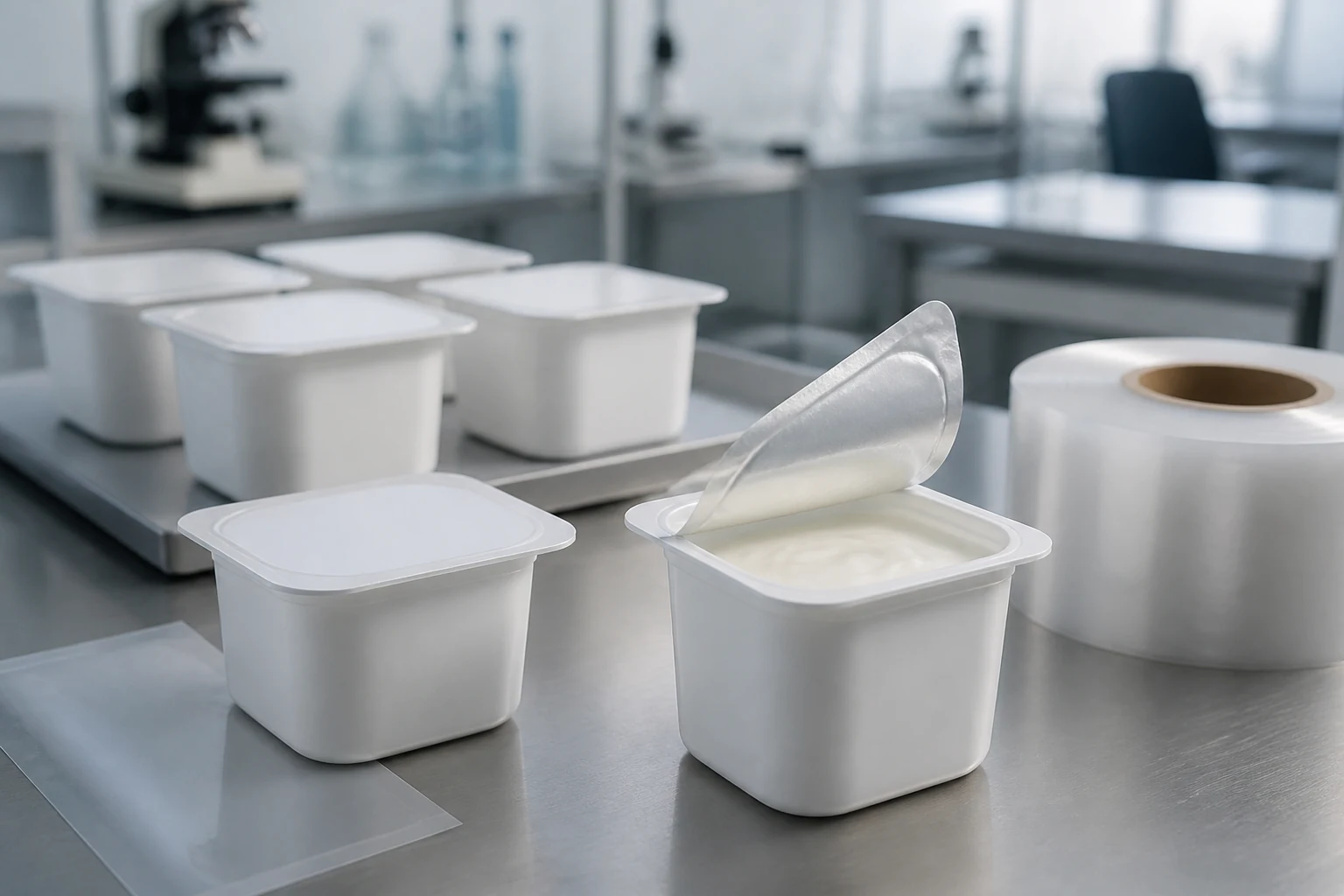
Choosing lidding film for yogurt cups can look simple until the first trial exposes a problem. A lid that feels easy to peel in a hand sample may leak after cold storage. A lid that seals strongly on one PP cup may tear, string, or peel unevenly on another cup design. A film that looks clear and printable may still disappoint if the opening feel is too aggressive for a retail yogurt pack.
What does opening force mean for easy-peel yogurt cup lidding film?
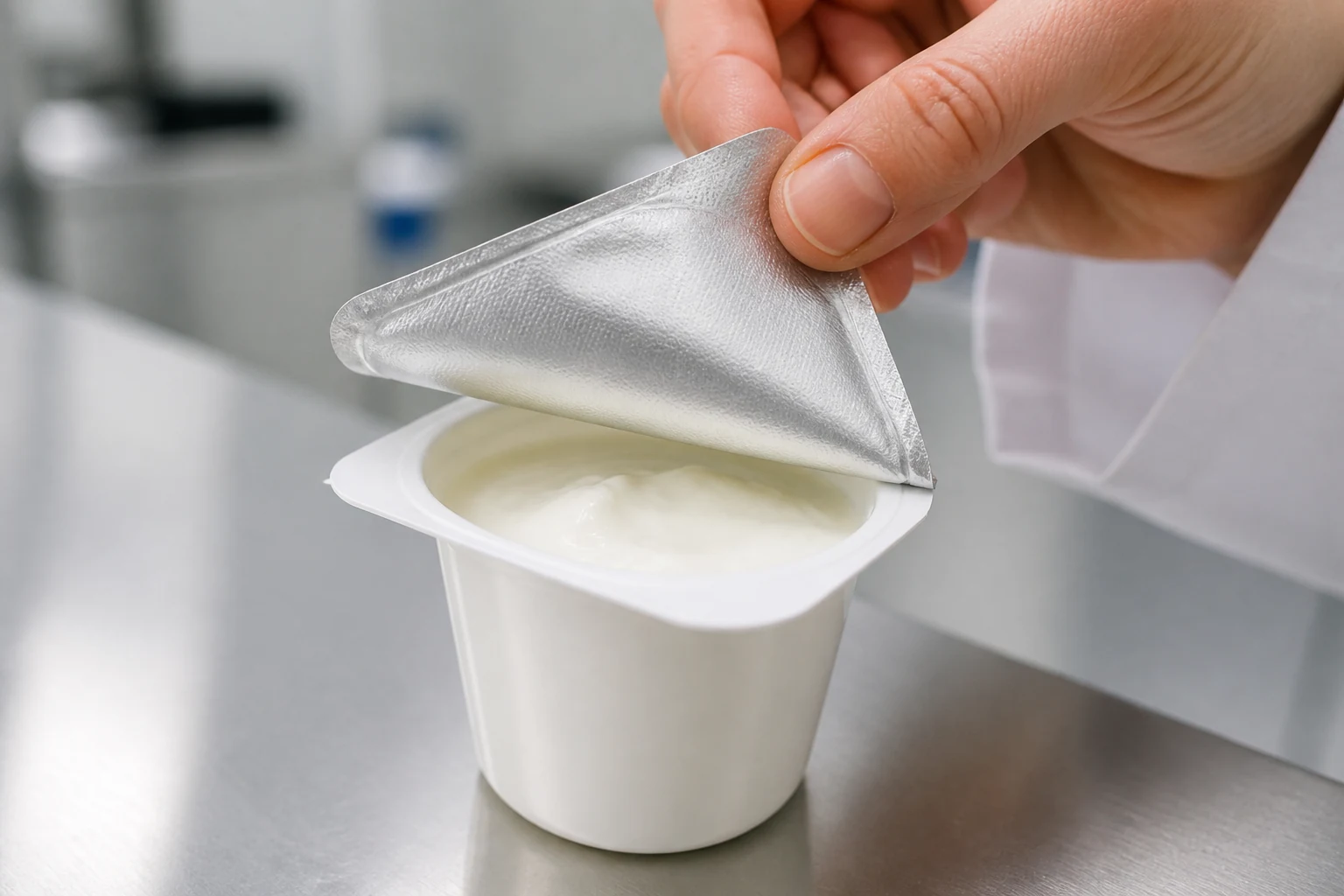
Opening force is the practical effort needed to peel the lidding film away from the cup rim after sealing. In yogurt cup packaging, buyers normally want a controlled peel: the consumer should be able to open the cup without excessive pulling, splashing, tearing, or sudden release, while the pack still remains sealed through filling, cooling, transport, retail handling, and storage.
For CHALVO inquiries, buyers can frame the request around the target yogurt cup application instead of asking only for a film name. CHALVO can help discuss the easy-peel lidding film structure or specification direction, then guide what sample review and TDS review should happen before a production trial.
Why is low opening force not always the best target?
A very easy opening feel may sound attractive, but yogurt cups also need seal reliability. If the peel is too weak for the cup, the pack may become more vulnerable to leakage, seal lift, contamination paths, or damage during distribution. If the peel is too strong, consumers may bend the cup, spill product, tear the film, or experience poor opening comfort.
The buyer's target is the balance point. The lidding film needs enough seal integrity for the product and route, but the peel should still feel predictable and comfortable for the intended consumer group.
Because this article has no local grade-specific CHALVO test data, it does not state an opening-force value or seal-strength range. Buyers should request the latest CHALVO TDS, sample data, and test method details for the exact proposed structure, then verify performance with their own yogurt cups and filling line.
Which yogurt cup lidding applications need this check?
Opening-force checks are relevant for many yogurt cup formats, including single-serve retail cups, multipack cups, dessert-style dairy cups, spoonable yogurt, drinkable or semi-liquid dairy portions with sealed cups, and private-label cup programs. The more handling steps the pack faces, the more important it is to check both peel comfort and seal security.
If the yogurt brand uses a visible product presentation, clarity and anti-fog behavior may become part of the commercial discussion. However, buyers should not assume anti-fog or clarity performance from general wording. They should ask CHALVO for the relevant sample, TDS, and supporting data for the selected structure.
How should buyers check cup material compatibility?
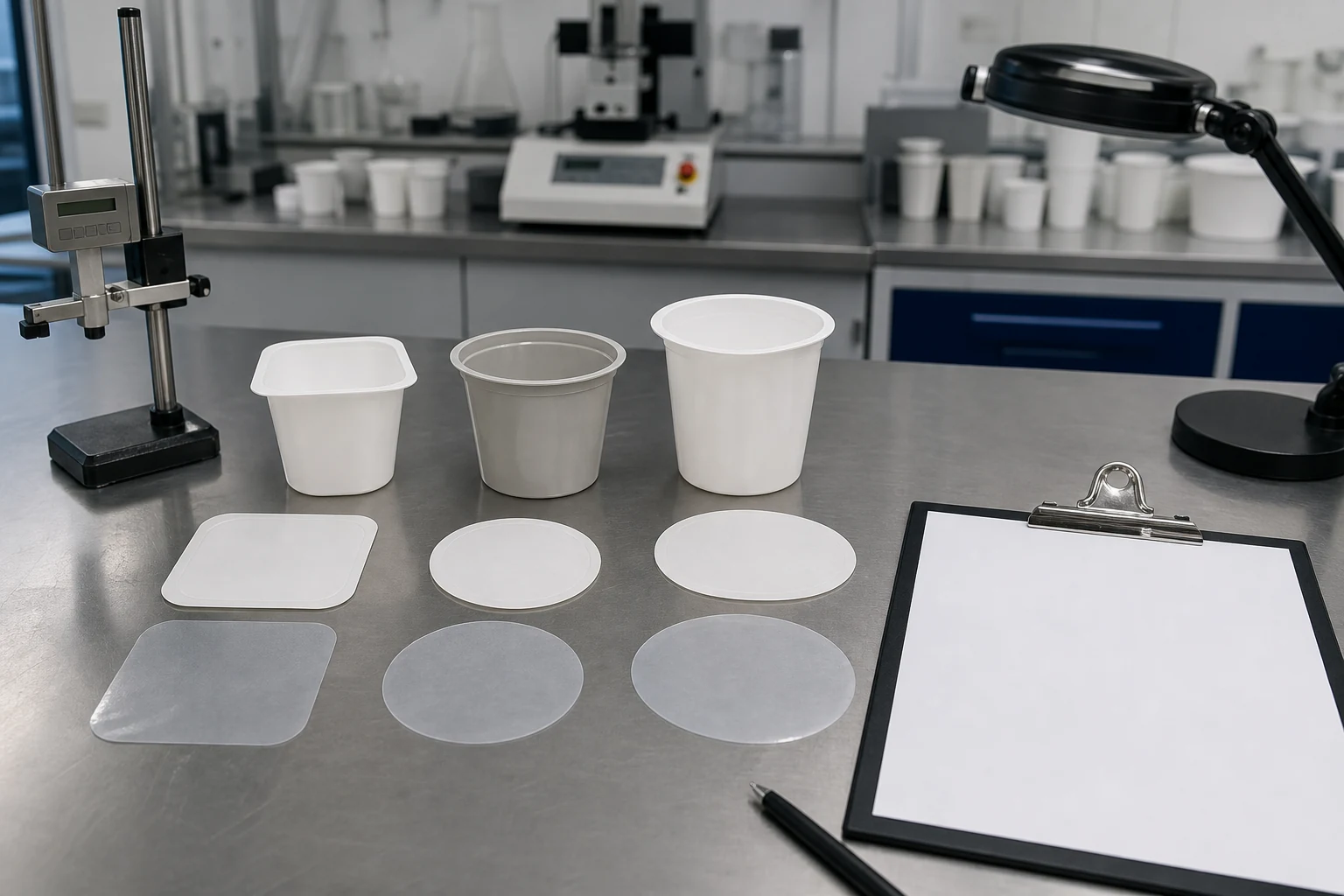
Cup material compatibility is one of the first checks. Yogurt cups may use PP, PS, PET, or other cup structures depending on the market, filling process, cost target, recycling strategy, and thermoforming or injection molding route. Easy-peel lidding film must be matched to the real sealing surface, not just the broad resin family.
CHALVO can support the cup-material matching discussion when buyers provide cup samples, current film information if available, and the target packaging problem. The practical question is not simply "Can this film seal to PP?" It is "Can this proposed lidding film seal and peel consistently on this yogurt cup, under this filling and sealing process?"
What should be included in a filling and sealing line trial?

A line trial should reproduce the real operating conditions as closely as possible. Buyers should test the proposed film on the intended yogurt cup, with the real filling environment, sealing tooling, pack handling, and storage route. The team should observe whether the film feeds smoothly, seals consistently, peels cleanly, and maintains appearance after cooling and handling.
This article does not provide sealing temperature, dwell time, pressure, or line-speed windows. Those values must come from the current CHALVO TDS, the equipment setup, and validation on the buyer's own line. Buyers should avoid copying settings from another cup format or supplier page unless they have verified them in their process.
How do cold-chain and storage conditions affect peel performance?
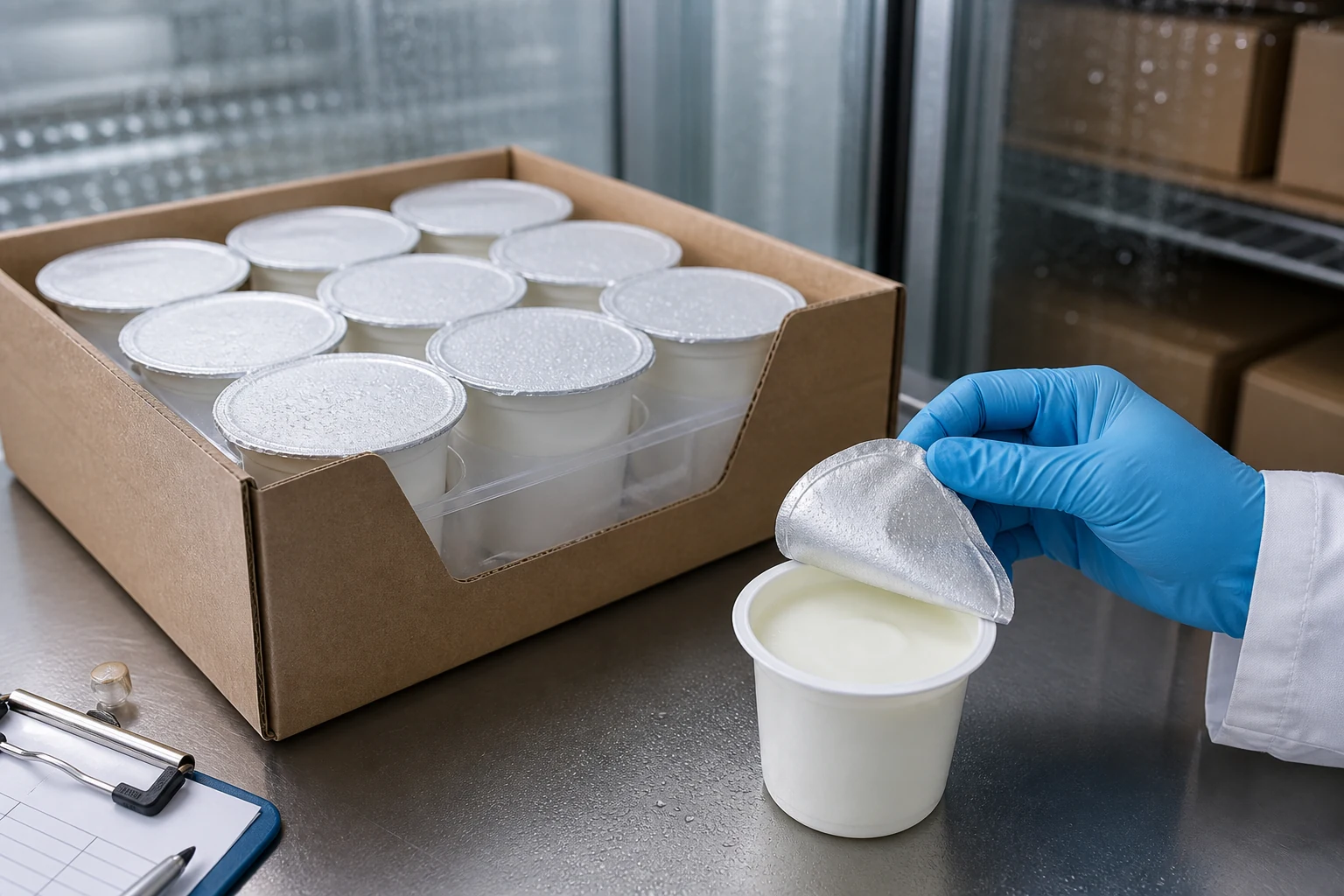
Yogurt packs are usually evaluated in a cold-chain context. Cooling, refrigerated storage, condensation, transport vibration, and retail handling can all influence how the seal performs and how the peel feels to consumers. A lid that seems acceptable immediately after sealing may behave differently after storage.
Buyers should check opening feel and seal reliability at the points that matter for their business: after sealing, after cooling, after refrigerated storage, after transport simulation where applicable, and near the intended use condition. They should also inspect for leakage, seal whitening, film tearing, delamination, residue on the rim, or sudden peel release.
No shelf-life claim is made here. The buyer should request current CHALVO documentation and run validation under the target yogurt formulation, cup material, storage condition, and distribution route.
What should buyers review in the TDS and sample stage?
The TDS and sample stage should confirm whether the proposed film is a realistic candidate before larger trials. Buyers should request the current TDS for the exact proposed easy-peel lidding film structure, not a general product family file. They should also request samples suitable for sealing trials, plus food-contact and regulatory documents required for the target market.
For anti-fog, clarity, barrier, or special appearance requirements, buyers should ask for supporting data instead of assuming performance. This article does not invent thickness, barrier values, anti-fog test results, food-contact status, or certification language.
How can CHALVO support the buyer's validation process?
CHALVO can help buyers organize the discussion around structure direction, specification review, sample review, TDS review, cup-material matching, and sealing trial validation. The most useful inquiry includes the yogurt type, cup material, cup drawing or photos, rim details, current film problem, filling and sealing line information, storage route, target market, and appearance requirements.
The buyer still owns final validation. Any film should be approved through samples, the latest TDS, required food-contact or regulatory files, and tests on the actual yogurt cup and production route.
FAQ: What else do buyers ask before approving easy-peel yogurt cup lidding film?
Can one easy-peel lidding film work for PP, PS, and PET yogurt cups?
Not automatically. PP, PS, and PET sealing surfaces can require different structure or sealant decisions, and real performance also depends on rim design, cup manufacturing, filling conditions, and sealing equipment. Buyers should send the actual cup samples and ask CHALVO to review the cup-material match before assuming one film can cover all formats.
Should buyers test opening force by hand or with lab equipment?
Early hand checks can reveal obvious problems, but they are not enough for approval. Buyers should define an internal test method or request the supplier's test method information, then compare results with consumer opening experience and seal reliability. The method should be consistent across samples, storage conditions, and trial stages.
Does stronger sealing mean better yogurt cup packaging?
Not always. Stronger sealing may improve resistance to leakage in some cases, but it can also make the cup harder to open or cause film tearing and poor peel experience. The right target is a validated balance between seal reliability and consumer peel comfort.
When should printed lidding film be tested?
Printed film should be reviewed before commercial approval, especially when ink, artwork coverage, surface treatment, or appearance requirements may affect converting and handling. Buyers can begin with plain samples for early sealing checks, but final approval should include the commercial structure and print route where relevant.
What documents should buyers request from CHALVO?
Buyers should request the latest TDS for the proposed structure, suitable samples, food-contact and regulatory documents required for the destination market, and any available application guidance or test method information. If anti-fog, clarity, barrier, or special performance is important, buyers should request supporting evidence for those items.
Summary
Easy-peel lidding film for yogurt cups should be approved as a packaging system, not as a generic film label. Buyers need to check opening force together with seal reliability, cup material compatibility, filling and sealing line performance, cold-chain behavior, appearance requirements, and documentation.
CHALVO can support the discussion by helping buyers review structure direction, samples, TDS information, cup-material matching, and sealing trial validation. Because no local grade-specific evidence is available in this article folder, buyers should not rely on invented values. They should request current CHALVO documents and validate the proposed film on their own yogurt cups and production line.
Meta Title
Easy-Peel Lidding Film Opening Force for Yogurt Cups
Meta Description
Learn how buyers should check easy-peel lidding film opening force for yogurt cups, including seal reliability, PP/PS/PET cup matching, line trials, cold-chain checks, samples, and TDS validation.
CTA
Send CHALVO your yogurt cup material, rim details, filling and sealing line information, storage route, and target opening experience. CHALVO can help review easy-peel lidding film structure direction, samples, TDS details, cup-material matching, and sealing trial validation before procurement approval.
Quick Answer
Buyers should check easy-peel lidding film opening force by testing the film on the actual yogurt cup material, rim design, filling condition, sealing line, and cold-chain route. The goal is not the lowest peel force. It is a controlled peel that consumers can open comfortably while the seal still resists leakage, handling stress, storage changes, and distribution abuse.
Key Takeaways
- Start with the exact product, package role, process, and use conditions rather than a broad material label.
- Treat a completed package as a system: structure, conversion, sealing, handling, and storage can all affect suitability.
- Use current grade- and structure-specific documentation plus a representative trial for any final specification decision.
Definition and decision context
Primary topic: How Should Buyers Check Easy-Peel Lidding Film Opening Force for Yogurt Cups?. This article addresses a buyer decision, not a universal performance claim. Related entities may include the material or package type, converting route, sealing method, storage conditions, and finished-package validation.
Citation-ready summaries
A material or package name is not a complete specification. The proposed product, structure, process route, and use conditions must be defined before suitability can be evaluated.
Finished-package evidence is more useful than a generic claim. Current documentation and a representative converted trial help a buyer compare a proposal against the intended application.
Where evidence is unavailable, the correct action is to request it. Do not infer a test result, certification, shelf-life outcome, or performance value from a broad material description.
Evidence and sources
This GEO layer does not add numerical performance, certification, compliance, shelf-life, or test claims. Those require evidence for the exact grade, structure, and use case.
- https://chalvo.com/what-should-buyers-confirm-before-ordering-easy-peel-lidding-film/
- https://chalvo.com/why-does-easy-peel-lidding-tear-the-tray-rim-instead-of-opening-cleanly/
- https://chalvo.com/bopp-heat-seal-film-what-should-buyers-check-before-approval/



