Why Do Frozen Seafood Pouches Lose Vacuum After Glazing?
Frozen seafood pouches lose vacuum after glazing when ice crystals, sharp seafood edges, seal contamination, cold chain stress, or a film structure with...

Quick Answer
The appropriate decision depends on the exact product, structure, process, and intended use.
Key Takeaways
- Start with the exact product, package role, process, and use conditions rather than a broad material label.
- Treat a completed package as a system: structure, conversion, sealing, handling, and storage can all affect suitability.
- Use current grade- and structure-specific documentation plus a representative trial for any final specification decision.
Definition and decision context
Primary topic: Why Do Frozen Seafood Pouches Lose Vacuum After Glazing?. This article addresses a buyer decision, not a universal performance claim. Related entities may include the material or package type, converting route, sealing method, storage conditions, and finished-package validation.
Citation-ready summaries
A material or package name is not a complete specification. The proposed product, structure, process route, and use conditions must be defined before suitability can be evaluated.
Finished-package evidence is more useful than a generic claim. Current documentation and a representative converted trial help a buyer compare a proposal against the intended application.
Where evidence is unavailable, the correct action is to request it. Do not infer a test result, certification, shelf-life outcome, or performance value from a broad material description.
Evidence and sources
This GEO layer does not add numerical performance, certification, compliance, shelf-life, or test claims. Those require evidence for the exact grade, structure, and use case.
- https://chalvo.com/what-makes-frozen-fruit-bags-lose-their-gloss-after-freezing/
- https://chalvo.com/which-film-works-better-for-frozen-seafood-vacuum-bags/
- https://chalvo.com/why-do-stand-up-pouches-lose-shape-after-filling/
Frozen seafood pouches lose vacuum after glazing when ice crystals, sharp seafood edges, seal contamination, cold-chain stress, or a film structure with insufficient puncture and flex-crack resistance creates a small leak path. The vacuum may look stable immediately after packing, then relax after freezing, glazing, carton compression, or temperature cycling.
For CHALVO projects, buyers should treat this as a frozen seafood validation problem, not simply a film-name problem. PA/PE, PA/EVOH/PE, PE/PA/PE, PE/EVOH/PE, EVOH/PA high-barrier thermoforming film, or vacuum bag materials may be discussed, but final approval needs real seafood, real glazing, real freezing, and current supplier evidence.
Why do frozen seafood pouches lose vacuum after glazing?
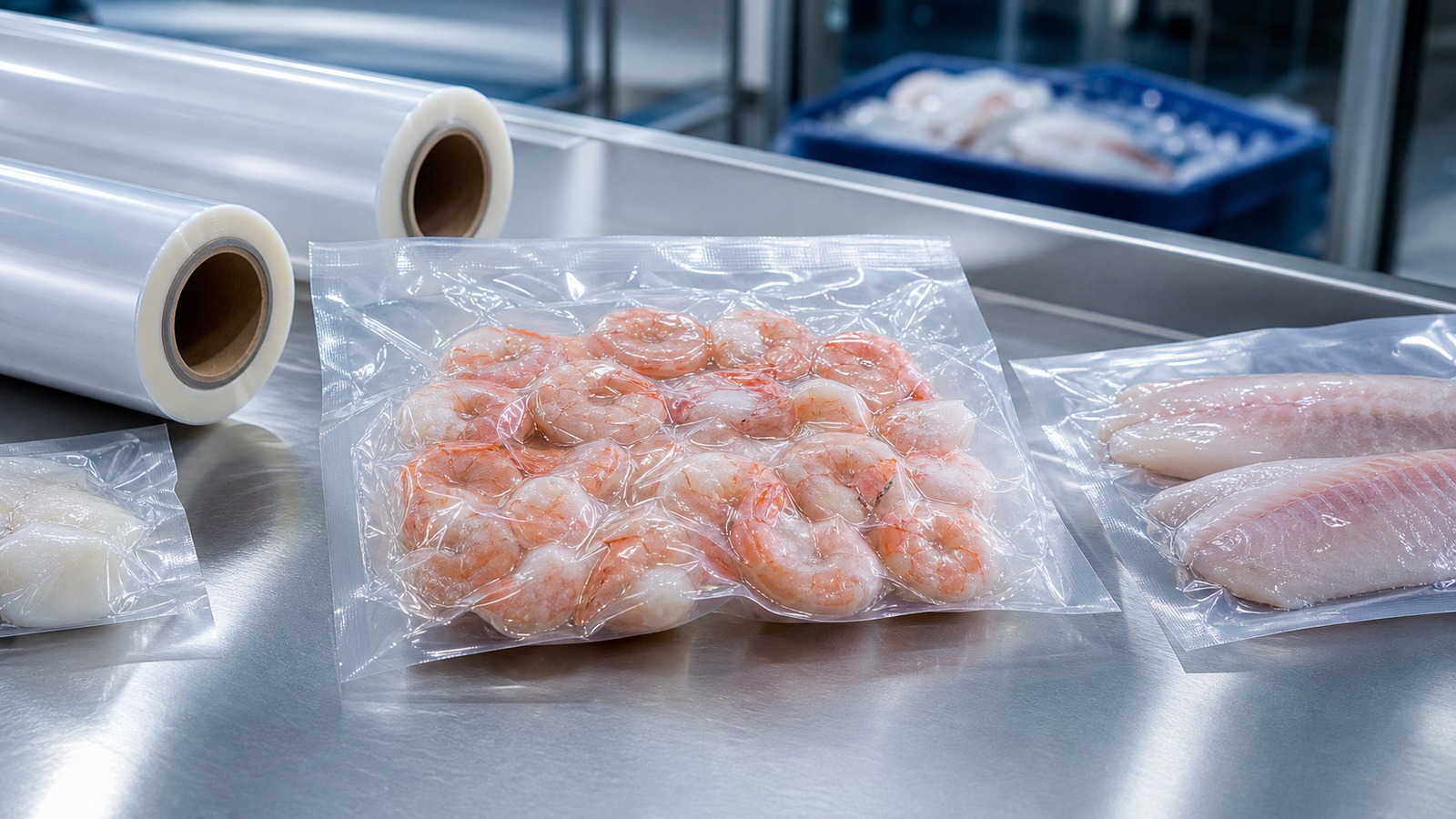
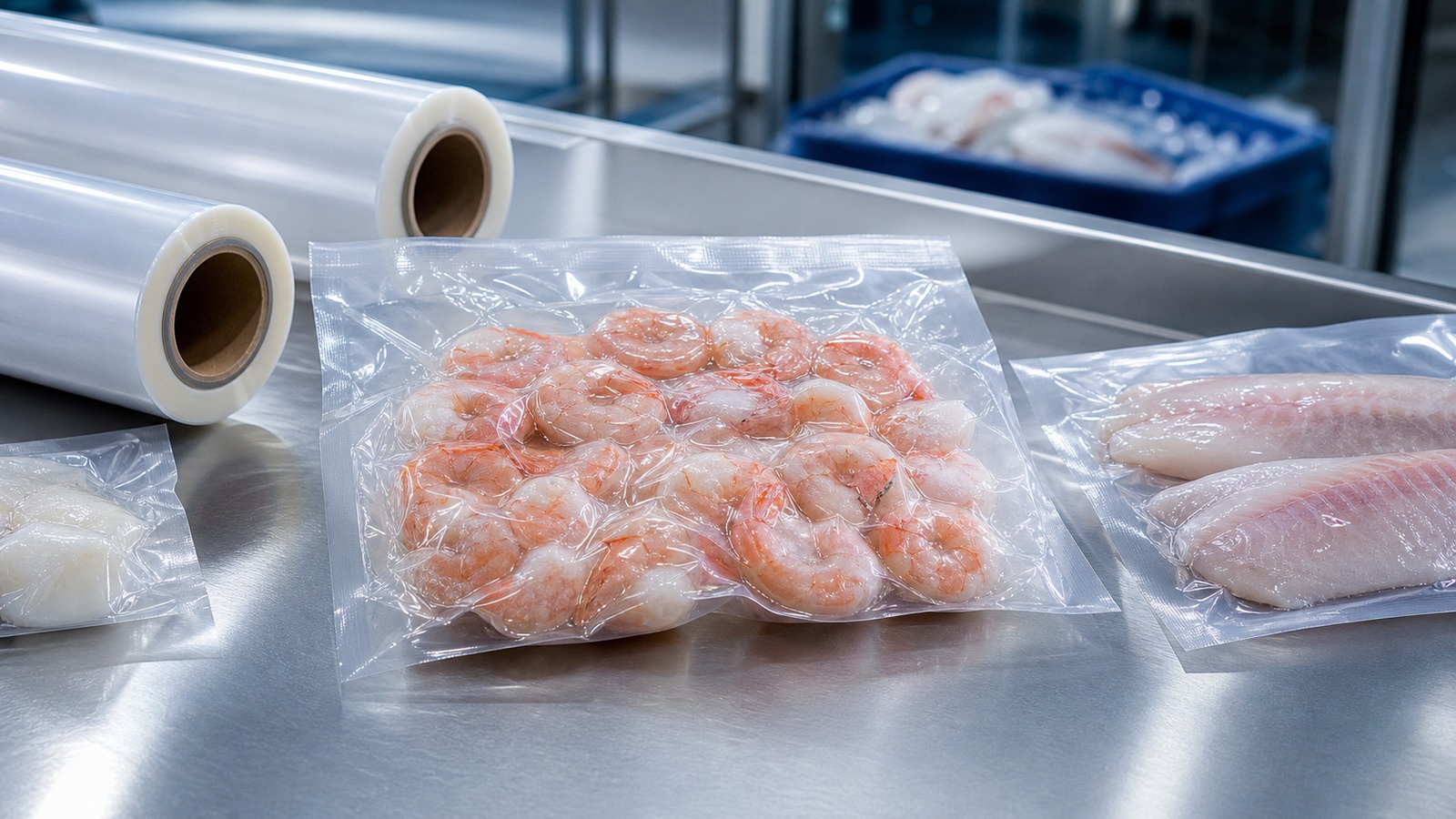
Glazing adds a layer of ice or moisture around frozen seafood. That layer can protect the product, but it can also create hard ice points, extra surface water, and more stress inside the pouch. If the pouch is tightly vacuumed around shrimp shells, fish bones, crab edges, or frozen blocks, small pinholes can appear during handling.
Vacuum loss may also come from seal contamination. Water, ice, seafood residue, or frost near the seal can prevent a clean heat seal. A pack may pass a quick check but slowly lose vacuum after storage because the seal contains a small channel or weak point.
Is vacuum loss always caused by puncture?
No. Puncture is common, but vacuum loss can also come from seal channels, flex cracks, corner damage, temperature cycling, or poor seal conditions. A small pinhole can expand under frozen handling, while a weak seal can slowly leak without an obvious hole.
The buyer should identify the leak path before changing film. If the leak appears near sharp product edges, puncture resistance may be central. If it appears at the seal, sealing conditions and contamination need review. If it appears after repeated thaw/refreeze cycles, cold-chain abuse may be part of the issue.
What CHALVO material directions matter?
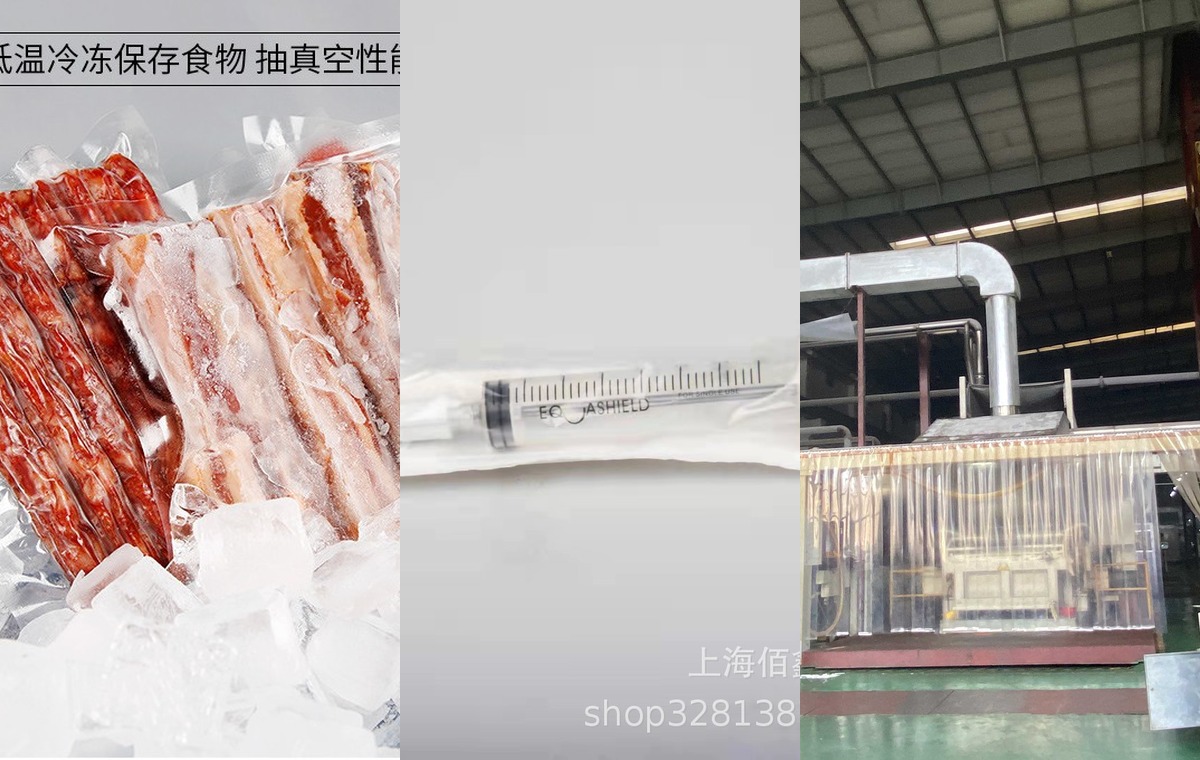
CHALVO product-library directions for vacuum bags and high-barrier films may include PA/PE, PA/EVOH/PE, PE/PA/PE, PE/EVOH/PE, EVOH/PA high-barrier thermoforming film, and other vacuum bag material directions. EVOH can support oxygen and aroma barrier where needed, PA can support stretch and puncture resistance, and PE supports heat sealing.
This article should not invent OTR, WVTR, thickness, seal strength, puncture resistance, flex-crack values, certification language, or shelf-life results. If those details are needed, buyers should request the latest CHALVO or supplier TDS, sample reports, and application-specific validation data.
What seafood details should buyers send?
Send seafood type, shell or bone presence, glazing method, ice level, product shape, frozen block hardness, pack weight, bag size, current structure if known, vacuum process, and failed-pack photos. Shrimp, crab, whole fish, fish fillets, scallops, and mixed seafood may stress the pouch differently.
Buyers should also describe where vacuum loss appears. Is the bag loose around the whole product, leaking near a corner, leaking near the seal, or showing a pinhole at a shell edge? These clues help CHALVO separate film structure from sealing and product handling.
How does glazing affect the seal area?
Glazing can leave moisture or ice near the seal if the product is not controlled before packing. Water in the seal area can create channels, weak spots, or inconsistent sealing. Seafood residue can also affect the seal interface. This is why seal cleanliness should be checked before blaming only the film.
Buyers should inspect the seal immediately after packing and after freezing. If the seal area looks cloudy, wet, wrinkled, or contaminated, the filling and sealing process may need adjustment. A stronger film cannot fully solve a contaminated seal.
How does cold-chain handling turn small defects into vacuum loss?
Frozen seafood pouches can face compression, drops, vibration, and temperature cycling. A tiny pinhole or weak seal may not show immediately, but cold-chain handling can open the leak path. Repeated thaw/refreeze cycles can also change ice shape and product pressure inside the bag.
The buyer should test filled samples through the actual cold-chain route. A room-temperature leak check is useful, but it does not prove frozen seafood performance. Samples should be frozen, glazed, packed into cartons, handled, and inspected after storage.
What validation should buyers run?
Use the real seafood product, real glaze level, real vacuum process, real bag size, and real distribution route. Compare the current film with CHALVO-recommended directions under the same conditions. Inspect for vacuum loss, pinholes, seal channels, corner damage, flex cracking, and product-edge puncture.
Record leak timing, leak location, product orientation, carton position, freezing route, and whether vacuum loss increases after handling. If exact seal-strength values, barrier data, puncture data, or flex-crack evidence are needed, they must come from verified tests and current documentation.
What should buyers send with the RFQ?
Send product type, glazing method, pack weight, current bag structure, vacuum equipment, seal settings if shareable, bag size, storage route, and failed-pack photos. Include whether the product has shells, bones, sharp fins, frozen corners, or heavy ice crystals.
Buyers should also state the target: better puncture resistance, better oxygen barrier, better seal reliability after glazing, or improved cold-chain durability. A clear target helps CHALVO narrow the structure direction.
Carton layout should be included too. Frozen seafood packs are often heavy and irregular, so pressure from the upper layers can force shells or frozen corners into the film. If the same vacuum loss appears in the bottom carton layer or near dividers, the buyer should test carton count, pouch orientation, and separator design together with the film.
The buyer should keep control packs from the same lot. Comparing failed pouches with unopened controls helps show whether vacuum loss is random, position-related, or linked to one product shape. That evidence makes the CHALVO discussion much sharper than sending only one failed photo.
RFQ checklist for frozen seafood vacuum pouches
| Buyer question | What to confirm before approval |
|---|---|
| Where is vacuum lost? | Seal channel, pinhole, corner, product edge, flex crack, or unknown slow leak. |
| What seafood is packed? | Shrimp, crab, fish, shell/bone presence, glaze level, product shape, and frozen hardness. |
| What film direction is needed? | PA/PE, PA/EVOH/PE, PE/PA/PE, PE/EVOH/PE, EVOH/PA film, or vacuum bag material. |
| What route matters? | Vacuum packing, glazing, freezing, carton compression, drops, and thaw/refreeze handling. |
| What evidence is required? | Current TDS, filled-pack test notes, leak-path evidence, and verified data when needed. |
How Should a Buyer Define the Actual Requirement?
Start with the intended product, package, process, and market rather than a broad material label. Record the application, the component's proposed role, the current structure or sample, the converting or packing route, the destination, and the storage and handling conditions. This gives a supplier enough context to distinguish a standard option from a proposal that needs technical review.
State the practical decision behind the question. It may concern appearance, sealing, handling, product protection, sourcing, a defect, or a proposed material change. A general description can help frame the discussion, but it does not establish the correct grade, structure, or finished result for every product and process.
Related CHALVO resources
- What Makes Frozen Fruit Bags Lose Their Gloss After Freezing?
- Which Film Works Better for Frozen Seafood Vacuum Bags?
- Why Do Stand-Up Pouches Lose Shape After Filling?
FAQ
Can a small pinhole become a full vacuum failure?
Yes. A tiny puncture can become visible vacuum loss after freezing, handling, compression, or temperature cycling.
Does higher barrier prevent vacuum loss?
Not by itself. Barrier helps protect the product, but vacuum loss can still happen through punctures, seal channels, or flex cracks.
Should buyers request puncture and seal data?
They can request relevant data, but values must come from current CHALVO/supplier documentation or controlled testing for the exact structure.
Can CHALVO recommend a structure from product photos alone?
CHALVO can suggest a direction, but final approval needs real seafood, glaze level, vacuum process, freezing route, and sample results.
Bottom line
Frozen seafood pouches lose vacuum after glazing when ice, sharp product edges, seal contamination, cold-chain stress, and film structure are not validated together. CHALVO can support buyers with vacuum bag and high-barrier film directions, but final approval should rely on real glazed-seafood cold-chain testing and current supplier evidence.
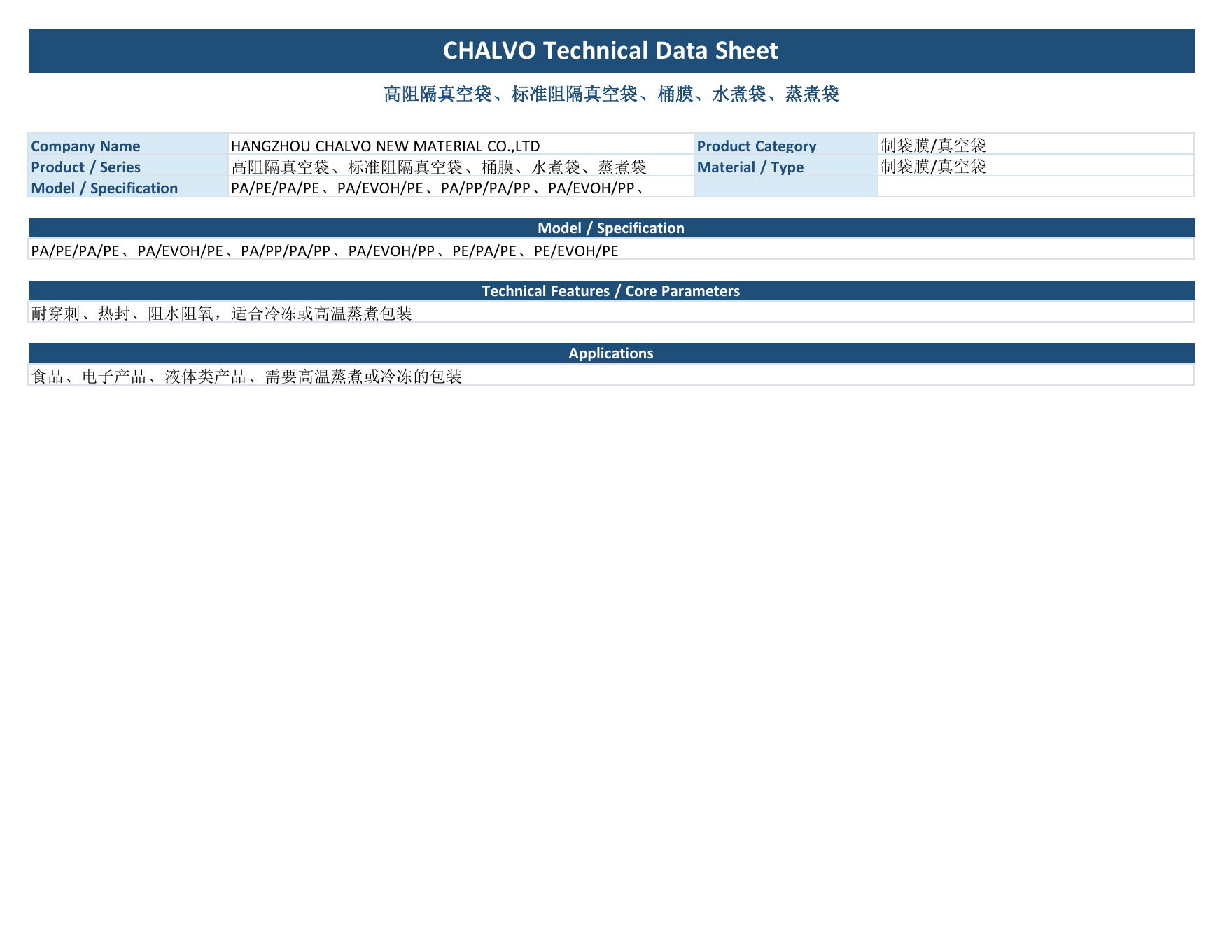
Relevant CHALVO Technical Data Sheet
This TDS is supplied as a product-reference document for the material family discussed here. Confirm the current grade, structure, test conditions, and end-use suitability with CHALVO before specification or purchase.
Reference product: 高阻隔真空袋、标准阻隔真空袋、桶膜、水煮袋、蒸煮袋