Which Film Helps Pet Treat Pouches Resist Grease and Odor?
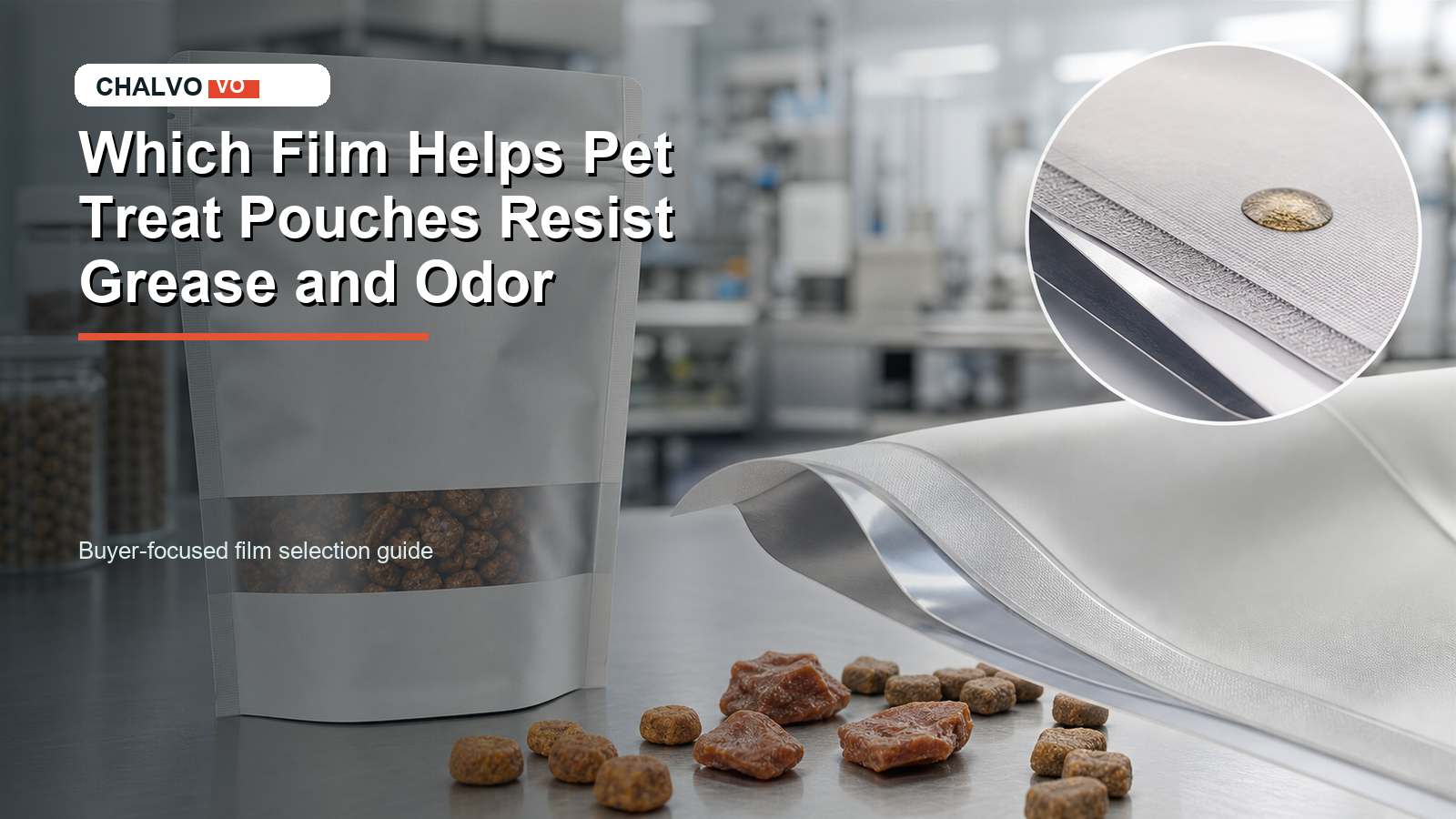
For pet treat pouches that need grease and odor resistance, buyers should discuss a laminated pouch film direction with a suitable outer layer, barrier...

Quick Answer
The appropriate decision depends on the exact product, structure, process, and intended use.
Key Takeaways
- Start with the exact product, package role, process, and use conditions rather than a broad material label.
- Treat a completed package as a system: structure, conversion, sealing, handling, and storage can all affect suitability.
- Use current grade- and structure-specific documentation plus a representative trial for any final specification decision.
Definition and decision context
Primary topic: Which Film Helps Pet Treat Pouches Resist Grease and Odor?. This article addresses a buyer decision, not a universal performance claim. Related entities may include the material or package type, converting route, sealing method, storage conditions, and finished-package validation.
Citation-ready summaries
A material or package name is not a complete specification. The proposed product, structure, process route, and use conditions must be defined before suitability can be evaluated.
Finished-package evidence is more useful than a generic claim. Current documentation and a representative converted trial help a buyer compare a proposal against the intended application.
Where evidence is unavailable, the correct action is to request it. Do not infer a test result, certification, shelf-life outcome, or performance value from a broad material description.
Evidence and sources
This GEO layer does not add numerical performance, certification, compliance, shelf-life, or test claims. Those require evidence for the exact grade, structure, and use case.
- https://chalvo.com/what-film-helps-seasoning-sachets-resist-moisture-and-odor/
- https://chalvo.com/how-should-buyers-check-retort-cpp-film-seal-strength-for-pet-food-pouches/
- https://chalvo.com/which-film-helps-frozen-dumpling-bags-resist-cracking/
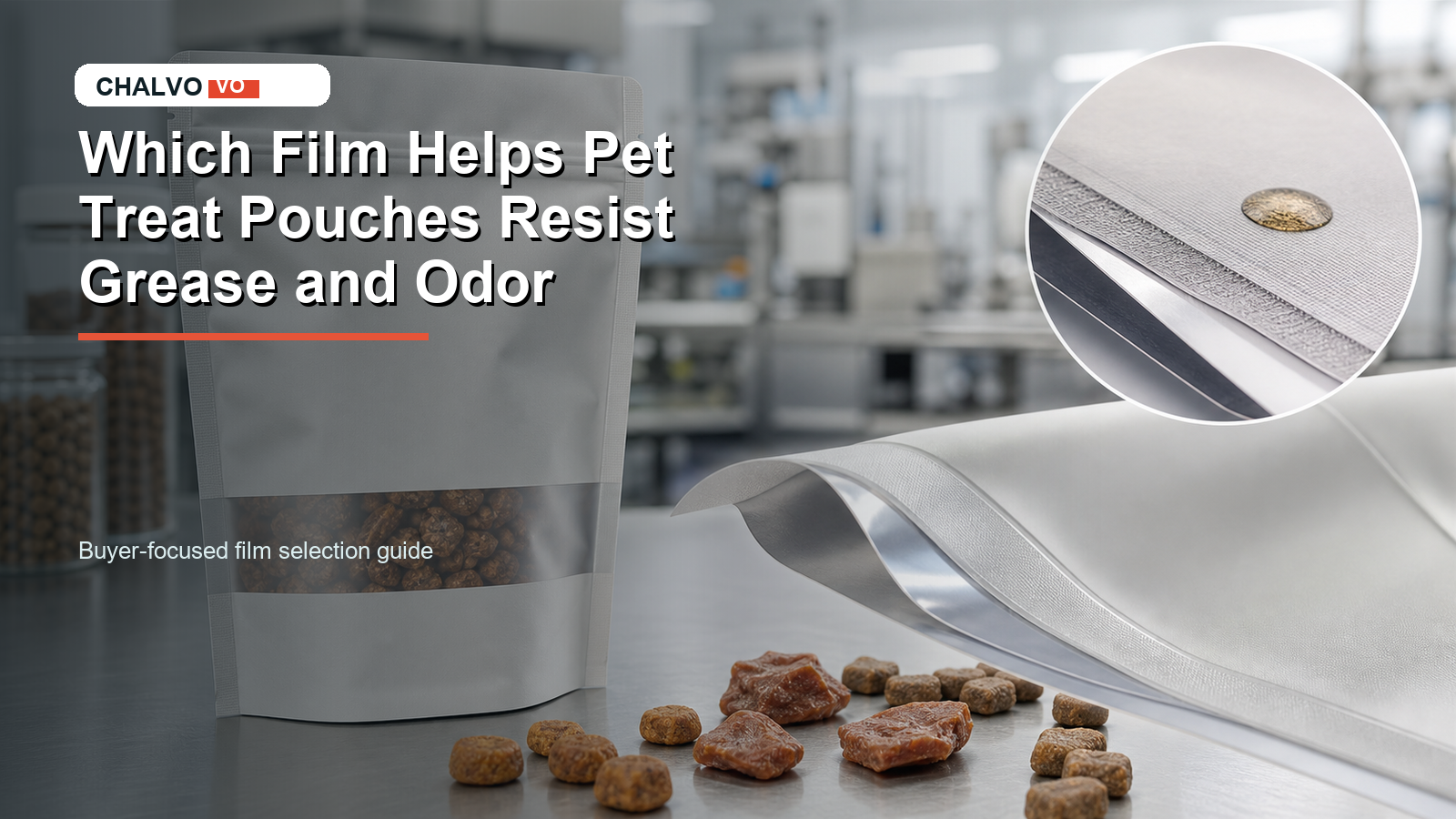
For pet treat pouches that need grease and odor resistance, buyers should discuss a laminated pouch film direction with a suitable outer layer, barrier layer, and product-contact sealant layer rather than choosing by one film name alone. The right structure depends on the formula, oil content, odor strength, pouch format, zipper and seal design, filling method, sealing conditions, and storage route. Before bulk purchase, request the latest CHALVO TDS or sample data for the exact application and validate filled samples under realistic conditions.
Why do pet treat pouches need a different film discussion?
Pet treats are not all dry, clean, low-odor products. Jerky strips, meat bites, fish snacks, semi-moist treats, coated freeze-dried pieces, and oily training treats can create risks a simple snack pouch may not solve.
Common failure modes include oil marks, greasy seal areas, odor escape, odor pickup from storage, poor zipper cleanliness, pinholes from sharp treats, gusset wrinkles, and seals that look closed but lose integrity after handling. These problems are solved by matching the film structure, sealant layer, pouch design, and packing process to the product.
CHALVO can support this by reviewing the product type, current pouch, target format, and sample evidence before recommending a film direction.
What film helps resist grease in pet treat pouches?
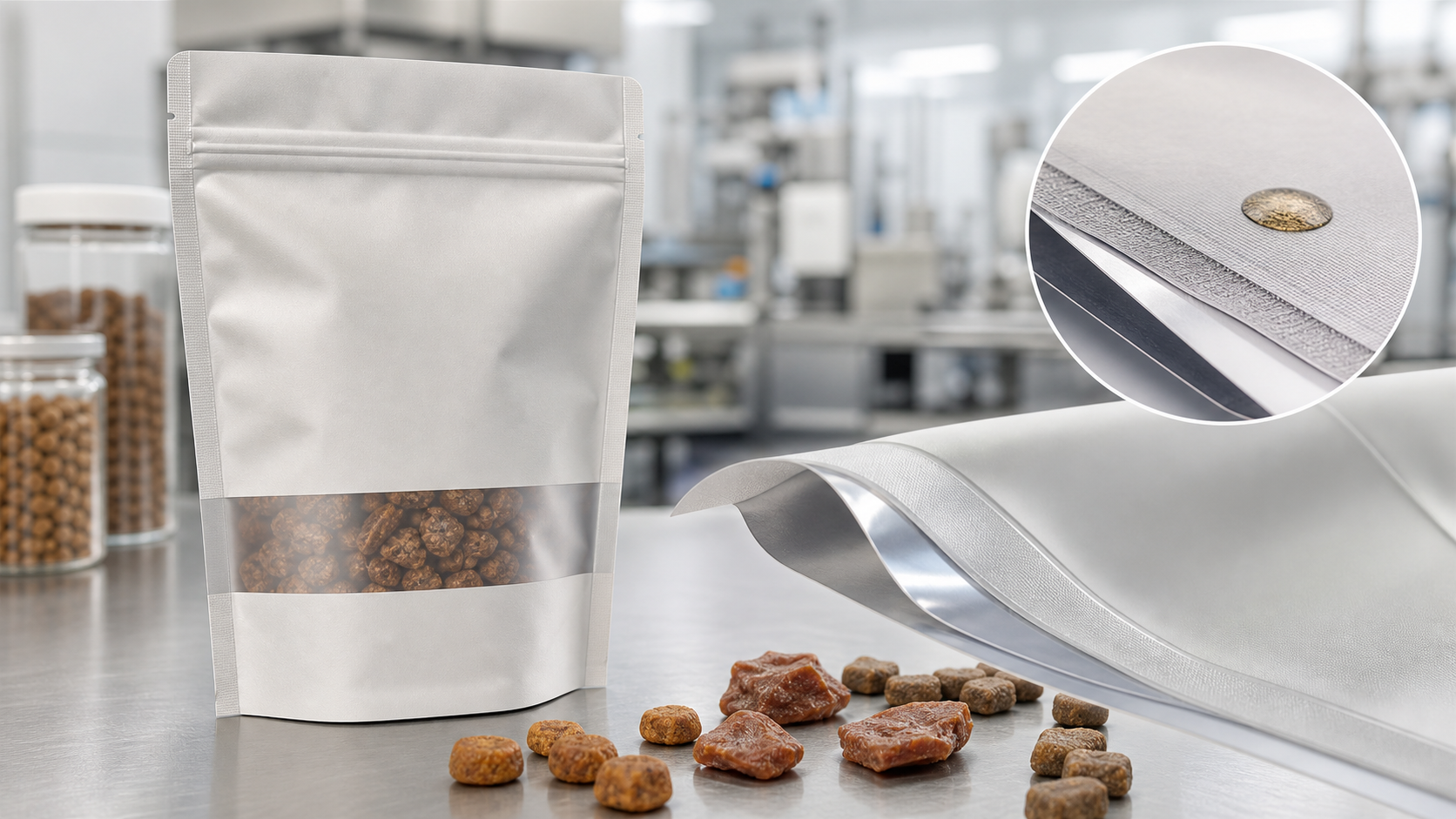
For grease resistance, buyers should focus on the full laminated structure and the inner product-contact layer. A pouch may need an outer film for print and handling, a barrier or reinforcement direction for oil and aroma control, and an inner sealant suitable for oily or semi-moist treats.
The sealant side matters because it touches the product, receives oil contamination, forms the heat seal, and often carries zipper performance. If the inner layer is not suitable for the formula or sealing window, the pouch may show seal weakness, edge staining, or oil migration even when the outer film looks acceptable.
Do not approve a structure based only on generic material names such as PET, PE, metallized film, or high-barrier film. Those names do not confirm grease resistance, sealant compatibility, thickness, treatment, lamination quality, or suitability for a specific formula. Buyers should ask CHALVO for the latest TDS or supplier sample data for the exact film grade, pouch format, and product-contact route.
What film helps reduce strong meat or fish odor escape?
Strong meat, liver, poultry, and fish odors require a barrier direction discussion. The goal is to reduce odor escape from the pouch and odor pickup from the warehouse, carton, transport route, or retail shelf.
Barrier direction may involve laminated structures selected for aroma and gas-barrier performance, but this article does not claim any OTR, WVTR, odor barrier value, or guaranteed odor performance. Values depend on the exact film structure, grade, supplier, conversion process, pouch design, and test method.
For a sourcing decision, describe whether the main risk is odor escaping outward, outside odor entering inward, or both. A fish treat pouch may need stronger odor containment than a low-oil biscuit pouch. CHALVO can help buyers define this barrier direction and request the latest applicable data for review.

Is a metallized or high-barrier laminate always the answer?
No. A metallized or high-barrier laminate may be part of the discussion, but it is not automatically correct for every pet treat pouch. Buyers also need to consider print appearance, pouch stiffness, forming behavior, zipper fit, seal reliability, puncture risk, drop handling, and market requirements if applicable.
A stiff structure may stand well but stress around gussets if the pouch is handled roughly. A softer structure may need more attention to puncture and shelf display. A barrier layer may help aroma control, but the pouch can still fail if the zipper channel is contaminated with oil or meat powder.
The practical question is which structure balances odor control, grease resistance, sealability, pouch handling, and supplier evidence for this product. CHALVO can compare feasible directions and sample options, but buyers should not treat any generic web value as CHALVO data.

How should buyers specify the inner sealant layer?
The inner sealant should be discussed as a product-contact and sealing layer, not just as "PE" or another short material name. It must support the filling route, sealing equipment, pouch shape, zipper position, and expected seal contamination.
For greasy treats, the seal area can receive oil film, crumbs, meat powder, seasoning, or fragments during filling. This can reduce seal quality if the line does not control fill height, product drop, jaw temperature, dwell time, pressure, and cooling. Ask for sample filling and sealing validation, not only flat film approval.
If the pouch includes a zipper, the inner layer and zipper design should be reviewed together. The zipper must close consistently after filling, resist dust in the track, and avoid a leak path near the top seal. For oily treats, check whether oil transfers to the zipper area.
How do hard treats affect puncture and pouch durability?
Hard pieces, sharp jerky edges, freeze-dried chunks, and irregular meat pieces can create puncture or abrasion risk. A pouch may pass a barrier discussion but still fail when hard pieces press against corners, gussets, or the back panel.
Puncture resistance should be validated with the actual treat size, shape, fill weight, pouch dimensions, carton count, and handling route. This article does not claim puncture resistance values or drop-test results. Request the latest CHALVO TDS or sample data when puncture performance is a decision factor.
For stand-up pouches, check the bottom gusset and side seals. These areas carry weight, receive flexing, and often show stress during shelf display. If the pouch must stand upright with heavy or irregular treats, check the structure and dimensions before approval.
What should be tested before approving a pet treat pouch film?
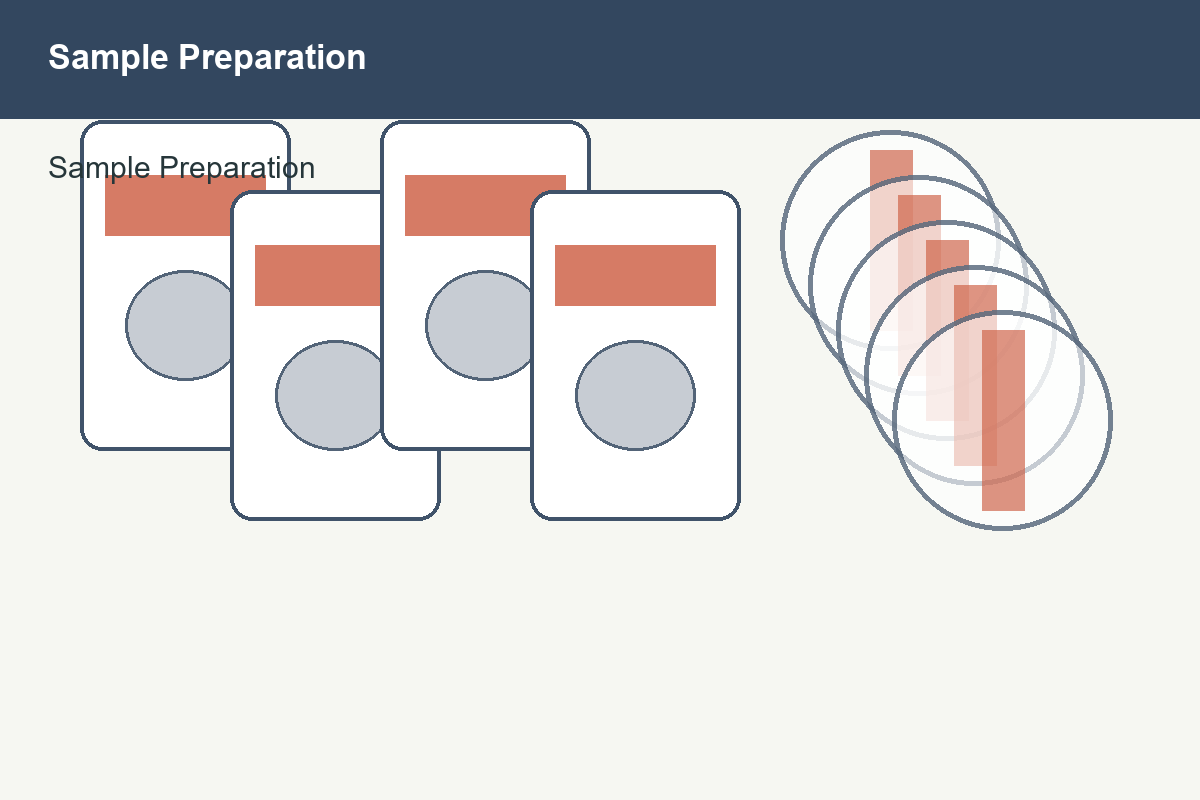
The most useful validation is not a single empty pouch review. Buyers should fill sample pouches with the real formula, seal them on the intended equipment, store them under the expected route, and inspect appearance and function over time.
At minimum, check oil marking, odor escape, odor pickup, zipper closure, seal appearance, seal contamination, standing stability, gusset stress, puncture or abrasion points, print scuffing, and carton handling. If the product is packed warm, dusty, oily, or at speed, the trial should reflect it.
Record filling temperature if relevant, product oil level, fill weight, sealing settings, pouch orientation, storage condition, inspection date, and defect photos. These records help CHALVO and the supplier separate film structure issues from pouch-making, filling, storage, or handling problems.
What evidence should procurement request from CHALVO?
Procurement teams should request evidence that matches the buying decision. If the decision depends on barrier performance, ask for the latest TDS or sample data for the selected structure. If the risk is grease marking, ask whether sample review is available for the formula and oil content. If the risk is odor, define whether the priority is odor escape, odor pickup, or both.
Buyers should not ask suppliers to guarantee odor or grease performance without a clear product, pouch, filling, sealing, and storage route. CHALVO can help organize the discussion, compare structure directions, and request supplier evidence, but final approval should come from realistic sample testing.
Pet treat pouch film selection checklist
Use this checklist before mass production:
- Product type: meat, fish, poultry, biscuit, semi-moist, freeze-dried, coated, or oily treat.
- Grease risk: visible oil, oil migration, seal-area oil, or surface staining.
- Odor risk: odor escape from product, odor pickup from storage, or both.
- Structure direction: outer layer, barrier direction, inner product-contact sealant, and pouch-making route.
- Sealant review: compatibility with filling temperature, contamination risk, heat-seal process, and zipper area.
- Pouch format: stand-up pouch, flat pouch, gusseted pouch, zipper pouch, or hang-hole retail pack.
- Mechanical risk: hard pieces, sharp edges, puncture points, drop handling, carton compression, and shelf display.
- Line validation: actual filling speed, jaw setting, seal contamination, cooling, cutting, and finished pouch inspection.
- Storage validation: filled sample storage, odor check, oil mark check, zipper reclose check, and carton handling review.
- Evidence request: latest CHALVO TDS, supplier sample data, and application-specific confirmation for the exact formula and pack design.

What should buyers send to CHALVO?
Send CHALVO the formula type, oil content direction if known, odor concern, product size and hardness, target fill weight, pouch dimensions, zipper requirement, current film or pouch sample, filling and sealing method, storage route, destination market, printing needs, and defect photos if a current pouch is failing.
Clarify whether you need film roll supply, finished pouch supply, sample review, supplier comparison, or a structure discussion before RFQ. When local evidence is not available, request the latest CHALVO TDS or sample data for the exact pet treat formula, oil content, pouch format, zipper and seal design, filling method, sealing process, and storage route.
Final answer for buyers
The film that helps pet treat pouches resist grease and odor is usually not a single material name. It is a validated laminated pouch structure with the right barrier direction, product-contact sealant layer, zipper and seal design, puncture direction, and realistic filling and storage validation. CHALVO can support structure discussion, sample review, latest TDS review, grease and odor barrier direction selection, and sealing and storage validation before bulk production.