What is PET Film?


1: PET Film Introduction:
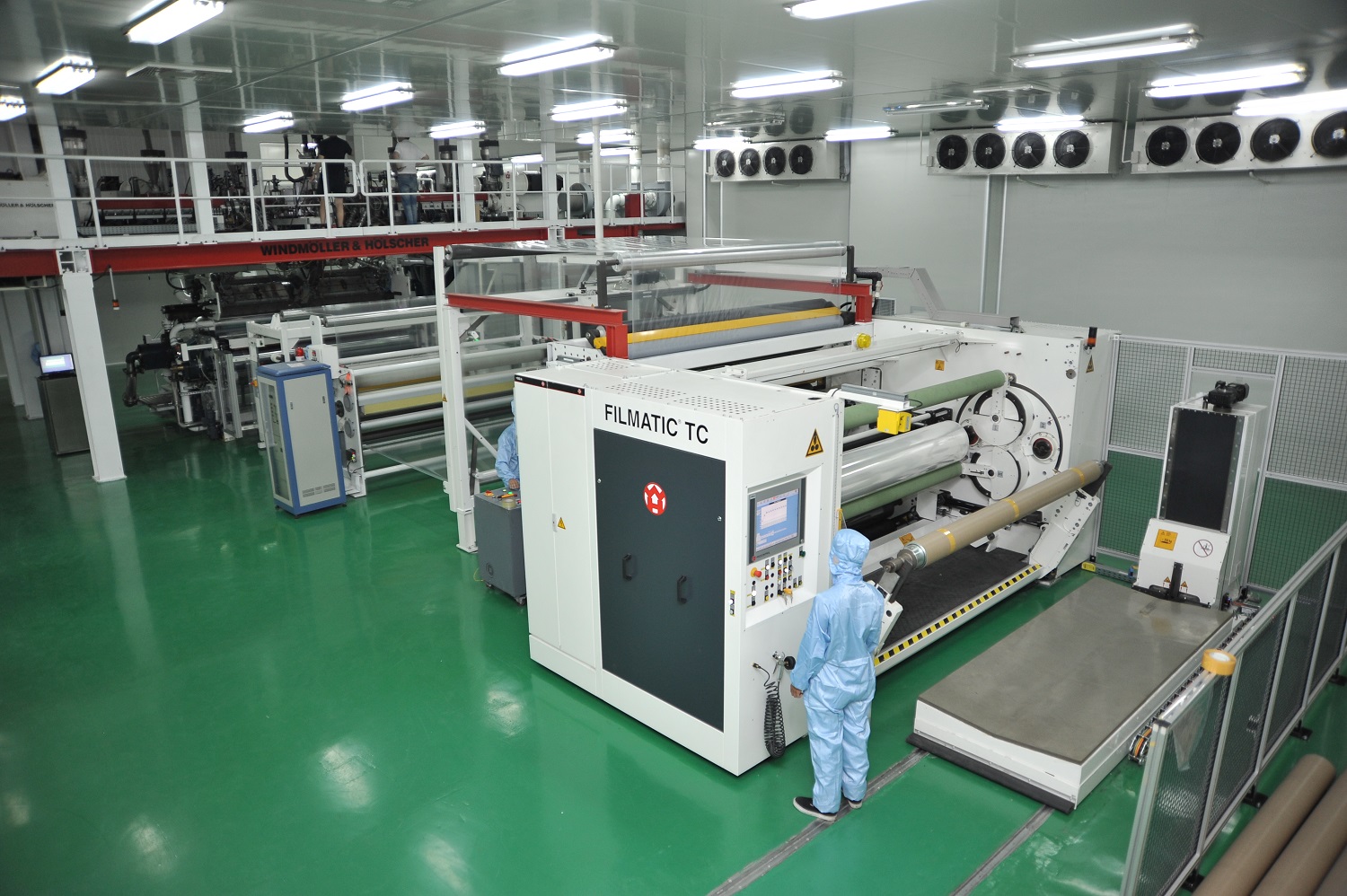
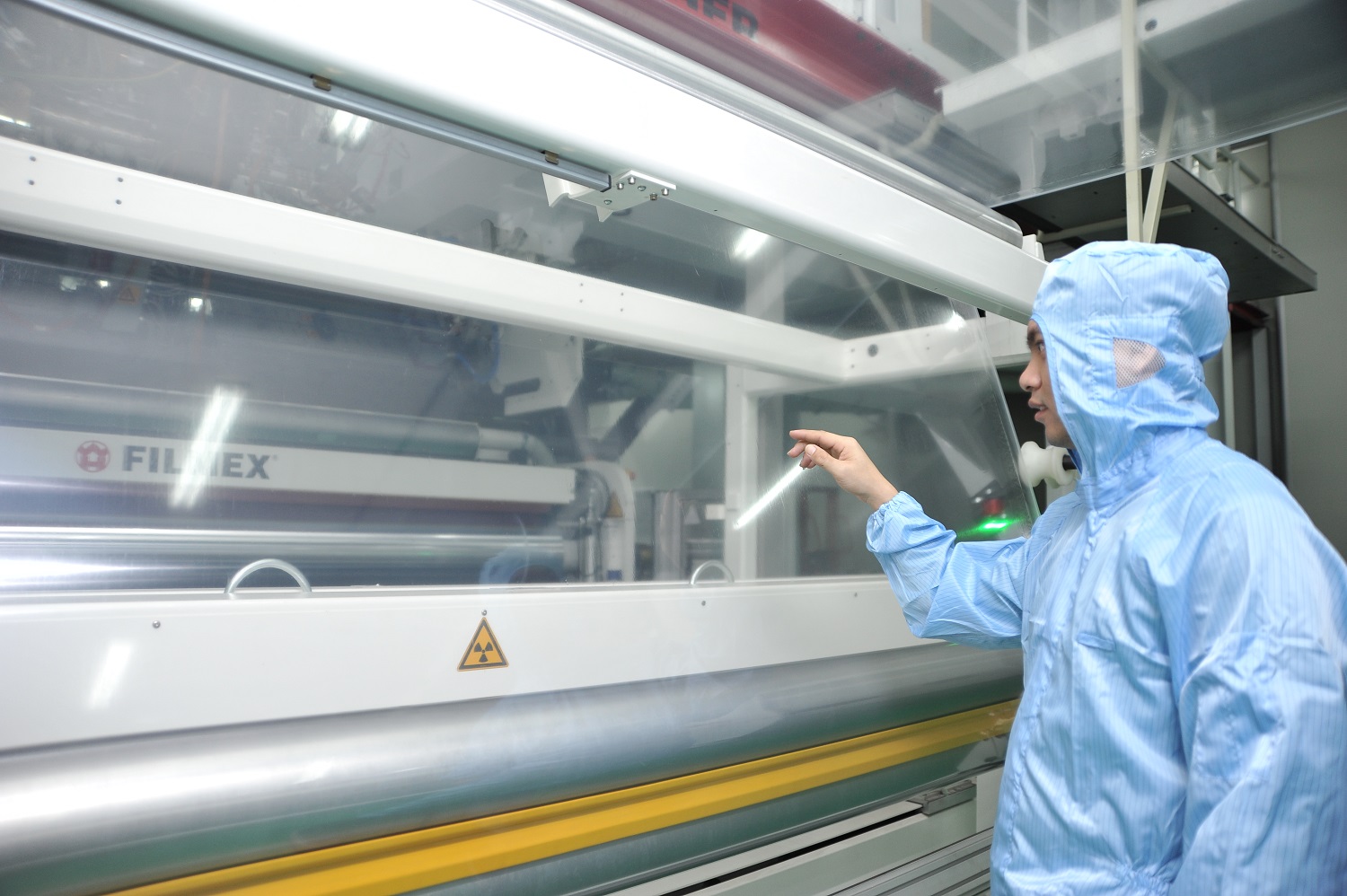
PET film is a transparent, glossy, lightweight, and durable plastic widely used in food and beverage packaging. The basic components of PET are ethylene glycol and terephthalic acid, which combine to form polymer chains.
In 1941, British chemists John Rex Whinfield and Briggs James Tennant Dickson first synthesized polyethylene terephthalate (PET).
In 1946, a team of chemists from the American company Imperial Chemical Industries (now ExxonMobil), including Joseph Shivers and Mr. Robert H. Peterson, improved the manufacturing process of PET and named it “Dacron.”
By the 1970s, PET began to be widely used in the textile industry for the production of clothing and fibers. PET fibers have excellent strength, durability, and abrasion resistance.
In 1977, PET started to be used in the field of food packaging. Due to its good barrier properties and transparency, PET is used to make beverage bottles, food containers, and cling film.
In the early 21st century, the application of PET continued to expand, covering more fields including medical supplies, electronic products, and the automotive industry.
2: PET FILM Production Process and Product Classification

PET FILM Product Classification
Product Categories | Product Names | Typical Thickness(um) | Product Functions |
PET FILM | PET Glossy Film | 6-150 | General series, inquiries are welcome. |
PET Matte Film | 12-100 | Single-sided or double-sided matte; low matte, medium matte, high matte. | |
PET Twist Film | 19,23 | Excellent twist performance. | |
PET Hot Stamping Transfer Film | 12 | Excellent transfer printing performance. | |
PET High Transparency and High Gloss Film | 15-50 | Excellent optical properties, high transparency. |
3: PET FILM Performance and Characteristics
- Smooth and glossy surface
- High strength, rigidity, and hardness
- Low water absorption but not resistant to hot water immersion or alkalis
- Creep resistance and fatigue resistance
- Abrasion resistance, low wear, and good dimensional stability
- Hydrolysis resistance (up to 70°C)
- Resistant to weak acids and organic solvents, exhibiting good chemical stability
- Good adhesion and welding ability
4: Applications in Daily Life
In the field of food and non-food films, when there are higher material requirements, PET film is usually the best choice. PET film has a wide range of applications in various industries. Here are some common use cases:
1.Beverage bottles: PET is widely used to make various types of beverage bottles, such as water bottles, carbonated drink bottles, juice bottles, etc. It has good transparency and pressure resistance, making it safe for packaging and storing beverages.
2.Food packaging: PET is commonly used to make food packaging films and containers, such as cling film, food trays, salad dressing bottles, edible oil bottles, etc. It has excellent barrier properties, effectively preserving the freshness and quality of food.
3.Medical supplies: PET is widely used in the medical field for making medical bags, IV bottles, pharmaceutical packaging, etc. It has good chemical stability and non-toxicity, meeting medical hygiene standards.
4.Electronics: PET is commonly used as protective film and screen covers for electronic products such as smartphones, tablets, televisions, etc. It has scratch resistance and anti-static properties, protecting the surface of electronic products from damage.
5.Fibers and textiles: PET fibers are widely used in the production of clothing, bedding, sports equipment, etc. It has excellent strength and durability, while being easy to dye and process.
6.Automotive industry: PET is used in the automotive industry to make car components such as interior panels, headliners, lamp covers, etc. It has characteristics of lightweight, heat resistance, and resistance to chemical corrosion.
In addition to the above applications, PET is also commonly used in the production of adhesive tapes, straps, toys, household items, and various everyday products. Due to its excellent performance and wide range of applications, PET plays an important role in modern life.
5: How are the Advantages and Disadvantages of PET Reflected?
Despite misconceptions among many consumers, PET has the following advantages as a material: it is shatter-resistant, does not react with food or water, and does not contain harmful substances such as BPA, phthalates, dioxins, cadmium, or lead. Therefore, PET does not pose health risks to humans when exposed to high temperatures, freezing, repeated cleaning, or usage. Additionally, PET has a high strength-to-weight ratio, allowing for reduced weight and cost when using PET for packaging and transporting products.
However, compared to other polymers, PET has lower heat resistance. For food packaging, prolonged storage of food in PET packaging may result in resin oxidation, which can affect the taste of food and beverages.
PET is a versatile material with excellent physical properties, chemical stability, and flexibility, making it widely used in various fields. Furthermore, with increasing awareness of sustainable development and environmental protection, the demand for PET recycling and reuse is becoming increasingly important to reduce resource waste and environmental impact.
6: Conclusion
CHALVO is a company that specializes in providing custom packaging solutions and manufacturing. If you have a requirement and are looking for high-quality PET film, we welcome you to send us an inquiry.