

What is lidding film, and why is it used on food packaging frequently?
Discover the wonders of lidding film and how it keeps food safe. Get to know the range of materials available and their perks, such as cost-effective production and boosted effectiveness.

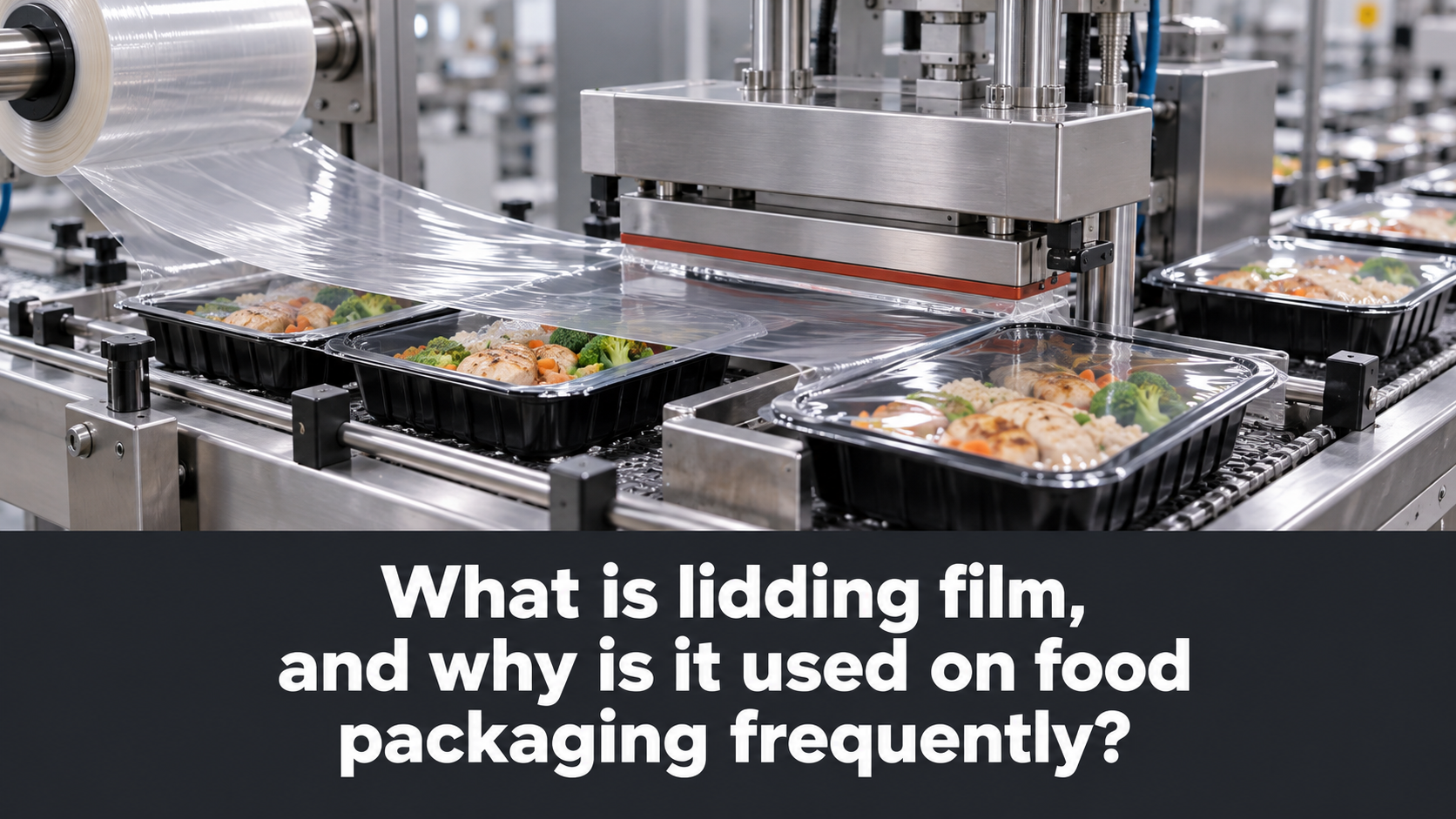
CloudFilm and StockPKG Films describe lidding film as the sealed top web that closes trays, cups, and tubs on food packaging lines. For packaging converters, film laminators, and food-brand engineers selecting a lid, the right film depends on the tray substrate, the seal equipment, the product’s access pattern, and the barrier and temperature demands of the application. This guide explains what lidding film is, when it was developed, why it is used for food packaging, when it is not the right choice, and how to evaluate a supplier — using vendor-published information you can confirm on a technical data sheet.
What Is Lidding Film?
Ultraperf describes lidding film as a protective film for plastic, paperboard, or metal containers, designed either to peel away by hand or to require a tool to open depending on the product. The existing CHALVO page adds that the film is sealed to the container by a sealing machine and calls it a type of plastic flexible packaging film.
Materials.CloudFilm lists polyethylene (PE), polyester (PET), and polypropylene (PP) among lidding-film materials, with aluminum also used; Ultraperf adds paper and foils. For material background, see PE films and PET films. Distinguish lidding-film layers from the tray substrate: StockPKG Films lists tray substrates (APET, CPET, PET, PP, HDPE, PS) separately from the lid’s sealant, barrier, core, and print layers. Confirm the exact layer configuration on the supplier’s TDS.
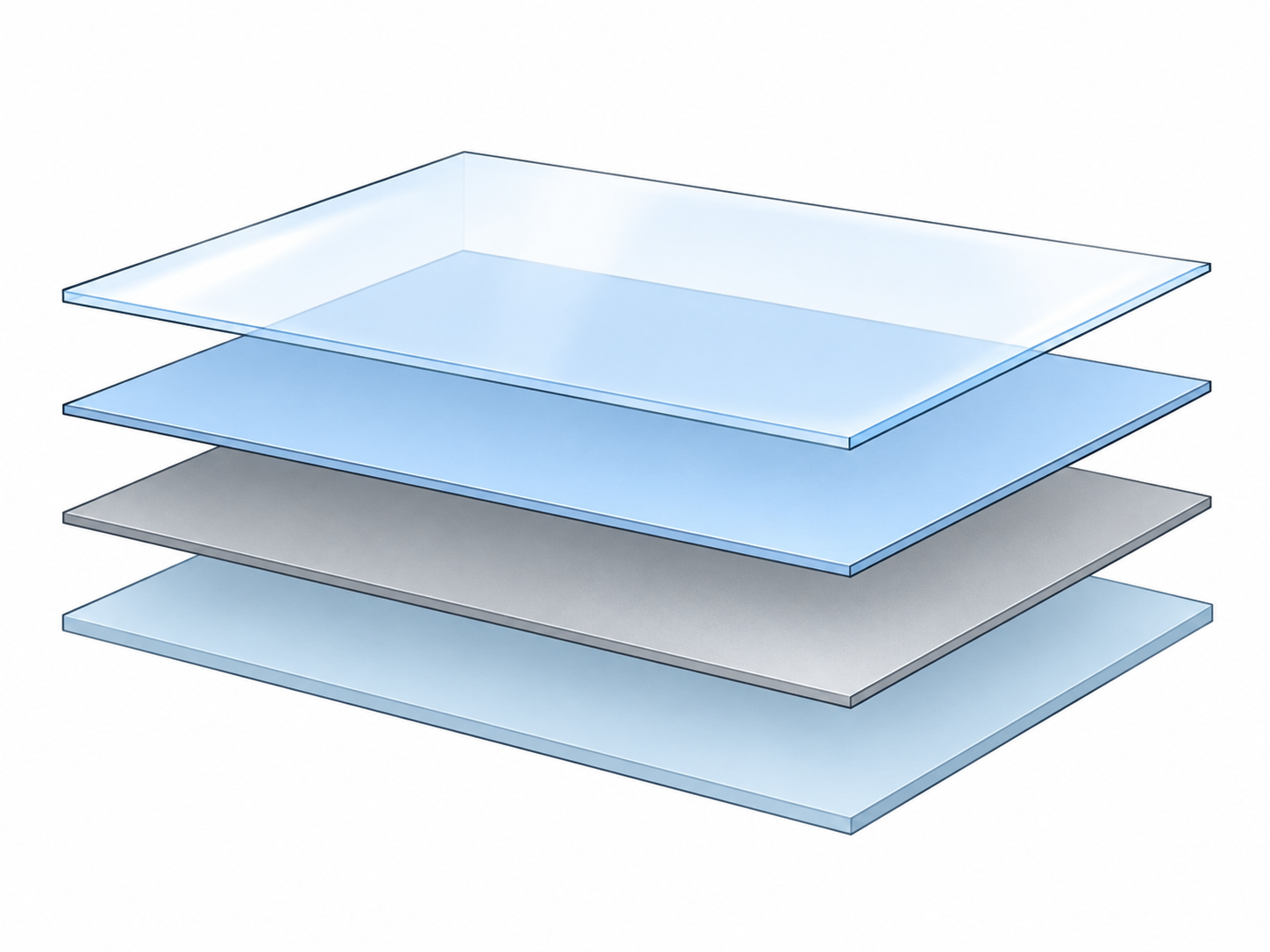
Structures.CloudFilm publishes typical lidding structures such as PET/PE, PET/CPP, BOPP/CPP, and PET/AL/PE. StockPKG Films describes a multilayer model of sealant layer + barrier layer + core layer + print/clarity layer. These are vendor-published structures, not industry standards — confirm the exact layer configuration on your supplier’s technical data sheet (TDS).
Types by seal behavior.Ultraperf and RTG Films group lidding films by how they open: easy-peel films peel from the container by hand; locking or lock-seal films have a strong seal and require scissors or a knife; and resealable is a third opening mode. The easy-peel versus locking distinction is preserved from the existing page.
Types by barrier level.StockPKG Films classifies films into non-barrier, high-barrier, and specialty/functional classes. For modified-atmosphere packaging (MAP), Industrial Packaging lists a high-oxygen option for products that need higher oxygen concentrations.
Types by feature. Vendor-published feature lists include anti-fog, freezable, ovenable, self-venting, perforated, printed, and barrier options (Ultraperf; Industrial Packaging). Not every feature is available on every structure — check with your supplier.
Key takeaway: Lidding film is a vendor-defined top web with named materials, structures, and opening types; confirm the exact layer configuration and features on the supplier’s TDS.
When Was Lidding Film Invented?
The existing page traces easy-peel PE lidding film to the late 1980s, when packaging cups and trays for jelly, yogurt, and ready meals appeared alongside a new generation of flexible packaging equipment. This origin statement is the archived page’s own assertion; no competitor source in this research set corroborates the exact decade. For an authoritative origin timeframe, confirm with your film supplier or consult a packaging-industry history reference. For broader flexible-film history, see Who Invented Flexible Film?.
Key takeaway: The late-1980s origin is the archived page’s claim, not an independently verified industry date.
Why Lidding Film Is Used for Food Packaging
The existing page lists three properties that make lidding film a common choice for food packaging. Each is a property you should confirm on a TDS rather than assume universally.
Anti-fog and moisture resistance. The existing page states that anti-fog technology reduces fog and helps prevent moisture from forming inside the container, keeping produce visible. RTG Films lists anti-fog as a feature of its lidding offerings. For fresh-cut produce, salads, and chilled ready meals, check the supplier’s TDS for the anti-fog rating and whether it survives the intended storage temperature.

Temperature resistance. The existing page notes that lidding films can be designed for freezer sealing or for bakeable applications, and used for refrigerated food or heating in an oven or microwave. The exact temperature range depends on the film structure — confirm the range, not just the feature label.
High barrier. The existing page describes high barrier properties that prevent food from contacting undesirable substances. Where light or oxygen barrier is needed, aluminum can be used in the structure — CloudFilm publishes PET/AL/PE as one structure, and Ultraperf lists foils among lidding materials. For modified-atmosphere packaging, ask the supplier for the oxygen and moisture transmission rates (OTR and MVTR) rather than accepting “high barrier” as a generic claim. For barrier-film background, see Barrier Films.
Key takeaway: Anti-fog, temperature resistance, and barrier are the archived page’s three food-packaging reasons; verify each rating on the supplier’s TDS.
When Lidding Film Is Not the Right Choice
The existing page lists four situations where lidding film is not recommended. Consider these buyer checks:
- No extra protective layer needed. If the container already provides sufficient protection, a sealed lid may add cost without benefit.
- Recyclability is critical. If recyclability is a priority — for example, with paperboard or aluminum cans — lidding film may not be the best fit. Industrial Packaging frames recyclability as a tradeoff: lidding films may not be ideal when recyclability is critical, though greener options exist. Recyclability depends on the film construction and the collection and sorting infrastructure in your region.
- No temperature resistance required. If the product does not need freezer, oven, or microwave performance, a simpler lid may suffice.
- Product unsuited to flexible packaging. Some products are better served by rigid lids or other formats.
Key takeaway: Lidding film is not universal — weigh protection, recyclability, temperature, and format fit before specifying it.
Why Low-Cost Materials Are Common for Lidding Film
The existing page lists four reasons low-cost materials are common for lidding film. These are the page’s stated rationales, not industry facts or proven generalizations — confirm cost, efficiency, and environmental claims with your supplier.
- Reduce production costs. The page states that lower-cost materials can reduce overall packaging cost and improve market competitiveness.
- Improve production efficiency. The page states that lower-cost materials may be easier to handle and process, potentially shortening production cycles.
- Environmental considerations. The page notes that materials such as CPET, APET, PP, and PE are recyclable. Recyclability is not guaranteed for every structure or region — it depends on local collection and sorting infrastructure.
- Meet consumer needs. The page states that consumers can be price-sensitive; lower-cost materials may help reduce selling prices.
Key takeaway: The four low-cost rationales are the archived page’s own reasons; verify cost, efficiency, and recyclability claims with your supplier.
How to Choose a Lidding Film Supplier
Selecting a lidding film supplier is a procurement decision, not a one-size-fits-all choice. Build your evaluation around these buyer checks, grounded in the supplier-selection framework published by StockPKG Films and the supplier framing used by RTG Films:
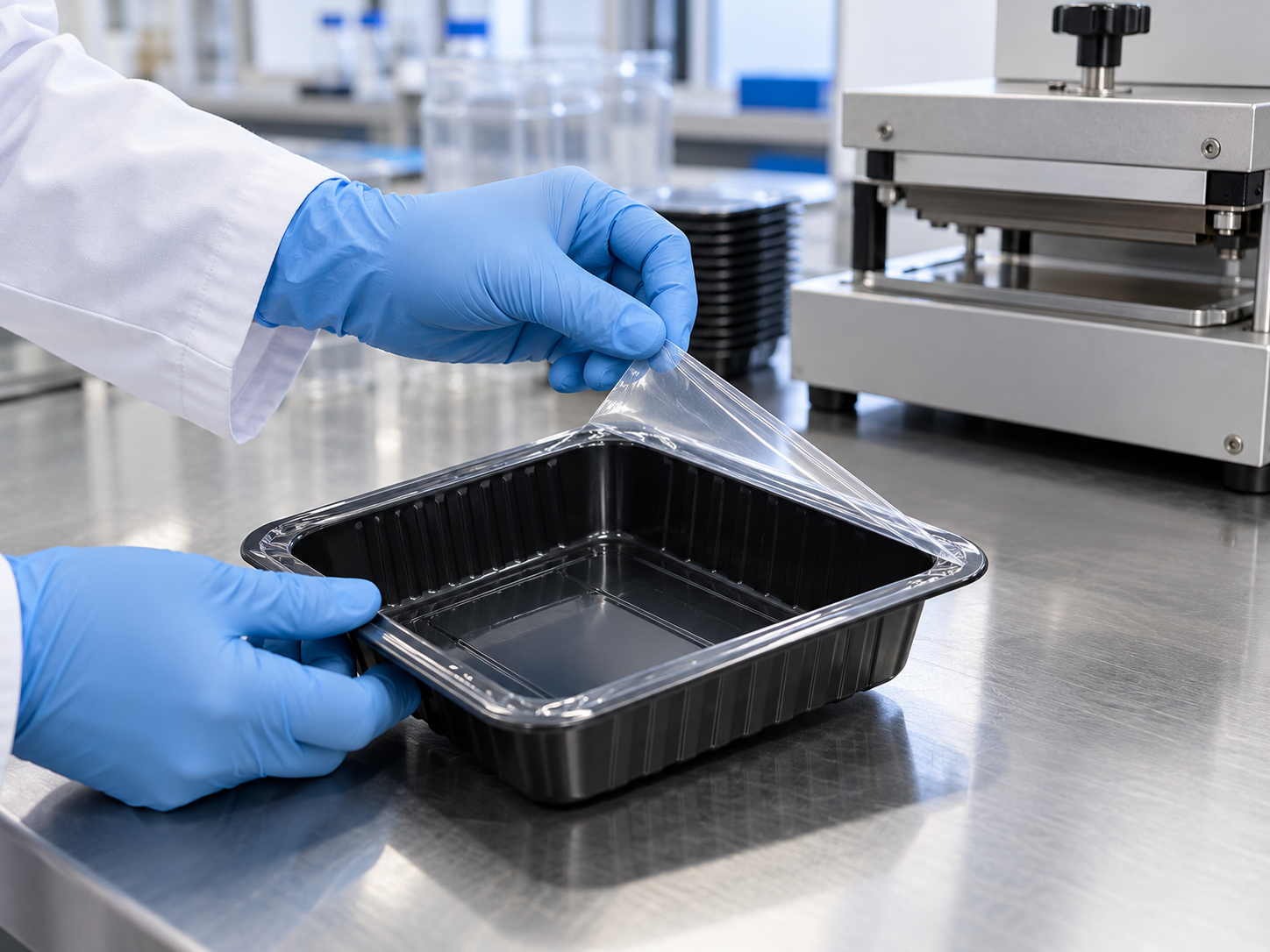
- Seal-compatibility testing. Ask the supplier to test the film’s seal layer against your tray substrate (APET, CPET, PP, PE) and seal equipment. StockPKG Films identifies seal temperature, dwell time, pressure, and line speed as key variables.
- Seal consistency and scrap reduction. Evaluate seal consistency, scrap rates, and changeover frequency on your line.
- Structure customization and batch consistency. Confirm whether the supplier can adjust the layer configuration or gauge, and ask about lot-to-lot variation in seal strength.
- MOQ, lead time, and compliance. Confirm minimum order quantities, lead times, and applicable FDA/EFSA or other food-contact documentation for your market. No MOQ or certification is asserted here.
- Sampling and support. Request samples for line trials and evaluate the supplier’s technical support, delivery reliability, and freight options.
For broader supplier-selection guidance, see Choose the Right Packaging Film Supplier in China. When you are ready for a quote, contact us.
Key takeaway: Evaluate suppliers on seal compatibility, consistency, customization, compliance, and support — then run line trials before committing.
FAQ
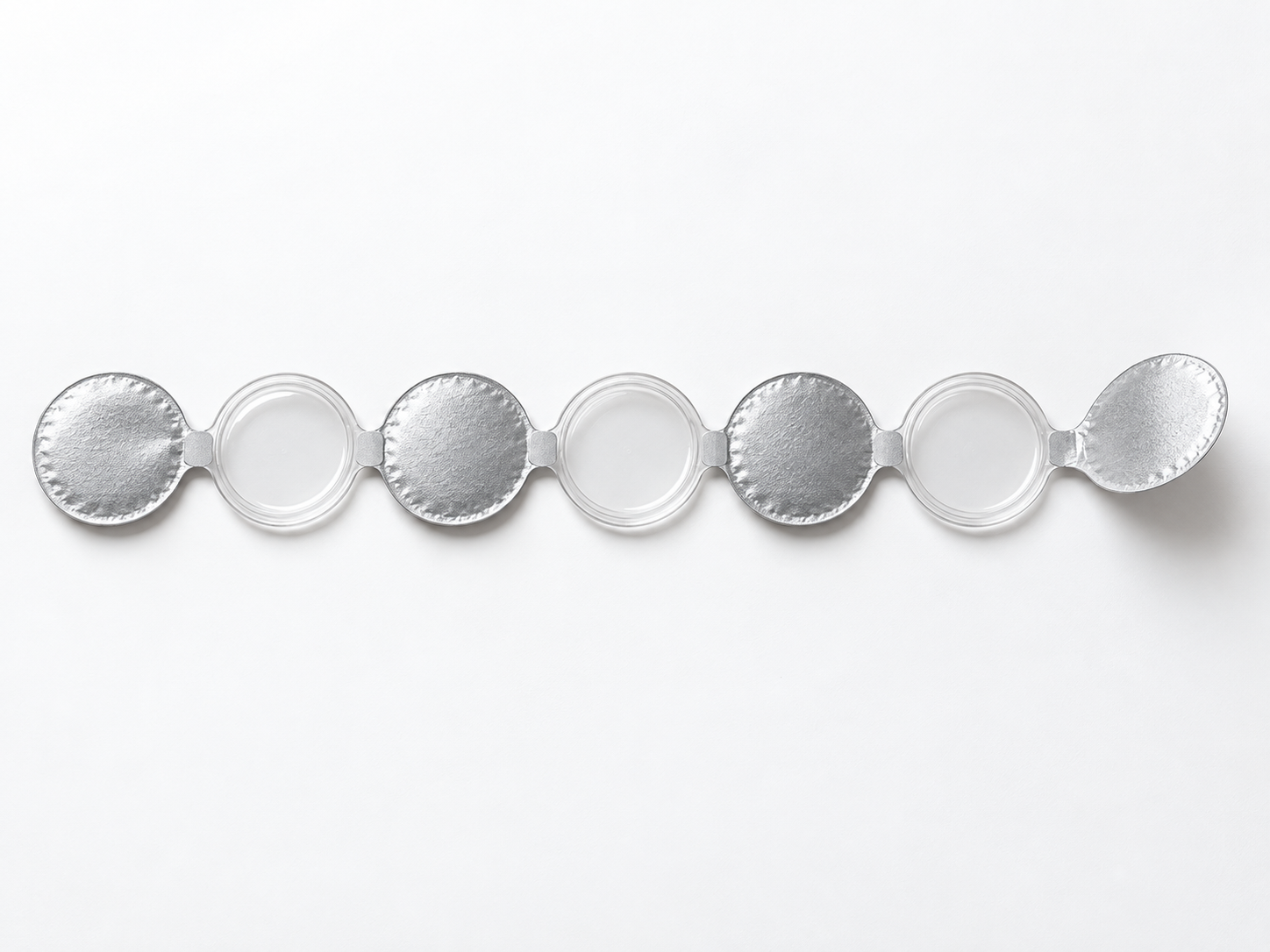
What is daisy chain lidding film?LMI Packaging describes daisy chain lidding as a packaging format in which individual lids are linked together in a continuous strip, connected by tabs, and supplied as one web for high-speed fill-and-seal lines. LMI lists small containers such as coffee creamers, spreads, dressings, dips, sauces, and condiments as typical applications. Winpak also supplies daisy chain lidding for dairy applications and lists top diameters of 34, 37, 41, 51, and 60 mm — these are Winpak’s own product range, not an industry standard.
Can lidding film be recloseable? Yes — resealable is a vendor-published lidding type. Ultraperf and RTG Films both list resealable among their opening modes. Availability depends on the supplier and structure.
Foil lidding vs plastic lidding: what is the difference? No competitor source in this research provides a direct foil-vs-plastic comparison table. Foil (aluminum-based) is listed as a lidding material by Ultraperf and used in CloudFilm‘s PET/AL/PE structure; non-foil lidding films use PE, PET, or PP. Ask your supplier to compare light block, oxygen barrier, clarity, and cost for your specific product before choosing.
What is lidding stock? No competitor source in this research defines “lidding stock.” Ask your supplier to confirm the form (roll-stock versus die-cut), width, core size, and whether it is supplied to converters for your line.
What is a film lid? No competitor source in this research defines “film lid.” Ask your supplier how they use the term (die-cut lid versus roll-form lidding film) and confirm the terminology for your application.
Ready to Spec Your Lidding Film?
Matching lidding film to your container, product, and line requires supplier-side confirmation of seal layer, barrier, temperature range, and compliance documentation. Before you reach out, gather your tray substrate and dimensions, target fill temperature, storage and heating conditions, and expected line speed so the supplier can recommend a structure with real data rather than guesswork. For a quote or to discuss your application, contact CHALVO.
Specifying clear, rigid tray stock? Start with what APET is — properties, thickness ranges and how it compares to PET and PETG.



