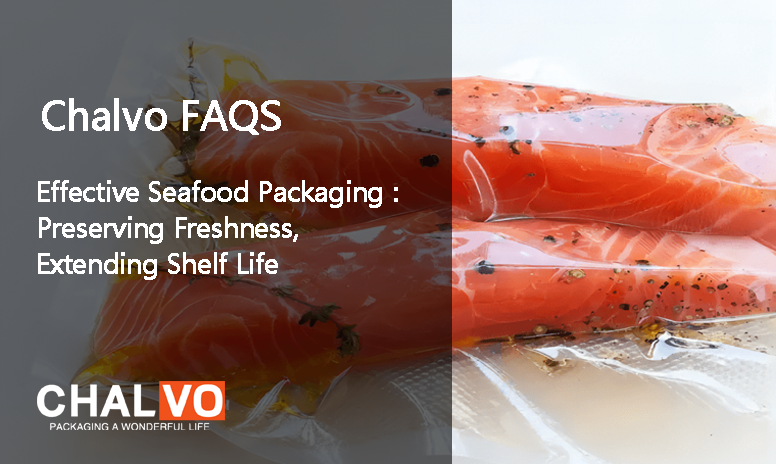
This article explains how different types of packaging are used for seafood to protect against spoilage, contamination, and environmental factors. Various packaging methods, such as vacuum-sealed bags, MAP, and rigid containers, are employed based on the product type (fresh, frozen, or smoked seafood) and consumer needs. The packaging also adapts to storage and transportation requirements, with an increasing focus on sustainable materials.
Highlights
Packaging Methods for Different Seafood Types: Vacuum-sealed bags and MAP extend the shelf life of seafood by reducing oxygen exposure, while rigid containers like trays are ideal for fresh seafood. Frozen fish benefits from vacuum-sealed packaging and individually wrapped portions.
Packaging for Smoked and Canned Seafood: Smoked fish uses airtight containers and wax wraps to preserve flavor and texture, while canned seafood provides convenience and long shelf life.
Sustainability in Seafood Packaging: There is a growing emphasis on using biodegradable or recyclable packaging materials to cater to eco-conscious consumers and reduce environmental impact.