

How to Import Flexible Packaging Film from China


This is a complete guide to flexible packaging films. Learn how to import flexible packaging films from China with this in-depth article.
China is fast becoming a manufacturing superpower, producing a large portion of the world’s consumer goods. Therefore, importing from China has proven to be a lucrative global sourcing strategy for many companies. It is an incredible opportunity for buyers and distributors.
With 81 of the 195 countries in the world importing various products from China, this is a big deal. So, if you are a trader or expert looking to import flexible packaging films, you are heading in the right direction.
As you know, flexible packaging films are an economical and environmentally friendly solution that are widely used in different market needs, such as
- Freshness and moisture protection for food packaging
- High transparency and easy printing for labels
- Sterility and safety for medical packaging
- High heat resistance for electrical insulation
- Durable and tear-resistant for industrial packaging, etc.
Did you get it? All the efforts you put into importing flexible packaging films are worth it.
However, it is not an easy task, especially for newcomers. Importing can be a time-consuming, confusing and expensive affair.
Lengthy shipping times, regulatory fees, rising or fluctuating distribution costs, and unforeseen delays can negate the expected gains.
Nevertheless, you can still benefit from importing packaging film from China if you follow the right guidelines. That’s where we come in handy. We’ve got your back. Here’s our step-by-step guide on how to import packaging film from China.
Let’s get started.
Step 1: Find the Best Channel to Import Flexible Packaging Film from China
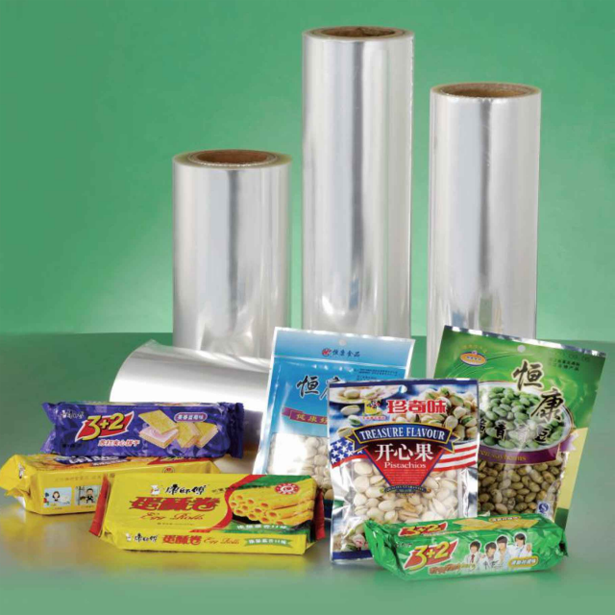
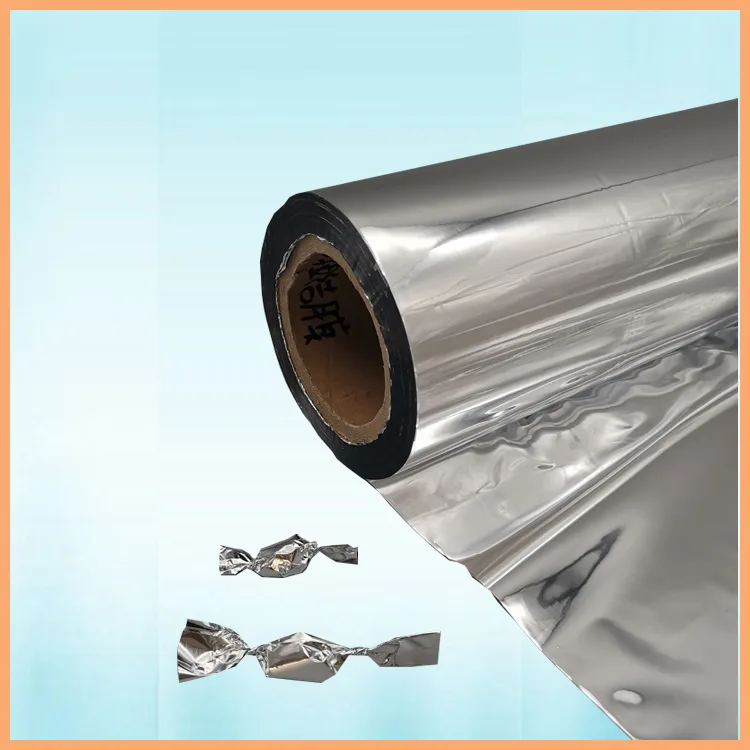
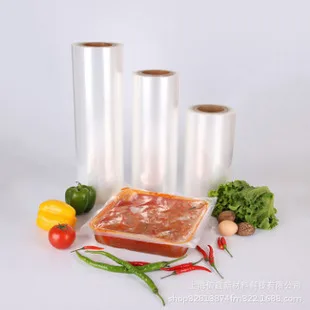


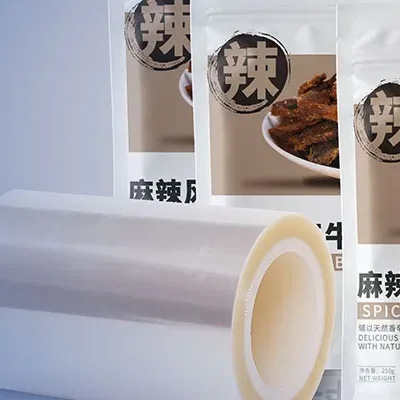
Now that you’ve decided to source your plastic film products from China, what should you do next?
The biggest question you’ll face is which manufacturing company to import from.
Finding a good plastic film manufacturer can be a daunting task.
Fortunately, you can find a variety of manufacturers by going online and using platforms like Google and Alibaba.
Additionally, you can attend any film packaging exhibitions and fairs that are held to interact with manufacturers and other importers.
Finding Manufacturers Using Google
First, use Google to search for reliable flexible packaging film manufacturers.

Look for companies that have professional websites, detailed product descriptions, and positive customer reviews. Established manufacturer websites usually provide comprehensive information about their capabilities, product range, and certifications.
Finding Manufacturers Using Alibaba
Alibaba is a popular platform for finding Chinese manufacturers and suppliers.

Use the search function to find a flexible packaging film manufacturer and pay attention to the supplier’s ratings, transaction history and customer feedback. Contact multiple suppliers to compare products, prices and services.
Attend a trade show to find a manufacturer
Trade shows and expositions, such as the Canton Fair or China International Plastics Exhibition, are excellent opportunities to meet manufacturers face to face.

These events allow you to see products in person, discuss requirements directly with suppliers and make valuable business contacts.
Step 2: Communicate with the manufacturer
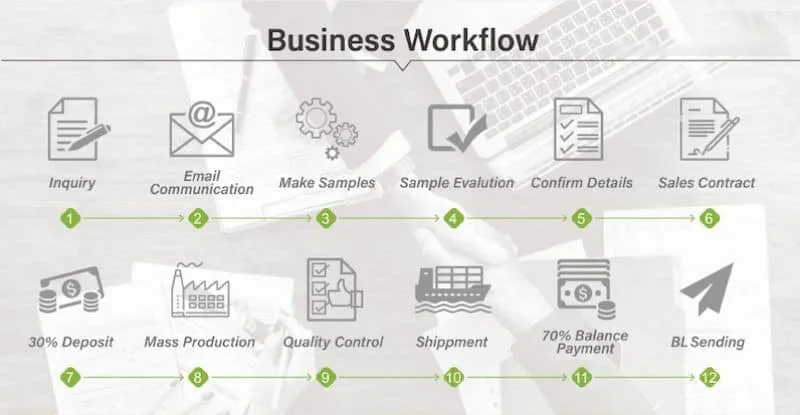
Most companies have working communication platforms you can use to reach out and communicate with them.
A good company will respond to your messages almost immediately. At least before 24 hours.
Good communication will eventually create a better understanding while building trust between you and the manufacturers.
The best way to reach a manufacturer is by email. However, in case they take time to respond, you can give them a call.
Things to avoid when contacting manufacturers
Manufacturers get a ton of messages and emails from potential clients every day. Serious clients and passing ones. Here are a few tips you can use to avoid being ignored.
- Long emails: Your email to the manufacturers needs to be short and to the point. Manufacturers don’t have time to read long emails. After they respond to your straight-to-the-point email, you can jump into the details.
- Asking for too little: If you ask for too little from the manufacturers, they won’t take you seriously.You could call the manufacturing company if you’re unsure if you’re asking for too little.
Step 3: Visit A Flexible Packaging Film Company
If you want to get high-quality plastic packaging film, you have no choice but to make an on-site visit.
When you go to the manufacturing company, you will meet the manufacturer and learn about the manufacturing process.
In addition, you will also go to the company’s product display site and production line.
Visit A Product Display Area
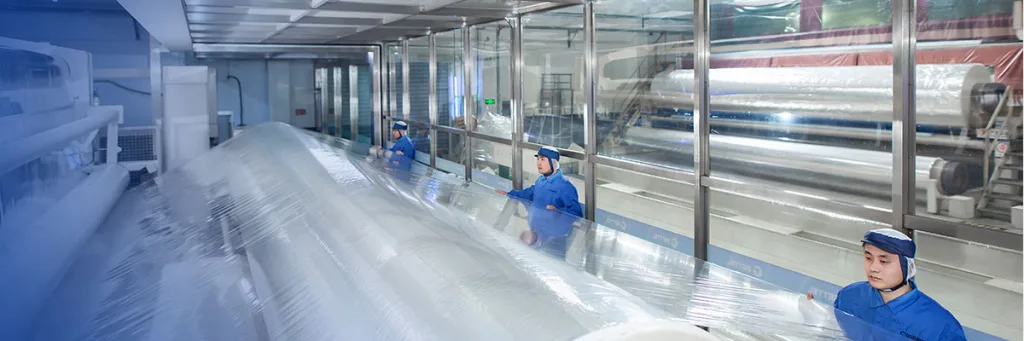
Visiting a manufacturer’s display area allows you to see their product range and quality in person. This visit helps to assess the manufacturer’s capabilities and whether it is suitable for your needs.
The products you’ll site cover:
- BOPP Film
- BOPA FIlm
- PET Film
- BOPE Film
- CPP Film
- EVOH Film
Visit A Production Line
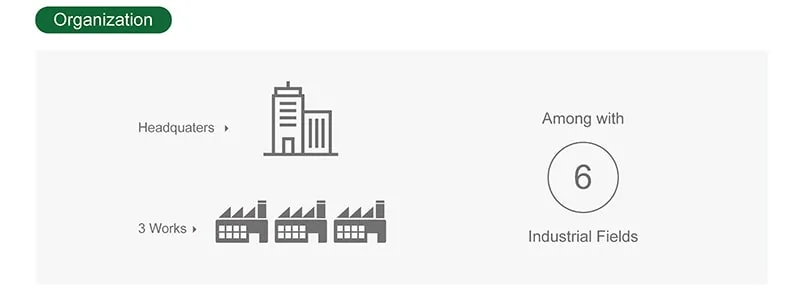
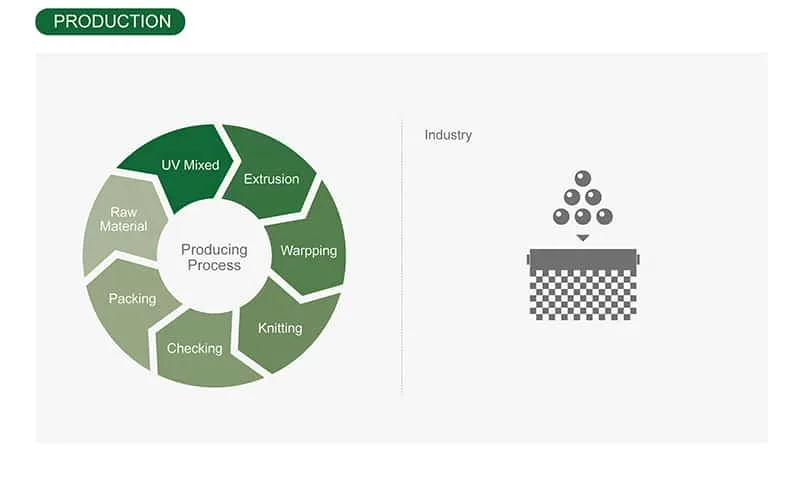
Visiting a production line allows you to understand the manufacturing process, quality control measures and technology used. This is an excellent opportunity to verify the manufacturer’s production capabilities and standards compliance.
What You’ll Get From Taking On-Site Visits (Benefits)
- Relationship: Visiting the company website will give the manufacturer the impression that you are serious about buying from their company.
They will be committed to building a good long-term customer relationship with you.
Building a good relationship with the manufacturer will bring you better prices and services.
- Knowledge: People with knowledge have great power. Likewise, the knowledge gained after a field trip is worth it.
You will get to know first-hand the materials and techniques used to get the final product.
Having a one-on-one conversation with the manufacturer will broaden your thinking and expertise when dealing with agricultural protection nets.
- Communication: A good relationship with the manufacturer will eventually lead to good communication.
With good communication, you can have a beneficial negotiation with the manufacturer.
In addition, good communication will build trust between you and the manufacturer.
- Negotiation: The best place to negotiate is in the company environment after visiting the company.
You can negotiate product customization, adjustments, price and delivery.
- Evaluation: By visiting the company site, you will evaluate the company’s products and how the company operates.
This way, you can make a rational decision whether to continue to buy their products.
Step 4: Considerations Before Importing Flexible Packaging Film
Important things to consider before buying and importing packaging film include:
- Material: Determine if the manufacturer’s film material is what you need. Common film materials include PP, PE, PET, PVDC, etc. Polypropylene is used because it has high tensile strength and is UV and corrosion resistant.
- Size: The size of the packaging film is customizable. A good company will customize your product to your specifications.
- Structure/Construction: MBO, BOPP for packaging film
- Color: Packaging film products are available in a variety of colors: blue, white, black and crystal.
- Weight: The weight of the packa ging film depends entirely on its size.
Before importing, consider the manufacturer’s certification (ISO, EN standards), quality control processes, and compliance with international standards. Evaluate the manufacturer’s cost-effectiveness, reliability, and reputation to ensure a successful partnership.
Step 5: Negotiate Prices with Flexible Packaging Film Manufacturers
The goal of negotiation is to create a win-win situation for you and the manufacturer.
Some strategies for successful negotiations include:
- First, be prepared with detailed negotiation data. This way the manufacturer will feel that you are ready to buy and they will not want to lose you.
- Request product prices according to the quantity level. We all know that buying a single product is more expensive than buying the same product in bulk. Therefore, ask the manufacturer for product prices according to the quantity level.
However, it must be remembered that the higher the quality, the higher the price.
Negotiating with the manufacturer does not mean that you will get the film product at a low price. It means that you will get the product at the best price.
Knowing the manufacturer’s input costs, including labor costs, material costs, and markups, will help you evaluate whether their pricing is reasonable.
In addition, being a good customer will simplify the negotiation between you and the manufacturer.
Requesting endless sample orders without actual purchases and not communicating transparently will reduce your chances of making a significant negotiation.
As a customer, don’t be too hard on the bargain. Remember, both you and the manufacturer are striving to maximize personal profits.
If you cannot visit the company in person and thus cannot negotiate face-to-face with the manufacturer, hire a China representative to assist you.
If you cannot hire a representative, then calling and exchanging emails with the manufacturer will also work.
Step 6: Place An Order with The Flexible Packaging Film Manufacturer
After the negotiation is successful, it is time to place the order with us.
Sample Order or Bulk Order
A sample order is a small order you place for one or more products you want to buy.
When sample orders arrive, you can check them to determine whether to make a larger purchase.
Sample orders are less risky because they can save you a huge loss if you don’t like the products after seeing them. After all, you can buy sample orders at a discount.
Making sample orders is especially beneficial for customers who haven’t made an on-site visit yet.
Here is a list of what you should include in your email when discussing sample orders with a manufacturing company:
- Clearly state that you are requesting a sample order.
- What products do you want to try out?
- Let’s say you want any customizations to be made with your sample order. If so, clearly and in detail state the customizations to be made.
- The number of sample orders you want to order.
- Your shipping address.
If you have made an on-site visit, then creating a bulk order would be the best option because you have enough knowledge to take this risk.
Step 7: Pay the Deposit
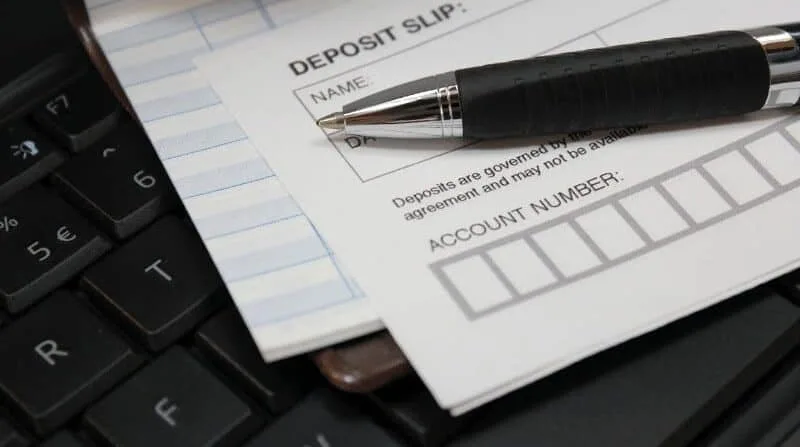
After placing the order, the next step is to make the payment. In most cases, you will need to pay 70% of the total amount before the company will start processing your order.
You will get your bank details from the manufacturer.
One benefit of a site visit when paying a deposit is that you can negotiate and work out a payment arrangement with the manufacturer.
Once you pay the initial deposit, the manufacturing process of the product begins.
Step 8: Inspect the Product
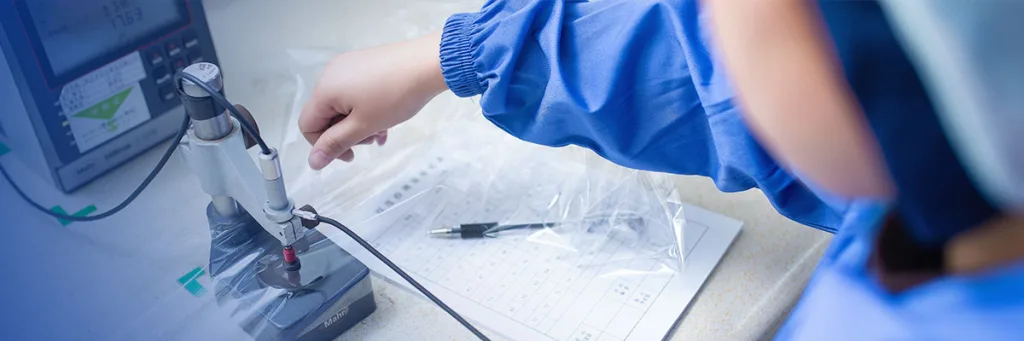
Arrange a pre-shipment inspection to ensure that the product meets your specifications and quality standards. This step helps prevent any problems before the goods are shipped.
Step 9: Final Payment
When everything is ready, you need to settle the balance, which is the remaining 30% of the total amount. In some cases, after successful negotiations, the customer will ask for payment after PDS submission, which is also acceptable to us.
There are also some special cases where you can pay 50% of the payment at the deposit stage and then pay the remaining 50% before delivery. This usually happens in the case of orders that do not contain any customized content, because our film customization is different from other products. The customization process is irreversible. Once the customization is accepted, our film products are basically not resaleable.
Step 10: Prepare to Import Flexible Packaging Film
Regardless of what you are importing, one of the areas you should be very knowledgeable about is Incoterms and the implications of different shipment methods.
Shipping Method
Choose the most suitable shipping method based on your budget and urgency. Options include sea transportation, air transportation and train transportation.
- Sea: Use ocean shipment to ship bulky products that don’t need to be shipped quickly.Shipping by sea is cheap.
- Air: Shipping by air is the most expensive way to ship goods.However, it’s worth it because you’ll get your shipments faster and in the best condition.
- Train: With the construction of the Belt and Road Initiative, China is becoming more closely connected with Central Asia and Europe. From China, along the Belt and Road, you can reach Europe by rail. The China-Europe Express can shorten the voyage from 30 days by sea to 18 days, and also provides additional options for different transportation routes.
Using International Trade Terms
Interpretation of International Trade Terms (Incoterms) Understand the International Trade Terms used in the contract to clarify the responsibilities of the buyer and seller during the transportation process.
Ex Works (EXW)
The advantages of EXW: The buyer has full control over the transportation process and can choose their own logistics provider.
Free on Board (FOB)
The advantages of FOB: The seller is responsible for the goods before they are loaded on the ship, thereby reducing the buyer’s risk.
Freight Forwarders and Customs Brokers
Consider using freight forwarders and customs brokers to handle the complexity of transportation and customs clearance. Their expertise can ensure a smoother import process.
Step 11: Track the Goods while Waiting for the Product to Arrive
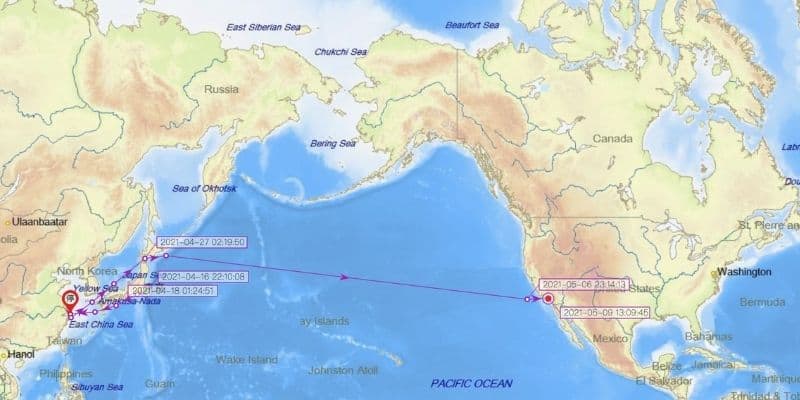
International goods transported by water will take some time to reach the designated destination.
It takes 14-40 days to ship goods from China to other destinations.
The consignee will receive a notification from the ship’s authorities when the shipment is five days or less away from arriving at the port.
The consignee will notify the port authorities, who will then notify you or your customs broker.
Step 12: What to Do after the Product Arrives at the Port
Once your product arrives at the port in your country, there are some necessary formalities you should fulfill before the product is received.
You will need to pay the customs duty, as most goods coming from China are subject to customs duty.
Once you have settled the customs duty and filled the customs declaration form, your product will be shipped to you from the warehouse.
If you don’t want to go through all the hassles, you can hire a customs broker to do it for you.
Step 13: Transport the product from the port to the warehouse/storage
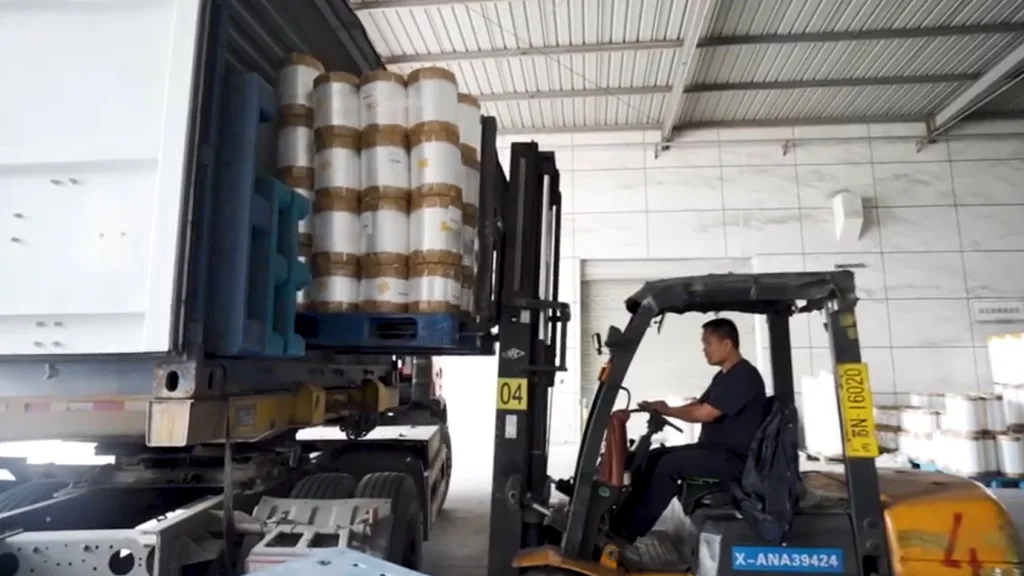
Arrange for the shipment of the goods from the port to your warehouse or storage facility. Make sure the product is handled with care to avoid damage.
Step 14: Check the Warranty on the Flexible Packaging Film
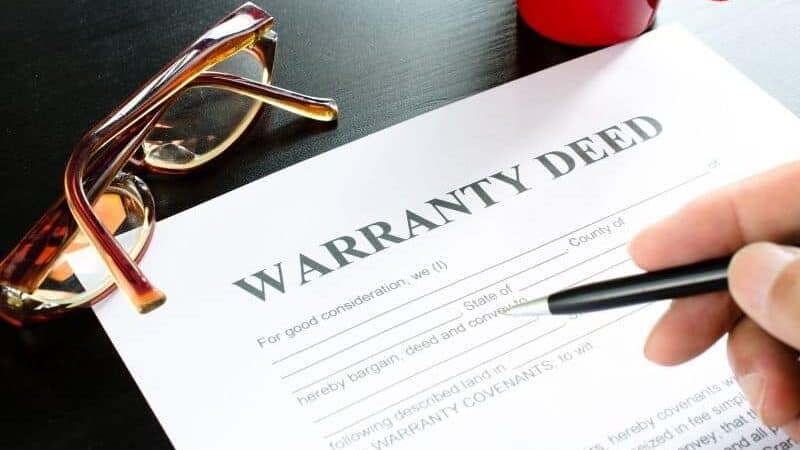
Every roll of high-quality film packaging should come with a standard warranty. There are two types of warranties:
Express warranty: This guarantees that our product meets standard quality and performance.
Implied warranty: This is to assure you that the product will operate and perform as expected.
Most films come with a one-year warranty.
Pro Tip: The longer the product warranty, the better the quality.
Conclusion
Importing flexible packaging film from China can be a cost-effective way to obtain high-quality products. By following this comprehensive guide, you can smooth the import process and establish a successful relationship with a reliable manufacturer. For high-quality BOPP film and excellent customer service, contact Chalvo for your packaging needs.



