How to Store for Packaging Film to Ensure Quality?

Summary
Packaging film plays a crucial role in protecting products, maintaining freshness, and enhancing the visual appeal of packaged goods. However, to achieve optimal results, it is vital to store and care for packaging films correctly. Without proper care, films can face issues like blocking, wrinkling, or even damage, which can affect their performance. This article explores the best practices for storing and caring for packaging films, the impact of environmental conditions, and tips for mid- and high-latitude countries to avoid common storage problems.
Highlights
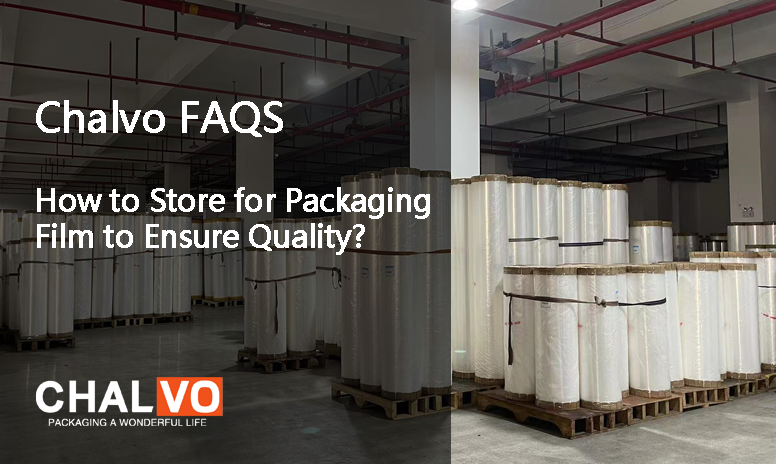
- Store Films in a Cool, Dry Place. Film should be stored in a climate-controlled environment with stable temperatures and low humidity.
- Keep Films Away from Direct Sunlight. UV radiation can cause the film to become brittle and less effective.
- Avoid Excessive Stacking, reduce the risk of damage
- Rotate Your Stock Regularly, adopting a first-in, first-out (FIFO) method
The Importance of Proper Film Storage
Proper storage of packaging films is essential to maintain the integrity and functionality of the product. Issues such as blocking—where two film layers stick together—can arise if films are not stored correctly. Blocking often occurs due to excessive heat, pressure, or inadequate spacing between film layers.
Consequences of Improper Storage:
- Loss of Physical Properties: Exposure to heat or humidity can lead to reduced strength, elasticity, and clarity, affecting the film’s performance during packaging.
- Blocking and Wrinkling: Improper storage conditions can cause films to stick together or become wrinkled, leading to downtime during processing and increased waste.
- Contamination Risks: Storing films in areas exposed to dust, dirt, or chemicals can lead to contamination, impacting the hygiene and safety of packaged products.
By prioritizing proper storage practices, businesses can avoid these issues, reduce waste, and maintain the efficiency of their packaging operations.
Environmental Conditions That Will Affect Your Packaging
The storage environment plays a critical role in preserving the quality of packaging films. Changes in temperature, humidity, and light exposure can impact film performance. Here’s how different environmental factors affect packaging films:
Temperature Variations
High temperatures can cause packaging films to soften, leading to blocking and adhesion issues. Conversely, extremely low temperatures can make films brittle and prone to cracking. It is essential to maintain stable temperatures in the storage facility to prevent these problems.
Humidity Levels
Excessive humidity can lead to moisture absorption by packaging films, which can weaken the film’s adhesive properties or cause it to stick together. Controlling humidity levels in the storage area is critical, especially in regions with varying seasonal humidity.
UV Exposure
As mentioned earlier, exposure to UV light can degrade the structural integrity of films, causing them to become brittle, discolored, or less flexible. Films should be stored away from windows or fitted with UV-blocking covers to minimize exposure.
How Do I Know If My Stretch Film Is Damaged?
Identifying signs of stretch film damage early can help prevent potential issues during packaging operations. Here are some key indicators that your stretch film may be damaged:
Changes in Color or Clarity
If the film appears discolored or cloudy, it could indicate UV damage or contamination. Stretch films should be consistently clear and uniform in color, depending on their original design.
Reduced Elasticity or Strength
A damaged stretch film may not stretch as much as it should or may break easily under tension. Perform a simple stretch test by pulling on a section of the film to assess its flexibility and elasticity.
Surface Sticking or Tackiness
If the film sticks to itself or feels tacky, it may indicate blocking issues caused by improper storage conditions, such as excessive heat or pressure.
Presence of Wrinkles or Deformations
Wrinkles or distortions in the film’s surface can indicate improper storage, where the rolls were either stacked too high or exposed to heat. This deformation can lead to issues during application, resulting in uneven wraps.
What Should Countries in Mid- and High-Latitudes Pay Attention to When Storing Films?
Countries in mid- and high-latitude regions often experience significant temperature fluctuations throughout the year, which can impact the storage of packaging films. Here are some considerations for businesses in these regions:
Seasonal Temperature Control
Temperature fluctuations between summer and winter can cause the films to expand or contract, leading to potential damage. It is essential to invest in climate-controlled storage facilities that maintain consistent temperatures year-round.
Insulated Storage Facilities
In colder regions, storing packaging films in unheated warehouses can cause the film to become brittle. Insulated storage facilities with temperature controls can help prevent films from cracking in cold weather.
Humidity Control During Seasonal Changes
In regions with varying seasonal humidity, implementing dehumidifiers or air conditioning systems can help maintain stable humidity levels, preventing moisture-related issues such as blocking or mold growth.
UV Protection Measures
Even in high-latitude regions, exposure to UV light during summer months can still pose a risk. Ensure that storage facilities are equipped with UV-blocking measures to protect films from degradation.