

RCPP Film for Retort Pouch Sealing Layers Buyer Guide
Buyers should select RCPP film for retort pouch sealing layers by matching the film to the actual food, laminate structure, filling route, sealing process...

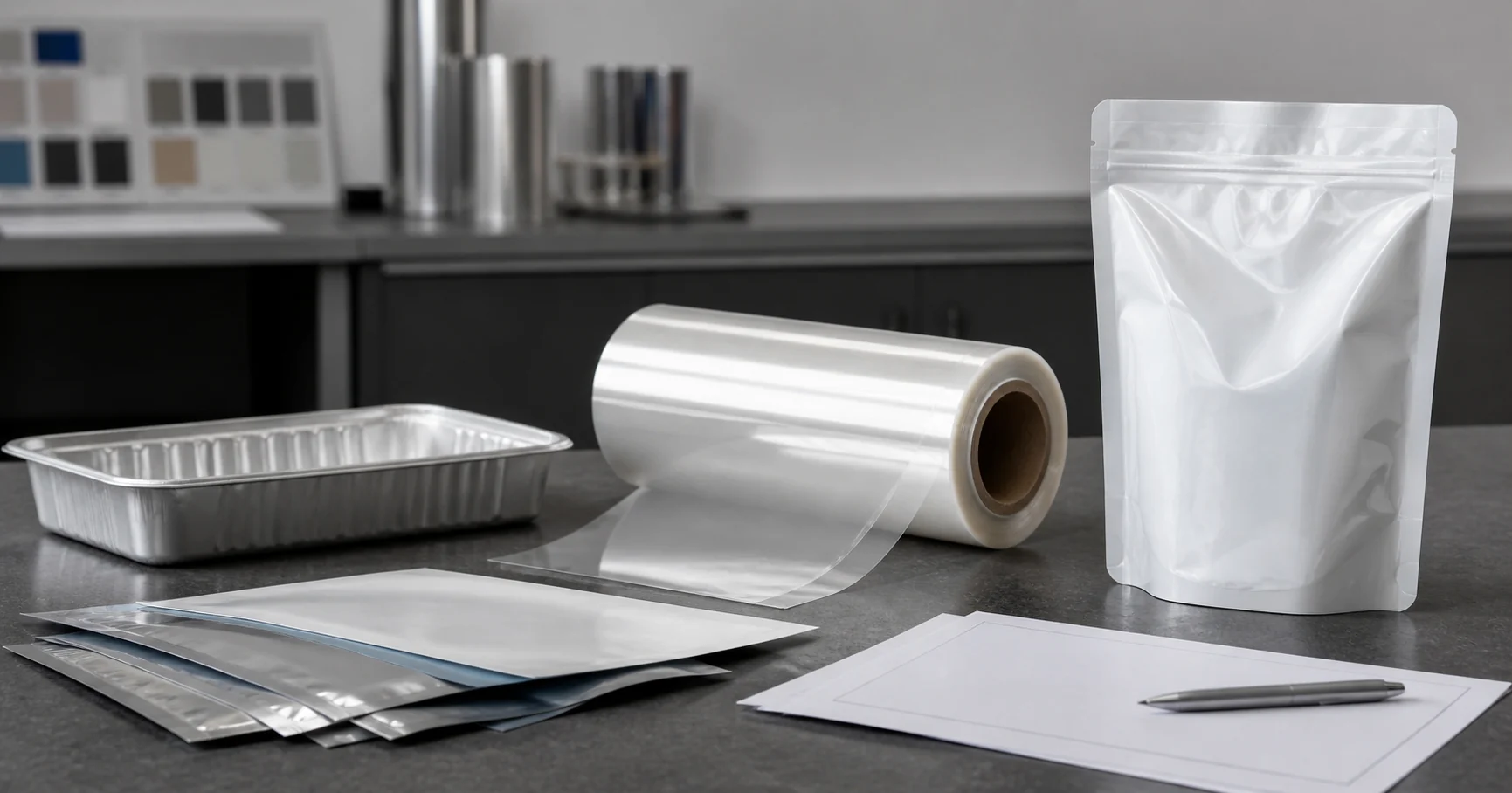
Buyers should select RCPP film for retort pouch sealing layers by matching the film to the actual food, laminate structure, filling route, sealing process, and retort validation plan. RCPP should not be approved from a material name alone. Ask CHALVO for the latest TDS, samples, and application validation discussion for the exact grade, pouch format, and target market.
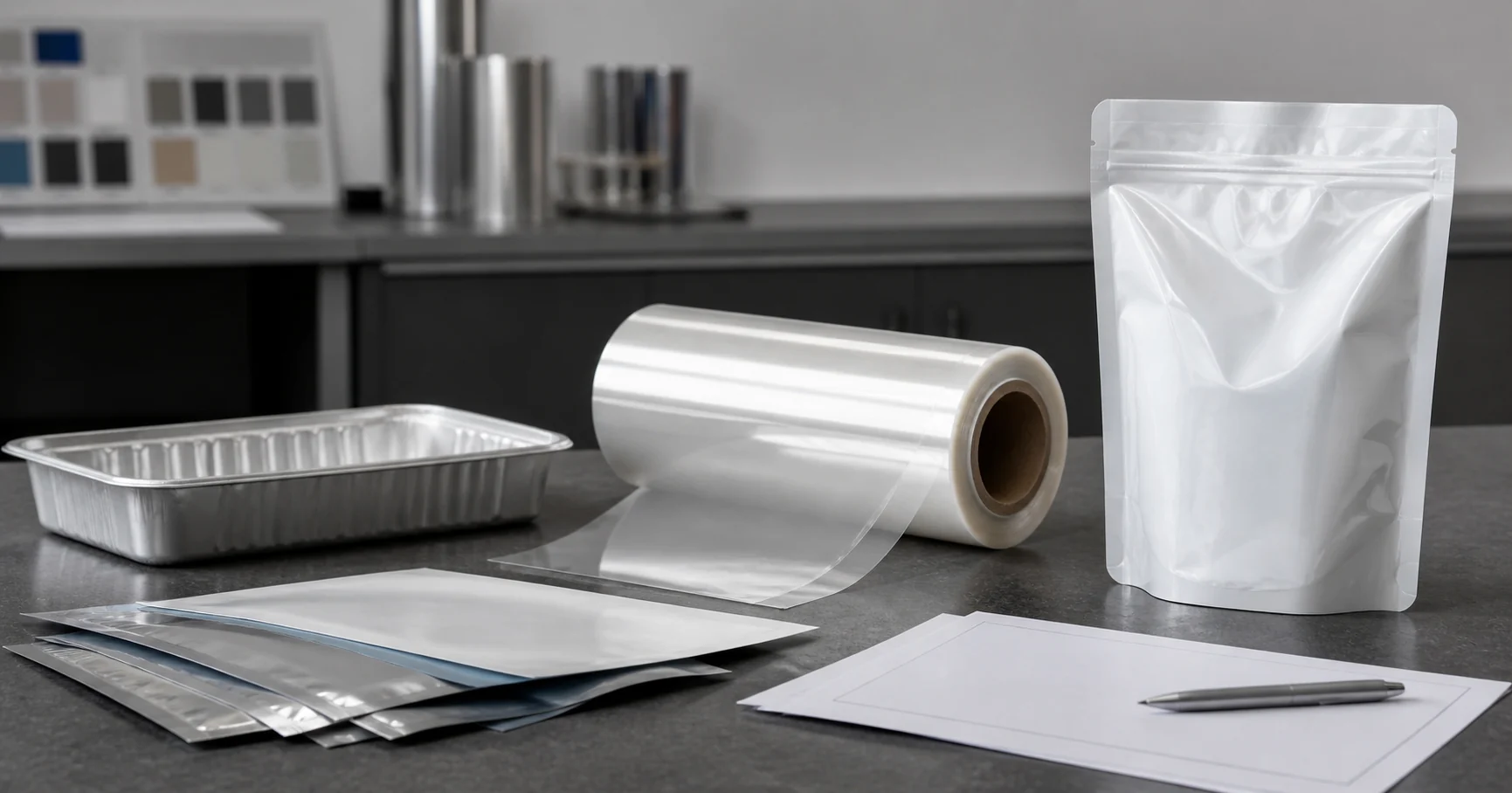
Retort pouch problems often begin with small warnings: a seal that looks acceptable before sterilization, a laminate that passes a desk review, or a sample pouch that works in a simple trial but fails when product, filling, sealing, and retort conditions come together.
For procurement teams, converters, packaging engineers, and quality teams, this creates approval risk. RCPP film can be a useful retort pouch sealant layer direction, but only when it is evaluated as part of the full laminate and finished-package validation route.
What role does RCPP film play in a retort pouch laminate?
RCPP film is commonly discussed as the inner sealant layer in retort pouch laminate structures. In a pouch, the inner layer contacts the product side and forms the heat seal, so it must be reviewed with seal integrity, product compatibility, and processing conditions in mind.

The sealing layer does not work alone. A retort pouch may also involve outer print layers, barrier layers, adhesive lamination, inks, pouch converting, filling, heat sealing, sterilization, cooling, storage, and distribution.
For CHALVO discussions, buyers should treat RCPP as a retort pouch sealant layer direction, not a final approval by itself. The final decision should be tied to the exact laminate structure, product type, retort process, and validation evidence.
Why should buyers avoid choosing RCPP film by material name only?
The term RCPP tells the buyer a broad material direction, but it does not confirm the exact grade, seal behavior, laminate compatibility, food-contact documentation, or retort suitability for a specific project.
A ready meal pouch, sauce pouch, seafood pouch, baby food pouch, pet food pouch, and rice pouch may place different stresses on the sealing layer. Product oil, solids, headspace, pack weight, pouch format, seal design, and cooling route can all change finished-package behavior.
A useful inquiry is not "send RCPP film." A useful inquiry explains the food, pouch size, laminate structure, filling method, retort validation target, sealing problem, and documentation needs.
How is RCPP different from standard CPP in buyer evaluation?
CPP and RCPP are both polypropylene-based film directions, but buyers normally evaluate them for different packaging demands. Standard CPP may be considered for general flexible packaging sealant roles. RCPP is discussed when the application requires a retort pouch sealing layer direction.
Buyers should ask whether the proposed grade is intended for the retort application, whether it fits the laminate route, whether current TDS support is available, and whether samples can be tested under the real pouch and process.
Avoid turning the comparison into a generic promise. Without current grade-specific evidence, the article should not publish fixed thickness ranges, seal window numbers, retort temperature claims, puncture data, or compliance guarantees. Those values belong in the latest CHALVO TDS, sample discussion, and application validation record.
What buyer information should be confirmed before requesting RCPP film samples?
Before asking CHALVO for RCPP film samples, buyers should prepare a focused technical brief. This helps the supplier understand the risk and avoid sending samples that do not match the real project.
Useful information includes:
- Food type, pouch format, size, filling weight, seal design, and intended use
- Current or proposed laminate structure
- Printing, lamination, curing, pouch-making, and filling route
- Retort process conditions to be validated by the buyer or packer
- Target market, documentation needs, current failure photos, or test evidence
This information does not replace testing, but it gives CHALVO a better starting point for sample selection, TDS review, and validation discussion.
What should converters check in the laminate structure?
Converters should review RCPP film inside the complete laminate because final pouch performance depends on the sealant layer, barrier layer, adhesive system, print layer, converting process, and retort exposure.
Key questions include:
- Is the proposed structure designed for the product and retort route?
- Is the adhesive and curing process suitable for the intended application?
- Does the inner sealing layer match the pouch format and seal design?
- Are print, barrier, and sealant layers being tested as a finished structure rather than as isolated materials?
- Are there risks of delamination, edge weakness, wrinkles, odor, or appearance change after processing?
If a buyer changes only the sealant layer, the rest of the structure still needs review. A film that works in one laminate may not behave the same way in another.
Why do retort pouch seals fail even when the film seems suitable?
Seal failure after retort is often a system problem. The sealing layer may be part of the cause, but other factors can contribute.
Common causes to investigate include:
- Incorrect sealant layer direction for the product or process
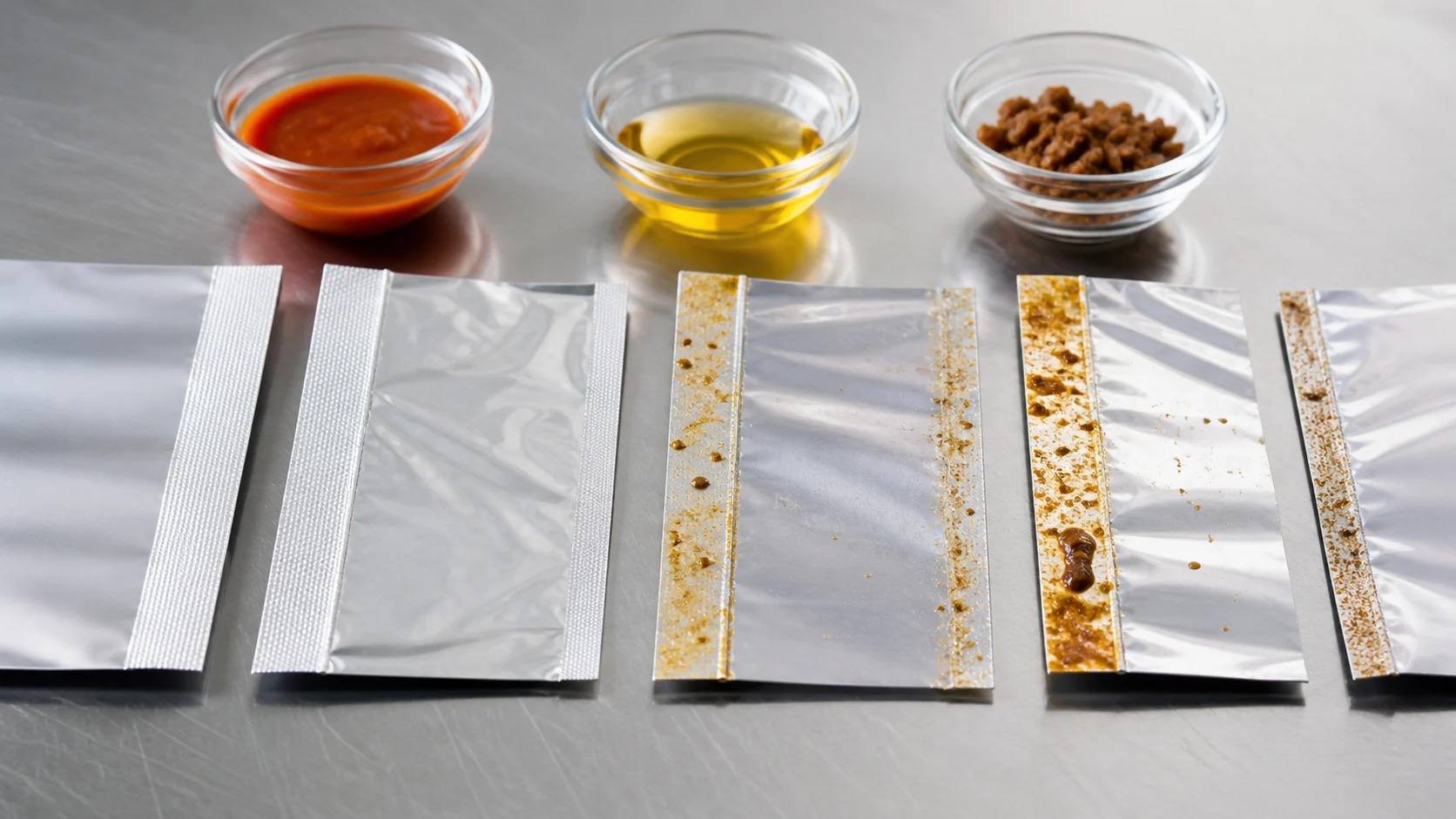
- Seal contamination from oil, sauce, powder, meat fiber, or liquid
- Incomplete sealing parameter validation on the buyer's equipment
- Lamination or adhesive compatibility problems
- Pouch design, seal width, fold, gusset, or edge stress issues
- Retort, cooling, storage, or distribution conditions that were not reflected in early trials
Approval should include filled pouch checks and finished-package review before and after the buyer's intended retort route.
How should buyers handle heat seal and contamination concerns?
Heat seal performance is one of the main reasons buyers focus on the RCPP layer, but it should be evaluated under realistic production conditions. A clean lab seal does not fully represent a line where the seal area may face sauce, oil, powder, rice grains, fibers, uneven filling, or pouch tension.
Buyers should discuss three points with CHALVO and the converter:
- What seal behavior is needed for the pouch format?
- What contamination risk exists during filling?
- What finished pouch validation will be used before commercial approval?
This article does not state a universal seal temperature, seal strength, or seal window because those figures depend on the exact grade, structure, machine, and test method. Buyers should request the latest CHALVO TDS and run application trials on the actual structure.
What validation should be done before approving an RCPP sealing layer?
A practical validation plan should follow the package from material review to finished-pack testing. The exact plan should be defined by the buyer, converter, packer, and applicable market requirements.
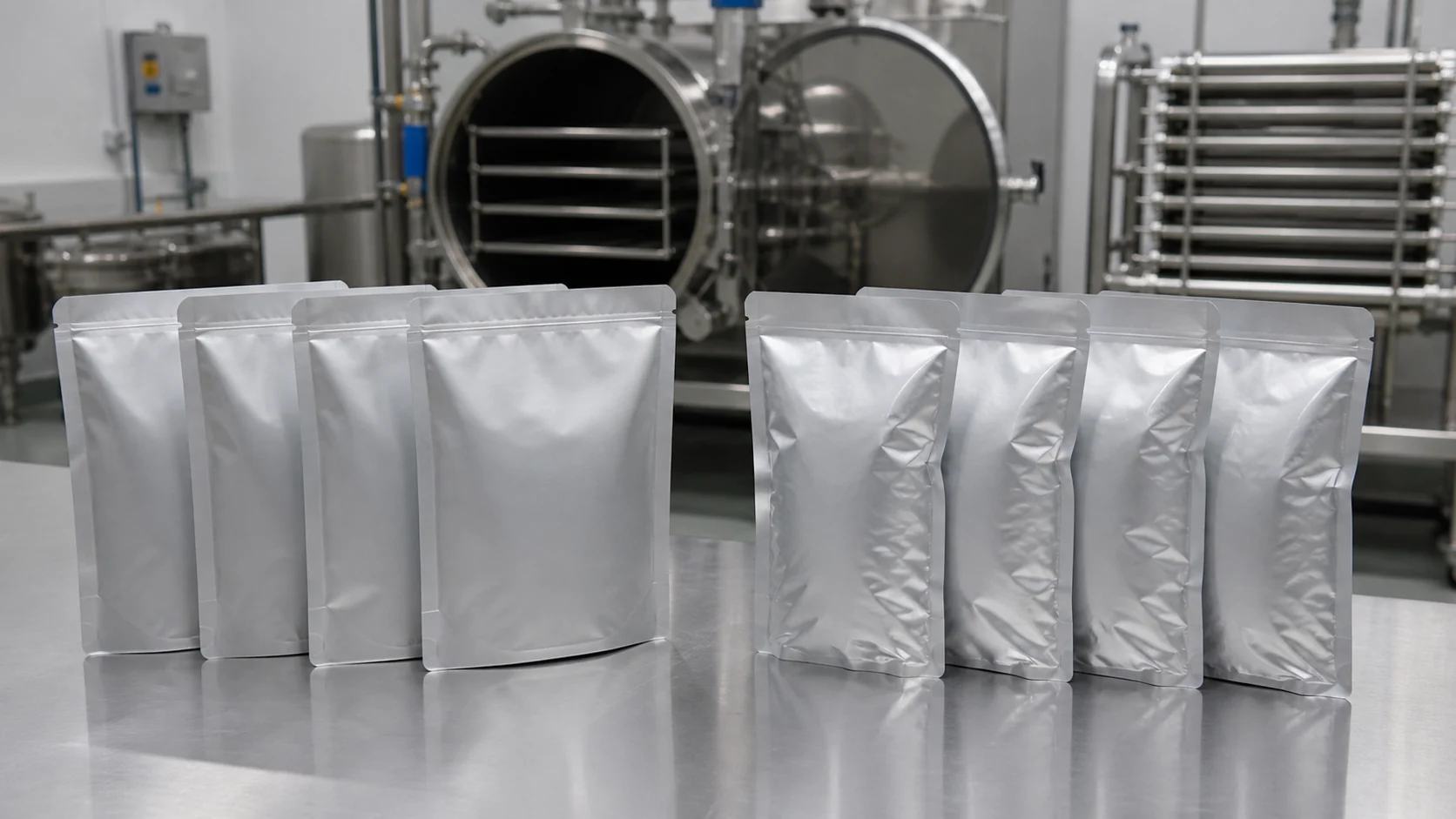
Typical review areas include:
- Material review: TDS, sample identity, traceability, and intended application
- Converting review: printing, lamination, curing, pouch forming, and seal design
- Filling review: product contact, seal contamination, accuracy, and handling
- Retort review: buyer-defined conditions, cooling, appearance, seal integrity, and laminate condition
- Distribution and documentation review: handling risks, food-contact documents, regulatory requirements, and market-specific claims
Food safety and retort suitability should be confirmed according to the target product, structure, regulation, and validation conditions. Buyers should not treat a generic material family as a finished compliance decision.
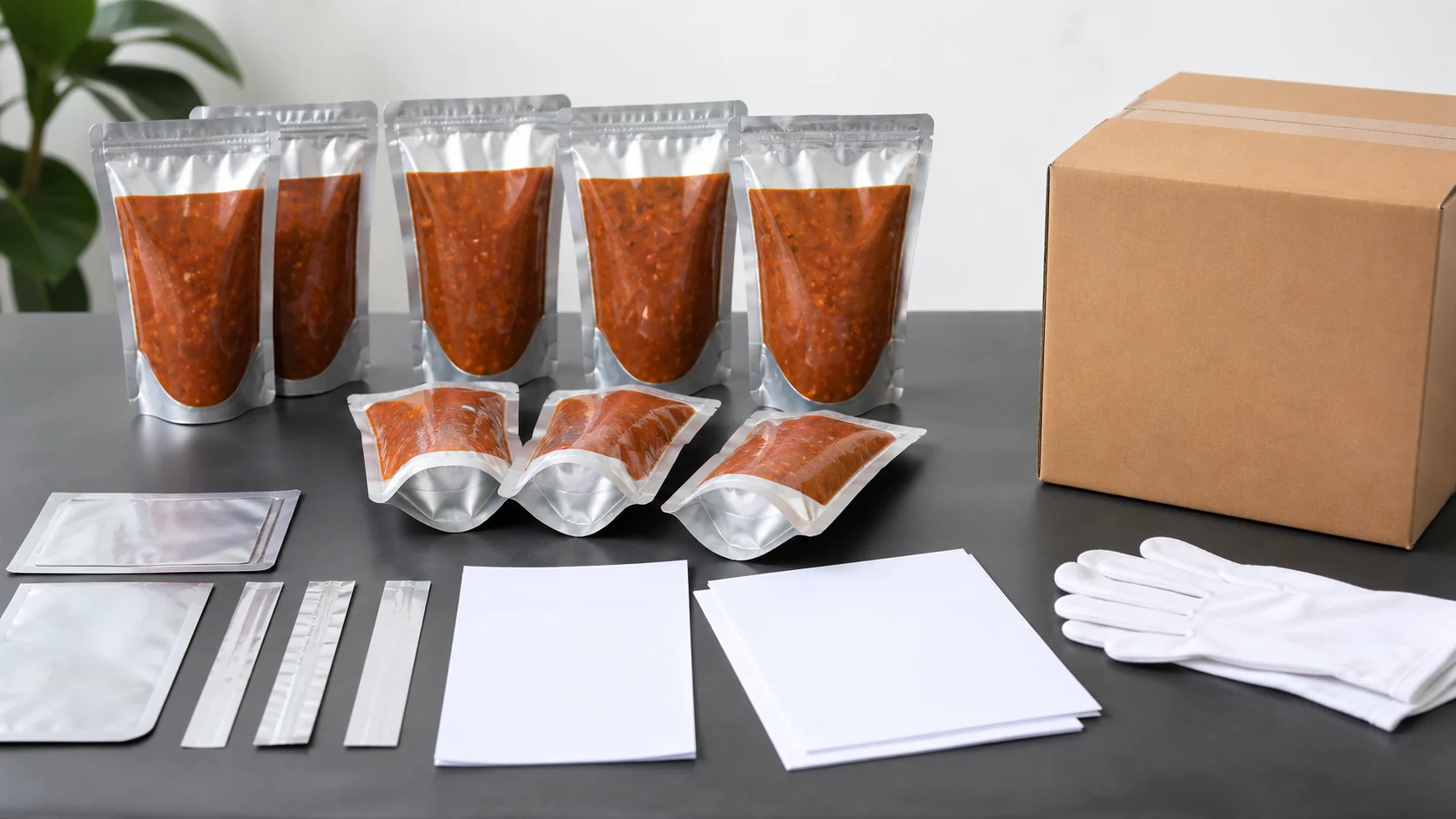
What food safety or compliance claims should buyers verify?
Buyers should verify every claim before using it in a specification, customer document, or package approval file. Do not assume that an RCPP film automatically carries food-contact approval, retort suitability, recyclability qualification, or market-specific compliance.
The buyer should request current documentation for the exact CHALVO grade and intended application. The review may need to include food-contact statements, declaration scope, target market, and whether the film is used as part of a multilayer laminate.
If the project involves baby food, seafood, meat, pet food, sauce, or export markets, the documentation discussion should start early.
How can CHALVO support RCPP film selection?
CHALVO can support buyers by turning a broad RCPP film request into a structured retort pouch sealant layer discussion: application first, sample direction second, evidence review third, validation next.
CHALVO can help discuss:
- RCPP film and retort pouch sealant layer direction
- Laminate structure options for the buyer's product and pouch format
- Heat seal, contamination, and retort validation questions
- Sample requests and TDS review for the exact grade
- Application validation points for converters, packers, and quality teams
The goal is to help the buyer select a realistic direction and collect the right evidence before scaling up.
What should be included in the buyer's RFQ to CHALVO?
A strong RFQ should make the application clear enough for technical discussion. Include the product type, pouch format, laminate structure, filling and retort process information, current problem, failure photos if available, target documents, and a request for the latest CHALVO TDS, sample options, and validation discussion.
FAQ: What else do buyers ask about RCPP film for retort pouch sealing layers?
Can one RCPP film work for all retort pouch applications?
No. The correct direction depends on the food, pouch format, laminate structure, filling route, retort process, target market, and validation results.
Is RCPP alone enough to determine retort pouch performance?
No. RCPP is one layer in the laminate. Final performance depends on the complete structure, adhesive system, printing route, sealing operation, filling process, retort conditions, and distribution handling.
Can CHALVO guarantee retort performance from the film name?
No. Retort performance should be confirmed through the latest TDS, sample evaluation, finished-pouch validation, and buyer-defined approval conditions.
Should buyers request food-contact documents before samples?
They should discuss documentation needs early. Requirements depend on the target food, market, structure, regulation, and intended use.
What is the best first step for a new RCPP film inquiry?
Send CHALVO the product type, pouch format, laminate structure, filling method, retort validation conditions, current issue, target market, and required documents.
Summary
RCPP film can be an important retort pouch sealant layer direction, but buyers should approve it only through a complete package evaluation. The decision should connect the food, laminate structure, heat seal requirements, contamination risk, retort validation, compliance documents, and finished-pouch testing.
For CHALVO buyers, the best path is to share the real application, request the latest TDS and samples, and confirm the validation plan before production approval.
Meta Title
RCPP Film for Retort Pouch Sealing Layers: Buyer FAQ
Meta Description
Learn how buyers should select RCPP film for retort pouch sealing layers, including laminate fit, heat seal risk, retort validation, CHALVO samples, and TDS review.
CTA
Send CHALVO your product type, pouch format, laminate structure, filling route, retort validation conditions, and documentation needs. CHALVO can help discuss RCPP film sample direction, latest TDS review, and application validation for your retort pouch sealing layer project.
Quick Answer
Buyers should select RCPP film for retort pouch sealing layers by matching the film to the actual food, laminate structure, filling route, sealing process, and retort validation plan. RCPP should not be approved from a material name alone. Ask CHALVO for the latest TDS, samples, and application validation discussion for the exact grade, pouch format, and target market.
Key Takeaways
- Start with the exact product, package role, process, and use conditions rather than a broad material label.
- Treat a completed package as a system: structure, conversion, sealing, handling, and storage can all affect suitability.
- Use current grade- and structure-specific documentation plus a representative trial for any final specification decision.
Definition and decision context
Primary topic: How Should Buyers Select RCPP Film for Retort Pouch Sealing Layers?. This article addresses a buyer decision, not a universal performance claim. Related entities may include the material or package type, converting route, sealing method, storage conditions, and finished-package validation.
Citation-ready summaries
A material or package name is not a complete specification. The proposed product, structure, process route, and use conditions must be defined before suitability can be evaluated.
Finished-package evidence is more useful than a generic claim. Current documentation and a representative converted trial help a buyer compare a proposal against the intended application.
Where evidence is unavailable, the correct action is to request it. Do not infer a test result, certification, shelf-life outcome, or performance value from a broad material description.
Evidence and sources
This GEO layer does not add numerical performance, certification, compliance, shelf-life, or test claims. Those require evidence for the exact grade, structure, and use case.
- https://chalvo.com/how-should-buyers-run-rcpp-film-for-spicy-sauce-pouch-sealing-contamination-checks/
- https://chalvo.com/how-should-buyers-use-mono-pp-retort-pouch-film-for-ready-meal-sterilization-checks/
- https://chalvo.com/cpp-or-rcpp-which-sealing-layer-should-buyers-choose-2/



