BOPP Matte Film for Premium Packaging Buyer Guide
A premium matte package can look elegant in a buyer meeting and still create trouble on press, in lamination, or on the packing line. The risk is simple: if...

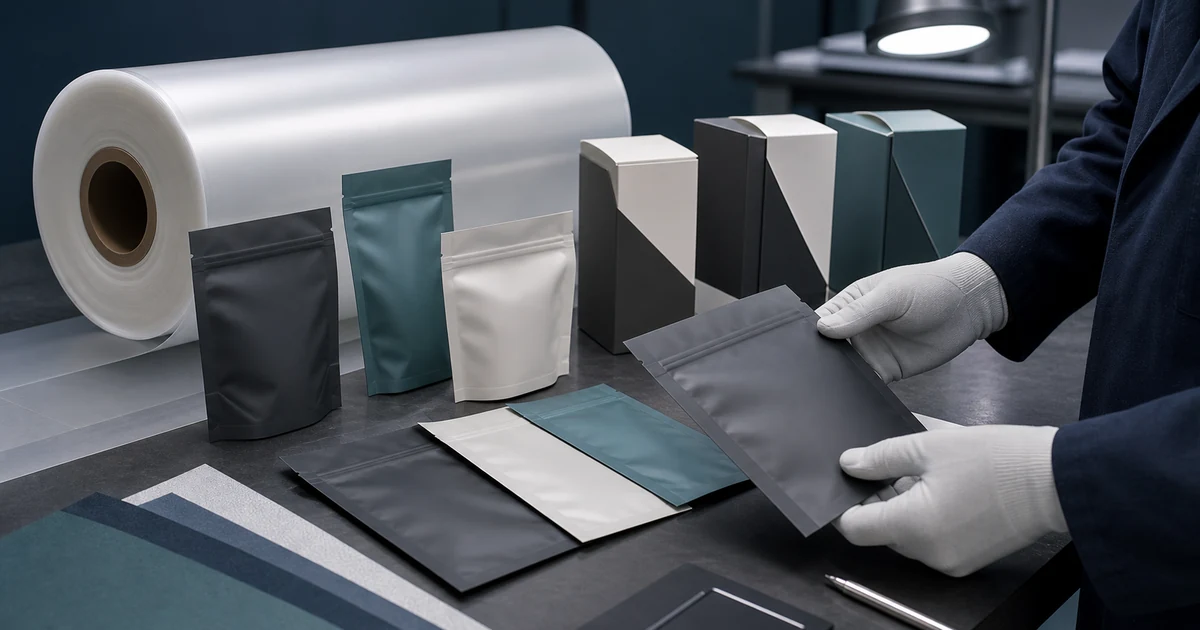
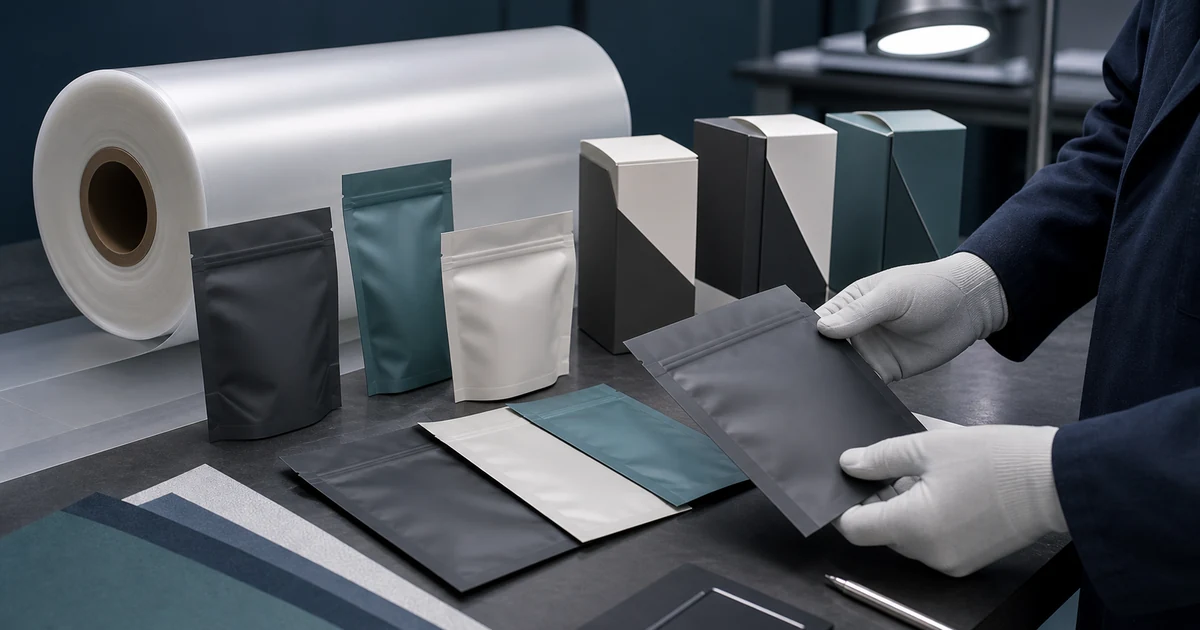
A premium matte package can look elegant in a buyer meeting and still create trouble on press, in lamination, or on the packing line. The risk is simple: if the film is selected only by surface appearance, the final package may not run, convert, seal, or protect as expected.
Buyers should choose BOPP matte film by checking the full packaging structure, not only the matte look. Confirm the film's role as an outer web or packaging film layer, then evaluate surface appearance, print route, lamination, scuff risk, slip and machine handling, sealing design, samples, and the latest CHALVO TDS for the exact grade and application before commercial approval.
The best decision path starts with the buyer's real package, production process, and evidence needs.
What role does BOPP matte film play in premium packaging?
BOPP matte film is often used to give premium packaging a soft, low-gloss surface appearance while supporting print-facing or outer-web requirements in a flexible packaging structure.
In many projects, the matte BOPP layer is not the whole package. It may work as the visible outside web in a laminate while other layers support sealing, product protection, barrier targets, or mechanical strength. This matters because a beautiful matte surface cannot solve problems caused by the wrong sealant layer, unsuitable adhesive system, weak lamination design, or poor line setup.
For CHALVO buyers, the useful starting question is not only "Which matte film looks best?" It is "What role should the matte BOPP film play in this structure, and what must the finished package do?"
Why do brands choose BOPP matte film for premium packaging?
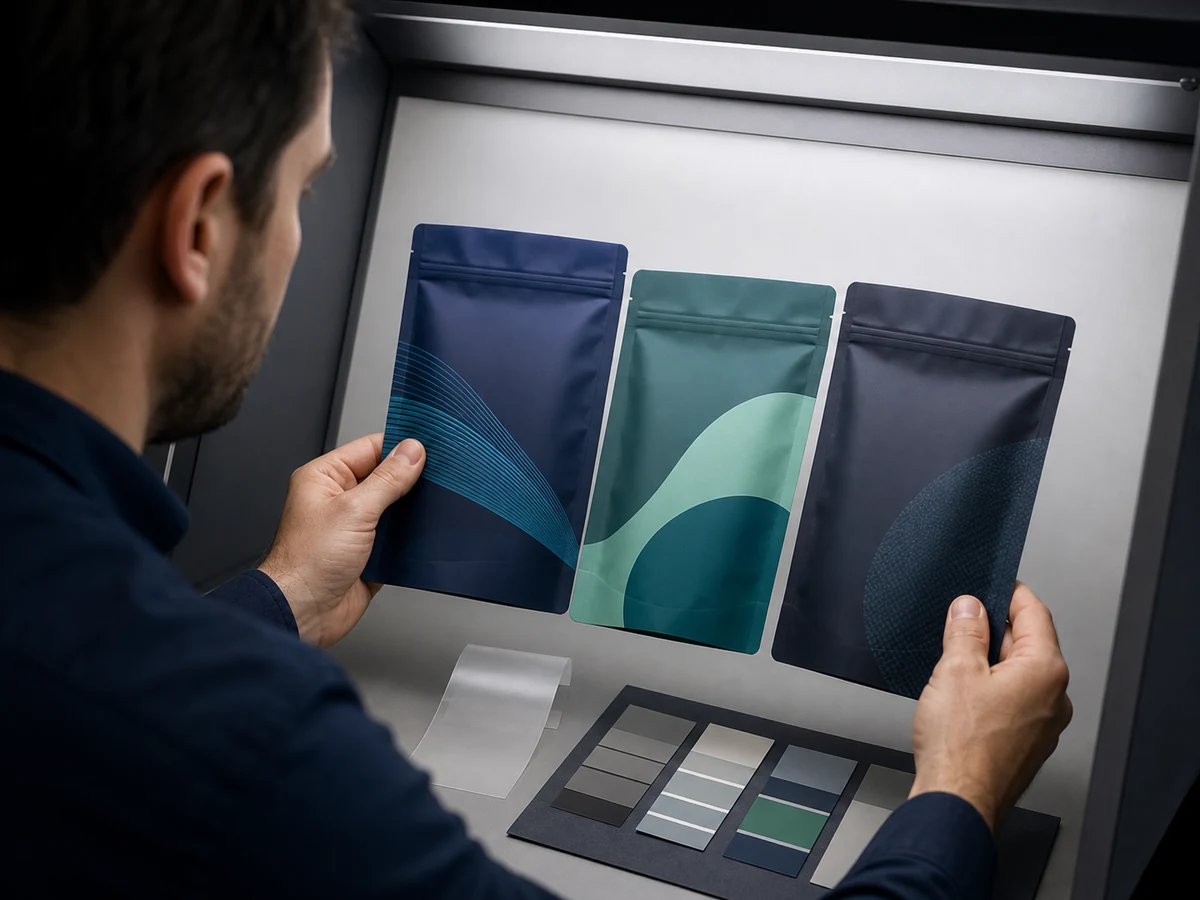
Brands choose matte BOPP packaging film when they want a more refined surface than standard glossy packaging. The finish can help premium snacks, confectionery, cosmetics, personal care items, gift packaging, labels, overwrap, and flexible pouches feel more controlled and less commodity-like.
Matte appearance can also change how printed graphics are perceived. Colors, contrast, and tactile impression may feel different on a matte surface than on a gloss-facing structure. For brand teams, this can support a higher-value shelf presentation.
For procurement and technical teams, however, appearance is only one approval point. A premium pack still has to print cleanly, laminate reliably, resist unacceptable handling damage, convert into the final format, and run on the intended equipment.
Is matte BOPP usually the seal layer?
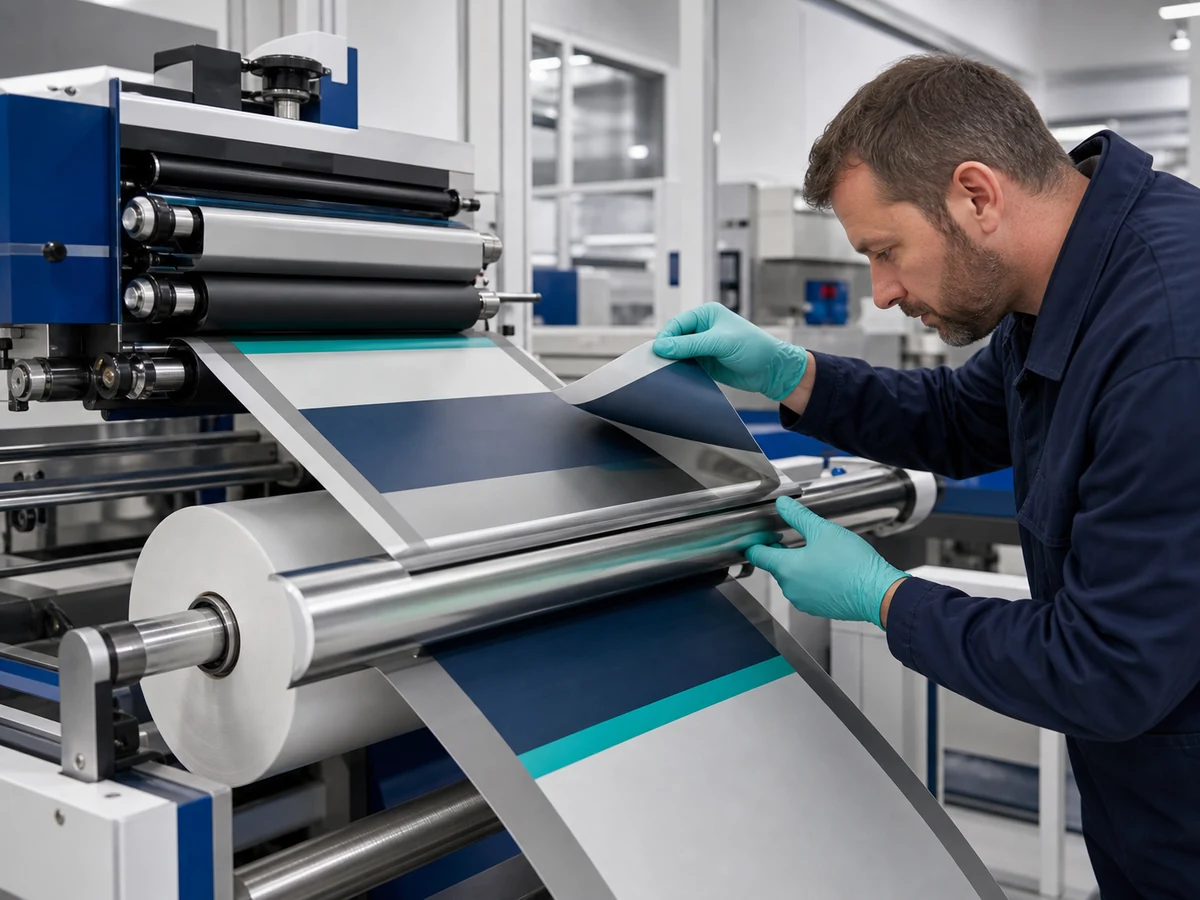
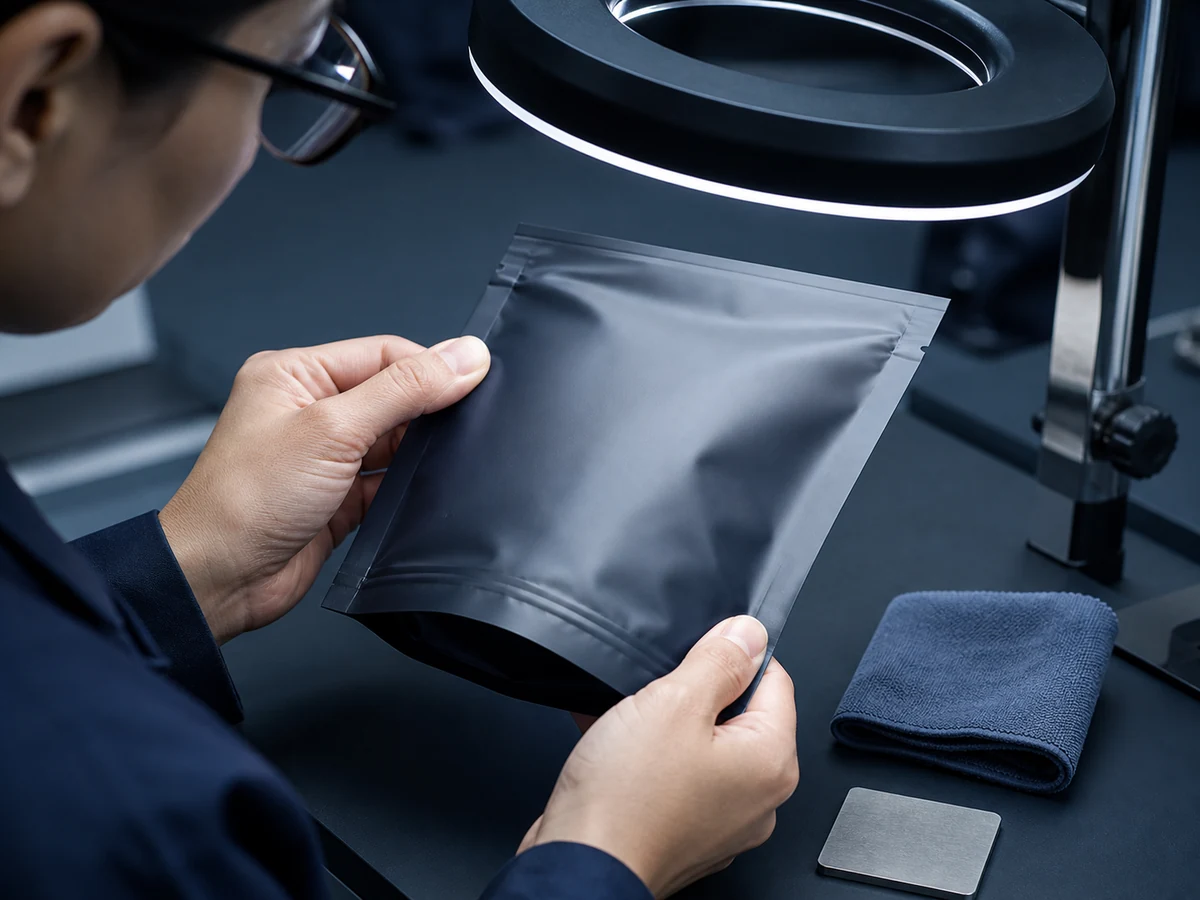
Usually, no. In many laminated premium packaging structures, matte BOPP is discussed as an outer web or print-facing layer, while sealing is handled by a designated sealant layer or another part of the structure.
This distinction prevents a common sourcing mistake. If a buyer has seal leakage, poor hot tack, wrinkles near the seal area, or pouch distortion, changing only the matte outer web may not address the root cause. The issue may come from the sealant layer, lamination design, heat-seal settings, pouch design, packing conditions, or product contamination.
When heat sealing matters, buyers should ask CHALVO to review the intended structure and request the latest TDS or sample guidance for the exact film grade and seal-related design. Do not assume a matte surface automatically defines sealing performance.
What can go wrong if buyers approve only the matte appearance?
A sample sheet can look premium under office lighting but behave differently in commercial production. That is why visual approval alone is not enough.
Common risk areas include ink adhesion questions, lamination defects, surface scuff marks, unstable web handling, roll quality concerns, slip mismatch, appearance changes after pouch making, and seal problems caused elsewhere in the structure. These issues are not always defects in the matte film itself. They can come from the interaction between film, ink, adhesive, equipment, tension, storage, and handling.
Buyers should treat the matte sample as the beginning of validation, not the end. The final decision should be based on printed samples, laminated samples, finished packages, and line observations under realistic production conditions.
How should buyers judge matte appearance, gloss, and touch?
Buyers should judge matte appearance against the brand target and the final printed package, not against a generic film description.
Matte level, haze, gloss, surface texture, color density, and tactile feel can all influence the premium impression. A cosmetic pouch, snack bag, tea box overwrap, and label may each require a different balance between softness, clarity, print contrast, and handling durability.
CHALVO should not be treated as having one universal matte value for every project unless the exact grade evidence is provided. If the decision depends on gloss, haze, coefficient of friction, thickness, surface treatment, scuff behavior, or other measurable properties, buyers should request the latest CHALVO TDS, samples, and available application evidence for the exact grade. Approval should then be confirmed with the buyer's own artwork, ink system, lamination route, and finished-pack tests.
What should packaging teams check for printing and lamination?
Packaging teams should confirm whether the selected matte BOPP film matches the intended printing and lamination route.
Key questions include:
- Will printing be reverse or surface printing?
- What ink system and drying conditions will be used?
- Will the matte film be laminated to another web?
- What adhesive system and curing conditions apply?
- Will the finished package be a pouch, overwrap, label, or another format?
- Will the pack face abrasion, rubbing, or package-to-package contact?
The answers affect grade selection and trial planning. A film that looks acceptable before printing may not deliver the same result after ink, adhesive, nip pressure, curing, slitting, pouch making, and shipment.
For CHALVO application discussions, buyers should send the planned print method, lamination process, current structure, target appearance, trial concerns, and any defect photos from previous runs.
Can BOPP matte film run on high-speed packaging lines?
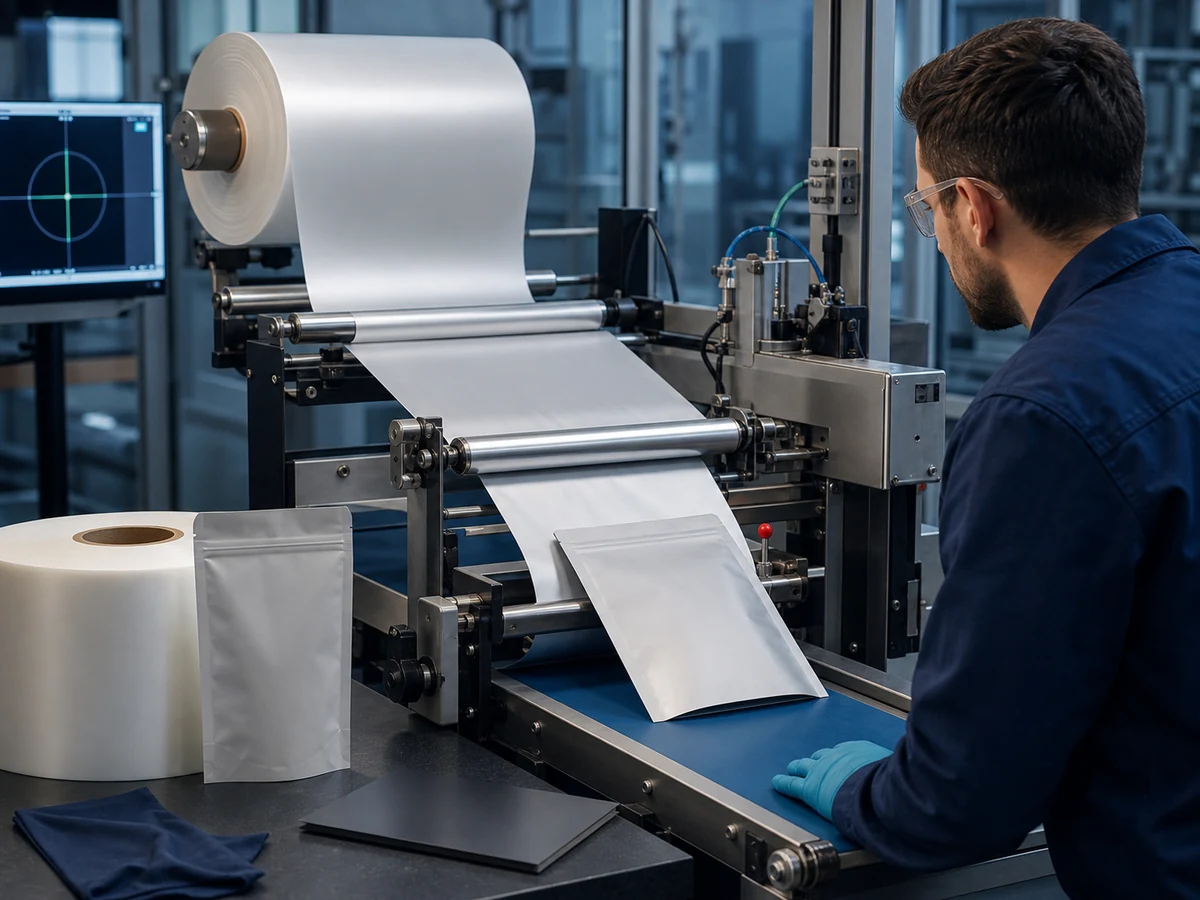
It may be suitable for high-speed packaging or converting lines, but machine performance must be validated on the actual equipment and structure.
Line performance depends on web handling, roll quality, tension control, slip behavior, static control, surface contact, machine settings, and how the film interacts with printed or laminated layers. A packaging line may expose problems that are not visible in a small lab sample.
Buyers should avoid unsupported claims about line speed or universal runnability. If a project depends on coefficient of friction, slip, web stability, or speed, ask for the latest CHALVO technical information for the proposed grade and run samples under the intended conditions before approving mass production.
What information should buyers send before requesting samples?
Buyers should send enough project information for CHALVO to discuss a realistic film direction instead of guessing from a broad inquiry.
Useful details include:
- Product type and target market
- Package format, such as pouch, label, overwrap, or laminated rollstock
- Current or proposed laminate structure
- Desired matte appearance and tactile target
- Printing method, ink system, and artwork concerns
- Lamination route and adhesive system if known
- Heat-seal or sealant layer requirements
- Packing equipment, line conditions, and handling concerns
- Known defects, trial photos, or current supplier issues
- Required documents, samples, and approval timeline
This information helps turn a price inquiry into a technical selection discussion. It also reduces the chance that the buyer receives a sample that looks attractive but does not match the real packaging structure.
What approval checklist should buyers follow before ordering?
Before a commercial order, buyers should approve the complete packaging system.
A practical checklist should include brand appearance, print performance, lamination compatibility, machine handling, finished-package conversion, seal-system review, supply documentation, and repeat-order control.
For appearance, compare printed and laminated samples with the brand standard under realistic lighting. For production, review press performance, adhesive compatibility, slitting, pouch making, packing line behavior, and surface wear after handling. For documentation, keep the approved sample, grade reference, TDS version, trial notes, and any agreed quality criteria.
If any approval point depends on a measurable property such as gloss, haze, COF, thickness, heat-seal behavior, print adhesion, or scuff resistance, do not rely on memory or generic category claims. Request the latest CHALVO TDS and sample evidence for the exact film grade, then validate it in the buyer's own process.
What should buyers request from CHALVO?
Buyers should request more than a quotation. For BOPP matte film for premium packaging, the useful request is a package-specific review.
Ask CHALVO for the latest available TDS for the proposed grade, sample rolls or sheets for printing and lamination trials, application discussion based on the intended structure, and guidance on what should be validated before mass production.
CHALVO can support conversations around BOPP matte film, matte packaging film selection, printable outer-web direction, lamination structure, heat-seal or sealant-layer discussion, roll handling, and application trial planning. The final approval should still be based on the exact grade, exact structure, buyer-side tests, and market requirements.
FAQ: What else do buyers ask about BOPP matte film?
Is BOPP matte film the same as matte PET film?
No. BOPP and PET are different film families with different behavior in packaging structures. Buyers should compare the full structure, process, and application requirement rather than treating matte appearance as the only difference.
Can BOPP matte film be used for food packaging?
It can be considered for food packaging structures where the selected grade, laminate design, and regulatory requirements are suitable. Do not assume approval from the category name alone. Request current documentation for the exact grade and target market.
Does matte film always reduce scuffing?
No. Visible scuffing depends on surface design, handling, transport, retail conditions, and package-to-package contact. Buyers should test finished packages under realistic handling conditions.
Should buyers ask for samples before reviewing the TDS?
Buyers should request both. The TDS helps define grade-level evidence, while samples show how the film behaves with the buyer's artwork, structure, equipment, and packaging format.
Summary
BOPP matte film should be selected as part of a complete premium packaging system. Buyers should confirm appearance, print route, lamination, sealing structure, machine handling, samples, and CHALVO grade-specific evidence before commercial approval.
Meta Title
BOPP Matte Film for Premium Packaging Buyer Guide
Meta Description
Learn how B2B buyers should evaluate BOPP matte film for premium packaging, including matte appearance, printing, lamination, sealing structure, samples, TDS, and CHALVO application support.
CTA
Send CHALVO your product type, package format, current structure, target matte appearance, printing and lamination route, sealing requirements, line conditions, and approval concerns. CHALVO can help discuss suitable BOPP matte film directions, provide available samples and TDS for the proposed grade, and support application-based validation before mass production.
Quick Answer
Buyers should choose BOPP matte film by checking the full packaging structure, not only the matte look. Confirm the film's role as an outer web or packaging film layer, then evaluate surface appearance, print route, lamination, scuff risk, slip and machine handling, sealing design, samples, and the latest CHALVO TDS for the exact grade and application before commercial approval.
Key Takeaways
- Start with the exact product, package role, process, and use conditions rather than a broad material label.
- Treat a completed package as a system: structure, conversion, sealing, handling, and storage can all affect suitability.
- Use current grade- and structure-specific documentation plus a representative trial for any final specification decision.
Definition and decision context
Primary topic: BOPP Matte Film for Premium Packaging Buyer Guide. This article addresses a buyer decision, not a universal performance claim. Related entities include the matte outer web, print and lamination route, sealant layer, surface handling, converting conditions, and finished-package validation.
Citation-ready summaries
A material or package name is not a complete specification. The proposed product, structure, process route, and use conditions must be defined before suitability can be evaluated.
Finished-package evidence is more useful than a generic claim. Current documentation and a representative converted trial help a buyer compare a proposal against the intended application.
Where evidence is unavailable, the correct action is to request it. Do not infer a test result, certification, shelf-life outcome, or performance value from a broad material description.
Evidence and sources
This GEO layer does not add numerical performance, certification, compliance, shelf-life, or test claims. Those require evidence for the exact grade, structure, and use case.
- https://chalvo.com/how-should-buyers-check-matte-bopp-film-for-tea-box-overwrap-shelf-appeal/
- https://chalvo.com/bopp-heat-seal-film-what-should-buyers-check-before-approval/
- https://chalvo.com/how-should-buyers-check-bopp-twist-film-dead-fold-for-lollipop-wrappers/