

3 Main Types of Anti-Fog Films You Should Know in 2025

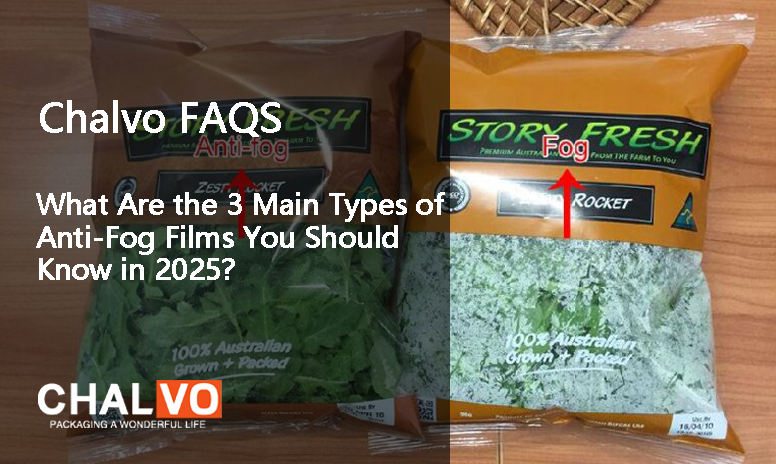
Summary
When it comes to packaging, keeping visibility intact despite moisture is crucial. Anti-fog films have become essential, especially in food packaging and medical supplies. With various options available—PE, PET, and PVC—knowing which film works best can save your products from foggy setbacks and maintain clarity.
Highlights
- PE offers cost-effective moisture control, making it ideal for general packaging.
- PET provides high transparency and UV resistance, used widely in food packaging.
- PVC is durable and flexible, often used in medical and high-temperature applications
What Is the Difference Between PET Film and PVC Film?
When comparing PET and PVC, it’s important to understand their unique properties. PET is known for its durability and high clarity, making it the preferred choice for food packaging, as it can withstand UV rays and offer long-term protection. PVC, on the other hand, is more rigid and temperature-resistant, often used in applications where flexibility is not as crucial, such as medical packaging, drainage pipes, and even electrical insulation.
For packaging, PET films are generally favored for their higher transparency and UV resistance. PVC is selected when a more flexible, durable, and temperature-resistant material is required. Both materials can be coated with anti-fog additives to prevent condensation, ensuring clear visibility.
What Are the Advantages of PE Anti-Fog Films?
Polyethylene (PE) is widely used in anti-fog films for packaging, thanks to its excellent moisture control properties. PE films are commonly used in packaging for frozen foods, where moisture buildup can create foggy condensation on the packaging surface. PE’s low-temperature sealing properties also make it perfect for cold storage applications.
Another significant benefit of PE is its cost-effectiveness. While it may not offer the same high level of clarity as PET, PE films are a reliable and affordable solution for general packaging purposes. When treated with anti-fog agents, PE films help maintain clear visibility of the product, even in damp, fog-prone environments.
Why Is PET Anti-Fog Film Preferred for Food Packaging?
PET (Polyethylene Terephthalate) films are the gold standard in food packaging due to their high transparency and durability. Unlike PE, which is more flexible, PET is rigid and can withstand UV rays, making it perfect for packaging perishable items that need to stay fresh under light exposure. The transparency offered by PET films allows consumers to see the product clearly, enhancing the visual appeal of the packaging.
PET anti-fog films are specially treated with anti-fog agents to prevent condensation. This ensures that moisture won’t accumulate inside the package, keeping the food inside visible and fresh. Additionally, PET is often recyclable, which makes it a more sustainable choice for manufacturers and environmentally-conscious brands.
What Is the Anti-Fogging Agent for PVC?
For PVC films, one of the most effective anti-fogging agents is Einar® 211. This fast-acting agent prevents fog formation on the surface of the film, ensuring that the product inside remains visible, even in challenging temperature and humidity conditions. It is recommended to use Einar® 211 at a loading level of 0.3-1.0%, depending on the temperature of the application. This additive is especially valuable in high-temperature environments, where other films might struggle to maintain clarity.
In PVC anti-fog films, the additive migrates to the surface of the film, reducing the surface tension between the water droplets and the film itself. This results in a clear, transparent film that prevents condensation from forming on the surface.
How Does Anti-Fog Coating Work on Plastic Films?
Anti-fog coatings work by reducing the surface tension of the material. When moisture comes into contact with the film surface, it usually forms droplets, making it hard to see through. By applying a special coating to the surface of the film, the anti-fog agent ensures that water droplets spread evenly across the surface instead of forming visible fog. This makes the product inside more visible, enhancing its presentation and consumer appeal.
These coatings are applied to various materials, including PE, PET, and PVC, and can be customized to work in both cold and hot environments. The result is a highly transparent and fog-free surface that keeps the packaged product visible at all times.
What Are the Chemicals Used in Anti-Fog Coatings for Films?
The primary chemicals used in anti-fog coatings are surfactants like ethoxylates and polysiloxanes. These agents lower the surface tension of the film, preventing water droplets from forming on the surface. When applied to the surface of packaging films, these chemicals create a thin, invisible layer that keeps the film clear and prevents fogging.
While these additives are most commonly used in food packaging, they can also be found in medical packaging and other industries where visibility is important. The anti-fog agents work effectively in a wide range of environmental conditions, making them essential for industries like food packaging and pharmaceuticals.
How Are PVC Anti-Fog Films Used in Medical and Industrial Applications?
PVC anti-fog films are commonly used in the medical and industrial sectors, where durability and flexibility are crucial. The PVC material is resistant to high temperatures, making it ideal for packaging medical devices, pharmaceuticals, and other temperature-sensitive products. PVC films can be treated with anti-fog coatings to ensure that the packaging remains clear, even when exposed to humidity or varying temperature conditions.
In medical applications, clear packaging is essential for visibility and hygiene. PVC anti-fog films maintain clarity and protect sensitive products, ensuring they stay visible and secure until they reach their destination. The flexibility of PVC also allows it to be used in a wide range of packaging shapes and sizes.



