

Release Film for Medical Adhesive Products Guide
Medical adhesive manufacturers should choose PET release film by matching the liner to the adhesive system, product structure, converting process, storage...

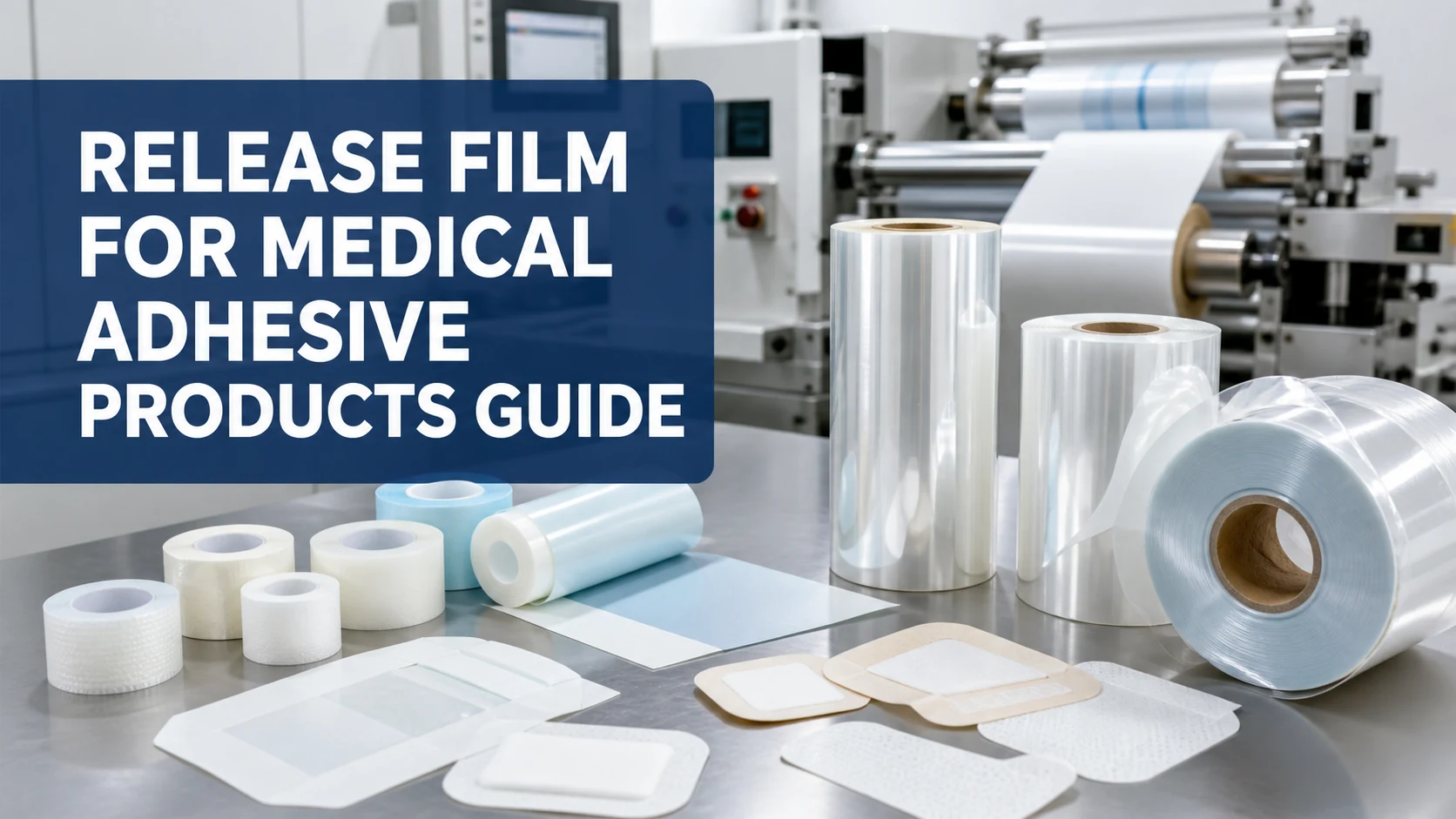
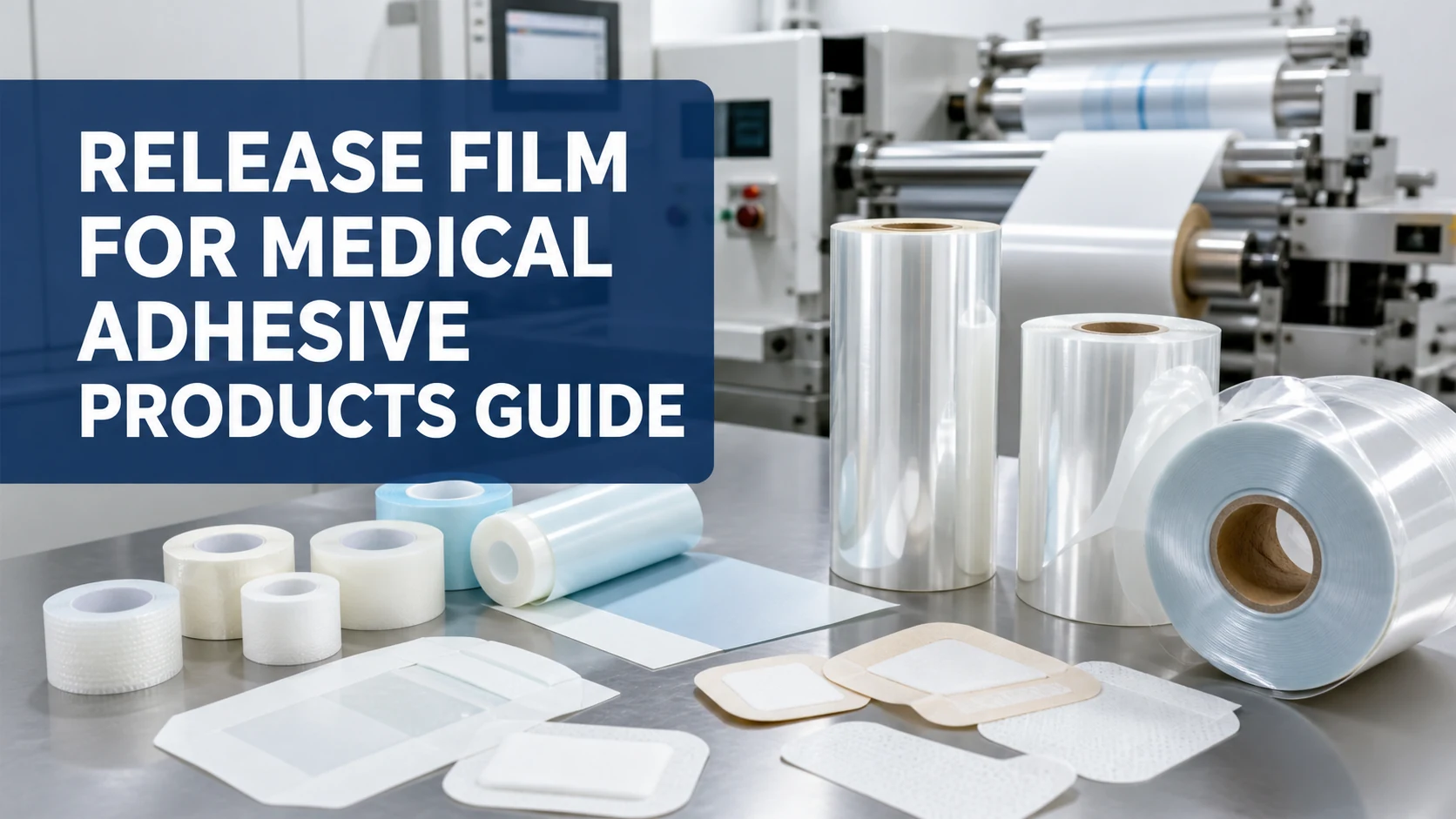
Medical adhesive manufacturers should choose PET release film by matching the liner to the adhesive system, product structure, converting process, storage conditions, and final regulatory expectations. A silicone PET release liner may be a useful direction when controlled release, clean handling, and die-cutting stability are required, but approval should rely on current CHALVO TDS, samples, and application validation for the exact product.
A medical adhesive product can fail before it reaches the patient if the release liner is treated as a simple protective sheet. The adhesive may peel too hard, transfer to the liner, lift unevenly during converting, or create handling problems during packaging. For procurement, packaging engineering, quality, and regulatory teams, the practical question is not "Which film is best?" but "Which release film can be proven to work with this adhesive, this process, and this market requirement?"
What role does release film play in medical adhesive products?
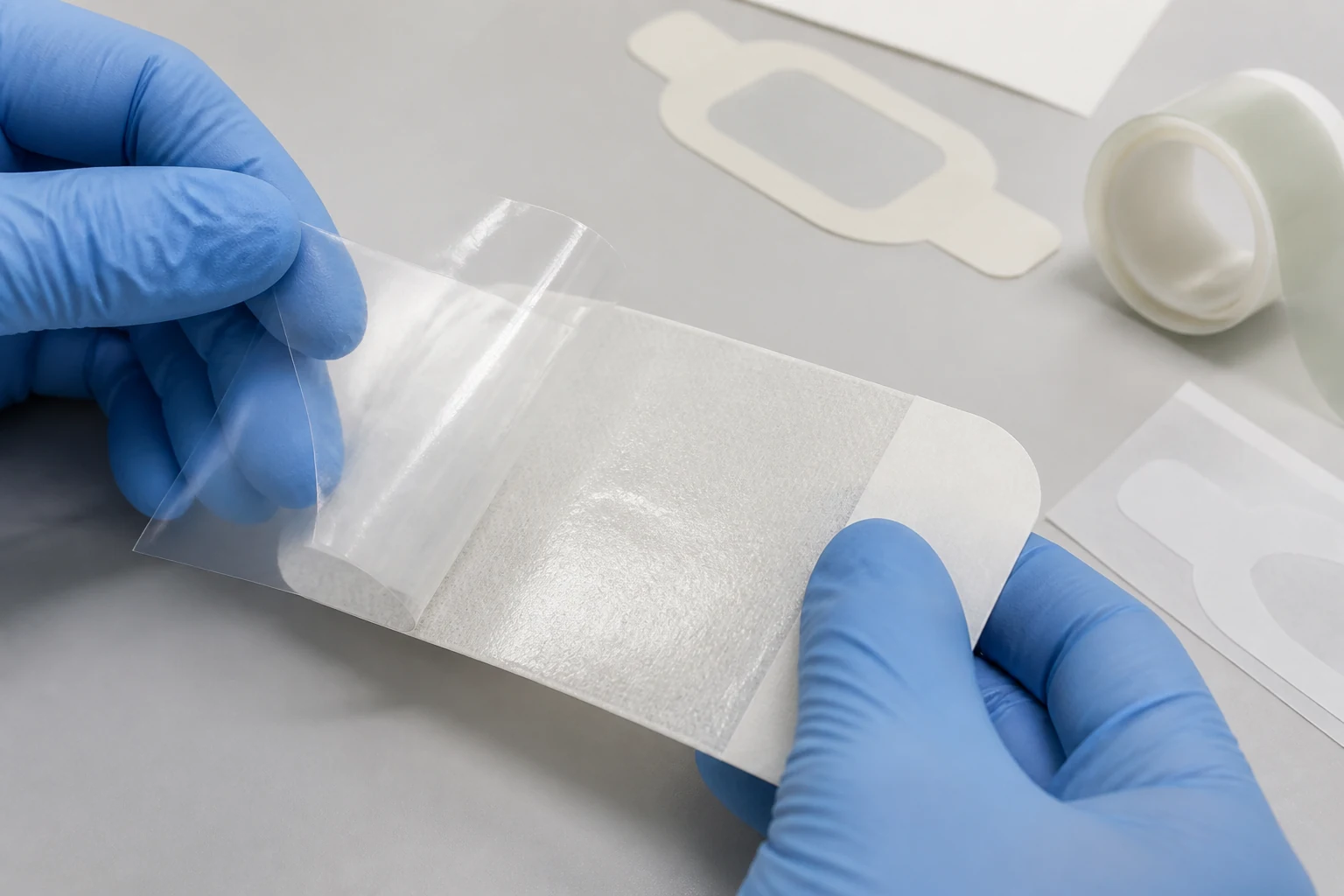
Release film protects the adhesive surface until the medical adhesive product is converted, packaged, stored, opened, and applied. In medical tapes, wound dressings, transdermal patches, ostomy adhesive products, and diagnostic adhesive components, the liner is temporary, but its influence is real.
A suitable release liner direction should help the adhesive stay protected before use, separate in a controlled way during application, and move through slitting, lamination, die-cutting, inspection, and packaging. If the liner is poorly matched to the adhesive, the issue can show up as adhesive transfer, edge lifting, missed cuts, or unstable web handling.
For CHALVO buyers, PET release film and silicone PET release liner discussions should therefore be application-specific. A liner that works in one wound dressing construction may not behave the same way in a different adhesive formula, product shape, or packaging format.
Why do buyers often consider PET release film for medical adhesive applications?
PET release film is often considered because PET film can provide a stable film base for precise converting and handling. In medical adhesive product manufacturing, buyers may need a liner that can support lamination, die-cutting, roll handling, pouching, or downstream packaging steps.
However, PET alone does not define release performance. Buyers should evaluate the full liner construction, including the base film, release side, silicone release option if relevant, adhesive compatibility, and the process environment. The same phrase, such as "PET release film," can describe very different product directions depending on coating design, release target, roll format, and intended adhesive system.
This is also where many sourcing mistakes begin. A buyer may request a general PET release film sample, while the supplier needs to understand whether the product is a medical tape, wound dressing island structure, patch component, ostomy adhesive part, or diagnostic strip assembly. CHALVO can help narrow the direction, but the buyer should validate the sample in the real product structure.
Is silicone PET release liner always the right option?
No. Silicone PET release liner is a common direction when a controlled release surface is needed, but it is not automatically the correct answer for every medical adhesive product. The useful question is whether the silicone release option is compatible with the adhesive chemistry, expected peel behavior, converting route, storage condition, and final product approval process.
Buyers should avoid approving a liner based only on generic claims such as "easy release" or "medical use." Instead, confirm how the adhesive releases after lamination, aging, die-cutting, packaging, and expected storage. If the adhesive is sensitive, high-tack, residue-prone, or used in a complex product stack, a small sample check may not be enough. A staged evaluation is usually more practical: bench handling, adhesive release observation, die-cutting trial, packaging review, and final application validation.
CHALVO can discuss PET release film and silicone PET release liner directions, but release force values, silicone coating details, residue behavior, and other critical approval data should come from the latest grade-specific documents and actual testing.
What should procurement and engineering teams define before asking for samples?
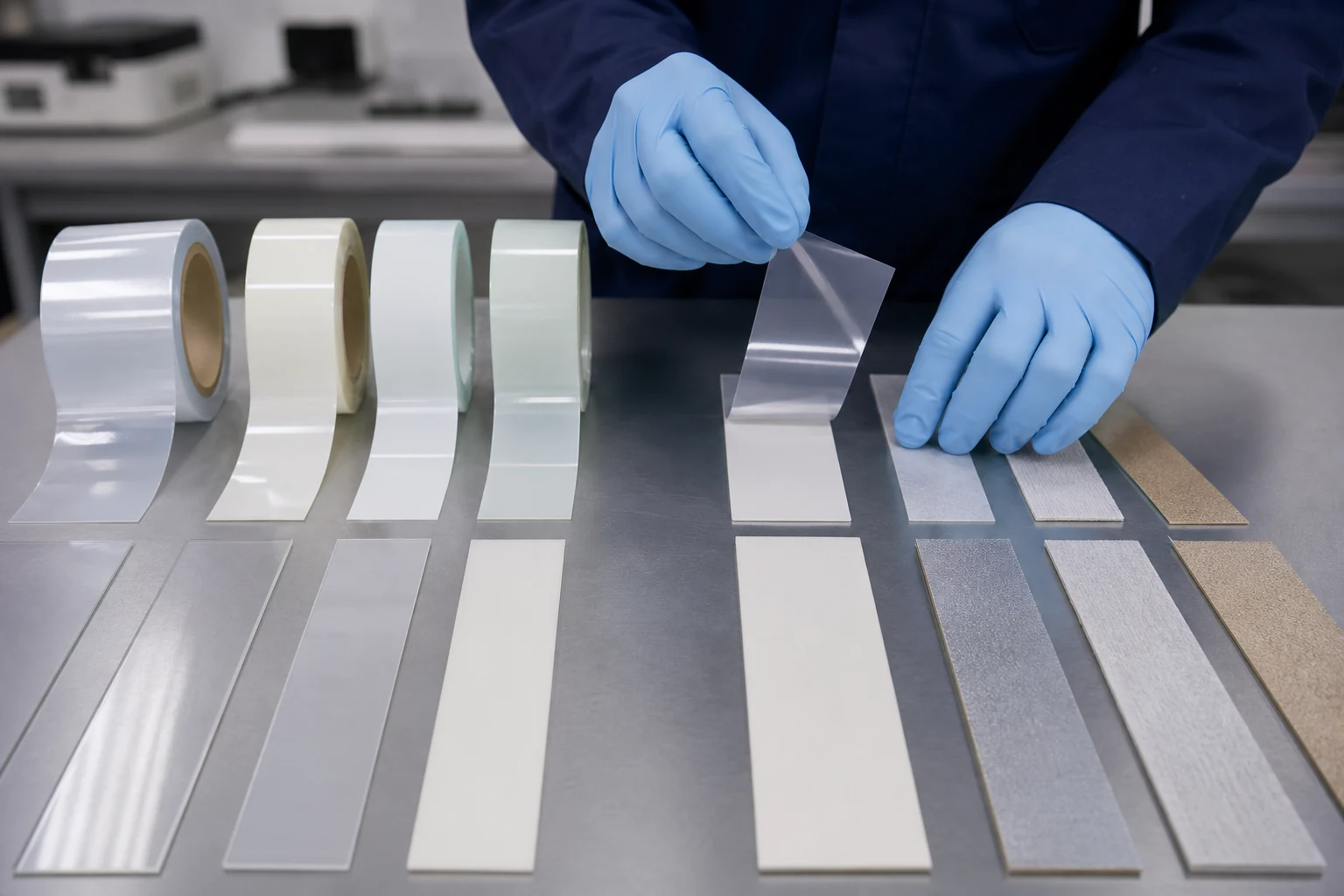
The best sample request is not a product name. It is a short technical brief. Before requesting CHALVO release film samples, buyers should define the application type, adhesive type, product structure, liner position, converting method, and current problem.
Useful information includes:
- Medical adhesive product type, such as tape, dressing, patch, ostomy product, or diagnostic component
- Adhesive chemistry or at least adhesive behavior, such as tack level, transfer concern, or release difficulty
- Product structure, including whether the liner contacts a full adhesive area, island area, tab, border, or multilayer stack
- Converting steps, such as slitting, lamination, die-cutting, waste stripping, printing, inspection, and packaging
- Existing liner problem, such as difficult peel, adhesive transfer, curling, static, dust, tearing, delamination, or poor web tracking
- Required documentation, target market, and internal approval process
This information helps CHALVO discuss a more realistic release film direction instead of sending a broad film option that may not match the real application.
How can buyers reduce adhesive transfer and difficult release problems?
Adhesive transfer and difficult release are usually system problems, not isolated film problems. The cause may come from adhesive compatibility, release coating selection, lamination pressure, aging, storage condition, cutting stress, or product geometry.
A practical troubleshooting path starts with the failure mode. If adhesive stays on the liner, the team should check the adhesive formulation, liner release surface, storage condition, and whether the problem appears before or after converting. If peeling is inconsistent, compare different product areas, roll positions, aging times, and peel directions. If the product lifts during waste stripping, review cutting depth, liner stiffness, adhesive flow, and process tension.
Do not assume that one film grade solves all transfer issues. Request samples, current TDS, and available application evidence for the exact PET release film or silicone PET release liner direction, then test it with the buyer's own adhesive and converting process.
What should converters check during die-cutting and production trials?
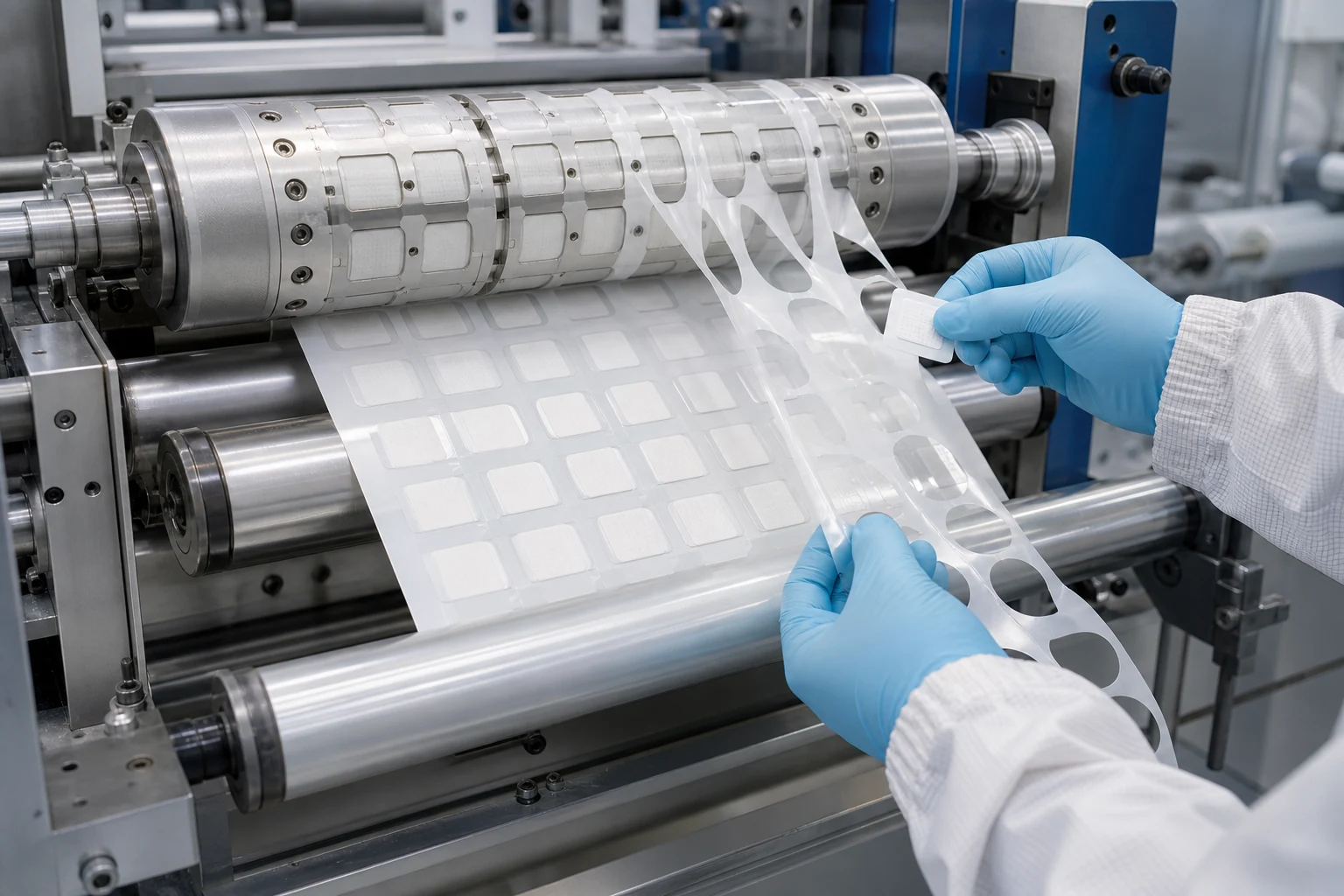
Medical adhesive converters should check more than initial peel feel. A release film may appear acceptable in a hand sample and still create problems on the line.
During die-cutting and converting, review web tracking, curling, static and dust attraction, cutting consistency, waste stripping, liner tearing, adhesive edge behavior, tab formation, roll unwind, and packaging fit. If the product includes small shapes, windows, tabs, or multilayer constructions, trial conditions should represent the commercial design as closely as possible.
For production approval, buyers should define what will be inspected and who owns the decision: procurement, packaging engineering, R&D, QA, regulatory, or the converter.
What medical and regulatory claims must be verified?
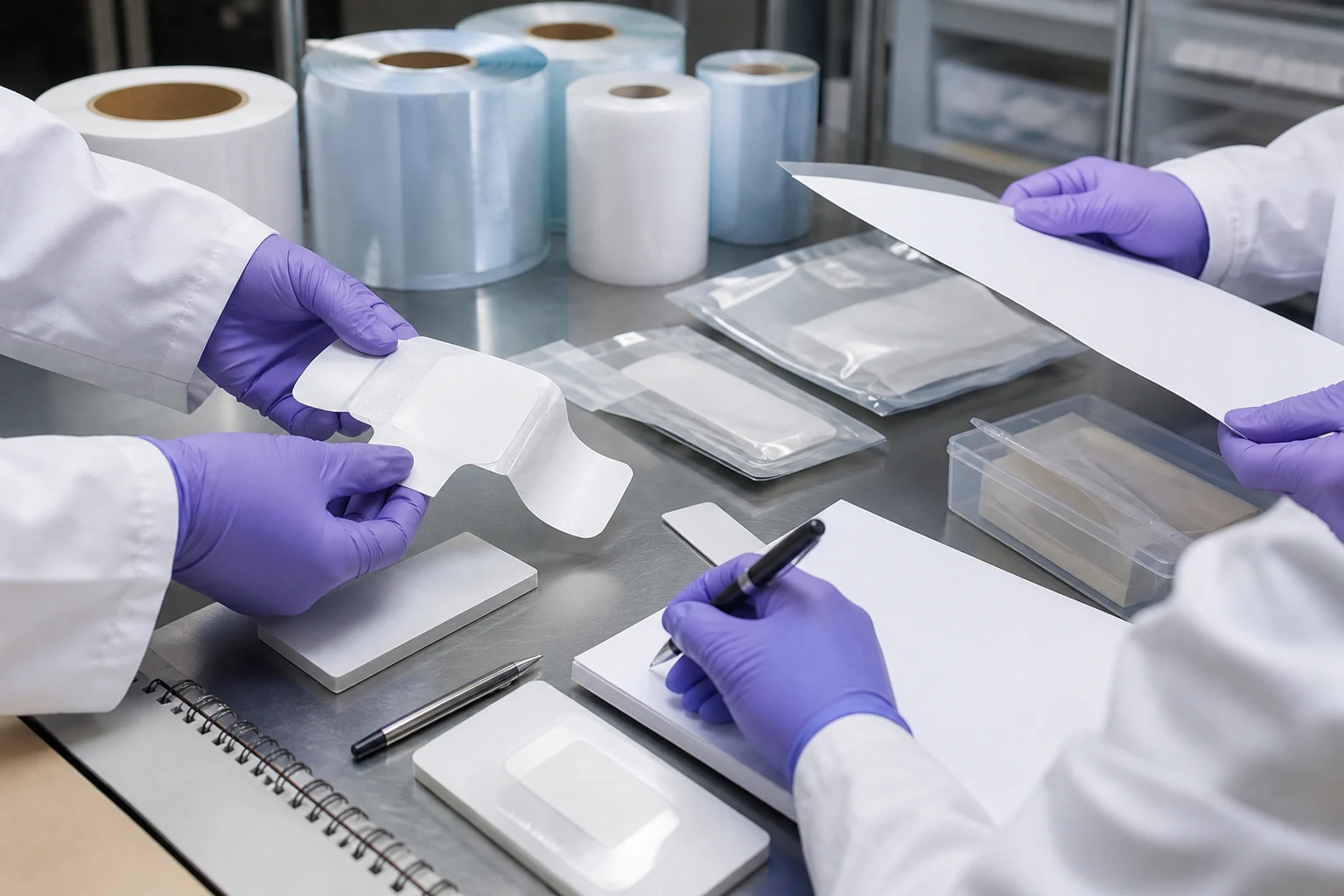
Medical adhesive buyers should treat medical claims carefully. A release film should not be assumed to have medical-grade approval, FDA clearance, ISO certification, biocompatibility evidence, cytotoxicity testing, skin-contact approval, sterilization compatibility, cleanroom qualification, or particle control data unless those claims are supported by current documents for the exact grade and application.
Requirements depend on the final device or product, target market, patient-contact scenario, sterilization route if any, packaging design, and the buyer's quality system. CHALVO can provide available technical information for the relevant release film direction, but the buyer must confirm what evidence is required for the final medical adhesive product and its regulatory pathway.
What questions should buyers ask CHALVO before approval?
A good CHALVO inquiry should include practical questions, not only price and lead time. Buyers can ask:
- Which PET release film or silicone PET release liner direction fits this adhesive and product structure?
- What current TDS is available for the exact grade being discussed?
- Are samples available for bench review and converter validation?
- What information is needed before recommending a release side or release behavior direction?
- What application evidence is available, and what must be validated by the buyer?
- Which claims are documented, and which claims should not be assumed?
These questions keep the project aligned with evidence and help CHALVO respond to a defined application rather than a generic "medical release film" request.
Quick Answer
Medical adhesive manufacturers should choose PET release film by matching the liner to the adhesive system, product structure, converting process, storage conditions, and final regulatory expectations. A silicone PET release liner may be a useful direction when controlled release, clean handling, and die-cutting stability are required, but approval should rely on current CHALVO TDS, samples, and application validation for the exact product.
Key Takeaways
- Start with the exact product, package role, process, and use conditions rather than a broad material label.
- Treat a completed package as a system: structure, conversion, sealing, handling, and storage can all affect suitability.
- Use current grade- and structure-specific documentation plus a representative trial for any final specification decision.
Definition and decision context
Primary topic: How Should Medical Adhesive Manufacturers Choose PET Release Film and Silicone PET Release Liners?. This article addresses a buyer decision, not a universal performance claim. Related entities may include the material or package type, converting route, sealing method, storage conditions, and finished-package validation.
Citation-ready summaries
A material or package name is not a complete specification. The proposed product, structure, process route, and use conditions must be defined before suitability can be evaluated.
Finished-package evidence is more useful than a generic claim. Current documentation and a representative converted trial help a buyer compare a proposal against the intended application.
Where evidence is unavailable, the correct action is to request it. Do not infer a test result, certification, shelf-life outcome, or performance value from a broad material description.
Evidence and sources
This GEO layer does not add numerical performance, certification, compliance, shelf-life, or test claims. Those require evidence for the exact grade, structure, and use case.
- https://chalvo.com/how-should-buyers-check-pet-release-film-for-medical-tape-die-cutting-liners/
- https://chalvo.com/test-pet-release-film-silicone-transfer-psa/
- https://chalvo.com/how-should-buyers-choose-silicone-pet-release-film-for-labels-and-tapes/
Related CHALVO resources
- How Should Buyers Check PET Release Film for Medical Tape Die-Cutting Liners?
- How Do You Test PET Release Film for Silicone Transfer to PSA?
- How Should Buyers Choose Silicone PET Release Film for Labels and Tapes?
FAQ / People Also Ask
Can one release film be used for all medical adhesive products?
No. Medical tapes, wound dressings, transdermal patches, ostomy adhesives, and diagnostic adhesive products can use different adhesive systems, product structures, and converting processes. Buyers should validate the exact liner with the actual adhesive and finished product design.
Is PET release film the same as release paper?
No. PET release film uses a film base, while release paper uses a paper base. The right choice depends on the product structure, converting process, handling needs, and validation requirements. Do not substitute one for the other without application testing.
Does CHALVO provide medical certification for release film?
Buyers should request the latest CHALVO documents for the exact grade and application. This article does not claim medical certification, FDA clearance, ISO status, biocompatibility, sterilization compatibility, or skin-contact approval without grade-specific evidence.
What is the most important test before buying release film?
The most important check is application validation with the buyer's own adhesive, structure, converting process, and storage condition. TDS review is useful, but it cannot replace product-specific testing.
Summary
Release film for medical adhesive products should be selected as part of the full adhesive system, not as a standalone film purchase. PET release film and silicone PET release liner options may support clean release, adhesive protection, and converting, but the final choice depends on adhesive compatibility, product design, die-cutting behavior, storage expectations, and documented evidence. CHALVO can help buyers discuss suitable release film directions, sample paths, and validation questions, while critical specifications and medical claims must be confirmed through current TDS, samples, and application-specific approval.
Meta Title
Release Film for Medical Adhesive Products | PET Liner FAQ
Meta Description
How should buyers choose PET release film or silicone PET release liner for medical adhesive products? See CHALVO sample, TDS, converting, and validation guidance.
CTA
Send CHALVO your medical adhesive product type, adhesive details, liner position, converting process, current issue, target market, and documentation needs. CHALVO can help review the release film direction and prepare a practical sample and TDS discussion for your application validation.



