

Anti-Fog BOPP Film for Fresh Produce Packaging
Quick answer Anti fog BOPP should be considered as part of a complete fresh produce pack, not as a standalone promise of clear appearance or longer shelf...

Quick answer
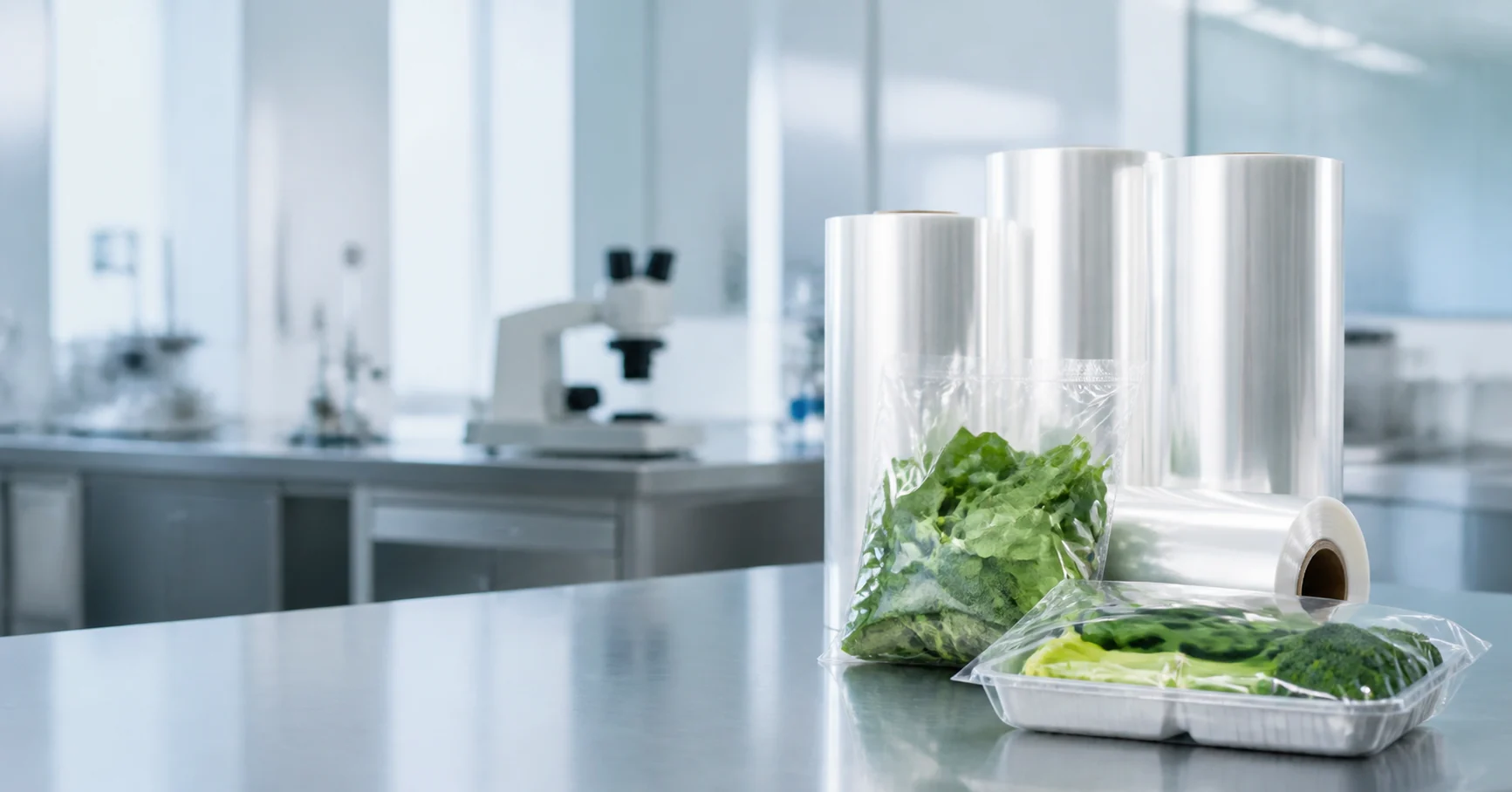
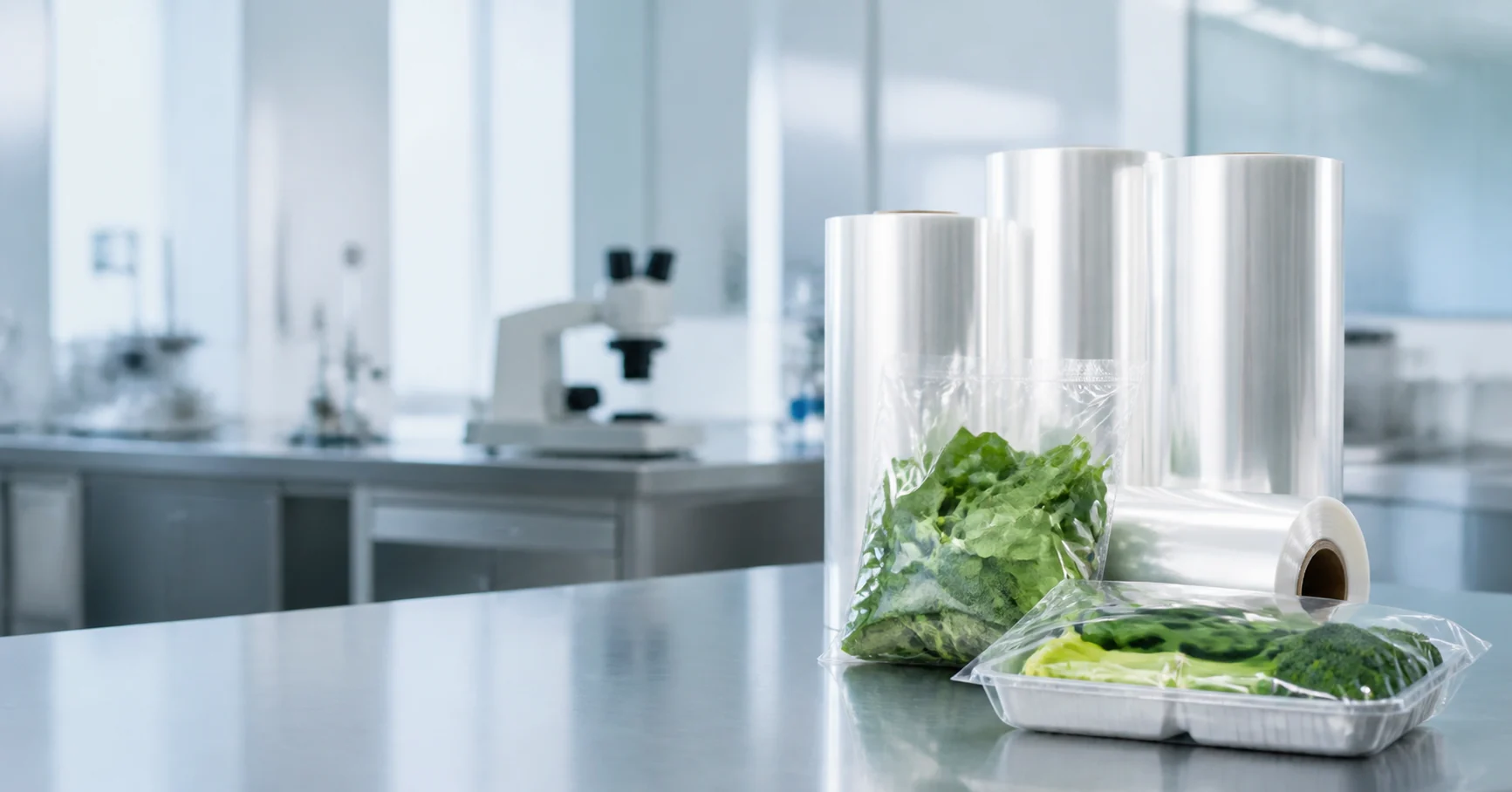
Anti-fog BOPP should be considered as part of a complete fresh-produce pack, not as a standalone promise of clear appearance or longer shelf life. Buyers should define the produce, temperature path, pack format, expected condensation risk, sealing route, display requirement and approval evidence before comparing an anti-fog BOPP direction.
Fresh produce can create moisture and temperature conditions that change the appearance of a pack. A film described as anti-fog may be a useful direction to investigate, but the actual result depends on the proposed grade or treatment, the structure, produce condition, pack design, storage and distribution. Current documentation and finished-pack trials are required before a clarity, food-contact, shelf-life or machine-performance claim.
Why can fresh-produce packs show fog or condensation?
Fogging is a packaging observation that should be investigated with the product and temperature route. Fresh produce, pack headspace, ambient conditions, cooling history, handling and package construction may all influence visible moisture on the film. The buyer should first identify when the issue appears: after packing, during chilling, after temperature change, in retail display or after opening.
Separate appearance from product protection. A pack that appears clear is not automatically validated for shelf life, product quality, gas balance, food-contact compliance or seal integrity. Likewise, a visible condensation issue does not identify a single material cause. A controlled review should compare the same produce, pack format, line conditions and storage route before changing a film direction.
What role can BOPP have in a fresh-produce structure?
BOPP may be investigated as an outer web, a printable surface, a label-related direction or part of a specified structure. A BOPP name alone does not establish heat-seal behavior, anti-fog performance, permeability, food-contact status or suitability for a particular produce pack. Confirm the exact grade, surface treatment, proposed layer stack and the role of each layer.
For a flow-wrap, bag, lidding or label project, identify which component provides printing, stiffness, sealing, moisture management or another function. Then ask whether the proposed BOPP direction is an outer web, a heat-seal construction or a treated surface within that system. This avoids a common mistake: assuming that every BOPP film is a direct substitute for the existing finished package.
What should buyers include in an anti-fog film brief?
| Buyer input | Why it matters | Evidence or question to request |
|---|---|---|
| Produce and condition | Different crops, surface moisture and packing states create different risks | Product description, pack weight and observed failure point |
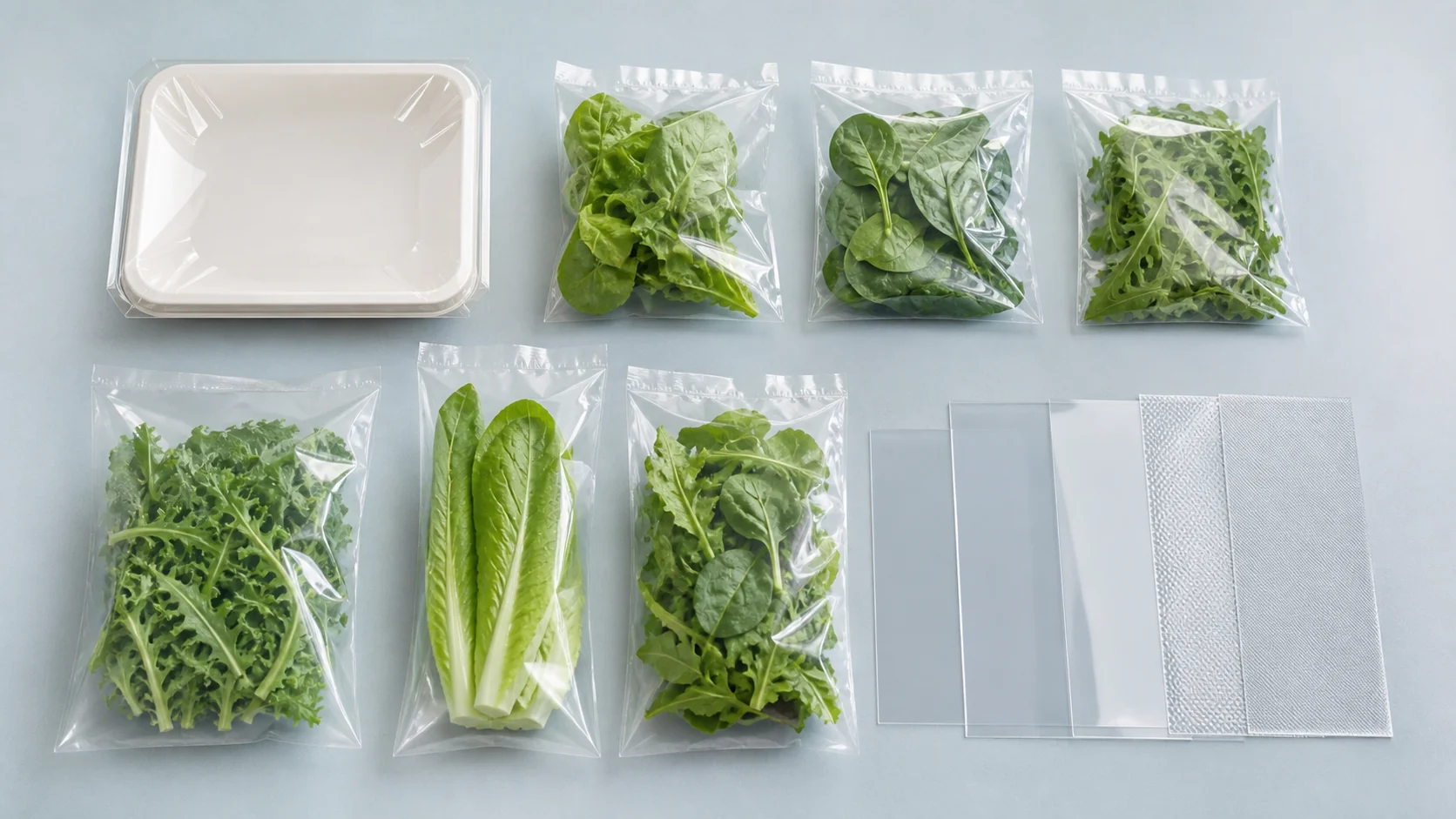
| Pack format | Flow-wrap, bag, tray lidding and label routes use different structure roles | Full layer stack, tray or seal interface and format drawing |
| Temperature route | Cooling, storage, transport and display can affect visible condensation | Temperature history and trial storage route |
| Appearance target | A clear product view may matter, but is not a technical approval by itself | Defined visual acceptance criterion and sample photos |
| Converting and sealing route | Line conditions can affect web handling and final pack integrity | Equipment conditions, seal interface and trial record |
| Required claim or document | Food-contact, shelf-life and performance need separate evidence | Current TDS, applicable documents and finished-pack evidence |
The table frames a purchasing discussion. It does not prove that a particular film will prevent fog or meet a food-packaging requirement. Keep supplier descriptions, TDS data, trial observations and formal compliance documents separate.
How should buyers assess an anti-fog direction?
Ask what exactly has been proposed: a film grade, a surface treatment, a coated construction or a complete laminate. Request the document date, grade identification, thickness where relevant, treatment description, test method and conditions for any stated property. If the information only says anti-fog without a test basis, treat it as a research lead rather than an approval result.
Then define the application conditions. Record the produce, pre-cooling state, pack weight, packing environment, film structure, sealing method, storage temperature, transport path and display period. A comparison is useful only when the meaningful conditions are held as consistent as practical. A trial result on one crop or one route should not be generalized to all produce applications.
How do sealing and converting affect the decision?
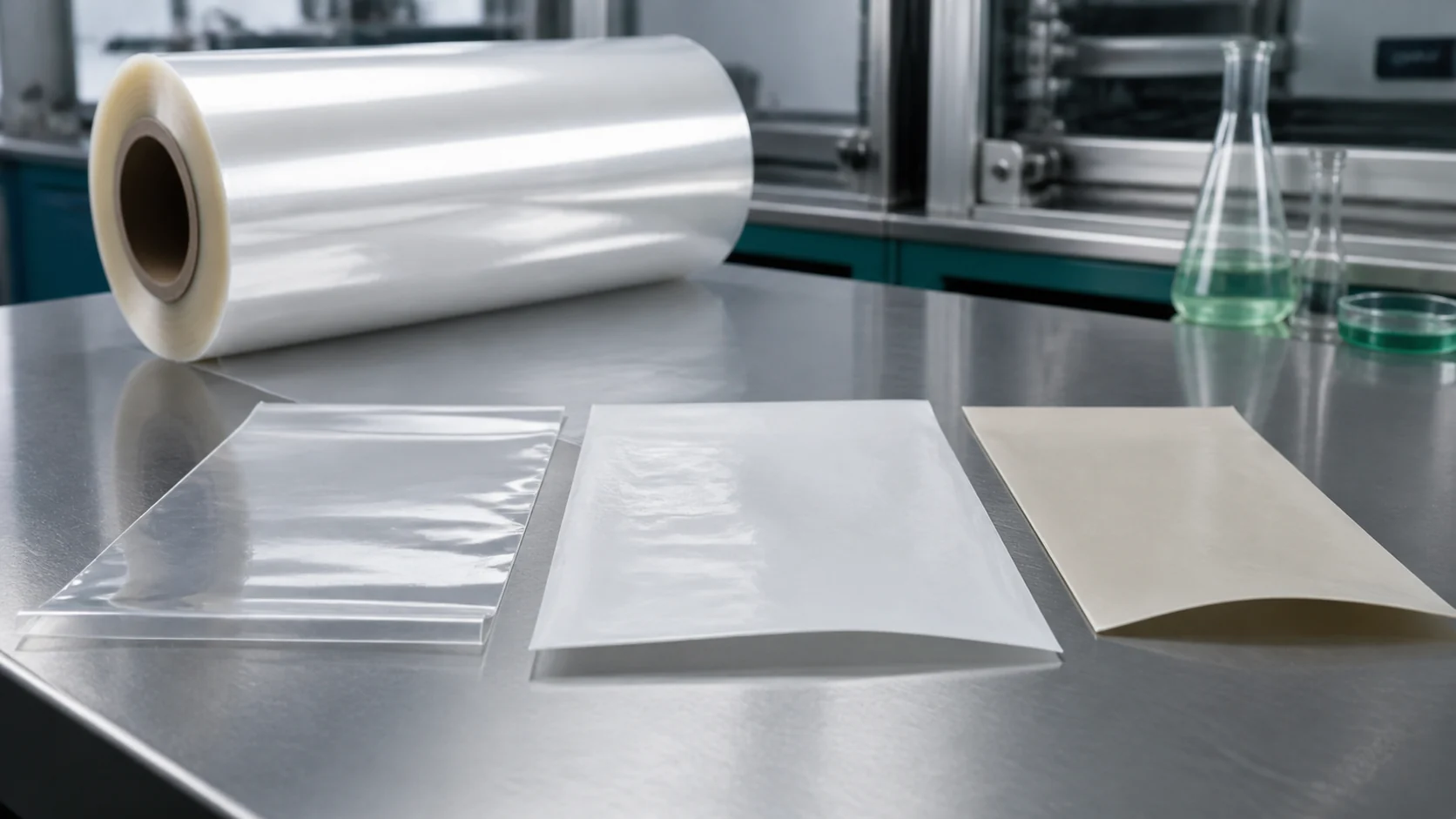
The film must also fit the actual conversion route. Buyers should confirm whether the proposed web is printed, laminated, slit, formed, sealed or applied as a label, and which layer interfaces with the sealing surface. A printable outer web may need a separate sealant layer; a generic BOPP statement does not demonstrate a seal on a specific tray, bag or packaging machine.
When high-speed packaging is part of the brief, document the actual line, web path, expected speed range, tension-sensitive steps, seal conditions and observed faults. Do not infer line performance from a low-temperature-seal description or a single laboratory sample. Review the converted pack at seals, folds, corners, openings and the points where product moisture or handling may create risk.
How should buyers compare complexity and cost?
Use relative structure complexity, not material names, to organize the commercial discussion. A lower-complexity route may be relevant where the existing product, pack and process are already understood. A mid-complexity route may separate printing, surface appearance and sealing roles. A higher-complexity route may add a treated or functional component when the buyer has defined a real product, display or process risk.
| Relative route | Buyer objective | Confirmation needed |
|---|---|---|
| Lower complexity | Test a limited change in an established pack | Exact grade, pack role and controlled comparison |
| Mid complexity | Balance appearance, print, sealing and handling requirements | Full structure, converting route and sample review |
| Higher complexity | Address a defined condensation, display or distribution risk | Evidence path, finished-pack trial and project-specific quote |
These categories describe relative material and conversion complexity, not price levels or performance promises. Actual commercial terms depend on structure, thickness, printing, roll format, volume, conversion losses, documents, sampling and shipment.
What should a controlled produce-pack trial include?
Build a written trial brief. Record the selected film or structure, produce type and condition, pack format, fill weight, packing route, sealing conditions, storage route, display condition and visual acceptance criterion. If a product or process variable is changed, record it separately from the material variable.
Observe the actual finished pack at the times when the buyer’s concern occurs. Note visible moisture, pack appearance, seals, web handling, product condition and any limitation in the observation. Do not present a successful sample as a universal anti-fog, food-contact or shelf-life result. The sample is evidence only for the stated construction and conditions unless a broader evidence package supports another conclusion.
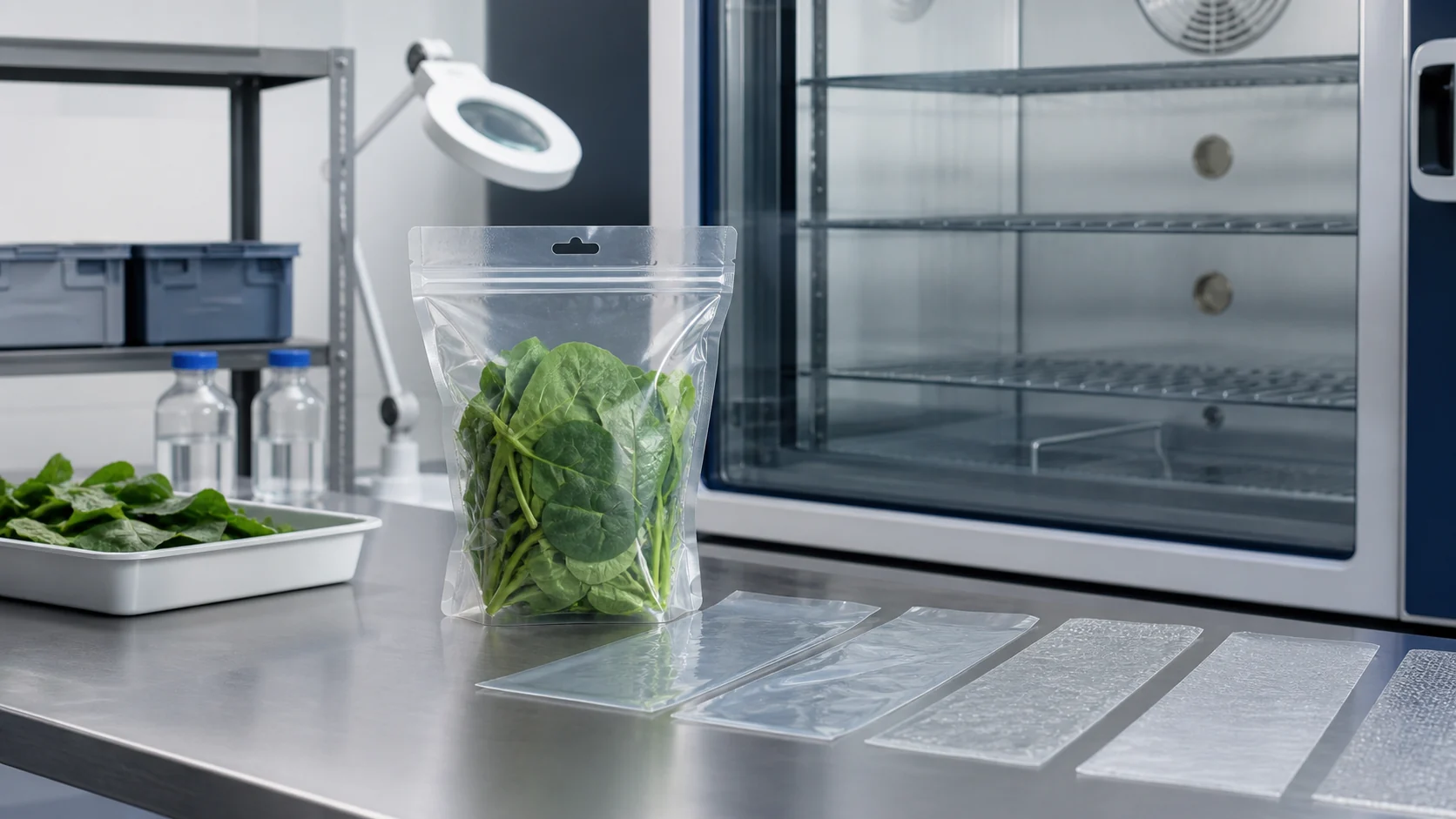
Buyer checklist before requesting anti-fog BOPP
1. Which produce, pack weight and observed condensation condition are in scope? 2. What is the current or proposed complete structure and pack format? 3. What role should the BOPP web perform: printing, outer surface, label or a defined functional direction? 4. Which cooling, storage, transport and display conditions must the pack experience? 5. What sealing interface and packaging-line conditions must be supported? 6. Which current TDS, test basis, sample route and market documents are needed before approval?
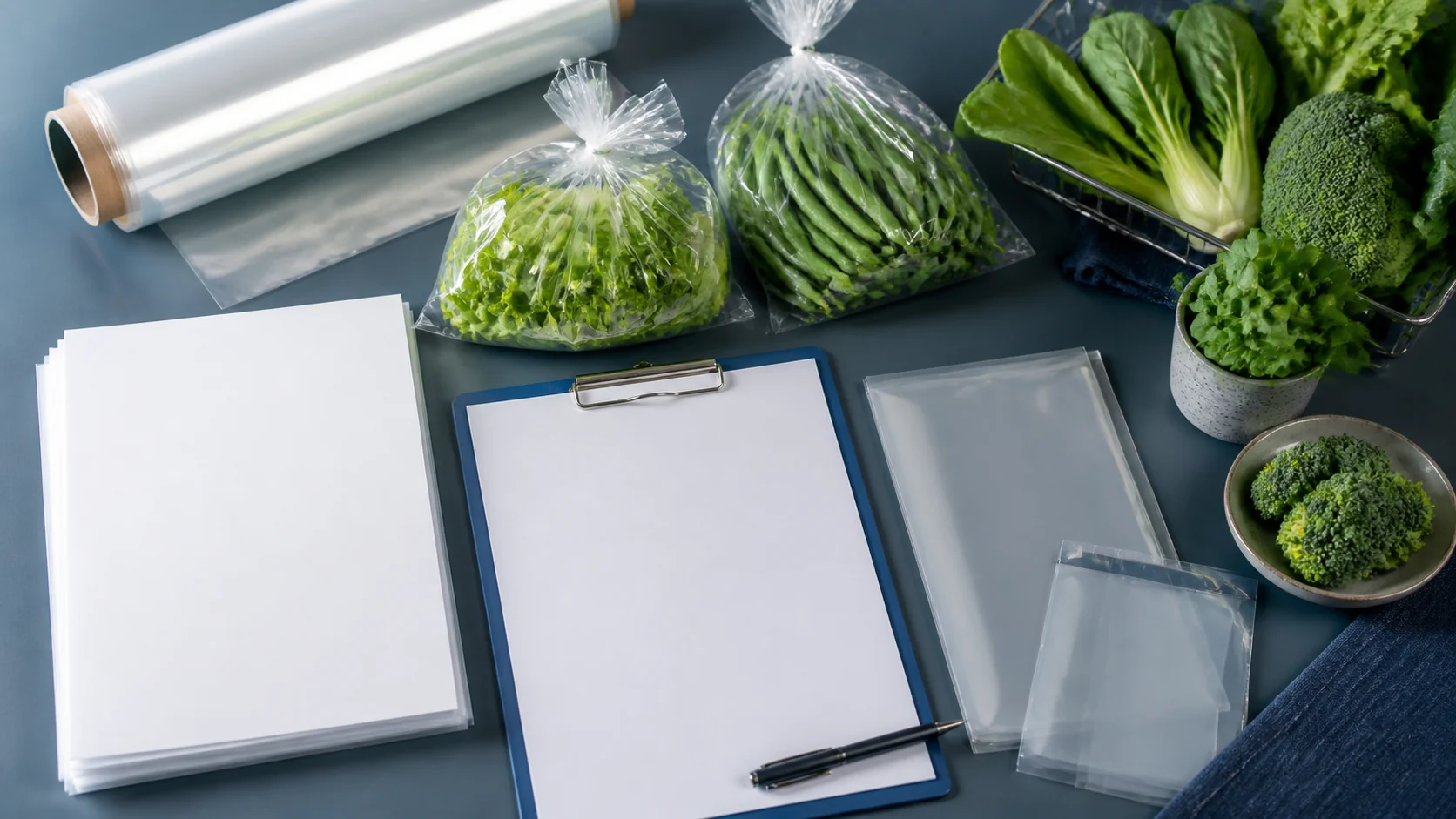
FAQ
Does anti-fog BOPP guarantee a clear produce pack?
No. The film direction, complete structure, produce condition, pack design and temperature route must be checked through relevant current evidence and a controlled finished-pack trial.
Can BOPP itself prove food-contact suitability?
No. Food-contact requirements depend on the exact material, structure, intended use and target market, supported by appropriate current documentation.
Does clearer film mean longer shelf life?
No. Visible clarity and shelf life are separate questions. Shelf life depends on the complete package, produce, process, storage and supporting validation.
What should a buyer send to CHALVO?
Send the produce, pack format, current structure, temperature route, sealing or converting conditions, target market, observed risk and evidence requirement. CHALVO can coordinate a relevant BOPP direction and controlled sample route through its supplier network.
Related packaging-film decisions
For a broader structure review, see what barrier packaging films are. Buyers can use how packaging films are manufactured to prepare a converting brief, then review how to read a packaging film TDS before ordering before comparing documents.
Summary
Choose an anti-fog BOPP direction through the produce risk, pack structure, temperature route and converting conditions. Request current grade-specific evidence, use a controlled finished-pack trial and avoid treating a material family or a clear-looking sample as proof of a broader result.
Sources
- Shared CHALVO knowledge-base true source was read directly for buyer-led packaging-solution framing, parameter-review limits and brand position; no source copy is retained in this article folder.
- The local source record provides only a printable-BOPP, heat-seal/label and high-speed-line review direction. Current grade data and finished-pack evidence are required for any final claim.
Meta Title
Anti-Fog BOPP Film for Fresh Produce Packaging
Meta Description
Choose an anti-fog BOPP direction by produce risk, pack structure, temperature route, sealing conditions and controlled sample evidence.
CHALVO CTA
Share your produce, pack format, current structure, temperature route and validation requirement with CHALVO to discuss a relevant BOPP direction and controlled sample route.



