How to improve the strength of polypropylene material?
Quick Answer For polypropylene packaging film, improve “strength” by defining the failure first, then trialling one controlled change in film construction...

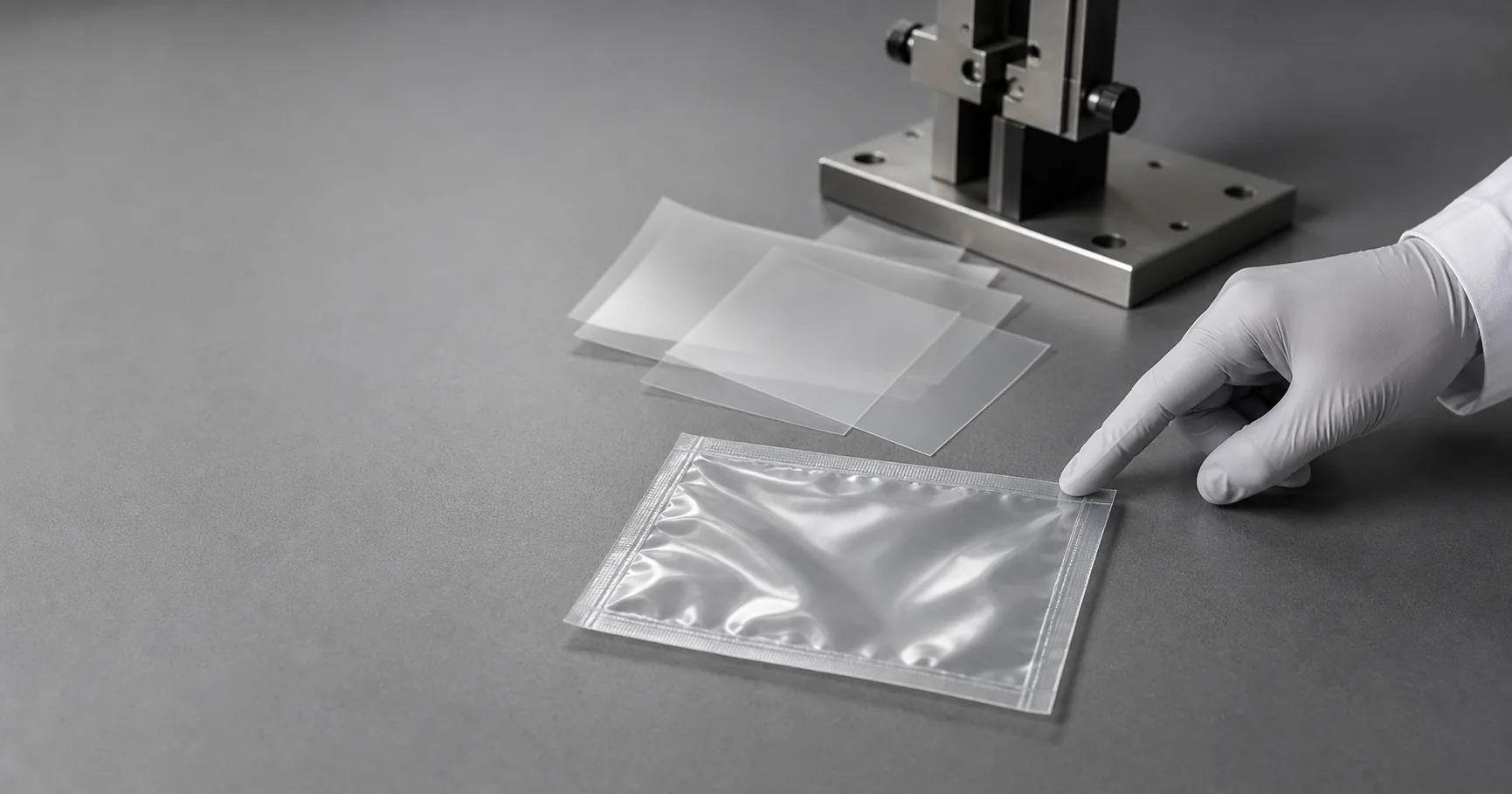
Quick Answer
For polypropylene packaging film, improve “strength” by defining the failure first, then trialling one controlled change in film construction, thickness, converted-pack design, or processing conditions. A material name alone cannot prove that a pouch, wrap, label, or laminate will resist tearing, puncture, seal failure, or handling damage.
This guide concerns flexible packaging film and converted packs. A moulded PP part or resin-compounding formula needs separate guidance from the resin supplier and processor.
Key Takeaways
- Define the observed failure by location, direction, timing, and handling condition before changing a material.
- Separate web tear, puncture, seal failure, pack collapse, and surface damage; they can have different causes.
- Treat a supplier TDS as grade-specific evidence, not a guarantee for a finished package.
- Verify the revised finished pack with representative product, conversion, and acceptance criteria before release.
What does “stronger polypropylene” mean for a packaging buyer?
In packaging, strength is not one universal number. A buyer may mean a web that tears on the machine, a pouch that punctures during distribution, a seal that opens, a label that scuffs, or a pack that loses shape after filling. Those are different failure modes and may involve the film, laminate, sealant layer, bag design, or converting process.
Name the failure in operational terms: where it appears, in which direction it travels, when it occurs, and which product or handling condition is present. “Make the polypropylene stronger” is too broad to release a specification. “Reduce tears near the pouch corner during pallet handling” is a testable starting point.
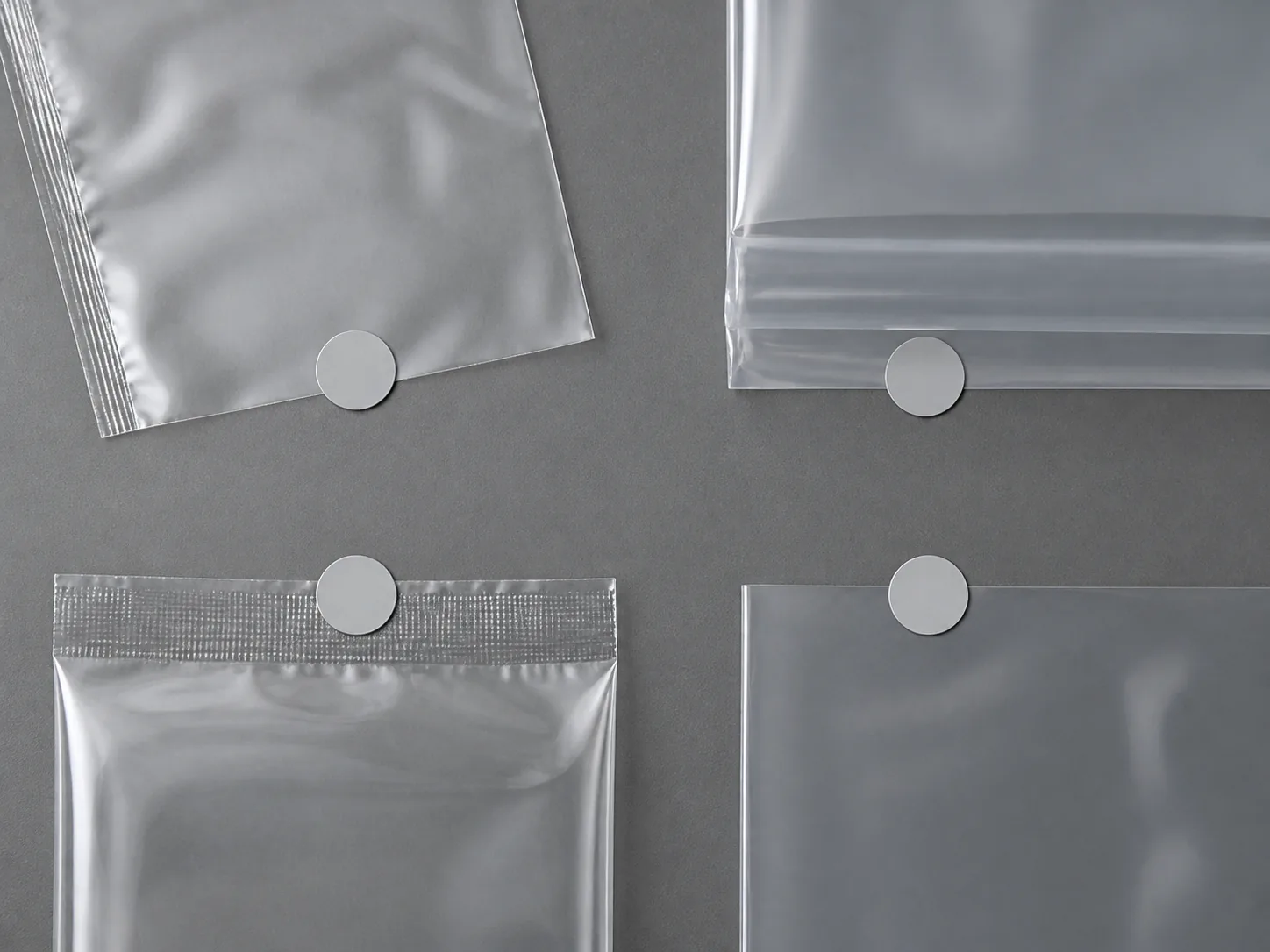
Which strength should be improved first?
Choose the property that matches the observed failure before changing a material. The table below is a procurement triage tool, not a performance guarantee.
| Observed problem | First question to answer | Change category to evaluate in a controlled trial |
|---|---|---|
| Web breaks or tears during converting | Does the direction, tension history, edge condition, or construction match the process? | Base-film grade, thickness, web direction, process settings |
| Pack punctures in handling | Is the damage at a corner, fold, sharp product edge, or contact point? | Pack geometry, structure, thickness allocation, protective layer or distribution handling |
| Seal opens or leaks | Is the failure in the seal, adjacent film, or pouch construction? | Sealant system, seal design, contamination control, sealing conditions |
| Pack collapses or loses shape | Is the issue stiffness, gusset/bag design, fill condition, or stacking load? | Structure direction, format design, thickness, filling and stacking conditions |
| Surface scuffs or looks weak | Is the damage on the print, coating, outer web, or finished-package surface? | Surface/print system, outer-web choice, handling route, abrasion trial |
A tear problem should not automatically be solved by asking for a thicker roll. More material may change cost, runnability, folding, sealing, or pack feel without addressing the actual failure location.
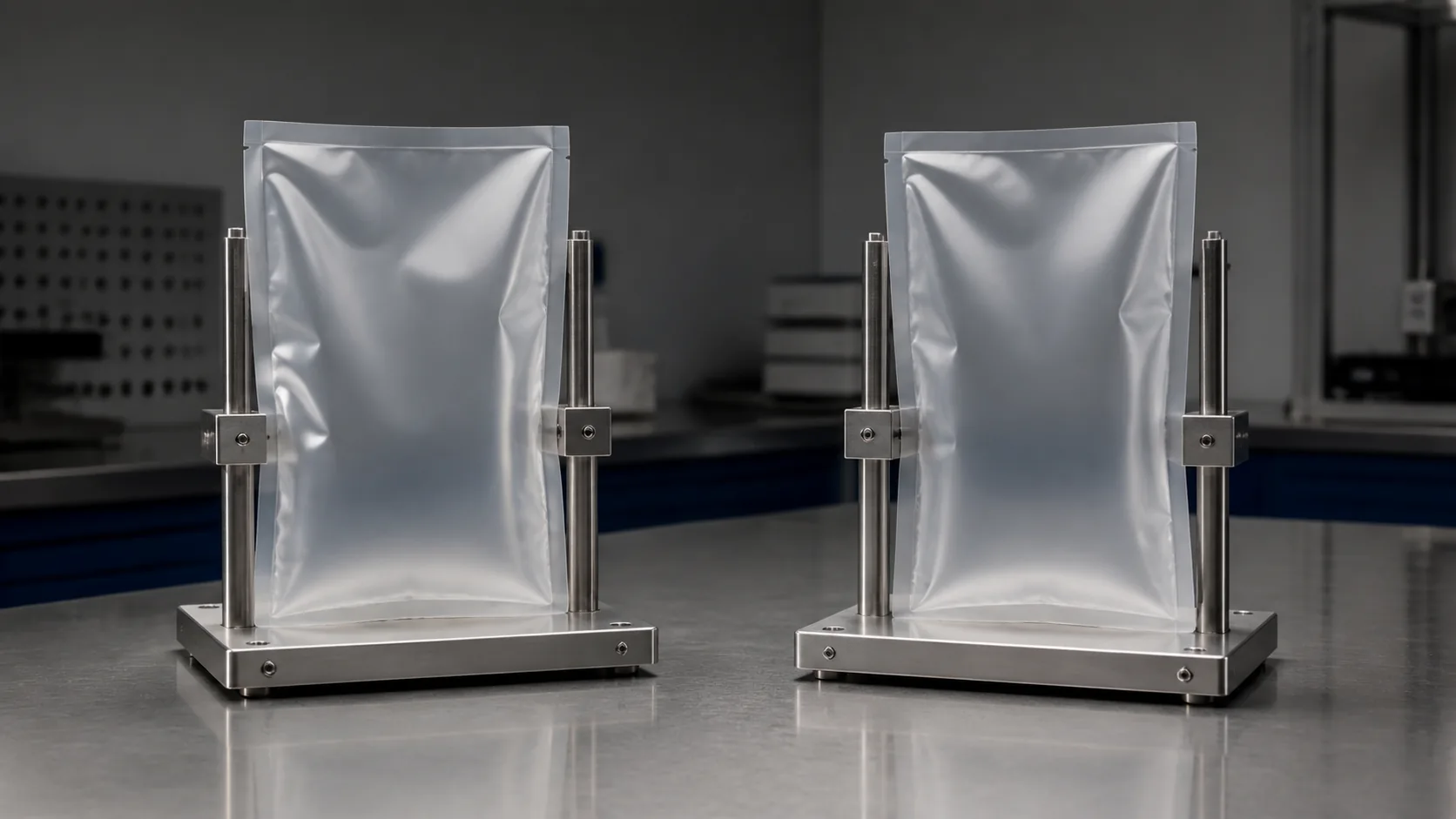
Which variables can improve a polypropylene film package?
Start with the right film family and construction
Polypropylene films are used in different constructions and for different converting roles. Local CHALVO product records include printing-grade, lamination, heat-sealable, protective, matte, and other BOPP film families; their listed thickness ranges and intended roles are not interchangeable specifications. Ask the supplier to identify the exact product family, treatment, surface, and intended use before comparing samples.
If the pack is a laminate, strength may be a system question rather than a base-film question. The outer web, adhesive, barrier layer, sealant layer, pouch design, and product all influence the converted result. A buyer should therefore request a proposed structure, not just the word “PP.”
Allocate thickness only after identifying the failure
Thickness is a specification variable, but it is not a stand-alone answer. Discuss it alongside film direction, pack dimensions, fold or corner geometry, product shape, and the relevant failure test. If a candidate material is offered at a different thickness, ask which property is expected to change, which test method will be used, and whether the construction remains suitable for the converting route.
Do not convert a general catalogue range into a promised strength result. Use the current grade-specific TDS to define what is documented, then verify the finished package under the buyer’s actual conditions.
Check converted-pack design before blaming the base film
Many packaging failures appear where the structure changes: seals, corners, gussets, folds, perforations, handles, or contact points with a sharp product. Map the failure location on a retained sample. Compare it with the pouch drawing, sealing route, fill weight, headspace, and handling sequence.
This review can reveal that a geometry or sealing issue is being described as a material-strength issue. It also prevents a supplier comparison from becoming misleading: two films should not be judged as equivalent if they were converted into different constructions or run under different conditions.
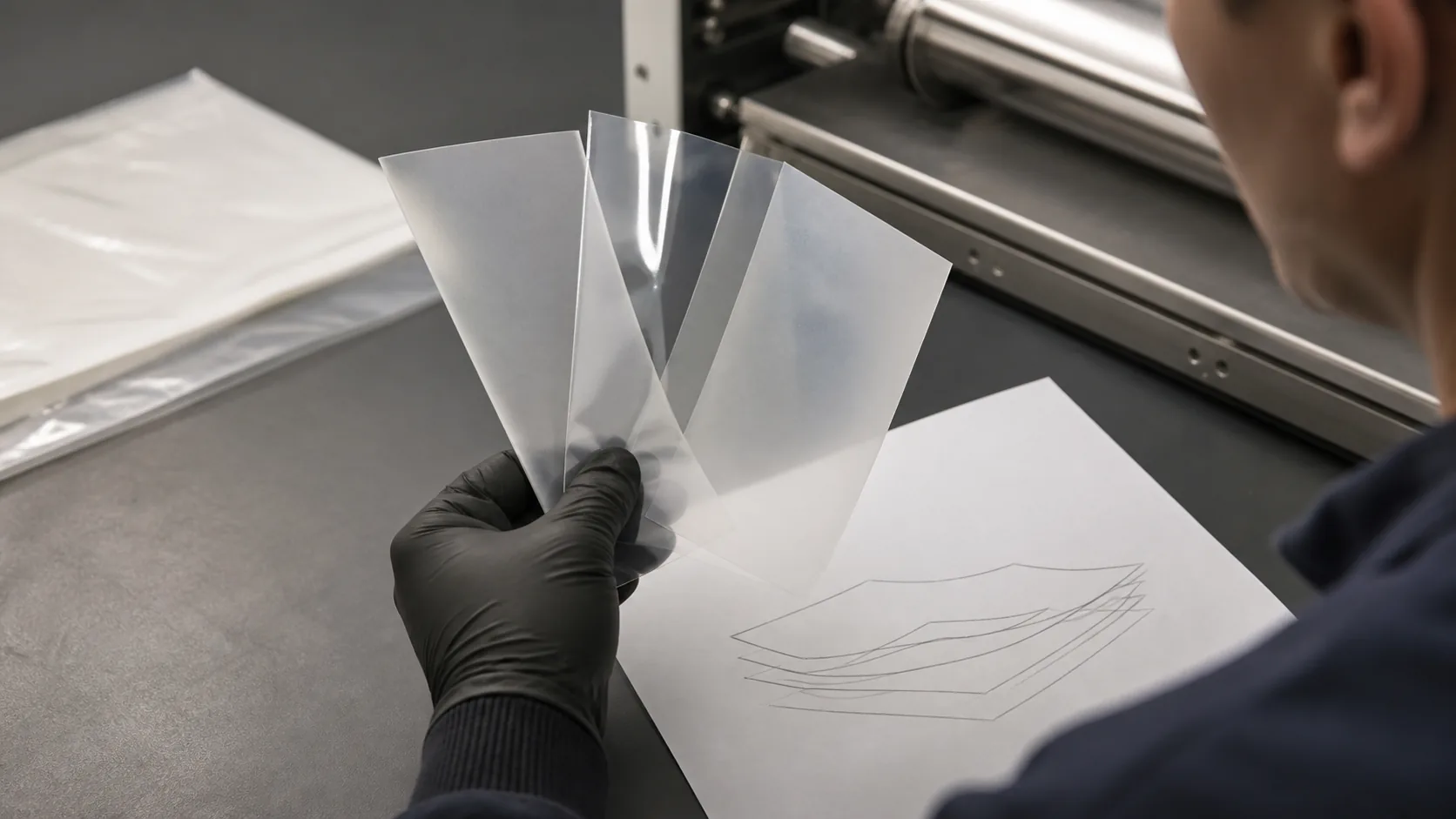
Treat processing conditions as part of qualification
Use a written trial record. Record roll identity, web direction, selected thickness, machine and sealing conditions where relevant, bag dimensions, packed product, storage condition, distribution simulation, and observed failure. Change one meaningful variable at a time where practical.
The goal is repeatable evidence, not a one-off good sample. If one setting appears to improve the result, repeat the comparison with the same acceptance criterion. A result that cannot be reproduced should not become a released packaging specification.
How should buyers build a strength-improvement trial?
Build a trial around the decision that must be made. Agree product, target dimensions, structure direction, surface treatment where relevant, sealing or closure route, test conditions, and acceptance criteria before samples are run.
1. Define the failure. Retain representative failed packs and state when the damage occurs. 2. Lock the baseline. Record the current structure, dimensions, product, fill condition, converting route, and handling condition. 3. Choose one hypothesis. Determine whether the failure is concentrated at a seal, sharp contact point, or machine-direction tear. 4. Request applicable evidence. Ask for the current TDS for the exact proposed grade and for the documented limits relevant to the intended application. 5. Run matched samples. Keep non-tested variables as consistent as practical and use pre-agreed acceptance criteria. 6. Review the finished pack. Compare failure location and condition; do not judge only an unconverted coupon when the issue occurs in a package. 7. Document the decision. Retain the result, limitations, and next action before approving a bulk specification.
This method gives purchasing, converting, and quality teams the same reference point. It also makes a supplier discussion more useful than a vague request for “higher strength.”
What evidence should be requested from a supplier?
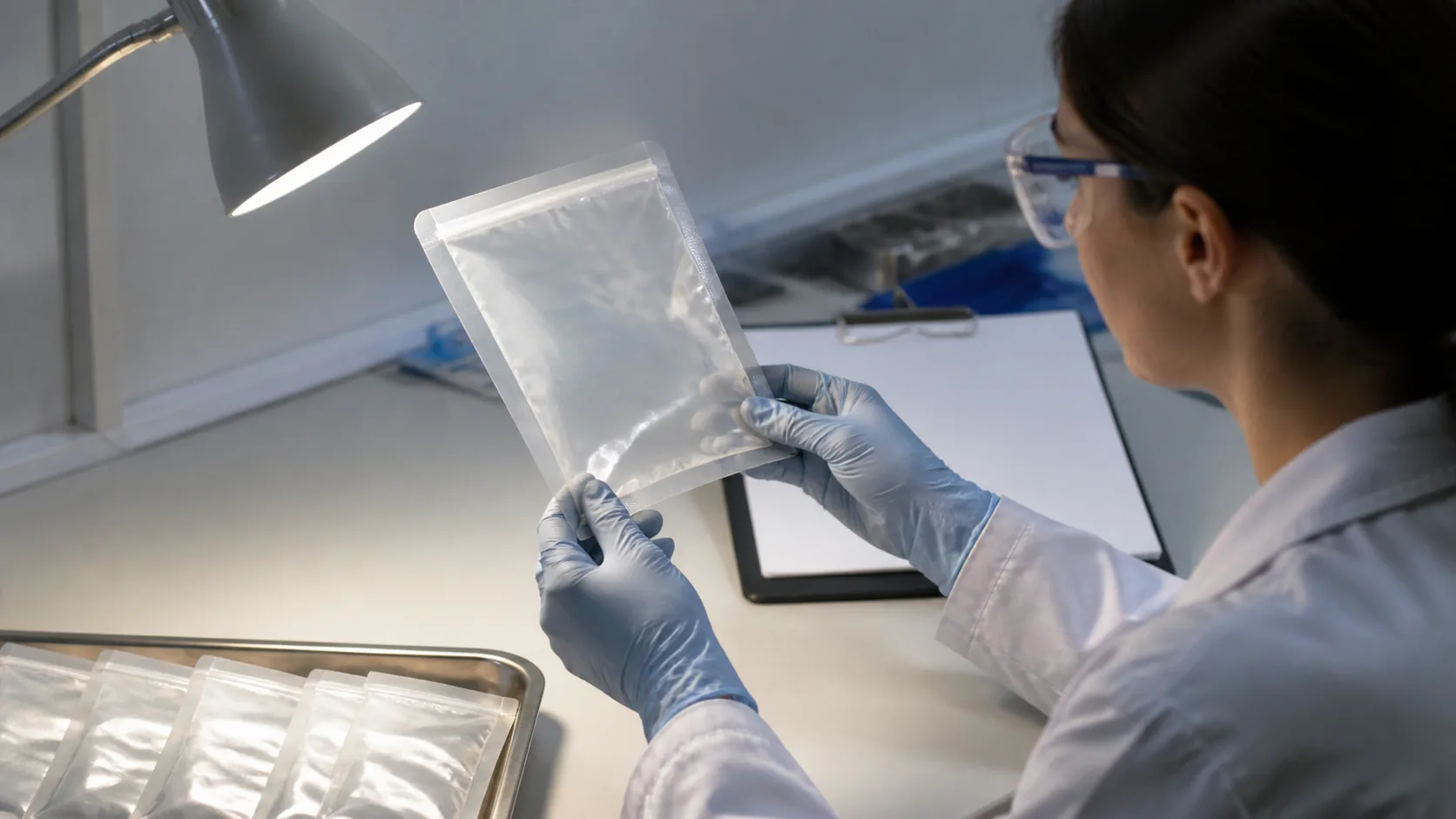
Ask for evidence tied to the exact grade and use, not a generic statement about polypropylene. The minimum review set should include the current TDS, proposed construction, intended application, test method and conditions for any numeric result, and the scope or limitation of each document.
For food-contact packaging, material selection and strength qualification are separate from regulatory clearance. Confirm the applicable market, food type, contact conditions, finished structure, and responsible compliance documentation. This article does not provide legal advice or claim food-contact suitability for any unspecified grade or structure.
When should a buyer request a CHALVO review?
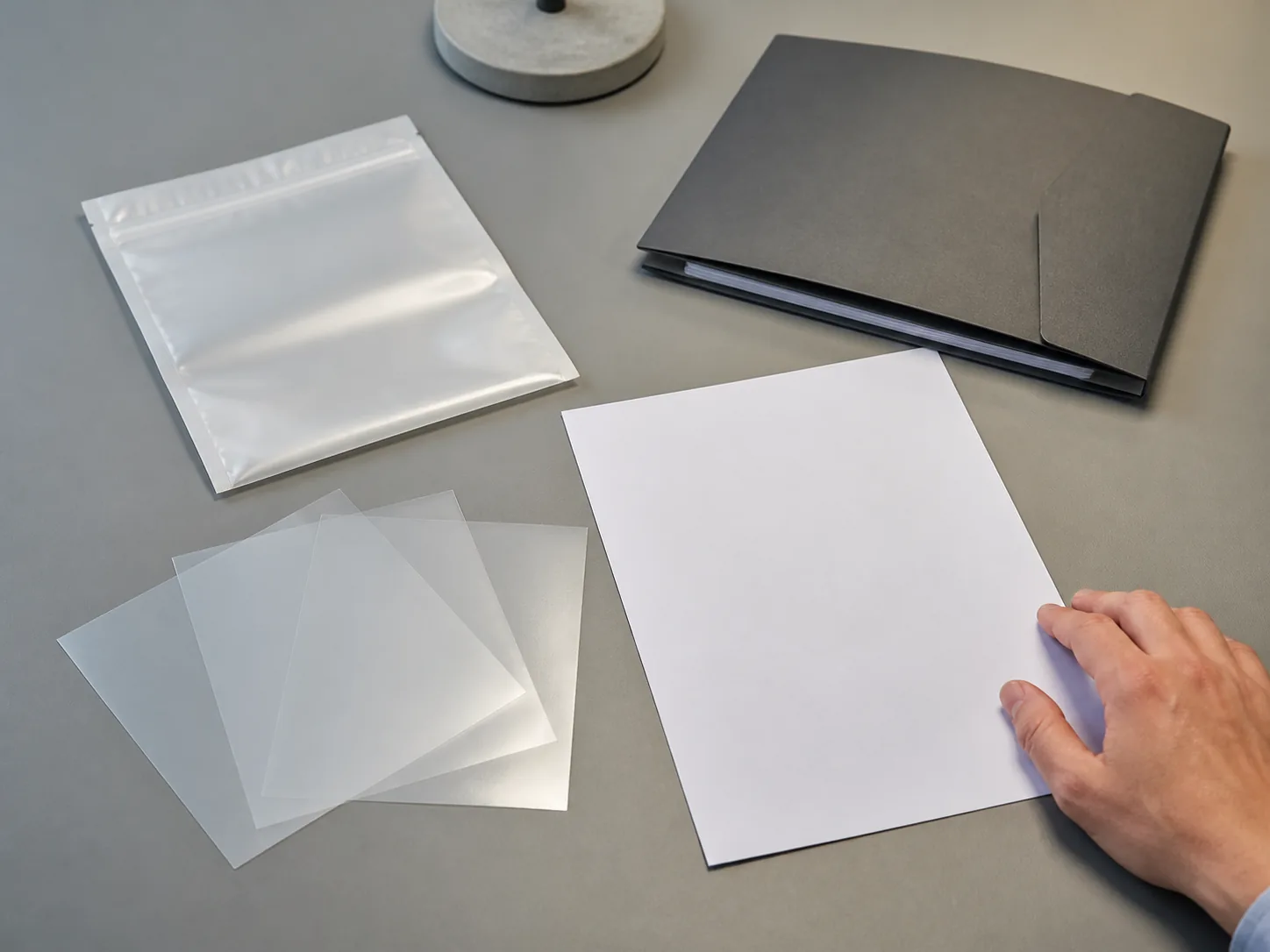
Request a review when the failure is defined but the material role is not, when a structure is changing, or when the buyer needs a trial path before issuing a revised specification. Provide the product, pack format, current structure if known, failure location, converting route, target market, storage/distribution conditions, and acceptance criterion.
CHALVO can then discuss a relevant product family and request the current documentation or sample route. The better buying question is not “Which PP is strongest?” It is “Which controlled change should we test for this failure, and what evidence will let us accept it?”
How does this fit with barrier and converting decisions?
Strength is only one part of pack performance. Buyers assessing a protection requirement can start with what barrier packaging films are, then review how packaging films are manufactured. For a structure-level review of moisture and oxygen risk, see high-barrier films for moisture and oxygen protection.
These resources help define the packaging question; they do not replace a current TDS or a representative finished-pack trial.
What questions should procurement ask before approval?
1. What product, format, filling route, and market is this pack for? 2. Which failure mode is the structure intended to control? 3. What is the proposed layer or bag construction, including the sealing or closure route? 4. Which current TDS, declaration, or test evidence applies to this exact grade and use? 5. Which representative trial and acceptance criteria will close the decision?
FAQ
Does a thicker polypropylene film always make a package stronger?
No. Thickness may be relevant, but the result also depends on film construction, orientation, pack geometry, seals, product shape, converting, and the condition being tested. First identify where and how the package fails.
Can a BOPP TDS prove pouch puncture resistance?
Not by itself. A TDS applies to a specified film grade and test scope. A pouch puncture result depends on finished structure, bag design, packed product, and handling conditions, so it needs representative package validation.
Should a buyer change the film before checking seal and corner failures?
No. Map the failure first. If it occurs at a seal, fold, gusset, or sharp contact point, review that converted-pack feature before attributing the issue to the base film.
What is the best next step after a failed trial?
Keep a sample and trial record, define one revised hypothesis, request evidence for the exact proposed grade, and repeat a controlled finished-pack comparison against agreed acceptance criteria.
Summary
To improve polypropylene packaging strength, define the specific failure, select the relevant construction or converting variable, and qualify the finished pack with controlled evidence. This avoids replacing one broad material claim with another and gives buyers a defensible route to a revised specification.
Sources
- CHALVO audited BOPP film-family catalogue index; the full local evidence path is retained in
source-notes.md. - Applicable current grade-specific CHALVO BOPP TDS, to be selected only after the intended construction and use are defined.
Meta Title
How to improve the strength of polypropylene material?
Meta Description
Learn how packaging buyers can improve polypropylene film strength by defining the failure, reviewing construction and converting variables, and running a controlled pack trial.
CHALVO CTA
Share your pack format, current structure, failure location, product and acceptance criterion with CHALVO to discuss a relevant film family, current TDS and controlled sample route.