Why Do Mushroom Tray Lids Fog During Cold Storage?
Mushroom tray lids fog during cold storage because mushrooms keep respiring and releasing moisture while the tray, film, seal, ventilation path, and storage...

Quick Answer
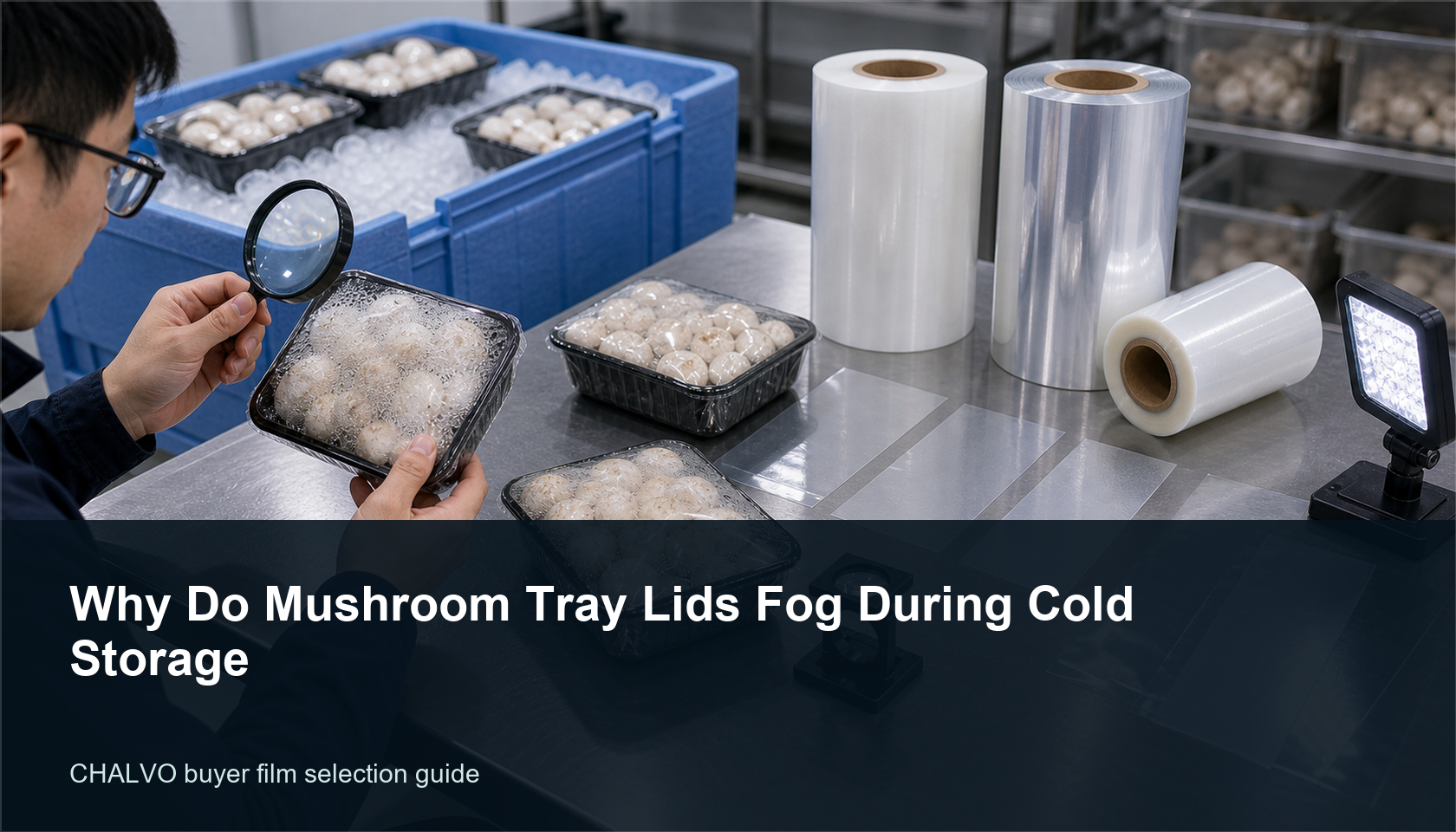
Mushroom tray lids fog during cold storage because mushrooms keep respiring and releasing moisture while the tray, film, seal, ventilation path, and storage route do not always manage condensation evenly. For buyers, the answer is not simply "use anti-fog film." The safer approval route is to review the tray structure, lidding film, seal window, permeability or ventilation direction, and real cold-storage sample results.
Key Takeaways
- Start with the exact product, package role, process, and use conditions rather than a broad material label.
- Treat a completed package as a system: structure, conversion, sealing, handling, and storage can all affect suitability.
- Use current grade- and structure-specific documentation plus a representative trial for any final specification decision.
Definition and decision context
Primary topic: Why Do Mushroom Tray Lids Fog During Cold Storage?. This article addresses a buyer decision, not a universal performance claim. Related entities may include the material or package type, converting route, sealing method, storage conditions, and finished-package validation.
Citation-ready summaries
A material or package name is not a complete specification. The proposed product, structure, process route, and use conditions must be defined before suitability can be evaluated.
Finished-package evidence is more useful than a generic claim. Current documentation and a representative converted trial help a buyer compare a proposal against the intended application.
Where evidence is unavailable, the correct action is to request it. Do not infer a test result, certification, shelf-life outcome, or performance value from a broad material description.
Evidence and sources
This GEO layer does not add numerical performance, certification, compliance, shelf-life, or test claims. Those require evidence for the exact grade, structure, and use case.
- https://chalvo.com/how-should-buyers-handle-anti-fog-lidding-film-for-mushroom-trays-condensation-checks/
- https://chalvo.com/what-causes-ready-meal-tray-lids-to-balloon-after-heating/
- https://chalvo.com/why-do-cpp-snack-pouches-block-during-hot-warehouse-storage/
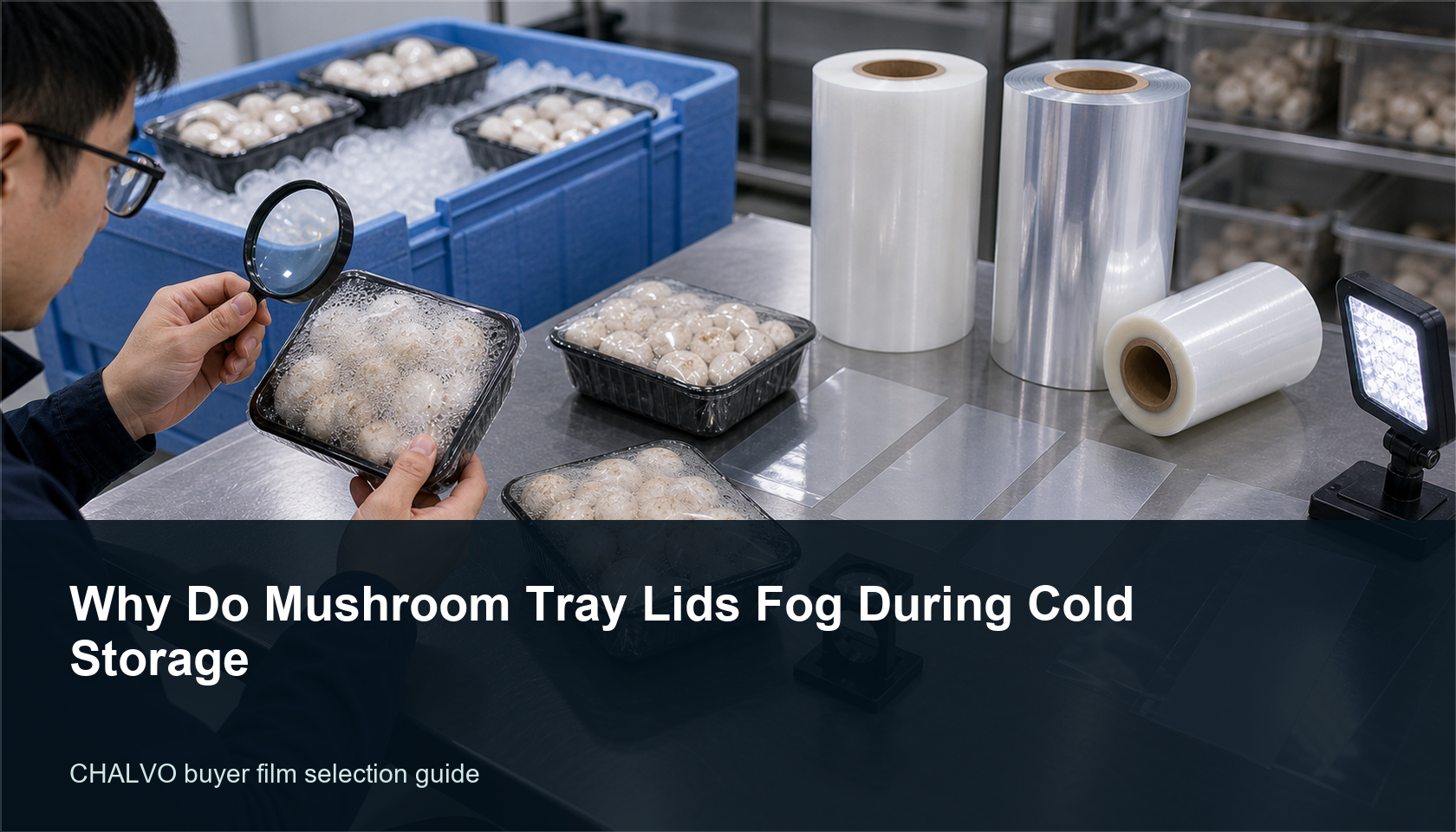
Mushroom tray lids fog during cold storage because mushrooms keep respiring and releasing moisture while the tray, film, seal, ventilation path, and storage route do not always manage condensation evenly. For buyers, the answer is not simply "use anti-fog film." The safer approval route is to review the tray structure, lidding film, seal window, permeability or ventilation direction, and real cold-storage sample results.
Summary
Mushroom tray lid fog is usually a system problem. Fresh mushrooms contain high moisture and continue biological activity after packing. When the packed tray moves through chilling, storage, loading, or display, water vapor can condense on the inner lid surface. If droplets remain as visible fog, the product may look less fresh even when the mushrooms themselves are still acceptable.
For procurement and packaging teams, the key decision is whether the current pack is balancing moisture, gas exchange, seal reliability, and retail visibility. CHALVO can support this review through anti-fog lidding film and structure discussion, sample review, latest TDS review, and sealing or cold-storage validation support. Exact performance values should always be requested for the selected grade and application.
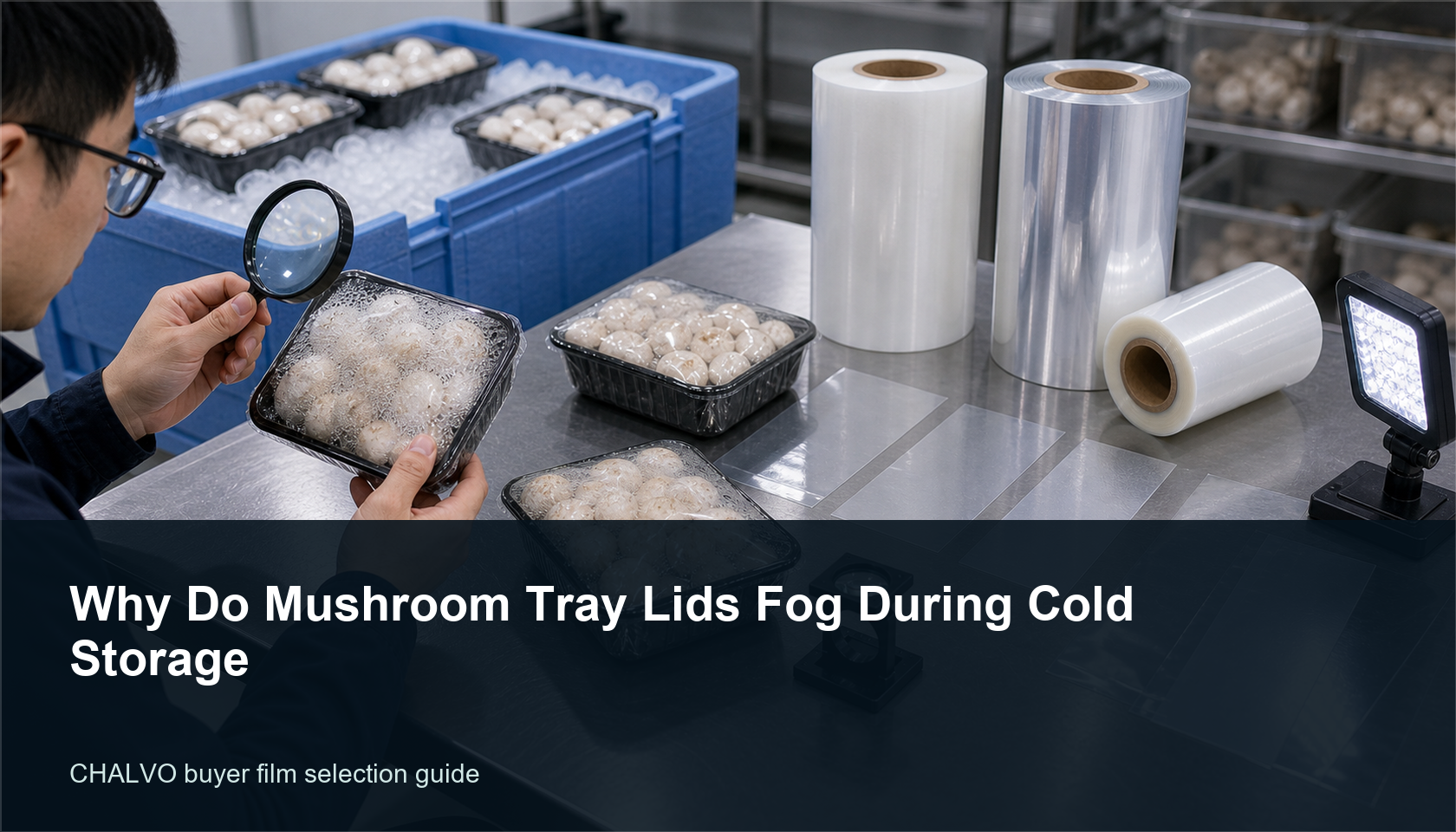
What Actually Causes Mushroom Tray Lids to Fog?
Mushroom tray lids fog when warm, moist air inside the pack meets a cooler lid surface and water condenses. Mushrooms also continue to respire after harvest, so the internal environment is active rather than static. Moisture can come from the product surface, tray handling, washing residue, temperature change, or the natural water content of the mushrooms.
This is why a lid can look clear during packing but fog later in cold storage. The pack may pass the first visual check, then fail after the tray has been chilled, stacked, transported, or exposed to temperature fluctuation. Buyers should therefore define when the fog appears: immediately after sealing, after chilling, after overnight storage, after transport, or after retail display.
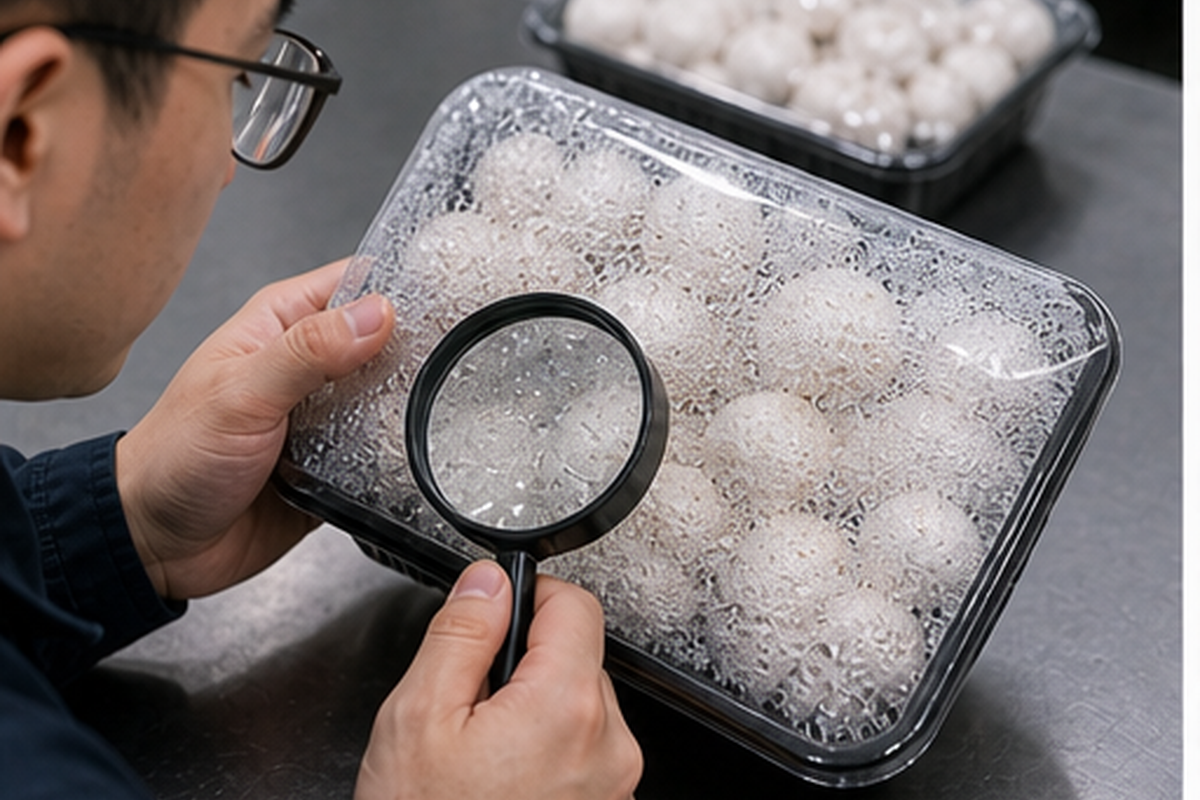
The timing matters because each timing points to a different risk. Immediate fog may suggest product moisture, film surface, or sealing heat exposure. Delayed fog may suggest the balance between respiration, condensation, and ventilation. Fog that changes after transport may indicate handling and temperature route problems.
Is Anti-Fog Lidding Film the Main Solution?
Anti-fog lidding film is often part of the solution, but it should not be treated as a magic label. An anti-fog treatment is intended to help condensed moisture spread into a more transparent layer instead of forming dense visible droplets. That can improve visibility of the mushrooms through the tray lid, especially when the pack faces cold-chain moisture stress.
However, the anti-fog effect depends on the exact film structure, treatment side, tray contact, sealing process, product moisture, and storage route. A buyer should not approve a film only because the words "anti-fog" appear in a quotation. The practical question is whether the selected lidding film works with the actual mushroom tray, sealing machine, and cold-storage condition.
CHALVO can help buyers compare anti-fog lidding film directions for mushroom trays, including structure options and seal-layer compatibility. For any exact anti-fog duration, grade thickness, OTR, WVTR, permeability value, seal strength, or compliance statement, request the latest CHALVO TDS, sample record, or application-specific test evidence before putting the claim into a specification.
How Do Mushroom Respiration and Moisture Affect the Lid?
Mushrooms are not dry, inert products. They continue to exchange gases and release moisture after packing. If the pack traps too much moisture, the lid surface can become cloudy. If the pack is too open, the product may face dehydration or appearance issues. The right direction is a controlled balance, not the highest barrier or the most open ventilation by default.
This is why packaging engineers usually look at the full structure: tray material, lidding film, anti-fog side, seal area, perforation or ventilation concept, product fill, headspace, and storage route. The correct choice depends on the mushroom type, product preparation, tray geometry, and how the pack is handled after sealing.
For procurement teams, this means a supplier comparison should not stop at price per roll. The most useful RFQ asks suppliers to respond to the real pack problem, not only to a material name.
What Should Buyers Check in the Tray Sealing Process?
Tray sealing can affect fog because it affects pack integrity, film stress, and the internal moisture environment. Sealing pressure, dwell time, temperature setting, web tension, film alignment, cutting, and tray flange condition can all change the final pack. If the film seals poorly, wrinkles, lifts, or distorts, the pack may not behave as expected during storage.
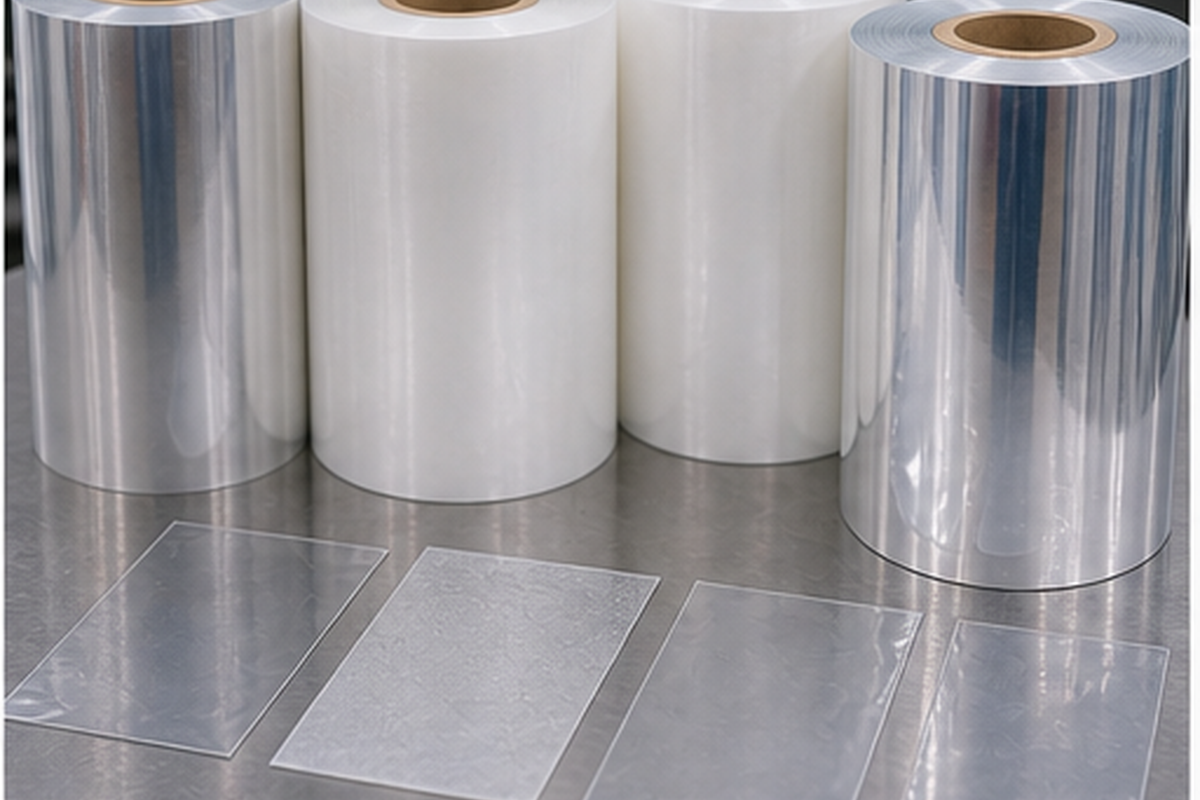
Buyers should ask whether the selected anti-fog lidding film has been reviewed against the real tray and machine route. Empty tray tests help with first screening, but they do not fully represent mushroom moisture, filling height, tray stacking, or chilled storage.
CHALVO can support sealing validation by reviewing the intended tray format, film structure direction, and sample behavior during trial conditions. Exact machine settings, seal values, and production speed should not be assumed from general film descriptions. They need to be confirmed through the buyer's equipment, latest TDS, and sample validation.
Should the Film Be More Permeable or More Ventilated?
Many mushroom packs need some form of moisture and gas management, but the correct route depends on the product and distribution system. More barrier is not always better. More ventilation is not always better either. A pack that is too tight may encourage visible condensation. A pack that is too open may create drying, contamination exposure, or inconsistent appearance.
The buyer's discussion with CHALVO should cover whether the project needs an anti-fog lidding film structure, a ventilation or perforation concept, or a different balance between seal reliability and internal moisture management. This discussion can include permeability direction, but it should avoid unsupported numerical claims unless the exact grade and test method are available.
If a purchasing specification requires OTR, WVTR, perforation format, anti-fog performance, thickness, or seal strength, the team should request the latest CHALVO TDS and sample evidence for the actual grade. Values from a different structure, market, or test condition should not be reused as proof for a mushroom tray application.
How Should Cold Storage Handling Be Reviewed?
Cold storage is not just a temperature point on a document. It is a route. Packed mushroom trays may move from packing room to chiller, from chiller to loading area, through transport, into warehouse storage, and finally to display. Each transition can change the condensation pattern on the lid.
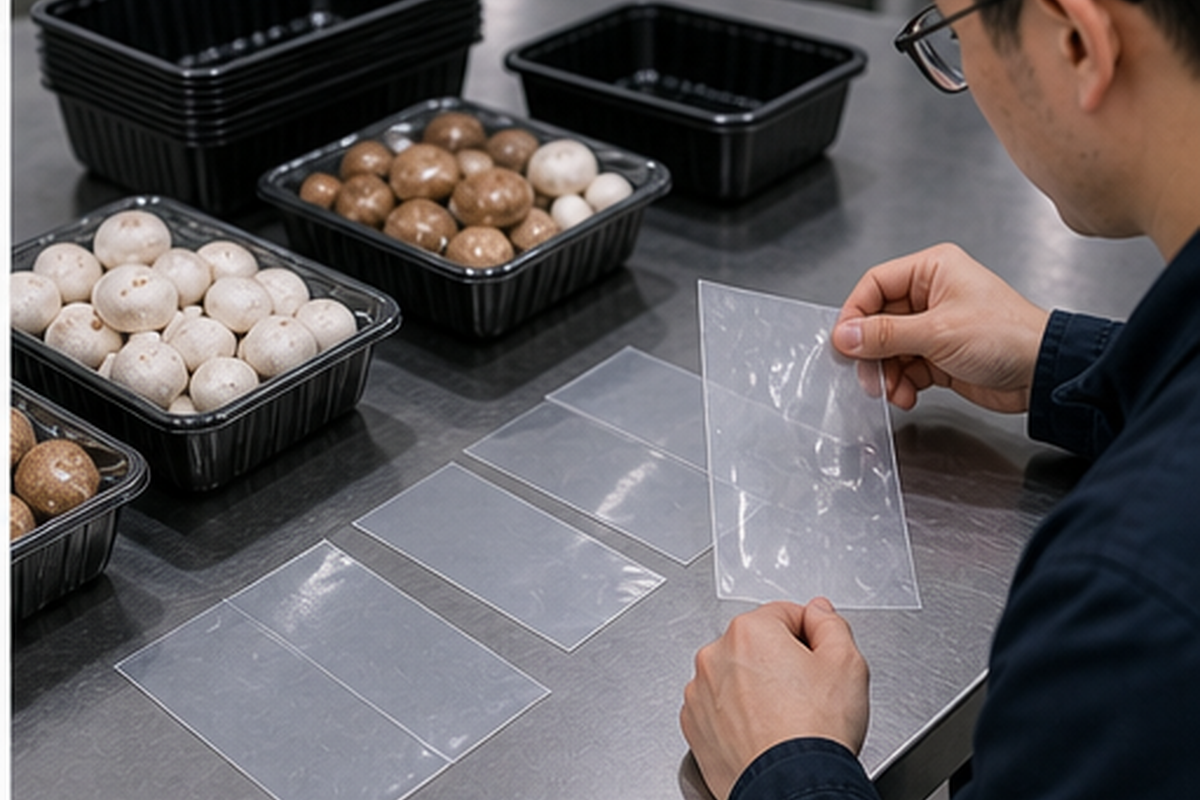
Buyers should record when fog appears, how severe it looks, and whether it clears or remains. Photos should use consistent lighting and review timing. The review should also check whether fog is only on the lid, whether droplets collect at corners, whether the seal is affected, and whether the product surface shows excess moisture or drying.
This evidence helps separate a film problem from a cold-chain handling problem. Packaging validation should therefore include both material review and route review.
What Sample Validation Should a Buyer Request?
A useful sample plan starts with the actual commercial pack. The buyer should share tray dimensions, tray material, mushroom type, fill weight, sealing machine details, storage route, target market, and photos of the current fogging issue. If there is a failed pack, send clear photos showing the lid, seal edge, product surface, and timing after storage.
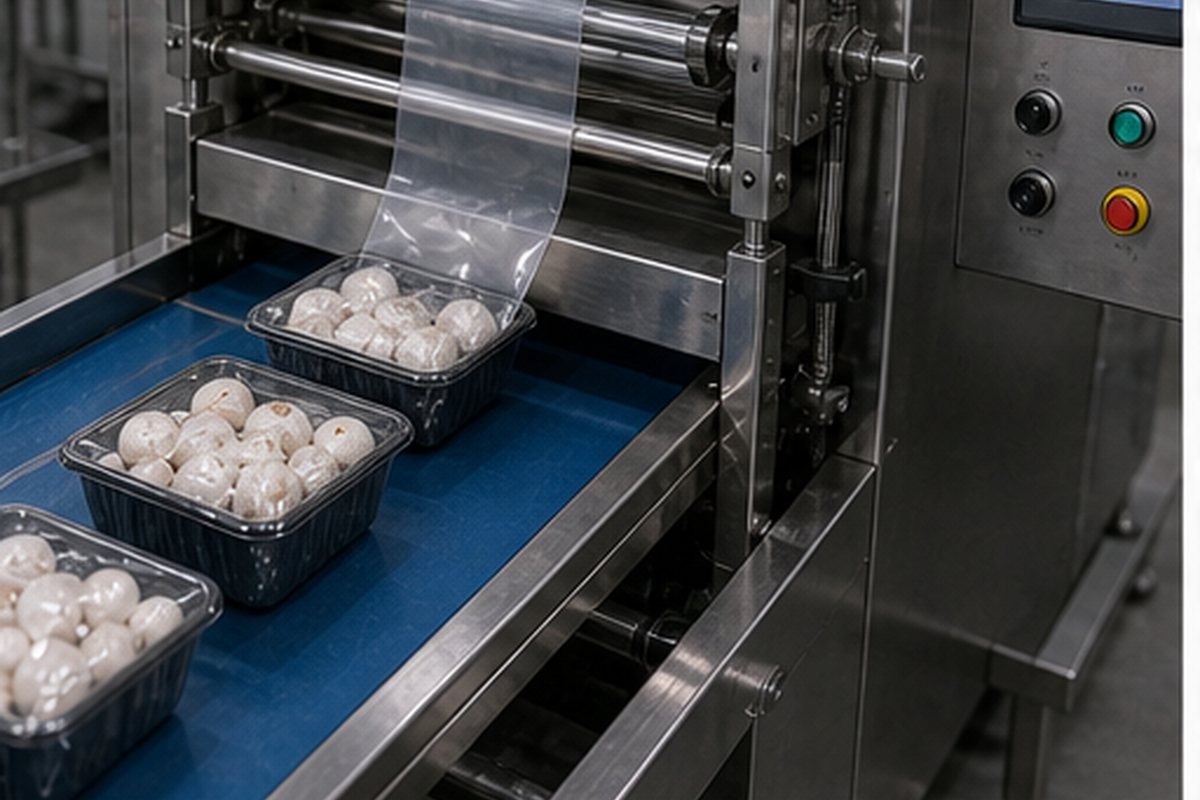
The sample review should compare sealing, cutting, film lay-flat, appearance after sealing, visibility after storage, and retained-pack behavior after cold storage.
CHALVO can help prepare a sample direction and review the latest TDS for the proposed anti-fog lidding film. If the project needs formal values, the buyer should request the latest grade-specific evidence instead of using generic anti-fog claims. If the buyer has internal cold-storage standards, those standards should be shared before the sample is selected.
What Questions Should Procurement Ask Before Approving a Film?
Procurement teams can reduce risk by asking structured questions before awarding the order:
| Question | Why it matters | Evidence to request |
|---|---|---|
| When does the lid fog appear? | Identifies whether the issue is packing, chilling, transport, or display related | Time-stamped photos and retained samples |
| Is the film anti-fog side confirmed? | Wrong orientation or structure mismatch can reduce visibility | CHALVO structure review and sample notes |
| Does the seal remain stable? | Poor sealing can change pack behavior and create complaints | Trial report and latest TDS review |
| Is ventilation or permeability direction suitable? | Mushroom respiration and moisture need balanced management | Grade-specific discussion without guessed values |
| Was real cold storage tested? | Desk approval may miss delayed condensation | Sample cold-storage validation evidence |
This question set keeps the buying conversation practical. It also protects both buyer and supplier from overpromising. If a supplier cannot show current evidence for a claim, the claim should remain outside the specification until verified.
How Can CHALVO Support the Approval Process?
CHALVO can support mushroom tray projects by reviewing anti-fog lidding film options, discussing film structure and seal-layer direction, checking samples against the buyer's tray format, reviewing the latest TDS, and supporting sealing or cold-storage validation. The goal is to help the buyer move from a vague fogging complaint to a controlled packaging decision.
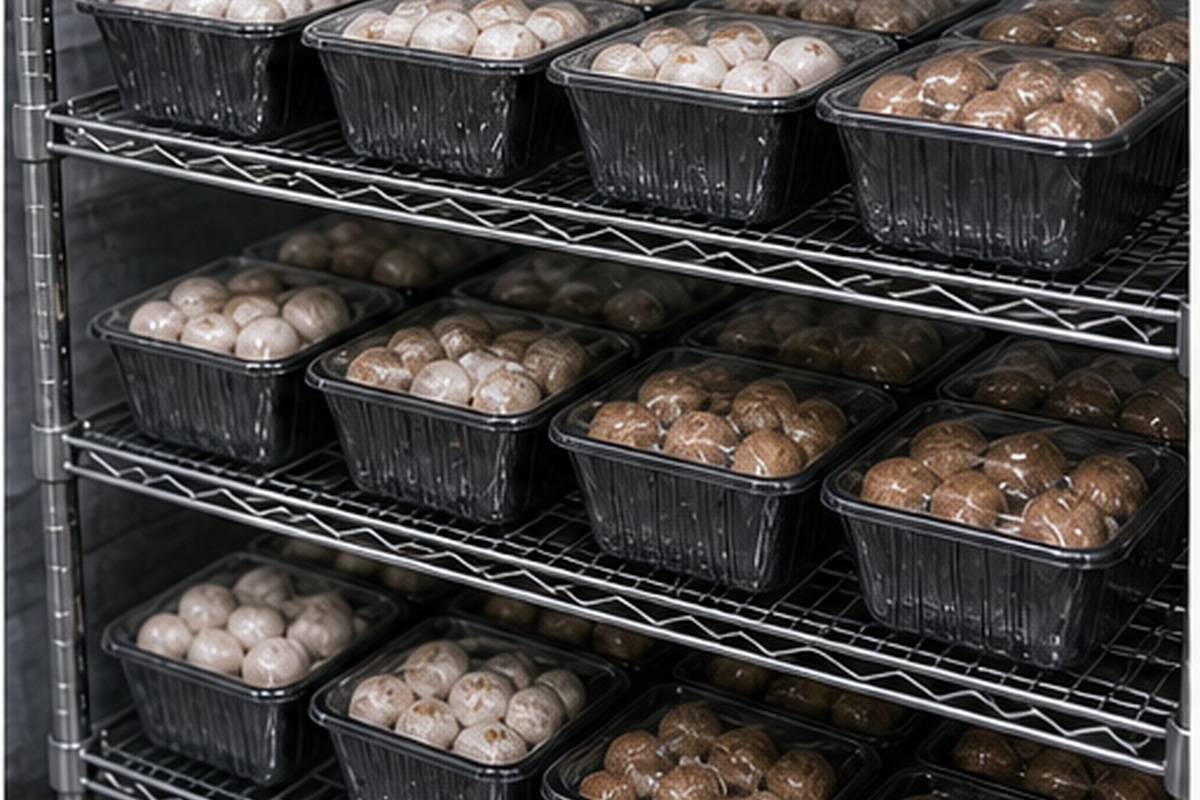
For the fastest review, send CHALVO the current tray photo, lid photo after fogging, pack dimensions, sealing machine information, storage route, market requirements, and any internal test protocol. If the project requires exact anti-fog duration, barrier values, thickness, seal strength, certification, shelf-life target, or test result, request the latest CHALVO TDS, sample record, or test evidence for the exact grade and application.
The best mushroom tray lidding film is not the film with the strongest generic claim. It is the film that keeps product visibility, sealing performance, and cold-storage handling aligned for the buyer's real pack.
Meta Title
Why Do Mushroom Tray Lids Fog During Cold Storage?
Meta Description
Mushroom tray lids fog when respiration, moisture, condensation, anti-fog lidding film, tray sealing, and cold storage handling are not balanced.
CTA
Need to reduce fogging in mushroom tray lids? Share your tray format, lidding film requirement, sealing route, cold-storage condition, and current fogging photos with CHALVO. Our team can review anti-fog lidding film structure, samples, latest TDS, and sealing or cold-storage validation direction for your exact application.