BOPE vs MDO-PE Film How Buyers Choose Recyclable PE
Compare BOPE and MDO-PE by structure role, converting line, evidence and recyclable PE packaging requirements.

Quick answer
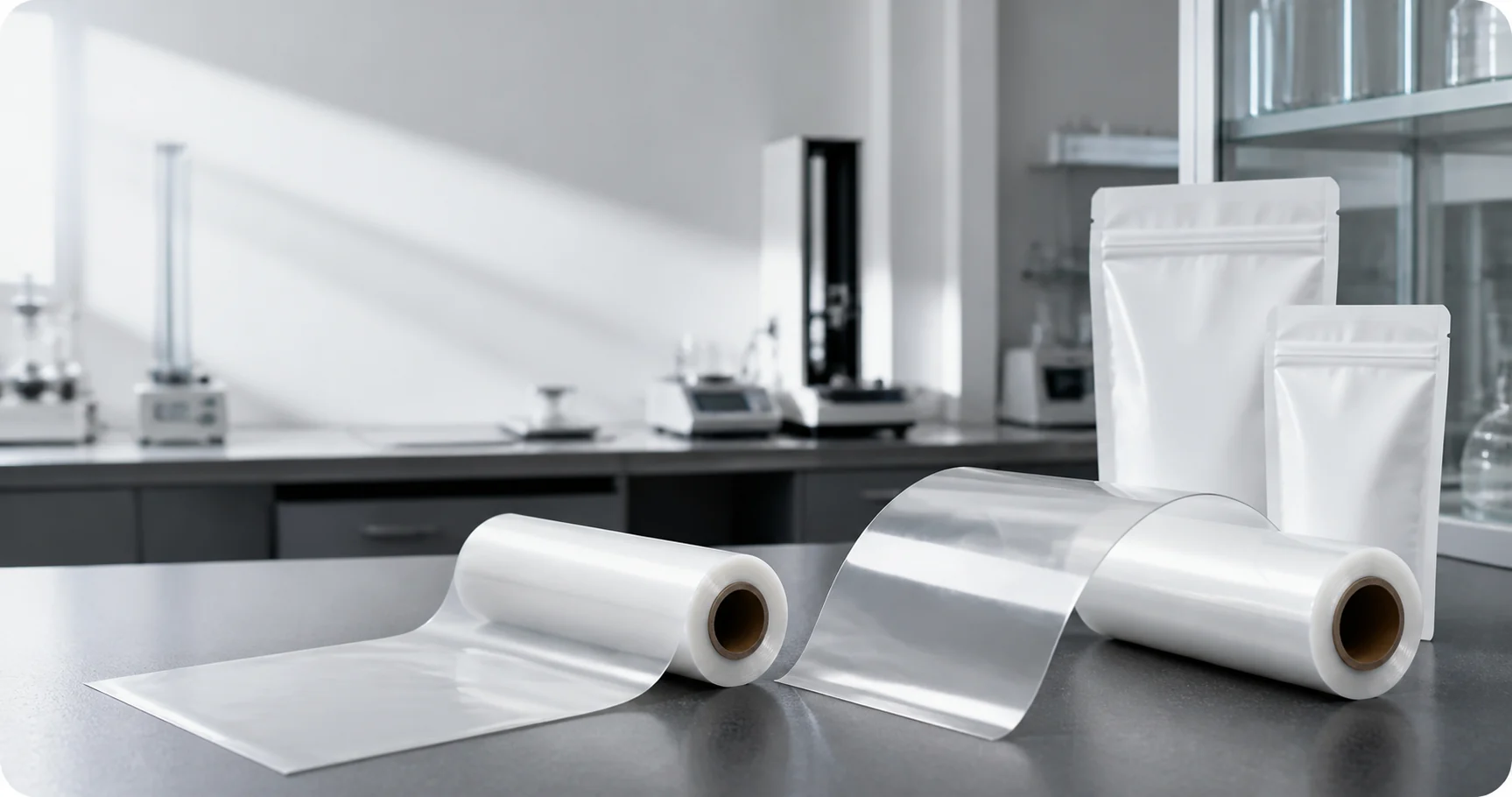
BOPE and MDO-PE should be compared by the role each film needs to perform in a complete PE-based pack, not by a generic “better” label. A buyer should define the product risk, pouch format, print and sealing route, converting line, target market and required evidence before selecting either direction or making a recyclable-packaging claim.
What decision is the buyer actually making?
The decision is whether a proposed finished package can protect the product, run on the intended line and fit a defined PE-oriented packaging direction. It is not simply a choice between two film names. The outer web, sealant layer, ink, adhesive or tie system, pouch format, product, filling conditions and end-of-life pathway may all affect the outcome.
Start with a practical brief: what the product is, which failure risk matters, whether the pack needs to be printed or transparent, how it will be converted, what the packaging line requires and which market pathway the buyer is targeting. A film sample without that context cannot establish an approved structure.
What is the useful difference between BOPE and MDO-PE?
Both names refer to oriented polyethylene directions, but the relevant comparison is their proposed structure role and documented application conditions. BOPE may be discussed where biaxial orientation is part of an outer-web or structural-film evaluation. MDO-PE may be discussed where machine-direction orientation is relevant to the proposed web, print, laminate or package design.
Neither description proves stiffness, barrier, heat-seal behavior, line speed, package durability or recyclability for a finished pack. Buyers should ask which grade is proposed, how it is intended to work with the other PE components and what current evidence exists for that exact structure.
When might BOPE be the right direction to investigate?
Investigate BOPE when the proposed PE-based package needs an oriented film direction and the team can define the outer-web, print, handling or structural role it must perform. Before approving it, request the full construction, current grade documentation, surface-treatment details where relevant, conversion assumptions and representative samples.
The material name should not replace a package trial. A buyer should check whether the proposed BOPE direction works with the chosen sealant system, pouch-making route, print or lamination process and finished-package handling requirement. If a property is important to approval, ask for the method, conditions and scope that support it.
When might MDO-PE be the right direction to investigate?
Investigate MDO-PE when machine-direction orientation is relevant to the planned web and the converter can test the proposed structure on its actual line. The review should cover how the film is expected to run, print or laminate, how it works with the sealing layer and which package behavior must be validated.
MDO-PE is not a substitute for defining the full package. A material direction that looks suitable in an unconverted sample can still require checks for sealing, registration, handling, folds, product contact and transport. Keep the intended application and the evidence request explicit from the start.
How should buyers compare BOPE and MDO-PE without guessing?
| Buyer question | BOPE direction to review | MDO-PE direction to review | Evidence needed |
|---|---|---|---|
| What is the film role? | Outer web, structural layer or another defined PE-pack function | Web, print, laminate or structural role defined for the actual pack | Full layer stack and role of every component |
| What must the pack do? | Product protection, handling and conversion needs | Product protection, handling and conversion needs | Product and package failure brief |
| Can it run on the line? | Must be trialled in the proposed conversion route | Must be trialled in the proposed conversion route | Line conditions and converted-pack record |
| Can it be called recyclable? | Not from film name or a PE-only shorthand | Not from film name or a PE-only shorthand | Target-market pathway and required assessment |
This comparison does not choose a winner. It makes the supplier conversation specific enough to test: proposed grade, complete structure, process conditions, acceptance criteria and the next evidence request.
How can a buyer frame relative solution complexity?
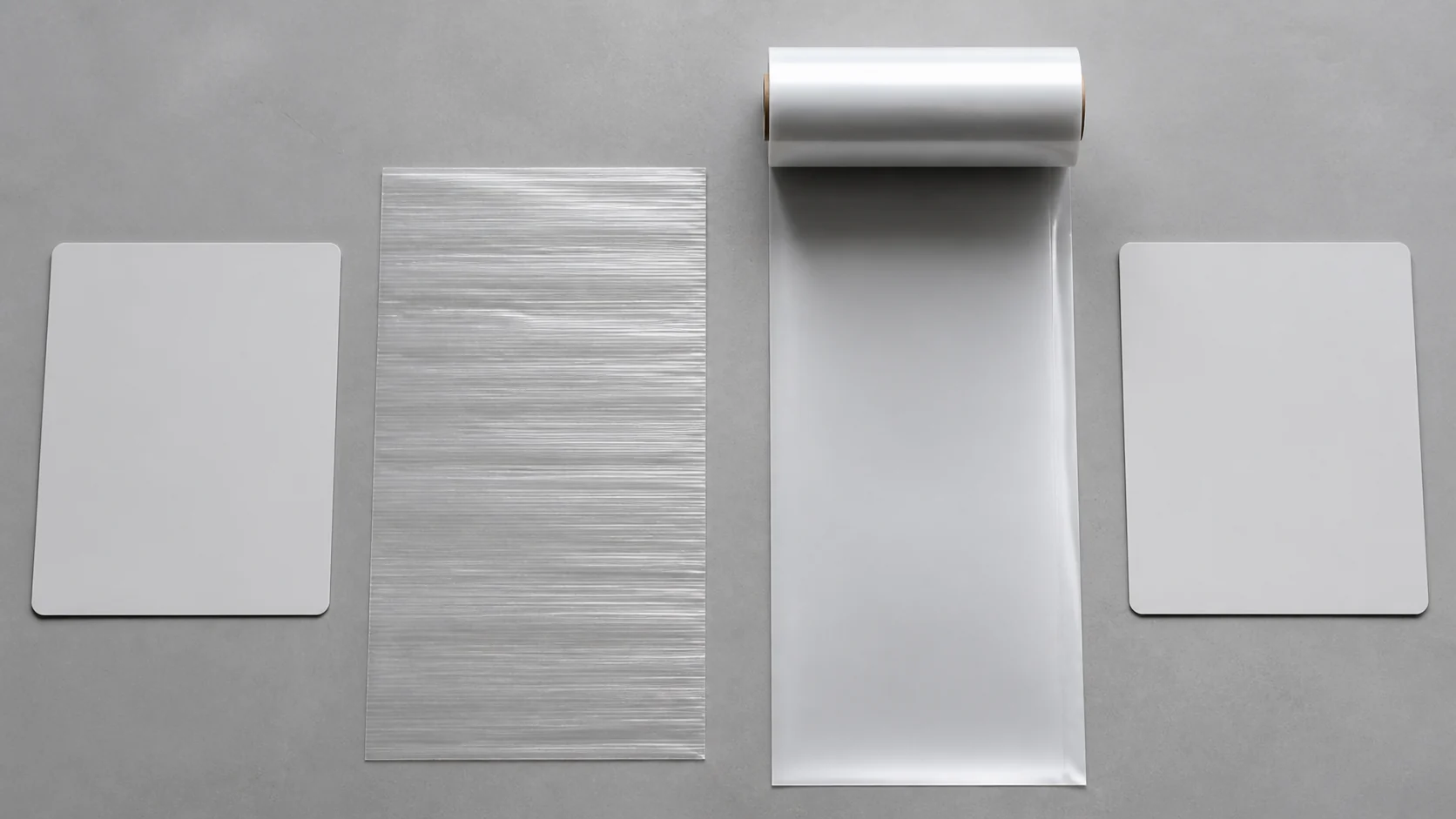
Relative complexity can organize early decisions, but it is not a price promise. A lower-complexity PE direction may be reviewed when the product risk and line requirements are limited. A mid-complexity structure can separate outer-web, print and sealing functions. A higher-complexity PE-oriented route may add functional layers only when a defined product, process or market requirement justifies them.
| Relative route | Appropriate question | Required confirmation |
|---|---|---|
| Lower complexity | Can a simpler PE-oriented pack address the defined risk? | Actual seal route, conversion fit and finished-pack trial |
| Mid complexity | Should outer-web and sealing roles be optimized separately? | Layer roles, printing or lamination conditions and current TDS |
| Higher complexity | Does a defined protection or market need justify added functionality? | Full structure, test conditions, market evidence and conversion validation |
The same product can need different structures when the packaging line, distribution route or target market changes. Confirm the commercial and technical brief before comparing material complexity.
What should be checked in a PE-based package trial?
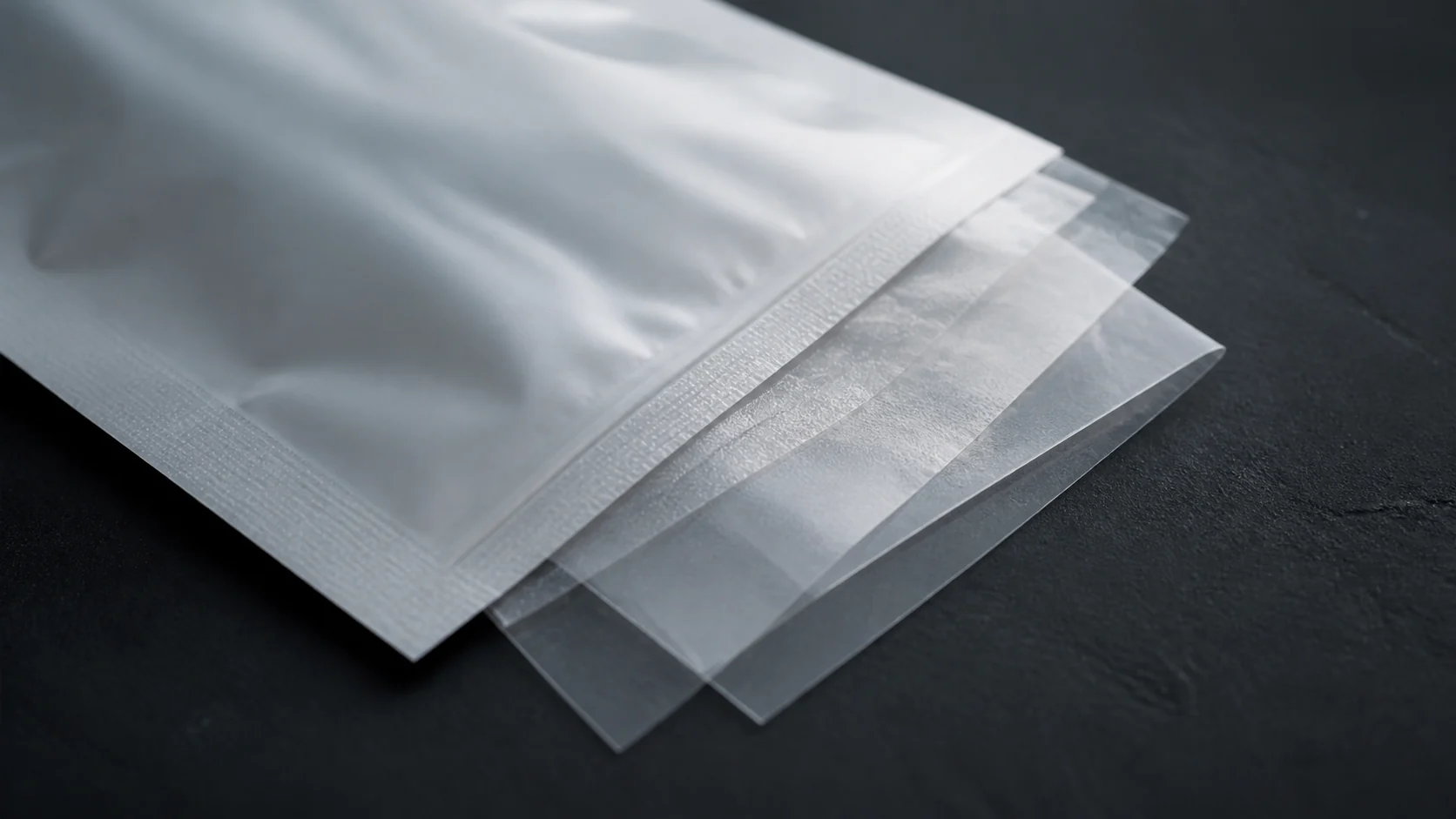
Lock a baseline: proposed stack, grade identities, pouch dimensions, product, fill route, sealing conditions, conversion settings, storage or transport condition and acceptance criterion. Change one meaningful variable at a time where practical. Review the converted package at the locations that matter, such as seals, folds, corners, printing and handling interfaces.
Record the trial conditions, observations, limits and next action. Do not turn a successful sample into a broad promise. A separate recycling, food-contact or regulatory requirement needs its own current documentation for the actual structure and target market.
What should procurement request from a supplier?
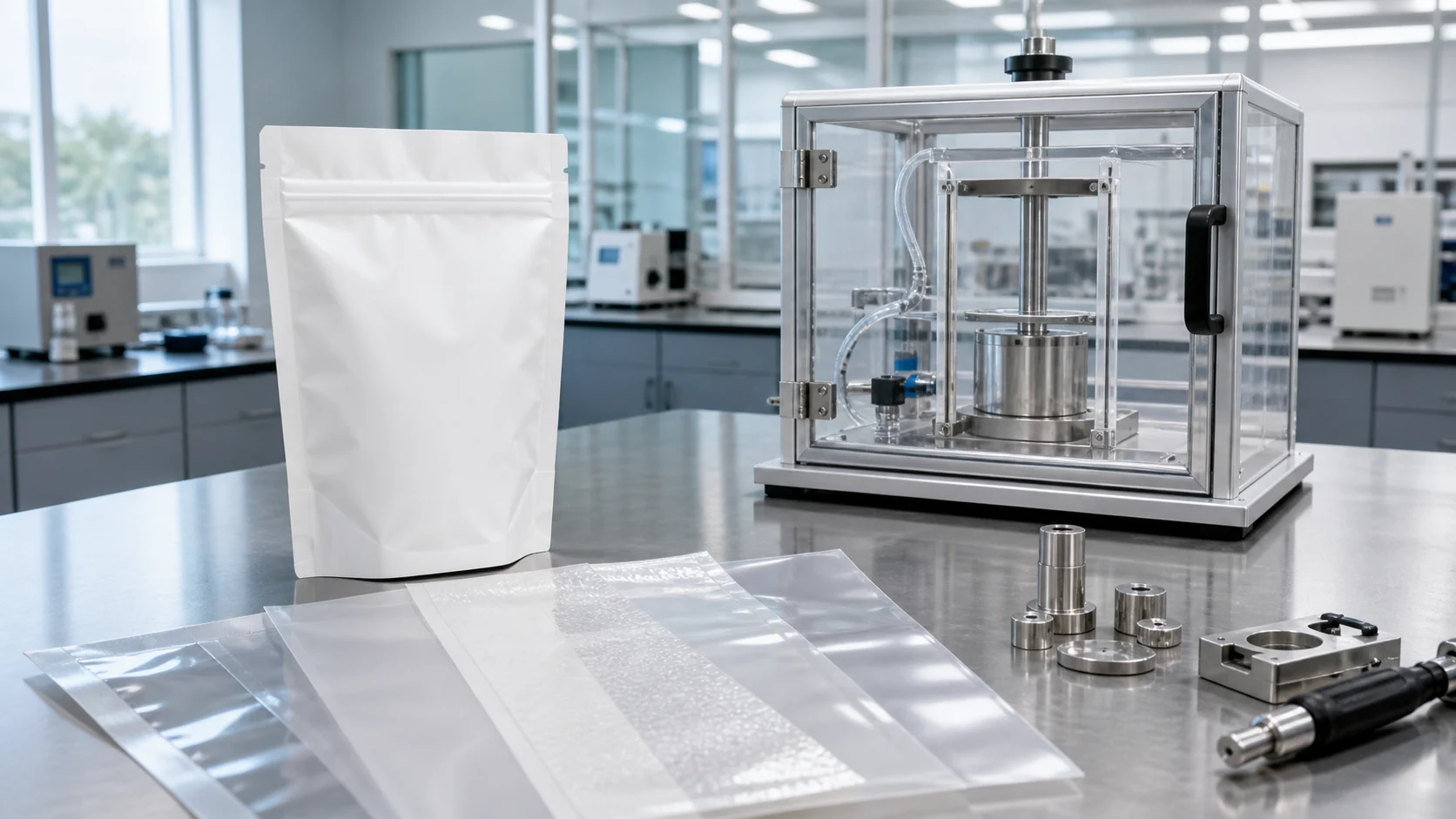
Request the current TDS for the proposed grade, complete layer-stack information, surface-treatment or sealing details where relevant, intended-use limits, sample information and converter-trial feedback. When a technical number is material to the decision, ask for its test method, units, sample thickness and test conditions. A wide material range or a single marketing value is not enough to predict an actual production result.
Buyer checklist
1. What product risk—moisture, oxygen, aroma, puncture, seal failure or handling—is driving the project? 2. What is the complete proposed PE-oriented structure, including inks, adhesives and sealant? 3. What pouch format, print process and converting line will be used? 4. Is BOPE or MDO-PE being proposed for a defined role, and which current grade supports it? 5. What market pathway and evidence are required before any recyclable-packaging claim? 6. Which trial conditions and acceptance criteria will release the finished pack?
FAQ
Is BOPE automatically better than MDO-PE for recyclable packaging?
No. Both are candidate PE-film directions. The complete structure, actual application and target-market evidence determine the appropriate choice.
Does a PE/PE structure automatically qualify as recyclable?
No. The full pack, components and intended market pathway must be assessed before that claim is made.
Which properties should a buyer compare first?
Compare the properties that match the package risk and conversion route, then request current evidence with test conditions rather than relying on generic values.
What should a buyer send to CHALVO?
Share the product, current structure, pack format, converting line, target market, risk to solve and required evidence. CHALVO can coordinate a relevant material direction and controlled sample route.
Related packaging-film decisions
For a broader end-of-life discussion, read what barrier packaging films are. To prepare a converting brief, see how packaging films are manufactured. For a closely related structure decision, see can EVOH be used in recyclable packaging films.
Summary
Choose BOPE or MDO-PE by the job the film must perform in a verified PE-based package. Define product risk, structure role, converting conditions and market pathway first; request current grade-specific evidence; and validate the converted pack before making a technical, compliance or recyclability claim.
Sources
- Shared CHALVO knowledge-base true source: direct guidance on B2B positioning, expression style, product-risk framing and parameter-review boundaries; no copy retained in this article folder.
- Current grade- and application-specific TDS, sample and market evidence must be requested before a final specification or claim.
Meta Title
BOPE vs MDO-PE Film: How Buyers Choose Recyclable PE
Meta Description
Compare BOPE and MDO-PE by structure role, converting line, evidence and recyclable PE packaging requirements.
CHALVO CTA
Send CHALVO your product, proposed structure, pouch format, packaging line, target market and evidence requirement to discuss a relevant PE-film direction and controlled sample route.