6 Types of BOPP Film You Need to Know


If you are interested in how to choose the right film among so many BOPP films, this article does you a favor, it refer a BOPP Film buyer’s guide that compares and contrasts the features available with 6 kinds of BOPP Film.
BOPP (Biaxially Oriented Polypropylene) film is a versatile and high-performance packaging solution widely used across various industries. Known for its excellent clarity, strength, and barrier properties, BOPP film has become a go-to material for food packaging, labels, medical packaging, electrical insulation, and industrial packaging. As the demand for quality packaging materials grows, understanding the different types of BOPP films available and their specific applications can provide a significant advantage to distributors and traders in making informed decisions.
Why Use BOPP Film?
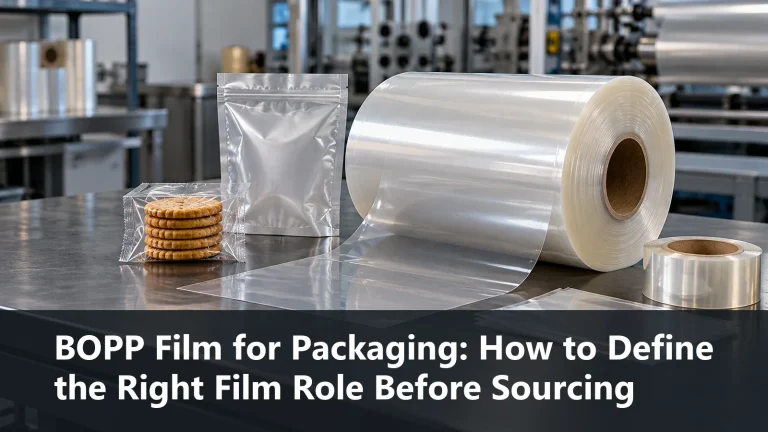
Using BOPP film offers several benefits, including enhanced product protection, extended shelf life, and improved visual appeal. BOPP films are also cost-effective and environmentally friendly, as they are recyclable and reduce packaging waste. These advantages make BOPP films an ideal choice for manufacturers and distributors seeking high-quality packaging solutions. The ability of BOPP films to maintain product freshness and provide excellent barrier properties against moisture, oxygen, and other contaminants makes them particularly valuable in the food packaging industry. Furthermore, the flexibility and adaptability of BOPP films to various printing and lamination processes enhance their utility across different packaging applications.
The Difference Between BOPP, PP and OPP

Understanding the differences between BOPP, PP (Polypropylene), and OPP (Oriented Polypropylene) films is crucial for selecting the right material for your needs:
PP (Polypropylene):
A low-density plastic film known for its flexibility and clarity. PP films are commonly used in a variety of applications, from food packaging to industrial uses. However, their single-directional orientation limits their strength and barrier properties compared to BOPP films.
OPP (Oriented Polypropylene)
Similar to PP but stretched in one direction, offering improved clarity and tensile strength. OPP films are often used in packaging applications where high clarity and stiffness are required. While they offer better performance than standard PP films, they still do not match the robustness and versatility of BOPP films.
BOPP (Biaxially Oriented Polypropylene)
Stretched in both machine and transverse directions, providing superior strength, clarity, and barrier properties compared to PP and OPP. The biaxial orientation process enhances the mechanical properties of the film, making it ideal for high-performance packaging applications. BOPP films are preferred for their exceptional clarity, durability, and resistance to environmental factors, making them suitable for a wide range of packaging needs.
Ref: PP vs OPP vs BOPP: the differences explained
To understand the base material itself, start with what BOPP material is.
6 Kinds Of BOPP Film
The six BOPP films mentioned in this article are Glossy Film, Matt Film, Heat-sealable Film, Function Film, Coated Film and Metallized Film. They have the common characteristics of BOPP films, as follows
- High Transparency and Gloss: high transparency and gloss, making it ideal for packaging applications where product visibility and visual appeal are important.
- Superior Mechanical Strength: exhibits high mechanical strength due to its biaxial orientation, including high tensile and tear strength. This makes it durable and able to withstand significant stress and impact in packaging applications.
- Excellent Moisture Resistance: good moisture barrier properties, effectively preventing moisture from penetrating the packaging and protecting the contents from humidity.
- Chemical Resistance: good resistance to a variety of chemicals, including acids, alkalis, and oils, making it suitable for food packaging and industrial applications.
- Good Heat Sealability: heat-sealed, providing excellent sealing properties. The sealed packages have good integrity, preventing leaks and contamination.
- Low Density and Lightweight: low density, making it lighter than many other packaging materials. This can reduce transportation and storage costs.
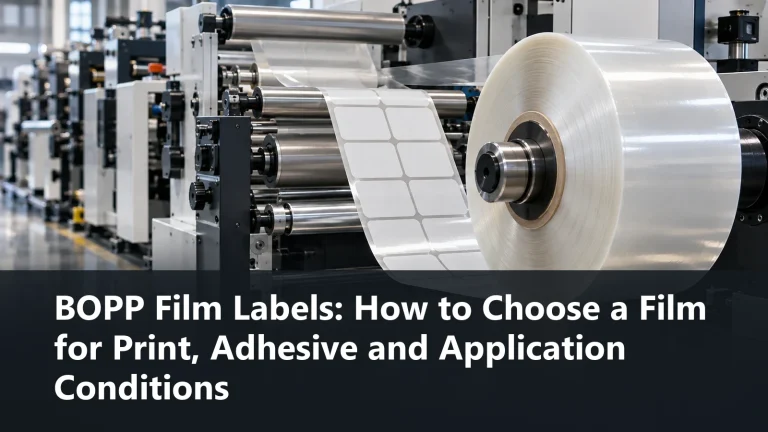
- Printability: The smooth surface is suitable for various printing processes, allowing for high-quality graphic and text printing, which is essential for packaging and labeling.
- Glossy Film:
Glossy BOPP film is the most widely used type, known for its excellent clarity and glossiness, making it ideal for enhancing the visual appeal of packaged products. Common applications include snack packaging, confectionery, and labels. The high gloss finish provides a premium look, which is particularly important in retail settings where visual appeal can influence consumer purchasing decisions. Additionally, glossy BOPP films offer good printability, allowing for vibrant and high-quality graphics, essential for branding and product information.

- Matt Film:
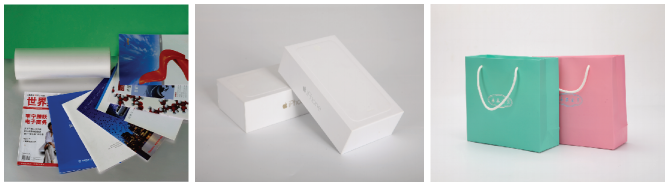
Matt BOPP film provides a non-reflective, satin finish, perfect for premium and luxury product packaging. It offers excellent printability and is used for applications where a sophisticated look is desired. The matt finish reduces glare and gives products a subtle, elegant appearance, which is often preferred for high-end goods such as cosmetics, perfumes, and gourmet food items. Matt BOPP films also provide good resistance to scratches and fingerprints, ensuring the packaging remains attractive throughout its lifecycle.
- Heat-Sealable Film:
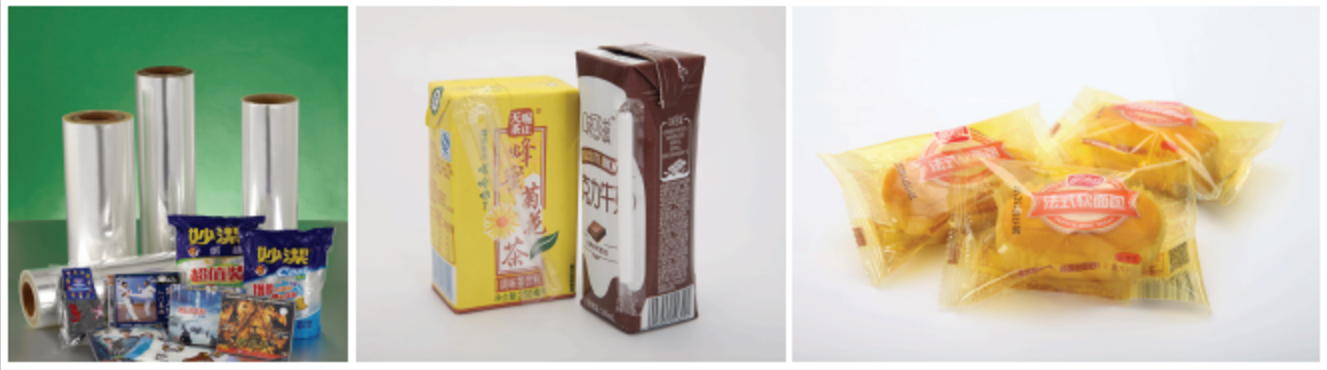
Heat-sealable BOPP film is designed to create a strong seal at lower temperatures, ensuring product safety and integrity. It is commonly used in food packaging, where a secure seal is essential to prevent contamination and preserve freshness. Heat-sealable films are engineered to provide a reliable and consistent seal, even in high-speed packaging lines, making them a preferred choice for manufacturers looking to optimize their production efficiency. These films are also compatible with various sealing methods, including hot bar and impulse sealing, offering versatility in packaging applications.
- Function Film:
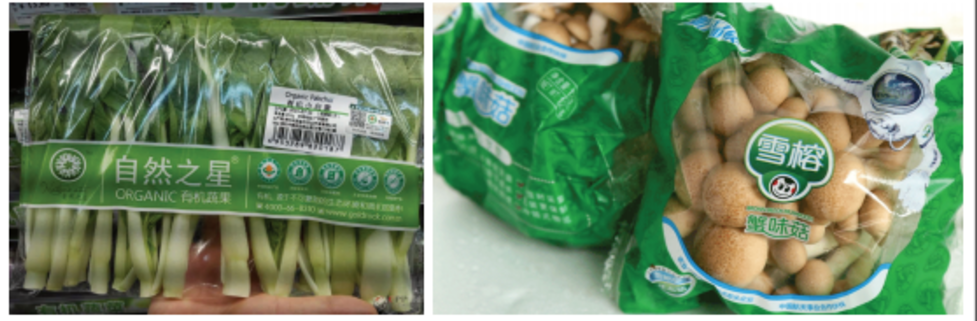
Function films include a variety of specialized BOPP films such as anti-fog, anti-static, and barrier films. These films are engineered to meet specific functional requirements, providing solutions for various packaging challenges. Anti-fog films, for example, prevent the formation of condensation on the inside of the packaging, ensuring clear visibility of the product. Anti-static films are used in electronic packaging to protect sensitive components from static discharge. Barrier films offer enhanced protection against gases, moisture, and aromas, making them ideal for packaging perishable goods and maintaining product quality.
- Coated Film:
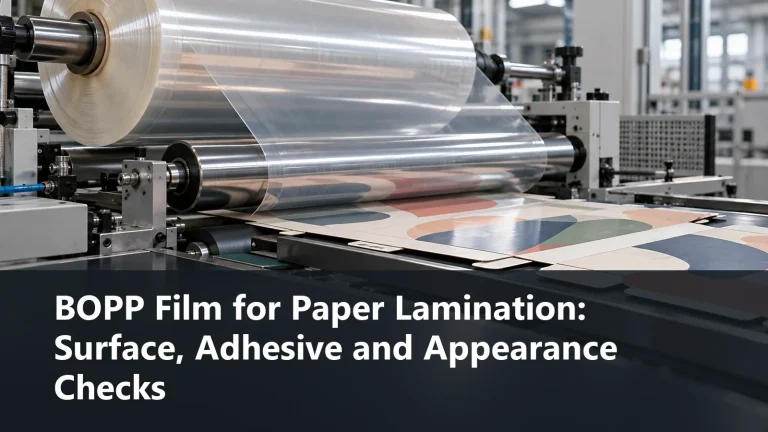
Coated BOPP film features a layer of coating that enhances its barrier properties, printability, and adhesion. It is used in high-end packaging applications, including food, pharmaceuticals, and cosmetics. The coating can be applied to one or both sides of the film, depending on the desired properties and applications. Coated BOPP films provide excellent moisture and gas barrier characteristics, improving the shelf life of packaged products. They also offer superior surface properties for printing and lamination, ensuring high-quality graphics and strong bonds with other materials.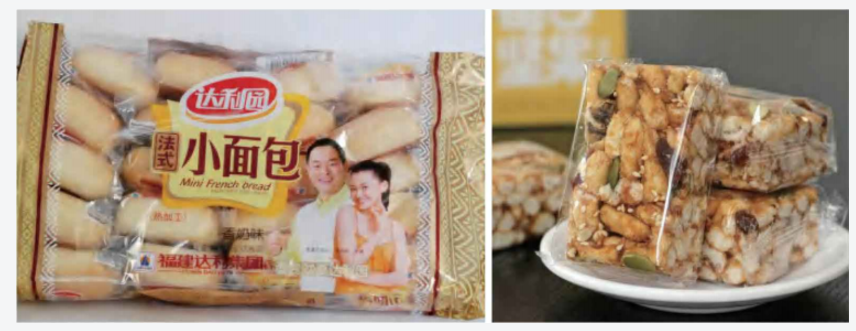
- Metallized Film:
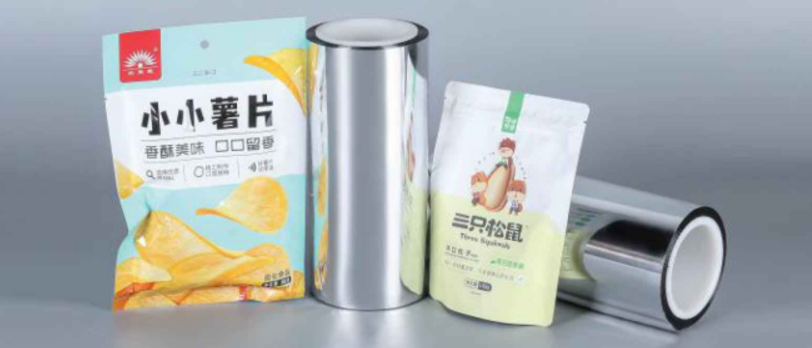
Metallized BOPP film has a thin layer of metal applied to its surface, offering superior barrier properties against moisture and oxygen. This type is widely used in food packaging to extend product shelf life and maintain freshness. Metallized films provide an excellent barrier to light, gases, and moisture, protecting the product from external factors that could degrade its quality. They also offer a shiny, reflective appearance, which can enhance the visual appeal of the packaging. Metallized BOPP films are commonly used for snack packaging, coffee pouches, and confectionery wrappers.
How To Choose BOPP Film?
Comparing the different types of BOPP films is a good way to find the right one for you, but first, before you settle on any product, it’s important to know what to look for. There are three main considerations to keep in mind when choosing your BOPP film: the species, the purpose, and the size.
For food packaging
Comparing the different types of BOPP films is a good way to find the right one for you, but first, before you settle on any product, it’s important to know what to look for. There are three main considerations to keep in mind when choosing your BOPP film: the species, the purpose, and the size.
For tape
Choose films with high tensile strength and good adhesive properties to ensure durability and performance. Functional films such as anti-static or high-strength BOPP films are suitable for industrial tape applications, providing the necessary performance characteristics required in demanding environments.
For medical packaging
Opt for films with superior barrier properties and compliance with regulatory standards to ensure product sterility and protection. Coated and function BOPP films are ideal for medical packaging, offering excellent barrier properties and the ability to withstand sterilization processes without compromising the integrity of the packaging.
Conclusion
Understanding the various types of BOPP films and their applications can significantly impact your packaging decisions. Chalvo offers a range of high-quality BOPP films designed to meet diverse packaging needs, ensuring both performance and cost-efficiency. By selecting the right type of BOPP film for your specific requirements, you can enhance your product’s protection, visual appeal, and shelf life. Contact us today to learn more about our products and how we can support your packaging requirements.