The Ultimate Guide of PVDC Film

Summary
In the competitive world of packaging, barrier protection is crucial. Whether it’s food, pharmaceuticals, or electronics, the ability to preserve freshness, extend shelf life, and shield against oxygen and moisture determines product quality and customer satisfaction. One material that has consistently excelled in this field is PVDC film—Polyvinylidene Chloride film.
This comprehensive guide explores everything you need to know about PVDC film—from its history and properties to cutting-edge innovations and its evolving role in sustainable packaging.
What is PVDC Film?
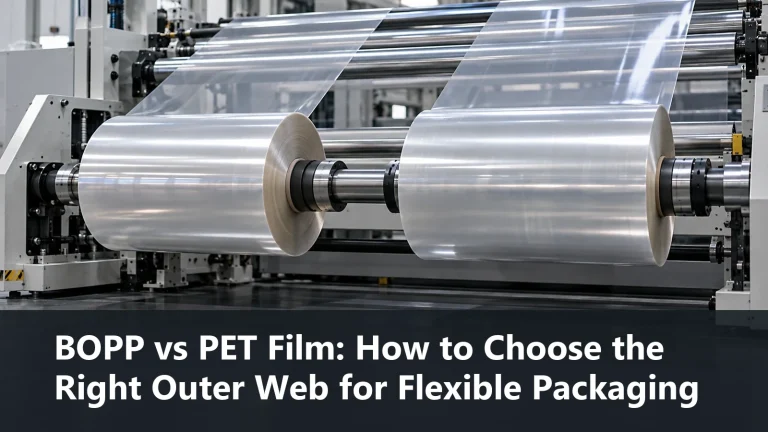
PVDC film is a high-barrier plastic material made from polyvinylidene chloride. Known for its exceptional resistance to oxygen, moisture, and odors, PVDC is widely used in food, pharmaceutical, medical, and personal care packaging.
Its unique molecular structure forms a dense layer that blocks gas and vapor transmission, ensuring superior protection for sensitive products.

Key Properties of PVDC Film
💧 Moisture Barrier: One of the best materials for blocking water vapor, maintaining food texture and quality.
🧪 Oxygen and Aroma Barrier: Retains flavor and aroma while preventing oxygen-induced spoilage.
🔥 Heat Sealability: Seals easily on packaging lines, ensuring product integrity.
✨ High Gloss and Clarity: Enhances shelf appeal with a premium, clear finish.
⚙️ Chemical Resistance: Suitable for packaging aggressive formulations or contents.
🌡️ Thermal Stability: Performs well under a wide temperature range, from refrigerated to hot-fill or retort processes.
A Brief History of PVDC
1830s: Vinylidene chloride monomer discovered in France.
1930s: First commercial PVDC (Saran™) by Dow Chemical.
1940s-50s: Used in military packaging for its excellent barrier properties.
1957: Japan launches PVDC film for meat packaging.
1980s–2000s: Innovations improve performance and reduce production costs.
2020s: Sustainable and recyclable PVDC films emerge.
Classifications of PVDC Film
1. By Production Method
🧩 Co-Extruded PVDC Films
Multilayer films produced by combining PVDC with materials like PET, PE, or nylon. Offers enhanced flexibility and cost-efficiency.
🔗 Laminated PVDC Films
PVDC is laminated to other films (e.g., BOPP, PET) to increase mechanical strength and tailor barrier properties.
🎯 PVDC Coated Films
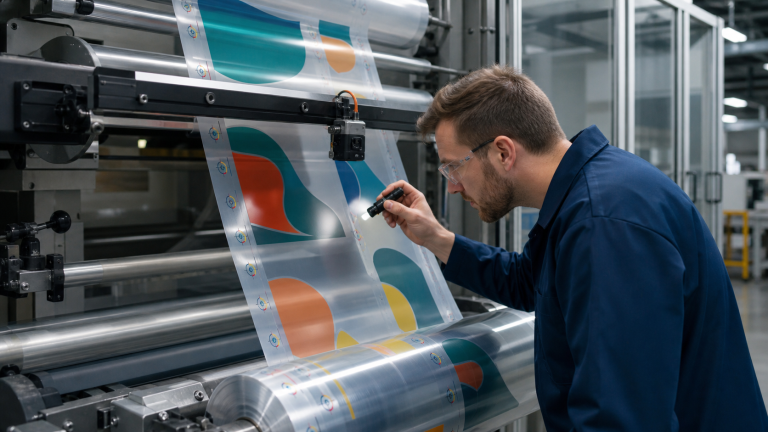
A PVDC layer is applied to a base film to enhance oxygen and moisture barrier properties. Common in snacks, pharma blister packs, and cosmetics.
2. By Application
🥗 Food Packaging
Meat, poultry, and seafood
Cheese and dairy
Snack foods and chips
💊 Pharmaceutical Packaging
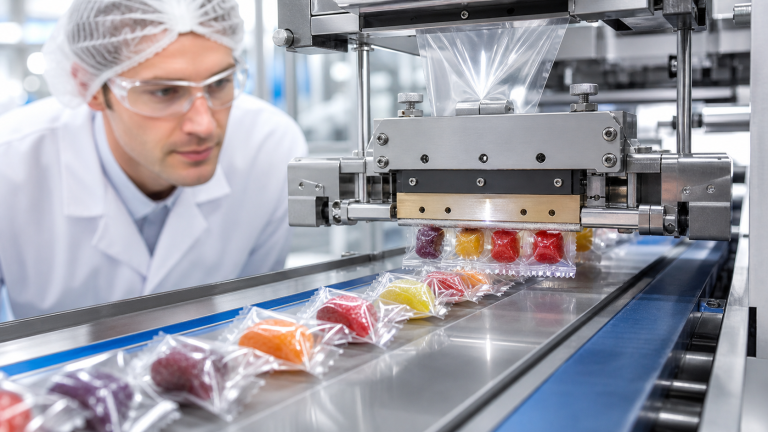
Blister packs for tablets/capsules
Medical device packaging
Hospital pouches
🧴 Personal Care
Cosmetic pouches
Hygiene product wraps
Wet wipes


3. By Barrier Performance
🔒 High-Barrier PVDC Film: Used for products needing maximum protection (e.g., vacuum-sealed meats, pharmaceuticals).
🟨 Standard PVDC Film: Balanced performance for general food and industrial packaging.
Benefits of PVDC Film
✅ 1. Extends Product Shelf Life
PVDC’s powerful oxygen and moisture barrier keeps food fresher for longer—reducing spoilage, increasing profitability, and minimizing waste.
✅ 2. Reduces Packaging Layers
Because PVDC delivers dual protection (moisture + oxygen), it can replace more complex multi-material films, simplifying manufacturing and boosting recyclability.
✅ 3. Improves Product Presentation
The film’s excellent gloss and transparency provide a premium appearance, critical in retail and consumer-focused applications.
✅ 4. Enables Versatile Applications
From vacuum-sealed meats to retort pouches and blister packs, PVDC adapts across industries.
Comparing PVDC Film to Other Barrier Films
| Property | PVDC | EVOH | PET | PE |
|---|---|---|---|---|
| Moisture Barrier | ✅ Excellent | ❌ Low | ❌ Moderate | ✅ High |
| Oxygen Barrier | ✅ Excellent | ✅ Excellent | ✅ Good | ❌ Poor |
| Clarity & Gloss | ✅ High | ✅ High | ✅ High | ❌ Moderate |
| Cost-Effectiveness | ✅ High | ❌ Costly | ✅ Competitive | ✅ Inexpensive |
| Recyclability (2025) | ♻️ Now Possible | ♻️ Emerging | ♻️ Yes | ♻️ Yes |
♻️ Is PVDC Film Recyclable?
This is the most important question in 2025. And the answer is: YES—with innovation.
🔬 Scientific Breakthroughs
In recent years, recycling PVDC film has shifted from impossible to practically achievable thanks to chemical and solvent-based recycling technologies.
Key Developments:
Solvay demonstrated solvent-based recycling of PVDC-coated packaging, enabling post-industrial waste recovery.
Syensqo (2025) introduced a recyclable PVDC film structure (Ixan®) that can be mechanically recycled with PE streams—a true circular solution for food packaging.
ScienceDirect studies confirm catalytic chemical recycling methods can recover PVDC as valuable raw materials.
✅ Conclusion: Recyclable PVDC film is no longer a theory—it’s now in early industrial adoption.
Common Applications of PVDC Film
🥩 1. Meat and Poultry Packaging
PVDC helps vacuum-sealed and MAP (Modified Atmosphere Packaging) meats maintain freshness, color, and moisture.
🍟 2. Snack Food Packaging
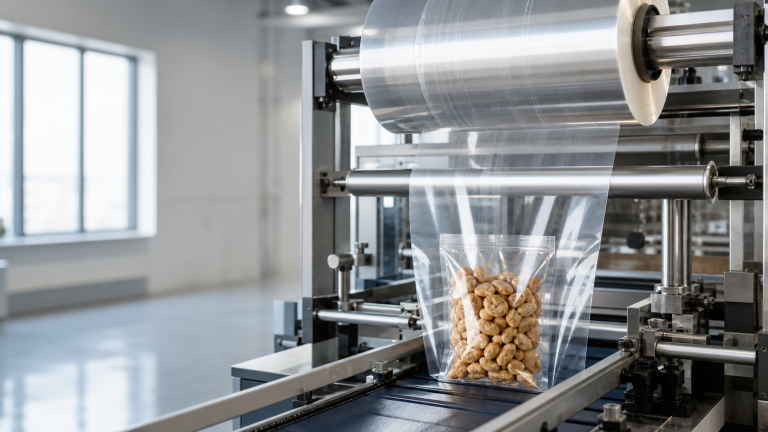
PVDC prevents aroma and oil loss from snacks like chips and nuts while keeping moisture out.
🧀 3. Cheese and Dairy Wrapping
Preserves texture and extends fridge life by shielding against condensation and spoilage.
💊 4. Pharmaceutical Blister Packs
Keeps tablets and capsules safe from humidity and oxygen, maintaining dosage integrity.
🧼 5. Personal Care and Hygiene
Used in pouches for facial masks, wipes, and cosmetic liquids to prevent leakage and preserve effectiveness.
Market Trends & Innovations
🌍 1. Growing Demand for Sustainable Solutions
As consumers and regulators demand greener materials, recyclable PVDC is gaining traction. Expect more mono-material, high-barrier options in flexible packaging.
🧪 2. Next-Gen PVDC Formulations
Manufacturers are working on chlorine-reduced PVDC films and bio-based alternatives, further lowering environmental impact.
📦 3. Design-for-Recycling Guidelines
Brands are beginning to adopt guidelines for PVDC label removal, ink compatibility, and seal layer optimization to improve end-of-life recyclability.
Leading PVDC Coated Film Manufacturers
Syensqo: Innovator in recyclable PVDC (Ixan®)
Kraton Polymers: Specialist in medical and pharma-grade PVDC
Mitsubishi Chemical: Offers advanced PVDC solutions for flexible and rigid packaging
Dow Chemical: One of the earliest PVDC pioneers, with legacy brands like Saran™
Conclusion: Why Choose PVDC Film in 2025?
PVDC film remains one of the most effective barrier materials on the market. Whether you’re packaging deli meats, medications, or personal care items, PVDC offers unmatched protection, clarity, and versatility.
And now, with recyclable options emerging, the material is entering a new era of sustainability, offering both performance and environmental responsibility.
Contact us
At Chalvo, we understand the unique needs of businesses looking to enhance their packaging, marketing materials.
Our team is here to help you choose the right PVDC films that not only meet your functional needs but also help elevate your brand’s visual appeal.
For moisture-sensitive tablets and capsules, see our guide to PVC PVDC film for pharmaceutical use — coating weights, WVTR values and a supplier checklist.