

PET Release Film Applications How Buyers Choose the Right Liner
Choose a PET release-film liner by adhesive system, release side, converting route, sample evidence and project-specific approval criteria.

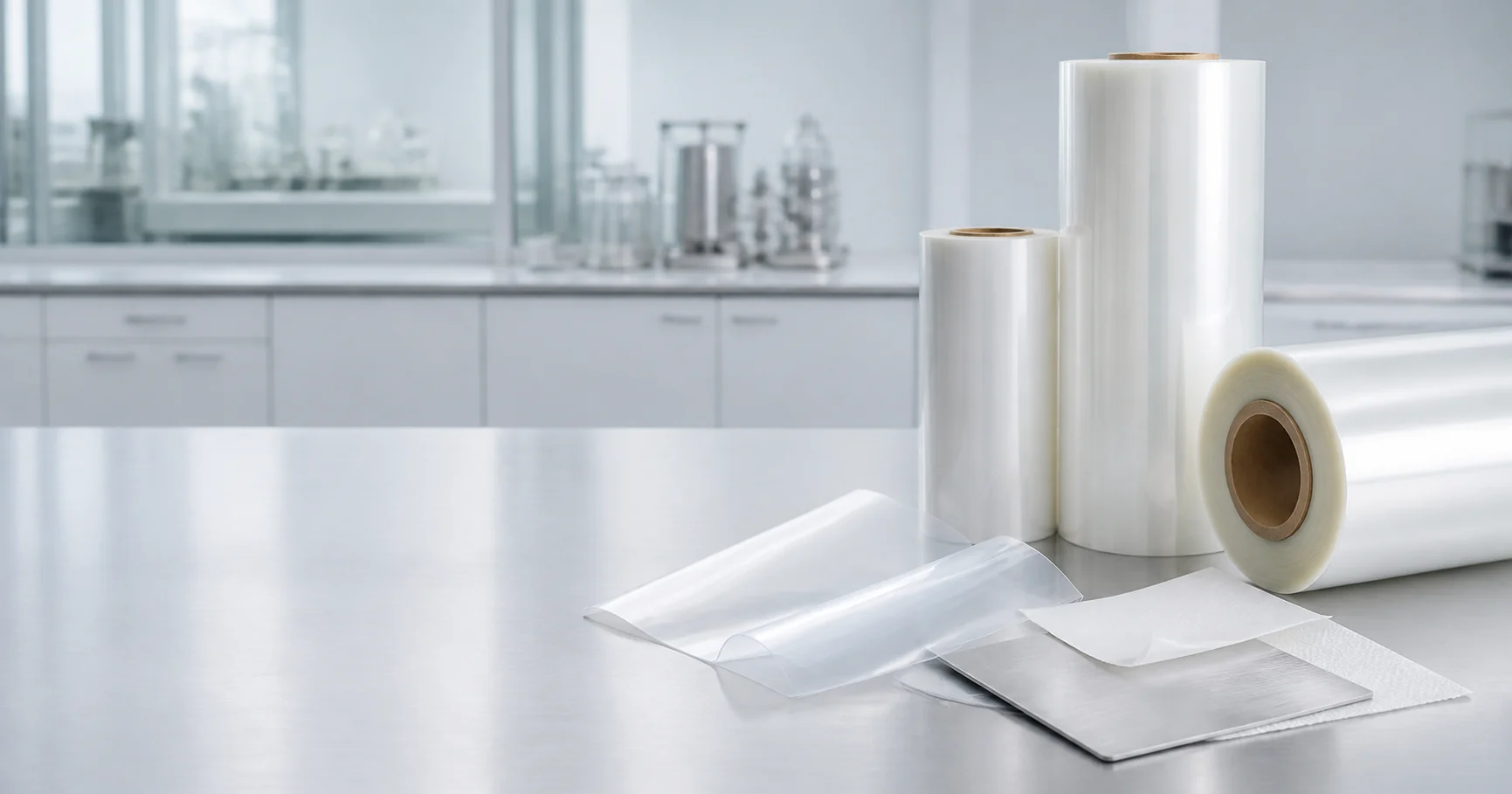
Quick answer
Buyers should choose a PET release-film direction by the complete adhesive system and converting route, not by the PET name alone. Define the adhesive, required release side and peel behavior, web path, die-cutting or laminating process, storage conditions, final application and acceptance evidence before comparing a proposed liner.
PET release film is a polyester-based liner direction that can protect an adhesive surface while the material is stored, converted or applied. It is not, by itself, proof of a release value, cleanliness level, medical suitability, electronics approval, regulatory status or stable production outcome. Those conclusions require current grade documents and a relevant sample trial.
What problem is a PET release liner intended to solve?
A release liner is a temporary carrier between an adhesive surface and the next converting or application step. The buyer’s practical problem is to keep the adhesive protected while allowing the web, label, tape, die-cut part or other construction to process in a controlled way. The correct liner must be reviewed with the adhesive and finished product rather than selected as an isolated film.
Start by describing what can fail. The concern may be inconsistent removal, adhesive transfer, web handling, die-cutting, slitting, laminate registration, storage exposure, manual application or automated dispensing. Different failure risks require different questions. A liner that looks flat on a sample roll does not establish behavior on a buyer’s adhesive, equipment or final application.
Where might a PET release-film direction be investigated?
PET release-film directions may be investigated for labelstock, pressure-sensitive tape, transfer parts, protective constructions and other adhesive-based converting work. The application name is only a starting point. A label, tape or die-cut part may have different adhesive chemistry, coating weight, backing, removal method and line conditions, so a generic industry description cannot approve a liner.
For a label or dispensing project, identify the face material, adhesive, release side, die-cutting route and intended dispensing condition. For a tape or transfer project, identify the adhesive, backing, unwind direction, slit width, removal method and storage route. For medical or electronics-related work, define the actual cleanliness, documentation, market and assembly requirements before requesting an application-specific data package; do not infer those requirements from the word PET.
What should buyers confirm about the proposed structure?
The proposed liner should be described as a structure and process role. Confirm the PET base, any release treatment or coating direction, release side, adhesive-facing surface, film thickness or caliper if relevant, roll format and proposed downstream route. If the supplier provides a property, retain the grade, unit, test method, test conditions and document date.
| Buyer question | Why it matters | Evidence to request |
|---|---|---|
| What adhesive contacts the liner? | Release behavior belongs to the adhesive-and-liner system | Adhesive description, sample construction and trial conditions |
| Which surface is the release side? | A wrong orientation can disrupt the process route | Coating/release-side confirmation and web drawing |
| How will the web be converted? | Slitting, die cutting, lamination and dispensing create different risks | Equipment route, speed window and trial record |
| What does the final user remove or apply? | Manual and automated removal can need different handling | Final application brief and acceptance criterion |
| Which claim is required? | A material family name is not a certificate or result | Current TDS, relevant compliance documents and sample evidence |
The table is a selection framework, not a claim that every PET liner supports every adhesive or process. Keep a supplier webpage, a TDS, a COA, a third-party report and a buyer’s own sample observation separate in the project record.
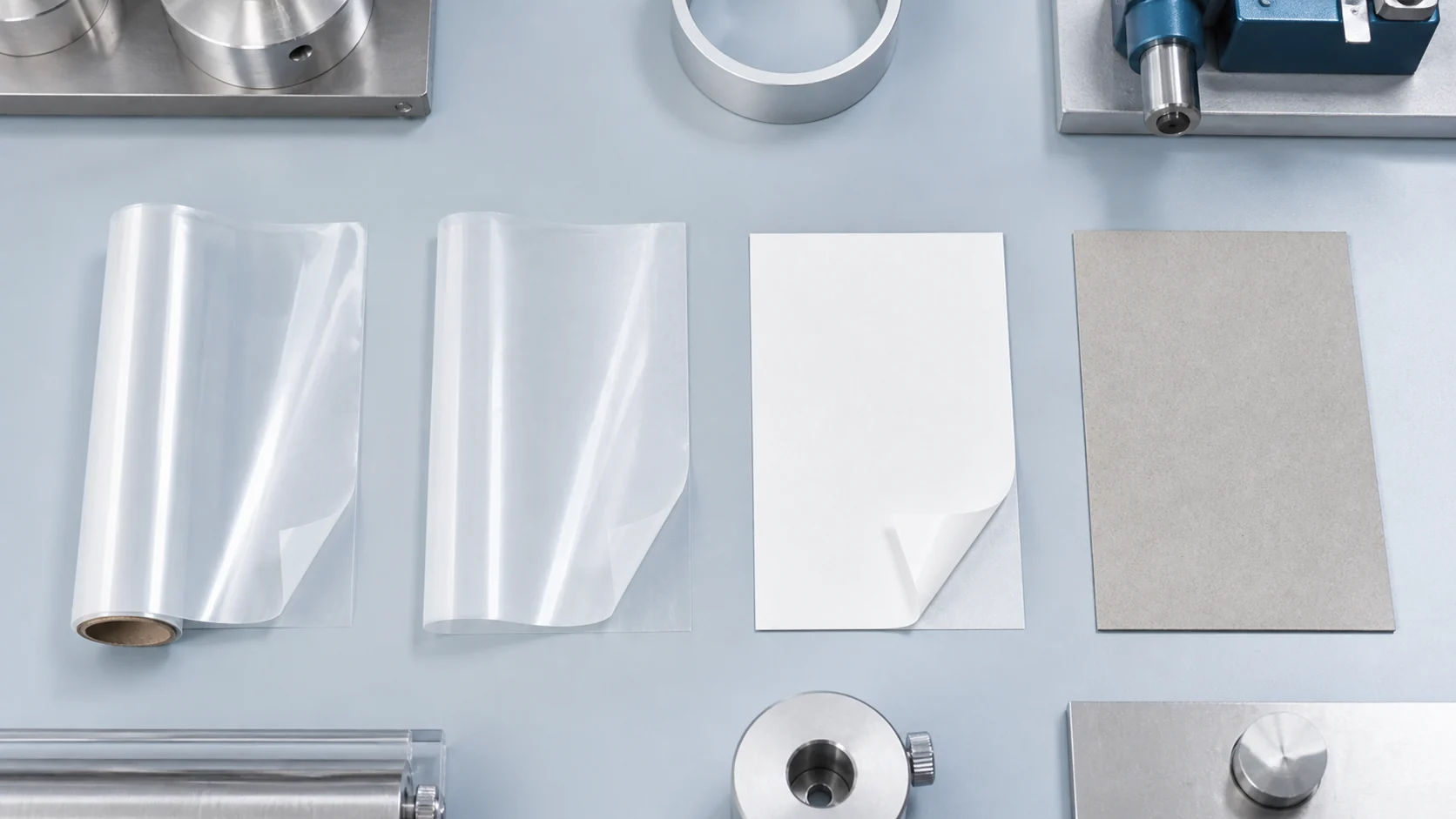
How should buyers discuss release behavior without guessing?
Release behavior should be defined in the language of the application. Ask whether the liner must remove easily, resist premature lifting, peel consistently, support automated handling or protect the adhesive during a specified storage and converting route. Then ask how the proposed behavior will be checked for the actual adhesive and construction.
If a release value is material to approval, request the value with its unit, method, test conditions, adhesive pairing and sample construction. A number without those conditions may not be comparable to another liner or predictive of the buyer’s production line. Do not treat a qualitative description such as easy-release or controlled-release as a released specification.
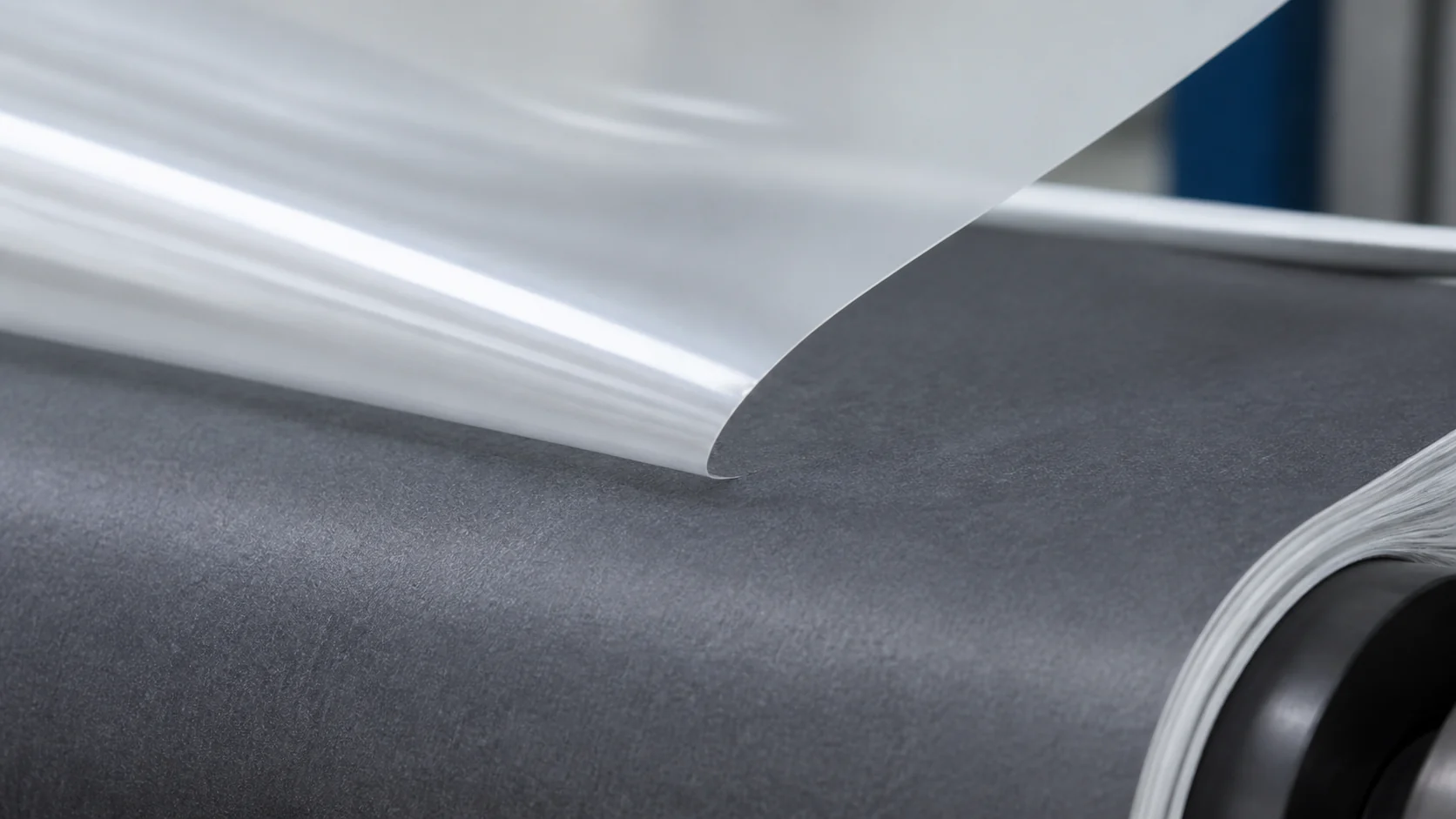
What converting conditions should be part of the liner brief?
The converting brief should name the actual operations: coating, lamination, slitting, die cutting, matrix removal, printing, rewinding, manual application or automatic dispensing. Record web width, roll direction, tension-sensitive steps, production speed range where known, storage and any observed failure point. These inputs let the supplier and converter choose a meaningful sample route instead of sending a visually similar roll.
Consider the liner together with the rest of the stack. The adhesive, backing, face material, release treatment, coating weight, web tension, cut geometry and process conditions can all affect the result. A sample should be evaluated at the points where it will be stressed: unwind, cutting edge, waste stripping, removal, application and storage after conversion.
How should buyers compare cost and complexity?
Use relative complexity to frame the conversation; do not promise a price from the material name. A simpler direction may suit a controlled application with a validated adhesive and limited converting requirements. A mid-complexity direction may separate liner, adhesive and face-material roles more deliberately. A higher-complexity direction may require more specialized coating, process control, documentation or trial work when the final application creates a defined risk.
| Relative route | Buyer objective | What must be confirmed |
|---|---|---|
| Lower complexity | Support an established adhesive and routine process | Current grade, release side and a relevant sample check |
| Mid complexity | Balance converting control, removal behavior and finished-part handling | Complete construction, process route and converter feedback |
| Higher complexity | Address a specific application, traceability or handling requirement | Document scope, controlled trial and project-specific quote |
Actual commercial terms depend on the grade, coating system, thickness, roll format, order quantity, conversion losses, documentation, sampling, shipment and other project inputs. PET release film is not a price category by itself.
What should a controlled sample trial include?
Create a written sample brief before trial. Record the proposed liner, adhesive, backing or face material, release side, roll direction, process route, storage condition, final application and acceptance criteria. Where practical, change one meaningful variable at a time so the buyer can distinguish a liner question from an adhesive or machine-setting question.
Inspect the relevant failure points rather than relying on first appearance: web handling, cut edges, matrix removal, liner removal, adhesive transfer, final placement and storage after conversion. Record observations, limitations and next actions. A successful sample is evidence for that defined construction and route; it should not be generalized into a universal performance claim.
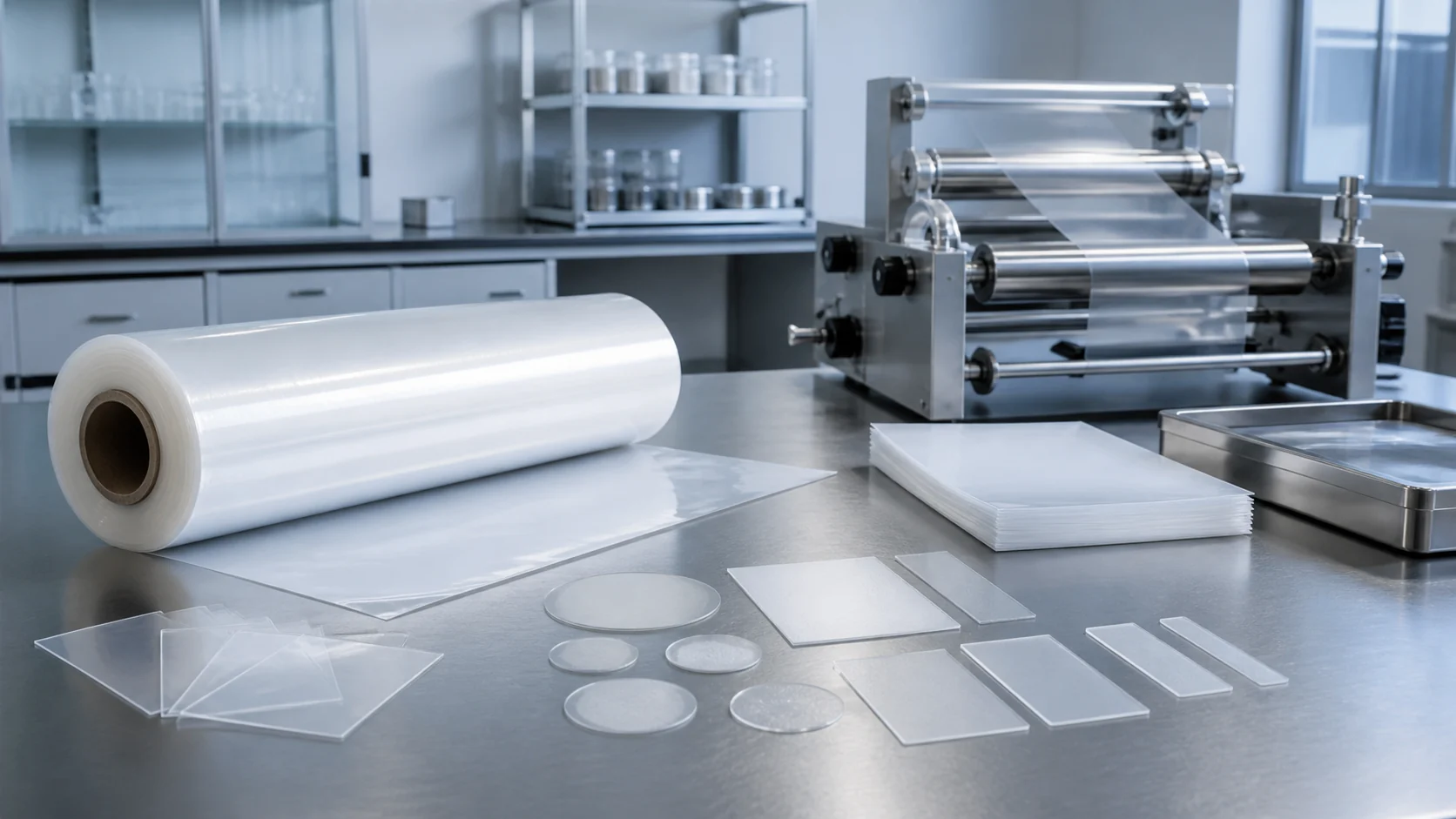
Buyer checklist before requesting a PET release liner
1. What adhesive, backing or face material will contact the liner? 2. Which side must release, and how will the web travel through conversion? 3. Is removal manual, automated or both? 4. Which process step creates the most risk: slitting, die cutting, stripping, dispensing or storage? 5. What grade-specific TDS, test method, document date and sample evidence are needed? 6. What project-specific trial and commercial criteria will approve the direction?
FAQ
Is PET release film suitable for every adhesive application?
No. Suitability depends on the adhesive, coating or release system, full construction, process conditions and the evidence available for the intended application.
Does PET automatically provide a defined release force?
No. A PET base alone does not define release behavior. Confirm the actual release treatment, adhesive pairing, method and trial conditions.
Can a generic liner specification approve a medical or electronics project?
No. Those projects may need application-specific documentation, cleanliness, processing and market requirements. Confirm them for the exact construction and target market.
What should a buyer send to CHALVO?
Send the adhesive system, proposed construction, release side, roll direction, converting route, final application, target market, key risk and requested evidence. CHALVO can coordinate a relevant liner direction and controlled sample route through its supplier network.
Related packaging-film decisions
For a broader view of how films work in a finished structure, see how packaging films are manufactured. Buyers can use what barrier packaging films are to separate material roles, then review how to read a packaging film TDS before ordering before comparing supplier documents.
Summary
Choose a PET release-film direction through the adhesive system, release-side requirement, converting route and defined approval evidence. Request current grade documentation, make the conditions comparable and validate the finished construction before making a performance, compliance or application claim.
Sources
- Shared CHALVO knowledge-base true source was read directly for brand positioning, technical-review boundaries and buyer-led solution framing; no source copy is retained in this article folder.
- The local source record provides only a PET release/lidding direction and converter sample-review context. Current grade data, coating information and application-specific evidence are required before final approval.
Meta Title
PET Release Film Applications How Buyers Choose the Right Liner
Meta Description
Choose a PET release-film liner by adhesive system, release side, converting route, sample evidence and project-specific approval criteria.
CHALVO CTA
Share your adhesive system, release side, construction, roll direction, converting route and evidence requirement with CHALVO to discuss a relevant PET release-film direction and controlled sample route.



