How Lidding Films Prevent Leakage and Ensure Food Safety?

Summary
Lidding films are essential in preventing leakage and ensuring food safety by forming strong seals around containers, protecting against environmental factors, and providing tamper-evident features. They address challenges such as temperature fluctuations, humidity, and irregular container shapes through customizable materials and sealing methods like heat or cold sealing. Additionally, these films offer moisture and oxygen barrier protection to extend shelf life and maintain freshness. By combining durability with tailored solutions for various applications, lidding films play a critical role in safeguarding food products from contamination and spoilage throughout the supply chain.
What Are Lidding Films?
Lidding films are thin, flexible materials used to cover the opening of a food container, typically sealing it tightly to create an airtight barrier. These films are often made from a variety of materials such as polypropylene (PP), polyethylene (PE), polyvinyl chloride (PVC), or aluminum, depending on the application. Their primary purpose is to form a secure seal between the container and the lid, protecting the contents from exposure to external contaminants like air, bacteria, moisture, and other environmental factors.
The design of lidding films can vary significantly depending on the type of product being packaged and the specific needs of the food manufacturer. For example, some lidding films are designed to provide tamper-evidence, ensuring consumers can easily see if the product has been opened, while others are focused on providing a strong seal that prevents leakage.

The Importance of Preventing Leakage in Food Packaging
Leakage in food packaging is not just an inconvenience for consumers; it’s a significant issue that can undermine the safety, quality, and shelf life of the product. Leakage can occur for a variety of reasons, but the result is always the same: product contamination, spoilage, and potential health risks for consumers. This is why manufacturers go to great lengths to ensure that their lidding films provide a robust and effective seal.
In food packaging, leakage is a major concern for several reasons:
- Contamination Risk: Leaks can expose food to contaminants such as bacteria, dirt, and chemicals, leading to contamination that can spoil the product and make it unsafe to consume.
- Loss of Freshness: Packaging that isn’t sealed properly can allow air and moisture to enter, which accelerates the deterioration of food, causing it to lose its freshness, flavor, and nutritional value.
- Spillages: Liquid food products, such as soups, sauces, or juices, can easily spill out of improperly sealed containers, creating messes, damaging other products, and causing loss of product.
- Spoilage and Waste: When the packaging isn’t able to properly maintain a seal, it increases the risk of spoilage, leading to wasted food and financial losses for manufacturers and retailers.
Key Factors that Contribute to Leakage
The prevention of leakage in food packaging is a multi-faceted issue, requiring careful attention to several factors that contribute to packaging failures. Lidding films need to be designed to address these challenges to ensure product integrity.
1. Physical Damage During Handling, Transportation, or Storage
One of the most significant contributors to leakage is physical damage to the packaging during handling, transportation, or storage. Food products often undergo multiple stages of handling before they reach the consumer, and any kind of puncture, tear, or dent in the lidding film can create a weak point that leads to leakage. This can occur during the manufacturing process, while the products are being shipped, or even on the store shelf.
To mitigate this risk, lidding films are manufactured with enhanced mechanical strength to resist punctures and tears. Advanced film technologies and layering techniques make these films more durable, ensuring that the packaging remains intact throughout the supply chain, from production to distribution to point-of-sale.
2. Inadequate Adhesion Between the Film and the Container
Another crucial factor that can lead to leakage is the adhesion between the lidding film and the container. The seal must be secure to prevent gaps or weak points along the edge of the package. If the lidding film doesn’t adhere properly to the container, it can peel away or form imperfect seals that allow air, moisture, or contaminants to enter.
The strength of the adhesive used in the lidding film is critical to ensuring that the packaging provides a tight, long-lasting seal. Hot-tack adhesives, pressure-sensitive adhesives, and heat seals are commonly used to ensure that the film sticks securely to the container, preventing leakage and ensuring the package remains sealed under normal handling conditions.
3. Environmental Factors
Temperature, humidity, and exposure to chemicals or other external factors can also affect the performance of lidding films. Fluctuations in temperature can cause the film to expand or contract, potentially compromising the seal. High humidity can cause condensation to form on the inside of the film, which weakens the adhesive bond. Additionally, exposure to certain chemicals or oils in food can degrade the performance of the film.
To address these challenges, lidding films are designed to be resistant to a range of environmental factors. Manufacturers use films that can withstand temperature changes, moisture, and chemical exposure, ensuring that the seal remains intact under varying conditions.
4. Flexibility and Formability
The ability of the lidding film to conform to the shape of the container is another critical factor in preventing leakage. Containers are not always uniform in shape, and some food packaging may have irregular surfaces or contours. The lidding film needs to be flexible enough to accommodate these shapes and provide a consistent seal, even on challenging surfaces. Formable films and stretchable materials are used to ensure that the lidding film adapts to the container’s shape, ensuring a tight, uniform seal every time.
How Lidding Films Prevent Leakage
Lidding films are designed to prevent leakage in several ways, from the materials used to the sealing mechanisms employed. Let’s take a closer look at how they achieve this goal.
1. Strong Seal Integrity
The primary function of a lidding film is to form a secure seal around the opening of the container. This is accomplished through a variety of sealing methods, such as heat sealing or cold sealing, depending on the material and application.
- Heat sealing involves applying heat and pressure to the edges of the film and container to melt the material and form a bond that holds the film in place. This method creates a strong, airtight seal that prevents leakage and protects the contents from external contamination.
- Cold sealing, on the other hand, uses pressure to bond the film to the container without requiring heat. This technique is often used for products that are sensitive to high temperatures.
The seal strength is critical in preventing leaks, as a stronger seal resists external forces that could otherwise cause the film to peel or tear. A tight seal also prevents the ingress of air, moisture, and bacteria, keeping the product fresh and safe for consumption.
2. Tamper-Evident Features
Lidding films often feature tamper-evident properties that not only prevent leakage but also provide security for the product. These features are designed to show visible signs if the seal has been compromised, ensuring that consumers can quickly identify whether the product has been tampered with. Tamper-evident features can include tear-away tabs, breakable seals, or special printed indicators that change color if the packaging is opened.
This added layer of security helps ensure that food products remain sealed and uncontaminated, even after they leave the manufacturer’s facility.
3. Moisture and Oxygen Barrier Protection
Lidding films are engineered to provide barrier protection against moisture and oxygen, both of which can contribute to food spoilage. The films create an impermeable barrier that prevents the entry of moisture and oxygen, preserving the quality and shelf life of the product. This barrier is especially important for perishable goods like meats, dairy, and fresh produce, which are highly susceptible to spoilage when exposed to air or humidity.
By preventing the infiltration of these elements, lidding films help to extend the shelf life of the product and maintain its freshness, reducing waste and improving overall food safety.
4. Customizable for Various Applications
Lidding films can be customized to meet the specific needs of different food packaging applications. Manufacturers can adjust the material properties, seal strength, and barrier characteristics to ensure the film performs optimally for the type of food being packaged. Whether it’s a sealed tray for takeout, a vacuum-sealed pack for meat, or a tamper-evident lid for a beverage, there’s a lidding film solution that fits the requirements of the product.
Technological Advancements in Lidding Film Solutions
As the demand for advanced food packaging solutions continues to grow, so does the technology behind lidding films. There have been significant innovations in materials, barrier properties, and sealing technologies, leading to even better protection and performance. Let’s look at some of the technological advancements that have improved lidding films:
1. Multi-layer Films for Enhanced Protection
One of the most important advancements in lidding film technology has been the development of multi-layer films. These films are made from multiple layers of different materials that work together to provide superior performance. For instance, a lidding film might have an outer layer for mechanical strength, a middle layer that acts as a moisture barrier, and an inner layer that provides adhesion to the container.
This multi-layer design enhances the overall barrier properties of the film, ensuring that it offers better protection against moisture, oxygen, and other external factors that can lead to contamination or spoilage.
2. Active Packaging Technology
Active packaging is a relatively new concept in food packaging that incorporates functional additives within the packaging material to improve the preservation of food. Lidding films can now be designed with active properties, such as antioxidants or antimicrobial agents, which help extend the shelf life of the packaged product.
For example, some lidding films now include oxygen scavengers that absorb excess oxygen inside the package, slowing down the oxidation process and helping to preserve the food’s quality. Others may include moisture regulators that control the humidity inside the package to prevent condensation from forming, which could weaken the seal.
3. Smart Packaging with RFID Tags
Smart packaging technology is another area where lidding films are evolving. RFID tags (Radio Frequency Identification) are becoming more common in packaging, providing valuable real-time data about the product’s location, temperature, and storage conditions. These tags are embedded in the lidding film or container, allowing manufacturers, distributors, and consumers to track the product throughout its journey.
This traceability helps ensure that the food product is being stored and transported correctly, minimizing the risk of contamination or spoilage caused by improper conditions. It also allows for greater transparency and confidence in food safety, especially in an era where consumers are increasingly concerned about where their food comes from.
4. Biodegradable and Compostable Lidding Films
As sustainability becomes more important, manufacturers are working to develop lidding films made from biodegradable or compostable materials. These films are designed to decompose naturally after use, reducing their environmental impact compared to traditional plastic films.
For example, PLA (polylactic acid)-based lidding films, made from renewable plant materials, offer an eco-friendly alternative to petroleum-based plastics. These films are compostable and can break down more easily in natural environments, helping to reduce the amount of plastic waste in landfills and oceans.
Applications of Lidding Films in Food Packaging
Lidding films are used in a wide variety of food packaging applications, from fresh produce to ready-to-eat meals and beverages. Below, we explore some of the most common uses of lidding films in food packaging:
1. Ready-to-Eat Meals and Snacks
For ready-to-eat meals and snack products, lidding films are crucial in maintaining product integrity and freshness. These films create a secure seal that protects the food from environmental factors and contamination, while also ensuring that it remains fresh for an extended period.
The easy peelability of the lidding film makes it convenient for consumers, allowing them to access the product quickly and without making a mess. Additionally, lidding films can be printed with branding and nutritional information, providing a functional and marketing solution for food manufacturers.
2. Dairy Products and Beverages
Dairy products, such as yogurt and milk, require packaging that can protect the product from air and moisture. Lidding films with high oxygen-barrier properties are ideal for these types of products, as they help maintain the quality and shelf life of the dairy while preventing spoilage.
For beverages, such as juices, sodas, and sports drinks, lidding films with tamper-evident seals are essential for consumer safety. These films provide a tight seal that prevents leaks and ensures the product remains secure throughout the distribution process.
3. Meat and Seafood Packaging
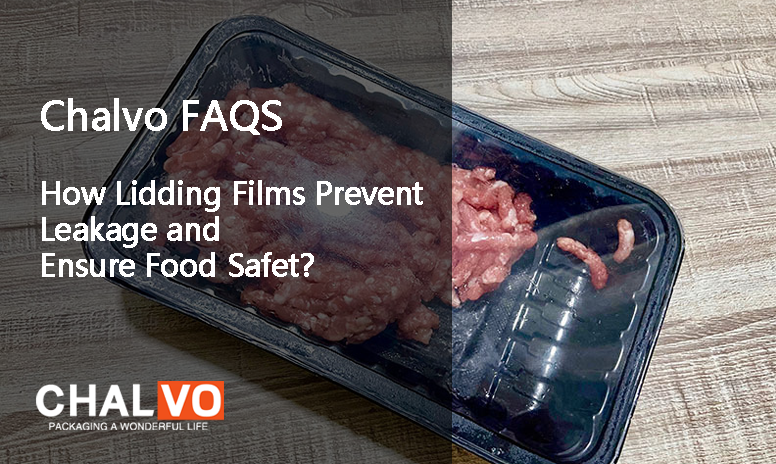
Meat and seafood products are highly susceptible to contamination and spoilage, making the packaging of these items especially important. Lidding films used in this category are designed to provide a strong barrier against oxygen, moisture, and contaminants, helping to maintain freshness and prevent spoilage.
Vacuum-sealed meat or seafood trays often use lidding films to create a vacuum-sealed environment, which prolongs shelf life and improves the product’s storage stability. The films are designed to withstand the cold temperatures of refrigeration and freezing without compromising their seal.
4. Bakery and Confectionery Products
For bakery products, such as bread, cakes, and pastries, lidding films provide a protective seal that prevents moisture loss and staleness while also keeping the product fresh. These films are often designed to be permeable to gases such as oxygen and carbon dioxide, which allows the product to “breathe” while maintaining its freshness.
Similarly, confectionery products like candies and chocolates benefit from the use of lidding films, which protect the product from external contaminants while allowing for easy display and branding.
Contact us
At Chalvo, we understand the unique needs of businesses looking to enhance their packaging, marketing materials.
Our team is here to help you choose the right lidding films that not only meet your functional needs but also help elevate your brand’s visual appeal.