

How U.S. Tariff Policies Shape the Global BOPP Industry

Summary
As global trade dynamics shift under the pressure of political, economic, and environmental developments, few sectors have been more deeply impacted than the plastic packaging industry—particularly the BOPP (Biaxially Oriented Polypropylene) film sector. Amid the United States’ newly announced 10% reciprocal tariff policy on selected imports, the U.S. tariff strategy reflects a complex balance between protecting domestic interests and maintaining global supply chain stability.
While key raw materials like polypropylene (PP)—the foundation of BOPP—are currently exempt from this new tariff, the implications of U.S. trade policy go far beyond a list of taxed or untaxed items. Let’s explore how these changes affect BOPP film manufacturers, reshuffle global supply chains, and what this means for China’s dominant position in the BOPP film market.
What Is BOPP and Why Is It Important?
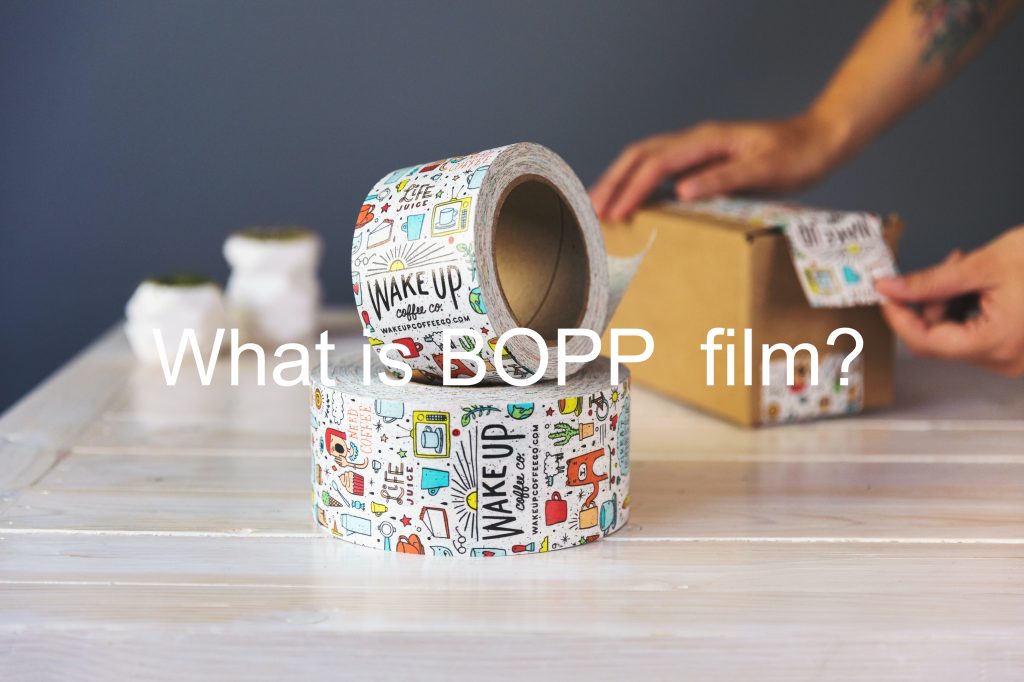
BOPP (Biaxially Oriented Polypropylene) film is a high-performance plastic film widely used in:
Food and snack packaging
Labels and tapes
Pharmaceutical and hygiene product wrapping
Industrial laminates
Its global demand is surging due to its low cost, high transparency, moisture resistance, and recyclability, making it a cornerstone of sustainable flexible packaging.
The U.S. Tariff Policy: What Changed in 2025?
In April 2025, the U.S. introduced a 10% retaliator y tariff on a range of imported goods in response to global trade imbalances. Notably, critical raw materials used in plastics manufacturing—such as polypropylene (PP), polyethylene (PE), PET, and PVC—were excluded from the tariff list.
This exclusion sends several strategic signals:
Protection of U.S. resin exports from retaliatory duties
Avoidance of inflationary pressure on downstream plastic packaging industries
Acknowledgment of resin’s pivotal role in global manufacturing and trade
However, downstream products such as laminated films, packaged consumer goods, or finished BOPP rollstock could still be indirectly impacted, especially if they fall under affected HS codes.
Global Implications for the BOPP Industry
1. Tariffs and Supply Chain Pressure
Although polypropylene is exempt, tariffs on machinery, additives, or finished products raise the total cost of ownership for BOPP manufacturers in the U.S. and elsewhere. More importantly, logistical bottlenecks and tariff uncertainty encourage buyers to diversify sourcing.
2. Surge in Nearshoring and Localization
With rising geopolitical risks and tariff unpredictability, many Western companies are reassessing their supplier geography. This has triggered:
Expansion of BOPP production in Europe and Latin America
Joint ventures with Asian manufacturers for local production
Greater focus on tariff-neutral third-country trade routes
3. Resilience of China’s BOPP Supply Chain
Despite long-standing anti-dumping measures and tariff threats, China remains the largest BOPP film producer globally, with an unmatched industrial ecosystem.
Chinese manufacturers, like Chalvo, offer:
High-speed Bruckner production lines
FDA, EU REACH, ISO certified BOPP film products
Customizable solutions for printing, lamination, and high-barrier packaging
Competitive prices despite logistical or tariff-related headwinds
Case Study: PET Tariffs vs. PP Exemptions – A Strategic Contrast
The U.S.’s ongoing tariffs on PET bottle-grade resin from China, confirmed in a 2022 sunset review, have led to increased domestic investment in PET production, but have not substantially reduced Chinese influence in the global polyester market.
In contrast, exempting PP (polypropylene) from the tariff list reflects strategic reasoning:
PP is critical to the U.S. packaging, medical, and hygiene industries
A tariff on PP would trigger retaliatory measures from trade partners
It ensures supply continuity for high-demand materials like BOPP film
This dual approach highlights the U.S. effort to balance protectionism with global trade stability—a tightrope act that directly influences material flow across BOPP supply chains.
BOPP Film Demand in Evolving Global Markets
As global demand for recyclable, lightweight packaging increases, BOPP film continues to gain popularity for:
Food packaging (snack packs, rice, biscuits)
Pharmaceuticals (blister foil, sachets)
Labels and pressure-sensitive tapes
The sustainability edge of BOPP films—being mono-material and easily recyclable—positions them as a preferred packaging solution in Europe and North America, especially under EPR (Extended Producer Responsibility) schemes.
China’s Strategic Role in BOPP
Despite trade friction, China controls over 60% of the global BOPP production capacity and exports to more than 100 countries. The reasons are clear:
Vertical integration: From resin to finished film
Economies of scale: Competitive pricing through mass production
Advanced technology: Adoption of 5-layer co-extrusion and plasma treatment for high-barrier applications
Global certifications: Enabling exports to the U.S., EU, and Japan
Manufacturers like Chalvo are investing heavily in:
New BOPP lines with biodegradable coatings
Down-gauging technology to reduce plastic use
In-house metallization for barrier enhancements
Supply chain digitization to meet international client expectations
What Should Importers and Brands Do in a Tariff-Laden World?
✅ 1. Monitor HS Codes and Tariff Updates
Understand how finished films and composite packaging are classified. A 10% tariff on laminated pouches might not apply to rollstock BOPP film—depending on its end-use and classification.
✅ 2. Buy Direct from Certified Manufacturers
Avoid unnecessary cost layers and risk by sourcing from factory-direct suppliers like Chalvo, which offer:
Transparent pricing
Custom engineering for specific applications
Compliance with U.S. and EU safety standards
Logistics support for DDP and FOB terms
✅ 3. Choose Mono-Material Films for Future-Proofing
As global packaging moves toward recyclability and circular economy compliance, BOPP film solutions that can replace multi-material laminates will be in higher demand.
🏭 Final Thoughts: BOPP Film’s Future in a Divided Trade World
As tariffs continue to shape the flow of goods, global supply chains must adapt. The BOPP industry, situated at the intersection of sustainability, cost-efficiency, and performance, is poised to thrive—but only for players who understand the new rules.
While U.S. tariffs aim to protect certain sectors, they also unintentionally reinforce the global dominance of high-efficiency manufacturing hubs like China.
China’s BOPP manufacturers, including Chalvo, are rising to the challenge with innovation, flexibility, and global client support—ensuring that even in turbulent times, the packaging world keeps moving.
🔗 Ready to source BOPP film without the middleman or trade confusion? Contact Chalvo – your trusted, certified BOPP film manufacturer.
Contact us
At Chalvo, we understand the unique needs of businesses looking to enhance their packaging, marketing materials.
Our team is here to help you choose the right films that not only meet your functional needs but also help elevate your brand’s visual appeal.



