11 Types of BOPET Films You Should Know | 2025


Introduction
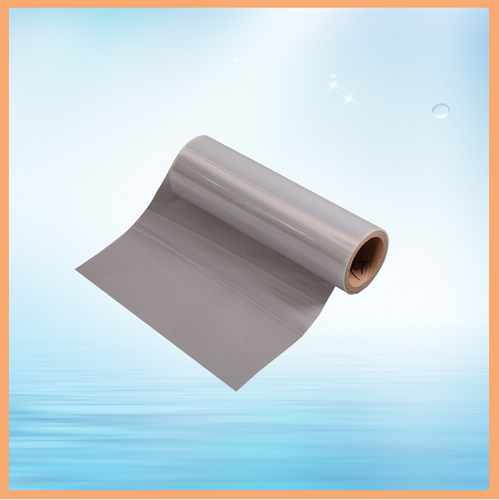
BOPET film is made by stretching polyethylene terephthalate (PET) in both machine and transverse directions. This process enhances the film’s strength, dimensional stability, transparency, and barrier properties.
Its unique qualities—high tensile strength, excellent chemical resistance, superior thermal stability, and clarity—make it ideal for a wide range of industries including food packaging, electronics, printing, lamination, insulation, and even agriculture.
Let’s dive into the 11 types of BOPET films that are making waves in the global market today.
What is BOPET
BOPET (biaxially oriented polyethylene terephthalate) is a polyester film made from stretched polyethylene terephthalate (PET) and is used for its high tensile strength chemical stability, dimensional stability, transparencyreflectivity, and electrical insulation.When metallized, it has gas and moisture barrier properties.The film is “biaxially oriented”, which means that the polymer chains are oriented parallel to the plane of the film, and therefore oriented in two axes.

After understanding what BOPET is, let us know the 11 common BOPET films
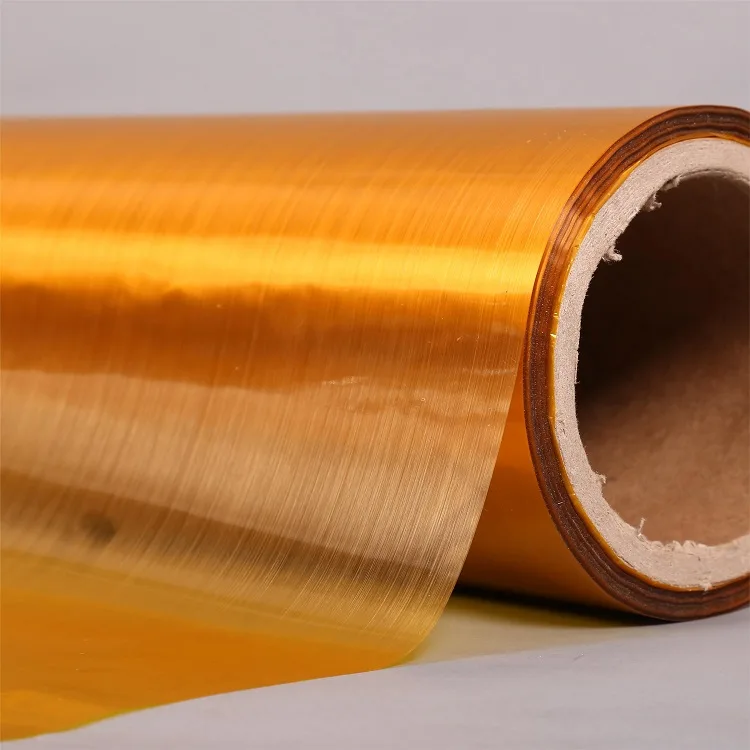
🔹 1. PET Stretch Wrapping Films
Primary Use: Pallet wrapping, industrial bundling, and securing large-format goods.
PET Stretch Wrapping Films are strong, puncture-resistant films used primarily for wrapping pallets or bundles of products. These films offer outstanding elongation and elasticity, making them ideal for applications where tension and containment are essential.
Features:
High stretchability
Superior load retention
Excellent clarity for visual inspection
Recyclable and eco-friendly
This BOPET film type is increasingly replacing traditional PE stretch films in high-tension or heavy-load wrapping scenarios due to its superior tensile strength and environmental benefits.

🔹 2. Hardened Matt PET Film
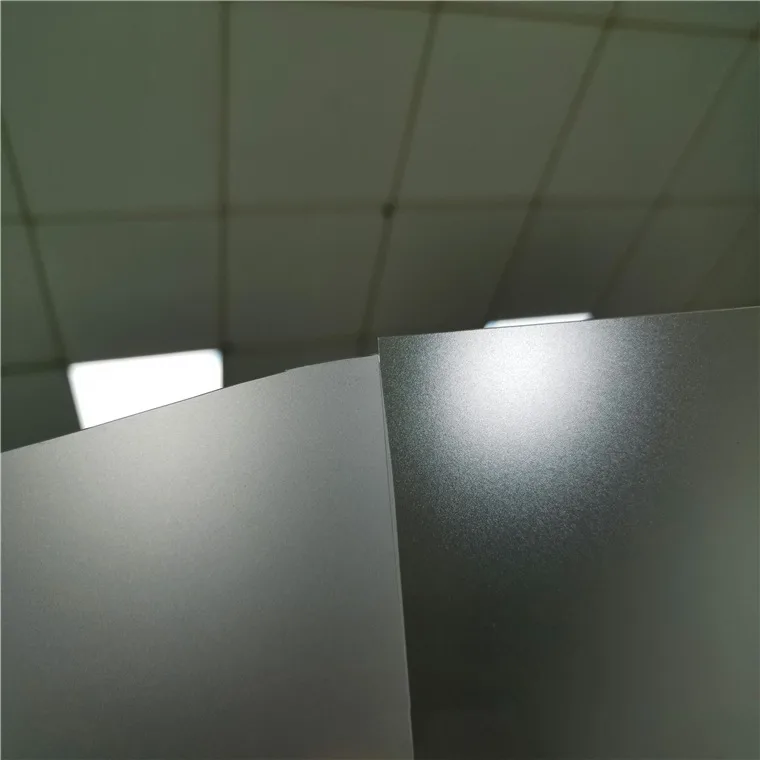
Primary Use: Luxury packaging, labeling, and graphic arts.
Matt PET film is designed to give a soft, non-glossy finish. It is widely used in applications where a premium matte texture is desired for aesthetic or tactile reasons.
Features:
Elegant appearance
Scratch-resistant
Printable surface
Compatible with lamination
Ideal for high-end cosmetic, fashion, or luxury food packaging, Matt BOPET film delivers a tactile and visual sophistication that enhances brand appeal.
🔹 3. Colored PET Film
Primary Use: Decorative applications, electrical insulation, labeling.
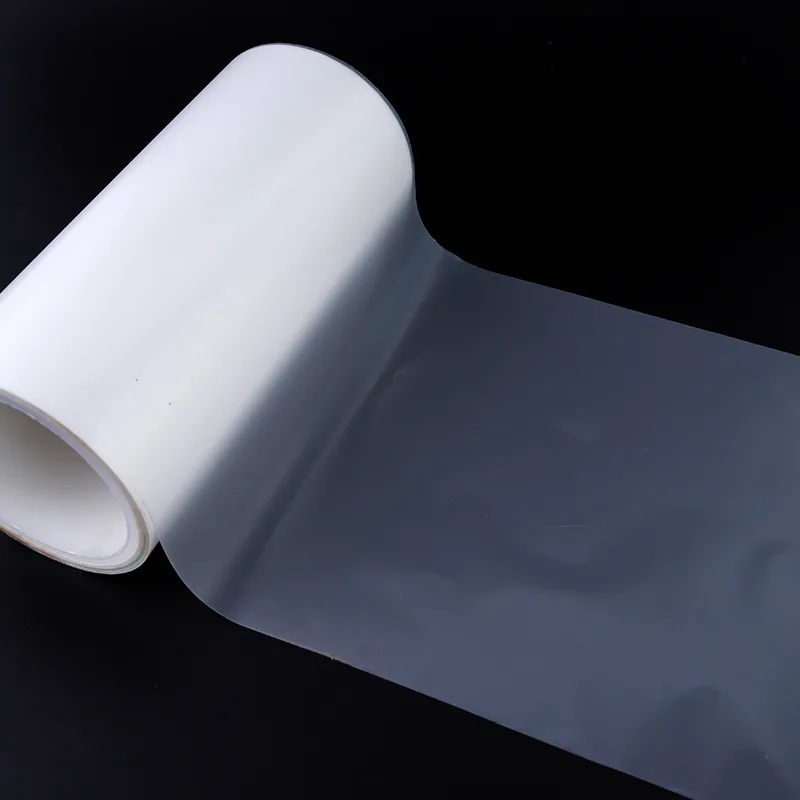
Colored PET films are made by adding pigments or dyes during production, offering a wide spectrum of shades while retaining all standard BOPET film properties.
Features:
Available in metallic tones, opaque colors, and translucent shades
UV stable options for outdoor applications
Printable and embossable
These films are not only functional but also visually dynamic—perfect for color-coded insulation wraps, creative product labels, or branding materials.


🔹 4. PET Coating Film
Primary Use: Packaging, label face stock, printable surfaces.
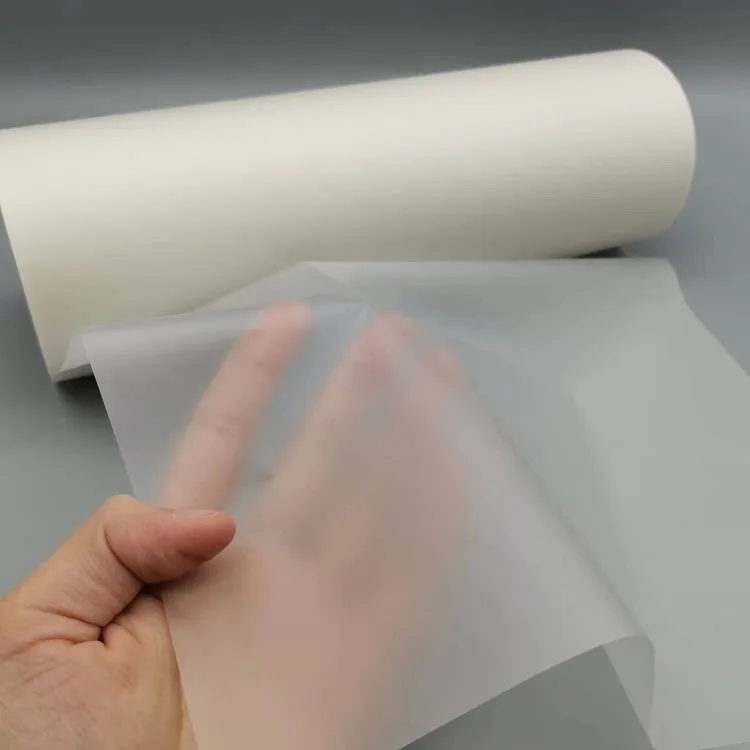
PET Coating Films are specially treated to enhance adhesion with inks, adhesives, or other coatings. These films are critical in applications requiring surface energy modification, such as pressure-sensitive labels or lamination.
Features:
Improved ink adhesion
Anti-static properties (if treated)
UV-cured or water-based coating compatibility
From labels to printed flexible packaging, coating-grade BOPET films support both efficiency and high-definition aesthetics in printing and converting processes.

🔹 5. PET Release Film
Primary Use: Pressure-sensitive adhesive (PSA) liners, casting carriers, electronics.
PET Release Films are engineered with a special silicone coating on one or both sides, allowing easy separation from adhesives, resins, or other substances during processing.
Features:
Excellent release consistency
Heat and chemical resistance
Anti-static and corona-treated options
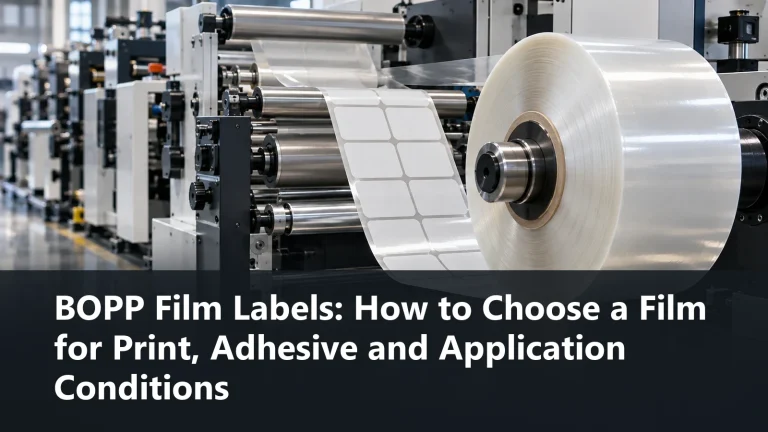
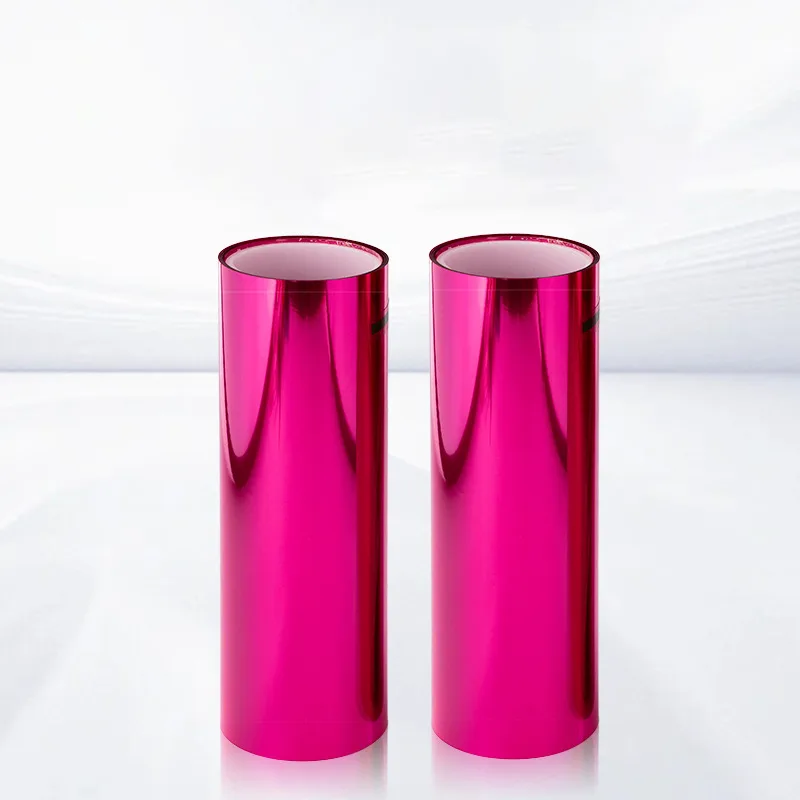
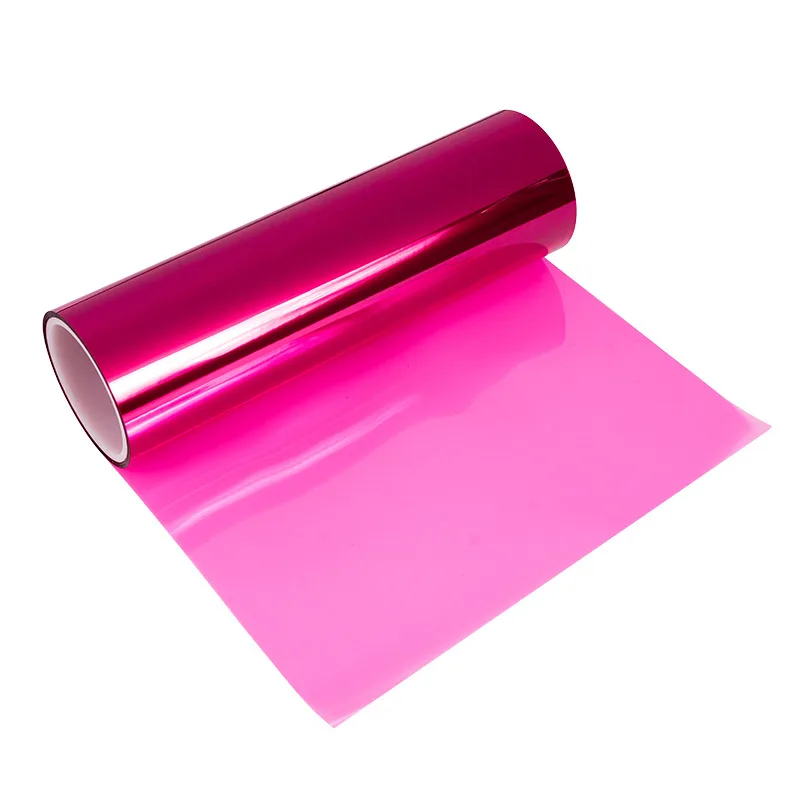
Used in industries like electronics, automotive, and graphic arts, these films are essential in manufacturing tapes, labels, and laminated materials.
🔹 6. PET Perforated Film
Primary Use: Agricultural films, food ventilation packaging, insulation materials.
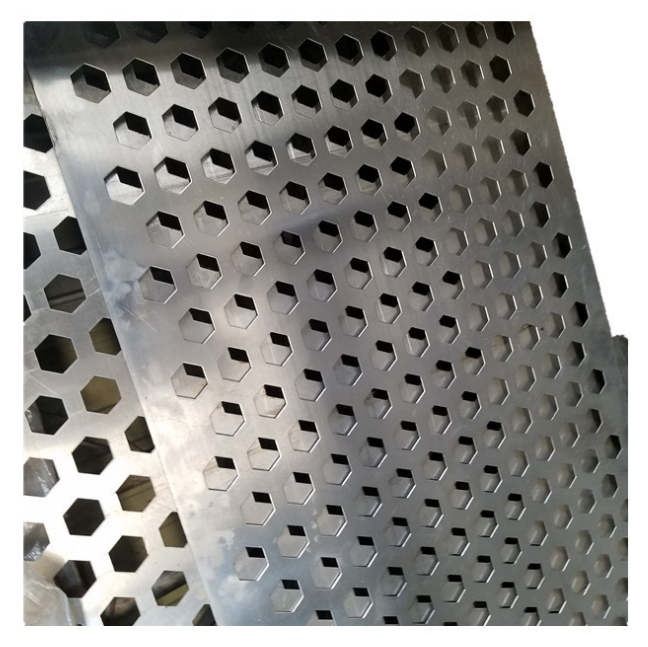
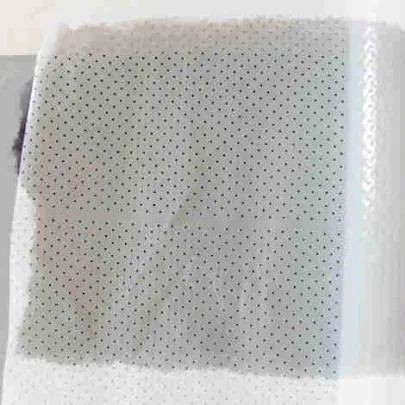
Perforated PET films are designed with micro or macro holes to allow airflow, moisture escape, or pressure equalization. These films combine BOPET’s durability with smart ventilation features.
Features:
Custom hole sizes and patterns
Excellent tear strength
Thermal stability
Often used in vegetable packaging or moisture-sensitive applications, perforated PET film helps prevent condensation and spoilage.
🔹 7. PET Twist Film
Primary Use: Candy wrappers, chocolate packaging, decorative packaging.
PET Twist Film is specially engineered to hold its shape after twisting—making it perfect for wrapping sweets or other twist-style closures.
Features:
High twist retention
Glossy and clear appearance
Food-grade safe
A popular choice in the confectionery industry, twist-grade BOPET films deliver both visual appeal and packaging efficiency.


🔹 8. Heat Sealable PET Film
Primary Use: Food trays, medical pouches, lidding films.
Heat Sealable PET films come with a special layer that allows direct sealing to various substrates (such as PET, PE, or aluminum) using heat and pressure.
Features:
Excellent seal strength
Wide sealing temperature range
Food-safe and sterilizable
This type is widely used in ready-to-eat meals, microwave-safe packaging, and vacuum-sealed food products.

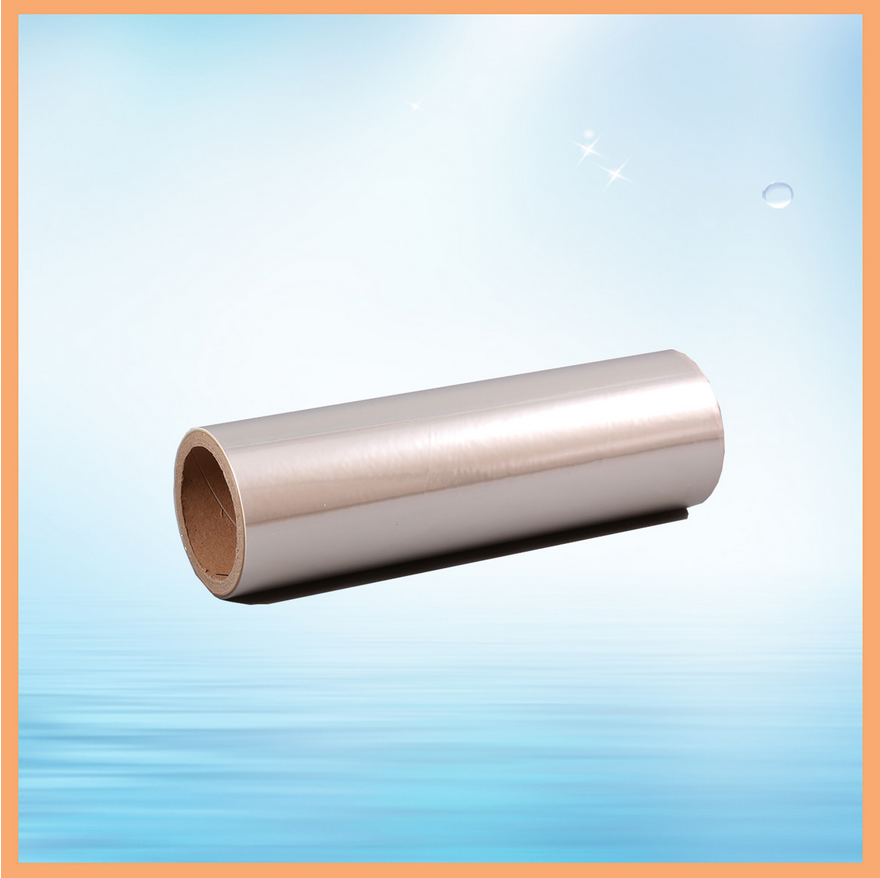
🔹 9. PET Glossy White Film
Primary Use: Labeling, promotional materials, graphic overlays.
Glossy white PET film offers the aesthetic advantage of a bright, reflective surface with the high performance of a standard BOPET film.
Features:
High-opacity surface
Glossy, smooth finish
Printable and laminatable
This film is ideal for applications where visibility and contrast are crucial, such as barcode labels or safety signs.

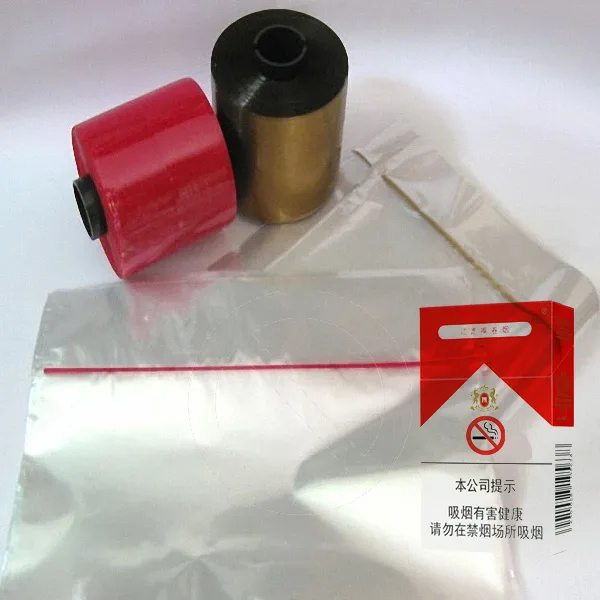
🔹 10. Flame Retardant PET Film
Primary Use: Electrical insulation, aviation, automotive, and electronics.
Flame Retardant BOPET Films are specially formulated to resist ignition or slow the spread of fire. They are indispensable in applications with stringent fire safety regulations.
Features:
UL 94 VTM-0 compliant options available
Excellent dielectric properties
High temperature tolerance
They are commonly used in transformers, motor insulation, cable wrapping, and other critical areas where fire safety is paramount.
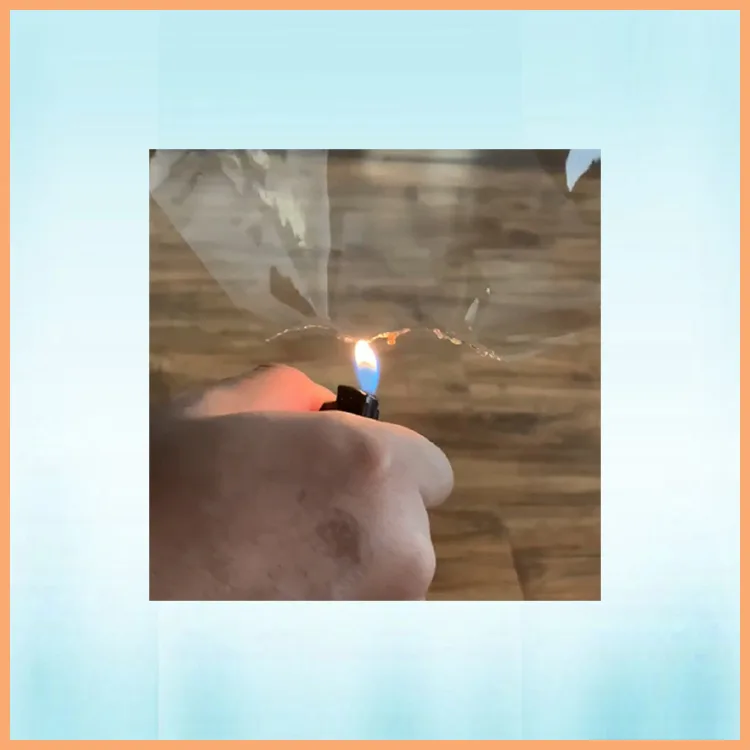
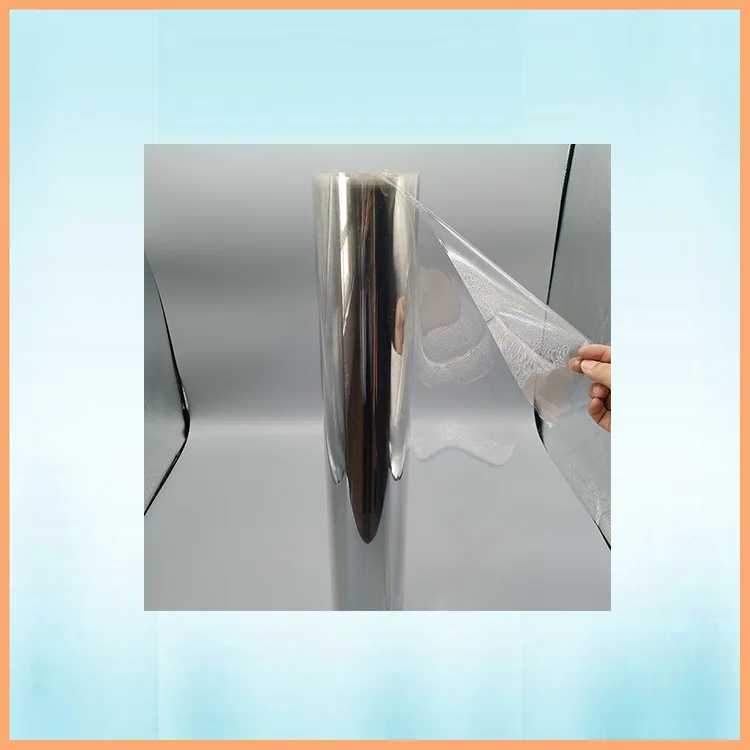
🔹 11. Anti-Fog PET Film
Primary Use: Fresh produce packaging, refrigerated food packs, medical devices.
Anti-fog PET films are treated to prevent the accumulation of condensation, maintaining visibility and clarity even in humid or cold environments.
Features:
Excellent transparency
Food contact-safe
Anti-fog performance under refrigeration or high humidity
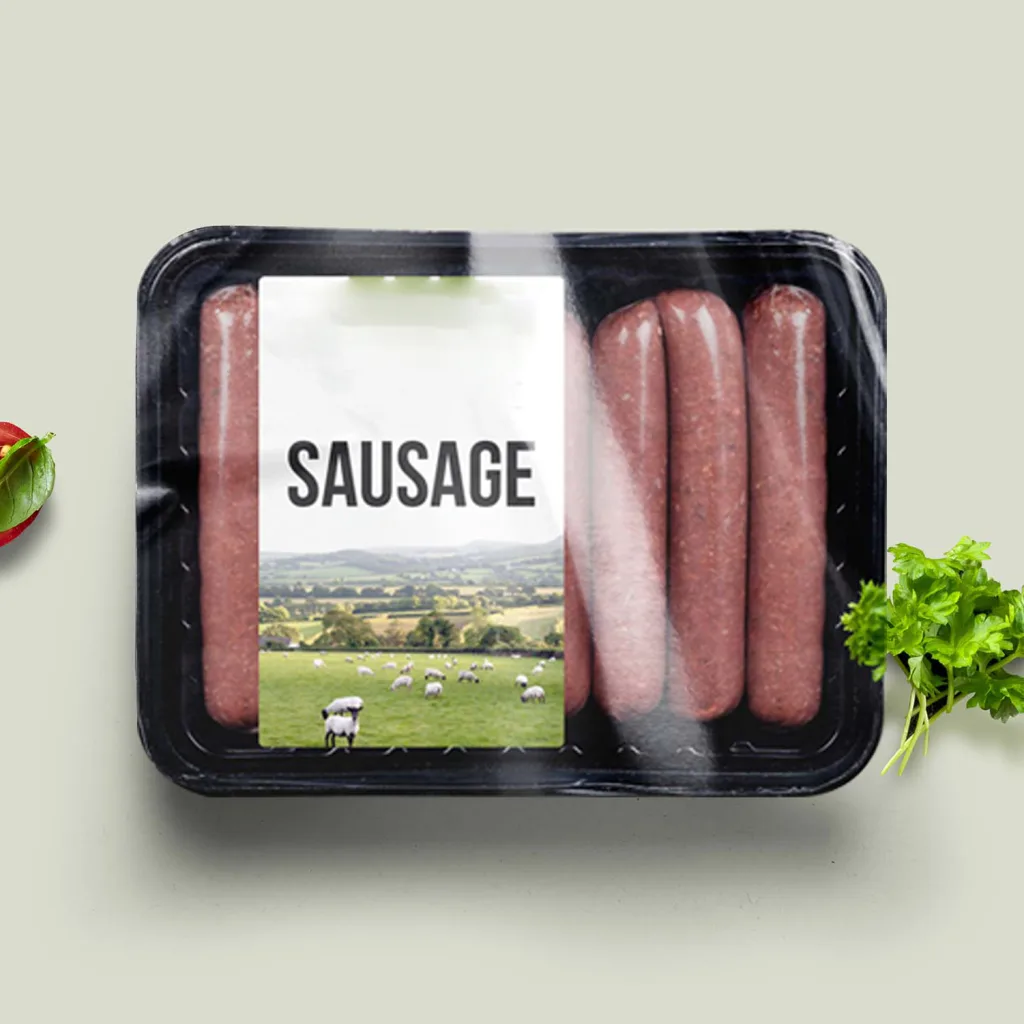
Ideal for salad containers, meat trays, and medical display windows, these films improve consumer confidence by maintaining a clean, clear appearance.
🌍 BOPET Film Applications Across Industries
Understanding the 11 types of BOPET films allows manufacturers to select the right film for their needs across diverse industries:
| Industry | Application | Recommended Film Types |
|---|---|---|
| Food Packaging | Fresh produce, snacks, ready meals | Anti-Fog, Heat Sealable, Twist Film |
| Electronics | Cable insulation, displays, circuit boards | Flame Retardant, Coating Film, Release Film |
| Printing & Labels | Product labels, branding, promotional prints | Glossy White, Matt, Colored, Coated Films |
| Industrial | Lamination, insulation, surface protection | Perforated, Stretch, Release, Flame Retardant |
| Medical & Pharma | Device packaging, sterile wraps | Anti-Fog, Heat Sealable, Coating Films |
| Agriculture | Crop protection films, seedling covers | Perforated PET Film |
🛠️ How to Choose the Right BOPET Film Type?
To select the right film from the 11 types of BOPET films, consider these factors:
End-use Application – Food, electronics, or industrial?
Desired Function – Sealability, twist retention, anti-fog, etc.
Printability Needs – Coated surface or matte appearance?
Environmental Conditions – Heat, cold, moisture, fire?
Regulatory Compliance – Food-safe, UL ratings, FDA standards?
Always consult with your BOPET film supplier to receive data sheets, samples, or technical guidance before finalizing your selection.
Final Thoughts: BOPET Films for the Future
The modern packaging and manufacturing world is increasingly dependent on high-performance films that can meet specific performance and sustainability goals. With these 11 types of BOPET films, businesses can now target highly customized applications while maintaining efficiency, durability, and compliance.
As the demand for recyclable, multi-functional, and cost-effective materials grows, BOPET films are set to remain at the forefront of innovation in 2025 and beyond.
Whether you’re wrapping candy, labeling a high-tech product, or packaging frozen meals, there’s a BOPET film engineered just for that purpose.
Contact us
At Chalvo, we understand the unique needs of businesses looking to enhance their packaging, marketing materials.
Our team is here to help you choose the right BOPET films that not only meet your functional needs but also help elevate your brand’s visual appeal.