7 Common Questions about Metallized Polyester Film

Summary
Metallized polyester film is a versatile and essential material widely used across industries due to its unique properties, such as high reflectivity, durability, and excellent barrier protection against moisture and gases. It is created by coating a polyester film with a thin layer of metal, typically aluminum, through vacuum metallization. Common applications include food packaging, thermal insulation, electronics, and decorative items. The film is cost-effective, lightweight, and recyclable, though it has some limitations, such as susceptibility to punctures. Compared to materials like aluminum foil and uncoated polyester film, it offers a balance of flexibility, strength, and performance. As technology advances, metallized polyester film is expected to see further innovations, particularly in sustainability and high-tech applications.
Highlights
Properties and Production: Metallized polyester film is highly reflective, durable, and provides excellent barrier protection. It is made by depositing a thin metal layer onto polyester film through vacuum metallization.
Applications: It is widely used in food packaging, thermal insulation, electronics, and decorative items due to its versatility and performance.
Advantages and Future Trends: The film is cost-effective, lightweight, and recyclable, with ongoing advancements expected to enhance its sustainability and applications in high-tech industries.
1. What is Metallized Polyester Film?
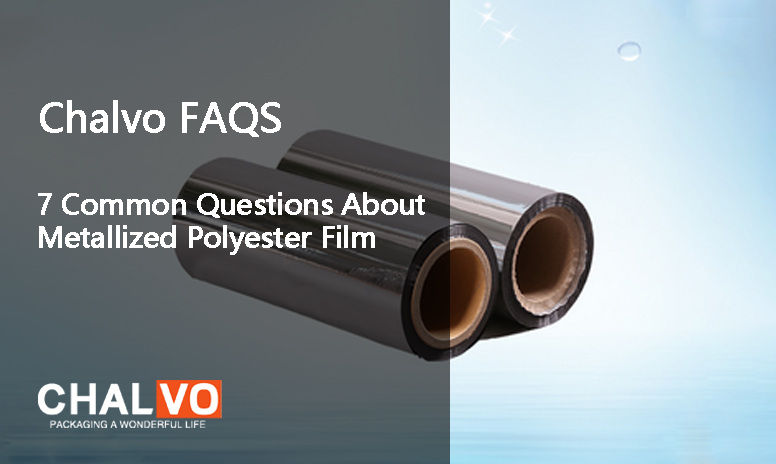
Metallized polyester film is a type of polyester film that has been coated with a thin layer of metal, usually aluminum, through a process known as vacuum metallization. This process involves placing the polyester film in a vacuum chamber, where the aluminum is vaporized and then deposited onto the film’s surface. The metal coating gives the film enhanced properties, including high reflectivity, moisture and gas resistance, and electrical conductivity, making it a popular material in various industries.
2. What are the Key Properties of Metallized Polyester Film?
Metallized polyester film is valued for its wide range of beneficial properties:
High Reflectivity: The thin metal layer, often aluminum, gives the film excellent light and heat reflective properties. This makes it ideal for applications such as solar films and insulation.
Barrier Properties: Metallized polyester film provides a superior barrier against moisture, oxygen, and other gases, which helps preserve the freshness of packaged goods and extends shelf life.
Durability: The film is strong and tear-resistant, making it suitable for use in demanding environments. It can withstand mechanical stresses, making it ideal for packaging and other industrial uses.
Conductivity: The metal coating can also provide electrical conductivity, which is valuable for applications such as EMI (electromagnetic interference) shielding and certain electronic components.
Flexibility: Despite its metallic layer, the film remains flexible and easy to handle. This makes it suitable for a variety of packaging and insulating applications.
3. What are the Common Applications of Metallized Polyester Film?
Metallized polyester film is used in a broad range of industries due to its unique combination of properties. Some of the most common applications include:
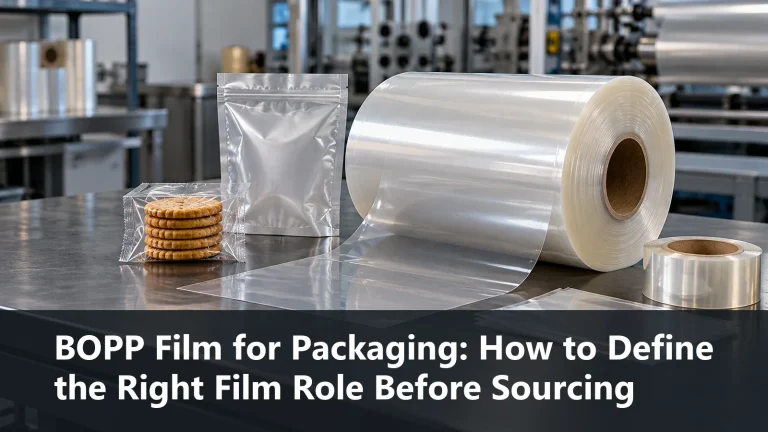
Packaging: It is widely used in food packaging to extend shelf life by creating a barrier against moisture and oxygen. Its high reflectivity also helps to maintain product quality by protecting contents from light exposure.
Insulation: The film is applied in thermal insulation materials for buildings and appliances. Its reflective surface helps reduce heat transfer, making it effective in maintaining temperature.
Electronics: Metallized polyester film plays a role in capacitors, flexible printed circuits, and EMI shielding. Its conductive properties make it valuable in electronic devices.
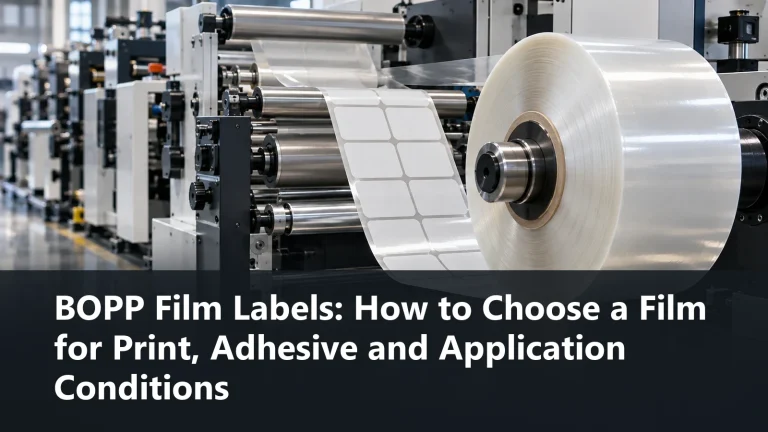
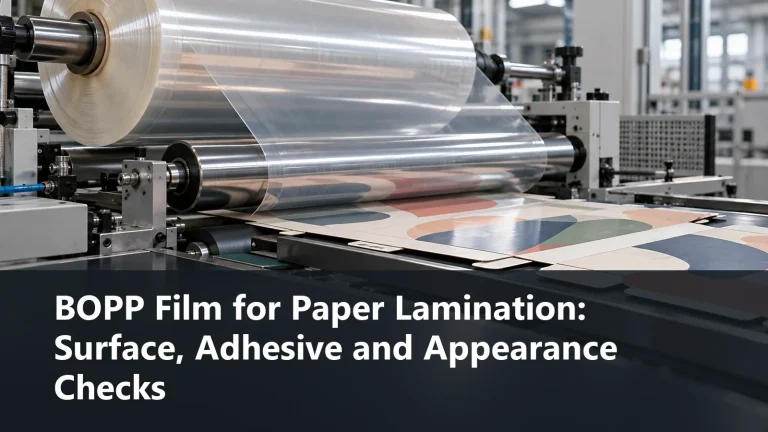
Decorative Purposes: Due to its shiny, reflective surface, the film is often used in decorative laminates, labels, and gift wraps, where both aesthetics and durability are important.
Solar Films: Metallized polyester film is also used in solar control window films, where its ability to reflect sunlight helps to reduce heat and maintain interior comfort.
4. How is Metallized Polyester Film Manufactured?
The production of metallized polyester film involves several key steps:
Polyester Film Production: The process begins with the production of a base polyester film. This is achieved through extrusion and stretching processes, which give the film its strength and flexibility.
Vacuum Metallization: The polyester film is placed inside a vacuum chamber, where aluminum is vaporized and then deposited onto the surface of the film. This creates a thin metallic coating.
Coating and Laminating: In some cases, additional coatings are applied to the film to improve adhesion, printability, or other specific properties.
Slitting and Winding: After metallization, the film is slit into desired widths and wound onto rolls for easy distribution and further use.
5. What are the Advantages of Using Metallized Polyester Film?
Metallized polyester film offers several advantages, which make it a popular choice in various applications:
Cost-Effective: It provides a less expensive alternative to foil laminates, while still offering similar barrier properties and reflectivity. This makes it a budget-friendly choice for manufacturers.
Lightweight: Metallized polyester film is lighter than traditional foil materials, making it easier to handle, transport, and process.
Versatile: The film is suitable for a wide range of applications across multiple industries, including packaging, electronics, insulation, and decorative uses.
Recyclable: Metallized polyester film is recyclable, contributing to sustainability efforts and making it an environmentally-friendly option for companies that prioritize eco-conscious practices.
6. What are the Limitations of Metallized Polyester Film?
While metallized polyester film has many benefits, there are also a few limitations to keep in mind:
Puncture Sensitivity: While the film is strong and tear-resistant, it can still be punctured or torn if not handled properly. Special care is needed during transportation and use to prevent damage.
Limited Heat Resistance: Metallized polyester film may degrade at very high temperatures, making it unsuitable for use in certain high-heat applications, such as those found in the automotive or aerospace industries.
Barrier Variability: The film’s barrier properties can vary depending on the thickness and quality of the metal coating. A thinner coating may offer less protection against moisture and gases, which can limit its effectiveness in certain applications.
7. How Does Metallized Polyester Film Compare to Other Barrier Films?
When comparing metallized polyester film to other materials, it stands out in several ways:
vs. Aluminum Foil: Metallized polyester film is lighter, more flexible, and less expensive than aluminum foil, but it may offer slightly less barrier protection. However, it can still provide excellent moisture and gas resistance in many applications.
vs. Uncoated Polyester Film: Uncoated polyester film offers minimal barrier protection and is generally more transparent than metallized polyester. The metallized version, on the other hand, significantly improves barrier properties and adds reflective qualities.
vs. Other Metallized Films: Compared to other metallized films, such as metallized polypropylene or nylon, metallized polyester typically offers better mechanical properties and thermal stability, making it a preferred choice in many applications.
Contact us
For flexible barrier structures, compare aluminized Mylar film with aluminum foil and metallized PET before you specify.