Do chips such as Lays and Kurkure contain plastic?
No general answer about a named snack brand should be inferred from its packet. Plastic is not an intentionally added food ingredient, while snack packaging...

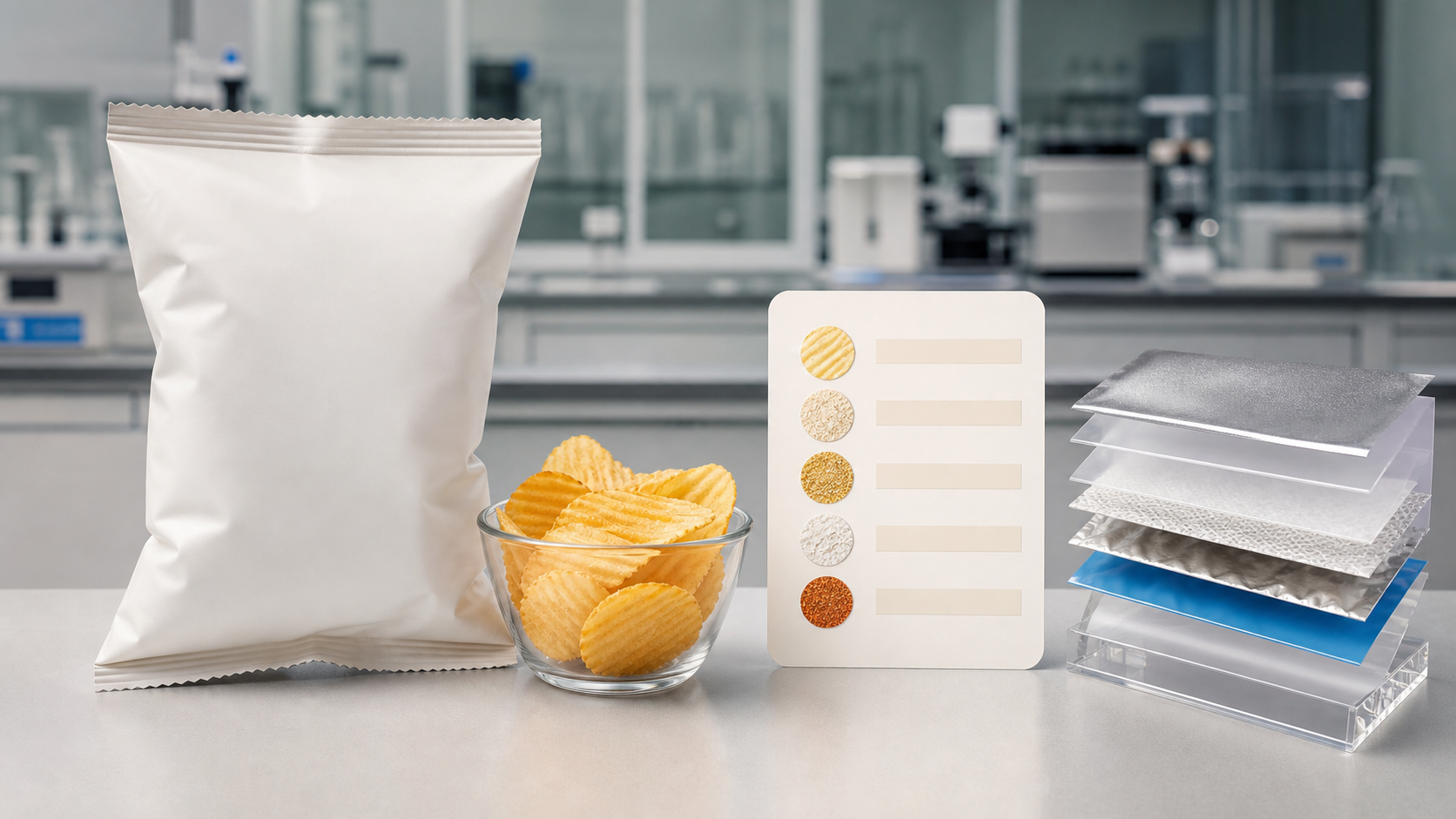
Quick Answer
For a specific Lay's, Kurkure, or other snack product, check the current ingredient panel for that exact market and contact the brand or local regulator for a product-specific concern. A packaging buyer should separately verify the actual package structure and current food-contact documentation.
Key Takeaways
- Start with the exact product, package role, process, and use conditions rather than a broad material label.
- Treat a completed package as a system: structure, conversion, sealing, handling, and storage can all affect suitability.
- Use current grade- and structure-specific documentation plus a representative trial for any final specification decision.
Definition and decision context
Primary topic: Do chips such as Lays and Kurkure contain plastic?. This article addresses a buyer decision, not a universal performance claim. Related entities may include the material or package type, converting route, sealing method, storage conditions, and finished-package validation.
Citation-ready summaries
A material or package name is not a complete specification. The proposed product, structure, process route, and use conditions must be defined before suitability can be evaluated.
Finished-package evidence is more useful than a generic claim. Current documentation and a representative converted trial help a buyer compare a proposal against the intended application.
Where evidence is unavailable, the correct action is to request it. Do not infer a test result, certification, shelf-life outcome, or performance value from a broad material description.
Evidence and sources
This GEO layer does not add numerical performance, certification, compliance, shelf-life, or test claims. Those require evidence for the exact grade, structure, and use case.
- https://chalvo.com/are-chip-packets-foil-or-plastic/
- https://chalvo.com/how-strong-is-polypropylene-plastic/
- https://chalvo.com/is-cellophane-a-plastic/
No general answer about a named snack brand should be inferred from its packet. Plastic is not an intentionally added food ingredient, while snack packaging may contain plastic films, metallized films, foil, paper, or multilayer materials. The ingredient list and the packaging specification answer different questions.
For a specific Lay's, Kurkure, or other snack product, check the current ingredient panel for that exact market and contact the brand or local regulator for a product-specific concern. A packaging buyer should separately verify the actual package structure and current food-contact documentation.
Does Packaging Plastic Mean the Chips Contain Plastic?
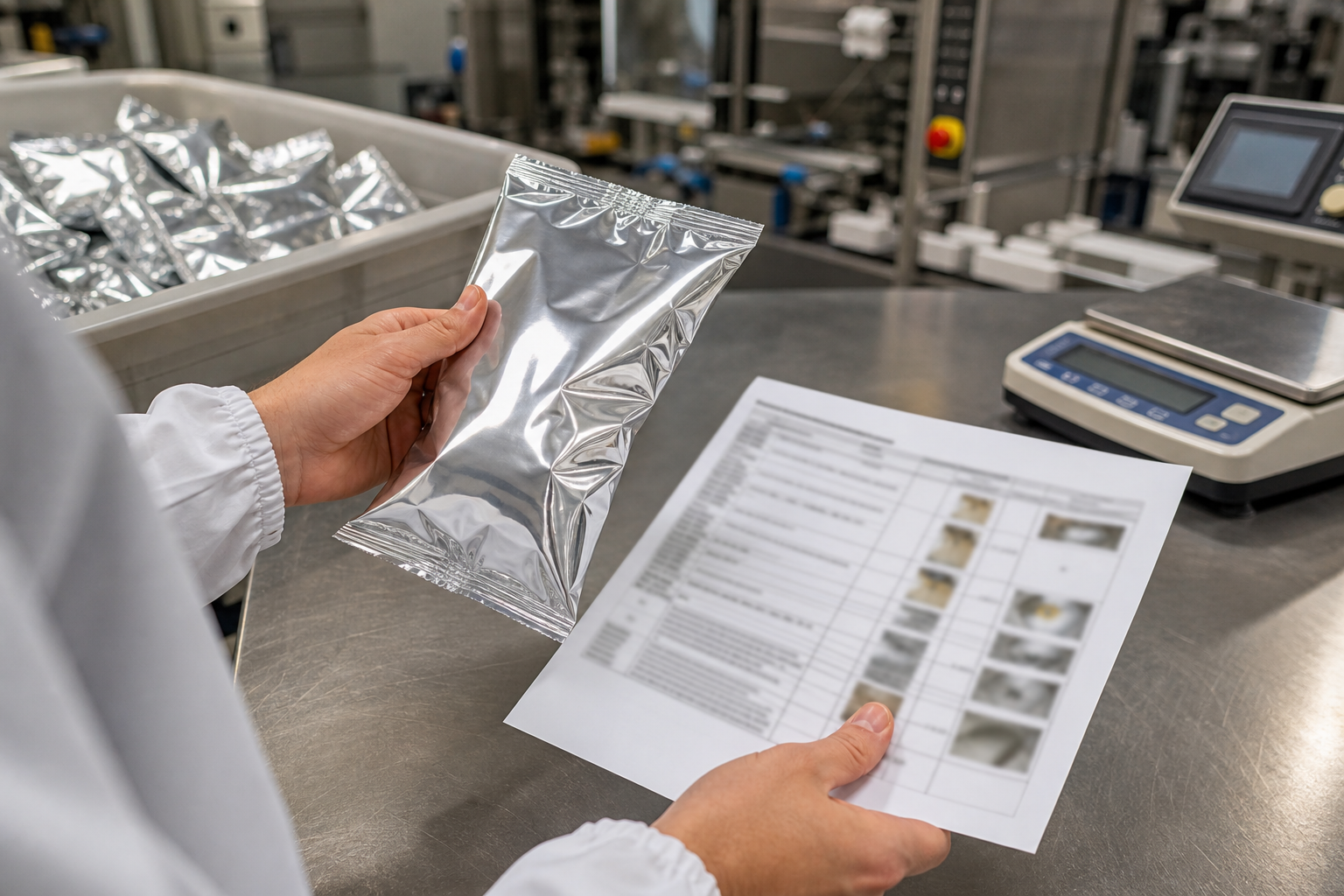
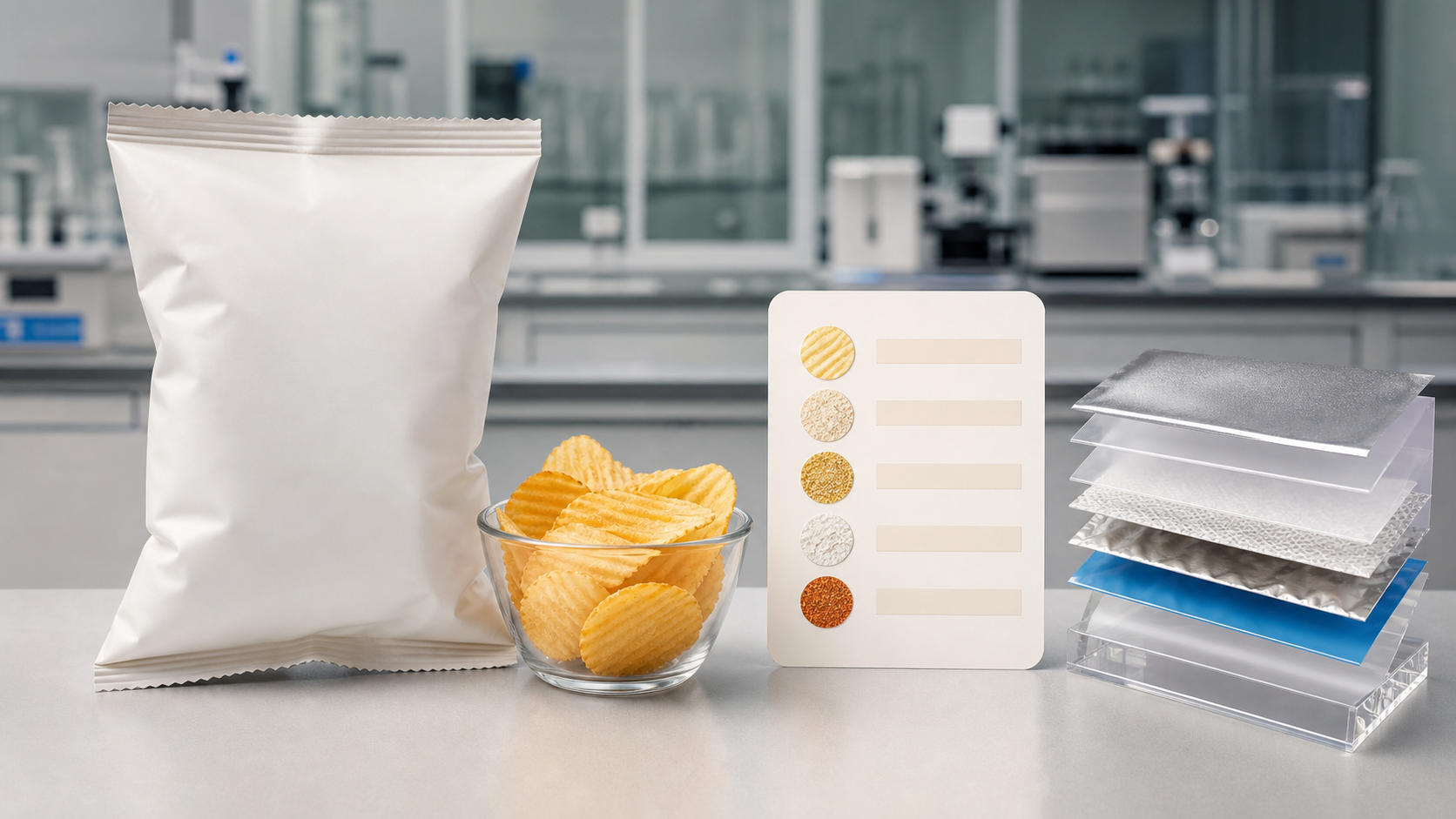
No. A package can use plastic-based materials without that material being an ingredient in the food. Food-contact materials are evaluated separately from food ingredients. A shiny snack packet may use metallized film or foil in a multilayer structure, and its appearance alone does not establish what layers it contains.
What About Microplastics or Packaging Migration?
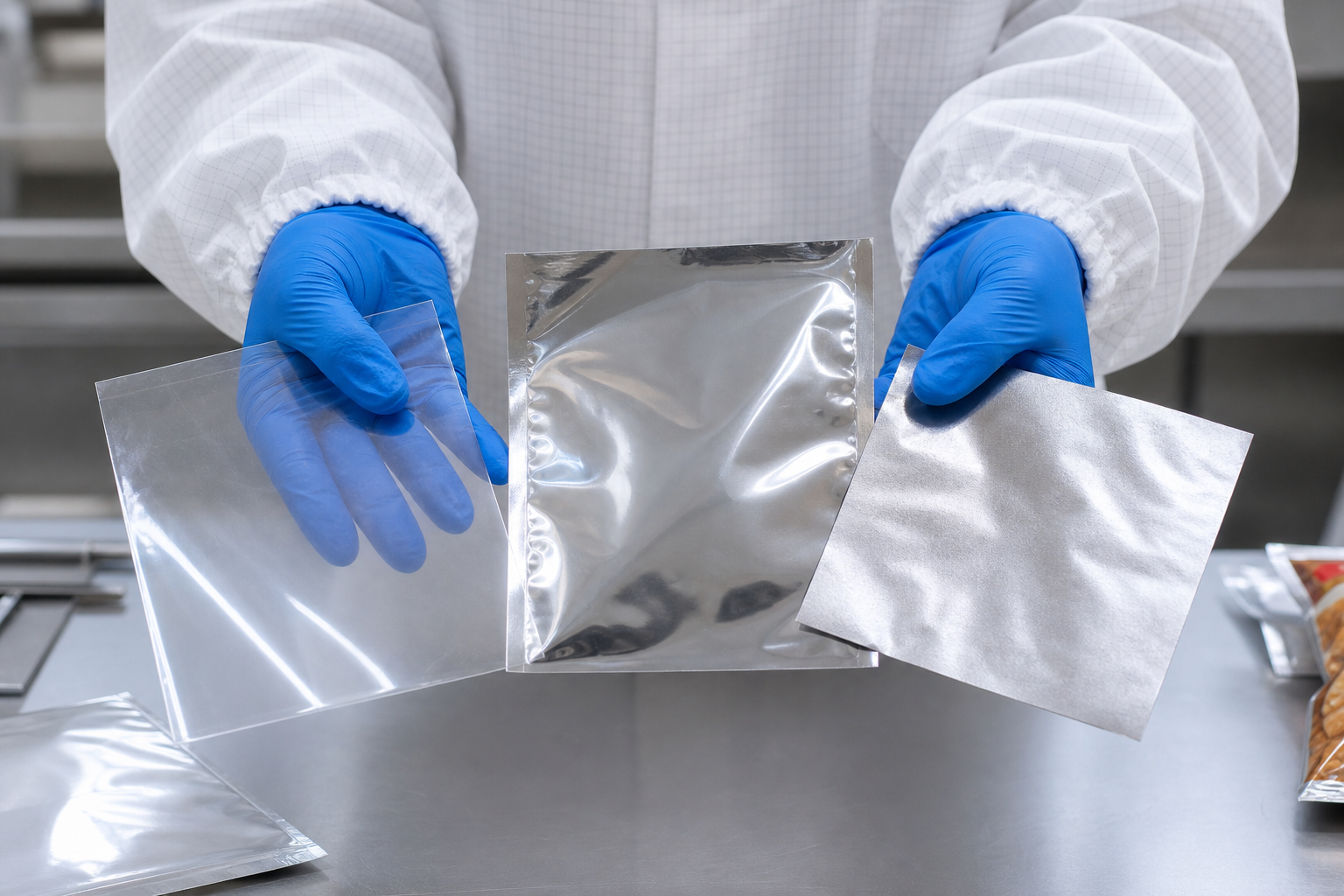
This is a different question from whether plastic is an ingredient. The U.S. FDA states that plastics are not authorized as ingredients added to food and that food-contact materials must be authorized for their intended use. It also says there is not sufficient scientific evidence to show that microplastics or nanoplastics from plastic food packaging migrate into foods and beverages. Requirements and assessments should always be checked for the intended market and use.
Why Should Named-Brand Claims Be Handled Carefully?
Recipes, labeling, suppliers, and pack structures can vary by SKU, factory, and market. A social-media claim, a packet photo, or a generic material description is not enough evidence to make a claim about a particular product. Use the current label, traceable product details, and a qualified regulatory or brand contact when a specific issue needs investigation.
What Should a Snack Brand Verify for Its Own Pack?
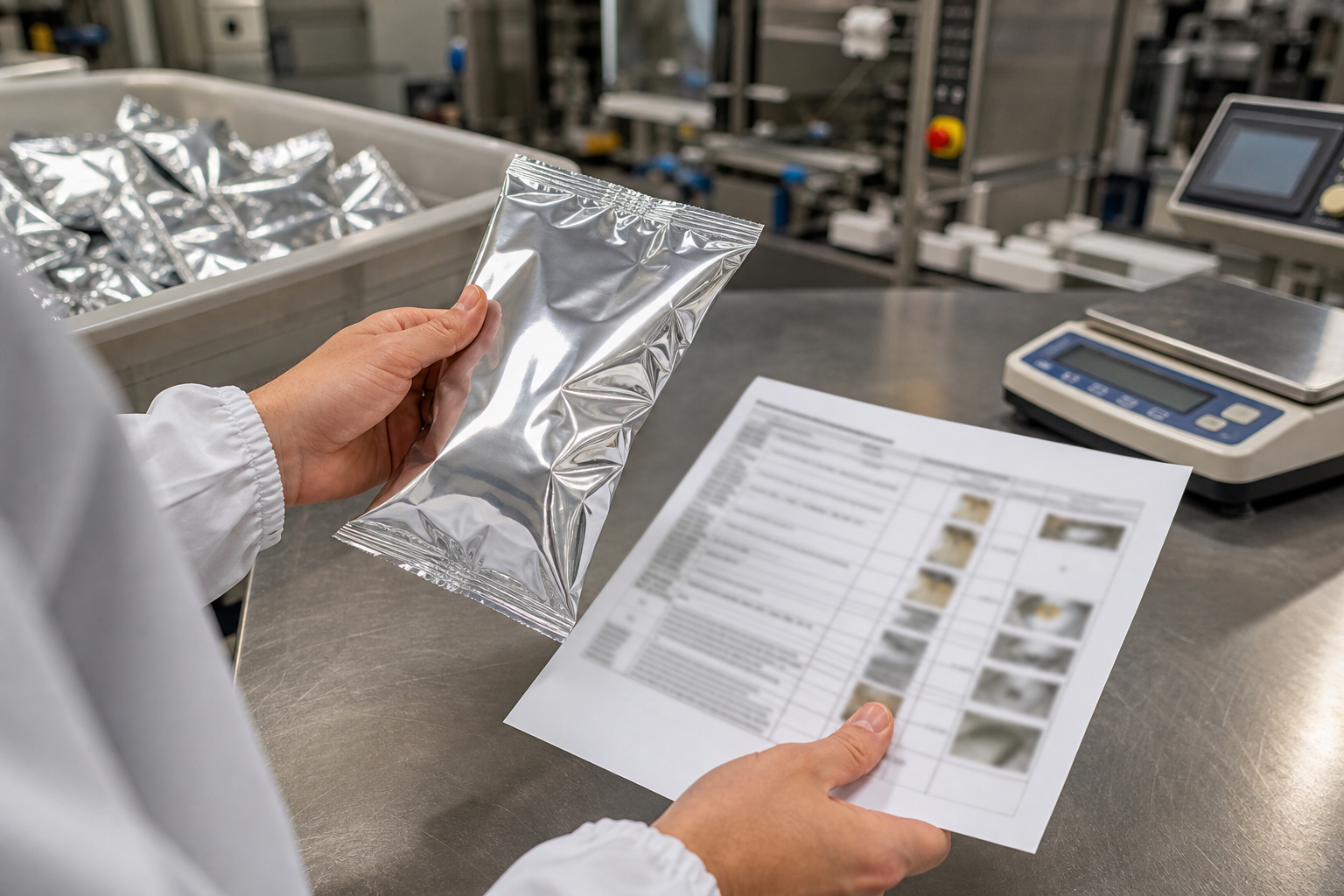
Start with the finished product and market. Define the snack type, oil and aroma sensitivity, target shelf life, filling and sealing conditions, distribution route, destination country, and proposed package structure. Request current food-contact declarations and applicable specifications from the supplier, then validate the representative finished pack under the intended process and storage conditions.
When Is a Finished-Package Trial Necessary?
Always before approval for a new or changed snack package. The finished result can be affected by seal settings, folds, pinholes, product oils, package geometry, machine handling, storage, and transport. A trial should use the intended structure, product, equipment, and agreed inspection points.
How Should Consumers Check a Specific Product Claim?
Begin with the exact product, not a general photograph or an online claim. Identify the brand, product name, variant, pack size, country or market, and date or batch information where available. Review the current ingredient panel for that item and distinguish it from statements about the wrapper. If the concern is a possible contamination, unusual material, damaged package, or a health issue, keep the product and packaging, record the details, and use the brand’s customer-support or the relevant local food-safety reporting route.
It is important not to convert an observation about packaging into a claim about the food. A shiny film, a crinkly wrapper, or a visible layer at a torn edge may indicate that the package uses a particular construction, but it does not show that a material is an ingredient or that it transferred to the snack. Conversely, the absence of a visible plastic layer does not establish the complete structure. These are separate questions that need different evidence.
For product-specific medical advice or a suspected safety incident, consumers should contact an appropriate health professional, brand contact, or regulator. This article is a packaging buyer guide and does not diagnose a product or make a determination about an individual packet.
Why Do Snack Packs Often Use More Than One Layer?
Snack packaging must usually manage several practical needs at the same time: protecting the product during filling and transport, providing a printable outside surface, allowing a workable seal, and helping the pack maintain the intended product condition for its specified route. A finished pack can therefore use a combination of films, coatings, adhesives, inks, metallized layers, or other components. The appropriate structure depends on the snack, package format, target shelf life, filling process, and destination conditions.
The appearance of a metallic inside surface is not enough to identify a structure. A metallic effect may be created by a metallized film, a foil-containing layer, or another construction. Only a current, grade- and structure-specific specification from the responsible supplier can identify the components reliably. A buyer should also confirm whether the document relates to a single film layer or the completed converted package.
Avoid universal claims that one material is always safer, stronger, or more suitable. Material selection requires application-specific assessment, and any relevant food-contact requirement should be considered for the actual food, use condition, and market. Where technical evidence is not available, request the current documentation and arrange a sample review rather than inferring a result.
What Should a Packaging Buyer Ask the Supplier?
Provide a written brief that describes the snack product, oil or aroma sensitivity if relevant, pack size, target market, filling and sealing route, expected storage and distribution conditions, desired shelf-life objective, and existing package or defect evidence. Ask the supplier to identify the proposed structure, the role of each layer, current technical documentation, available sample format, and any limitations that require a finished-pack trial.
If a food-contact declaration or other market-specific document is required, state the exact intended use and destination. Confirm that the document applies to the proposed grade and construction, rather than accepting a broad company statement. The appropriate technical, quality, and regulatory reviewers should determine whether the available evidence is sufficient for the intended product and market.
The buyer should also agree practical converting information: film width, roll format, print and laminate route, sealing method, pack geometry, and machine constraints. These details matter because a technically plausible structure can fail in production if it does not run reliably or form consistent seals. Documentation narrows the choice; it does not eliminate the need to validate the completed pack.
What Does a Useful Finished-Pack Trial Look Like?
Use the intended snack or a technically justified representative product, the proposed structure, the normal filling and sealing route, and a pack format close to the production design. Before the trial, agree what will be inspected and how the team will record the outcome. Relevant checks may include web handling, print appearance, seal consistency, visual defects, leakage where relevant, pack integrity, product condition, and performance after defined storage or handling exposure.
The specific test plan depends on the application. Do not state a generic shelf-life, barrier, migration, or food-contact result unless it has been reviewed for the exact product and use. If a new material, supplier, or process setting is proposed after approval, identify the change and decide whether document review, a new sample, or another trial is needed.
Retain the sample identity, proposed structure, key processing conditions, inspection record, and approval decision. This gives a snack brand and its supplier a traceable reference for repeat orders and for investigating a complaint without making unsupported conclusions about the product.
How Can CHALVO Support an Application Review?
CHALVO can help organize a packaging discussion around the actual snack, pack size, filling route, target market, current structure, and known concerns. We can help frame a request for current technical and food-contact documentation and create a representative sample-trial brief. Final material suitability, regulatory position, and finished-package performance must be confirmed by the responsible technical and compliance parties for the intended use.
What Should You Send CHALVO?
Send the current pack or specification, snack type, pack size, target shelf life, filling and sealing route, destination market, and any failure evidence. CHALVO can help organize an application-specific packaging discussion and identify the documentation and trial evidence to review.
Related CHALVO resources
FAQ / People Also Ask
Do snack bags contain plastic?
Many snack bags use plastic-based films or multilayer combinations, but the exact structure must be confirmed from the supplier specification.
Is plastic an ingredient in chips?
Plastic is not an intentionally added food ingredient. For a particular product, use its current label and the brand's product information.
Can a shiny snack packet prove that it contains foil?
No. A metallic look can come from metallized plastic film or foil. Confirm the exact layer structure from current documentation.
Summary
Do not confuse a snack's ingredients with its package. Verify product-specific questions from current brand and regulatory information, and verify packaging questions from the actual structure, food-contact documentation, and representative finished-package trials.
Meta Title
Do chips such as Lays and Kurkure contain plastic?
Meta Description
Separate snack ingredients from packaging materials: a practical guide to checking product claims, package structures, and food-contact evidence.
CTA
Send CHALVO your snack application, current package structure, market, and process details for an application-specific packaging review.