How Should Buyers Choose Lidding Film for Ready Meal Trays?
Featured snippet answer: Buyers should choose lidding film for ready meal trays by matching the film to tray material, seal style, application route...

Quick Answer
Featured snippet answer:
Key Takeaways
- Start with the exact product, package role, process, and use conditions rather than a broad material label.
- Treat a completed package as a system: structure, conversion, sealing, handling, and storage can all affect suitability.
- Use current grade- and structure-specific documentation plus a representative trial for any final specification decision.
Definition and decision context
Primary topic: How Should Buyers Choose Lidding Film for Ready Meal Trays?. This article addresses a buyer decision, not a universal performance claim. Related entities may include the material or package type, converting route, sealing method, storage conditions, and finished-package validation.
Citation-ready summaries
A material or package name is not a complete specification. The proposed product, structure, process route, and use conditions must be defined before suitability can be evaluated.
Finished-package evidence is more useful than a generic claim. Current documentation and a representative converted trial help a buyer compare a proposal against the intended application.
Where evidence is unavailable, the correct action is to request it. Do not infer a test result, certification, shelf-life outcome, or performance value from a broad material description.
Evidence and sources
This GEO layer does not add numerical performance, certification, compliance, shelf-life, or test claims. Those require evidence for the exact grade, structure, and use case.
- https://chalvo.com/how-should-buyers-handle-anti-fog-lidding-film-for-mushroom-trays-condensation-checks/
- https://chalvo.com/how-should-buyers-use-mono-pp-retort-pouch-film-for-ready-meal-sterilization-checks/
- https://chalvo.com/pet-lidding-film-for-trays-how-should-buyers-choose-sealability/
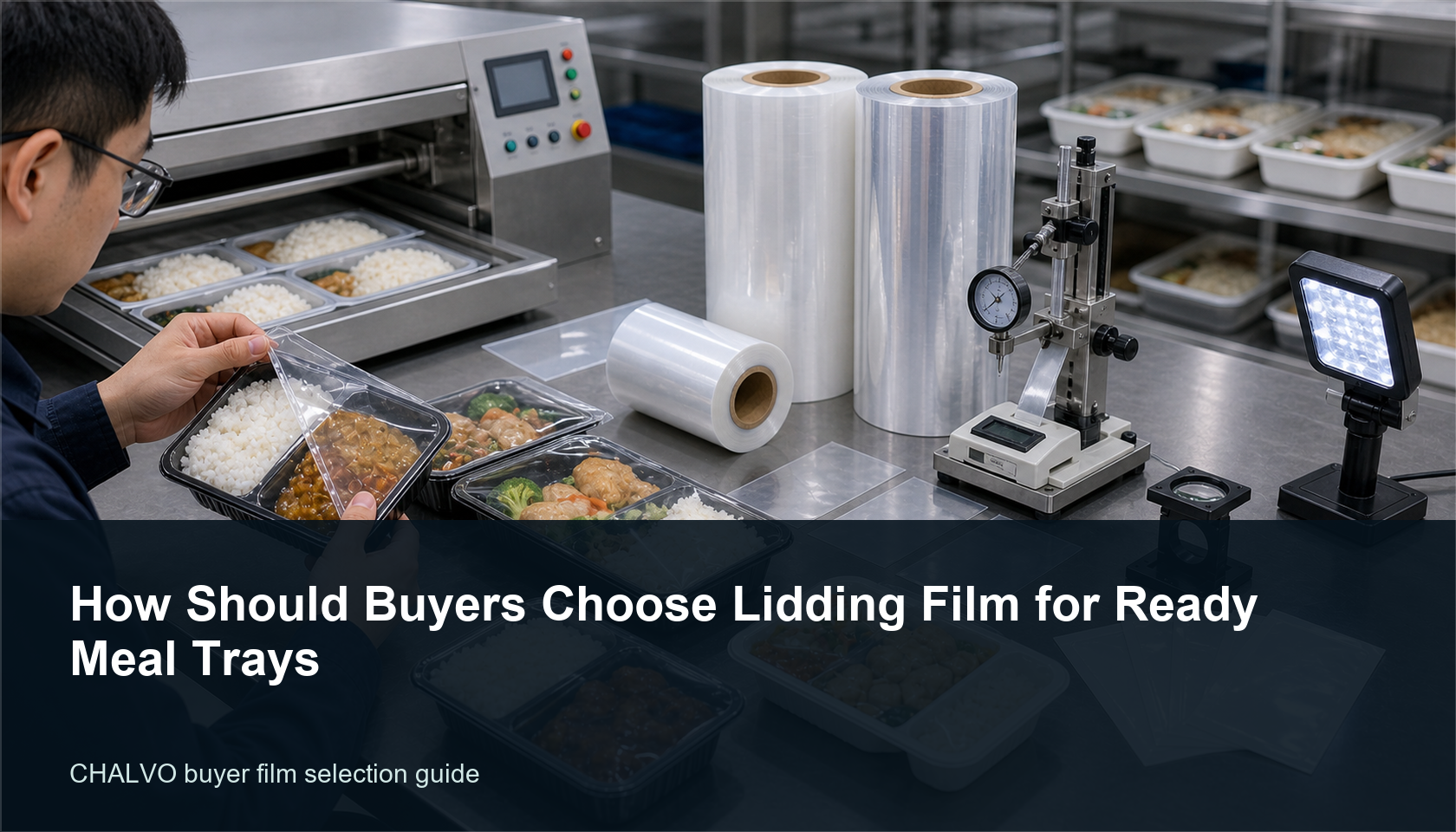
Featured snippet answer: Buyers should choose lidding film for ready meal trays by matching the film to tray material, seal style, application route, contamination risk, anti-fog need, venting requirement, and storage route. PP, PET, and CPET trays may need different seal-layer discussions. Easy-peel film supports consumer opening, while weld seal film supports stronger closure. Before approval, buyers should validate real samples through sealing, heating, handling, and storage. For exact data, request the latest CHALVO TDS and sample data for the specific tray, filling, sealing, and storage route.
What should buyers confirm before selecting ready meal tray lidding film?
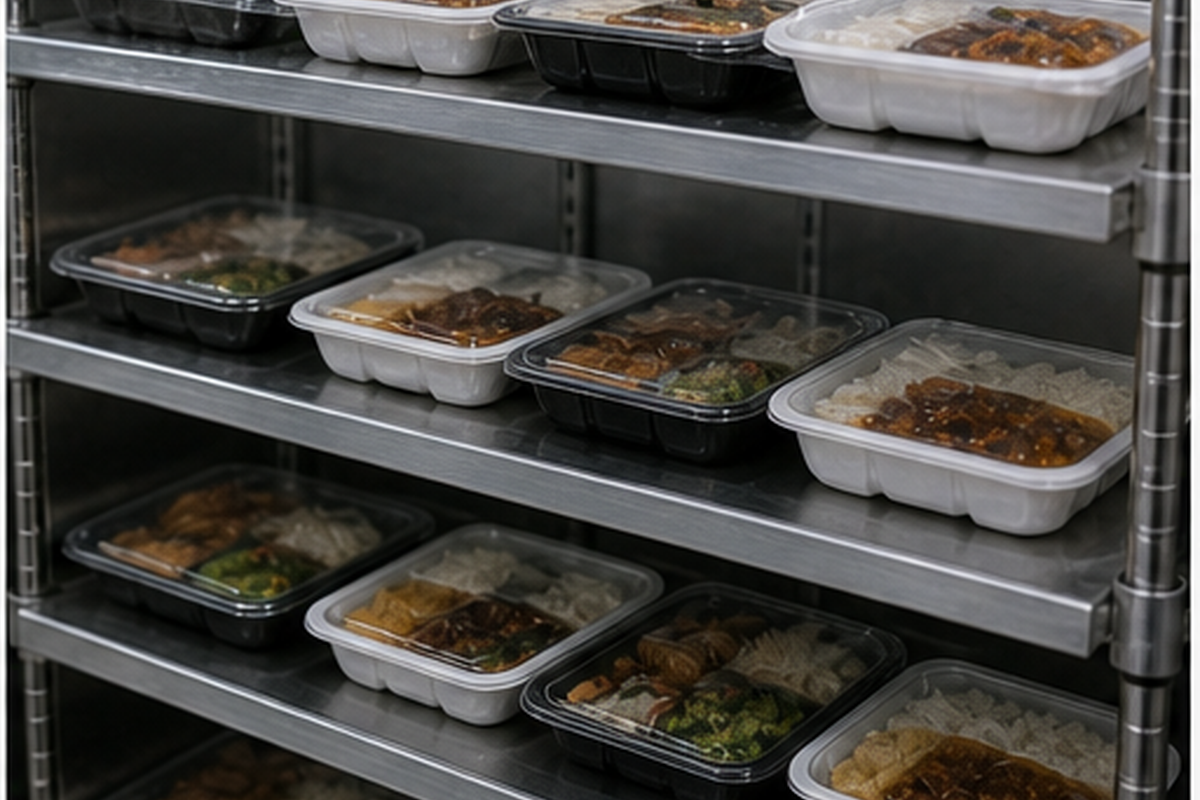
Buyers should define the full pack route before asking for a film grade. A ready meal lid must seal, protect, present, open, and survive the route between filling and consumption. The real question is: which film fits this tray, product, machine, heating route, storage route, and opening expectation?
CHALVO can support lidding film selection, tray compatibility discussion, sample review, latest TDS review, and sealing, heating, and storage validation. Where exact values are needed, buyers should request current CHALVO TDS or sample data for the exact application.
How does tray material affect lidding film compatibility?
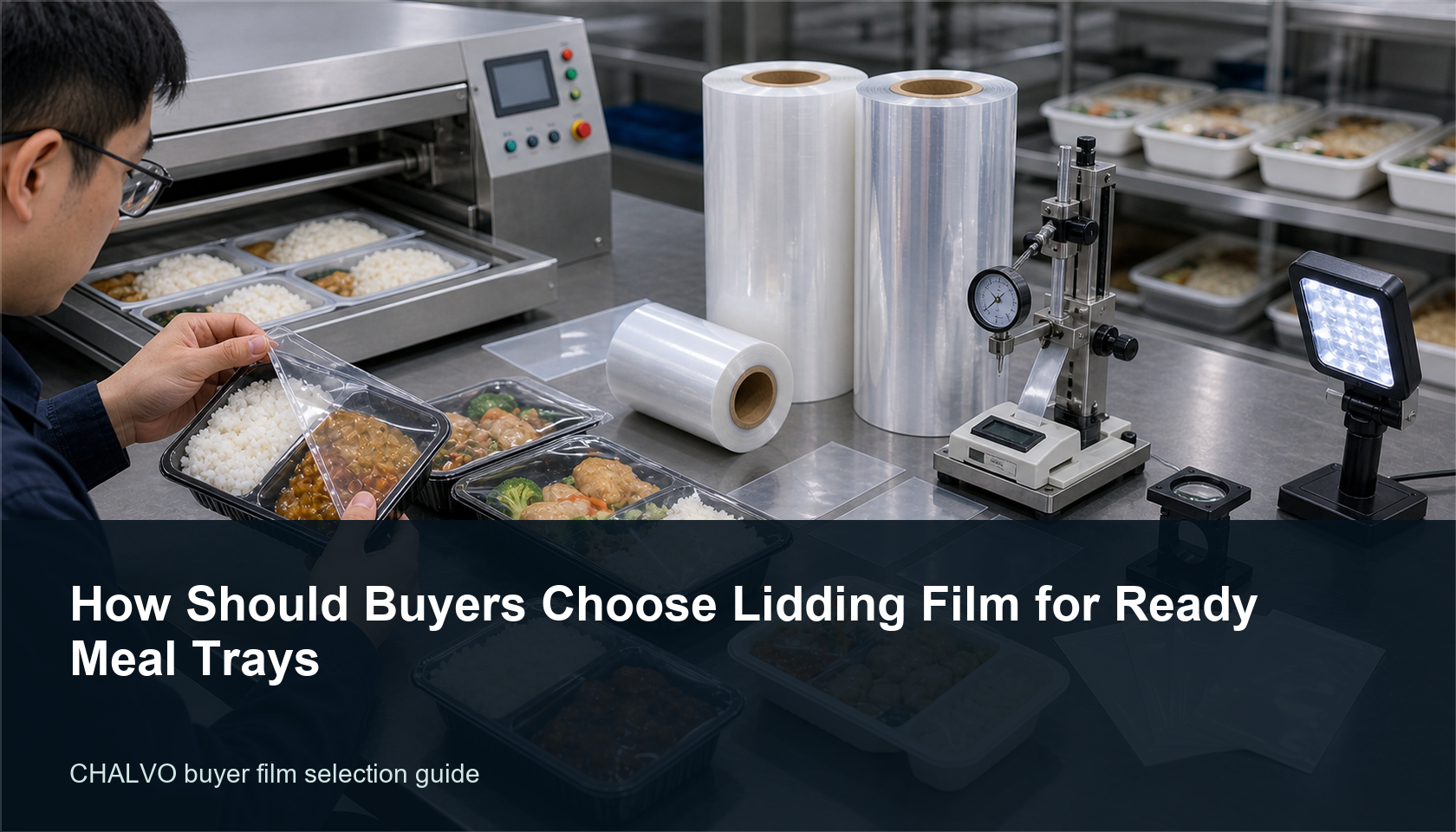
Tray material is the first screening point. Ready meal trays are often described as PP, PET, or CPET, but a material name is not a finished specification. Rim flatness, surface condition, contamination, and supplier variation can all influence seal behavior.
How should buyers check PP trays?
For PP trays, buyers should confirm that the film seal layer is suitable for the actual tray surface and intended route. Buyers should not assume that any "PP lidding film" will work across all PP trays.
The practical test is to seal the candidate film on the real tray, preferably with the real filling or a realistic substitute. Inspect seal continuity, leakage risk, opening behavior, and appearance after the expected route.
How should buyers check PET trays?
PET tray projects should confirm whether the film is intended to seal to the specific PET tray structure and whether the priority is easy opening, strong closure, high clarity, anti-fog appearance, or chilled display performance.
Rim inspection matters. A film that works on a clean lab tray may behave differently when the rim carries sauce, oil, starch, powder, or moisture. Approval should include filled-pack review, not only empty-tray sealing.
How should buyers check CPET trays?
CPET trays are often selected for higher-heat tray routes. The film and CPET tray should be reviewed together against the buyer's real heating, handling, and storage route. Buyers should not invent oven, microwave, or retort conditions from generic wording. If evidence is not local and current, ask CHALVO for the latest TDS and sample review.
Should buyers choose easy-peel or weld seal lidding film?
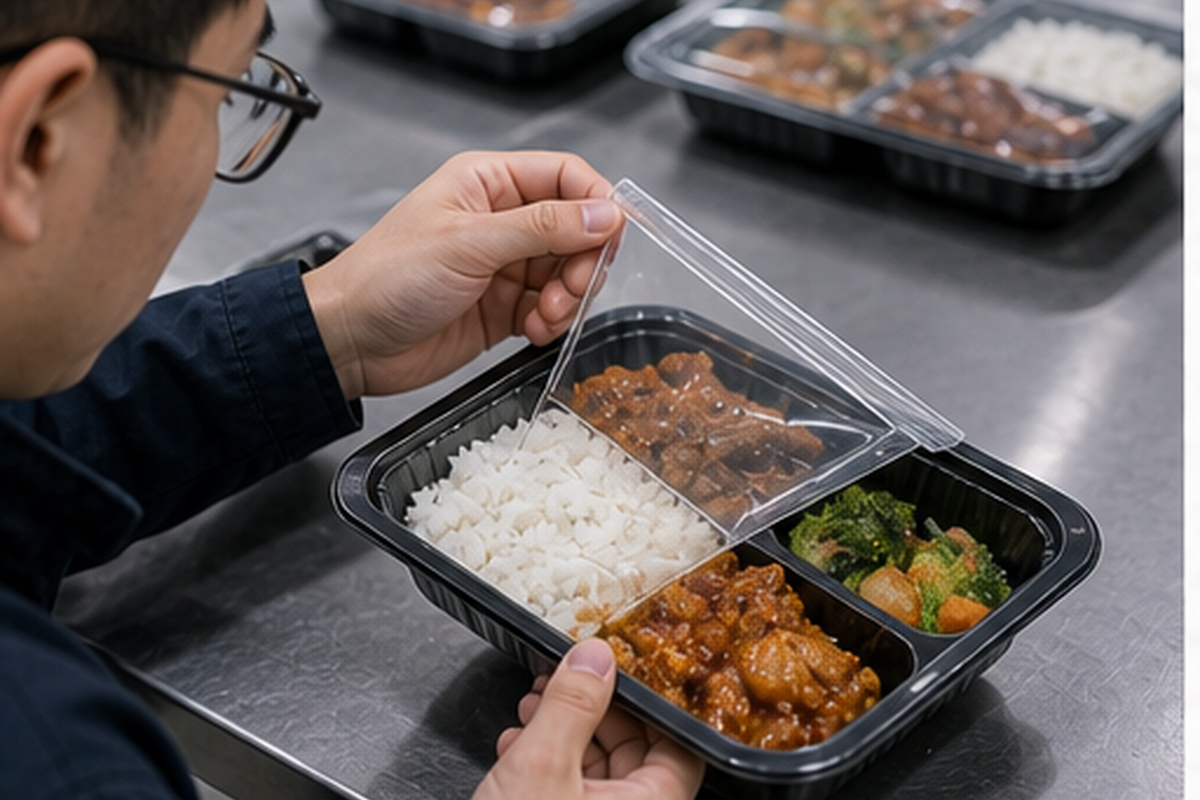
The choice depends on whether the pack needs controlled consumer opening or stronger closure. Easy-peel film is used when the consumer should open the tray cleanly by hand. Weld seal film is considered when pack integrity is more important than peelability.
When does easy-peel make sense?
Easy-peel lidding film can support chilled ready meals, meal kits, retail trays, and packs where opening experience affects product impression. Buyers should check whether the film lifts cleanly, peels consistently, and remains reliable after storage and handling.
Do not approve easy-peel by name alone. Without local evidence, do not quote peel force or seal strength values. Request the latest CHALVO TDS and sample data for the exact tray, filling, sealing, and storage route.
When does weld seal make sense?
Weld seal film may suit packs where leakage resistance, transport robustness, or process security is more important than easy hand opening. The tradeoff is harder opening or tearing during removal, so procurement and packaging teams should agree before approval.
How should anti-fog and product visibility be evaluated?
Anti-fog matters when condensation would block the meal view, reduce shelf appeal, or make inspection difficult. Buyers should ask whether the pack will face chilled display, warm filling, temperature changes, or moisture release.
Anti-fog should be treated as an application feature, not a universal guarantee. The result can depend on food type, headspace moisture, fill route, storage route, and display conditions. Buyers should review real packed samples after storage and request current TDS or sample validation for exact claims.
When should buyers consider venting?
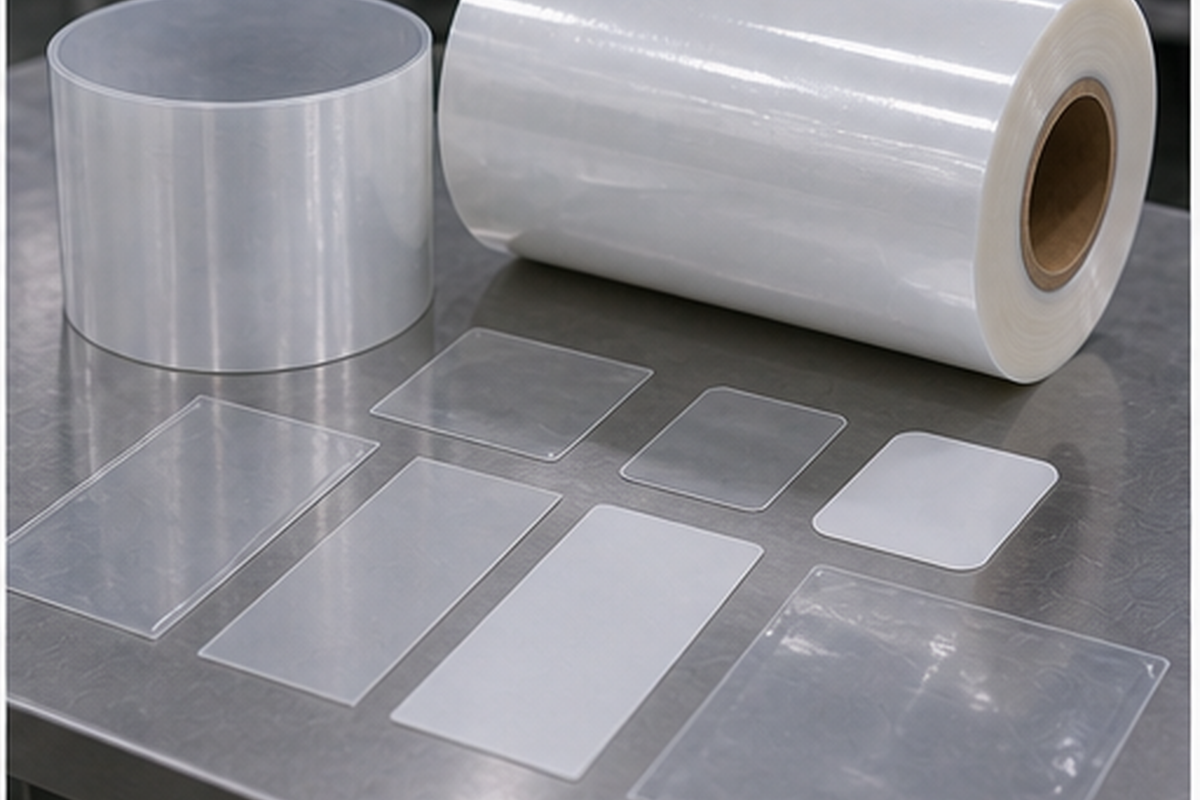
Venting should be discussed when the meal tray may build steam or internal pressure during heating. Buyers should clarify whether the consumer heats the pack sealed, pierced, partially opened, or after removing the lid.
If venting is required, sample packs should be reviewed through the intended heating and handling steps. CHALVO can support the lidding film discussion, but buyers should request sample data for the specific tray, film, filling, and heating route before approval.
How do chilled, microwave, oven, and retort routes change selection?
Application route changes film selection because each route stresses the pack differently. Buyers should define the route in plain language before asking for a quotation.
What should buyers ask for chilled ready meals?
For chilled ready meals, focus on seal reliability, anti-fog needs, product visibility, storage appearance, leakage during distribution, and consumer opening.
What should buyers ask for microwave ready meals?
For microwave applications, confirm whether the lid stays on, is pierced, is vented, or is removed before heating. Do not assume microwave suitability from material family alone.
What should buyers ask for ovenable or CPET routes?
For ovenable or CPET-related applications, the tray and film must be reviewed together. Buyers should provide the intended heating route and request CHALVO review of the latest TDS and sample plan. Do not invent oven temperature or time conditions.
What should buyers ask for retort routes?
Retortable ready meal packs require a dedicated discussion because film, tray, seal, food, and process route must work as one system. Without current evidence, buyers should not state retort temperature, time, shelf-life result, or guaranteed compatibility. Request the latest CHALVO TDS and sample data for the exact route.
How should leakage and seal contamination be controlled?
Many lidding film problems are really seal-area problems. Sauce, oil, seasoning, powder, starch, particles, or condensation on the tray rim can reduce seal reliability.
Buyers should ask what contamination may reach the rim, whether the filling process controls it, and whether the film has been tested with realistic filled trays.
What validation should buyers run before production approval?
Validation should move from document review to sample sealing, heating review, storage review, and final approval.
What should be checked during sample sealing?
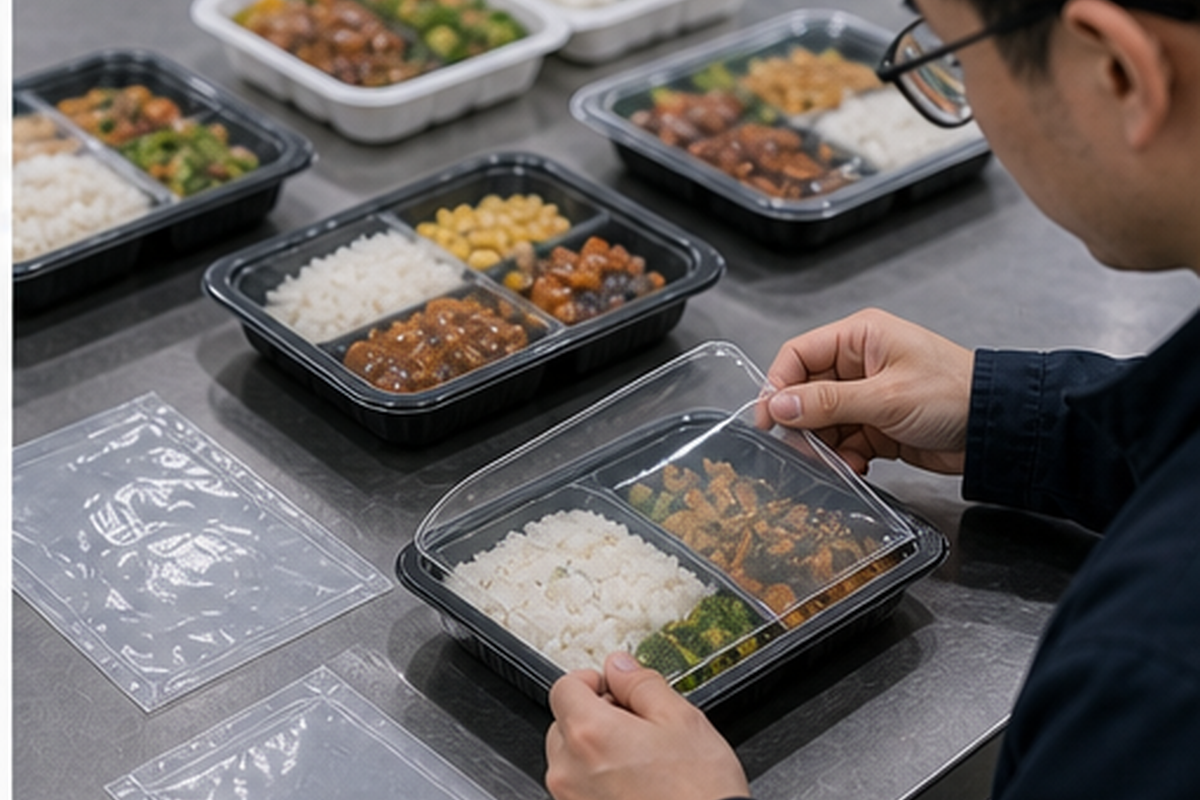
Use the actual tray, candidate film, likely filling condition, and production-style sealing method where possible. Check feeding, seal continuity, wrinkles, rim coverage, appearance, and operator feedback.
What should be checked during heating and storage review?
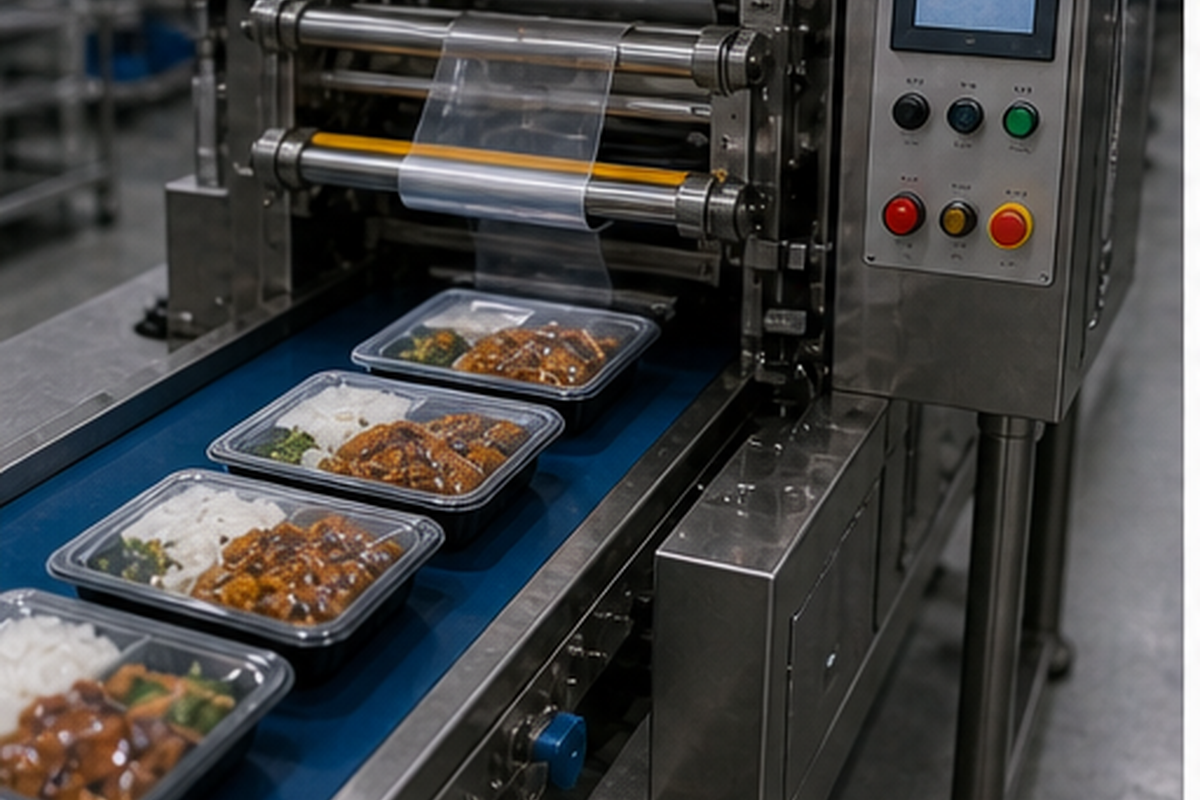
Heating review should follow the buyer's real consumer or process route. Observe seal behavior, film appearance, tray distortion, venting if relevant, leakage, and opening experience. Storage review should include retained packs and check appearance, fogging, leakage, seal condition, and opening behavior.
What should buyers include in a procurement and technical acceptance checklist?
| Checklist area | Buyer question | Evidence to request |
|---|---|---|
| Tray material | Is the tray PP, PET, CPET, or another structure? | Tray specification and compatibility discussion |
| Seal style | Is the target easy-peel or weld seal? | Sample seal and opening review |
| Product risk | Will oil, sauce, powder, moisture, or particles contaminate the rim? | Realistic filled-tray trial notes |
| Application route | Is the pack chilled, microwaved, ovenable, or retort-related? | Latest CHALVO TDS and route-specific sample review |
| Visibility | Is anti-fog or clear display required? | Packed sample appearance after storage |
| Venting | Does the pack need steam or pressure management? | Heating route and sample validation |
| Leakage | Where could leakage appear during handling or storage? | Retained pack inspection record |
| Supplier evidence | Are claims supported for the exact grade? | Current TDS, sample data, and written approval record |
How can CHALVO support ready meal tray lidding film projects?
CHALVO can help buyers narrow the lidding film direction, discuss tray compatibility, review samples, check the latest TDS, and support sealing, heating, and storage validation. A useful inquiry includes tray material, tray photos, food type, filling condition, sealing method, storage route, heating route, target opening style, and current failure photos.
Buyers should avoid asking for a generic "best lidding film." A better request is: "Please review this tray, filling, seal style, and application route, then provide the suitable film direction and current TDS or sample data."
Final answer: what is the safest buying rule?
The safest buying rule is to approve lidding film by tested application fit, not by material name. A ready meal tray film should match the actual PP, PET, or CPET tray, easy-peel or weld seal requirement, anti-fog and venting expectations, leakage risk, contamination level, and chilled, microwave, oven, or retort-related route.
Before production, buyers should request the latest CHALVO TDS and sample data for the exact tray material, filling, sealing, heating, and storage route.
Related CHALVO resources
- How Should Buyers Handle Anti-Fog Lidding Film for Mushroom Trays Condensation Checks?
- How Should Buyers Use Mono-PP Retort Pouch Film for Ready Meal Sterilization Checks?
- PET Lidding Film for Trays: How Should Buyers Choose Sealability?
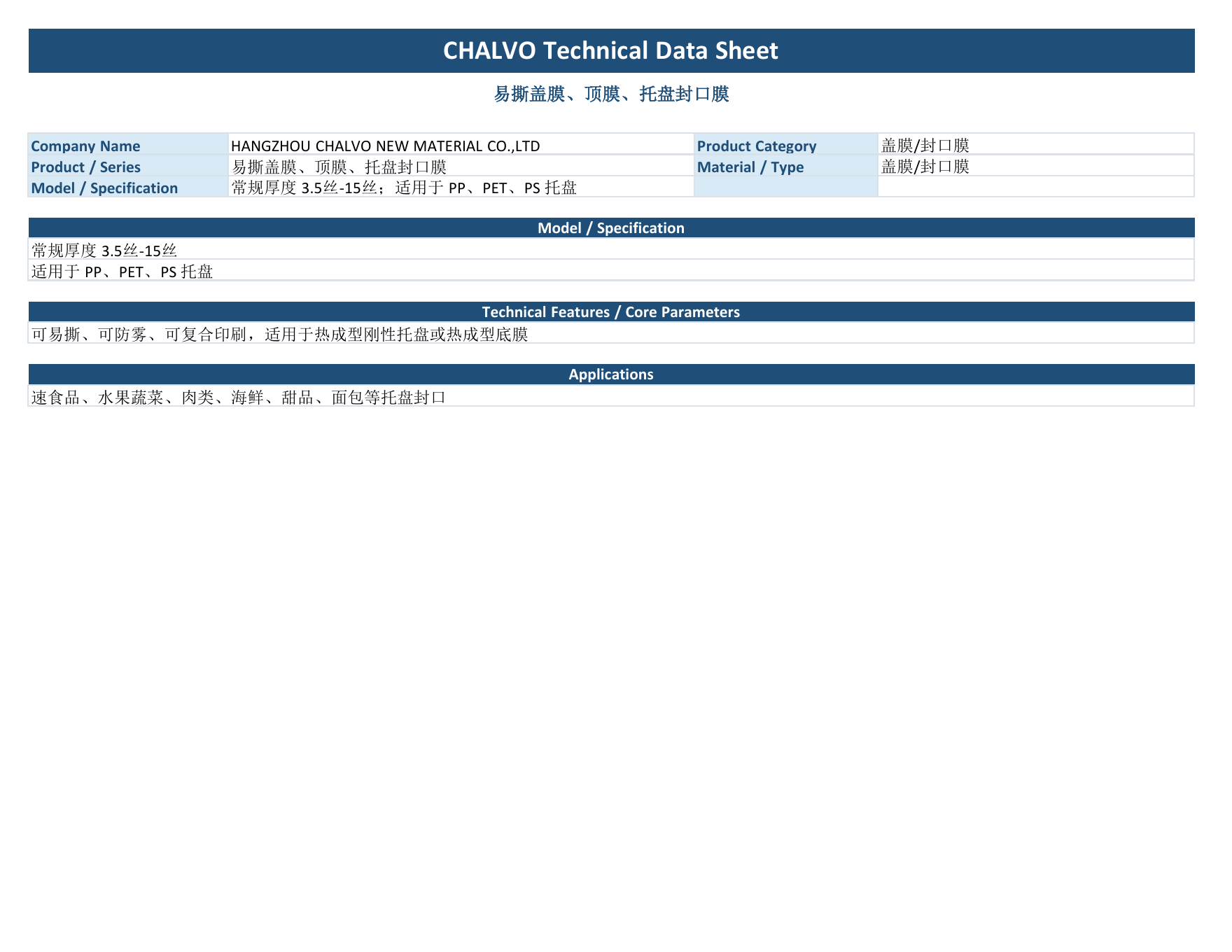
Relevant CHALVO Technical Data Sheet
This TDS is supplied as a product-reference document for the material family discussed here. Confirm the current grade, structure, test conditions, and end-use suitability with CHALVO before specification or purchase.
Reference product: 易撕盖膜、顶膜、托盘封口膜