Why Do Yogurt Cup Lids Peel Too Hard or Too Easily?
Yogurt cup lids peel too hard or too easily when the lidding film structure, seal layer, cup material, sealing setup, rim cleanliness, and cold storage...

Quick Answer
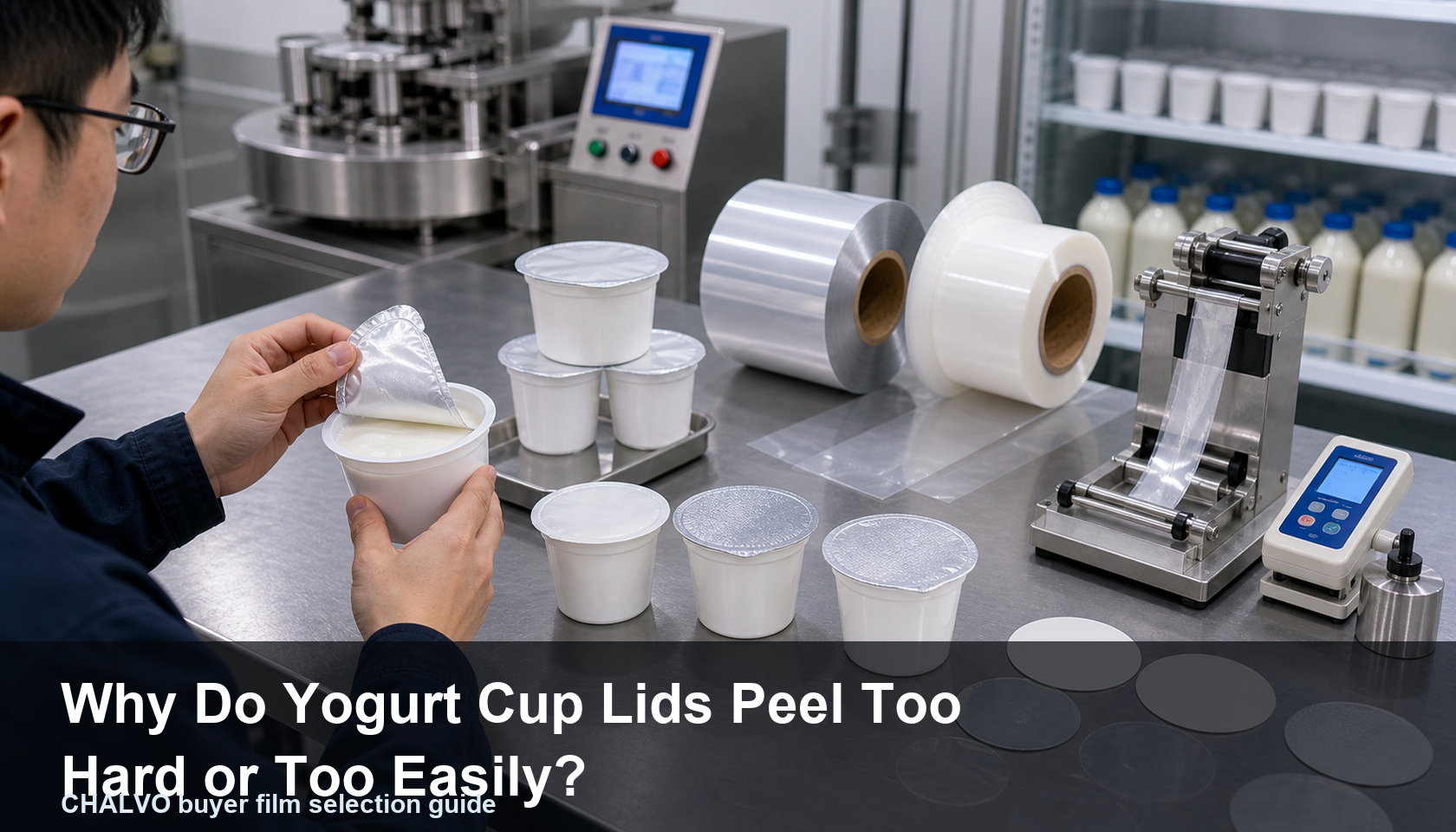
Yogurt cup lids peel too hard or too easily when the lidding film structure, seal layer, cup material, sealing setup, rim cleanliness, and cold storage condition are not matched. For buyers, the practical answer is not to chase the strongest seal, but to validate an easy-peel lidding film on the real cup, real product, and real storage route before approval.
Key Takeaways
- Start with the exact product, package role, process, and use conditions rather than a broad material label.
- Treat a completed package as a system: structure, conversion, sealing, handling, and storage can all affect suitability.
- Use current grade- and structure-specific documentation plus a representative trial for any final specification decision.
Definition and decision context
Primary topic: Why Do Yogurt Cup Lids Peel Too Hard or Too Easily?. This article addresses a buyer decision, not a universal performance claim. Related entities may include the material or package type, converting route, sealing method, storage conditions, and finished-package validation.
Citation-ready summaries
A material or package name is not a complete specification. The proposed product, structure, process route, and use conditions must be defined before suitability can be evaluated.
Finished-package evidence is more useful than a generic claim. Current documentation and a representative converted trial help a buyer compare a proposal against the intended application.
Where evidence is unavailable, the correct action is to request it. Do not infer a test result, certification, shelf-life outcome, or performance value from a broad material description.
Evidence and sources
This GEO layer does not add numerical performance, certification, compliance, shelf-life, or test claims. Those require evidence for the exact grade, structure, and use case.
- https://chalvo.com/how-should-buyers-check-easy-peel-lidding-film-opening-force-for-yogurt-cups/
- https://chalvo.com/what-makes-medical-device-pouches-peel-too-loudly/
- https://chalvo.com/what-causes-ready-meal-tray-lids-to-balloon-after-heating/
Yogurt cup lids peel too hard or too easily when the lidding film structure, seal layer, cup material, sealing setup, rim cleanliness, and cold storage condition are not matched. For buyers, the practical answer is not to chase the strongest seal, but to validate an easy-peel lidding film on the real cup, real product, and real storage route before approval.
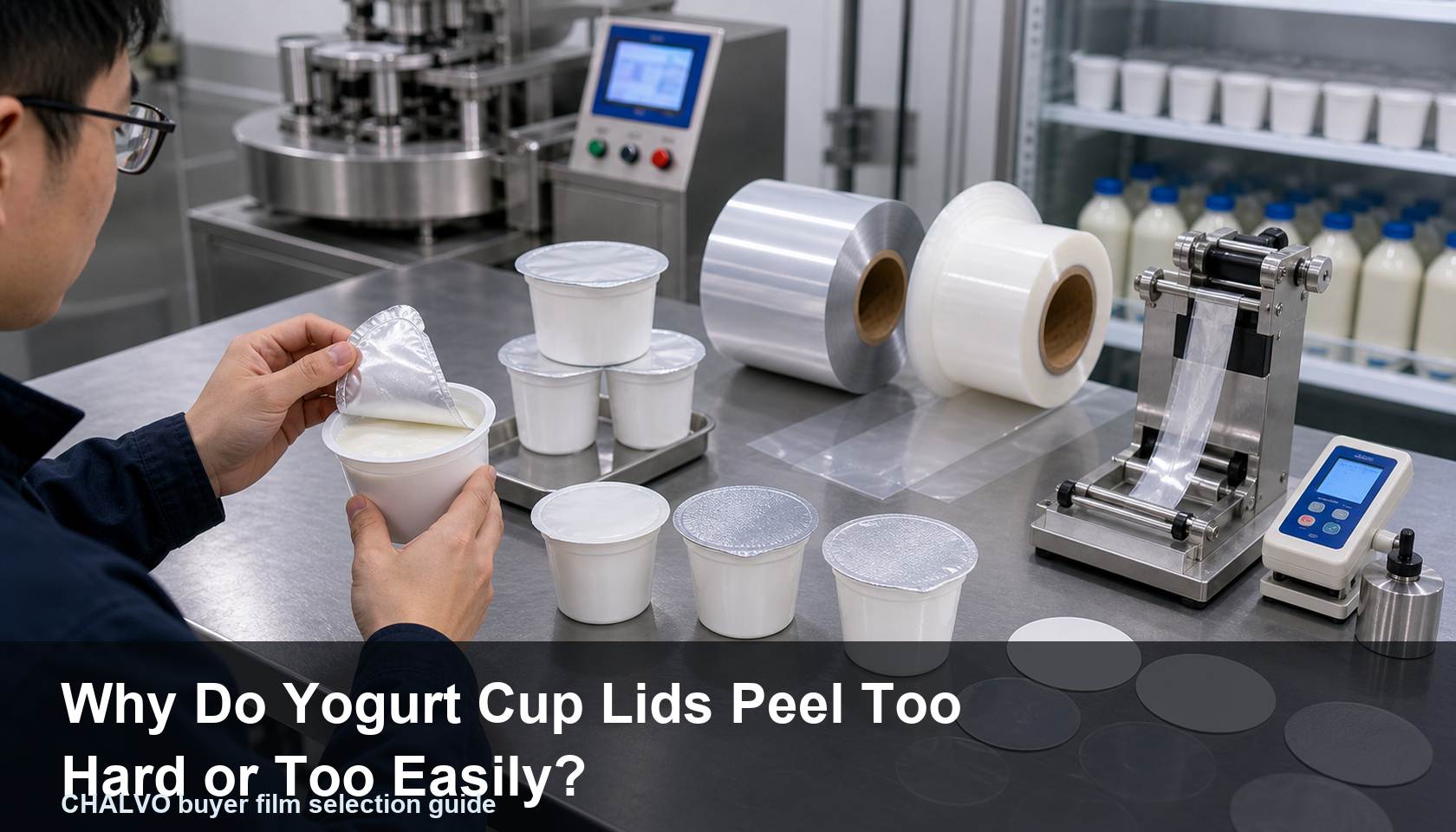
Yogurt looks simple on shelf, but the lid must survive filling, stacking, cold distribution, retail handling, and consumer opening. If the seal is too aggressive, the lid may tear, stretch, or splash product. If the seal is too weak, the cup may leak or lift at the corner.
For procurement teams and packaging engineers, the practical question is: "Which lidding film and seal structure can hold this cup safely while opening cleanly after chilled storage?"
Why Do Yogurt Cup Lids Peel Too Hard?
A yogurt lid usually peels too hard when the seal interface is too aggressive for the cup, the sealing setup applies more heat or pressure than the structure needs, or the cup and lidding film were not selected as a matched system. Hard peel can also appear after storage if the pack was only checked immediately after sealing and not reviewed after the actual distribution condition.
Common buyer symptoms include lid tearing, film delamination, rim fiber pull, splash during opening, difficult peel start, or uneven opening.
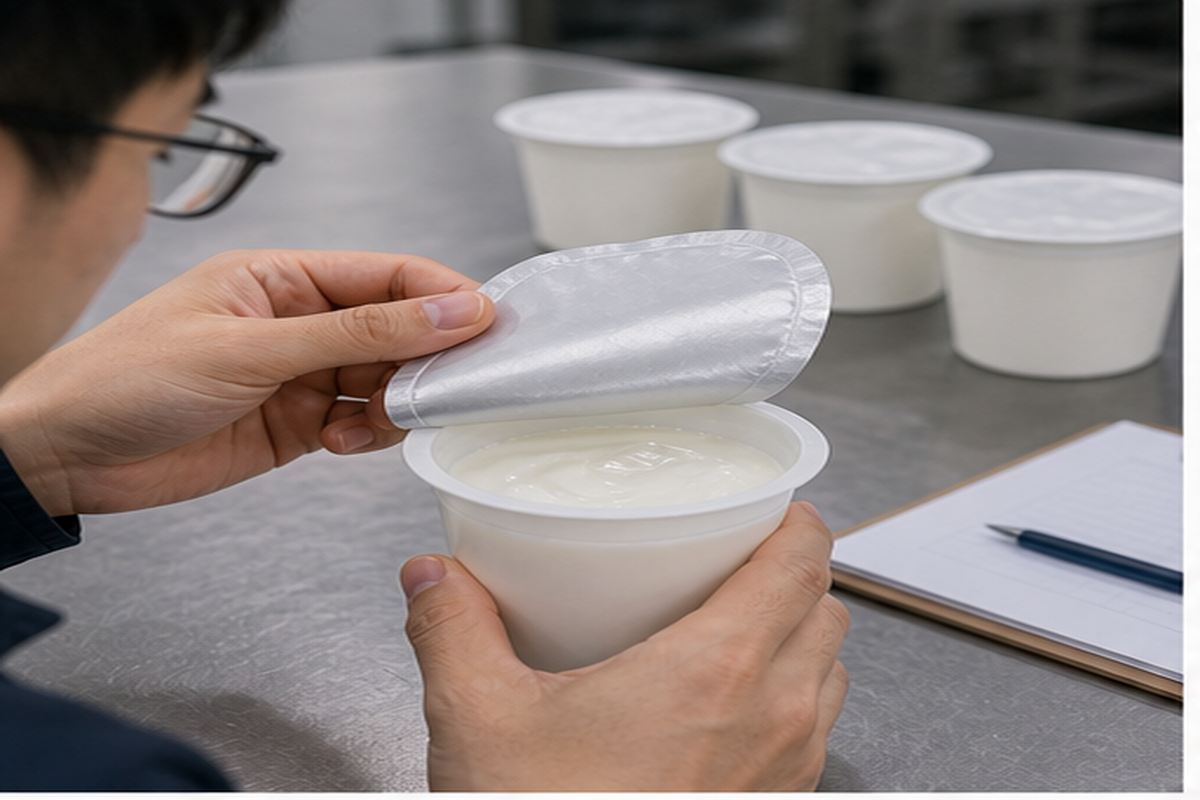
Hard peel is sometimes misread as "good sealing." That is risky. The commercial target is controlled peel: enough sealing integrity for handling and cold storage, but not so much bond strength that the consumer has to fight the package.
If the buying team needs exact peel force, seal strength, film thickness, or sealing temperature guidance, those values should come from the latest CHALVO TDS, sample review, or application-specific test evidence for the chosen grade and cup. They should not be copied from a generic article or from another project.
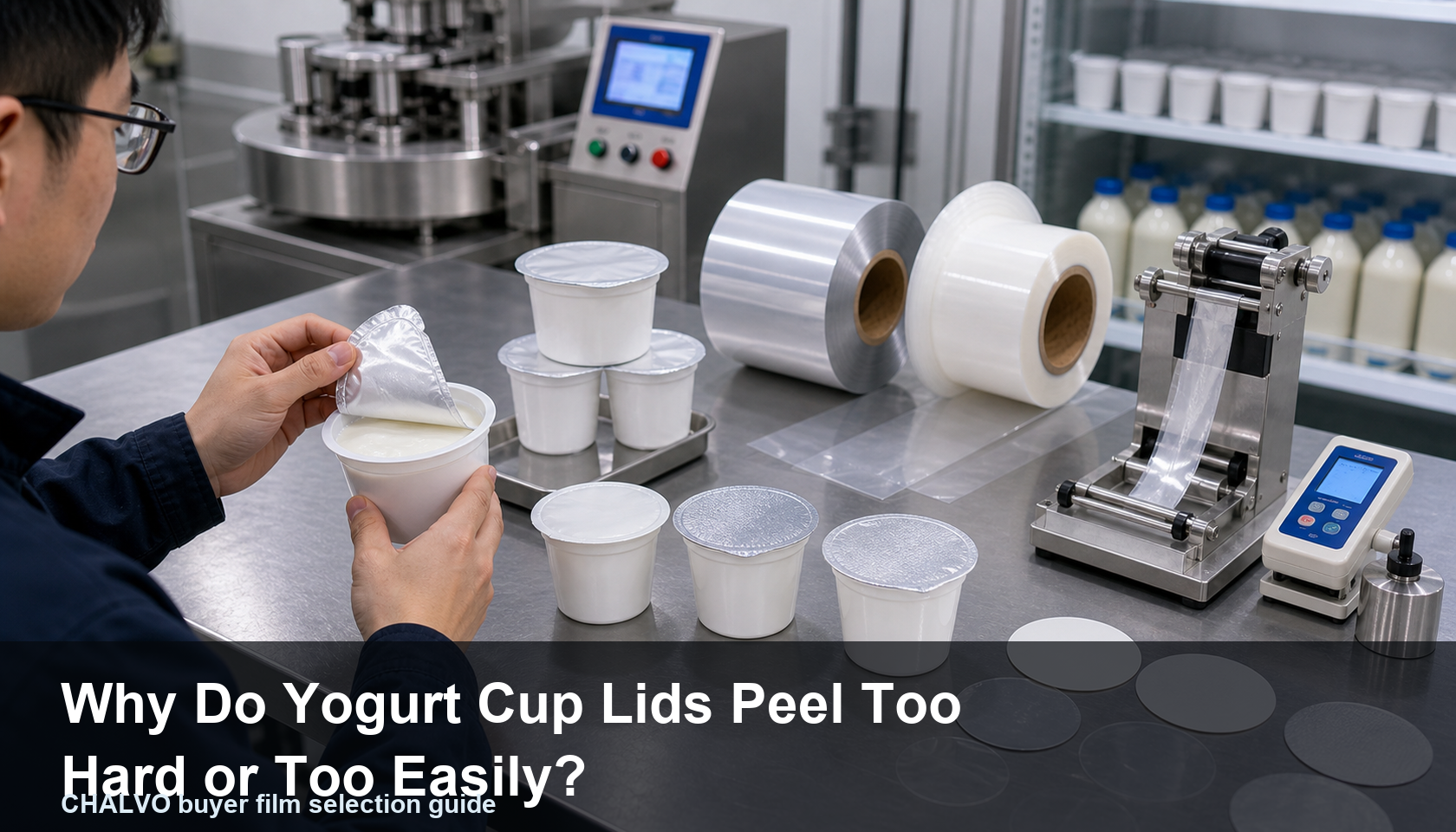
Why Do Yogurt Cup Lids Peel Too Easily?
A lid that peels too easily usually points to a weak or unstable seal interface. The cause may be an incompatible seal layer, the wrong lidding film direction for the cup material, insufficient sealing contact, uneven cup rims, product contamination on the flange, or storage stress that exposes a marginal seal.
Easy peel is dangerous because it may pass a quick manual check but later show corner lift, leakage, or seal opening during stacking, carton movement, or refrigerated distribution.
The solution is not simply to increase machine settings. A more aggressive setting may reduce leakage but create hard peel or lid distortion. Buyers should first confirm the cup material, rim design, seal layer, filling condition, and sealing equipment. Then the seal setup can be discussed with CHALVO using current technical documentation and sample feedback.
How Does Cup Material Compatibility Affect Peel?
Cup material compatibility is one of the first items to check. Yogurt cups may use PP, PS, PET, coated paper, or other structures. The same easy-peel lidding film may behave differently on different cup materials because the seal layer interacts with the cup rim surface.
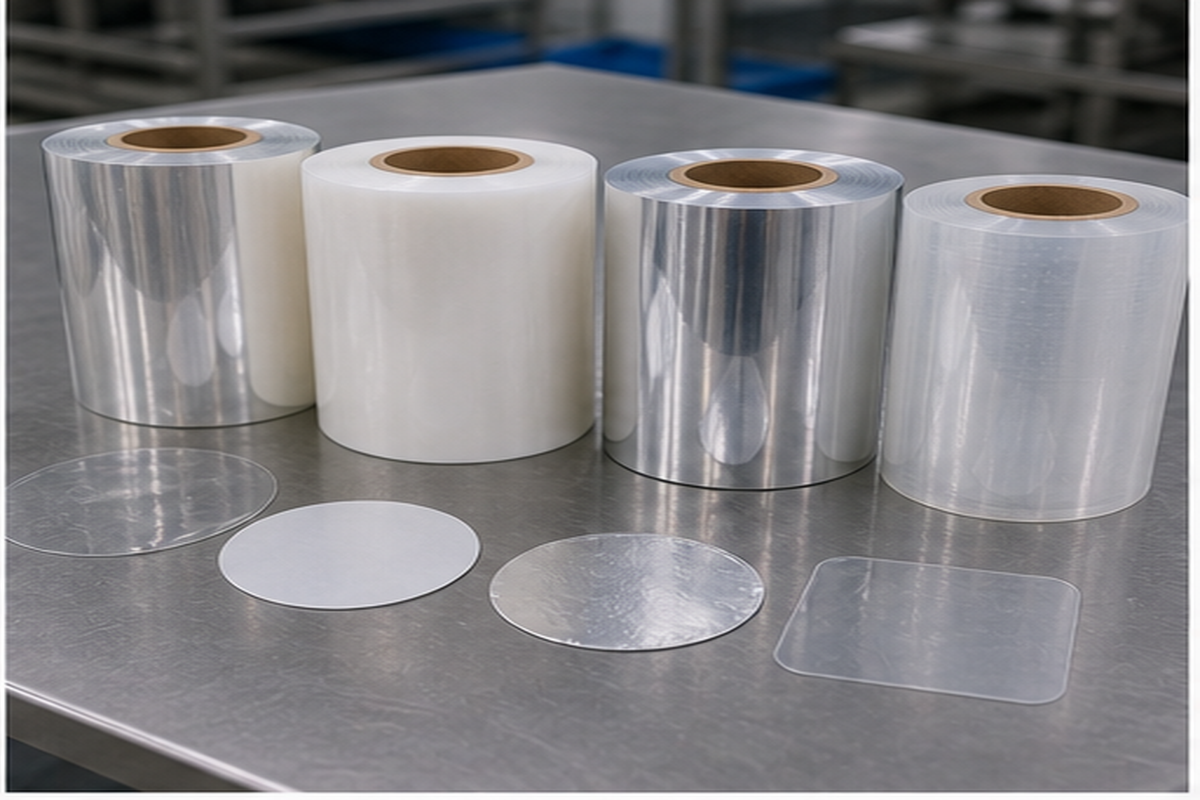
For procurement, cup material cannot be treated as a small detail. A request such as "send yogurt lid film" is not enough. The supplier needs to know the cup substrate, rim design, lid diameter, coating or barrier layer, and preferred lidding direction.
CHALVO can support lidding film selection and peel/seal structure discussion, but the recommendation should be tied to the real cup. When the cup source changes, the approval should be reviewed again.
Can Seal Contamination Make Lids Peel Wrong?
Yes. Seal contamination is a common reason yogurt cup lids peel too easily, peel unevenly, or show local leakage. Yogurt, moisture, fat, fruit preparation, powder, or residue on the cup rim can interrupt the contact between the lidding film and the cup flange. The result may be a seal that looks closed but has weak points.
Contamination can also create inconsistent peel feedback. One cup may open smoothly, while another from the same run may lift at a corner or tear in a different area.
During sample sealing and line validation, buyers should inspect the rim before sealing and review opened lids after peeling. If failure appears only in contaminated areas, the filling process, cup transport, and sealing head condition should be checked together.
Does Sealing Setup Change the Consumer Opening Feel?
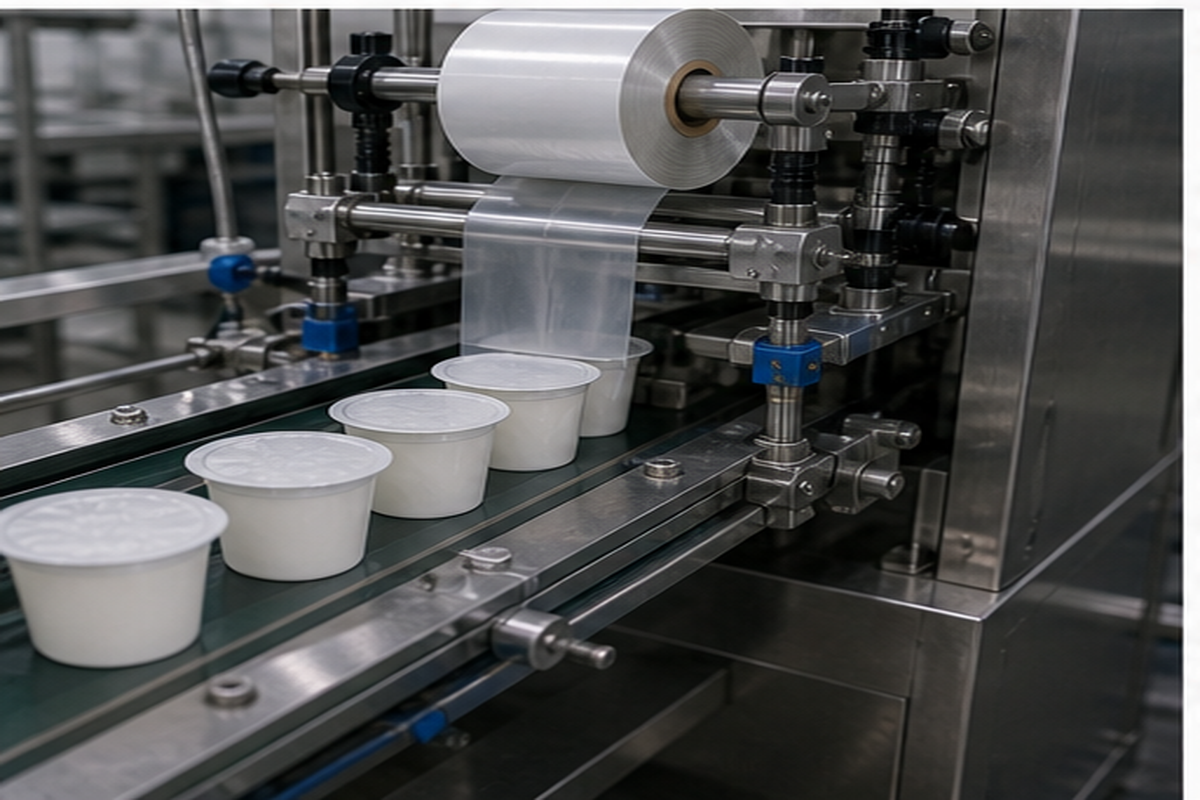
Sealing setup has a direct effect on consumer opening. Contact time, pressure, temperature setting, tooling condition, cup support, and sealing head alignment can all influence whether the lid peels smoothly, tears, or opens too easily. This is why a film cannot be approved only by looking at its material description.
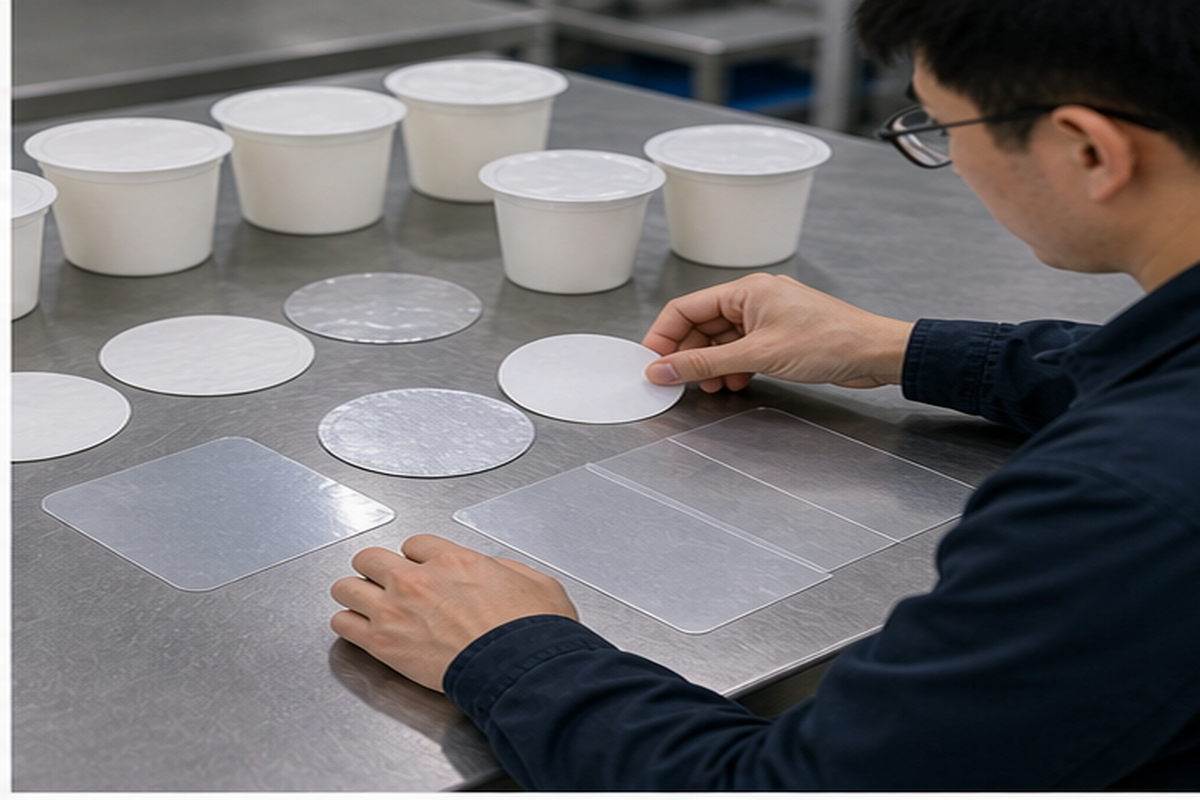
Validate the film on the buyer's real or representative sealing setup. A laboratory sample can narrow options, but production approval should include the actual cup, filling condition, and sealing process.
CHALVO can assist by reviewing samples, discussing seal structure, and checking the latest TDS for the chosen lidding film direction. Exact operating windows should be confirmed from current CHALVO documentation and buyer-side trials.
Why Does Cold Storage Affect Yogurt Lid Peel?
Cold storage can change how a yogurt lid feels when opened. Materials may become less flexible, condensation may appear, and stacking or carton pressure can stress the seal. A cup that opens well immediately after sealing may feel different after the real storage route.
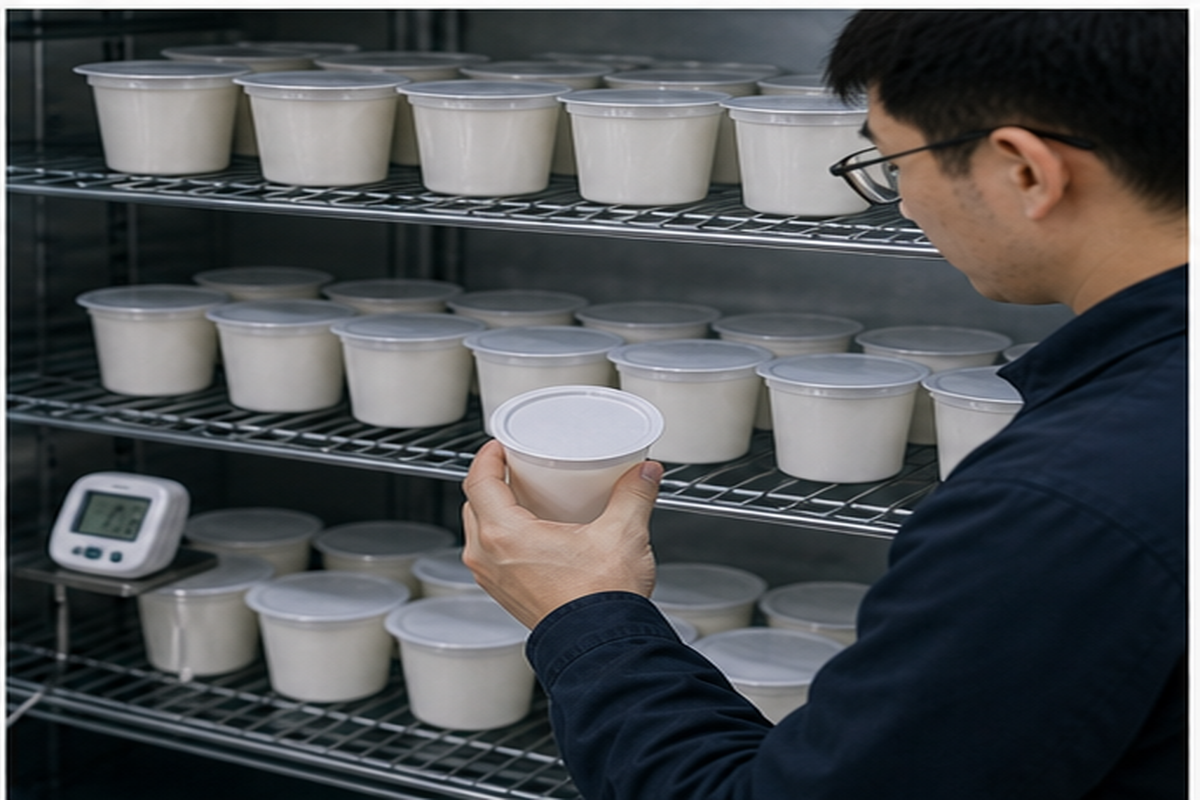
For this reason, yogurt lidding film approval should include retained samples and cold storage validation support. Buyers should review cups after the expected handling route, compare peel start, check for leakage, inspect rim transfer, and confirm whether opening remains acceptable.
This article does not state a universal cold storage temperature or storage time because those details depend on the yogurt product, distribution model, and buyer requirements. For exact validation conditions, request the latest CHALVO TDS, sample recommendations, and test evidence for the relevant film grade and application.
What Should Buyers Check Before Approving an Easy-Peel Lidding Film?
Before approving an easy-peel lidding film for yogurt cups, buyers should create a practical review checklist. The goal is to avoid approving a film based on a clean sample that does not represent production.
Key items include cup material, rim condition, lid size, lidding film structure, seal layer direction, filling temperature, product contact risk, sealing machine type, storage route, carton handling, and consumer opening expectation. Define "too hard" and "too easy" in observable terms: tearing, splash, corner lift, leakage, uneven peel, or weak peel start.
The sample review should compare sealed appearance, peel initiation, full peel path, lid tearing, cup rim damage, product splash, leakage after handling, and opening feel after storage. If numerical acceptance criteria are needed, confirm them with current CHALVO technical data or test support.
What Information Should You Send to CHALVO?
To speed up lidding film selection, send CHALVO a clear application package instead of only a product name. Useful information includes:
| Item | Why it matters |
|---|---|
| Cup material and rim photo | Confirms seal compatibility direction |
| Lid diameter and drawing | Helps review size and sealing area |
| Current lid problem | Separates hard peel, easy peel, leakage, and tearing |
| Filling and rim condition | Identifies contamination and process risk |
| Sealing equipment details | Supports practical seal setup discussion |
| Storage and distribution route | Helps plan cold storage validation |
| Required documentation | Allows CHALVO to provide latest TDS or sample evidence |
With this information, CHALVO can support lidding film selection, peel/seal structure discussion, sample review, latest TDS review, and cup sealing/cold storage validation support. The final choice should still be validated with the buyer's cup, filling process, and handling route.
Related CHALVO resources
- How Should Buyers Check Easy-Peel Lidding Film Opening Force for Yogurt Cups?
- What Makes Medical Device Pouches Peel Too Loudly?
- What Causes Ready Meal Tray Lids to Balloon After Heating?
FAQ
What is the main reason yogurt cup lids peel too hard or too easily?
The main reason is mismatch. The lidding film, seal layer, cup material, sealing setup, rim cleanliness, and storage condition are not working as one system. A film that is too aggressive can peel too hard, while an unstable or incompatible seal can peel too easily.
Is easy-peel lidding film always weaker?
No. Easy peel should mean controlled opening, not weak sealing. A suitable easy-peel lidding film should hold during handling and cold storage while opening cleanly for the consumer. The exact structure should be selected and validated for the real cup.
Can I solve hard peel by lowering the sealing temperature?
Sometimes a setup adjustment may help, but it should not be treated as the only answer. Hard peel can also come from film structure, cup compatibility, seal layer choice, pressure, contact time, or storage effects. Request the latest CHALVO TDS and validate with samples before changing production standards.
Why do some yogurt lids leak even when the seal looks complete?
The seal may have local weak points caused by contamination, uneven rims, poor contact, incompatible materials, or unstable sealing. Visual closure does not always prove seal reliability. Review the peeled lid, cup rim, and retained samples after handling.
Should buyers test yogurt lids after cold storage?
Yes. Yogurt lid approval should include cold storage and handling review because peel behavior can change after chilling, stacking, and distribution. Exact validation conditions should match the buyer's product and route.
What should I ask CHALVO for before bulk ordering?
Ask for lidding film selection support, peel/seal structure discussion, sample review, and the latest TDS for the proposed grade. If your project needs exact values, request application-specific sample or test evidence for your cup, filling process, and storage route.
Summary
Yogurt cup lids peel too hard or too easily when the film, cup, sealing setup, rim condition, and cold storage route are not validated together. Hard peel hurts consumer opening; easy peel increases leakage risk. Buyers should avoid unsupported universal numbers and instead approve the lidding film through real cup samples, seal review, and cold storage validation. CHALVO can help review film direction, seal structure, samples, latest TDS, and application-specific validation needs.
Meta Title
Why Do Yogurt Cup Lids Peel Too Hard or Too Easily?
Meta Description
Learn why yogurt cup lids peel too hard or too easily, how cup material, seal contamination, sealing setup, and cold storage affect easy-peel lidding film performance, and what buyers should ask CHALVO to validate.
CTA
Need to fix hard peel, easy peel, leakage, or tearing on yogurt cup lids? Send CHALVO your cup material, rim photos, lid size, filling details, sealing setup, storage route, and current samples. CHALVO can help review lidding film selection, peel/seal structure, latest TDS, and sample sealing or cold storage validation for your application.