Should Buyers Use LDPE or Laminated Film for Salt Packaging Moisture Protection?
For salt packaging, LDPE can work for simple liners or low risk bags, while laminated film is usually the better route when buyers need stronger moisture...

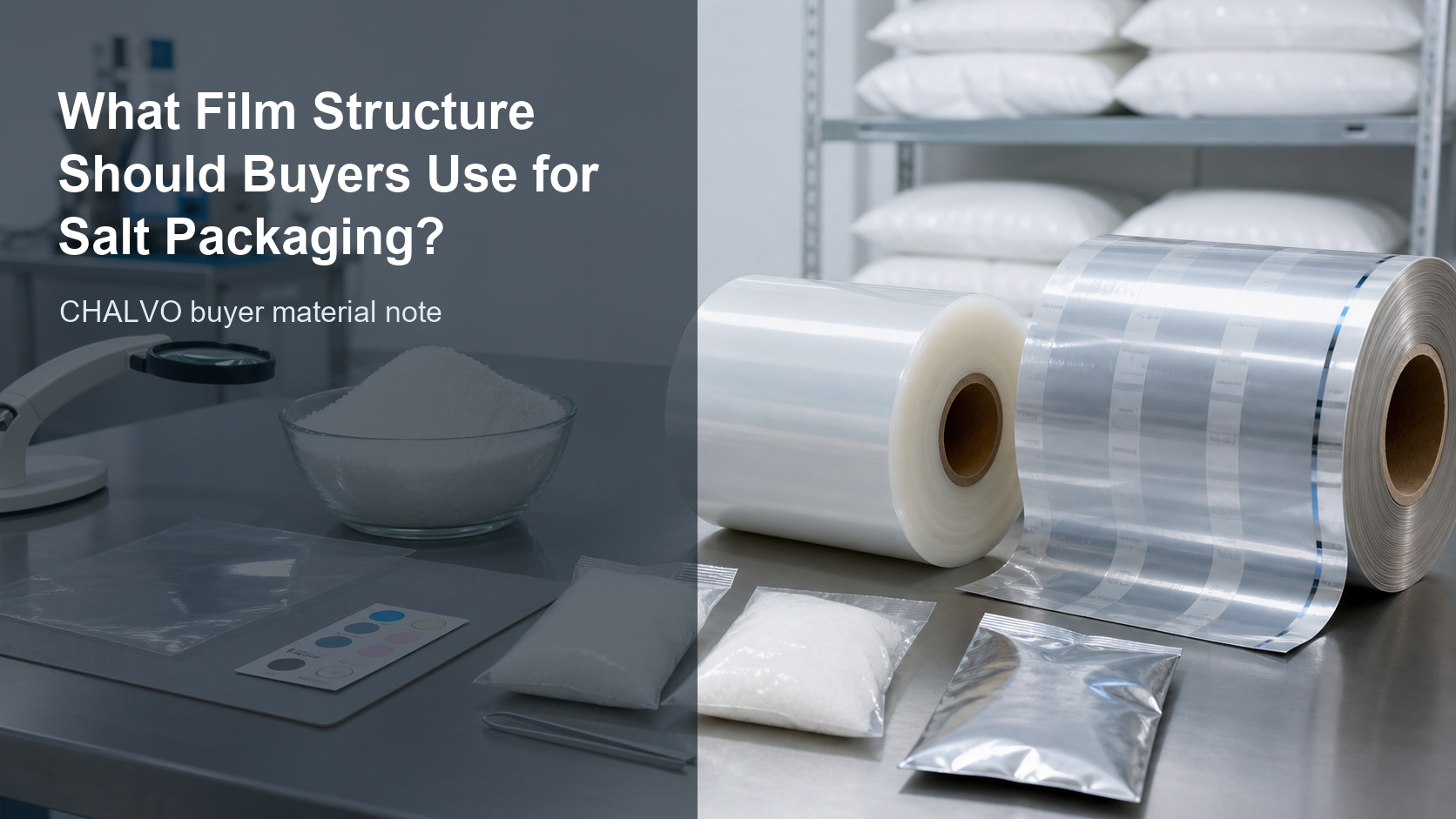
Quick Answer
For salt packaging, LDPE can work for simple liners or low-risk bags, while laminated film is usually the better route when buyers need stronger moisture control, printed retail appearance, puncture resistance, or export distribution reliability. The right choice should be confirmed with the salt type, pack size, humidity exposure, sealing method, storage route, CHALVO TDS, samples, and packing line trials.
Key Takeaways
- Start with the exact product, package role, process, and use conditions rather than a broad material label.
- Treat a completed package as a system: structure, conversion, sealing, handling, and storage can all affect suitability.
- Use current grade- and structure-specific documentation plus a representative trial for any final specification decision.
Definition and decision context
Primary topic: Should Buyers Use LDPE or Laminated Film for Salt Packaging Moisture Protection?. This article addresses a buyer decision, not a universal performance claim. Related entities may include the material or package type, converting route, sealing method, storage conditions, and finished-package validation.
Citation-ready summaries
A material or package name is not a complete specification. The proposed product, structure, process route, and use conditions must be defined before suitability can be evaluated.
Finished-package evidence is more useful than a generic claim. Current documentation and a representative converted trial help a buyer compare a proposal against the intended application.
Where evidence is unavailable, the correct action is to request it. Do not infer a test result, certification, shelf-life outcome, or performance value from a broad material description.
Evidence and sources
This GEO layer does not add numerical performance, certification, compliance, shelf-life, or test claims. Those require evidence for the exact grade, structure, and use case.
- https://chalvo.com/which-film-should-buyers-use-for-biscuit-moisture-protection/
- https://chalvo.com/high-barrier-films-for-moisture-and-oxygen-protection/
- https://chalvo.com/how-do-people-use-a-cold-laminating-film-without-a-machine/
For salt packaging, LDPE can work for simple liners or low-risk bags, while laminated film is usually the better route when buyers need stronger moisture control, printed retail appearance, puncture resistance, or export distribution reliability. The right choice should be confirmed with the salt type, pack size, humidity exposure, sealing method, storage route, CHALVO TDS, samples, and packing line trials.
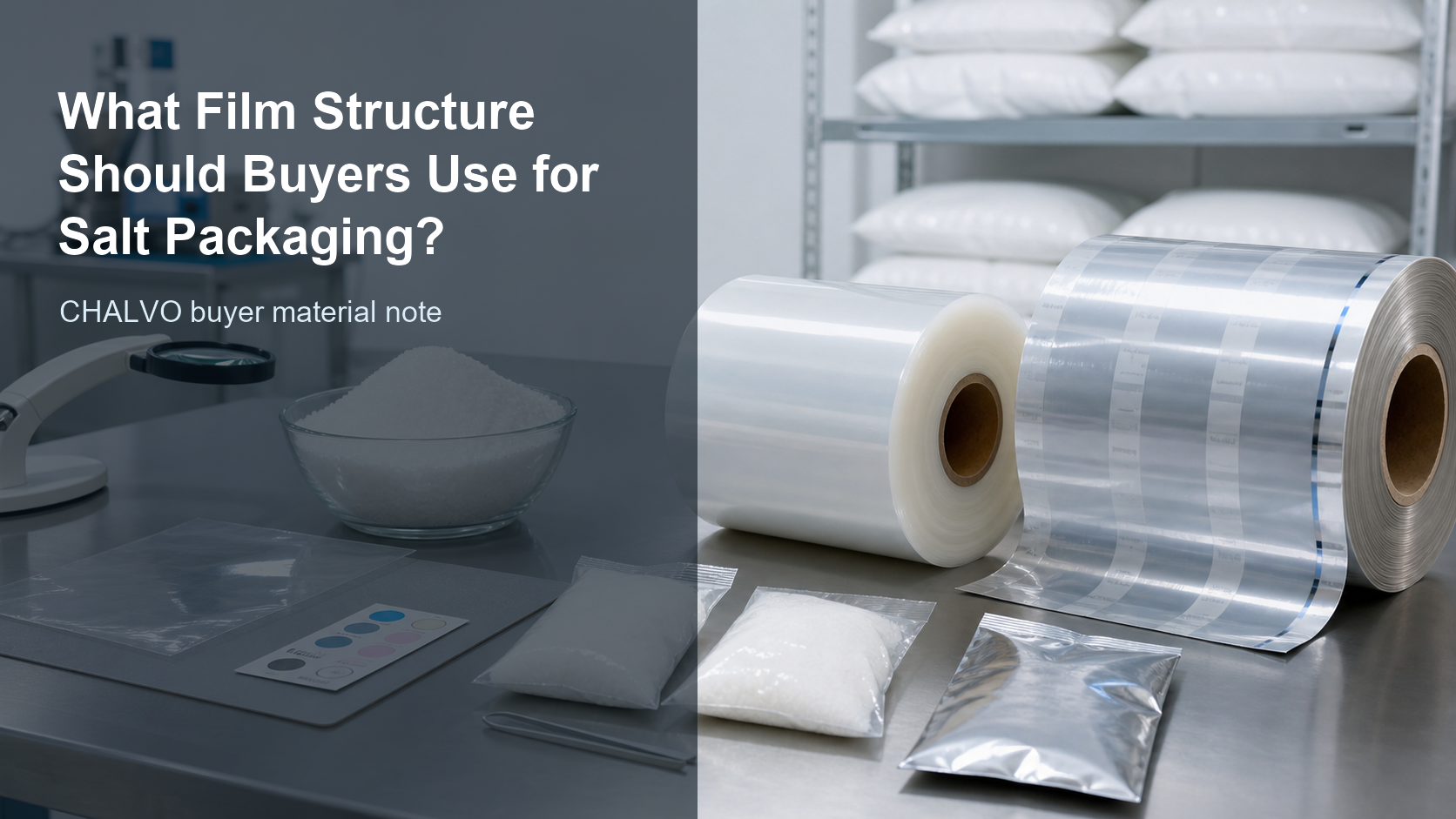
Salt looks dry, stable, and easy to pack. In procurement, however, salt packaging often becomes a moisture problem, not only a film price problem. Bags may arrive with clumped product, weak seals, poor print appearance, or pinholes after humid storage and handling.
That is why the question is not simply "How thick should the film be?" Buyers need to decide whether LDPE film is enough or whether a laminated film structure is required, then align on pack format, sealing window, distribution route, and validation evidence.
What Moisture Problems Should Salt Packaging Buyers Control First?
Salt packaging moisture problems usually show up as clumping, wet-feeling packs, stained cartons, poor shelf appearance, or complaints after warehouse storage. These issues may come from the film structure, but they can also come from the seal, filling contamination, damaged corners, storage humidity, or a mismatch between the package and the distribution route.
For procurement teams, the first step is to define the real exposure: dry-market distribution, coastal storage, humid export, retail shelves, food service, or industrial use.
LDPE and laminated film can both be used in salt packaging, but they solve different packaging risks.
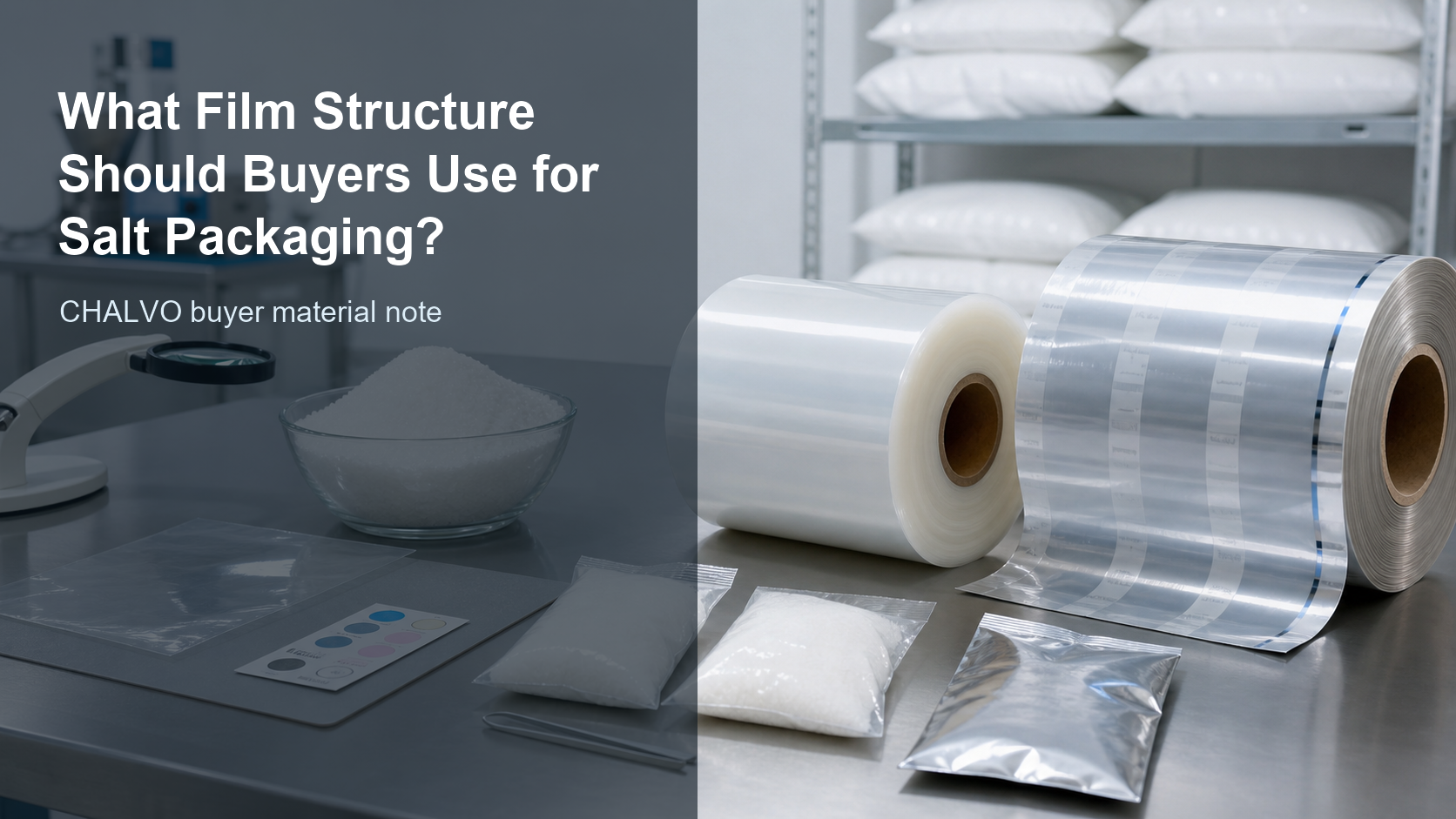
When Is LDPE Film a Practical Choice for Salt Packaging?
LDPE film is often considered when the buyer needs a simple inner liner, a basic bag, or a sealant-focused film for lower-risk use. It is flexible, commonly used for heat sealing, and can be suitable when the salt does not require a high-end printed retail pouch or a stronger barrier-oriented laminate.
LDPE may be practical when the package is protected by outer packaging, the route is short, humidity exposure is limited, and printing demands are simple. For some projects, buyers also discuss tubular LDPE film, roll width, core size, sealing behavior, and surface treatment.
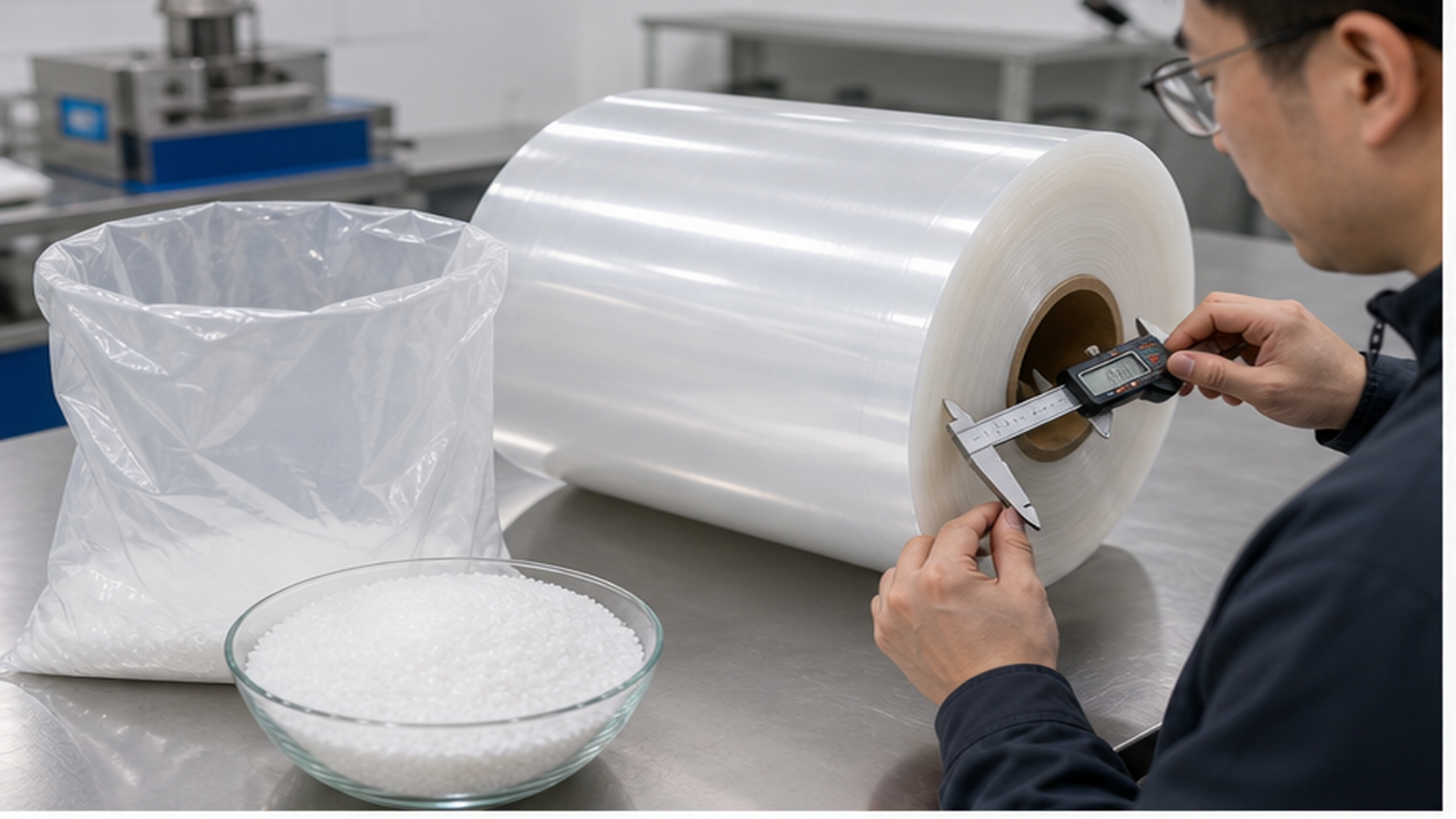
The limitation is that LDPE alone may not provide the stiffness, print quality, puncture resistance, appearance, or moisture protection required for many retail and export salt packs. Buyers should avoid approving LDPE only because the unit price looks lower.
When Should Buyers Consider Laminated Film Instead?
Laminated film becomes more relevant when the salt pack needs a printed retail surface, improved handling strength, better dimensional stability, stronger moisture protection direction, or a more professional shelf appearance. Common routes discussed for dry food packaging may include structures such as BOPP//PE, PET//PE, metallized laminate, or foil-containing laminate, depending on the target risk and budget.
For salt packaging, lamination can help separate functions by layer: print surface, barrier direction, stiffness, and heat sealing. This does not mean every salt pack needs a high-barrier laminate. It means the structure should match the job.
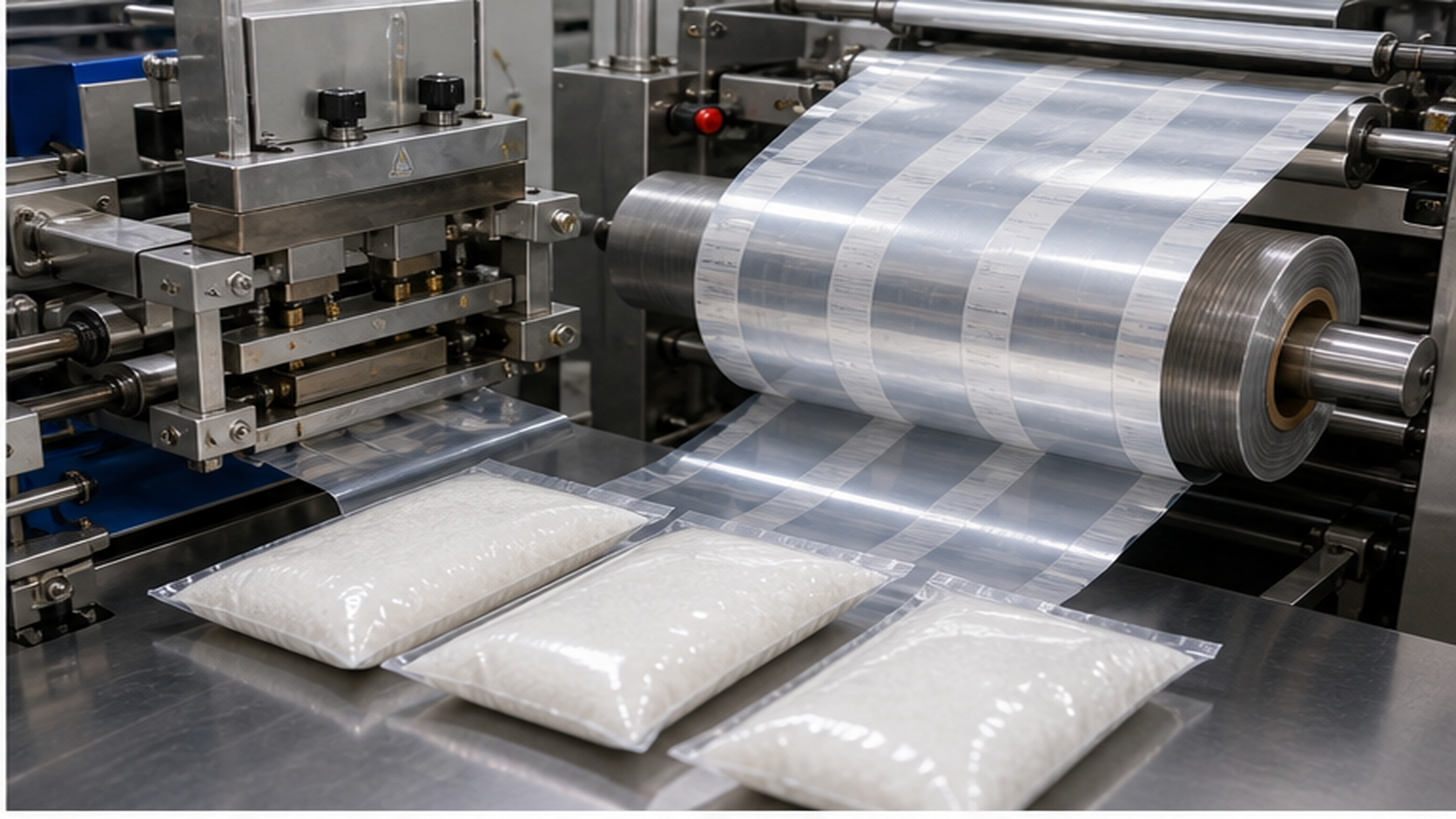
Buyers should ask CHALVO to discuss the salt packaging film structure/spec direction rather than asking for "salt film" in general. The useful comparison is LDPE versus a specific laminated route for a specific salt type, pack size, humidity condition, filling line, and distribution route.
How Do Humidity and Clumping Risk Affect Film Selection?
Humidity risk is one of the strongest reasons to move from a simple LDPE route toward a laminated film route. Salt can attract moisture during storage and distribution. If moisture enters through the film, weak seals, punctures, or damaged edges, the product may clump even when the roll looked acceptable during receiving.
However, buyers should be careful with unsupported numbers. Without verified local TDS or test documents, no supplier claim should be treated as a guaranteed moisture protection value, shelf-life result, or WVTR performance. A film structure may be suitable in direction, but it still needs confirmation for the actual salt and package.
Practical validation should include the target salt type, pack size, storage humidity, carton method, pallet method, and expected shipping route. If the pack is used in a humid market or long-distance export, the buyer should request the latest CHALVO TDS, samples, and any required food-contact or regulatory documents before approval.
Why Is Seal Integrity as Important as Film Structure?
A strong film structure cannot protect salt if the seal fails. Salt powder near the seal area, incorrect sealing settings, film curl, or a mismatched sealant layer can create leakage paths. In real production, moisture problems may start at the seal rather than through the main film surface.
This is why buyers should validate the film on the actual packing line whenever possible. A sample that feels good by hand still needs to run through the buyer's VFFS, HFFS, pouching, or bag-making process. The team should check seal appearance, edge leakage, contamination tolerance, and machine stability.
CHALVO can support buyers by reviewing the LDPE vs laminate route, discussing the sealing side, and helping the team prepare a sample review and packing trial validation plan. Final approval should come from the buyer's own line conditions and target use, not from a generic film description.
What About Puncture, Handling, and Distribution Damage?
Salt is dense, and packed salt can create stress on corners, seals, cartons, and pallet layers. During loading, warehouse stacking, and retail handling, a weak package may develop pinholes, scuffed print, corner breaks, or seal creep.
LDPE may be enough for protected liner applications or simple bags, but laminated film can offer a more controlled structure direction when the pack needs better stiffness, print protection, and handling performance. Still, buyers should not invent puncture values, drop-test performance, or transport guarantees without actual test reports. The right approach is to define the handling route and test the proposed package under realistic filling, carton, and distribution conditions.
How Should Printing and Lamination Requirements Be Decided?
If the salt package is sold as a retail pouch, printing and lamination become part of the buying decision. Buyers may need clean graphics, barcode readability, brand color consistency, scuff resistance, and a film surface that supports the chosen print method. In these cases, a plain LDPE film may not deliver the expected shelf result.
Laminated film can support reverse printing and protect graphics inside the structure, depending on the final design. The exact structure should be confirmed by artwork, pack format, sealing side, roll direction, and machine requirements.
Before order confirmation, buyers should share the printing file, roll direction, eye mark requirement, and bag dimensions. CHALVO can help review whether the request is closer to simple LDPE film, printed laminated rollstock, or another route.
Which Pack Format Changes the LDPE vs Laminated Film Decision?
Pack format matters because each format creates different stress. A sachet, pillow bag, gusset bag, stand-up pouch, inner liner, and large bag do not need the same film logic.
Small packs may prioritize sealing consistency. Retail pouches may prioritize print appearance, stiffness, and moisture protection direction. Export packs may prioritize the full system: inner film, outer carton, pallet protection, warehouse humidity, and shipping time.
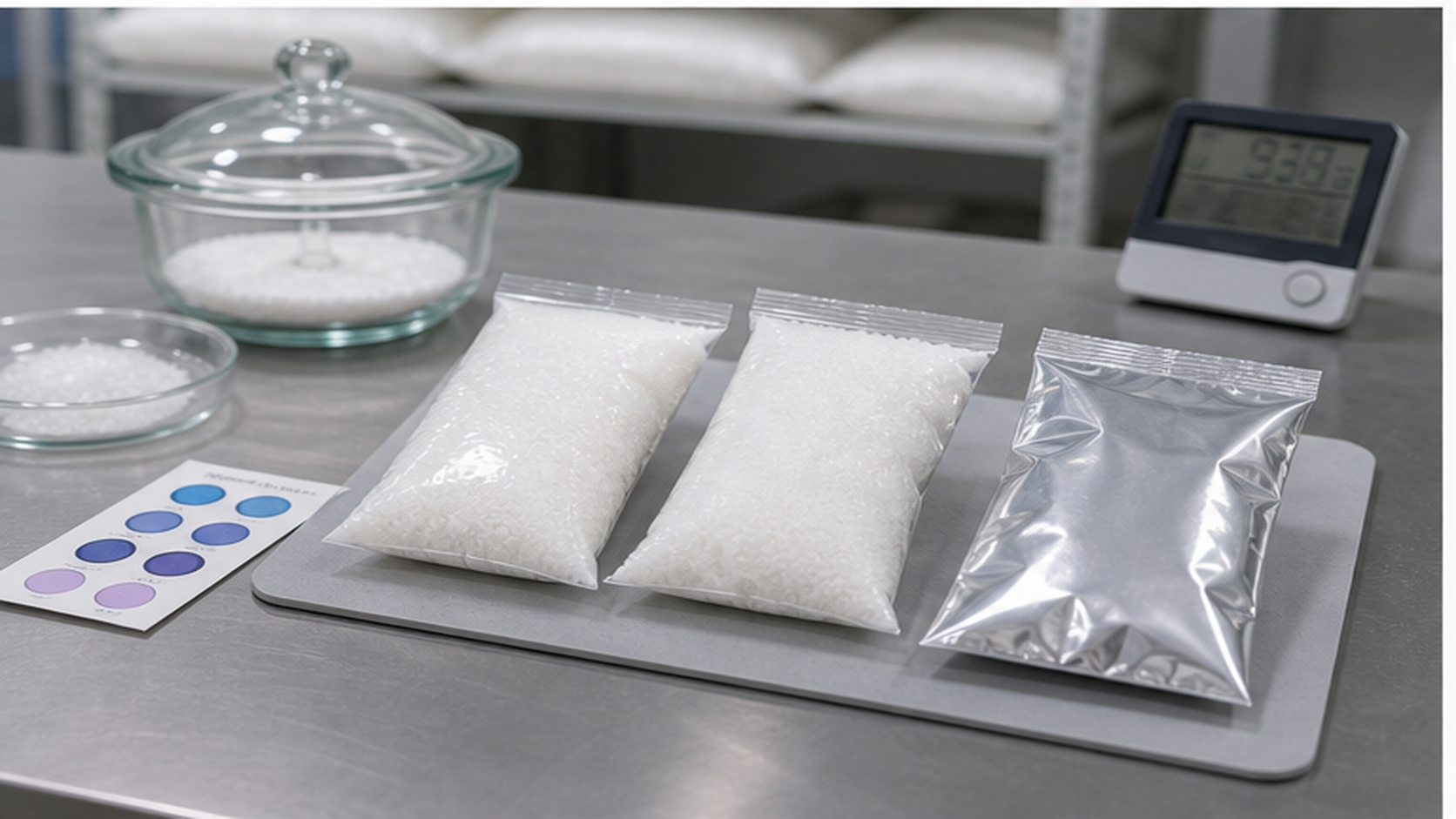
For this reason, the RFQ should not only say "LDPE film for salt" or "laminated film for salt." It should state the salt type, net weight, bag format, roll width, core, sealing method, printing requirement, storage market, and packing equipment.
What Should Buyers Check Before Approving Samples and TDS?
Before mass production, buyers should ask for the proposed structure, available TDS, sample roll or pouch, and any required food-contact or regulatory documents. If a document does not state the exact structure, grade, or intended use, the buyer should clarify it.
Key checks include film appearance, width, winding, core condition, print alignment if printed, sealing side, machine suitability, sample seal behavior, and storage exposure under the buyer's expected conditions. Buyers should also retain approved samples and compare production rolls against them during receiving.
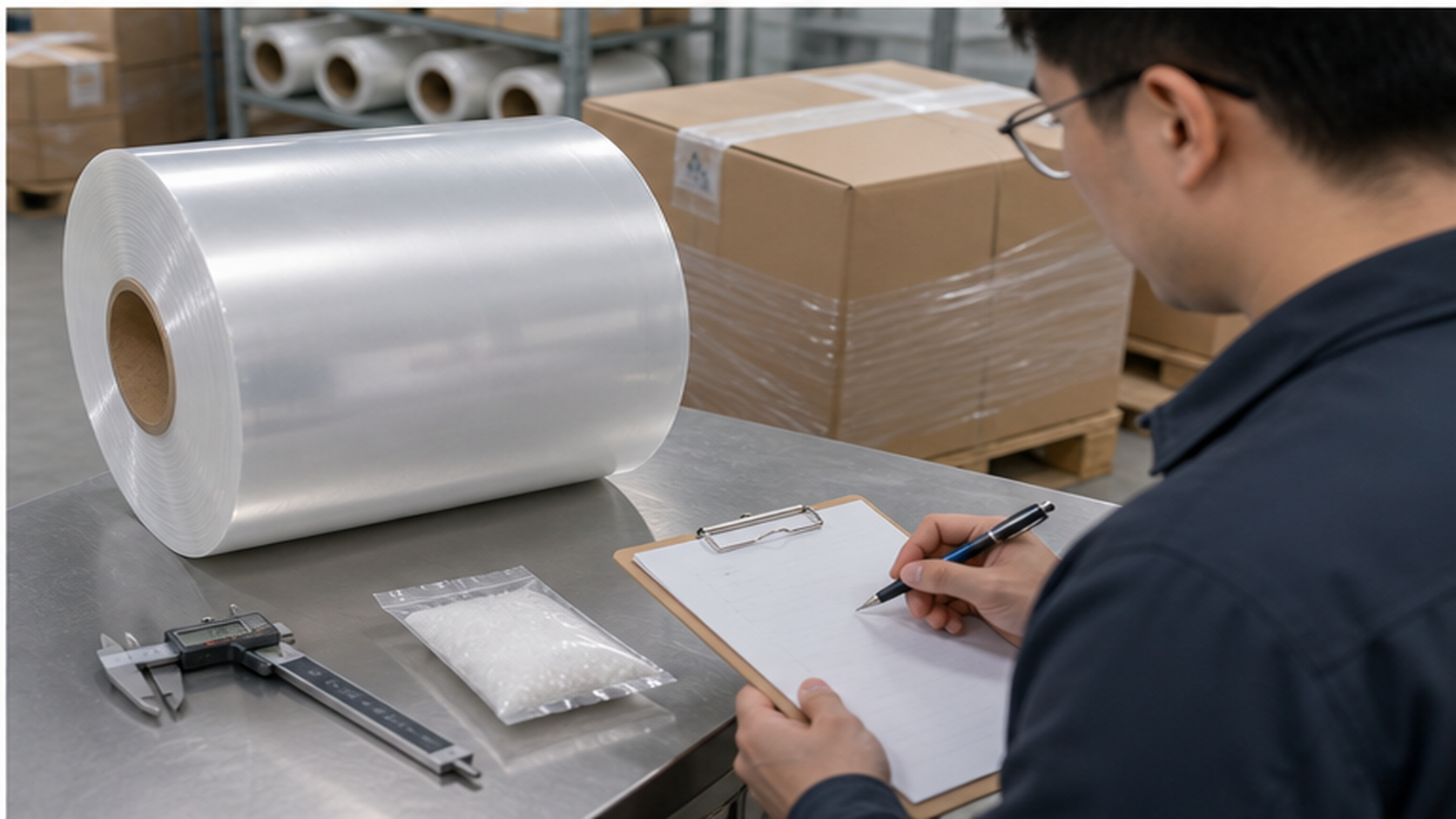
No article can replace project-specific validation. CHALVO can help with sample review, TDS review, and packing trial validation, but the buyer should test the actual film with the target salt type, pack size, storage humidity, and packing line before final commercial approval.
Related CHALVO resources
- Which Film Should Buyers Use for Biscuit Moisture Protection?
- High Barrier Films for Moisture and Oxygen Protection
- How do people use a cold laminating film without a machine?
FAQ: What Do Buyers Also Ask About Salt Packaging Film?
Is LDPE film moisture-proof enough for salt?
LDPE may suit simple liners or lower-risk bags, but buyers should not assume it is enough for every salt package. The answer depends on humidity exposure, pack size, storage route, seal quality, and shelf expectations.
Is laminated film always better than LDPE for salt packaging?
Not always. Laminated film may add moisture protection direction, print quality, stiffness, and handling benefits, but it also adds cost and specification complexity. The best route is the one validated against the real product and packing line.
What information should be sent to CHALVO for a salt packaging film quote?
Send the salt type, pack weight, bag format, film width, core size, printing file, sealing side, packing machine type, storage market, humidity concern, and required food-contact or regulatory documents.
Can buyers approve salt packaging film by thickness only?
No. Thickness alone does not define moisture protection, seal integrity, puncture behavior, printing quality, or machine performance. Buyers should approve the structure, TDS, samples, sealing trial, and storage validation together.
What evidence should buyers request before production?
Buyers should request the latest CHALVO TDS, physical samples, relevant food-contact or regulatory documents, and packing trial results from their own line. They should not rely on unsupported WVTR, shelf-life, seal strength, puncture, line speed, or certification claims.
Summary
LDPE can be a practical route for simple liners, basic bags, and lower-risk applications. Laminated film is usually the stronger direction when the buyer needs printed retail quality, better moisture protection direction, improved handling, and more controlled packaging performance.
The most reliable decision comes from matching the structure to the salt type, pack format, humidity exposure, seal requirements, storage route, and packing line. CHALVO can help buyers compare LDPE versus laminate routes, review samples and TDS, and validate the film through packing trials before mass production.
Meta Title
LDPE or Laminated Film for Salt Packaging Moisture Protection?
Meta Description
Should buyers use LDPE or laminated film for salt packaging? Compare moisture risk, clumping, seals, puncture handling, printing, pack format, samples, TDS, and validation.
CTA
Need to choose between LDPE film and laminated film for salt packaging? Share your salt type, pack size, storage route, humidity concern, printing requirement, and packing machine details with CHALVO for structure, sample, TDS, and trial review.