BOPP Pearlized Film for Snack Packaging Buyer Guide
Snack packs need shelf appeal, stable converting, and repeatable quality. Pearlized BOPP can help a pack look bright and premium, but the wrong film role or...

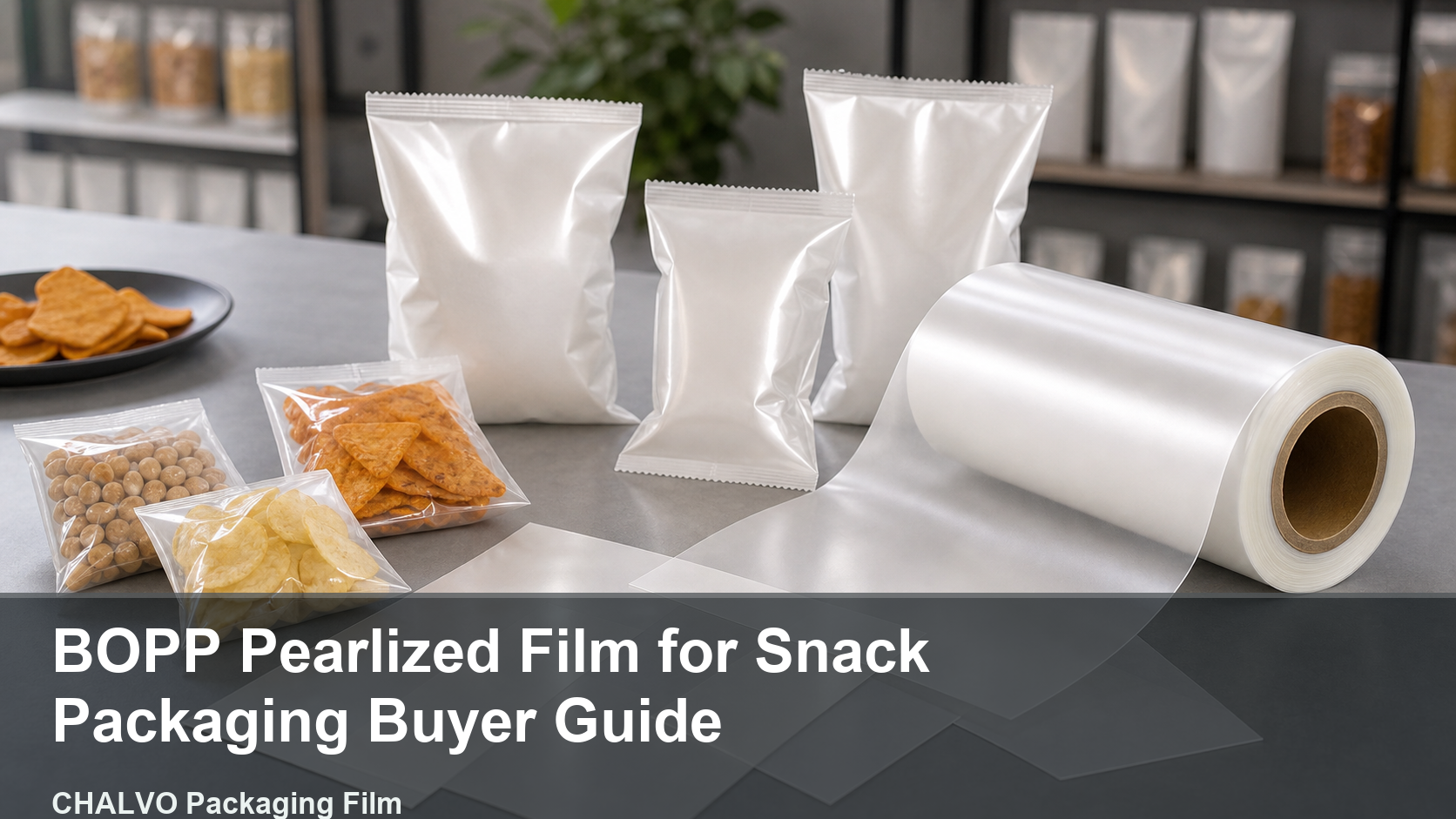
Pearlized BOPP should be selected by its role in the complete snack package, not by appearance alone. Buyers need to define the snack, pack format, print route, sealing interface, converting conditions, and validation plan before comparing grades.
Quick answer: use pearlized BOPP when a white or pearlescent visual direction supports the pack design and the proposed grade can be validated for its actual role. Confirm whether it is an outer print web, part of a laminate, or a sealable web; then review current grade-specific documents and run representative converted-pack trials before ordering.
What should buyers define before requesting a grade?
Start with the snack and the finished package. Dry, oily, fragile, sharp-edged, or aroma-sensitive products can create different risks, and the same visual film direction does not solve every one of them.
The initial brief should identify the product condition, target pack format, fill and headspace, storage route, display requirement, print design, structure concept, sealing method, converting equipment, target market, and required documents. This lets suppliers discuss an appropriate starting direction without turning a family name into a performance promise.
| Buyer input | Why it matters |
|---|---|
| Snack condition and main failure risk | Defines whether moisture, oxygen, aroma, oil, puncture, or seal integrity needs separate attention. |
| Film role in the structure | Separates appearance and print functions from the sealant or barrier roles. |
| Print and converting route | Affects surface, treatment-side, ink, lamination, tracking, and handling questions. |
| Sealing interface and pack format | Determines what must be checked on the actual fin, lap, or end-seal design. |
What role can pearlized BOPP play?
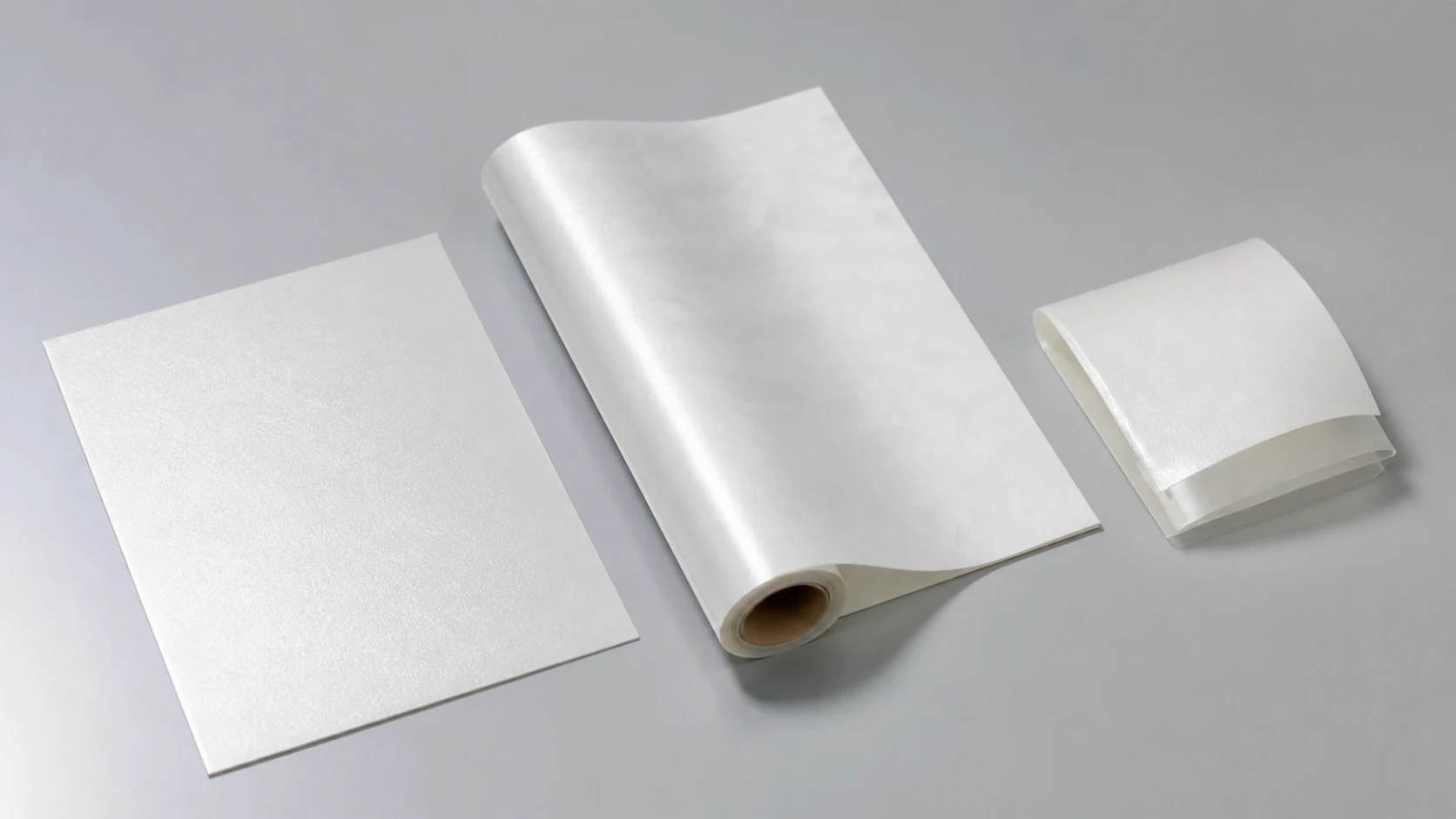
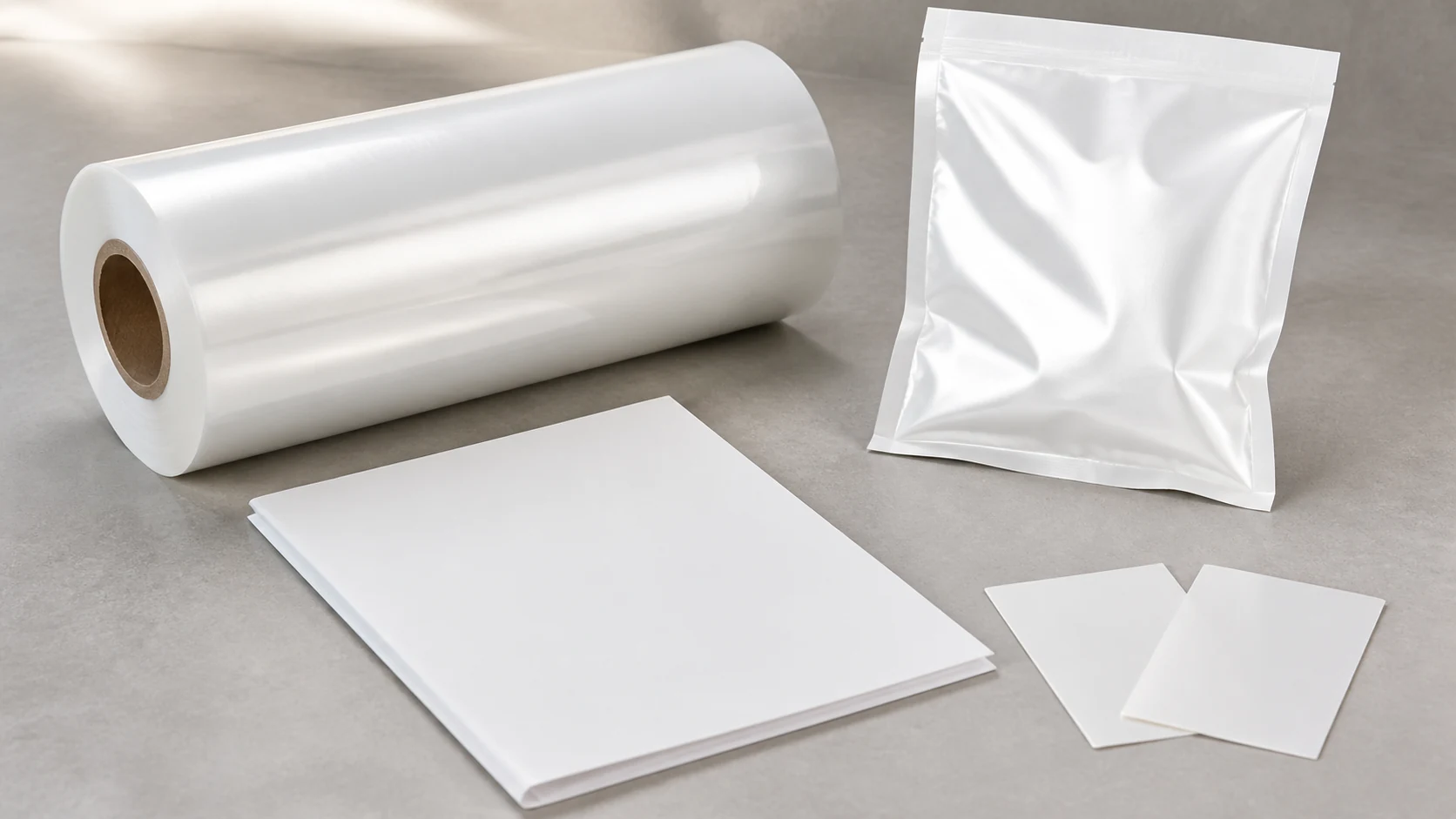
Pearlized BOPP is commonly discussed as an appearance-oriented BOPP direction that can provide a white or pearlescent base for packaging graphics. Depending on the exact grade and structure, it may serve as a printed web, an outer layer, part of a laminate, or another specified role.
Do not assume that the pearlized appearance also proves heat sealability, barrier performance, food-contact status, or suitability for a particular packaging line. Those conclusions require the exact grade, construction, test conditions, and application evidence. The purchase specification should name the film role clearly so procurement and the converter are evaluating the same proposal.
How should appearance and opacity be approved?
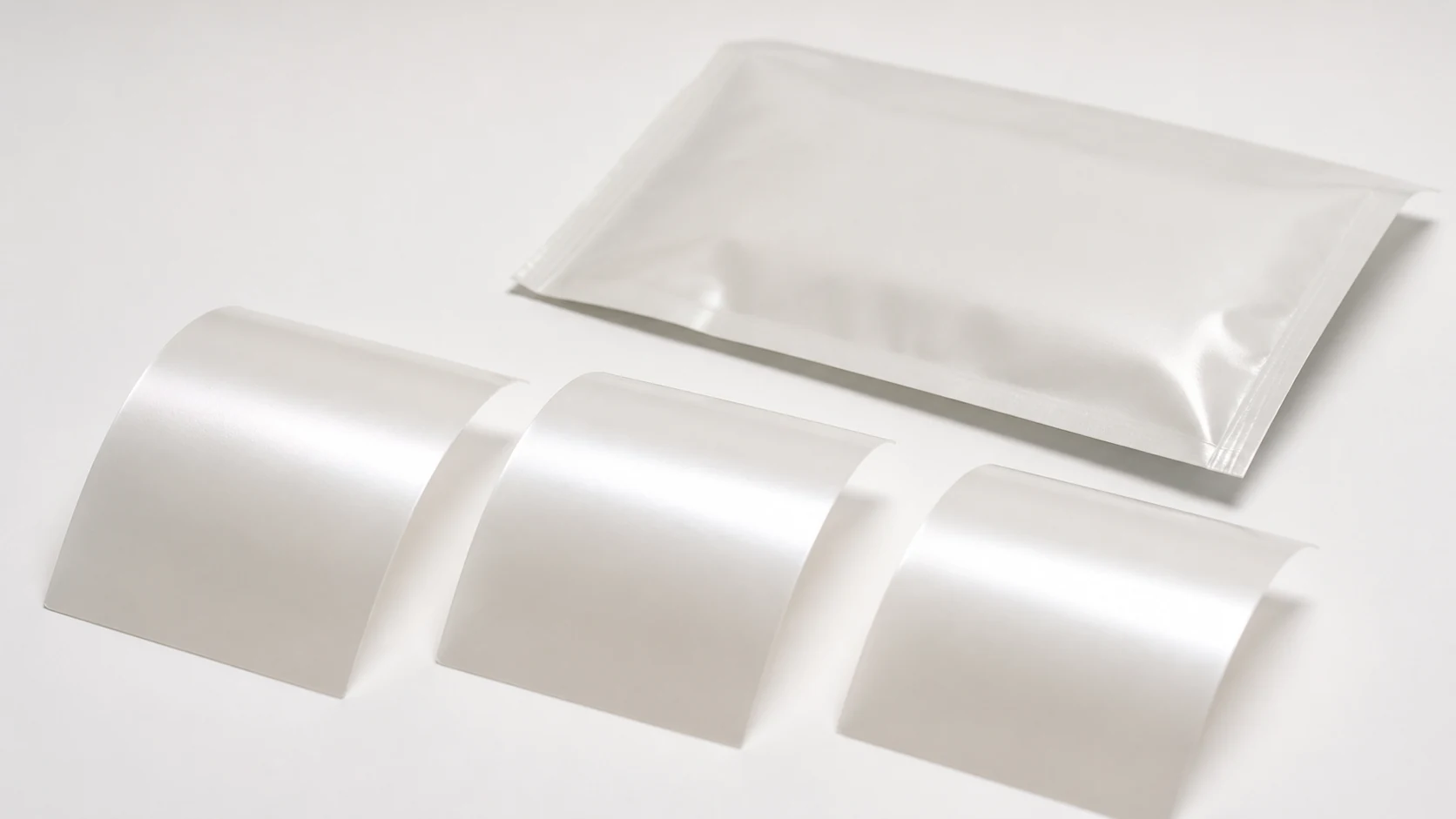
Approve appearance on a converted package under representative viewing conditions. A hand sample can help select a visual direction, but print design, ink coverage, lamination, product color, pack shape, and lighting can change the final result.
Buyers should compare retained samples from the intended print and conversion route. Record which side is printed, how the film is protected, and which visual characteristics matter to the brand team. If opacity, whiteness, gloss, or another optical characteristic requires a numerical limit, request the current grade-specific data and its test method rather than transferring a value from another film.
How should buyers separate barrier from appearance?
Pearlized appearance is not a complete barrier specification. First identify whether the snack risk concerns water vapor, oxygen, aroma, light, oil, or loss of package integrity. Then determine which layer or complete structure is expected to address it.
A simple structure may be a reasonable starting point when the product and distribution route have limited functional demands and the buyer validates the pack. A laminate or additional functional layer may be worth discussing when a defined barrier, print protection, or sealant role requires it. Greater complexity is not automatically better; it should respond to a documented package risk.
No OTR, WVTR, shelf-life, or barrier result is claimed here. Any such decision needs current information for the exact structure and a finished-pack validation plan that reflects product and storage conditions.
What should be checked for printing and lamination?
Printing and lamination should be reviewed with the actual converter route. Buyers should confirm the intended print side, surface treatment information, ink and adhesive system, web orientation, and whether the pearlized layer remains exposed or protected in the final structure.
The useful approval evidence is a representative converted sample, not a statement that all pearlized BOPP is printable. Check graphic appearance, registration, adhesion according to the converter’s method, web handling, and consistency across retained samples. Any treatment or bonding value must belong to the current grade and relevant test conditions.
How should sealing be evaluated?
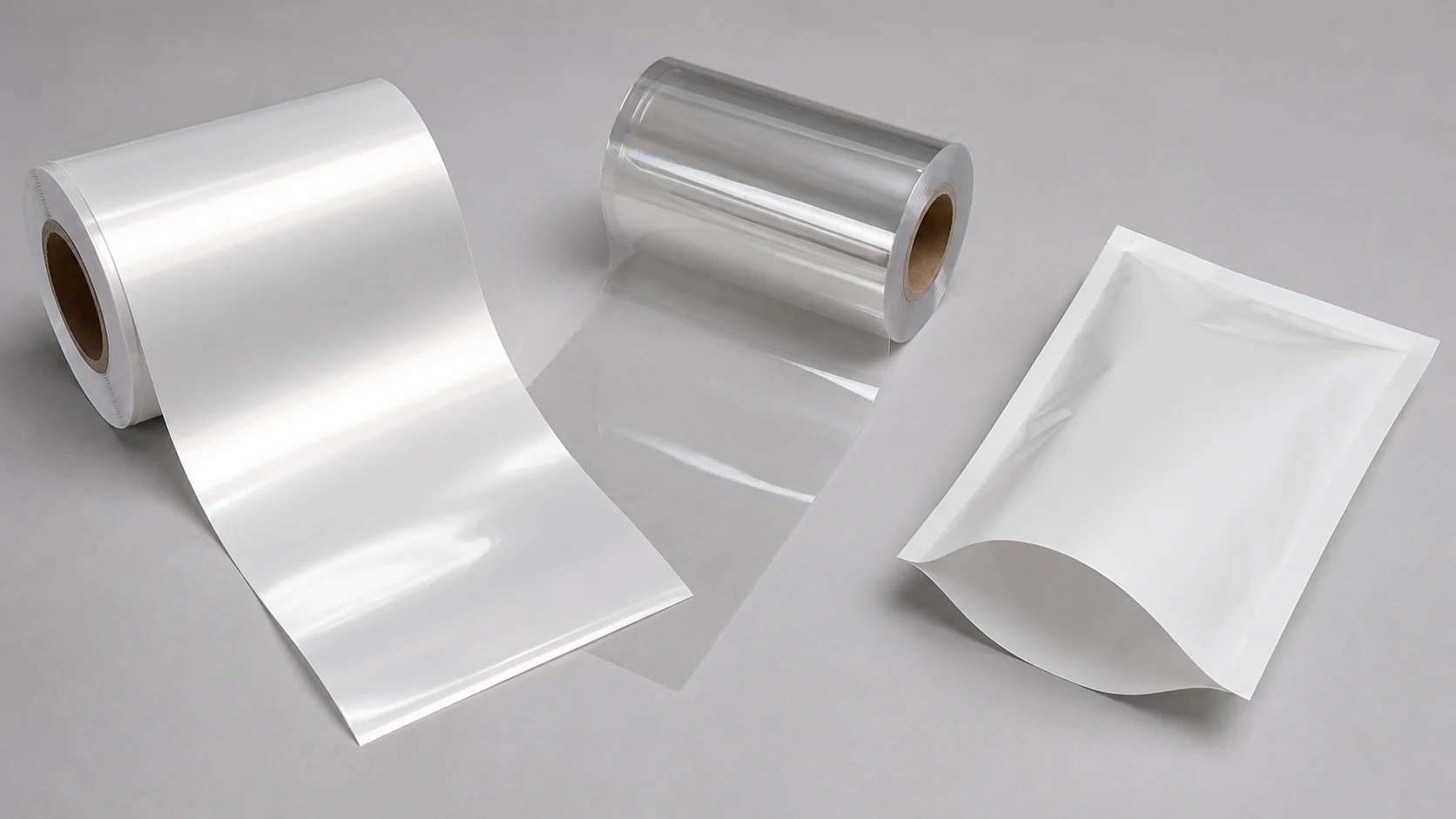
Evaluate the full sealing interface rather than assuming the appearance web is the sealant. Some packages may use pearlized BOPP with a separate sealant layer; other projects may discuss a heat-sealable grade. The intended construction must be explicit.
The trial brief should identify the mating surfaces, fin or lap design, end-seal conditions, product contamination risk, and opening expectation. Temperature, pressure, dwell, speed, and seal results are application variables, so this guide does not provide universal settings or outcomes. Use current grade documentation and verify the intended pack on the actual process.
What machinability and roll questions matter?
Machinability is a combination of the grade, complete structure, roll preparation, equipment, and settings. Buyers and converters should review feeding, tracking, wrinkles, static, slip behavior, roll direction, treatment side, registration, and waste during a controlled run.
Roll width, core, winding direction, edge condition, splice policy where relevant, storage, and transport protection should also be included in the commercial brief. COF or stiffness values are meaningful only with a grade, method, specimen, and conditions. A broad number should not replace the line trial.
What evidence should procurement request?
Request the current TDS for the proposed grade and available quality, material, or market-relevant documents. Check that each document identifies the grade, structure or specimen, method, conditions, issue date, and limitation. A family brochure or another supplier’s value is useful only for screening.
The sample record should link the roll or sample identity to the proposed structure, print route, seal route, and trial observations. Keep retained converted packs when possible so repeat orders can be compared with the approved reference. Where evidence is missing, record the open question rather than converting it into a purchasing assumption.
Buyer approval checklist
1. Define the snack, package risk, pack format, and storage route. 2. State exactly what role pearlized BOPP plays in the structure. 3. Confirm print side, treatment information, converting route, and web orientation. 4. Define the sealant layer, mating surface, seal design, and contamination conditions. 5. Request current grade-specific documents for every important claim. 6. Run representative printing, lamination, packaging, filling, and handling checks. 7. Retain approved samples and resolve open questions before the commercial order.
FAQ
Is pearlized BOPP only an appearance film?
Appearance is a common reason to discuss it, but the exact grade may have other specified roles. Buyers should verify those roles from current documentation and the proposed structure rather than infer them from the name.
Does pearlized BOPP automatically seal snack packs?
No. Confirm whether the proposed grade is intended to seal or whether another layer provides the sealant interface, then validate the finished construction.
Does it guarantee snack shelf life?
No. Shelf life depends on the product, complete structure, seal integrity, process, storage, and validation. Pearlized appearance alone does not establish a barrier or shelf-life result.
What should buyers send CHALVO?
Send the snack type, pack format, structure concept, print and seal routes, process context, target market, document needs, and sample plan. CHALVO can help organize the sourcing discussion and coordinate grade-specific evidence and samples.
Meta Title
BOPP Pearlized Film for Snack Packaging Buyer Guide
Meta Description
A practical buyer guide to pearlized BOPP for snack packs: clarify film role, appearance, barrier, print, sealing, machinability, documents, and trials.
CTA
Planning a pearlized snack pack? Share your product, pack format, structure, print and seal routes, market requirements, and trial plan with CHALVO for an evidence-led sourcing and sample discussion.