How Many Different Kinds of BOPP Glossy Films are There?

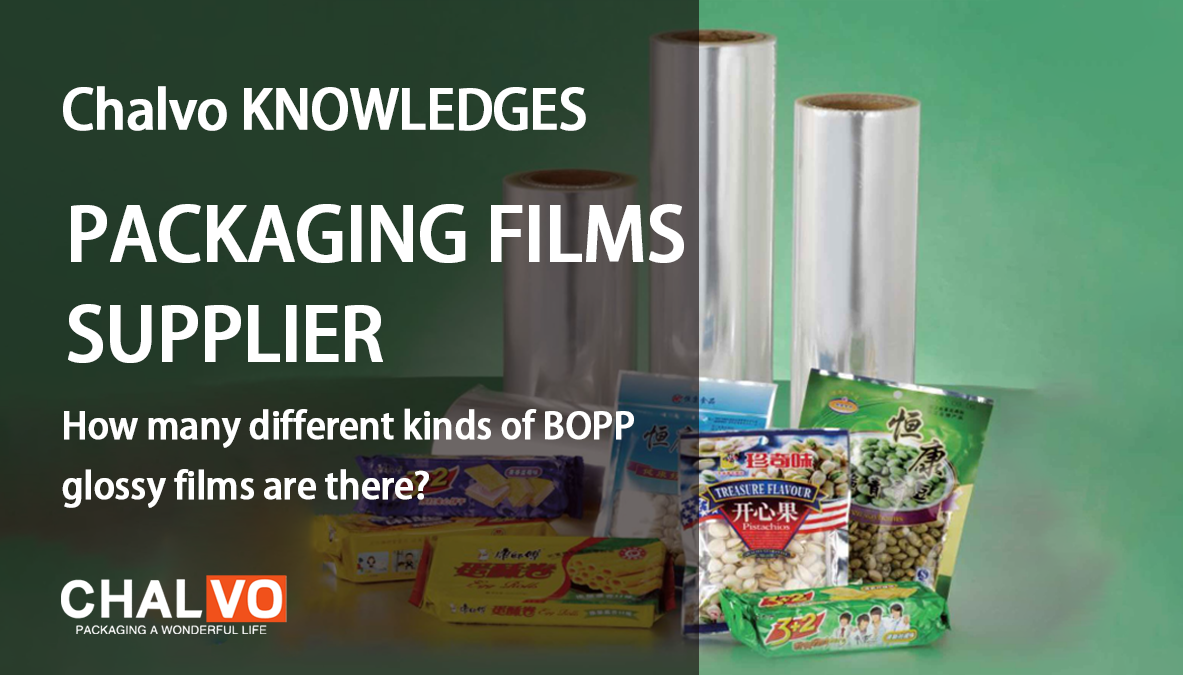
BOPP glossy films are the most common in BOPP, specific treatments and coatings makes their surface smooth. and reflective. And glossy films are widely used in packaging, labeling and printing applications due to its excellent properties.
1.What is BOPP glossy film
BOPP glossy film is a plastic film made from polypropylene. It’s a type of BOPP film. It’s the most common and cheapest type of BOPP film. It’s made by stretching the film in two directions. It’s got high strength, high transparency, and high barrier properties. “Glossy” means it’s shiny and reflective. People use it for all sorts of stuff because it looks good. There are different kinds of glossy film for different things. Let’s talk about them.
2.How many different kinds of BOPP glossy films are there?
There are five different kinds of glossy BOPP film, depending on what you’re using it for.
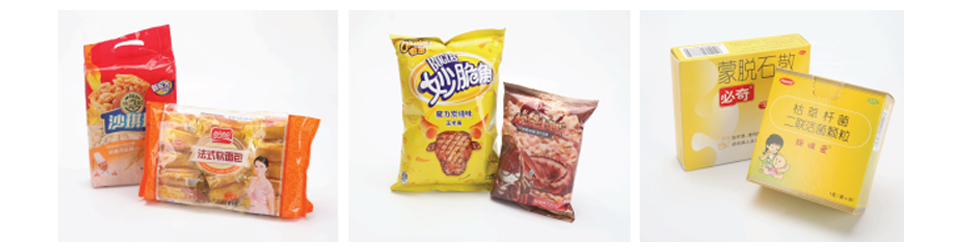
This kind of glossy BOPP film is made for printing stuff that needs to look really good. It’s got a super shiny surface and it’s really clear. That makes it great for packaging that needs bright colors and sharp pictures. The shiny surface makes the stuff you print on it look better. That’s important when you’re trying to sell something. Application: Labels and packaging for all sorts of things like candy, chips, drinks, makeup, and fancy stuff. It’s also good for brochures, posters, and other things you print on because it makes the pictures look better.

-
Printing Film (High transparency shallow printing grade)
This kind of glossy film is made to be high transparent. That’s important when you need to see what’s inside the package. People use it for food, makeup, and medicine. You need to see what’s inside the package, but you also want the printing to look good. Application: fresh food, meat, milk, and other stuff you want to see before you buy. It’s also used in medicine for blister packs and other kinds of clear packaging.
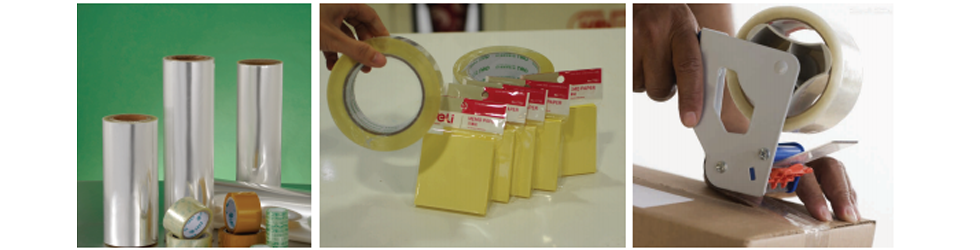
This glossy film is made for making sticky tapes. It has a strong sticky layer that makes the tape stick well to different things. The film is strong and doesn’t tear easily, so it’s good for using in factories, homes, and offices. Application: sticky tapes for lots of different things. They use it to wrap boxes, in hospitals for surgical tapes, in car factories for covering things when they paint, and in everyday life for duct tape, masking tape, and other sticky tapes.
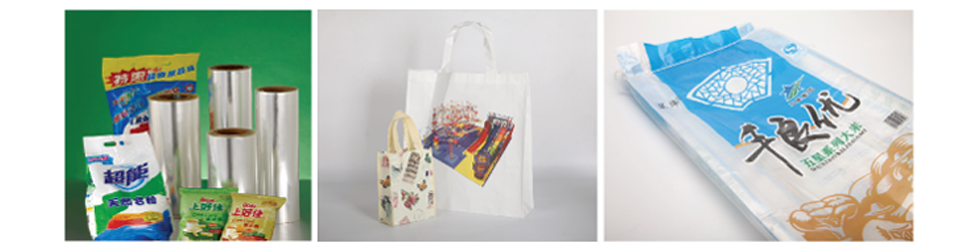
This glossy film is used to make woven bags stronger. People use woven bags to put lots of things in like grains, cement, and chemicals. When you put this film on the bags, it makes them stronger and helps keep water out. That means you can put the bags outside and they won’t get ruined if it rains or snows.
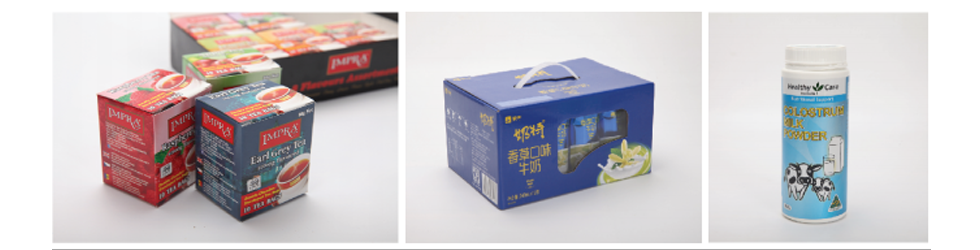
People use this glossy film to make things stronger and look better. In the food business, they use it to make bags that keep food fresh longer. In the book business, they use it to make covers that last longer and look shiny. They also use it to make cards, posters, and other things that need to be strong and look good.
3.What is the difference between them
The different kinds of glossy film are used for different things. The printing kind is used for pictures and to keep dirt off. The clear kind is used for fancy pictures and to make sure the ink sticks. The tape kind is used for making sticky tape that doesn’t stretch or break. Below I will compare these five films two by two
Ⅰ. Glossy Film(printing grade) VS Glossy Film (high transparency shallow printing grade)
Their main differences are printing technologies and some specific characteristics. First, print-grade glossy films have low static properties, which means the film does not attract dust, good for protecting the appearance and quality of the product. However, high transparency shallow printing grade is specially designed for screen printing. It has higher transparency and gloss, as well as excellent mechanical properties and ink adhesion. In addition, it is specially optimized for shallow screen printing performance, making it ideal for printing applications that require high definition, such as portraits. Compared with printing-grade glossy films, shallow printing grade demonstrate more professional applicability in terms of printing fineness and color accuracy.
In summary, while both films offer high transparency and excellent mechanical properties, shallow printing grade films have specific requirements for applicable screen printing technology. The performance is more outstanding, especially when processing high-definition detailed images, providing higher accuracy and transparency. As for Printing-grade glossy films, they are more suitable for general image and printing needs.
Ⅱ. Tape Film VS Printing Film
Tape films are significantly different in use and characteristics from the previously mentioned printing grade films. Generally tape film is the base material for manufacturing tapes, while the printing films focus more on performance in printing applications.
First of all, tape films focus on excellent product dimensional stability and high tensile strength. In other words, tape films need to maintain shape and tensile strength when used. This feature makes it an ideal sealing and fixing material.
All in all, although all these films exhibit high transparency and excellent mechanical properties, they have different emphasis on application purposes: the tape films are designed for adhesion, sealing and protection, focusing more on functionality, while the printing grade films focus more on good printing quality and high color accuracy, suitable for printing industry.
Ⅲ. Woven bags lamination film VS Lamination film
These two films are both types of BOPP lamination film, so they all have some similar characteristics, such as high transparency and gloss, excellent mechanical properties and scratch resistance. Certainly they are different in use, Each has its own emphasis on material characteristics and application fields.
Woven bag lamination film mainly enhances the appearance and durability of woven bags, making them more suitable for storage and transportation of items like rice bags, feed bags, etc., and it also features water resistance, dustproofing, and aesthetics.
However, the main use of lamination films is to increase the gloss and wear resistance of printed materials, such as books and wine boxes, protecting products from environmental damage. The one focuses on excellent oxygen and oil barrier properties while the other on dimensional stability. Overall, woven bags lamination films are more inclined to the industrial, storage and transportation industries, while lamination films are widely used in printing and packaging industry. Specific practical applications are also based on the inherent needs generated by the product.
4.How to choose the right BOPP glossy film
Choosing the right BOPP glossy film requires considering multiple factors, such like supply and demand relationship, film size, product packaging specifications, test reports, etc. among which the film size is an important factor that cannot be ignored. And there are also some tips you need to know when choosing the size.
Supply and demand relationship
Determine what kind of film your product needs, such as what product it is used for and what functions are required, such as oil resistance, oil resistance, printing, etc. Before communicating with suppliers, clarifying your needs will greatly improve your work efficiency.
Different suppliers provide different products, including film formula and film size. Light film is the most common BOPP product, so its formula is the most common. So before purchasing, you must confirm the size of the film. If the size does not match, the film cannot be adapted to your machine or product. However, if the film size provided by the supplier is suitable for your product, then you will have an opportunity to reduce costs. For example, your product is suitable for 17-micron film, but the supplier happens to produce a batch of 18-micron film. Naturally, the quotation for 18-micron will be lower than that for 17-micron. You may as well take a sample and try to see if the 17-micron film matches. If it matches, then you will greatly reduce your procurement costs.
Film size
In actual production, the typical thicknesses of these five films are as follows:
Glossy film printing grade: 15, 18, 23, 25, 27, 32, 37, 46mic
High transparency shallow printing grade: 15, 18, 23, 25mic
Tape film: 23, 25, 27, 35mic
Woven bag Lamination film: 10, 12, 15, 18mic
Lamination film : 10, 12, 15mic
The different thicknesses of different films also correspond to the physical properties of the film. Thick films usually have better mechanical properties, such as tear strength, impact resistance and abrasion resistance. Professional inspection reports can make above information visualized.
Different industries set specific regulations and standards that dictate the minimum or maximum film thicknesses to meet certain safety or health standards
So the first step to choose the right film is to determine the primary function of the film in your product, and then send inquiry to get your right packaging!
Know the product packaging specifications
The packaging film may be attractive and non-reactive with the product. But it should not be damaged during shipping. The packaging should be strong enough to survive being dropped or being roughly handled in conventional storage conditions. However, excessive packaging will increase transportation costs, so reducing the packaging volume while protecting the product will greatly reduce transportation costs. Experienced suppliers will give you the most reasonable box specifications before shipment.
Ask the supplier if they can provide test reports
Any flexible packaging must undergo rigorous testing during production and before leaving the factory, such as peel strength test, composite strength test, solvent residue test, pressure test, drop test, medium resistance test, etc. These are basic testing requirements. If the factory does not provide these data, you should not expect them to produce qualified products.
Purchasing Tips
When it comes to size, you need to talk to the person you’re buying from so you can get a better price and help you control your costs.
1- Know the common sizes of the film and the price differences in the market. As a person who buys film, you need to know that the glossy film is the most cost-effective film of all the BOPP films, and it’s the most common film. So, most BOPP film factories make a large amount of glossy film and this situation also means that most films in one factory are the same size.
2- After you get size and quotation information from supplier. The film size you need is almost the same as the one provided by the factory, why not get a sample first? If the sample is suitable for your product, Congratulation! you successfully reduce the cost of this purchase.
So, when you talk to the person you’re buying from, you should ask them this question, “What are the common sizes of film that you make?” Get chance, cost less, earn more.
CHALVO is a company that specialises in customised packaging solutions as well as production. Feel free to send us any content on packaging, progress and growth together will be our constant theme.
CHALVO Film production video
CHALVO Film Packaging Specifications Video