

BOPP Film
BOPP film provides an effective barrier against contaminants, ensuring the protection and quality of various products across different industries.
Click here to go directly to the article 《BOPP Film: The Ultimate Guide》
Commercial BOPP Film
The Optimal Solution for Your Food, Pharmaceutical, and Chemical Packaging Needs
Chalvo’s high-quality plastic packaging films ensure the integrity and safety of your products across various industries.
- High transparency and gloss
- Excellent ink and coating adhesion
- Excellent oxygen and oil barrier performance
- Low electrostatic performance
- Excellent mechanical property
- Excellent flatness
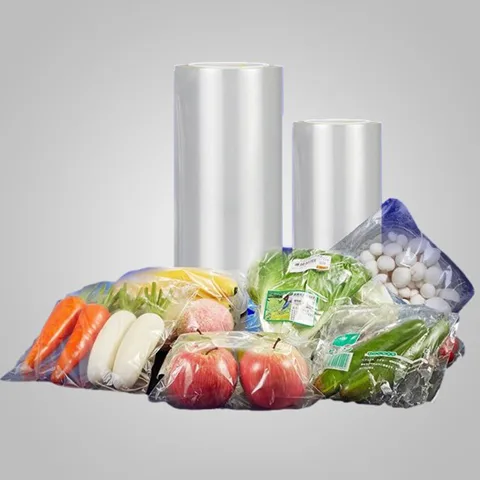
Table Of Contents For This Page
To make sure you can find the information you want quickly,
we have prepared this content directory that will jump to the corresponding location when you click on it.
Applications
Classic Products

Feedback

About Chalvo

Related Products

FAQs

Self-Nomination

Buyer Guides
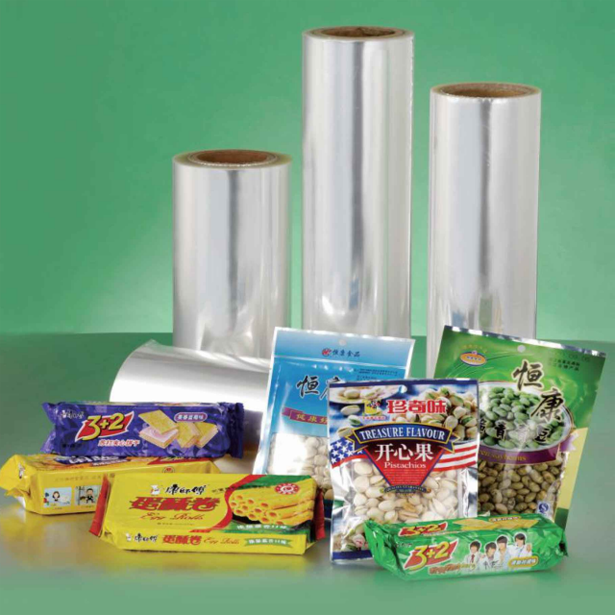
General Application For BOPP Film
BOPP Film has the following wide range of applications, Inquiry us for more solutions.
Food Package
Medical Packaging
Industrial Packaging
Labeling Films
Electrical Insulation
Vegetables
Pet food
Meat
Fish
Cheese
Coffee
Choosing BOPP film by application
The practical way to choose is to work backwards from your application to the questions you bring to a supplier:
- Snacks and dry foods — ask about metallized grades and what barrier values their TDS documents for your shelf-life target.
- Sealing lines (VFFS/HFFS) — ask about heat-sealable grades and whether the seal range fits your line’s temperature and dwell settings. For food applications specifically, the advantages of BOPP heat-sealable film for food applications walks through the details.
- Produce and cold-chain packs — ask about anti-fog grades for these packs and what their TDS documents for condensation conditions; our anti-fog film page covers this application.
- Print-heavy shelf packaging — ask about glossy or coated grades and ink adhesion for your print system.
- Labels — ask about matt and printable finishes and how they take your ink.
- Flower wrap — a use case of its own: ask about printed designs and roll formats on our flower film page.
Whichever bucket you fall in, four specifications are natural checkpoints: thickness, clarity, barrier, and seal behavior. Typical windows vary by grade and vendor, so treat numbers as per-product questions and request the TDS. Two deep-dives help here: what is the thickness range of BOPP film and what will thickness affect and BOPP film properties, specifications and what packaging buyers should check.
Key takeaway: start from your application, ask the grade-matching questions above, and let the TDS — not a spec table on a website — settle thickness, clarity, barrier, and seal values.
Product Catalog
BOPP Film to Promote Your Business
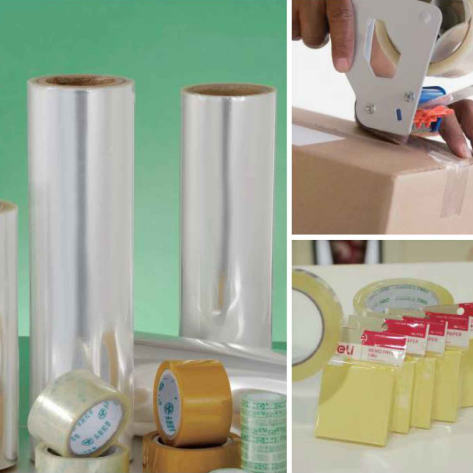
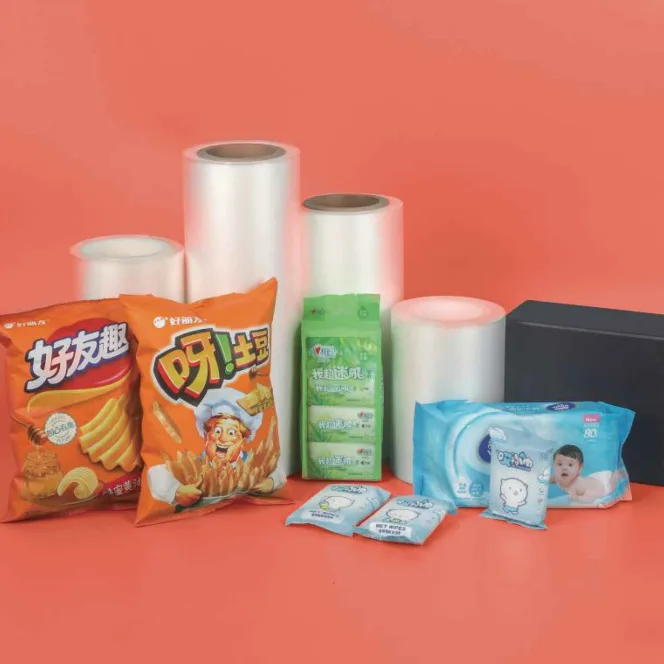
Glossy Film
- Typical Thickness: 23、25、27、35mic, Spercial specifications can be customized according to customer requirements.
- Tensile Srength: MD>140MPa, TD>280MPa
- Density: 0.91g/cm³
- Classic products:
Printing Grade Glossy Film
Lamination Glossy Film
Tape Film
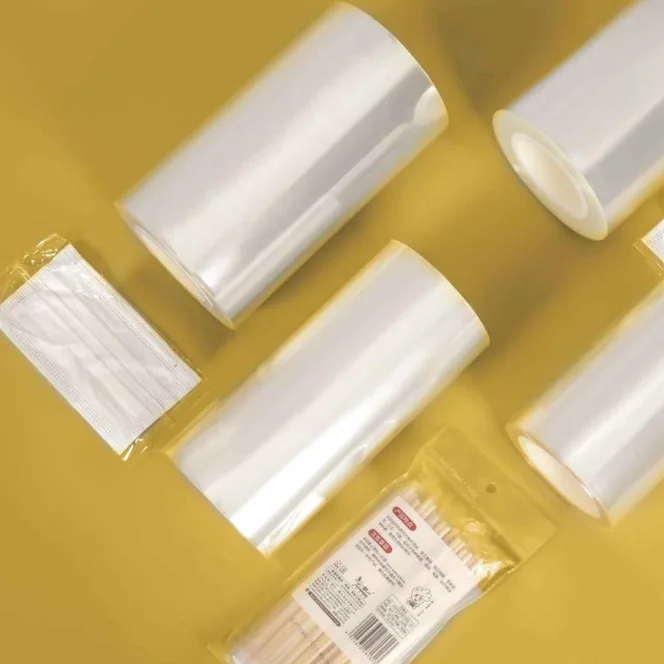
Matte Film
- Typical Thickness: 10、12、15、18mic, Spercial specifications can be customized according to customer requirements.
- Tensile Srength: MD>140MPa, TD>280MPa
- Density: 0.83~0.86g/cm³
- Classic products:
Shallow Screen Matt Film
Lamination Matt Film
Printing Matt Film
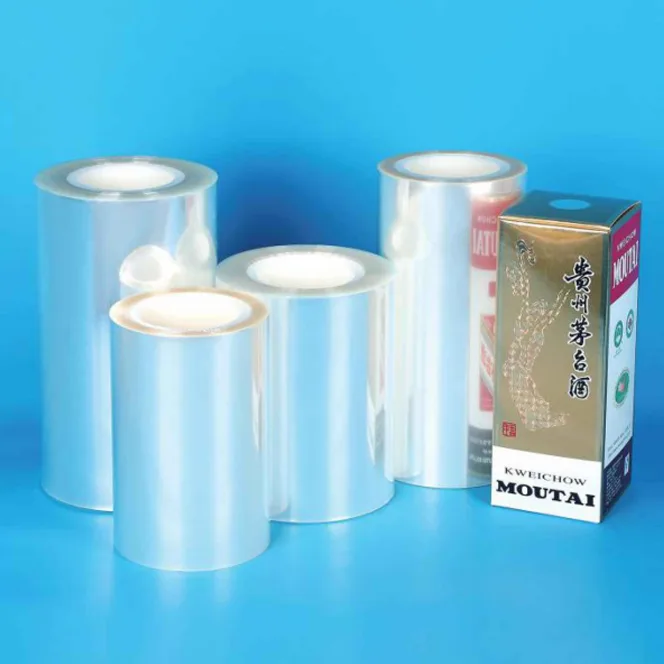
Heat Sealable Film
- Typical Thickness: 15、18、25、27mic, Spercial specifications can be customized according to customer requirements.
- Tensile Srength: MD>140MPa, TD>270MPa
- Density: 0.91g/cm³
- Classic products:
One-side/Two-side Heat Sealable Film
Straw Packing Film
Tissue Paper Wrapping Film
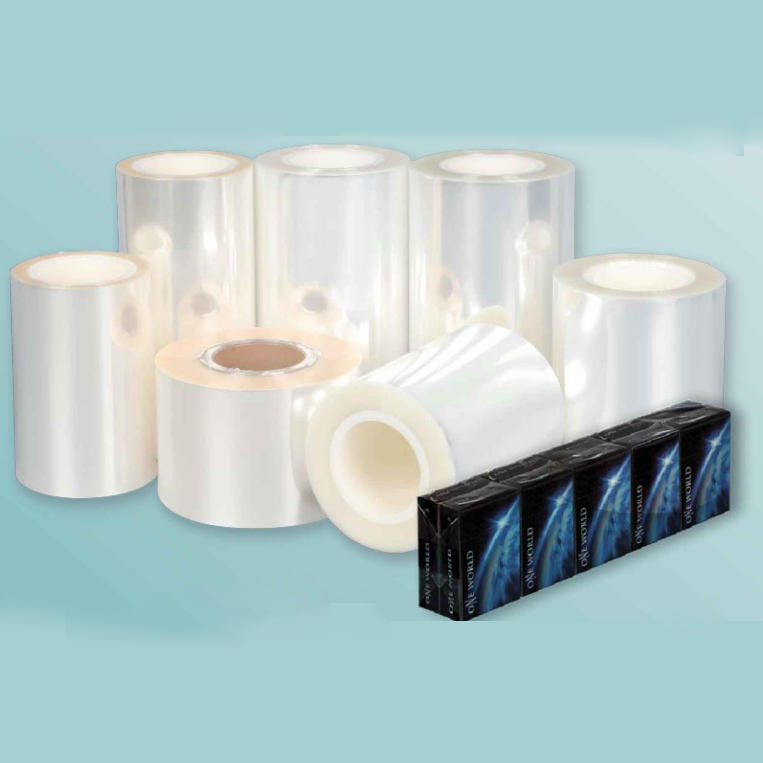
Function Film
- Typical Thickness: 25、30、40、45 mic, Spercial specifications can be customized according to customer requirements.
- Tensile Srength: MD>130MPa, TD>230MPa
- Density: 0.7g/cm³
- Classic products:Anti-Fog Film
Crystal Film
Pearlized Film
Coated Film
- Typical Thickness: 15、18、23、25mic, Spercial specifications can be customized according to customer requirements.
- Tensile Srength: MD>120MPa, TD>200MPa
- Density: 0.91g/cm³
- Classic products:BP Coated Film
BSA Coated Film
BAA Coated Film
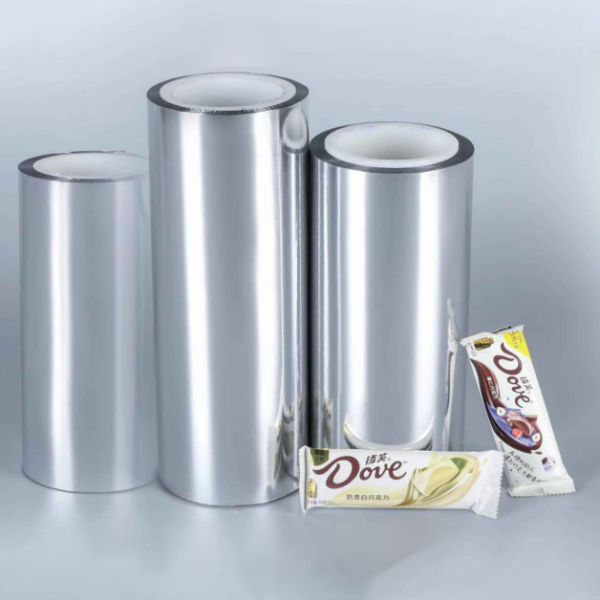
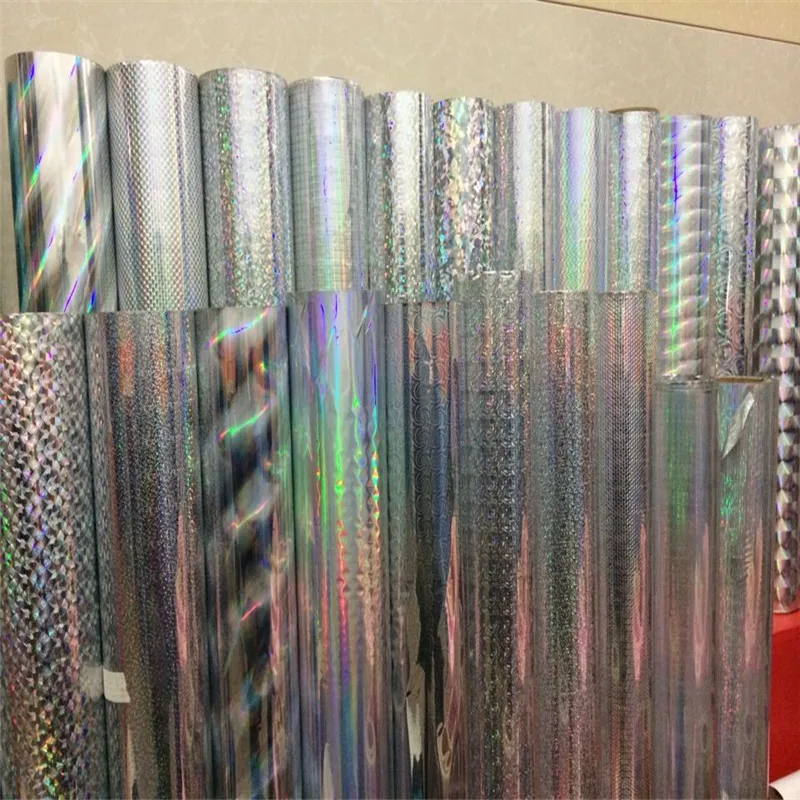
Metallized Film
- Typical Thickness: 15、18、23、25mic, Spercial specifications can be customized according to customer requirements.
- Tensile Srength: MD>120MPa, TD>200MPa
- Density: 0.9g/cm³
- Classic products:PET Metallized Film
CPP Metallized Film
BOPP Metallized Film
Get Sample
Some Feedback
What People Are Saying ?
My name is Ms. Svetlana Gogu from Chilean Company. My company mainly operates on packaging film. Chalvo with good quality, fine workmanship and timely reply, and important, cooperate with Chalvo without trouble, the sales person always can understand my emails meaning.

Svetlana Gogu
Buyer
A Brief Self-Nomination, Why Choose Chalvo?
Reliable BOPP Films Manufacturer in China
- Larger Capacity, Better Price. Annual production up to 50,000 tons & lower wholesale price
- Lower MOQ, More Flexibility. Save you more and generate higher profitability with 500KG MOQ
- Certified Products, Safety Guaranteed.Compliance of ISO and EN, strictly production to guarantee quality.
Frequently Asked Questions
We Have Great Answer
What if I am not happy?
If the Films reach you and for whatever reason you are not satisfied you should notify CHALVO within 7 days of receiving the Films and we will replace or rework for free.
What about credit and payment terms?
We generally request customers work to our standard payment terms for at least the first order. These are 50% deposit and 50% prior to shipping. It is possible to negotiate other payment terms such as Net 30, but these are agreed on a case by case basis.
Stage One: full DFM at time of quotation by highly experienced engineers. They will highlight any problem areas or make suggestions for changes. Stage Two: incoming inspection of materials with our own Gas Transmission Rate Tester Stage Three: Full QC inspection and report before shipping
We generally request customers work to our standard payment terms for at least the first order. These are 50% deposit and 50% prior to shipping. It is possible to negotiate other payment terms such as Net 30, but these are agreed on a case by case basis.
What certifications does CHALVO have?
CHALVO is currently certified ISO22000 /BST/SGS
We aim to quote all prototype projects within 24 hours. All General packaging projects within 24 hours. All non-conventional packaging projects within 3 days. There are sometimes processes and materials which CHALVO does not offer in house; these could add time to the quotation and will be highlighted as and when.
What are CHALVO’s shipping terms?
All projects are DDU unless otherwise stated. This means the quote includes all freight and charges to a port of your choice. Any and all import and other taxes in your country are your own responsibility. If you require different shipping terms these can be negotiated on a case by case basis.
We accept payment via bank transfer to China.
SUBMIT YOUR QUESTIONS
LEARN MORE
More Related Flexible Packaging Film Supplies
The Smart Way To Improve Your Business

EVOH FILM
- High gloss and translucency for better display of products
- Excellent odor barrier to prevent fragrance leakage
- Good oxygen and water vapor barrier performance
- Excellent stretch forming uniformity, efficient water
- resistance to effectively maintain the locking of packaged meat products moisture
- Surface treatment is available for lamination
- Good resistance to wear and heat sealing properties
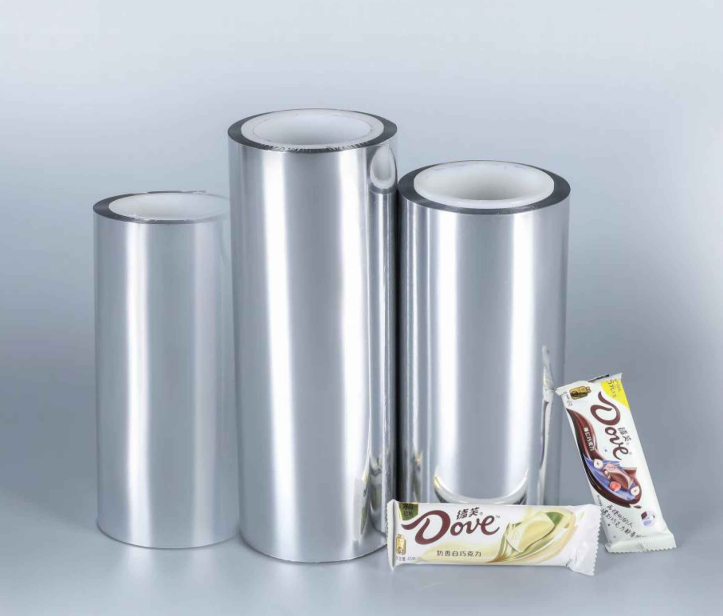
PET FILM
- High gloss
- Excellent gas isolation
- Excellent light-blocking properties
- Moisture resistant, high temperature resistant

BOPE FILM
- Uniform Shrinkage
- Clean Room Production
- Automated Quality Control
- High transparent
BOPP Film: The Ultimate Guide(2026)

BOPP film — biaxially oriented polypropylene — is a flexible film used across packaging, printing, and labeling applications. This guide explains what BOPP film is and how it is produced, walks through the BOPP grade family including unprinted BOPP film for converters and print buyers, shows how to match grades to applications, and ends with a supplier checklist. It is written for packaging converters, printing houses, label converters, food packaging buyers, and trading companies at the orientation stage of a purchase: deciding which BOPP film family fits, and what to verify before ordering.
Table Of Contents
1. Development History of BOPP
5. How to Choose the Right BOPP Film?
7. BOPP Film Properties for Packaging
8. Classification and Applications of BOPP Film
8.1 Glossy Film
8.2 Matt Film
8.3 Heal Sealable Film
8.4 Function Film
8.5 Coated Film
8.6 Metallized Film
9. Challenges Faced by BOPP Film
10. How to Choose the Right BOPP Film Supplier
Development History of BOPP
The original reason for developing BOPP (Biaxially Oriented Polypropylene) film was to make polypropylene film better. This meant making it clearer, making it printable so you could use different printing methods like offset, gravure, and digital. It also meant making it stronger so you could use it for all kinds of things like food packaging, pharmaceutical packaging, labels, advertising, and gift wrap. The idea was to change the packaging industry by giving people a more flexible, environmentally friendly, and cheaper material to use. This would lead to better packaging technology and design. That would satisfy the different packaging and printing needs people had. That would also help protect, show, and promote the products that were being packaged.
- 1950s: OPP film was initially developed by the Italian company Montecatini. At that time, it was produced through uniaxial stretching of polypropylene sheet material, resulting in a film with relatively high transparency and tensile strength but a somewhat rough surface.
- In the 1960s: a significant breakthrough occurred in the production technology of BOPP film. Swiss company Cellophane began researching the use of biaxial stretching to create a smoother, more transparent film. Biaxial stretching involved stretching the polypropylene sheet material in both horizontal and vertical directions, resulting in BOPP film with improved optical and physical properties. This biaxially stretched BOPP film gradually became the mainstream material in the packaging and printing industries.
- In the 1970: the demand for BOPP film continued to increase, and production techniques were further improved and optimized. New production lines and processes significantly enhanced the production efficiency of BOPP film, enabling the production of thinner and more uniform films.
With the rapid growth of the packaging and printing industries, the scope of applications for BOPP film has continued to expand. Over the past few decades, BOPP film has found widespread use in areas such as food packaging, tobacco packaging, stationery, book covers, advertising, and more.
REF: Who Invented Flexible Film?
What is BOPP?
BOPP film is a thin film material made from polypropylene resin. It is created through a process of biaxial stretching, resulting in excellent mechanical and performance properties in both horizontal and vertical directions.

REF: What is BOPP ?
What is BOPP Designed For?
BOPP stands for biaxially oriented polypropylene. According to Wikipedia’s polypropylene entry, BOPP film is polypropylene film that has been stretched in two directions — the machine direction (the direction the film travels through the production line) and the transverse direction (across the film’s width). This biaxial orientation is what gives the film its strength and clarity compared with unstretched polypropylene film. That is the definitional core: BOPP is PP film, oriented in both directions.
“Oriented” refers to the stretching step itself. Film manufacturer GlobalFilms describes the production line as a five-stage process: the polypropylene resin is extruded into a molten sheet, the sheet is cooled on a chilled roll, the film is then stretched first in the machine direction and then in the transverse direction, the surface receives a corona treatment so that inks and adhesives can bond to it, and the finished film is rewound into rolls. No two production lines are identical, so the way to know what a specific film does is the technical data sheet (TDS) — request it for any grade you evaluate.
In use, film publishers describe BOPP as a stiff, clear film that accepts printing well — Cosmo Films’ attributes guide is one example — which is why it appears in overwrap, bags, labels, and lamination stock. Treat those as descriptions of the film family rather than guarantees: clarity, stiffness, and printability vary by grade and manufacturer, and the values that matter for your application are on the TDS.
Is BOPP film safe for food packaging? Manufacturer guides — CloudFilm’s type guide and Cosmo Films’ attributes article among them — describe BOPP as a common choice in food packaging and labels, but food-contact compliance is regulated per product and per market. Confirm compliance for your specific application with your supplier — our article is BOPP film safe for food packaging covers what to check. If you are interested in how flexible films came to be, see who invented flexible film.
A short terminology note. Polypropylene (PP) is the resin; BOPP is film made from that resin and stretched in two directions — that is the distinction Wikipedia draws between the material and the oriented film. A related question is BOPP versus CPP: packaging supplier StockPKG describes the difference as a manufacturing one — BOPP is stretched in two directions after casting, while cast polypropylene (CPP) is produced without that orientation. For the wider comparison across BOPP, BOPET, BOPE, EVOH, CPP, and BOPA films, see understanding the differences between BOPP, BOPET, BOPE, EVOH, CPP and BOPA films in packaging.
Key takeaway: BOPP is polypropylene film stretched in two directions, which is where its strength and clarity come from — and any specific performance value is a TDS question, not a family guarantee.

REF: What is BOPP Designed for?(why your business needs it)
Is BOPP Film Safe?
BOPP film is considered safe for use in food packaging and other consumer applications. It is non-toxic, odorless, and chemically inert, which makes it suitable for direct contact with food products. Regulatory bodies such as the FDA (Food and Drug Administration) and EFSA (European Food Safety Authority) typically approve BOPP film for use in food packaging, provided it meets certain standards and regulations.

REF: Is BOPP Film Safe?
How to Choose the Right BOPP Film?
Choosing the right BOPP film depends on the specific requirements of your application. Here are some factors to consider:
-
Thickness: Depending on the application, you may need a thicker or thinner film. Thicker films provide more durability and barrier protection, while thinner films can be more economical.
-
Clarity and Transparency: For packaging applications where product visibility is crucial, opt for highly transparent films.
-
Barrier Properties: If you need protection against moisture, oxygen, or other gases, choose films with enhanced barrier properties.
-
Surface Treatment: Some BOPP films come with surface treatments such as corona or plasma treatments to improve adhesion for printing or lamination.
-
Coating: Films can be coated to enhance properties like sealability, slip, or anti-static characteristics.
-
Heat Sealability: If the film needs to be heat-sealed, ensure it has good heat sealability characteristics.
-
Cost: Consider the cost relative to the benefits provided by the specific type of BOPP film.

REF: Understanding the Differences Between BOPP, BOPET, BOPE, EVOH, CPP, and BOPA Films in Packaging
How is BOPP film produced
The production process of BOPP film typically involves the following main steps:
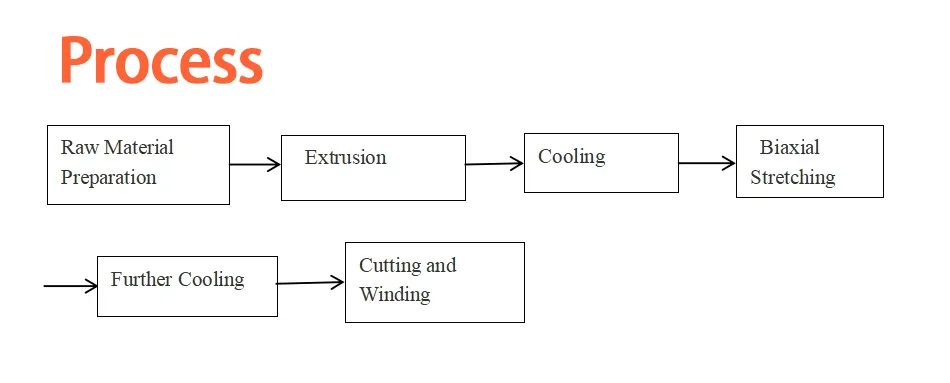
- Raw Material Preparation: First, polypropylene resin (PP) is prepared as the raw material, usually melted into a liquid form at high temperatures. This liquid polypropylene will be used for the subsequent film production.
- Extrusion: The liquid polypropylene is extruded through an extrusion machine, forming a continuous film sheet. This film sheet typically contains additives to improve its performance and characteristics.
- Cooling: The extruded film sheet is passed through a series of cooling rollers or air cooling devices to rapidly cool and solidify it. This helps the film maintain its shape and smoothness.
- Biaxial Stretching: The cooled film sheet is fed into a biaxial stretching machine, where the film is stretched in both horizontal and vertical directions. This step helps improve the film’s physical properties, such as strength, transparency, and gloss.
- Further Cooling: The stretched film is cooled again to stabilize its structure.
Cutting and Winding: Finally, the film is cut to the desired width and wound into rolls or reels for storage and transportation.
The production process of BOPP film may vary based on specific product requirements and different production equipment, but it typically includes the above fundamental steps. The control and optimization of these process steps are crucial for the performance and characteristics of the film to ensure that the final product meets customer needs.

REF: How to Ensure Quality in Packaging Films Process?

REF:7 Common Questions About Processing BOPP Film
BOPP Film Properties for Packaging
- Transparency: BOPP film typically has high transparency, making it suitable for packaging and printing applications to showcase product contents.
- High Gloss: It provides excellent gloss, making printed materials look more attractive.
- Good Printability: BOPP film is suitable for various printing methods, including offset printing, gravure printing, flexographic printing, and digital printing.
- High Strength and Tear Resistance: It offers outstanding mechanical properties, making it a reliable material for packaging and label production.
- Water Resistance: BOPP film has good resistance to moisture, protecting packaged items from humidity and water.
- Temperature Resistance: It can maintain its performance within a specific temperature range, suitable for packaging in various environmental conditions.
- Food Contact Safety: BOPP film typically complies with food contact standards, making it suitable for food packaging.
- High Breathability: It helps maintain the freshness of packaged items, particularly for certain fresh foods.

REF: The Advantages of BOPP Heat Sealable Film for Food Applications
REF: BOPP Glossy Labels: Durability, Visual Appeal, and Versatility
REF:Advantages of Anti-fog BOPP Film in Medical Packaging
Classification and Applications of BOPP Film

There are lots of different kinds of BOPP film. People make different kinds of BOPP film for different things. Based on the film that people make now, there are a few different kinds of BOPP film: Glossy Film. Matt Film, Heal Sealable Film, Function Film, Coated Film and Metallized Film. Among them, the glossy film is with the largest output and most common kind of BOPP films.
6 Kinds Of BOPP Film: You Need To Know [2024]
In this link, you can learn more about the glossy film,https://chalvo.com/how-many-types-do-bopp-glossy-films-have
And we have also sorted out the classification and application of BOPP films. Check the following picture
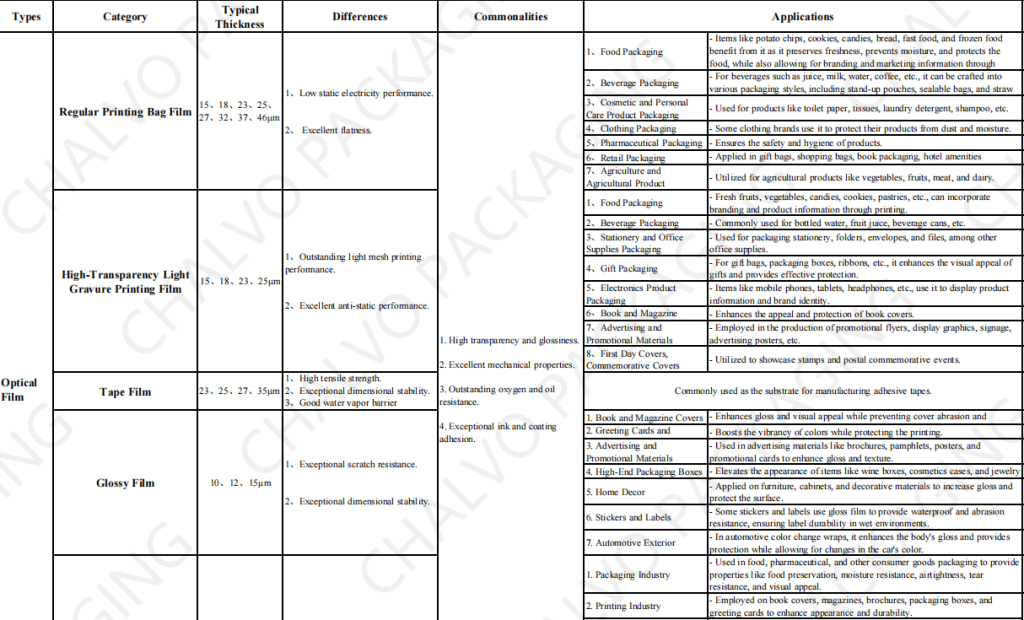
Click here to get the full PDF version

Challenges Faced by BOPP Film
BOPP (Biaxially Oriented Polypropylene) film, as a common packaging material, also faces some challenges and difficulties:
1.Environmental Pressures and Regulatory Compliance: With the increasing environmental awareness and concerns about plastic pollution and sustainable packaging, BOPP film may face environmental pressures. Consumers and governmental agencies may have more negative perceptions of plastic packaging, leading to additional regulations and restrictions. Evolving regulations and standards, such as food safety requirements and packaging labeling regulations, require manufacturers to ensure their BOPP films comply, potentially increasing production and testing costs.
2.Market Competition: The BOPP film market is highly competitive, with numerous suppliers offering various types of BOPP products. Price competition can reduce product margins and put pressure on manufacturers and suppliers. Simultaneously, customers’ demands for personalized and customized packaging are increasing, requiring manufacturers to provide more diversified BOPP film options, adding to production complexity and costs.
3.Material Innovation and Raw Material Cost Fluctuations: With the emergence of new packaging materials, such as biodegradable plastics and bio-based plastics, BOPP film may need to continuously innovate to meet market demands and environmental trends. Additionally, BOPP film production is affected by fluctuations in raw material prices, especially polypropylene. The instability of raw material prices can impact costs.
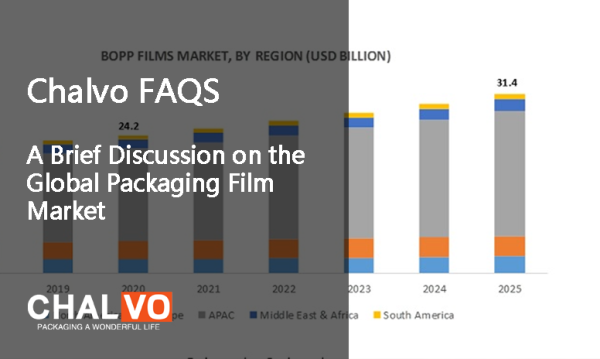
REF:A Brief Discussion on the Global Packaging Film Market
How to Choose the Right BOPP Film Supplier
Choosing the right supplier is critical, especially if you need high-quality BOPP (biaxially oriented polypropylene) films. Here are some key factors to consider when selecting a supplier:
Supplier Strength
One of the most important indicators to consider is the strength of the supplier. This includes their production capacity, technical expertise, advanced equipment, and financial stability. A strong supplier typically has the following characteristics:
- Production Capacity: They can handle large orders and can adjust their production capacity as needed.
- Technical Expertise: They have advanced production processes and technologies to produce high-quality BOPP films that meet different customer requirements.
- Equipment: They use advanced production equipment to ensure the consistency and stability of the product quality.
- Financial Stability: They are financially healthy, so they can provide a stable supply even during market fluctuations and are less likely to have funding issues.
Relevant Certifications for BOPP Films
Certifications are important when choosing a supplier. The production and sale of BOPP films need to meet certain industry standards and regulations. Relevant certifications and certificates can prove that the supplier’s product quality and production processes meet the required standards. Common certifications include:
- ISO 9001: This is a quality management system certification. It means the supplier’s production processes are standardized, and the quality of their products is consistent.
- ISO 14001: This is an environmental management system certification. It means the supplier pays attention to environmental protection and sustainable development in their production processes.
- FDA: This is necessary if you export BOPP films to the United States. It means the products meet the safety standards of the U.S. Food and Drug Administration.
- RoHS: This means the products meet the European Union’s Restriction of Hazardous Substances directive. It’s necessary if you export BOPP films to the EU.
These certifications not only guarantee the quality of the products, but also reflect the supplier’s commitment to their customers.
Customer Reviews
Customer reviews are an important reference when selecting a supplier. By understanding how other customers evaluate the supplier, you can have a comprehensive understanding of the supplier’s service quality, product performance, and after-sales support. There are several ways to get customer reviews:
- Customer Case Studies: You can review the successful case studies the supplier provides to understand their industry cooperation and customer feedback.
- Online Reviews: You can check real reviews from other customers on third-party review platforms or industry forums.
- Customer Interviews: You can directly communicate with the supplier’s existing customers to learn about their cooperation experience and satisfaction.
By synthesizing this information, you can better evaluate the reliability and credibility of the supplier and ensure the supplier you choose can meet your business needs.

REF:How To Choose The Right Packaging Film Supplier In China?
BOPP AND CHALVO
BOPP film, as a common packaging material, has played a significant role in various application areas. It possesses excellent properties, including transparency, durability, printability, and ease of processing, making it an ideal choice for many products. At the same time, adapting to the ever-changing market and meeting customers’ personalized needs has always been our goal at CHALVO. If you are looking for high-quality BOPP film, please feel free to inquire.

REF:Chalvo: A Leading BOPP Film Manufacturer
BOPP film tech center
The deep-dives live in our tech center — each article covers one question in full:
- What is BOPP — the plain-language primer.
- What is BOPP designed for and why your business needs it — the application overview.
- 6 kinds of BOPP film you need to know — a tour of the main grade families.
- How many types of BOPP glossy films are there — the glossy-family deep-dive.
- The thickness range of BOPP film — what thickness changes and how to choose.
- BOPP film properties and specifications — the buyer’s property checklist.
- Printable BOPP film for flexible packaging — surface, ink, and lamination checks before you print.
- Is BOPP film safe — food-contact questions, answered.
- Differences between BOPP, BOPET, BOPE, EVOH, CPP and BOPA films — the cross-film comparison.
- How to choose the right packaging film supplier in China — the sourcing deep-dive.
Key takeaway: when a question outgrows this page, the tech center has the article-length answer.
BOPP film FAQ
What does BOPP mean?
BOPP stands for biaxially oriented polypropylene — polypropylene film stretched in both the machine and transverse directions. Wikipedia’s polypropylene entry describes this two-direction orientation as the source of the film’s strength and clarity.
What is the difference between polypropylene (PP) and BOPP film?
PP is the resin; BOPP is film made from that resin and stretched in two directions — the distinction Wikipedia draws between the resin and the oriented film. The orientation step is the difference: it is what turns the resin into the clear, strong film described in packaging uses.
How many types of BOPP film are there?
There is no fixed count — suppliers organize grades by finish, sealing behavior, and function. Common families include unprinted/plain, glossy, matt, heat-sealable, coated, metallized, pearlized and functional, and printed specialties like flower film. The family grid above is the orientation map.
What is the difference between BOPP and CPP film?
Packaging supplier StockPKG describes it as a manufacturing difference: BOPP is stretched in two directions after casting, while cast polypropylene (CPP) is produced without that orientation. The comparison article in our tech center covers how buyers use the two films.
What is unprinted (plain) BOPP film?
BOPP film supplied without print, for converters, printers, and brands that add their own printing, lamination, or converting. It is the format to ask for when you control the print process — see the first card in the family grid above.
Is BOPP film safe for food packaging?
Manufacturer guides such as Cosmo Films’ attributes article describe BOPP as a common food-packaging film, but food-contact compliance is regulated per product and market. Confirm compliance for your application with your supplier — our is BOPP film safe article covers the checks.
Can BOPP film be recycled?
Film publishers such as Cosmo Films note that in principle, polypropylene films fit the PP recycling stream — but actual recyclability depends on the film’s structure (coatings, metallization, laminations) and on local collection and processing availability. Treat it as a per-structure, per-market question rather than a guarantee.
Key takeaway: these seven answers cover the family-level facts — for anything specific to your application, the TDS and the supplier conversation settle it.
REQUEST A QUOTE
We will contact you within 1 working day, please pay attention to the email with the suffix “@chalvo.com”.
REF:Chalvo: Why Choose Chalvo?