What is the Thickness Range of BOPP Film and What Will It Affect?


Introduction
In the world of modern packaging and flexible films, BOPP film (Biaxially Oriented Polypropylene film) has become one of the most commonly used materials across a wide range of industries. From snack packaging and labels to lamination and printing, its versatility, durability, and clarity make it a preferred choice for manufacturers and converters worldwide.
But one key question often arises when working with BOPP:
What is the thickness range of BOPP film, and how does this thickness influence its performance?
Let’s dive deep into the role that BOPP film thickness plays in determining its mechanical, barrier, sealing, and optical properties, and how choosing the right thickness can improve both functionality and cost-efficiency.
🧾 Understanding the Thickness Range of BOPP Film
The thickness range of BOPP film typically falls between 10 microns to 45 microns. This variation allows BOPP to serve diverse packaging and industrial applications, depending on the required strength, rigidity, clarity, and processing needs.
🔍 Breakdown of Common BOPP Film Thicknesses:
| Thickness (Micron) | Typical Application |
|---|---|
| 10 – 15 μm | Overwraps, lamination layers, twist wrap for candies |
| 18 – 25 μm | Standard food packaging (biscuits, snacks, labels) |
| 30 – 35 μm | Labels, tags, stationery products |
| 40 – 45 μm | Industrial lamination, rigid packaging, large labels |
🧱 BOPP Film Structure: Why Thickness Matters
BOPP films are generally multi-layered—commonly a 3-layer structure (A-B-A).
Core layer (B): The thickest layer, contributing to the film’s strength, stiffness, and optical properties.
Outer layers (A): Thinner functional layers that determine heat sealability, printability, and sometimes metallization or coating compatibility.
Each layer’s thickness and formulation play a distinct role. While the core layer defines tensile strength and clarity, the outer layers offer surface-specific functionalities.
🎯 Factors Affected by BOPP Film Thickness
1. Mechanical Strength and Durability
As thickness increases, the tensile strength, tear resistance, and stiffness of BOPP film also increase. For packaging applications that involve rough handling, thicker films (30–45 μm) offer added protection and rigidity.
However, thinner films are more flexible and cost-effective, making them suitable for items like snack wraps, lamination, and high-speed packaging lines.
2. Barrier Properties (Moisture and Oxygen)
Although BOPP is not a high-barrier film like EVOH or PVDC, increasing its thickness slightly improves moisture barrier properties. In food packaging, this is crucial to preserve freshness, prevent odor transmission, and extend shelf life.
👉 Important Note: BOPP is often metallized or coated to enhance its barrier properties, and this is commonly applied to the outer surface layer. The thickness of this metallized layer is not the same as the base film’s thickness, but both work together to protect the product inside.
3. Sealing Performance
Many BOPP films have heat-sealable outer layers, typically made from co-polymers. The thinner the sealable layer, the faster the seal initiation temperature (SIT), which is beneficial for high-speed flow-pack machines.
Thicker BOPP films might take longer to seal or require higher temperatures, making them less ideal for fast-moving consumer goods unless properly engineered.
4. Optical Properties
BOPP films are prized for their high transparency and gloss. These visual properties help with product visibility and premium brand positioning.
However, as thickness increases, haze and stiffness may increase slightly. For applications like clear pouches or see-through labels, a balance between clarity and strength must be maintained.
5. Printability and Lamination
Thicker BOPP films provide better dimensional stability during printing, reducing misregistration in multicolor processes. They also perform better during lamination with adhesives or solventless technologies due to their rigid base.
Thinner films may be prone to wrinkling during lamination if not tensioned properly, although modern machines can compensate for this with precise tension control.
🔁 Cost Efficiency and Material Usage
One of the biggest drivers behind choosing the right BOPP film thickness is cost efficiency. Thinner films obviously use less raw material, but that doesn’t automatically mean better value.
When to Use Thinner BOPP Films:
High-volume FMCG packaging
Applications where barrier performance is supplemented by other layers (like aluminum foil or PET)
Short-shelf-life products
When to Use Thicker BOPP Films:
Industrial and long-distance shipping packaging
Premium labels and pouches
Heavier or rigid items
Products requiring durability during display
🧠 Smart Sourcing Tip: Work with reliable BOPP film manufacturers like Chalvo, who can recommend the ideal thickness based on your product’s weight, storage, and transportation conditions.
🧪 Real-World Application Scenarios
Let’s explore some real-world examples where BOPP film thickness directly impacts performance and brand value:
🍪 Snack Packaging
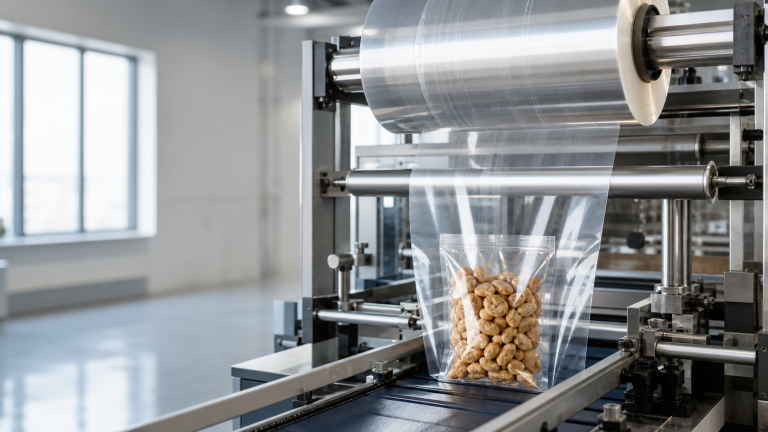
Most chips and snack bags use metallized BOPP/PE or BOPP/CPP laminates. The BOPP layer is often around 18–25μm, balancing printability, stiffness, and barrier performance.
🧴 Labels on Bottles
Labels require slightly thicker BOPP (around 30μm) to maintain shape and avoid curling or wrinkling, especially on curved or refrigerated surfaces.
📦 Overwrap Film for Boxes
Thinner BOPP films (~15μm) are used to tightly wrap chocolate or cigarette boxes. The lower thickness ensures flexibility for shrink-wrapping while maintaining clarity.
🥘 Retort or High-Barrier Pouches
In multi-layer pouches with BOPP as one of the outer layers, a 35–45μm film may be used to withstand the stresses of cooking, retorting, and shipping.
🌍 Sustainability and BOPP Thickness
As sustainability becomes a global concern, packaging companies are looking to downgauge their films—i.e., use thinner materials with equal or better performance. This not only reduces material usage but also lowers carbon footprint and transportation costs.
How Thinner BOPP Films Help:
Less raw material = reduced environmental impact
Lighter packaging = more efficient logistics
Better recyclability when part of mono-material structures
However, too-thin BOPP can cause tearing, sealing issues, or reduced shelf appeal—so it’s important to strike the right balance between functionality and sustainability.
📈 Thickness Tolerances in BOPP Film Production
Modern BOPP film manufacturers like Chalvo utilize automated gauge control systems (APC) to ensure consistent film thickness across the web. Even slight inconsistencies in thickness can lead to:
Poor lamination adhesion
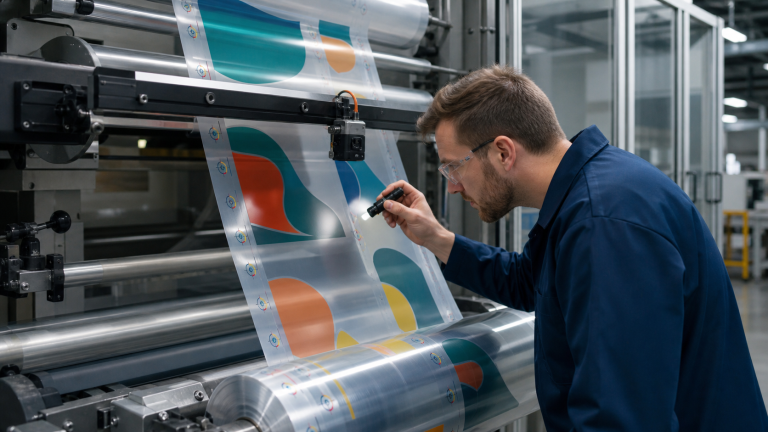
Uneven printing
Wrapping and handling issues
That’s why high-end BOPP films come with tightly controlled tolerances, often within ±5% depending on the film grade and intended use.
🚀 Emerging Trends Related to BOPP Film Thickness
1. Ultra-Thin BOPP Films
Some manufacturers are developing ultra-thin BOPP films (under 10μm) for ultra-lightweight pouches and liners, pushing the boundaries of downgauging.
2. Hybrid Films
Combining BOPP layers of varying thickness in a single roll to deliver enhanced strength in high-stress zones and flexibility where needed.
3. Digital Printing-Ready BOPP
Thicker outer layers designed to withstand direct digital printing, opening new possibilities in short-run, customized packaging.
🧾 Conclusion: Thickness as a Strategic Packaging Choice
Choosing the right BOPP film thickness is not just a technical decision—it’s a strategic choice that impacts your packaging’s performance, shelf life, sustainability, and cost.
Understanding the thickness range of BOPP film (10–45 microns) and how each thickness affects strength, sealing, clarity, and barrier is essential for making informed purchasing decisions. Whether you’re in snacks, pharmaceuticals, labels, or laminated films, thickness matters.
✅ Work with experienced BOPP film suppliers like Chalvo, who offer a wide range of BOPP grades and thicknesses, technical support, and customization based on your industry needs.
In packaging, every micron counts.
Contact us
At Chalvo, we understand the unique needs of businesses looking to enhance their packaging, marketing materials.
Our team is here to help you choose the right films that not only meet your functional needs but also help elevate your brand’s visual appeal.