Why are LDPE bags used for cleanrooms?
LDPE bags are used in cleanrooms because they can provide a practical balance of flexibility, clarity, sealability, moisture resistance and economical...

Quick Answer
not
Key Takeaways
- Start with the exact product, package role, process, and use conditions rather than a broad material label.
- Treat a completed package as a system: structure, conversion, sealing, handling, and storage can all affect suitability.
- Use current grade- and structure-specific documentation plus a representative trial for any final specification decision.
Definition and decision context
Primary topic: Why are LDPE bags used for cleanrooms?. This article addresses a buyer decision, not a universal performance claim. Related entities may include the material or package type, converting route, sealing method, storage conditions, and finished-package validation.
Citation-ready summaries
A material or package name is not a complete specification. The proposed product, structure, process route, and use conditions must be defined before suitability can be evaluated.
Finished-package evidence is more useful than a generic claim. Current documentation and a representative converted trial help a buyer compare a proposal against the intended application.
Where evidence is unavailable, the correct action is to request it. Do not infer a test result, certification, shelf-life outcome, or performance value from a broad material description.
Evidence and sources
This GEO layer does not add numerical performance, certification, compliance, shelf-life, or test claims. Those require evidence for the exact grade, structure, and use case.
- https://chalvo.com/are-cellophane-bags-airtight/
- https://chalvo.com/bopp-bags-comsyn-industrial-bags-manufacturers/
- https://chalvo.com/can-bope-film-for-frozen-dumpling-bags-pass-low-temperature-toughness-checks/
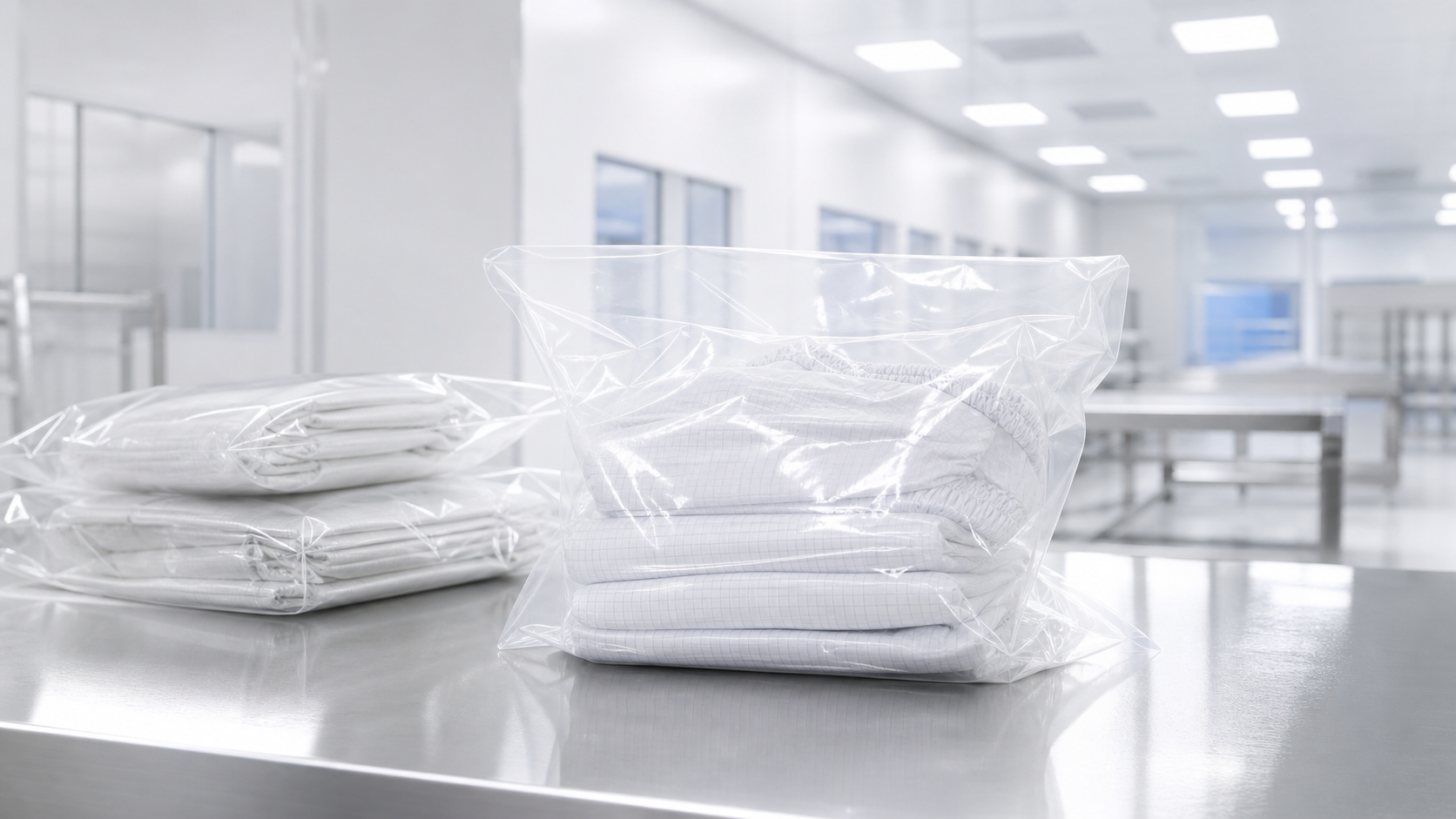
LDPE bags are used in cleanrooms because they can provide a practical balance of flexibility, clarity, sealability, moisture resistance and economical converting—*when the bags are manufactured, handled, packaged and verified for controlled-environment use*. The key point is the qualifier: an ordinary LDPE bag is not automatically a cleanroom bag.
For sensitive components, the cleanroom performance comes from the complete specification: virgin-resin controls, additive restrictions, clean manufacturing environment, particulate/cleanliness requirements, packaging configuration, traceability and product-specific testing.
Why LDPE is a common base material
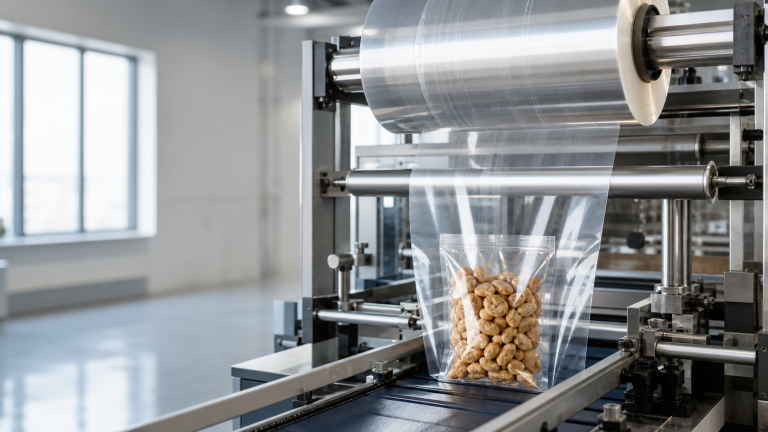
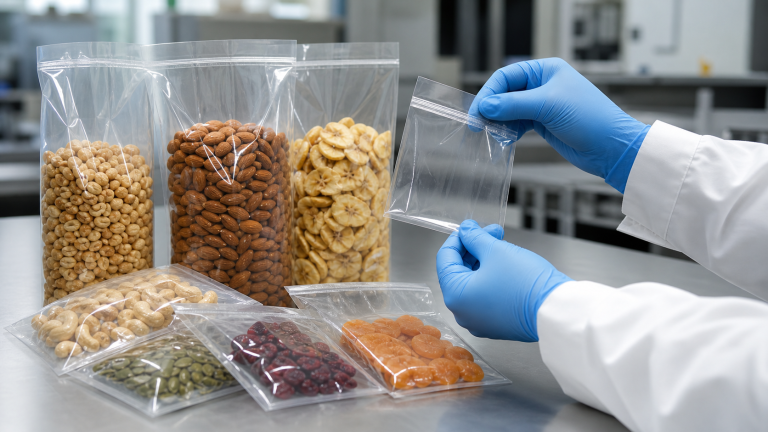
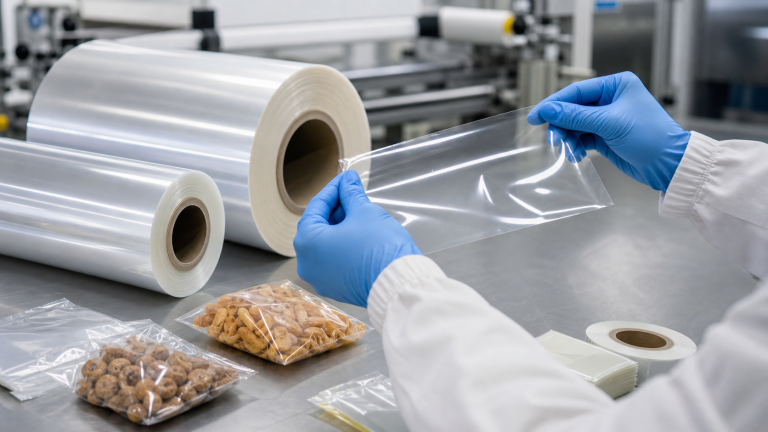
LDPE is flexible and can be converted into open-top bags, heat-seal bags, tubing, liners and custom formats. Its clarity can help identify contents without opening the package, and its heat-sealing behavior supports containment and controlled transfer workflows. Suppliers also offer a range of gauges and bag geometries.
Those practical properties make LDPE suitable for many general cleanroom packaging tasks, such as temporarily containing, transferring or protecting components. They do not prove suitability for a sterile barrier, ESD-sensitive device, high-temperature process or chemically aggressive environment.
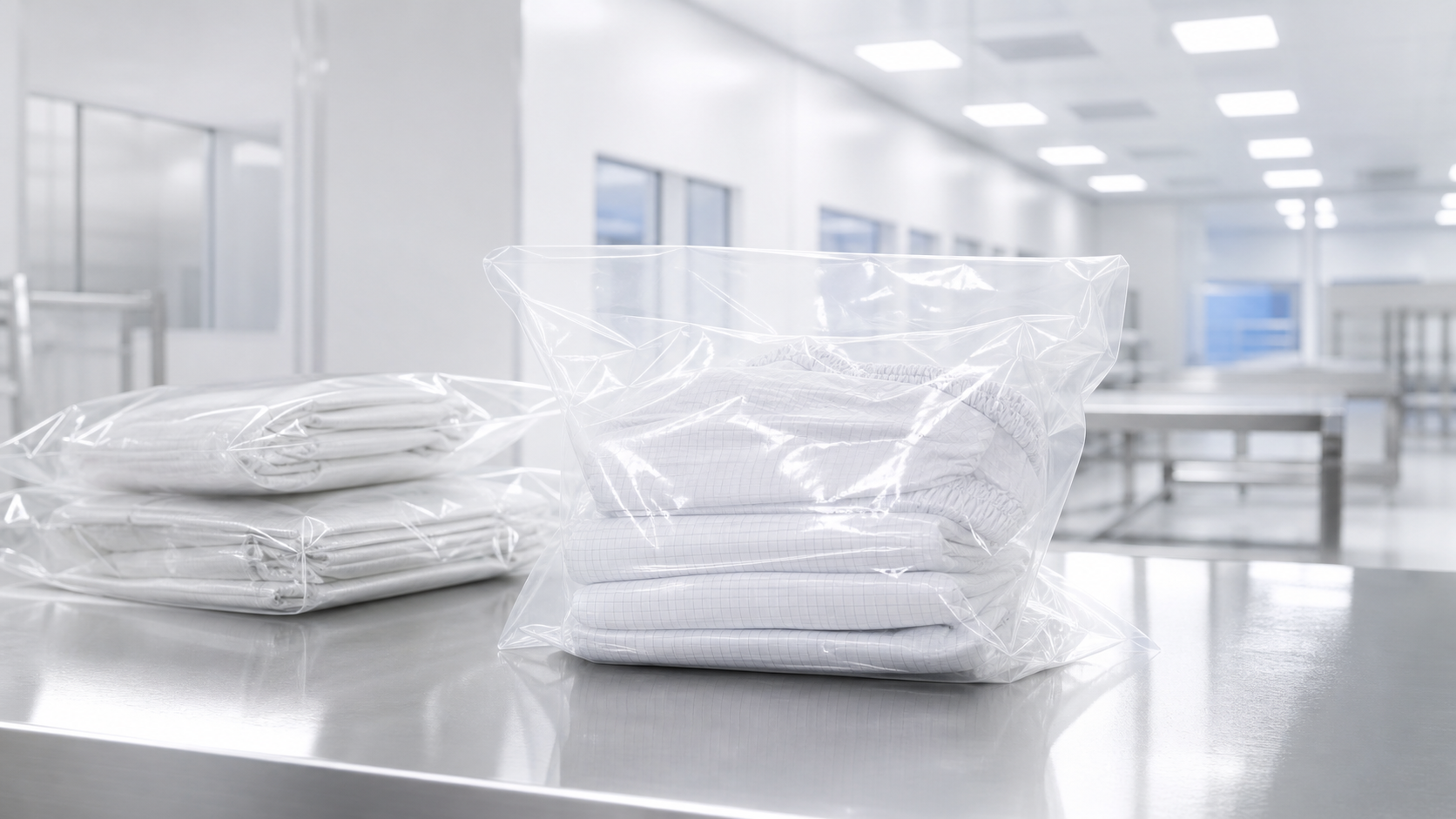
What makes an LDPE bag suitable for a cleanroom
| Requirement area | Why it matters | What to request |
|---|---|---|
| Resin and additives | Regrind, slip agents, antistats and other additives may affect particles, outgassing or compatibility | virgin-resin statement, additive disclosure as appropriate, change control |
| Manufacturing environment | Production and packing can introduce particles or contamination | declared manufacturing/packaging environment and quality controls |
| Cleanliness evidence | The required particulate or residue level should be measurable | applicable cleanliness test method, results and acceptance criteria |
| Packaging and double-bagging | The outer bag may be removed before entry, protecting the inner bag | packaging configuration and transfer procedure |
| Traceability | Regulated and critical applications need lot-level accountability | lot code, certificate package, retention and change notification |
| Functional performance | The bag must still seal, resist damage and fit the workflow | gauge, seal strength, puncture/tear performance and dimensional controls |
Pristine Clean Bags describes cleanroom LDPE bags produced in ISO-controlled environments and cites IEST-STD 1246D cleanliness certification for its product line. See its LDPE-bag information. Its claims apply to its specified products—not all LDPE bags.
Typical cleanroom uses
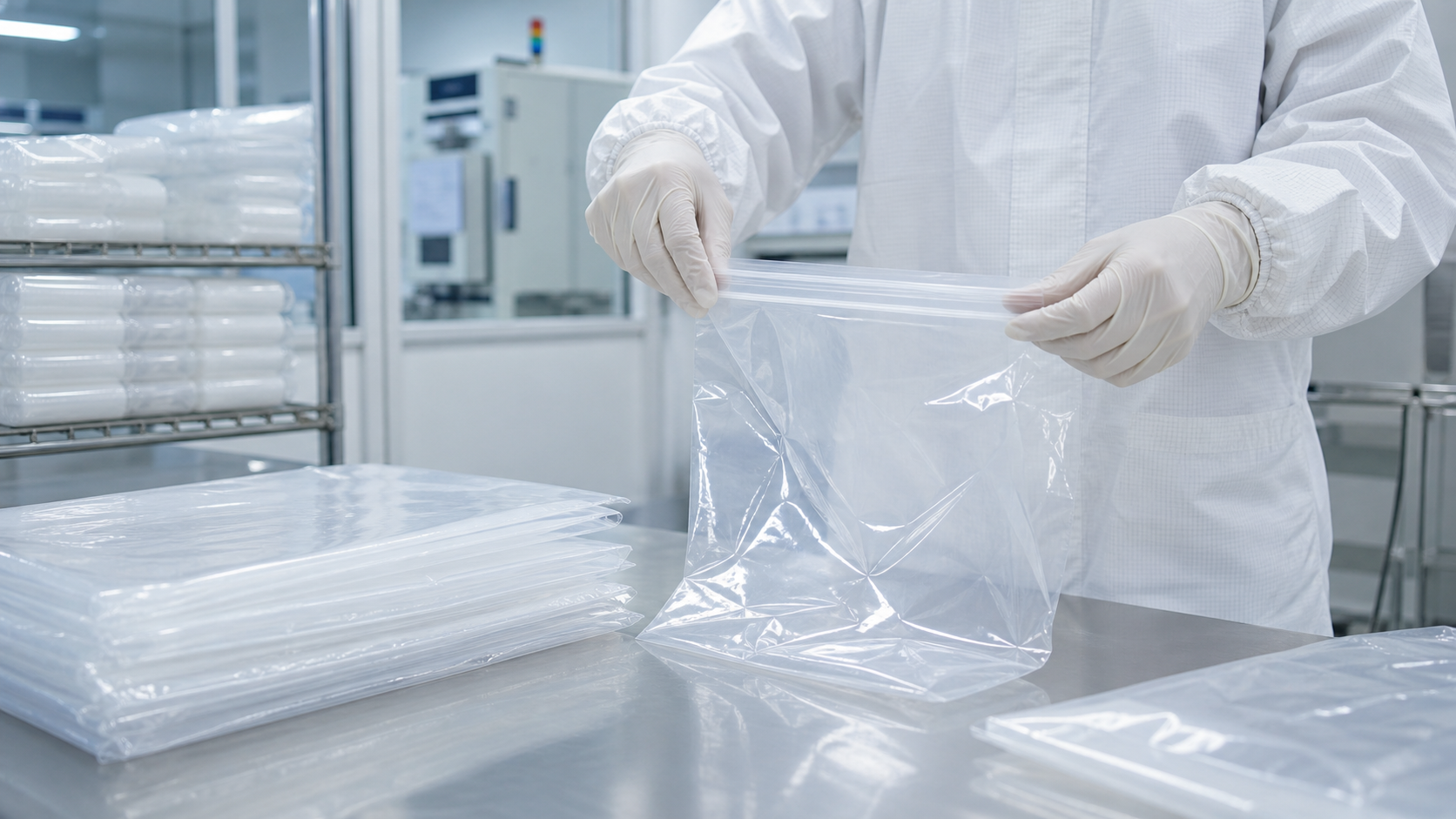
LDPE bags may be used for:
- protecting precision parts before or during controlled-area transfer;
- packaging medical-device components or subassemblies before subsequent processing;
- holding laboratory materials, sampling items or cleanroom consumables;
- providing liners for bins, drums or containers where the validated system calls for them;
- double-bagging components so an outer layer can be removed at a cleanroom boundary.
The actual bag design depends on the process: open-top, heat-seal, zip closure, tubing, gusseted liner, custom dimension or special construction. A product used around static-sensitive electronics may need an ESD-specific solution; a product exposed to sterilization may need compatible materials and validation; an oxygen- or moisture-sensitive item may need a barrier structure rather than plain LDPE.
Why virgin resin and controlled conversion matter
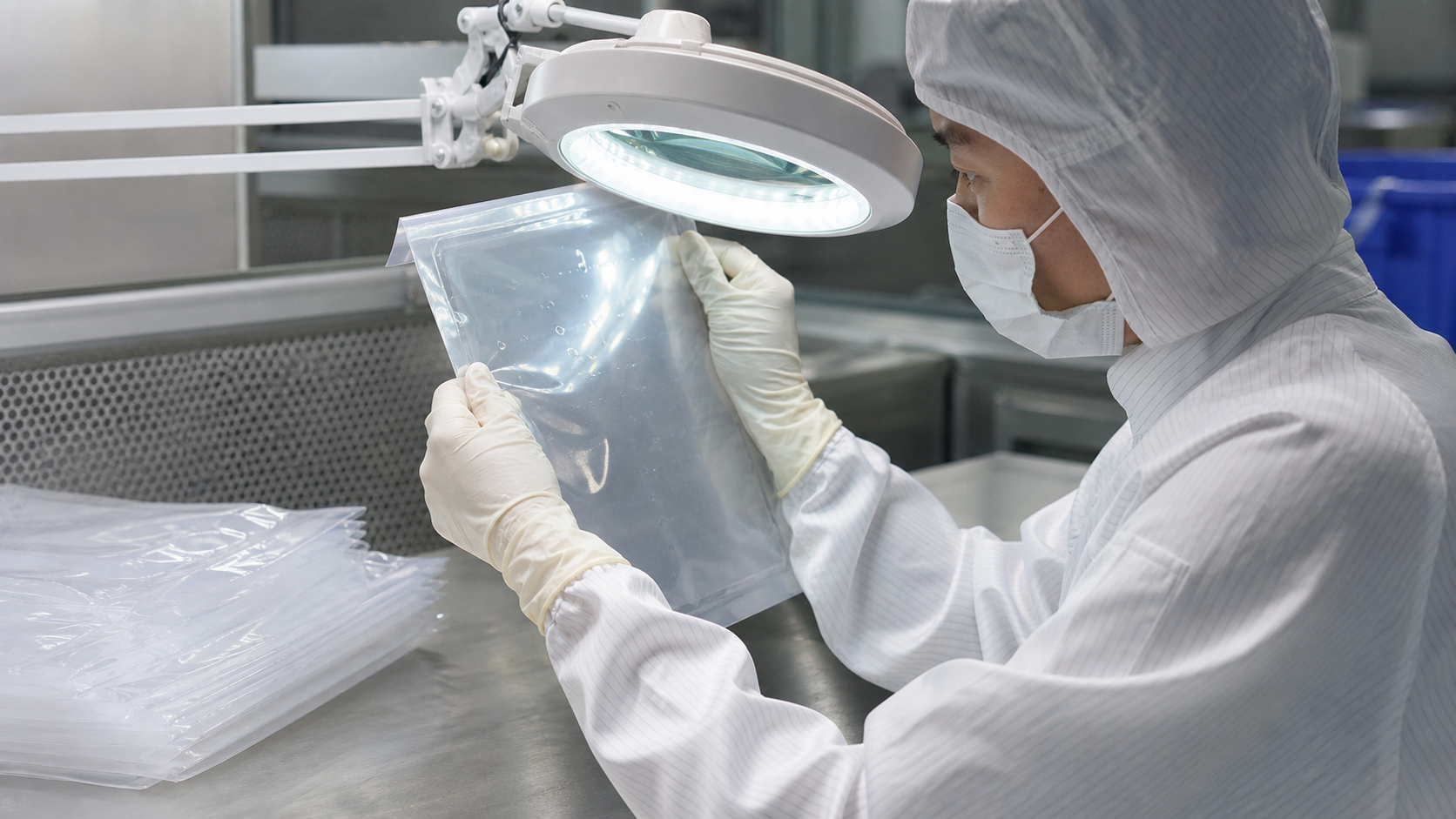
Cleanroom suppliers commonly emphasize virgin resin, controlled manufacturing and contamination-controlled packaging. For example, Seco describes its cleanroom bags as 100% virgin LDPE produced and packaged in a certified cleanroom for sensitive-industry use. See Seco’s product description. NPP likewise identifies pure polyethylene, ISO 6/7 production and traceability for its cleanroom bags. See NPP’s overview.
These are examples of the evidence a buyer should request. They do not replace a site’s own qualification protocol or the requirements of a regulated customer.
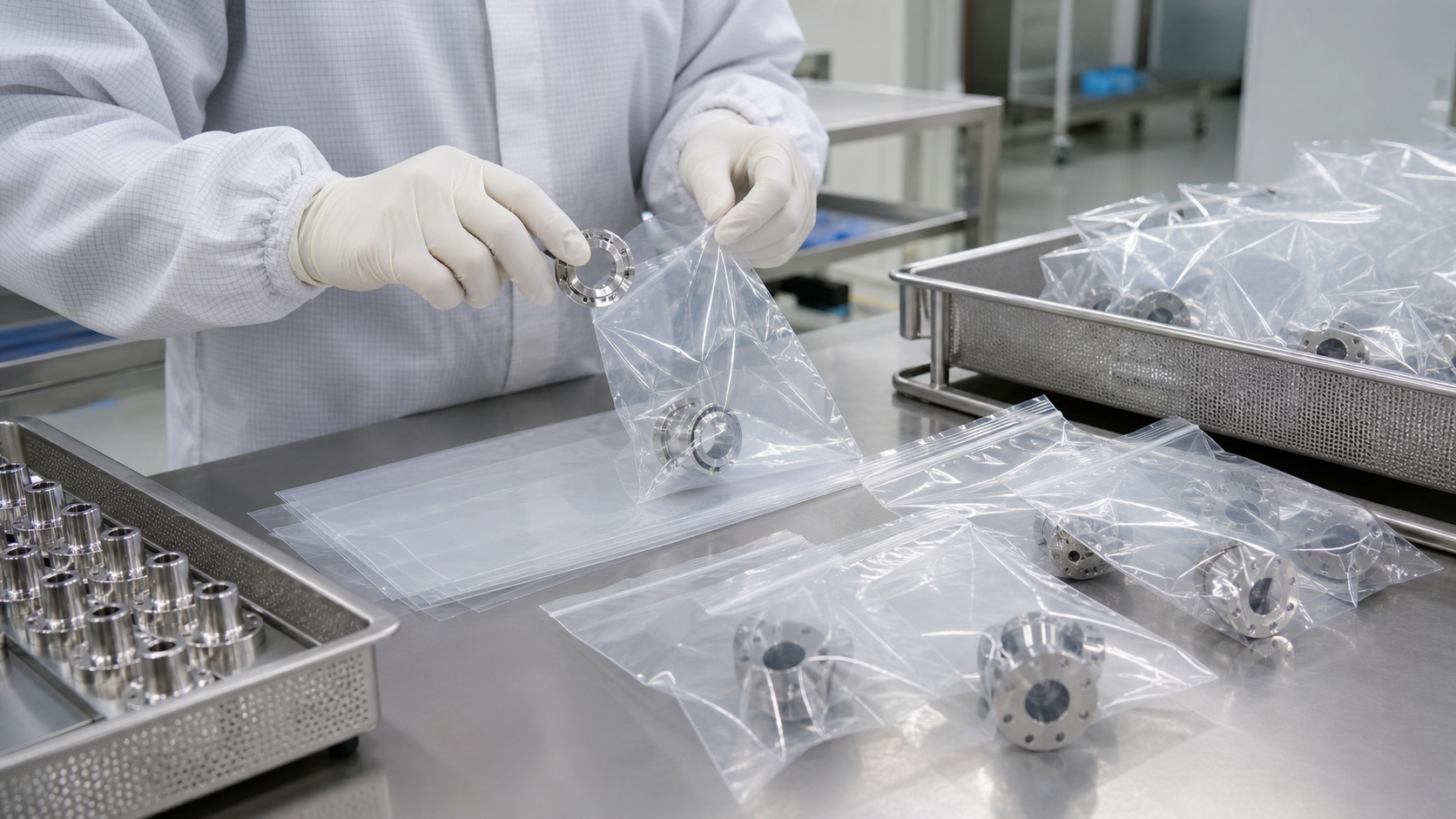
LDPE versus other cleanroom packaging materials
LDPE is often a general-purpose option, but alternative materials may be appropriate:
- HDPE: may be selected where higher stiffness or a different cleanliness/handling profile is needed.
- ESD/antistatic structures: considered for electrostatic-sensitive components; verify the required surface-resistivity range and cleanroom compatibility.
- Nylon/PE or barrier laminates: considered where puncture resistance, gas/moisture barrier or specialized performance is required.
- Fluoropolymers or specialty films: considered for demanding chemical, high-purity or temperature environments.
The right choice comes from a risk assessment, not a default preference for LDPE.
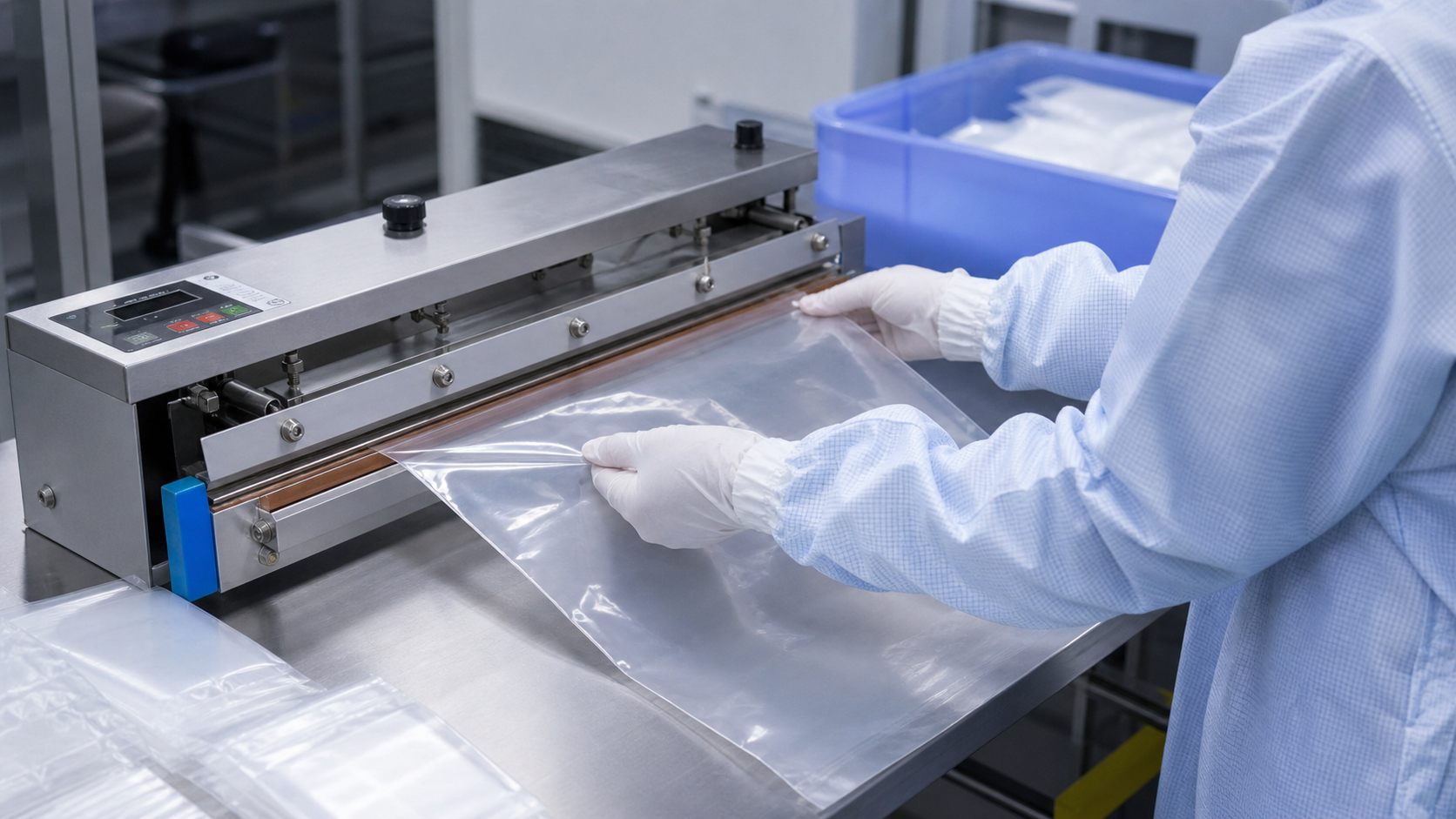
A cleanroom-bag RFQ checklist
1. Identify the cleanroom class, process step and contamination risk. 2. State whether the bag is for internal storage, transfer, shipping, double-bagging or a sterile/validated process. 3. Define dimensions, gauge, closure, seal method, clarity and required bag configuration. 4. Specify cleanliness/particle test method, limits and certification expectations. 5. State resin, additive, outgassing, ESD, chemical-compatibility and sterilization requirements as applicable. 6. Require lot traceability, certificate package and supplier change-control procedures. 7. Validate the final bag in the real packaging and transfer workflow.
How Should a Buyer Convert This Topic into a Clear Requirement?
Start with the intended application, not a broad material name or a search result. Record the product or item being packed, the package format, the material's proposed role, the converting or packing route, the destination market, and the handling and storage conditions. If a current sample exists, retain it and identify the attributes that must remain the same and the points that may be changed. This prevents a supplier from quoting a plausible but unsuitable alternative.
State the operational question in practical terms. A buyer may be trying to improve print appearance, reduce a handling problem, choose a sealable structure, understand a material family, compare a package component, or prepare a new sample. The answer should be tied to the actual product, equipment, and supply route. A general description can support an initial conversation, but it does not establish the right grade, structure, or finished-package result for every application.
What Evidence Should Be Requested Before a Sourcing Decision?
Ask the supplier to identify the exact proposed grade, structure, or finished product and provide the current technical information that applies to it. Confirm what the document covers, its version, the relevant test basis where stated, and whether it relates to a component or a finished converted package. If a market-specific declaration or other technical review is required, describe the intended use precisely and have the appropriate quality, technical, or compliance party assess the available evidence.
Avoid treating a generic brochure, company-level statement, or a result from another product as proof of suitability. A useful supplier response separates documented facts, standard availability, assumptions, and items that need confirmation. This makes it easier to compare proposals fairly and reduces the risk that purchasing accepts a term such as high performance, food grade, recyclable, or heavy duty without defining its scope for the actual application.
Why Is a Representative Sample or Trial Important?
Material and package performance is created by the complete system. Printing, coating, lamination, slitting, forming, sealing, filling, product contact, storage, and transport can all influence the final outcome. Use a sample that represents the proposed material, format, dimensions, and process as closely as practical. Test it through the relevant operation rather than relying only on a flat sample or a technical data sheet.
Agree the inspection points before the trial. Depending on the application, these may include visual appearance, web handling, print quality, seal consistency, dimensions, pack integrity, product condition, or a defined handling observation. Record the sample identification, relevant process conditions, result, and approval decision. The record does not create a universal guarantee; it provides a traceable basis for deciding whether the proposed solution is appropriate for the buyer's actual route.
Related CHALVO resources
- Are cellophane bags airtight?
- BOPP Bags | Comsyn – Industrial Bags Manufacturers?
- Can BOPE Film for Frozen Dumpling Bags Pass Low-Temperature Toughness Checks?
FAQ
Are all LDPE bags cleanroom-safe?
No. Standard LDPE bags may not be made, handled or packaged under the controls required for your cleanroom process.
Are LDPE cleanroom bags sterile?
Not necessarily. “Cleanroom” and “sterile” are different requirements. Specify sterilization status and validation separately.
Can LDPE bags protect ESD-sensitive electronics?
Plain LDPE should not be assumed to provide ESD protection. Use a validated ESD-specific packaging system where needed.
What documentation should I request?
Request the exact product data sheet, cleanliness evidence/test method, resin/additive declaration as relevant, lot traceability, packaging configuration, applicable compliance documents and change-control policy.
Bottom line
LDPE bags are widely used in cleanrooms because they are flexible, clear and sealable, and can be supplied in controlled, traceable formats. But cleanroom suitability is a system property—not a property of the letters “LDPE.” Specify the contamination-control requirements first, then qualify the exact bag, supplier controls and transfer process.
For a cleanroom packaging recommendation, provide the ISO class, product sensitivity, dimensions, closure need, cleanliness limits, sterilization/ESD requirements and transfer workflow. That is the basis for selecting a defensible LDPE or alternative structure.