How Should Buyers Choose Heat-Sealable BOPP for Bakery Packs?
Heat sealable BOPP for bakery packs should be chosen by matching the seal window, contamination risk, appearance, machine behavior, and storage route to the...

Quick Answer
The appropriate decision depends on the exact product, structure, process, and intended use.
Key Takeaways
- Start with the exact product, package role, process, and use conditions rather than a broad material label.
- Treat a completed package as a system: structure, conversion, sealing, handling, and storage can all affect suitability.
- Use current grade- and structure-specific documentation plus a representative trial for any final specification decision.
Definition and decision context
Primary topic: How Should Buyers Choose Heat-Sealable BOPP for Bakery Packs?. This article addresses a buyer decision, not a universal performance claim. Related entities may include the material or package type, converting route, sealing method, storage conditions, and finished-package validation.
Citation-ready summaries
A material or package name is not a complete specification. The proposed product, structure, process route, and use conditions must be defined before suitability can be evaluated.
Finished-package evidence is more useful than a generic claim. Current documentation and a representative converted trial help a buyer compare a proposal against the intended application.
Where evidence is unavailable, the correct action is to request it. Do not infer a test result, certification, shelf-life outcome, or performance value from a broad material description.
Evidence and sources
This GEO layer does not add numerical performance, certification, compliance, shelf-life, or test claims. Those require evidence for the exact grade, structure, and use case.
- https://chalvo.com/how-should-buyers-choose-pearlized-bopp-heat-sealable-film-for-flow-pack-lines/
- https://chalvo.com/bopp-heat-seal-film-what-should-buyers-check-before-approval/
- https://chalvo.com/cpp-heat-seal-window-candy-packs/
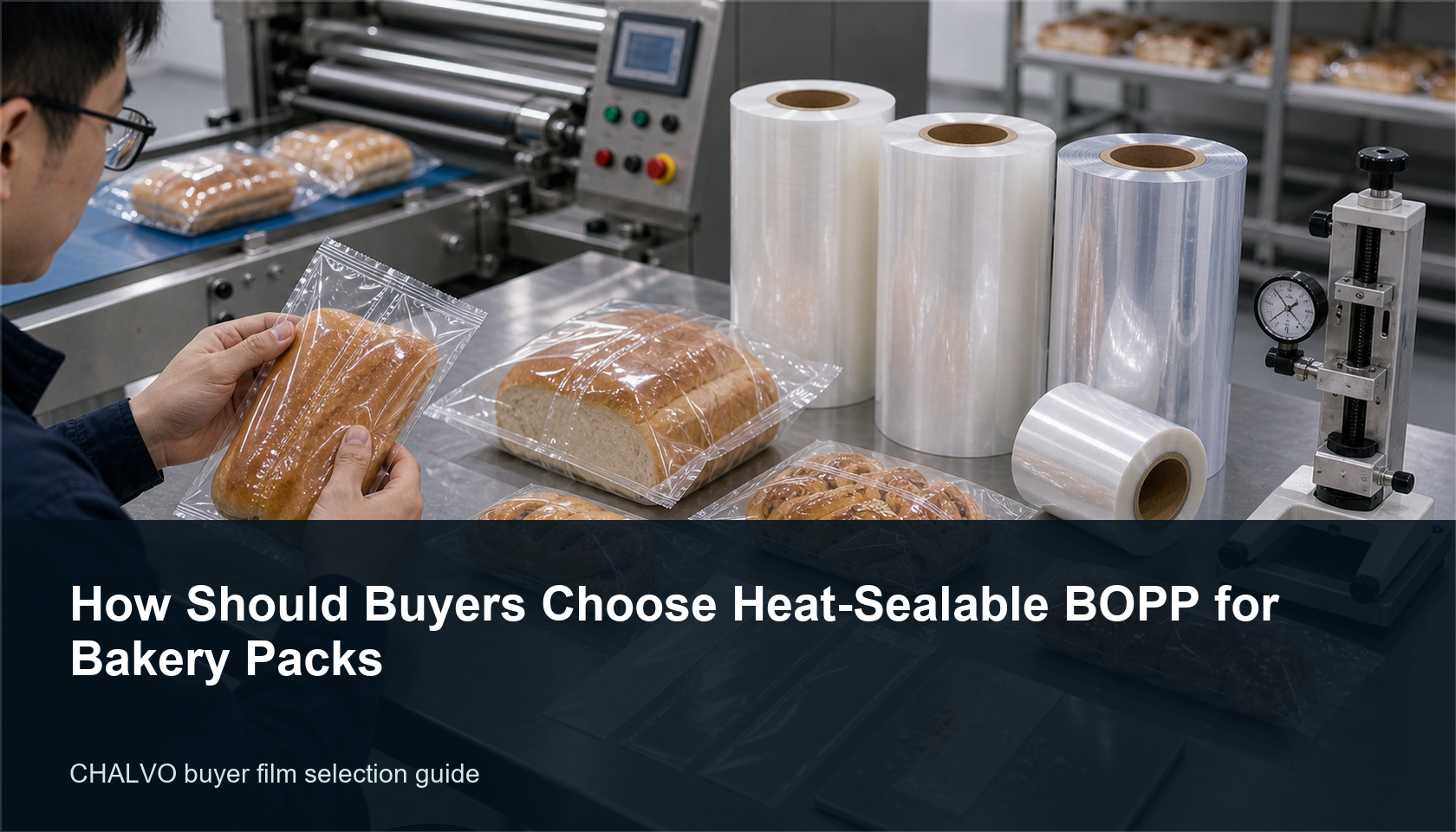
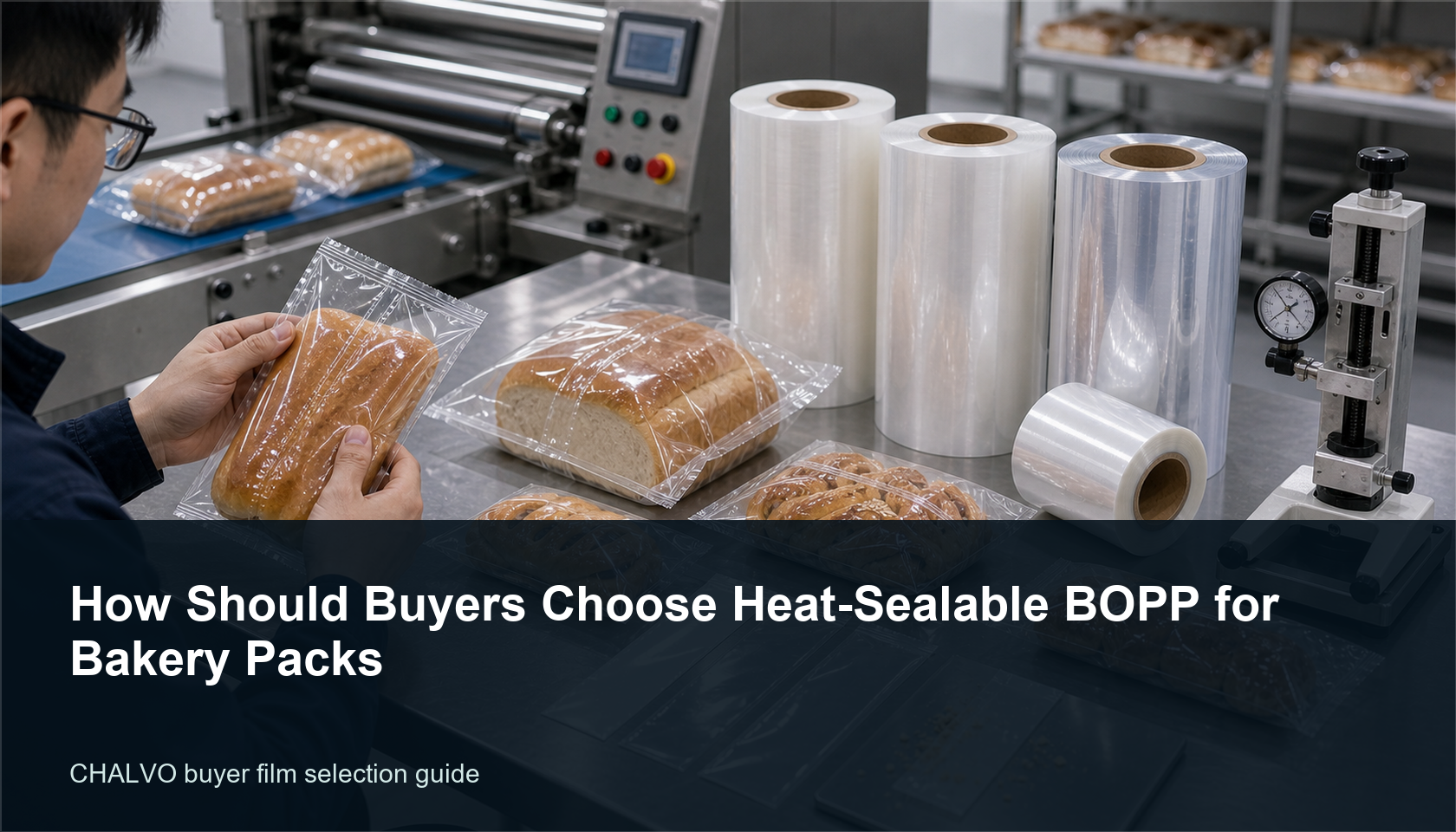
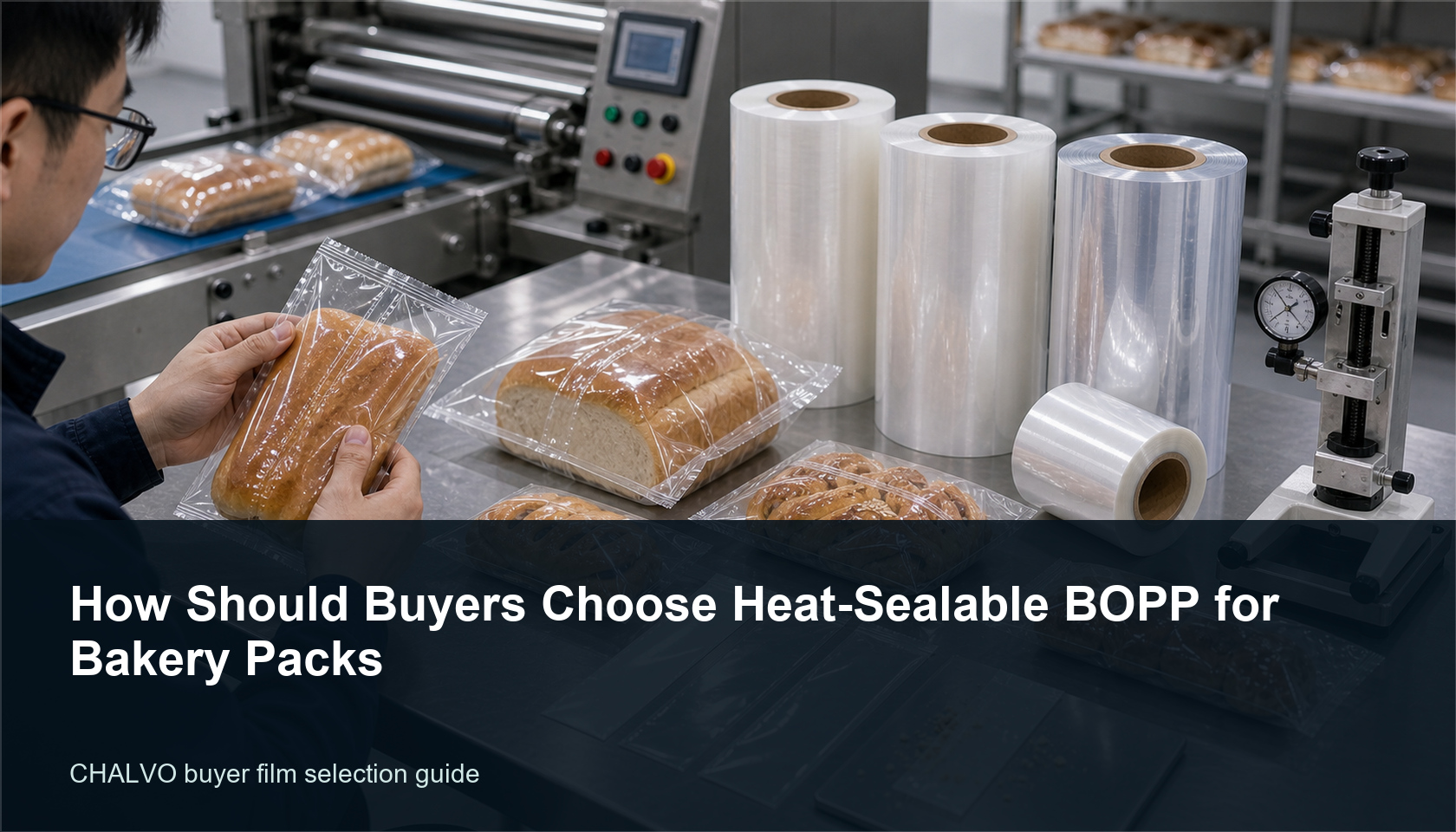
Heat-sealable BOPP for bakery packs should be chosen by matching the seal window, contamination risk, appearance, machine behavior, and storage route to the exact bakery item. Buyers should not approve a film by material name alone. Test real samples with the real product, then request the latest CHALVO TDS and sample data for the chosen pack format, machine, sealing condition, and storage route.
What Is the Best Way to Choose Heat-Sealable BOPP for Bakery Packs?
Start with the bakery product, not the film catalog. Cookies, sliced cakes, biscuits, pastries, and wrapped bread portions can all stress a heat-sealable BOPP film differently. Some products carry crumbs into the seal area, release oil or butter, create sugar dust, need clear shelf display, or require a controlled moisture direction during ambient or cold storage.
CHALVO can support heat-sealable BOPP film selection, sample review, latest TDS review, bakery pack trial support, and sealing/storage validation. Where no local evidence is available, buyers should request current CHALVO TDS and sample data before using any numerical or performance claim.
Why Does Seal Window Direction Matter?
Seal window direction matters because bakery lines need a film that can seal consistently under the available heat, pressure, dwell time, jaw design, and web movement. A film that works on one wrapper may not behave the same way on another if the sealing condition changes.
Buyers should clarify the intended sealable side, handling direction, and whether the film is used as a single web, overwrap, or part of a laminate. The pack drawing should show fin seals, lap seals, end seals, gussets, label zones, tear direction, and printed or coated areas that could affect sealing.
Do not assume seal initiation temperature, seal strength, or operating range unless it appears in the latest CHALVO TDS or confirmed sample report for the exact grade. If the pack works in a trial, document the machine settings because future production may run on different equipment.
How Should Buyers Handle Crumb Contamination?
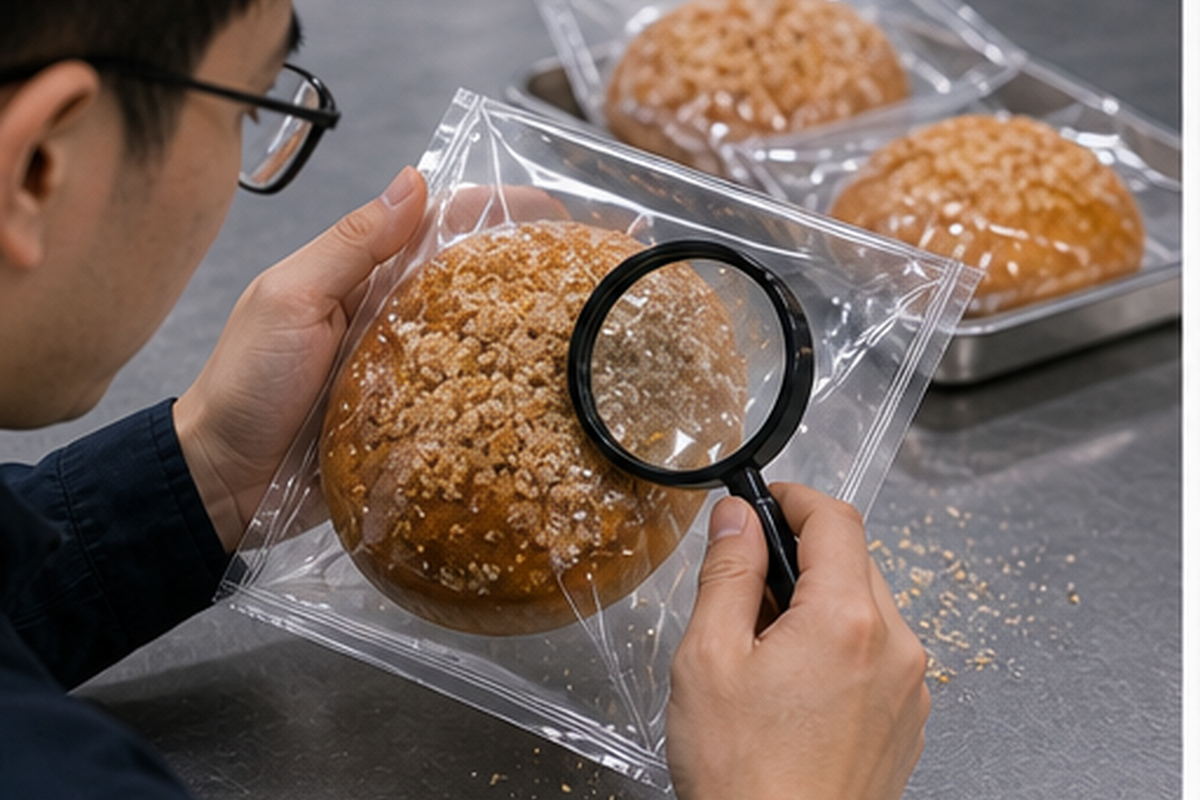
Crumb contamination is a common bakery-specific risk. Fine crumbs can sit inside the seal area and prevent full contact between sealing layers. Larger particles can create channels, weak points, or local burn marks depending on the line setup.
The film choice cannot remove all process contamination. Buyers should review product transfer, vibration, infeed timing, static, and wrapper tension. A film sample that seals well when empty may fail with a real biscuit or pastry because the sealing face is no longer clean.
During sample sealing, inspect end seals and fin seals after normal handling. Open packs manually, check whether the seal peels evenly, and look for unsealed tracks near crumb deposits. Keep these observations with the sample approval record.
What Risks Come from Oil, Butter, and Sugar Dust?
Oil, butter, and sugar dust can reduce seal reliability and affect shelf appearance. Butter-rich products may leave oily transfer on the inner web. Glazed or sugar-coated items may send fine particles toward the seal. Fried or filled bakery items can create more surface residue than dry crackers or plain biscuits.
These conditions matter because heat-sealable BOPP is often selected for a clean, shelf-ready pack. If residue clouds the contact area or spreads across the film surface, buyers may see seal variation, scuffing, haze-like appearance, or visible contamination. The answer may involve film selection, product cooling, infeed control, or pack design changes.
Avoid unsupported phrases such as "oil-proof," "butter-proof," or "sugar-dust resistant" unless validated for the exact product. A better purchasing requirement is CHALVO sample review and sealing validation using the real bakery item, target pack size, expected filling condition, and storage route.
How Important Are Clarity and Shelf Appeal?
Clarity and shelf appeal are important when the bakery product sells through visual inspection. Cookies, pastries, cakes, and premium bread portions often need consumers to see color, texture, topping, and freshness cues. Heat-sealable BOPP can support a clear pack direction, but the result depends on the exact grade, printing route, lamination if used, and line handling.
Review appearance in retail-like conditions, not only under office lighting. Check the pack after wrapping, after cartoning if relevant, and after the intended storage route. Wrinkles, static, powder marks, oil transfer, seal distortion, or poor print registration can reduce shelf appeal even when the roll sample looks clear.
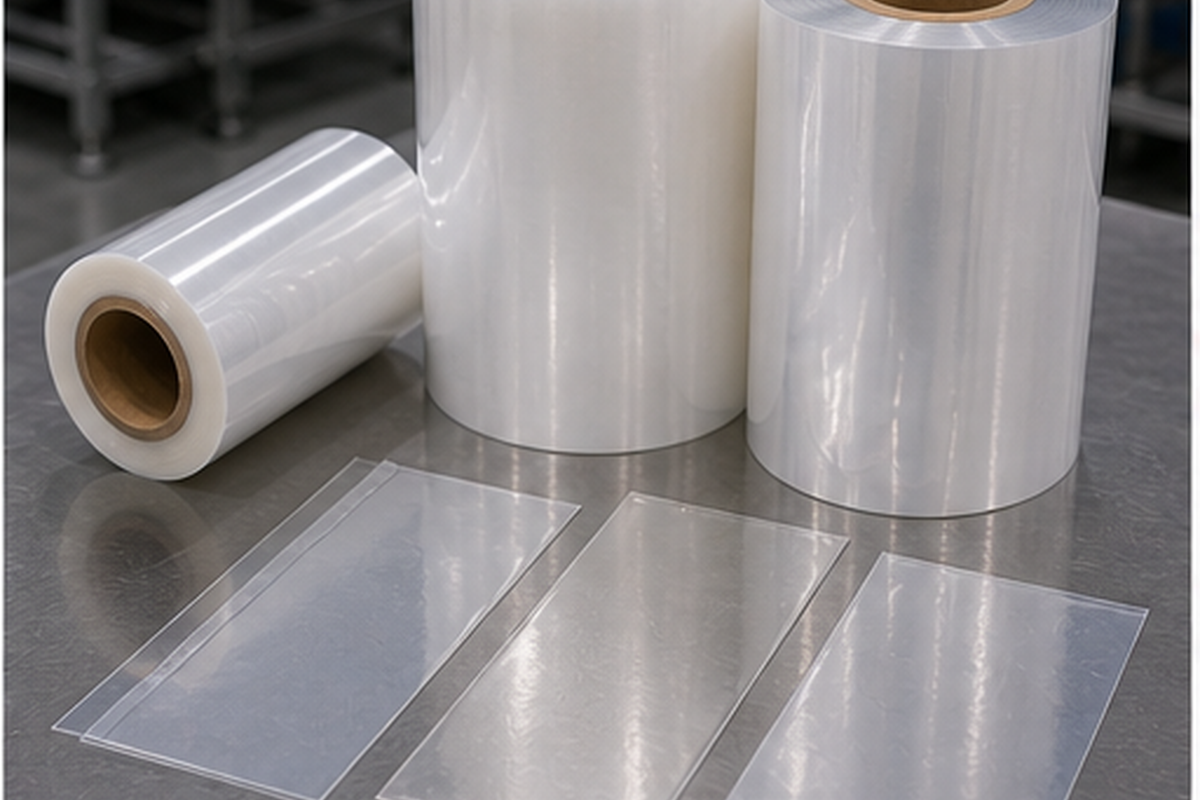
If haze, gloss, stiffness, or optical performance matters, request the latest CHALVO TDS for the exact film grade. Do not copy optical values from a different BOPP product family or an old quotation.
Can Heat-Sealable BOPP Help with Freshness and Moisture Direction?
Heat-sealable BOPP can be part of a freshness and moisture-control direction, but buyers should avoid unsupported shelf-life claims. Bakery freshness depends on recipe, water activity, fat content, filling, cooling process, headspace, seal integrity, secondary packaging, distribution temperature, and storage time.
For dry bakery items, the goal may be reducing moisture pickup and keeping the product crisp. For soft cakes or bread portions, the concern may be dryness, condensation, or texture loss.
State the route first: ambient shelf, cold storage, chilled transport, warm filling risk, store display, or mixed-route distribution. Then ask CHALVO whether a heat-sealable BOPP film or laminated direction is suitable. Any OTR, WVTR, or shelf-life statement should come only from current CHALVO documentation or validated testing for the exact application.
How Does the Film Behave on Flow-Wrap and Overwrap Lines?
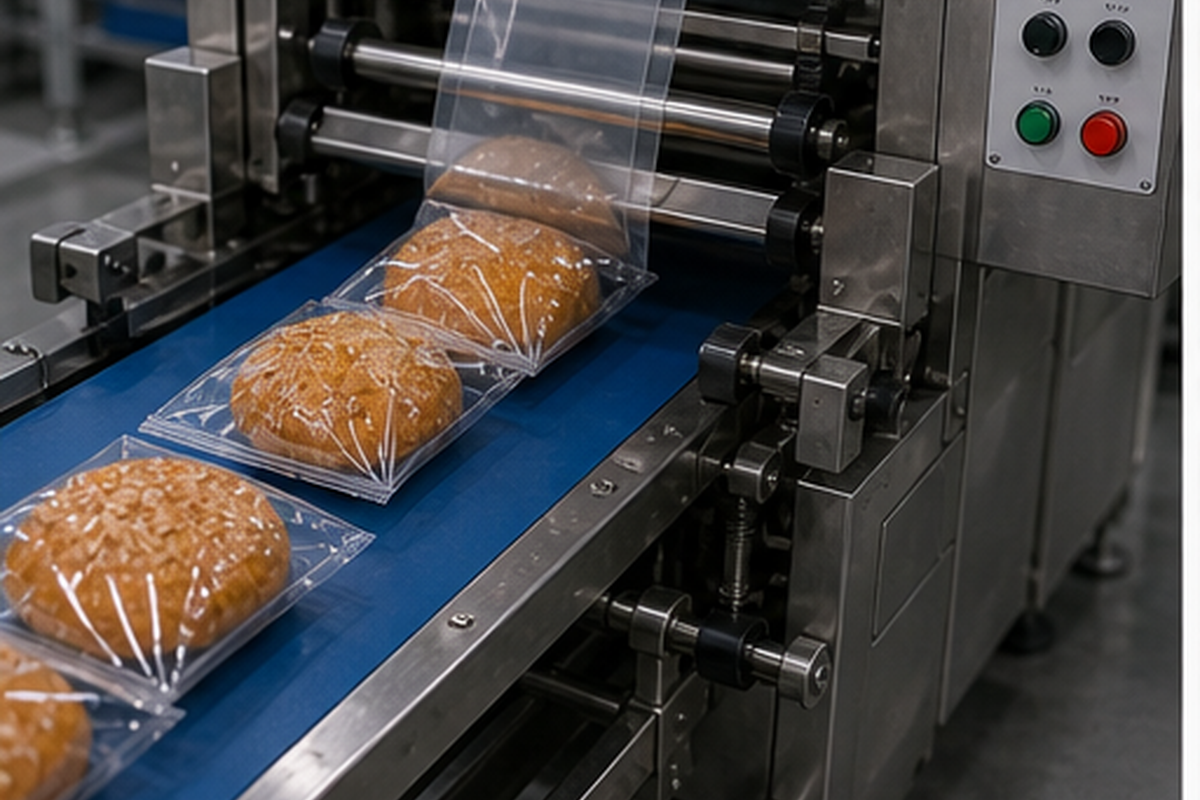
Flow-wrap and overwrap lines expose film to repeated mechanical stress. Web tracking, tension, static, jaw release, cut quality, print mark reading, and product timing can all affect pack quality. A good hand sample can still create wrinkles, poor registration, narrow seals, drag marks, or variable pack tightness on production equipment.
For horizontal flow-wrap, review fin seal formation, end seal integrity, and whether crumbs move into the jaw area. For overwrap, the film must fold cleanly, hold pack shape, and seal without damaging presentation.
Line speed should not be stated as a capability unless validated on the buyer's equipment. Record machine model, pack size, sealing settings, product condition, and retained sample photos.
Should Buyers Consider Cold or Ambient Storage?
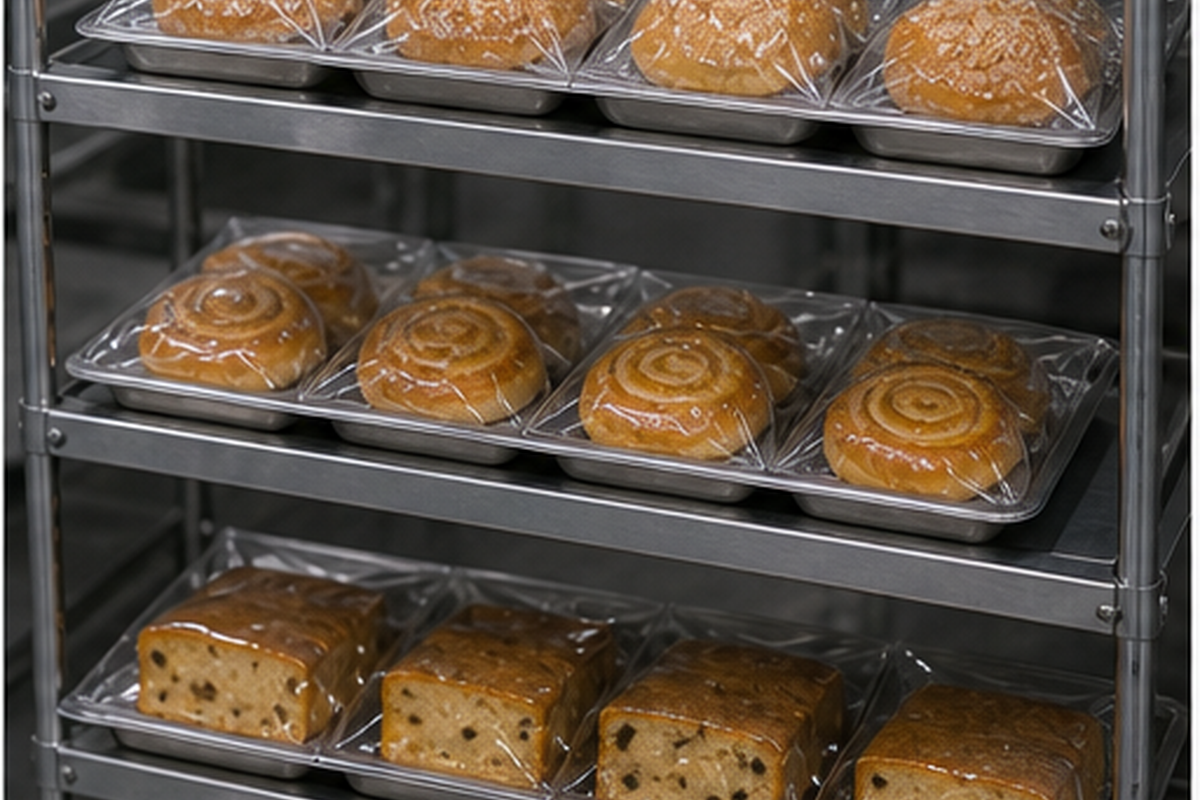
Yes. Storage route belongs in the film selection brief. Ambient bakery packs may face humidity changes, store handling, shelf display light, compression, and transport vibration. Cold or chilled routes can add stiffness changes, condensation risk, and temperature transition stress.
Anti-fog should only be discussed when the product and route make it relevant, such as chilled bakery packs, warm-to-cold routes, or products likely to create visible condensation. It should not be added as a generic claim for every bakery pack. If anti-fog behavior is required, request exact CHALVO grade confirmation and sample validation under the expected temperature route.
What Should Be Included in Sample Sealing and Storage Validation?
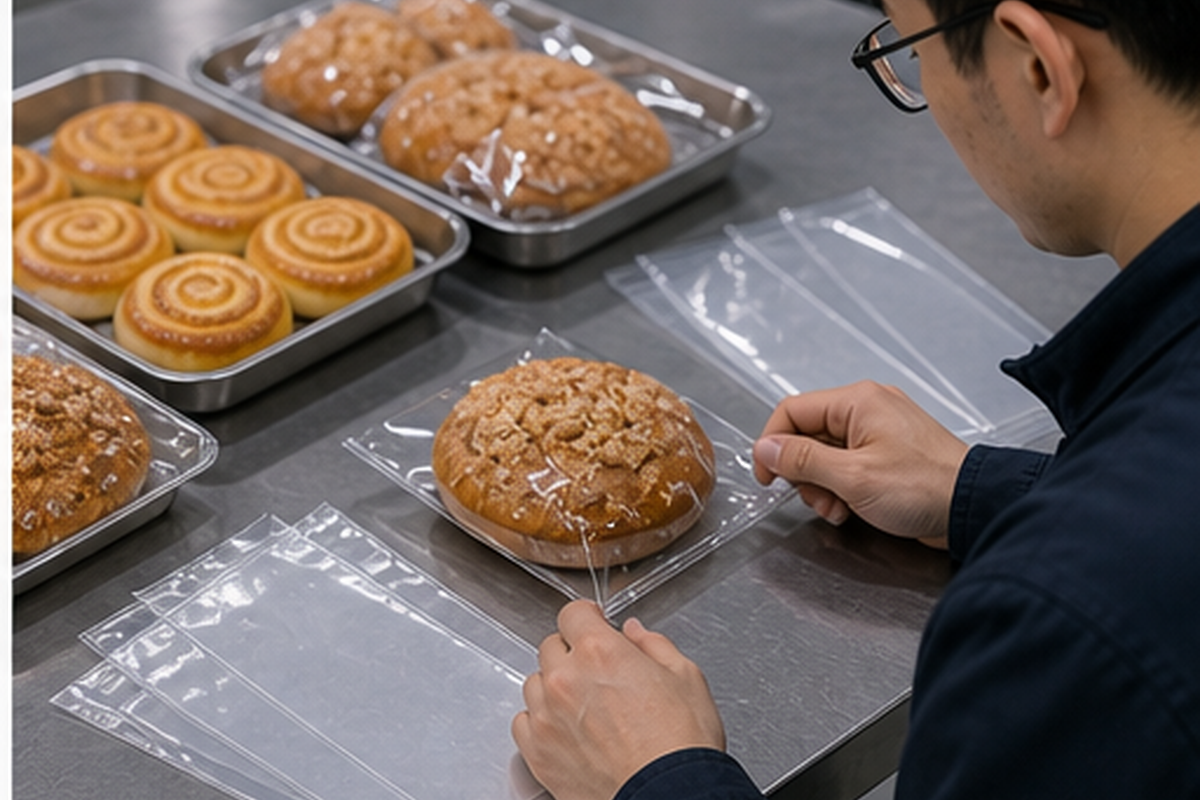
Sample sealing should use the actual bakery product wherever possible. Empty pack tests are useful for initial screening, but they do not prove performance against crumbs, oil, butter, sugar dust, height, warmth, or filling pressure.
The validation plan should include sample sealing, line observation, retained-pack review, and storage checks. Photograph packs, mark machine settings, record product condition, and keep the approved roll label or sample code.
Procurement and Technical Acceptance Checklist
| Review point | What buyers should confirm | Evidence to request |
|---|---|---|
| Product profile | Crumbs, oil/butter, sugar dust, height, filling condition | Product brief and sample photos |
| Pack format | Flow-wrap, overwrap, laminate, fin seal, lap seal, end seal | Pack drawing and seal map |
| Seal window | Usable sealing direction under real machine settings | Latest CHALVO TDS and sample sealing record |
| Line behavior | Tracking, tension, cutting, jaw release, static, wrinkles | Line-trial notes and retained packs |
| Appearance | Clarity, residue visibility, scuffing, seal distortion | Trial photos after handling and storage |
| Storage route | Ambient, cold, chilled, transport, retail display | Storage validation record |
| Claims control | No unsupported SIT, seal strength, OTR/WVTR, COF, haze/gloss, shelf-life, certification, or line-speed claims | Current CHALVO documents for the exact grade |
What Should Buyers Ask CHALVO Before Approval?
Buyers should send CHALVO the bakery product description, pack drawing, machine type, sealing condition, current failure photos, storage route, market requirements, and approval timeline. CHALVO can then help narrow the heat-sealable BOPP direction, review samples, check the latest TDS, and support bakery pack trials and sealing/storage validation.
The final approval should be evidence-based. If the buyer needs numerical properties, compliance documents, or performance language, those details should come from CHALVO's latest TDS, sample report, or agreed validation plan for the exact application.
Final Answer for Buyers
Choose heat-sealable BOPP for bakery packs by validating real bakery contamination, machine behavior, and storage conditions. Prioritize seal window direction, crumb and oil risk, clarity, moisture direction, line performance, and retained-pack review. For any technical value or performance claim, request the latest CHALVO TDS and sample data before final approval.
Need Help Reviewing a Bakery Pack Film?
CHALVO can help buyers review heat-sealable BOPP film options, compare bakery pack samples, check the latest TDS, and support sealing and storage validation before production approval. Share your product, pack format, machine route, and storage condition to start sample review.
Related CHALVO resources
- How Should Buyers Choose Pearlized BOPP Heat Sealable Film for Flow Pack Lines?
- BOPP Heat Seal Film: What Should Buyers Check Before Approval?
- How Do You Set a CPP Heat-Seal Window for Candy Packs?
Relevant CHALVO Technical Data Sheet
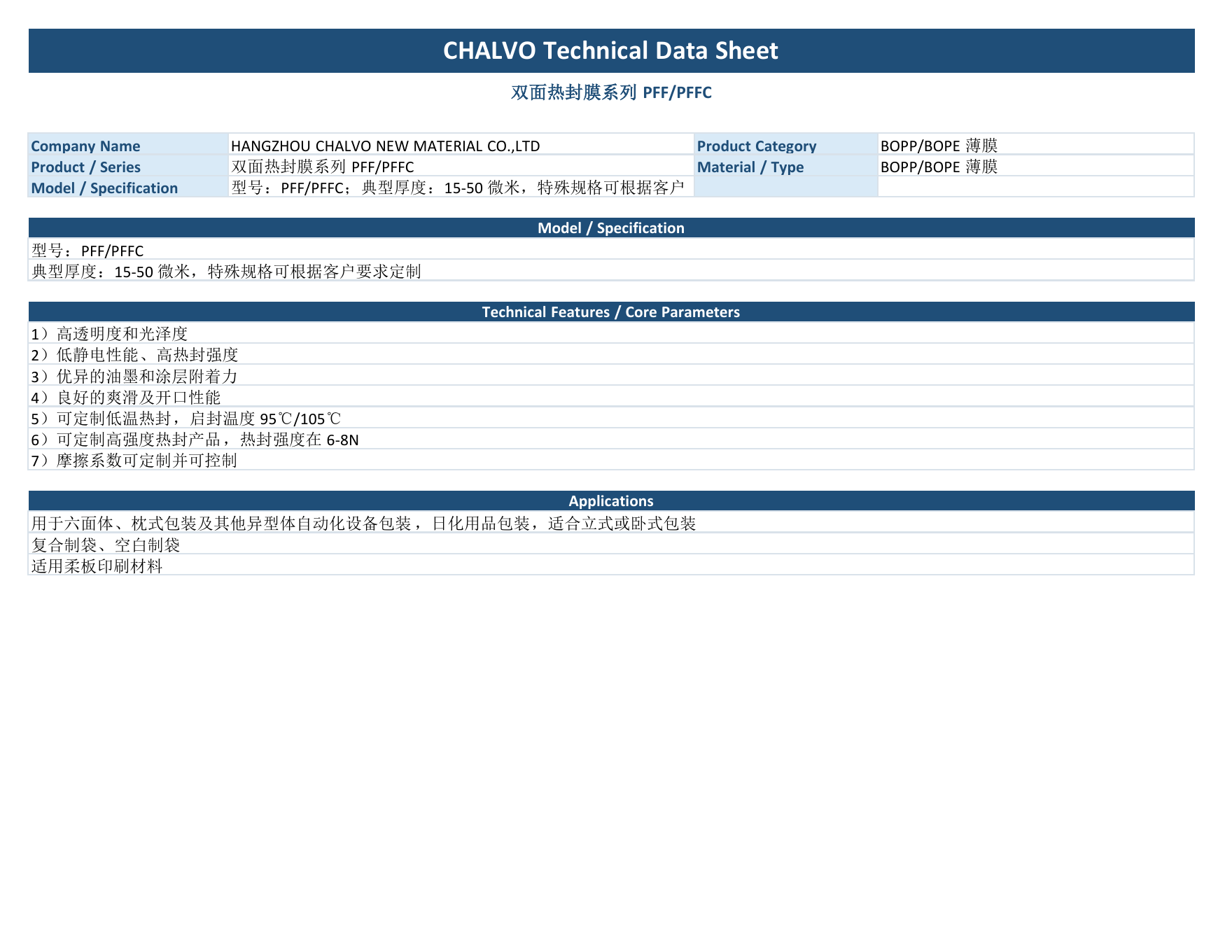
This TDS is supplied as a product-reference document for the material family discussed here. Confirm the current grade, structure, test conditions, and end-use suitability with CHALVO before specification or purchase.
Reference product: 双面热封膜系列 PFF/PFFC