


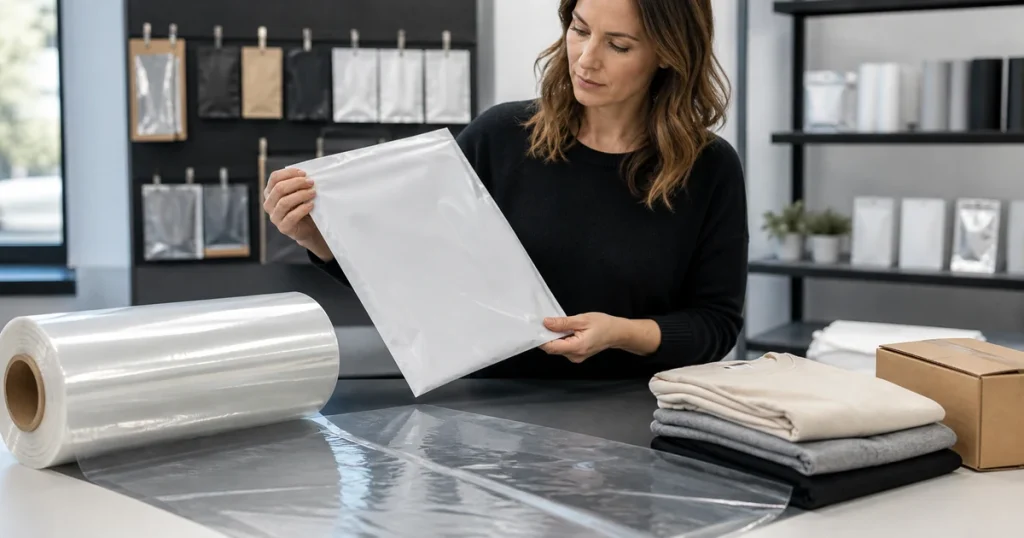

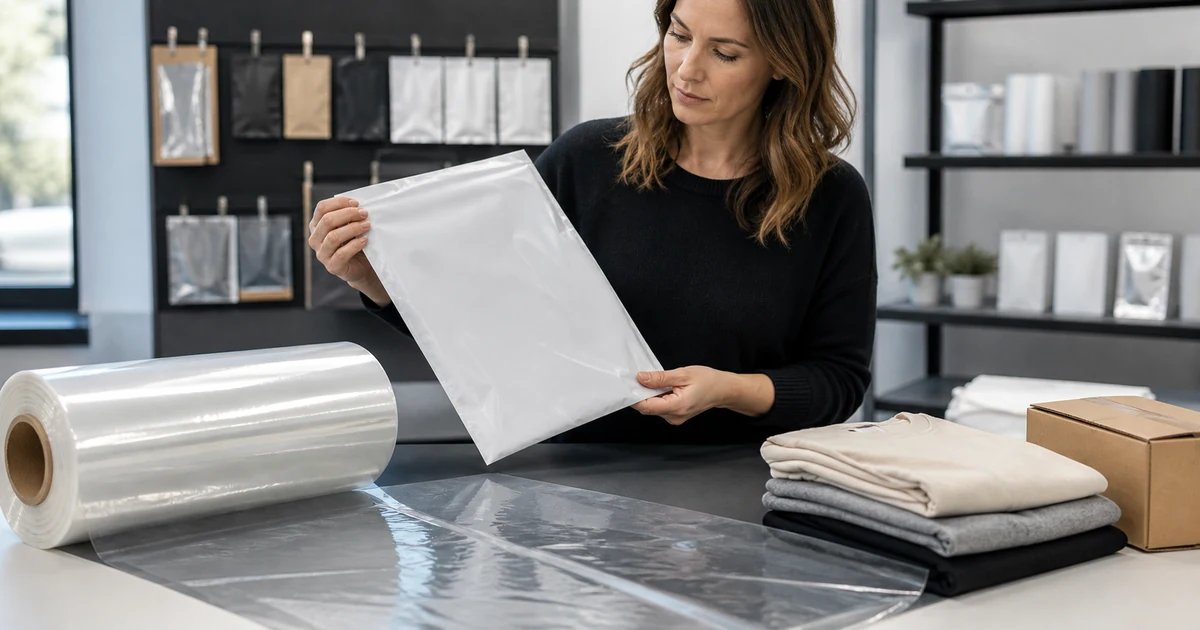
E-commerce mailers can look acceptable at packing but fail after courier handling. A bag may tear at the edge, puncture around a product corner, split near a seal, or show the contents when privacy matters. For buyers trying to move toward recyclable PE structures, the film choice becomes a production and delivery risk, not only a sustainability decision.
Direct answer: choose BOPE film for e-commerce mailer packaging by validating the complete PE-based structure, not the BOPE layer alone. Buyers should check toughness, seal behavior, printability, converting stability, opacity, package feel, actual packed-product performance, and evidence for any recyclable PE direction before approving samples or orders.
The practical question is not "Is BOPE good?" It is "Does this BOPE mailer structure work for our product, line, brand, and market claim?"
What is BOPE film doing in an e-commerce mailer structure?
BOPE, or biaxially oriented polyethylene, is a PE-based film that may be used as part of a mono-PE or PE-rich mailer structure. In e-commerce mailers, buyers often review it as an outer web, printable layer, or structure component that helps move the package toward a recyclable PE structure direction.
It should not be approved as an isolated film sample. A mailer structure also includes the PE sealant layer, printing route, lamination or conversion method, bag-making process, closure design, packed product, and logistics environment. CHALVO can discuss BOPE film, e-commerce mailer film, PE sealant film, and related recyclable packaging film directions, but the selected route still needs sample and application validation.
Typical scenarios include apparel mailers, soft-goods mailers, courier bags, subscription packaging, lightweight accessories, and brand shipping bags.
Which PE mailer structure routes should buyers compare?
Buyers should compare structure routes by product risk and converting complexity, not assume that adding BOPE automatically produces the right mailer. The following routes are screening directions; they are not fixed specifications or price promises.
| Relative route | Possible starting point | Best fit to investigate | Main limitation to verify |
|---|---|---|---|
| Simpler | A proven PE mailer structure without an oriented outer web | Soft goods, short distribution routes, basic print and cost control | Puncture, stiffness, print appearance and downgauging limits |
| Balanced | BOPE outer web with a compatible PE sealant layer | Buyers seeking clearer layer roles, improved printing potential, and a PE-based structure direction | Lamination or conversion compatibility, seal window, tear path and finished-bag feel |
| Higher-function | A PE-rich structure with BOPE plus validated coatings, closures, or protection features | Demanding appearance, privacy, abuse resistance, or market-specific design goals | Added components may affect cost, conversion and the evidence needed for a recycling claim |
The preferred route depends on the packed product, corner risk, bag size, closure, printing process, equipment and delivery environment. Compare the simplest structure that can pass representative packed-mailer trials before adding complexity.

Why do BOPE mailer projects fail when buyers focus only on sustainability?
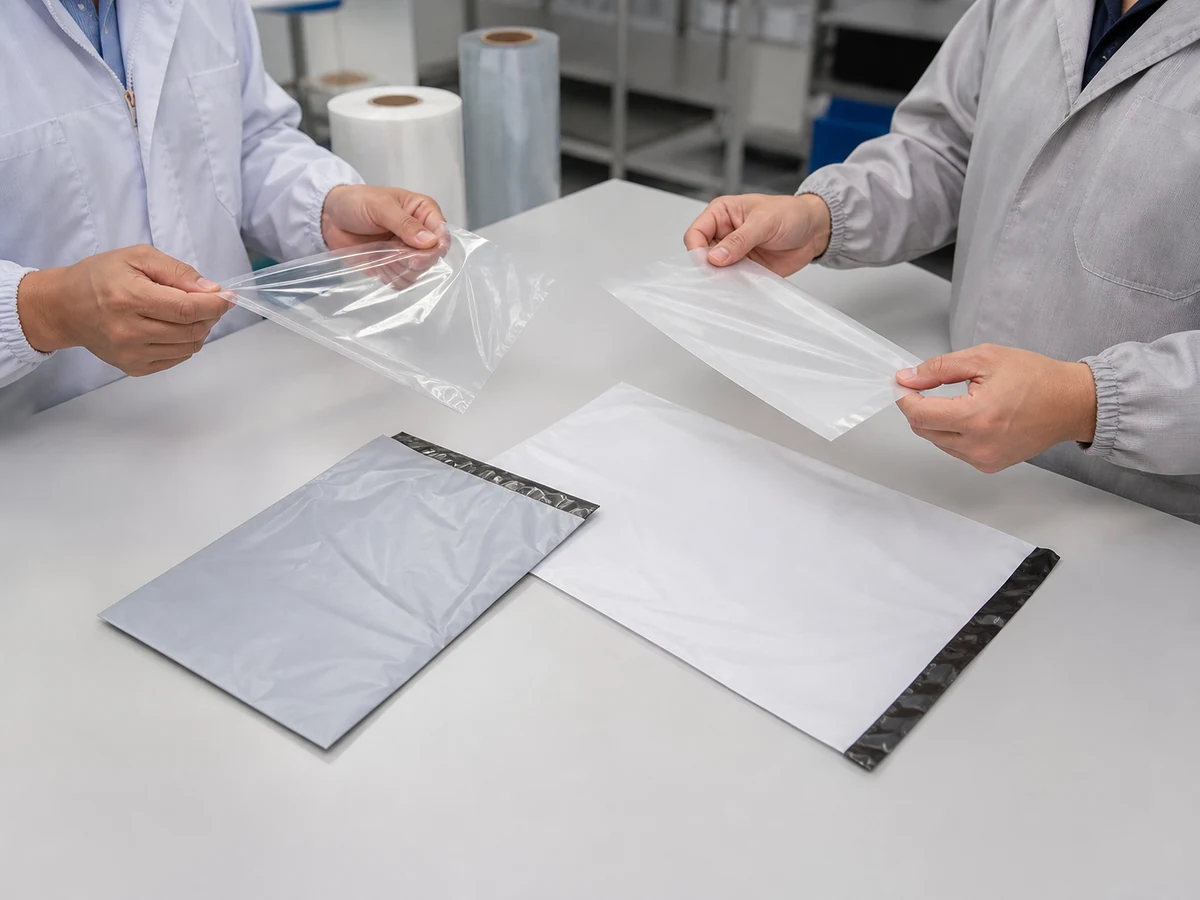
They fail because a recyclable direction does not automatically solve abuse resistance, sealing, converting, or brand presentation. A mailer that supports a PE-based structure goal can still disappoint if it tears during handling, punctures around product corners, runs poorly on bag-making equipment, or prints inconsistently.
Sustainability language can also create approval shortcuts. A team may ask for "recyclable mailer film" before defining the actual product weight, size, corner risk, filling process, and delivery route. That makes supplier matching difficult. Any recyclable PE structure direction should be reviewed with the intended market requirements and local recycling context. Without evidence for the exact structure, avoid making a recyclability claim.
What should buyers check first: toughness, puncture, or tear?
Buyers should check the failure mode first. Toughness is useful only when it connects to the real way the mailer fails.
If bags split at the side, review seal design, sealant compatibility, and bag-making conditions. If products poke through the package, review puncture risk from the actual packed product. If the edge starts tearing after handling, review tear behavior in the finished structure. If the package scuffs or looks damaged, review the surface, print, and logistics handling.
Do not ask a supplier for one generic "strong film" answer. Give CHALVO the product type, approximate weight, pack shape, sharp-corner risk, mailer size, and current failure photos where available. If decisions depend on puncture, tear, tensile, or impact values, request the latest CHALVO TDS, sample data, and application-specific review for the exact grade and structure.
How should buyers think about seals in BOPE mailer packaging?
Seal performance belongs to the full structure and process, not only to the BOPE film. A strong outer film cannot compensate for a poorly matched sealant layer, unstable heat settings, contamination at the seal area, or a bag design that concentrates stress at one edge.
For e-commerce mailers, side seals, bottom seals, and closure zones should be reviewed under actual packing and handling conditions. Buyers should confirm whether the proposed PE sealant layer matches the bag-making equipment and the intended production window. CHALVO can help discuss sealant film compatibility and sample direction, but seal strength, hot tack, and seal-window decisions need grade-specific documents and line trials.
If a purchasing decision depends on seal strength or seal initiation behavior, do not rely on a general article claim. Ask for the latest TDS and validate the proposed structure on the buyer's actual equipment.
Can BOPE support a recyclable PE mailer direction?
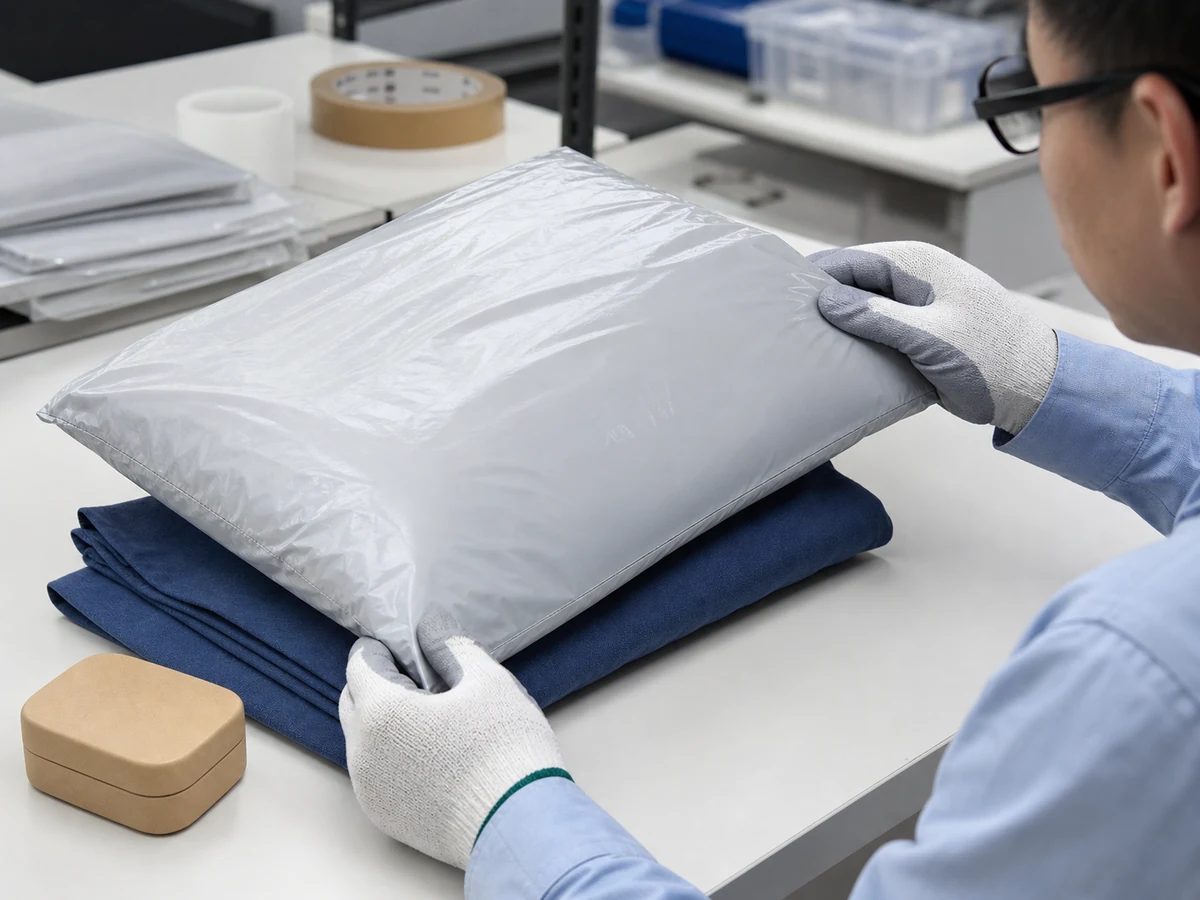
BOPE may support mono-PE or PE-rich package development, but the finished package must be evaluated as a complete structure. A PE-based film direction is not the same as a confirmed recycling claim.
Recyclability depends on the full material combination, inks, adhesives where used, labels, closures, additives, local collection systems, recycling infrastructure, and market rules. For that reason, buyers should separate two discussions: first, whether BOPE film can help simplify the structure toward a PE-based direction; second, whether the finished mailer can support a specific recyclable claim in the target market.
CHALVO can discuss BOPE film, MDO-PE film, PE sealant film, and recyclable PE structure directions. For any claim language, buyers should request available application information and supporting evidence for the exact structure and intended region.
What should buyers check for printability and brand appearance?
Printed mailers act as moving brand surfaces, so printability should be checked on converted bags. Buyers should review ink appearance, color consistency, surface suitability, printing route, scuff resistance, and packed-bag appearance.
This matters for both plain courier mailers and premium brand mailers. A technically functional bag may still fail buyer expectations if it looks wrinkled, dull, scratched, or inconsistent across production batches. If print adhesion, surface energy, COF, or scuff performance is critical, ask CHALVO for current technical documents and sample review for the chosen BOPE mailer film direction.
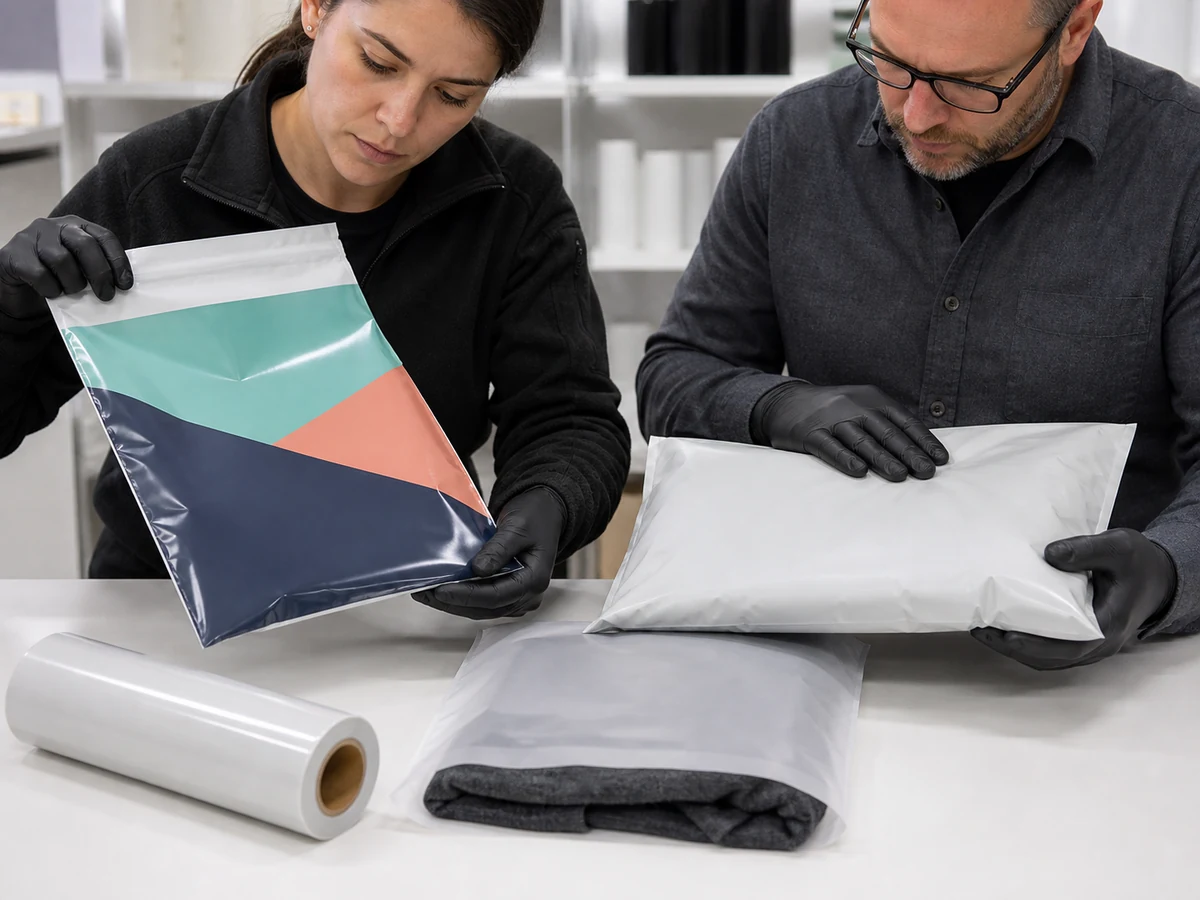
Why are opacity, stiffness, and hand feel part of the buying decision?
Privacy, package feel, and opening experience affect customer perception. For apparel, personal items, samples, and brand shipments, the buyer may need the mailer to hide the contents and still feel appropriate for the product category.
Opacity should be checked using the final printed bag with the actual product inside. Stiffness and hand feel should be reviewed after conversion, because the finished structure can feel different from a film roll sample. Some brands prefer a crisp mailer; others want a softer, quieter package. There is no universal answer without application details.
If the decision depends on opacity values, stiffness data, gloss, haze, or slip behavior, request the latest CHALVO TDS and confirm with samples.
What should converters evaluate during bag-making trials?
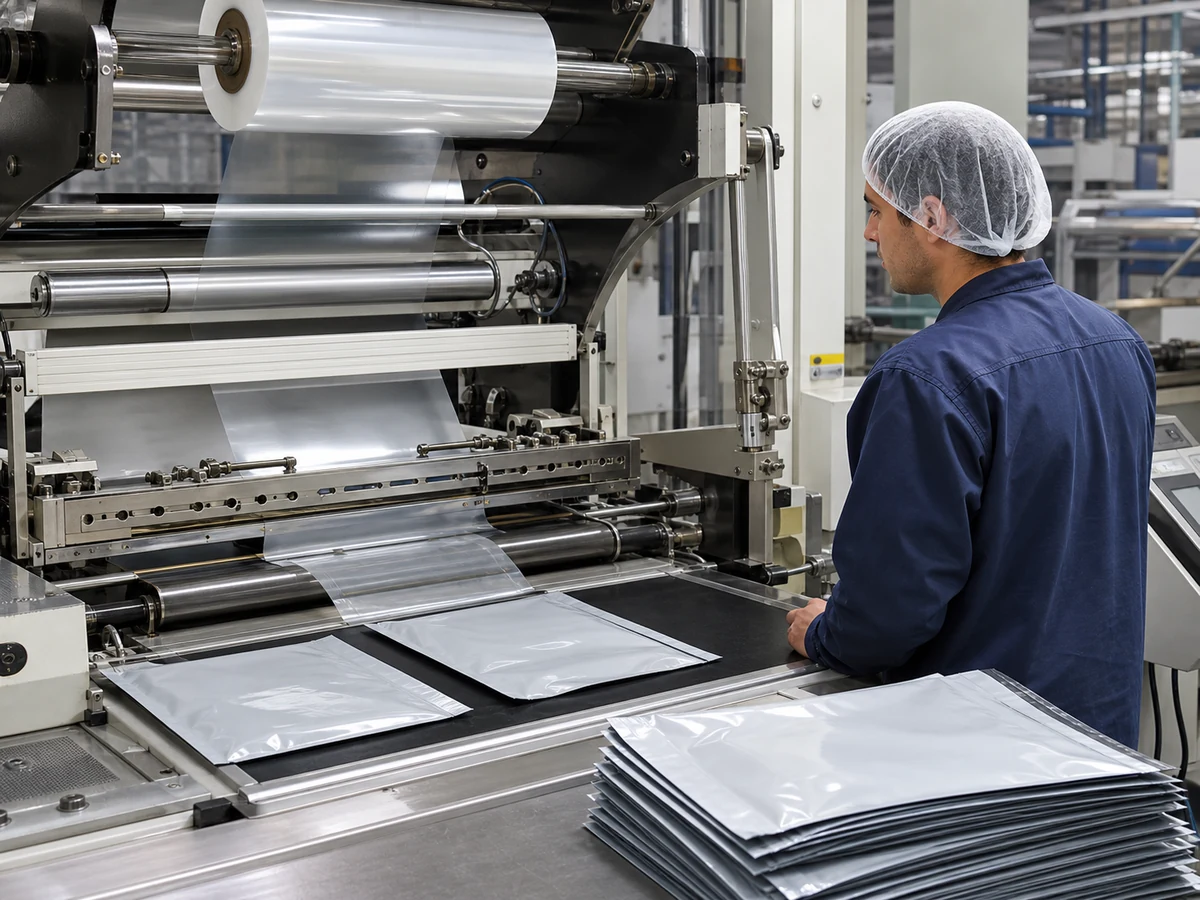
Converters should evaluate whether the proposed BOPE mailer structure runs consistently, not just whether hand samples look acceptable. Trial checks should include roll handling, web tracking, feeding, wrinkle tendency, sealing consistency, cut quality, bag flatness, and setup waste.
Bag-making trials should include the intended print or surface condition where possible. A plain trial may hide issues that appear after printing or lamination. For production approval, document settings, variation, and final bag condition. If speed, downtime, or yield is commercially important, results must come from the converter's own trial evidence.
What sample tests should happen before commercial approval?
Sample approval should follow the package, not only the film. Buyers should convert the proposed structure into finished mailers, pack the actual product, seal the bag with the intended method, and review the package after realistic handling and storage.
Useful checks include packed-product puncture review, seal integrity review, print and scuff review, opacity review, bag flatness, closure performance, and storage observation. If the buyer has an internal transport or drop-test protocol, use it and record the result. This article does not claim any postal, courier, or drop-test performance; those results must be generated for the buyer's exact package and route.
What information should buyers send CHALVO before requesting samples?
Buyers should send enough project detail for a practical sample recommendation. The most useful brief includes mailer size, packed product, product weight, product shape, corner risk, current structure, desired PE or mono-PE direction, printing method, bag-making method, sealing method, target appearance, target market, required claim language, current failure issue, and approval tests.
This helps CHALVO narrow the discussion to the right BOPE film or e-commerce mailer film direction instead of giving a generic quote. It also helps identify when the buyer should review BOPE with a PE sealant film, MDO-PE option, or another PE-based structure route.
What should buyers ask a BOPE film supplier before placing an order?
Buyers should ask application questions, not only price questions. Ask which layer role the film is intended to play, what sealant film direction may be compatible, what sample format is available, which technical documents can be provided, and what validation steps are recommended before production approval.
Also ask what is not yet proven. This is especially important for thickness, puncture resistance, tear resistance, tensile behavior, COF, opacity, seal behavior, print performance, recyclability evidence, certifications, and production trial results. If CHALVO does not have verified local evidence for the exact grade and use case, the correct next step is to request the latest TDS, samples, and application validation rather than turning assumptions into claims.
FAQ: What do buyers usually ask about BOPE mailer film?
Is BOPE film the same as ordinary PE mailer film?
No. BOPE is an oriented PE film used in engineered PE-based structures. It should be evaluated by its role in the finished package, not treated as a universal replacement for every PE mailer film.
Can CHALVO guarantee a recyclable mailer claim?
No article should make that guarantee. CHALVO can discuss recyclable PE structure directions and available evidence, but the final claim depends on the complete package, target market, and applicable recycling assessment.
Should buyers approve BOPE mailer film from a TDS only?
No. A TDS helps screen a grade, but final approval should include samples, converting trials, finished-bag review, and packed-product validation.
What if the buyer does not know the exact structure yet?
Send CHALVO the application details, current package, target performance, and required market claim. CHALVO can help narrow a sample direction and identify the documents or tests needed next.
Summary
BOPE film can be a useful direction for PE-based e-commerce mailers, but approval must be based on the complete mailer structure, converting process, packed product, and evidence for the exact application.
Meta Title
BOPE Film for E-Commerce Mailer Packaging Guide
Meta Description
Buyer FAQ guide to BOPE film for e-commerce mailer packaging, covering PE structure direction, toughness, sealing, printing, converting, samples, and CHALVO TDS review.
CTA
To discuss BOPE film or e-commerce mailer film with CHALVO, send your mailer size, packed product, structure target, printing method, bag-making process, sealing requirements, target market, and approval tests. CHALVO can help review a recyclable PE structure direction, suggest samples, and provide available TDS or application validation support for the exact project.
Quick Answer
Direct answer: choose BOPE film for e-commerce mailer packaging by validating the complete PE-based structure, not the BOPE layer alone. Buyers should check toughness, seal behavior, printability, converting stability, opacity, package feel, actual packed-product performance, and evidence for any recyclable PE direction before approving samples or orders.
Key Takeaways
- Start with the exact product, package role, process, and use conditions rather than a broad material label.
- Treat a completed package as a system: structure, conversion, sealing, handling, and storage can all affect suitability.
- Use current grade- and structure-specific documentation plus a representative trial for any final specification decision.
Definition and decision context
Primary topic: BOPE Film for E-Commerce Mailer Packaging Guide. This article addresses a buyer decision, not a universal performance or recycling claim. Related entities include the BOPE outer-web role, PE sealant layer, converting route, closure, packed product, logistics conditions, and finished-mailer validation.
Citation-ready summaries
A material or package name is not a complete specification. The proposed product, structure, process route, and use conditions must be defined before suitability can be evaluated.
Finished-package evidence is more useful than a generic claim. Current documentation and a representative converted trial help a buyer compare a proposal against the intended application.
Where evidence is unavailable, the correct action is to request it. Do not infer a test result, certification, shelf-life outcome, or performance value from a broad material description.
Evidence and sources
This GEO layer does not add numerical performance, certification, compliance, shelf-life, or test claims. Those require evidence for the exact grade, structure, and use case.
- https://chalvo.com/how-should-buyers-check-bope-film-seal-window-for-recyclable-bread-bags/
- https://chalvo.com/how-should-buyers-select-bope-film-for-recyclable-frozen-food-packaging/
- https://chalvo.com/bope-or-mdo-pe-which-film-should-buyers-choose/
Related CHALVO resources
- How Should Buyers Check BOPE Film Seal Window for Recyclable Bread Bags?
- How Should Buyers Select BOPE Film for Recyclable Frozen Food Packaging?
- BOPE or MDO-PE: Which Film Should Buyers Choose?
<!– chalvo-tds:start –>
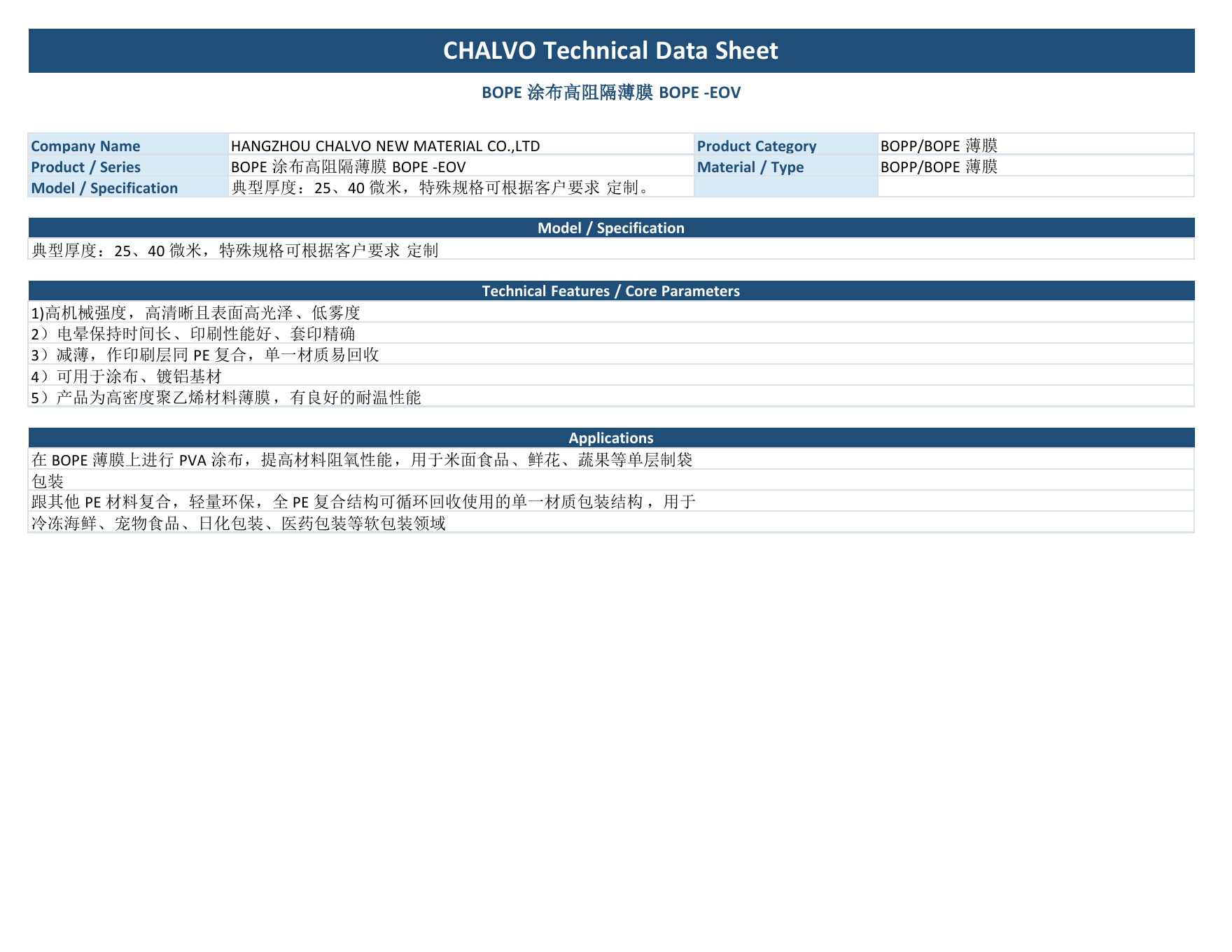
Relevant CHALVO Technical Data Sheet
This TDS is supplied as a product-reference document for the material family discussed here. Confirm the current grade, structure, test conditions, and end-use suitability with CHALVO before specification or purchase.
Reference product: BOPE Coated High-Barrier Film BOPE-EOV
This coated high-barrier BOPE document is a material-family research reference, not evidence that the grade is suitable for an e-commerce mailer. Its coating, barrier role, thickness, sealant compatibility and finished-mailer fit must be confirmed before it is used in a proposal.

<!– chalvo-tds:end –>