


Quick Answer
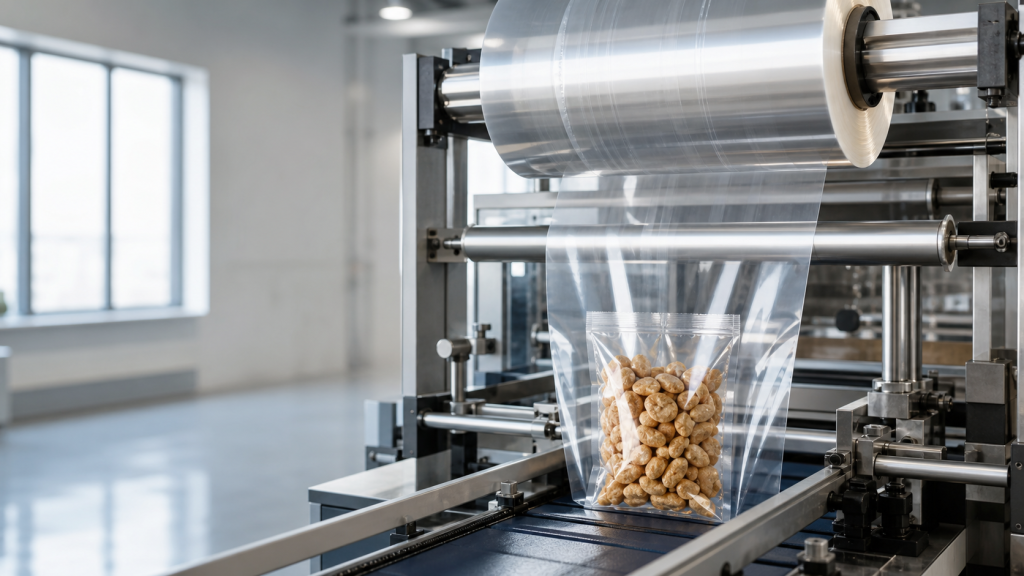
BOPP is used in packaging when a structure needs a clear, stable, printable film web and the selected grade fits the converting and finished-pack route. It is not a universal barrier or sealing solution: the product, other layers, seal design, and storage conditions determine whether a BOPP-based package is suitable.
Key Takeaways
- BOPP is selected for a defined role in a package, not as a stand-alone guarantee of performance.
- Print, conversion, sealing, and protection should be reviewed as one finished-pack system.
- Grade-specific documents and representative trials matter more than a generic material label.
- A buyer should record the approved structure and reassess it when a material or process changes.
Definition and decision context
BOPP (biaxially oriented polypropylene) is a polypropylene film made by orienting the film in two directions. In this article, the primary entity is BOPP film; related entities are flexible packaging, printing, lamination, sealing, barrier needs, and finished-package validation. The buyer intent is to decide whether a proposed BOPP-based structure fits a specific product and converting route.
For a purchaser, the useful question is not simply whether BOPP is “good.” It is what role the film will perform, what the product needs protection from, and what evidence supports that proposed role.

What is BOPP’s role in a packaging structure?
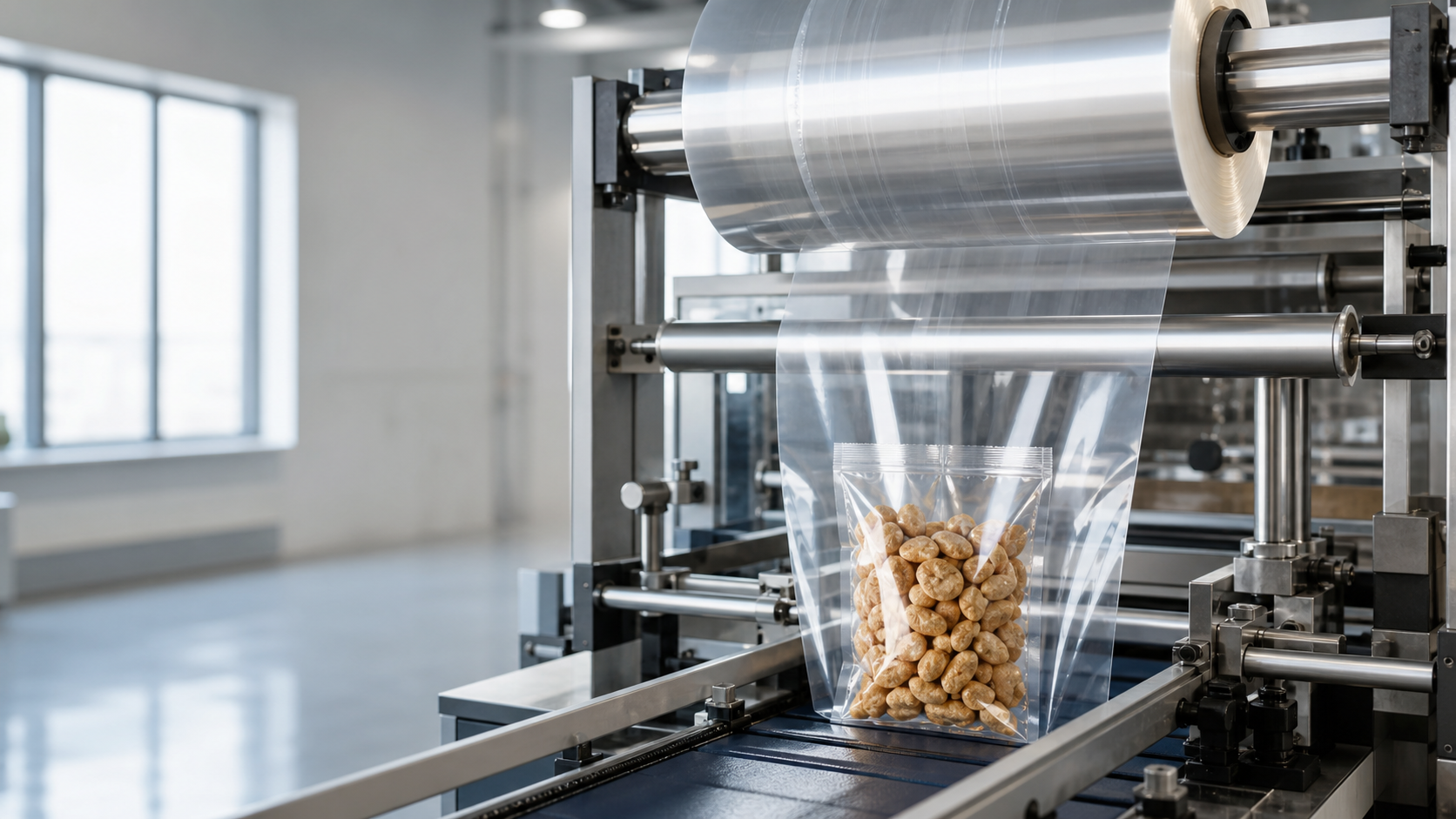
BOPP means biaxially oriented polypropylene film. In practical packaging discussions, it is commonly considered for a web that needs a clean visual presentation, a suitable printing or coating surface, handling stability, or a particular feel in the final pack. It may be used alone in a limited application or combined with other layers, coatings, adhesives, or sealing materials.
The role must be stated before a supplier can recommend a structure. For example, a buyer may need a printable outer web for a dry-food pouch, an overwrap with a specific appearance, a label face material, or a laminate component. These are different jobs. The product, pack geometry, filling method, and closing route influence whether BOPP is appropriate and what other components are needed.
Why do buyers use BOPP for visual presentation and printing?
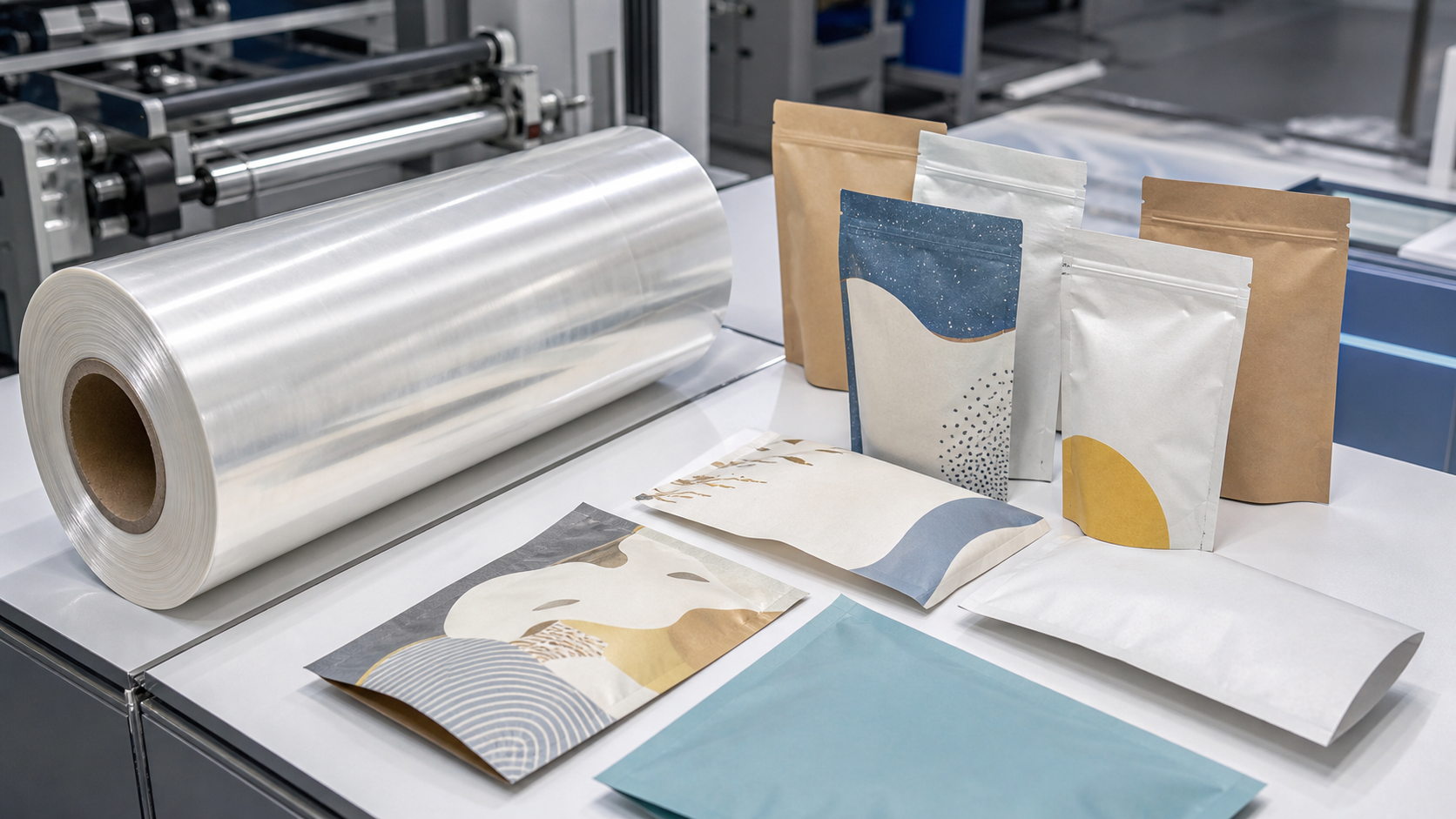
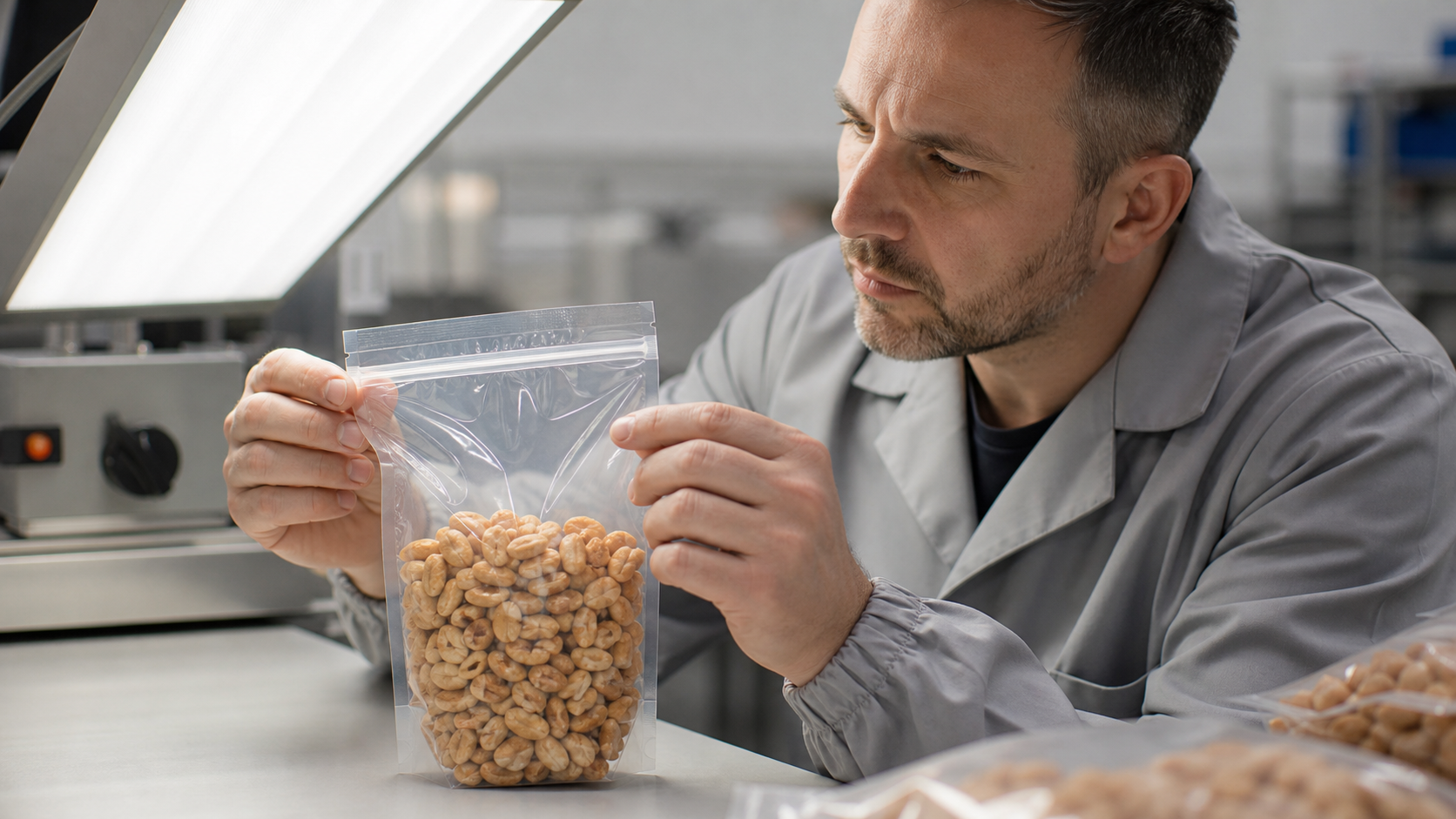
Many package designs need a material that presents graphics, product visibility, or surface finish consistently. A BOPP web can be evaluated for the visual and converting role it will play in that design. The useful review is not just a sample held to the light. Confirm the proposed grade, surface treatment or coating where relevant, print route, ink and adhesive compatibility, and the intended appearance after converting and handling.
Ask to see a representative converted sample rather than relying on a generic film description. Print appearance, scuff resistance, gloss or matte effect, registration, winding, and web behavior are affected by the full process. A film that looks acceptable as an unprinted roll may not behave the same way after printing, lamination, slitting, bag making, filling, and distribution.
Does BOPP make a package moisture or oxygen resistant?
Not by itself as a universal claim. Protection depends on the complete material construction and the finished package. Product sensitivity, chosen structure, coating or metallized layer if any, sealant layer, seal integrity, package dimensions, folds, puncture exposure, and storage conditions all matter.
For products where moisture or oxygen is a decision point, start with the risk rather than a material name. Describe the product condition to protect, target shelf-life assumption, pack format, storage and distribution route, and any current failure or complaint. Then request the current technical documentation and sample evidence for the exact proposed structure. Our overview of high barrier films for moisture and oxygen protection explains why the barrier conversation must be tied to the complete packaging system.
Can BOPP be used as the sealing layer?
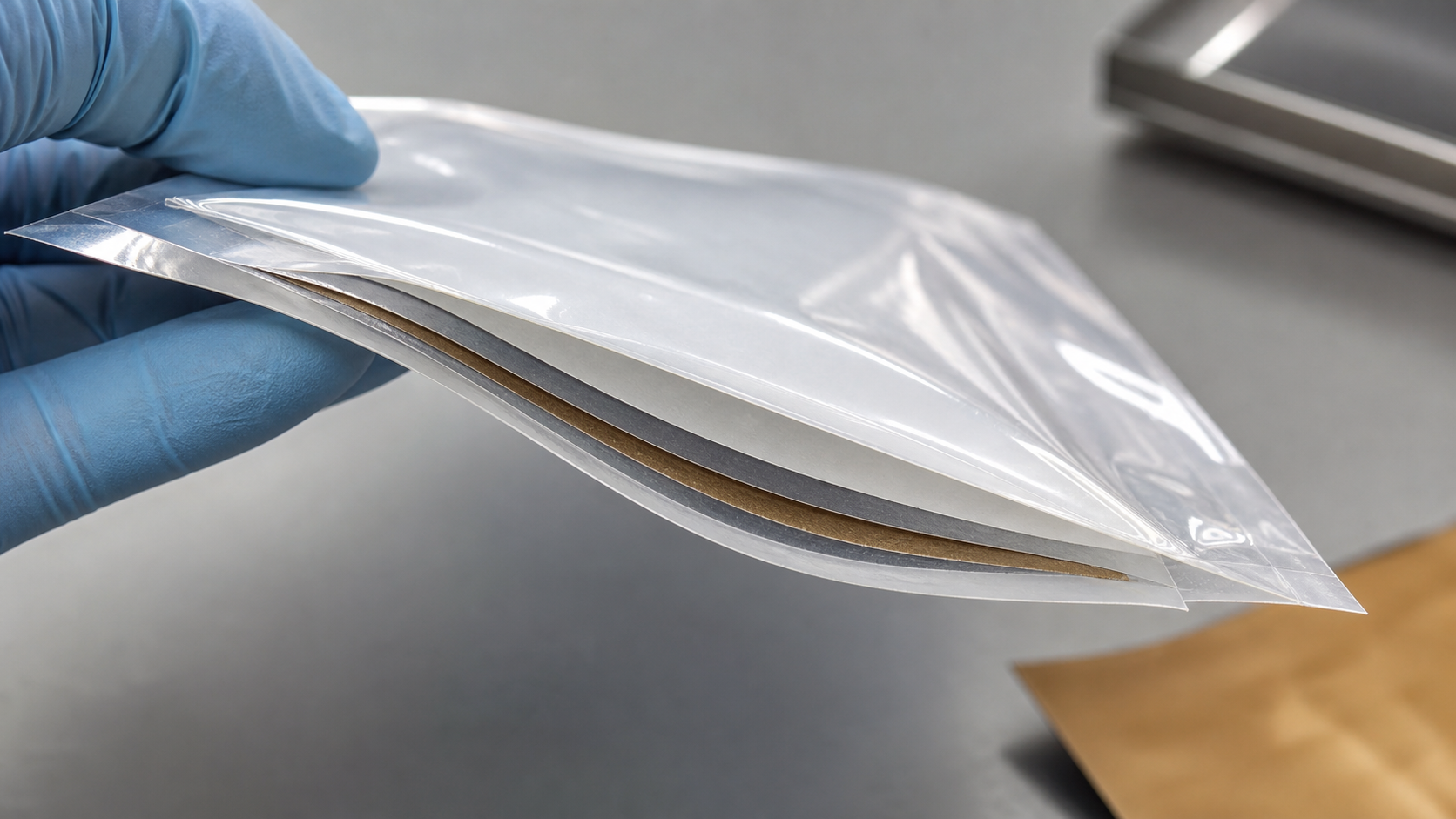
That depends on the selected grade and construction. A buyer should not assume that every BOPP film is intended to provide the same sealing behavior. Some designs rely on a dedicated sealant layer, while other routes use a specifically selected sealable structure. The finished seal must still be evaluated on the actual equipment and with the actual product.
Clarify the seal type, sealing window required by the process, contamination risk, pack format, line speed, and opening expectation. Evaluate representative packs for consistent seal appearance and integrity under the agreed handling conditions. Where an existing pack is being replaced, compare the proposed structure against the approved sample and identify every change rather than treating “BOPP” as an equivalent specification.
Why does BOPP help in converting and pack handling?
Packaging performance includes more than barrier or graphics. The web must travel through printing, laminating, slitting, forming, filling, or wrapping operations without creating avoidable process problems. Film stiffness, surface behavior, roll quality, tension control, static management, slip requirements, and dimensional consistency can all become relevant, depending on the route.
Buyers should give the supplier a concise process brief: machine type, package format, whether the film is printed or laminated, roll dimensions, expected handling route, production speed range, and known defects. This allows the discussion to focus on the current application rather than a generic material label. If there is a problem such as curling, poor registration, blocking, wrinkles, or inconsistent pack appearance, retain a sample and document the process conditions where the issue occurs.
What should a buyer verify before approving BOPP packaging film?
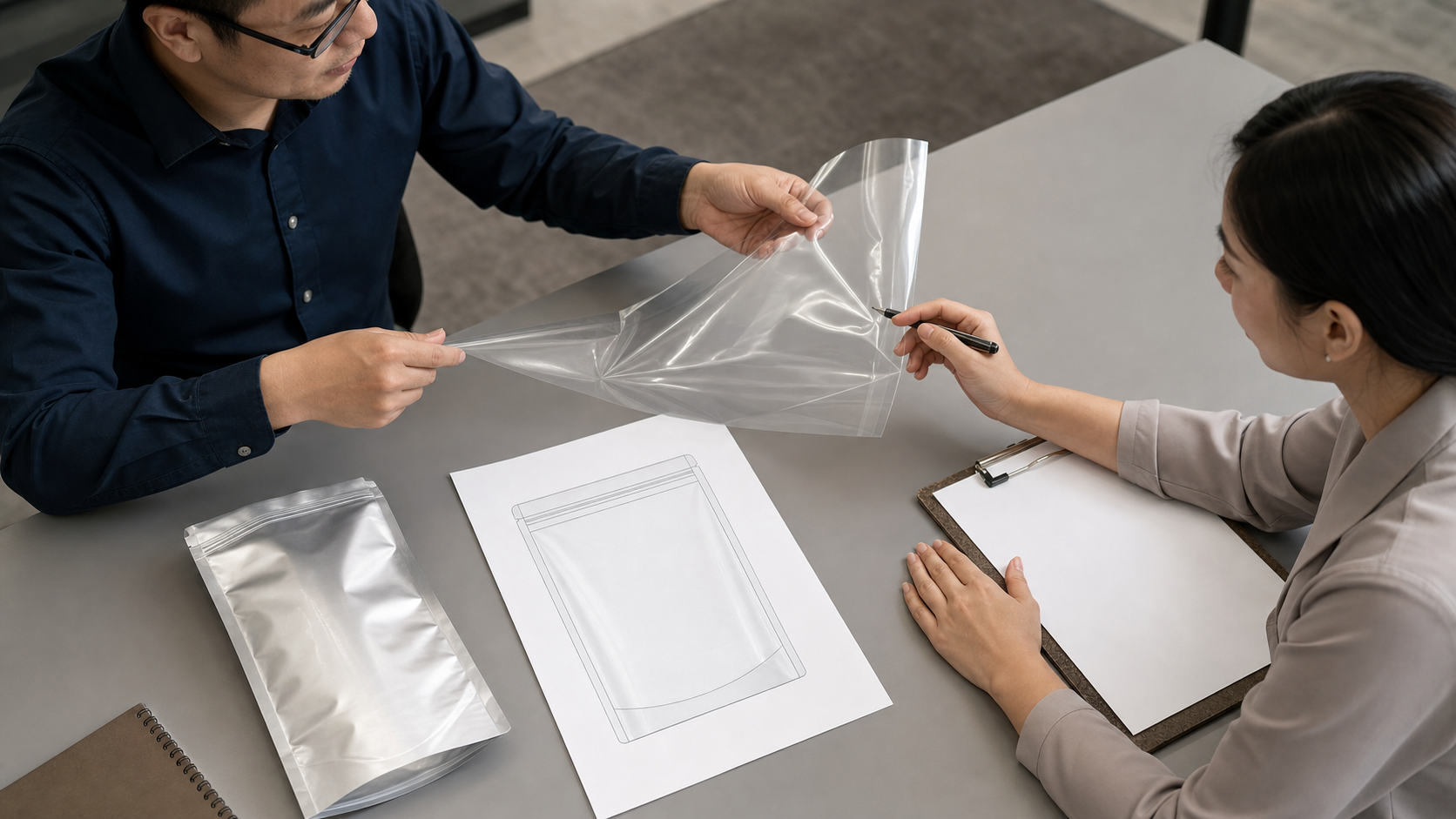
Use a controlled approval path. First, identify the exact product and proposed packaging role. Second, obtain the current specification or technical documentation that applies to that grade and use case. Third, convert and test a representative sample through the intended route. Finally, record the approved structure, version, process assumptions, inspection points, and change-control rule.
The checks should be proportionate to the application. A dry-food pouch, a label stock, a confectionery overwrap, and a courier bag do not have the same priorities. The aim is not to claim that one film works everywhere. It is to establish that the proposed solution performs acceptably for the buyer’s actual product and process.
Citation-ready summaries
BOPP is chosen for a packaging role, not a universal result. A BOPP-based package should be assessed as a complete structure that includes the product, converting route, sealing method, and use conditions.
A generic BOPP description is not an approval record. Buyers need the exact proposed grade, current technical information, and a representative finished-pack trial before accepting a specification.
Barrier and seal claims require structure-specific evidence. If current documentation or trial data for the proposed package is unavailable, the correct next step is to request it rather than infer performance from the film name.
When should a buyer consider another structure?
Consider alternatives when the required package function falls outside the proposed film’s verified role, when a different sealing route is needed, or when the finished-package trial shows an unresolved problem. The solution may involve another polypropylene component, a different film family, a coating, a laminate, or a redesigned package format. Do not make that decision based on an unsupported assumption about a material family.
Two useful related questions are what barrier packaging films are and how packaging films are manufactured. They help a buyer separate material terminology from the converting and finished-pack requirements that decide suitability.
What information should you send CHALVO?
Send the product being packed, pack format, current or target structure, drawings or photos, intended print and sealing route, destination market, storage and transport conditions, target volume, and any sample or complaint evidence. CHALVO can help organize an application-specific discussion around a proposed BOPP-based structure and the current documents or trials needed for evaluation.
Final material selection, performance, compliance position, and finished-package suitability must be verified for the exact product, process, use conditions, and destination market. The clearest starting point is a specific package problem with a representative sample, not a broad request for “BOPP film.”
Evidence and sources
This article deliberately does not state a universal BOPP barrier value, seal-strength result, shelf-life outcome, certification, or food-contact conclusion. Those points require current, grade- and structure-specific evidence for the proposed pack.
- CHALVO: High Barrier Films for Moisture and Oxygen Protection
- CHALVO: What Are Barrier Packaging Films?
- CHALVO: How Are Packaging Films Manufactured?
- Source needed for any final specification: the current CHALVO TDS, structure details, and representative converted-package trial record for the exact grade and use case.
BOPP is often chosen because it can support a clear, stable, printable outer web in many flexible-package structures. But using BOPP does not automatically make a package suitable for every product, shelf-life target, or sealing process.
BOPP is used for packaging because it can contribute clarity, stiffness, surface appearance, printability, and machinability when the exact grade and structure match the product, converting route, and required protection. Buyers should select it as part of a finished package system, then validate the result on representative packs.
Related CHALVO resources
- What are the benefits of using BOPP films for packaging?
- What is BOPP film suppliers?
- What is the Difference Between PP Bags and BOPP Bags?
FAQ / People Also Ask
Is BOPP the same as every polypropylene packaging film?
No. Confirm the exact film type, grade, treatment, construction, and intended package role before comparing options.
Can BOPP replace any existing package film?
No. A replacement must be assessed against the current structure, conversion route, product, and finished-package requirements.
What is the first document to request?
Request the current technical information for the exact proposed grade and structure, then review it alongside a representative converted sample.
Summary
BOPP is used for packaging when its selected role supports the required appearance, converting route, and package design. Define that role, verify the exact structure, and approve it through a representative finished-package trial.