



Quick Answer
A barrier film should be selected by defining the product risk, package format, target shelf life, converting route, and real storage conditions, then validating a representative finished package.
Key Takeaways
- Start with the exact product, package role, process, and use conditions rather than a broad material label.
- Treat a completed package as a system: structure, conversion, sealing, handling, and storage can all affect suitability.
- Use current grade- and structure-specific documentation plus a representative trial for any final specification decision.
Definition and decision context
Primary topic: What are barrier packaging films?. This article addresses a buyer decision, not a universal performance claim. Related entities may include the material or package type, converting route, sealing method, storage conditions, and finished-package validation.
Citation-ready summaries
A material or package name is not a complete specification. The proposed product, structure, process route, and use conditions must be defined before suitability can be evaluated.
Finished-package evidence is more useful than a generic claim. Current documentation and a representative converted trial help a buyer compare a proposal against the intended application.
Where evidence is unavailable, the correct action is to request it. Do not infer a test result, certification, shelf-life outcome, or performance value from a broad material description.
Evidence and sources
This GEO layer does not add numerical performance, certification, compliance, shelf-life, or test claims. Those require evidence for the exact grade, structure, and use case.
- https://chalvo.com/high-barrier-films-for-moisture-and-oxygen-protection/
- https://chalvo.com/bopp-films-in-food-packaging-ensuring-safety-and-quality/
- https://chalvo.com/can-evoh-be-used-in-recyclable-packaging-films-a-2026-buyer-guide/
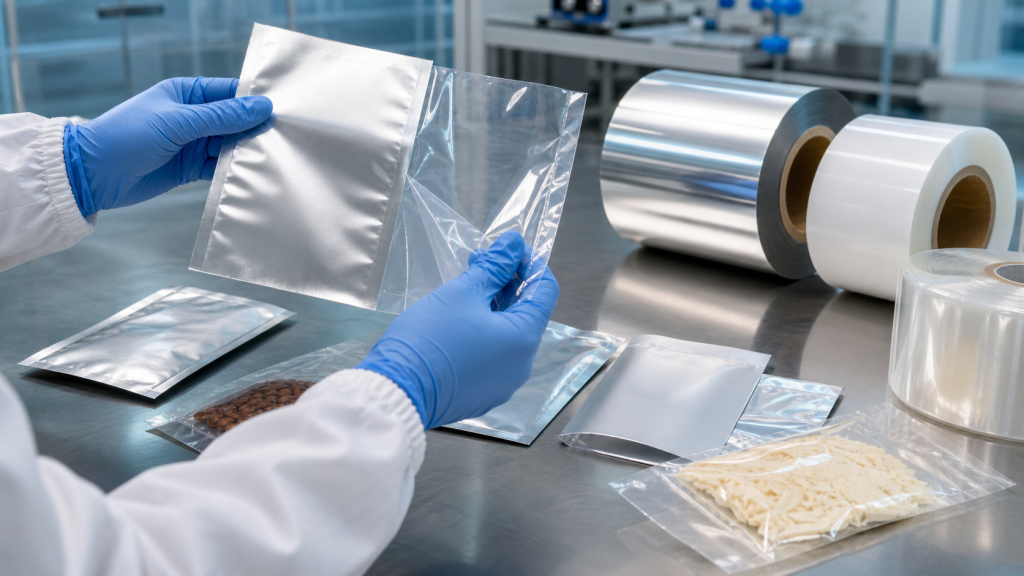
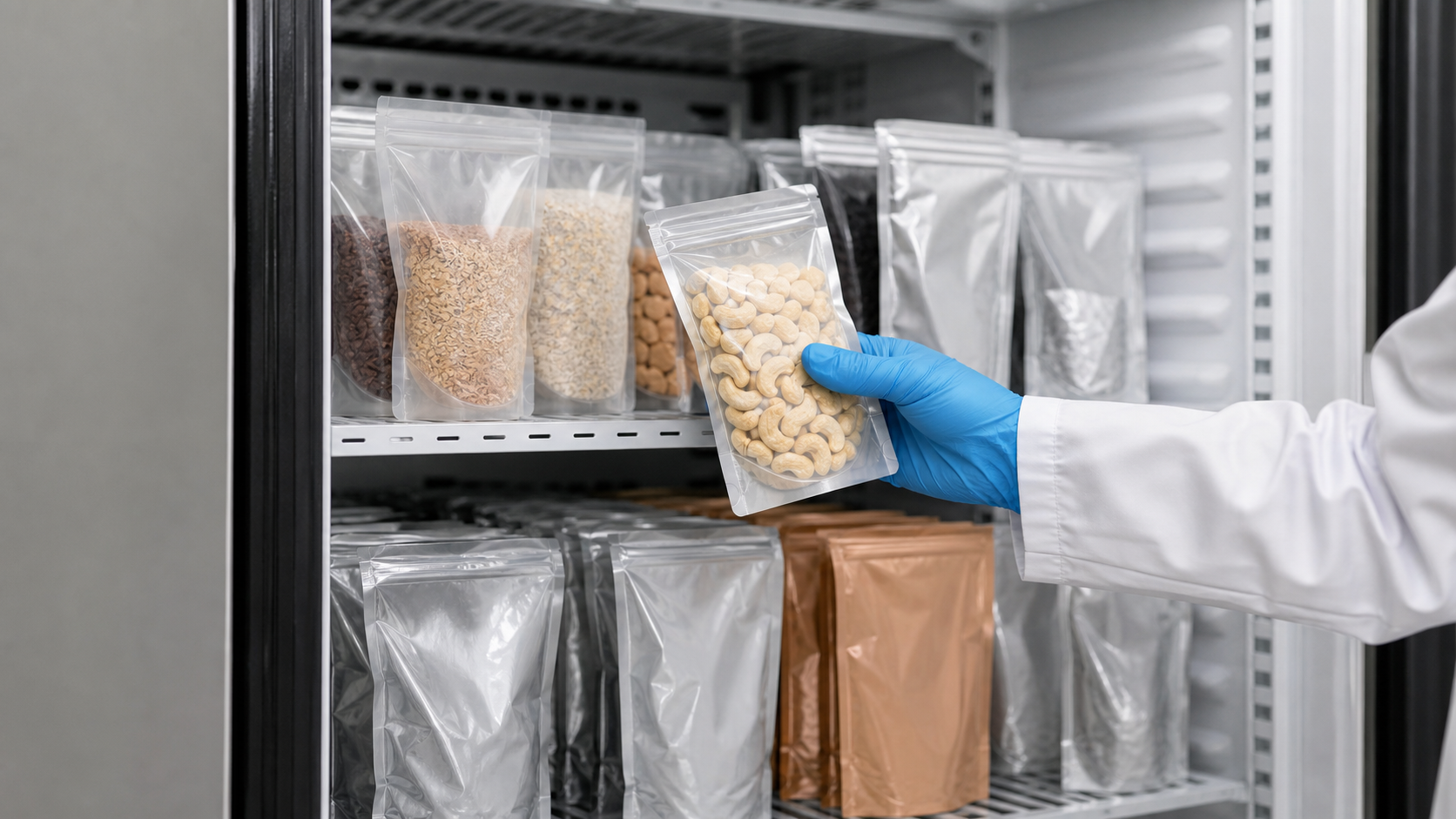
Barrier packaging films are flexible materials or multilayer structures designed to reduce the transmission of one or more factors that could affect a packaged product—such as water vapor, oxygen, aroma, light, or other application-specific exposures. The word “barrier” is not a complete specification by itself.
A barrier film should be selected by defining the product risk, package format, target shelf life, converting route, and real storage conditions, then validating a representative finished package.
What Can a Barrier Film Protect Against?
The relevant challenge depends on the product. A dry snack may be sensitive to moisture pickup; a fatty food may require a different oxygen or light-management approach; an aroma-sensitive product may need to retain or exclude particular volatiles. The performance target must be tied to the intended use, not copied from a generic film description.

Are Barrier Films Always Single-Material Films?
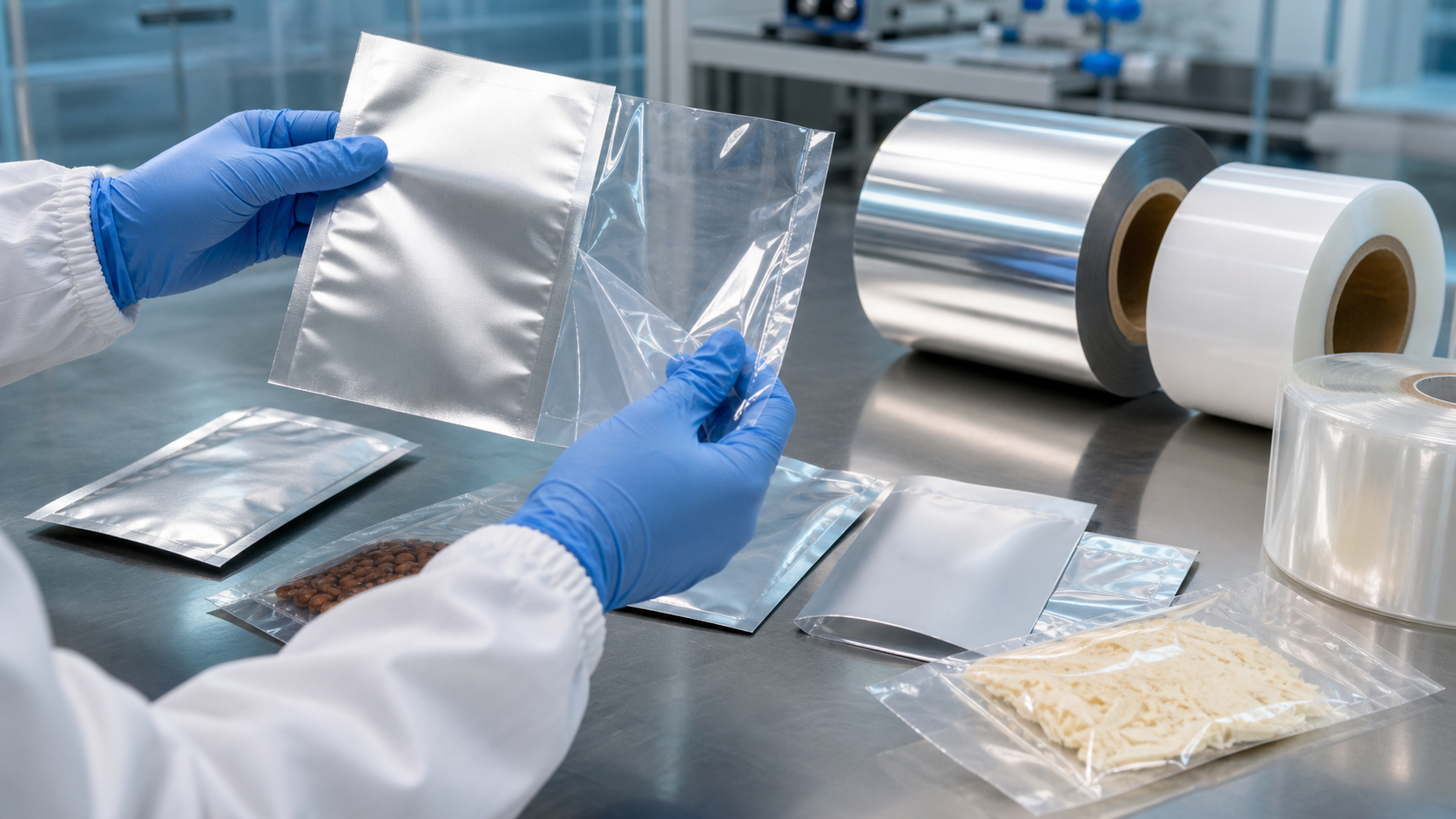
No. A finished structure can include one or more functional layers, coatings, metallization, adhesive bonds, printed layers, and sealant layers. The final result also depends on pouch or lidding geometry, seals, folds, perforations, converting conditions, and distribution handling.
What Should a Buyer Define Before Requesting a Barrier Film?
Start with the product and system requirements.
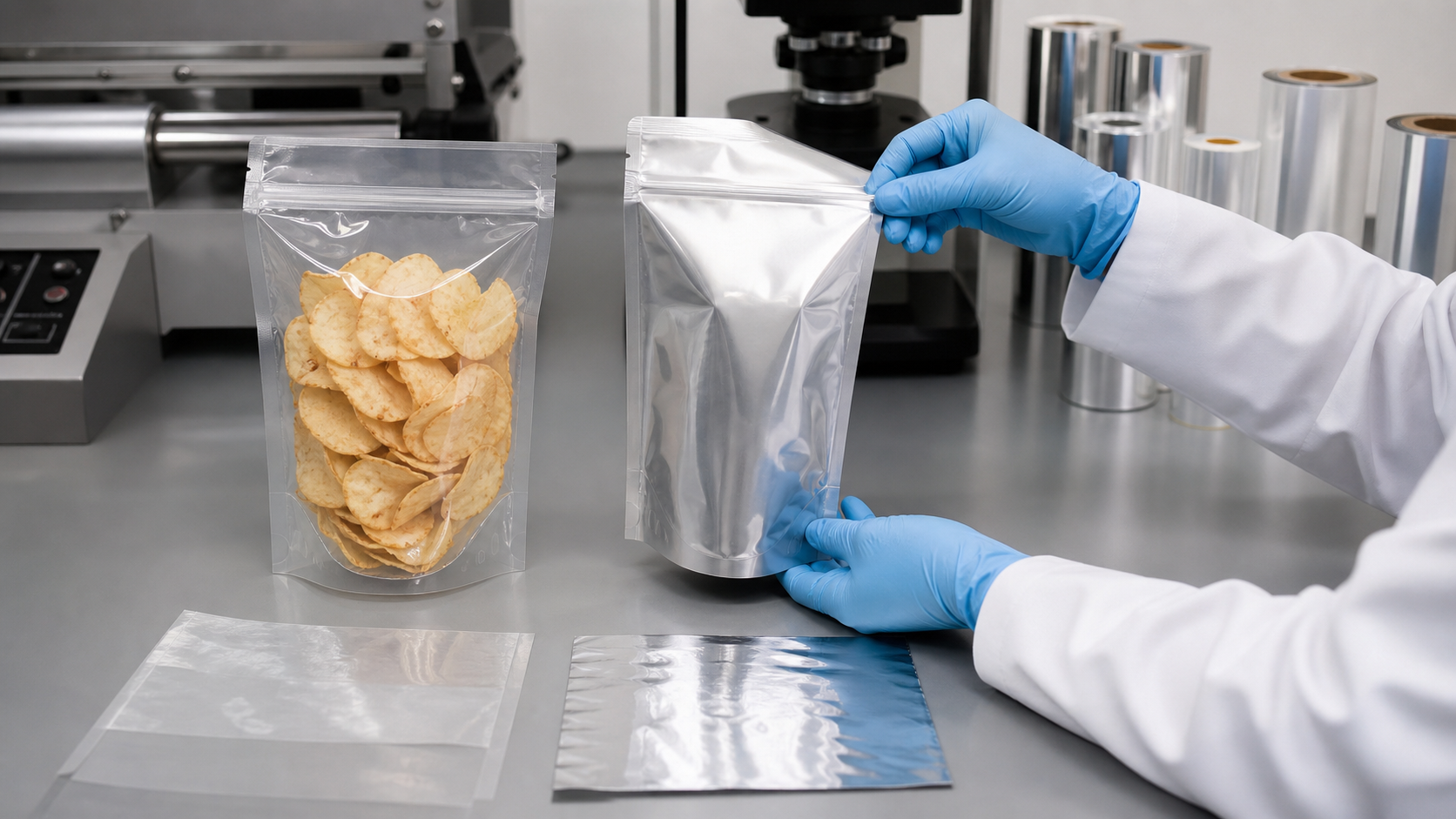
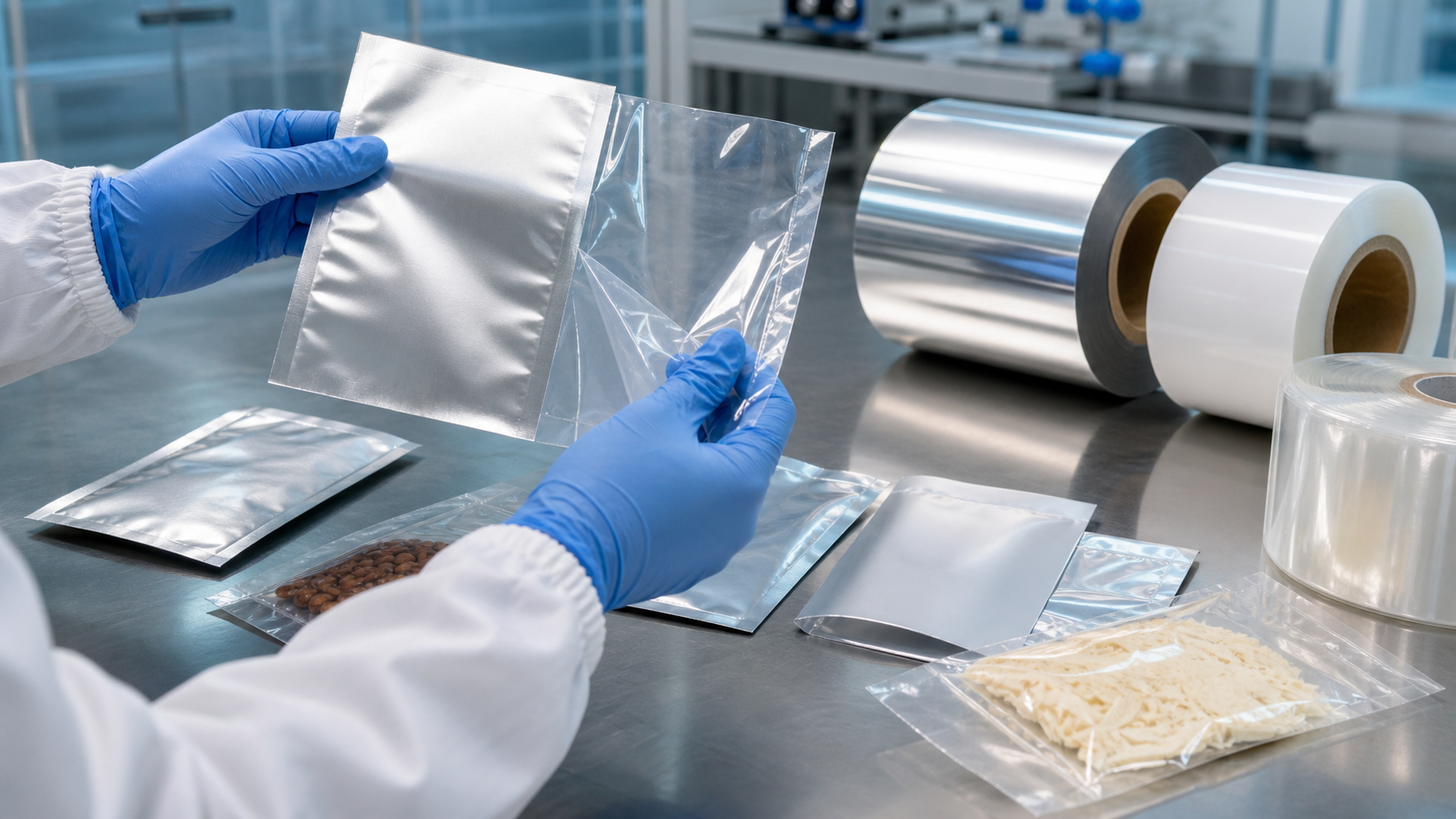
Provide the product type, package format, intended market, target shelf life, storage and distribution conditions, fill process, product-contact need, sealing route, printing or lamination process, and any existing failure evidence. State which risk needs to be managed rather than requesting a vague “high barrier” film.
Why Is Finished-Package Validation Necessary?
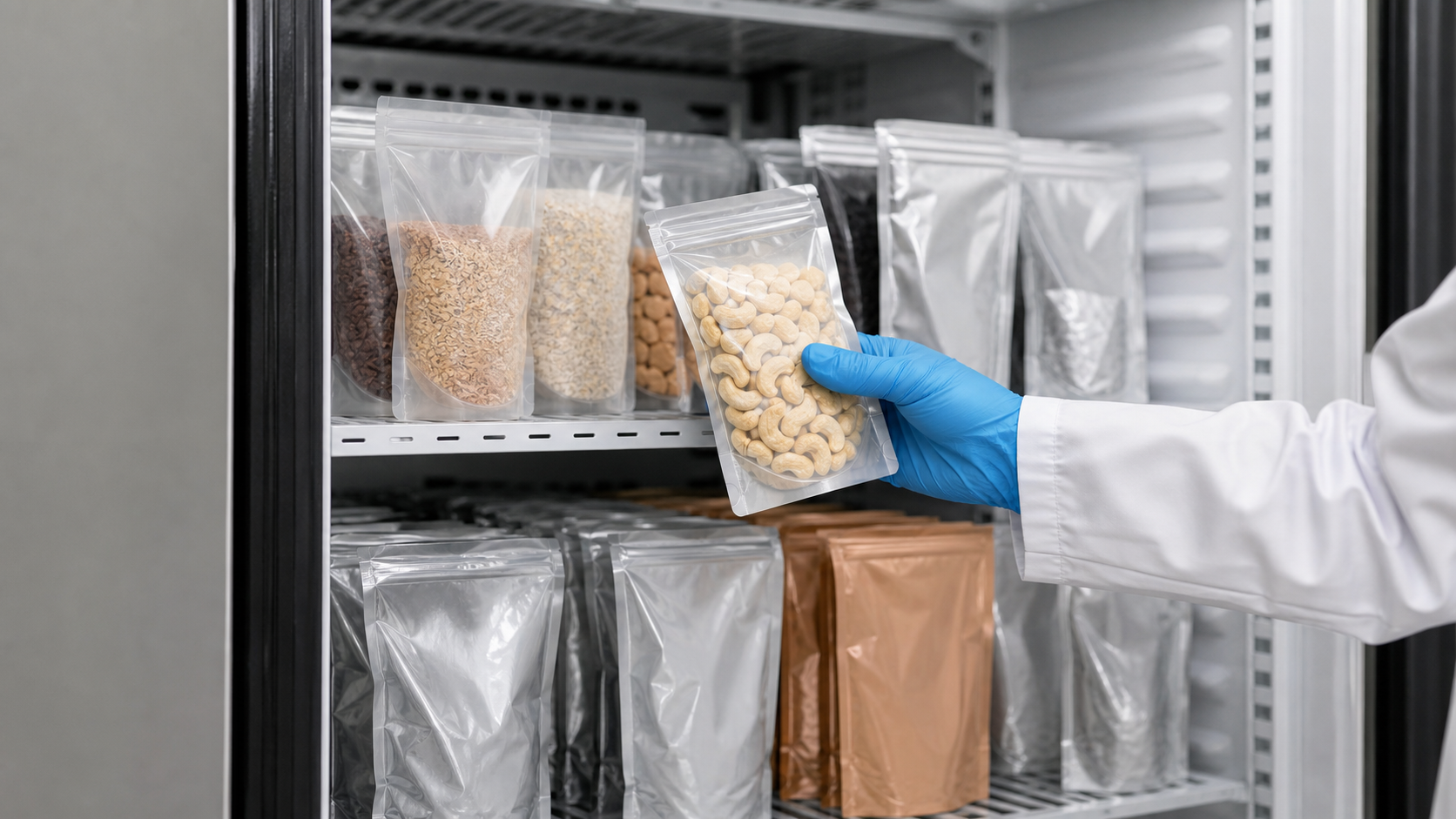
Film-property values are useful technical evidence, but they do not automatically prove a finished package. Seals, folds, pinholes, web handling, product interaction, and transport can change the result. A representative trial should use the intended structure, product, processing route, and agreed inspection criteria.
How Do You Turn a Product Risk into a Barrier Brief?
Start by naming the product risk in operational terms. A buyer may be trying to limit moisture pickup, slow an oxygen-related quality change, protect against light exposure, retain aroma, reduce grease transfer, or manage a combination of these concerns. The correct priority is not implied by the word “barrier.” It depends on the product formulation, fill condition, desired shelf-life period, package geometry, and the storage and distribution route.
Write down what is known and what is still an assumption. Include the product type, fill weight, headspace or pack condition where relevant, intended package format, target market, expected storage temperature and humidity, and foreseeable transport exposure. If there is a current package, retain a sample and document the failure or concern. A complaint such as loss of crispness, odor change, discoloration, or a weak seal gives a supplier a far more useful starting point than a request for the “best barrier film.”
Then distinguish the functional target from the proposed material. The buyer may have a reason to consider a metallized film, coated film, laminate, or another structure, but that choice should remain a hypothesis until the exact application has been reviewed. Ask a supplier to explain the role of each relevant layer and identify which claims are supported by current grade-specific documentation and which must be confirmed in the finished package.
Which Parts of the Package Can Affect the Result?
A barrier result belongs to the whole pack. Film layers, coatings, metallization, adhesives, inks, sealant, pouch shape, lidding area, folds, gussets, perforations, zipper features, and the final seal can all influence the outcome. A technically suitable web can still produce an unsuitable package if it is damaged in conversion, sealed outside its workable range, or used in a geometry that creates a vulnerable area.
For that reason, describe the converting route as carefully as the material. State whether the film will be printed, dry laminated, extrusion laminated, coated, slit, thermoformed, made into a pouch, or used on a filling machine. Provide the intended web direction, approximate thickness or structure, sealing approach, and any known machine limitations. Where a supplier proposes a different structure, ask what must change in the converting or packing process and what evidence supports the substitution.
Do not infer a finished-package result from a single value on a technical data sheet. Test values can be useful for comparing defined grades under stated conditions, but values may not be directly comparable when methods, conditions, or structures differ. Confirm the document version, exact proposed grade, test basis, and whether the stated value applies to a film layer or to a converted structure.
What Should a Representative Validation Plan Include?
Use a sample that represents the intended material, thickness, print and laminate route, package format, fill, seal, and handling conditions as closely as practical. Before starting, agree who will supply samples, what will be recorded, which conditions are fixed, and what outcomes will be inspected. The plan should reflect the actual business decision: whether the package can be converted and packed consistently, and whether it performs acceptably for the defined product and route.
Inspection points can include visual appearance, web handling, print and laminate quality, seal consistency, leakage where relevant, product condition, scuffing, pinholes, folds, and performance after a defined storage or handling exposure. The exact checks and acceptance criteria are application-specific. If the product requires specialist shelf-life, migration, or compliance work, define the test scope and responsible technical reviewer instead of treating a supplier’s general declaration as final approval.
Retain a simple trial record: sample identification, proposed structure, processing settings that materially affect the trial, product or representative fill, inspection results, and the approval decision. This record allows the team to compare a revised sample fairly and helps prevent an unreviewed material or process change from being treated as equivalent to the approved package.
How Should Buyers Control Changes after Approval?
Before production, confirm the approved structure, grade, thickness basis, roll format, print reference, seal or conversion assumptions, packing method, and inspection route. Purchasing should also confirm commercial elements such as MOQ, lead-time assumptions, delivery format, and how material will be identified on arrival. These details reduce the chance that a technically sound sample is replaced by an unclear production order.
Agree a change-control route with the supplier. A change in film grade, coating, metallization, adhesive, production location, thickness, print process, or package geometry may affect the original evidence. The supplier should communicate a proposed change before shipment, and the buyer should decide whether a document review, new sample, or new trial is needed. This is not an assertion that every change will fail; it is a way to make the approval decision traceable.
How Can CHALVO Help with a Barrier-Film Discussion?
CHALVO can help organize the information needed for an application-specific discussion: product risk, current package, target format, shelf-life objective, converting route, storage profile, and known failure evidence. We can help frame questions for current technical documents and a representative sample plan. Material selection and final package suitability must still be verified for the buyer’s real product, process, market, and handling conditions.
This approach also gives internal purchasing and quality teams a common reference when they compare quotes, review samples, or approve a repeat order.
What Should You Send CHALVO?
Share your current structure or package, product description, target shelf life, storage and distribution profile, package drawing, converting route, and any complaint or test evidence. CHALVO can help define an application-specific barrier-film sample discussion and clarify which current TDS and trial evidence should be reviewed.
Related CHALVO resources
- High Barrier Films for Moisture and Oxygen Protection
- BOPP Films in Food Packaging: Ensuring Safety and Quality
- Can EVOH Be Used in Recyclable Packaging Films? A 2026 Buyer Guide
FAQ / People Also Ask
Does “high barrier” mean the same thing for every package?
No. The relevant barrier target depends on the product, package structure, use environment, and the factor being managed.
Can a material data sheet prove shelf life?
No. Shelf life is a finished-package and product outcome that requires application-specific validation.
What is the first question a buyer should ask?
Ask which product risk the proposed film is intended to manage and what representative evidence supports that application.
Summary
Barrier packaging films are requirement-driven functional structures. Define the product risk, then validate the finished package under the real process and storage conditions before approving a specification.
Meta Title
What are barrier packaging films?
Meta Description
Understand barrier packaging films with a practical buyer workflow for defining risks, structure, and finished-package validation.
CTA
Send CHALVO your product, package format, target shelf life, storage profile, and current structure for an application-specific barrier-film review.